
Understanding Roll-Down Hurricane Shutters: Which Windows Can They Be Installed On?
Roll-down hurricane shutters—available in motorized and manual versions—store in a compact housing above the opening and deploy to form a continuous, impact-resistant barrier against wind-driven debris and storm pressure. This guide walks you through how these systems work, the material and control choices you’ll encounter, and which common window types—double-hung, casement, sliding, picture, and specialty shapes—are typically compatible and what modifications installers usually make. Because coastal North and South Carolina present special wind-load and corrosion challenges, this article emphasizes practical installation choices and code-aware decisions for those markets. You’ll learn how frame material and building structure affect mounting, what security and energy benefits to expect, and clear criteria for choosing motorized versus manual systems. Finally, we outline professional installation steps, permit considerations specific to Carolina jurisdictions, and where to get a site-specific estimate. Read on to match shutter types and installation strategies to your windows and prepare for long-lasting, code-compliant protection.
What Are Roll Down Hurricane Shutters and How Do They Protect Your Windows?
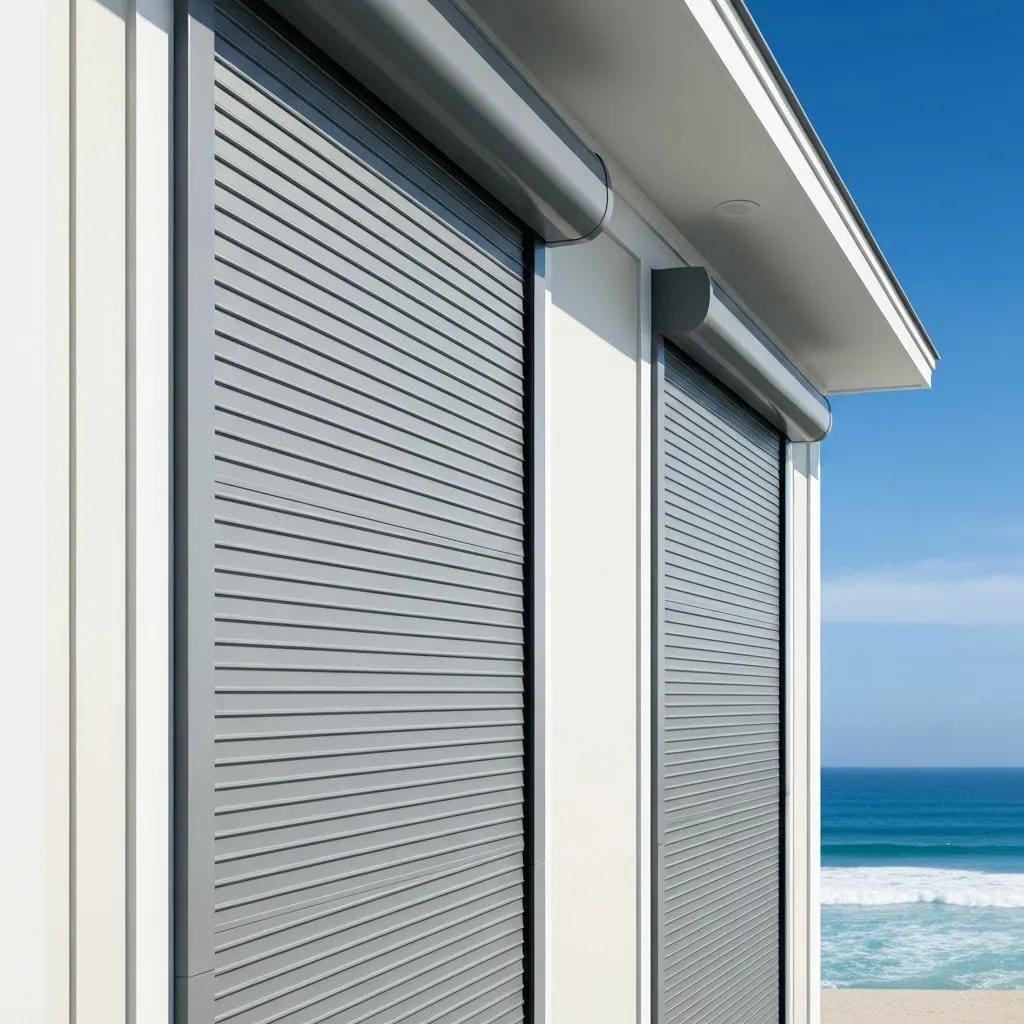
Roll-down hurricane shutters are assemblies of interlocking slats that run in vertical tracks and stow neatly in a housing above the opening. When lowered, they form a continuous shield across the glass and frame, stopping debris and reducing wind pressure on the interior. Deployment is driven by an electric motor or by a manual crank/strap; either way, the shutter shifts loads into anchors and the housing instead of relying on the glass. That load transfer is why these systems lower the chance of glazing failure and structural strain. They also give you secondary advantages—cutting UV, controlling daylight, and adding privacy—that can improve comfort and energy performance. The core physical parts that determine performance and installation needs are listed below.
- Housing box: protects the slats and motor when the shutter is retracted.
- Tracks: guide the slats vertically and resist lateral forces.
- Slats: interlocking sections that create the impact-resistant barrier.
- Motor unit / manual crank: supplies deployment force and often includes backup options.
These components explain why roll-down shutters are a common choice for exposed coastal properties and why material and operation choices focus on corrosion resistance and handling larger openings.
What Materials and Operation Types Are Available for Roll Down Shutters?
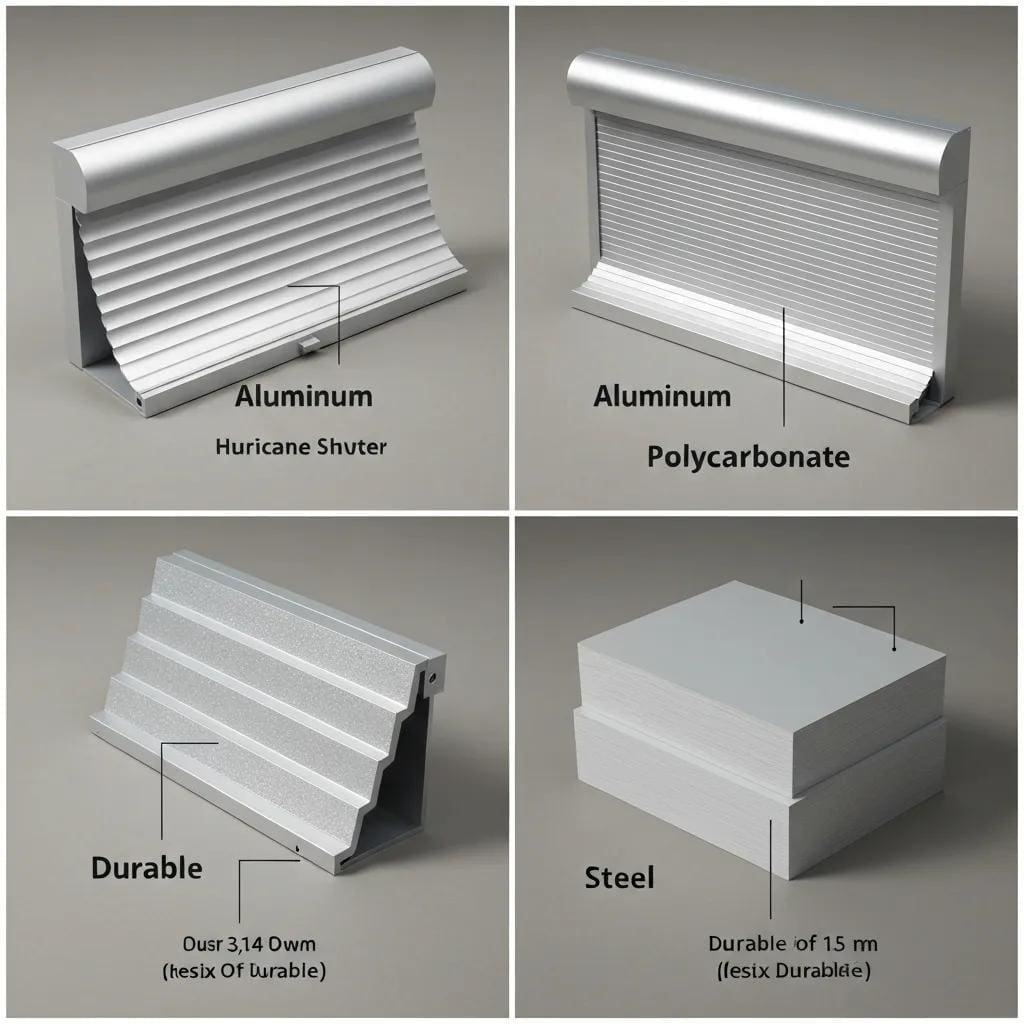
Shutters are typically built from aluminum, polycarbonate, or steel and come in manual and motorized operation. Material and drive type affect weight, corrosion resistance, wind rating, and cost. Aluminum is the most common along the coast because, when properly coated, it balances strength, light weight, and corrosion resistance—making it suitable for most window openings. Polycarbonate offers a transparent option that keeps light and sightlines while providing impact resistance, though it can weigh more and may yellow without UV-stabilized formulations. Steel delivers very high strength for high-risk or security-priority openings but needs aggressive corrosion protection for salt-air environments. On the operation side, manual cranks or straps work well for smaller openings; motorized units—with integrated controls and battery backup—are recommended for larger or hard-to-reach shutters and add installation complexity and convenience considerations.
Below is a side-by-side summary to help you compare attributes and common applications.
Use this comparison to match materials and controls to coastal durability needs, aesthetics, and your budget—then move on to how those choices map to specific window types.
How Do Roll Down Shutters Enhance Hurricane Window Protection?
Roll-down shutters protect windows by providing full-coverage impact resistance and by limiting internal pressurization through continuous seals and engineered anchoring. When lowered, slats lock into tracks and transfer dynamic loads into the housing and anchors, which reduces point loads on glass and sash hardware and lowers the risk of catastrophic failure. Product ratings and wind-load tests show how assemblies perform under debris strikes and sustained pressures, so choosing rated shutters with engineered attachments is essential. Beyond impact protection, a closed shutter reduces solar heat gain, blocks UV, and improves acoustic performance—benefits that also contribute to occupant comfort and potential energy savings. Knowing how these systems work helps you decide when roll-down shutters are a better fit than alternatives like temporary panels or impact glazing.
Next we look at which window types are compatible and what headroom or mounting space they typically require.
Which Window Types Are Compatible with Roll Down Hurricane Shutters?
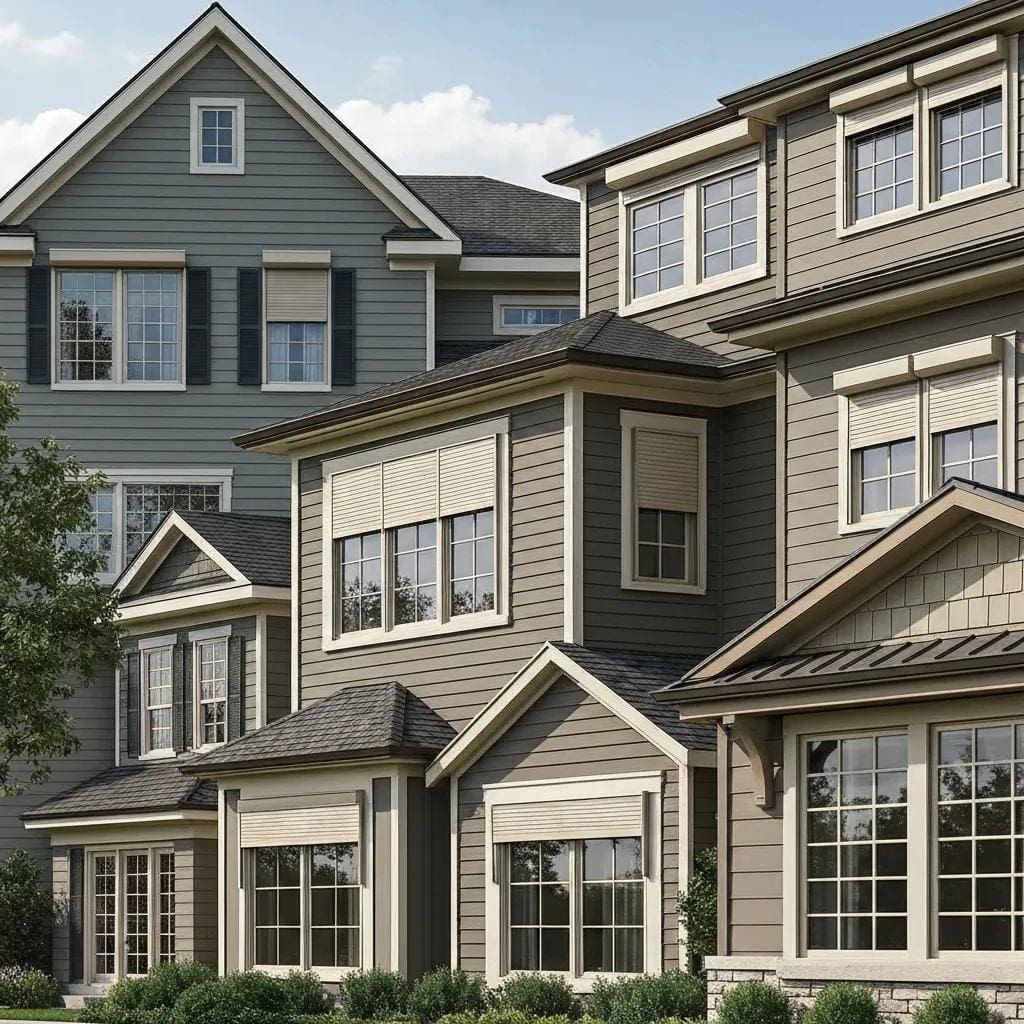
Most common window types—double-hung, casement, sliding, picture, and many specialty shapes—can work with roll-down shutters, provided there’s enough headroom above the opening for a housing and tracks or a viable exterior mount. Compatibility comes down to available mounting or pocket space, trim clearance, and the presence of structural backing; retrofit jobs typically begin with a headroom and framing inspection before a system is selected.
Arched, bay, or other specialty windows often need custom housings or segmented systems; when full roll-down coverage isn’t practical, partial solutions or alternate storm protections may be the better choice.
The table below gives a quick compatibility snapshot and notes common modifications to expect for each window type.
This overview shows that the main constraint is headroom and structural backing—details that installers check on site before recommending a system.
Can Roll Down Shutters Be Installed on Double-Hung and Casement Windows?
Yes—often. Double-hung windows are commonly fitted with outside header-mounted housings that leave the sash operable; installers check that tracks don’t interfere with sash movement or with weep/drain paths. Casement windows usually work best with outside mounting to avoid blocking the crank; installers may relocate or shield the crank and add reinforcement where anchors will carry loads. Both window types sometimes require reinforcement plates or engineered backing if trim or framing is too thin for high-load anchors. A careful measurement and site assessment determine whether minor trim work, frame reinforcement, or a custom flange is needed to create a durable, code-compliant attachment.
Next we cover how sliding, picture, and specialty windows are typically handled.
Are Sliding, Picture, and Specialty Windows Suitable for Roll Down Shutters?
Sliding glass doors and large picture windows are frequent candidates for roll-down shutters; these openings often use oversized housings and reinforced tracks, and motorized operation with battery backup is commonly recommended for safe, repeatable deployment. Picture windows are usually less complicated than sliding doors because they’re fixed, so they’re straightforward when headroom exists. Specialty shapes—arched, round, or complex bay assemblies—may call for segmented slats, curved guides, or bespoke housings, and in some cases fixed panels or custom impact glazing offer a better cost-to-performance ratio. For these complex shapes, an on-site evaluation determines whether a custom roll-down solution or an alternate protection method is the best path.
After compatibility, frame material and building structure drive installation choices—more on that next.
How Are Roll Down Shutters Installed on Different Window Frames and Building Structures?
Installation varies with frame material and exterior cladding because anchor selection, reinforcement, and flashing details all change depending on substrate strength and water-management needs. Installers assess the substrate—wood studs, masonry, or sheathing—to choose anchors and spacing so loads are transferred into structural elements rather than trim. Fastener choice (through-bolt, expansion anchor, or plate) and the need for reinforcement plates or shear blocks depend on whether frames are wood, vinyl, or aluminum and whether the exterior is brick, stucco, or siding. Proper flashing and sealant at the housing-to-cladding junction are critical to prevent water intrusion, and those waterproofing measures differ by cladding type and by local code. These practical considerations shape the installation plan.
Below we summarize specifics for common frame materials.
What Are the Installation Considerations for Wood, Vinyl, and Aluminum Window Frames?
Wood frames accept through-bolts into solid backing and are generally easy to reinforce, but installers must inspect for rot and replace compromised members to ensure anchor integrity. Vinyl frames can deform under point loads, so retrofit solutions usually include reinforcement plates or through-attachments into backing behind the vinyl to prevent long-term creep. Aluminum frames are strong but can move with temperature changes; anchors should accommodate thermal expansion and maintain watertight seals around penetrations. Each material needs a tailored fastening strategy and attention to corrosion or galvanic issues, which is why professional assessment is common to define the correct anchor pattern and reinforcement approach.
How a building is constructed—masonry versus wood-frame with siding or stucco—also changes mounting and flashing tactics.
How Does Building Structure Affect Roll Down Shutter Installation?
Masonry walls often need specific anchors or mounting plates to spread load across the wall and may require careful drilling or embedded plates to protect finishes; creating a housing pocket in masonry can be more involved. Siding-mounted installations demand proper flashing and rain-screen detailing to keep water from entering behind the siding when installing housings or through-bolts; installers typically use compression gaskets and continuous sealant with a drainage path. Stucco jobs require careful anchor work and finish repair (skim-coat) after installation to preserve the weather barrier and appearance; control joints may be planned to reduce cracking. A pre-installation structural checklist—verifying stud locations, substrate condition, and clearance—limits surprises and sets realistic expectations for retrofit complexity.
Because these substrate and cladding issues affect long-term performance, many homeowners choose professional installation to ensure code compliance and durability.
What Are the Benefits of Installing Roll Down Hurricane Shutters on Your Windows?
Roll-down shutters provide primary storm protection by preventing debris penetration and reducing wind-driven internal pressurization. They also deliver secondary benefits: improved security, energy savings, UV protection, and noise reduction. As a continuous, lockable barrier, they deter intrusion. By shading glass and creating an insulated air gap when closed, shutters can cut solar heat gain and lower cooling demand—particularly useful in the Carolina coast’s hot, humid summers. These benefits may also make it easier to document storm-hardening for insurers, although premium changes depend on individual insurer policies and product ratings.
Key homeowner benefits include:
- Storm Protection: Continuous, impact-rated coverage for windows and doors.
- Security: Lockable barrier that deters forced entry.
- Energy Efficiency: Reduced solar heat gain and improved indoor comfort.
- UV and Noise Reduction: Blocks damaging rays and dampens exterior noise.
These advantages feed into resale appeal and potential insurance considerations, which we discuss next.
How Do Roll Down Shutters Improve Security and Energy Efficiency?
Roll-down shutters act as a physical barrier, preventing easy access through glazing and supporting optional locking hardware for added security when you’re away. Energy savings come from reduced solar heat gain and the insulating effect of the shutter cavity, which can lower peak cooling loads in hot months. The shutters’ dense construction also helps reduce airborne noise, improving interior quiet. Taken together, these benefits strengthen the investment case for many homeowners in hurricane-prone regions.
Next we look at how shutters can affect property value and insurance.
Can Roll Down Shutters Increase Property Value and Reduce Insurance Costs?
Installed roll-down shutters can boost resale appeal by demonstrating storm-hardening and security features that buyers in coastal markets often value; the exact uplift varies by market and buyer priorities. Many insurers recognize rated storm protections and may offer premium discounts when provided with product certifications and proof of professional installation—so keep installation records and product data handy. To evaluate return on investment, compare installation quotes with potential insurance savings and the cost of avoided damage. Using a cost calculator or getting a free estimate helps quantify likely savings for your property.
Choosing motorized vs. manual systems also affects upfront cost and ongoing value; we cover that decision-making below.
When Should You Choose Motorized vs. Manual Roll Down Hurricane Shutters?
Choose motorized shutters for large, heavy, frequently used, or hard-to-reach openings—motorization provides reliable, fast deployment and can integrate with timers or home automation for added safety during storms. Manual systems are cost-effective and robust for small to standard windows where the shutter remains manageable by crank or strap, and when simplicity or budget is the priority. Consider frequency of use, occupant mobility, and whether backup power is needed: motorized systems require wiring and possibly a battery backup and periodic electrical checks, while manual systems have fewer electrical components and simpler service needs.
The table below helps match opening size to operation type and rationale.
This guidance shows motorization is a practical investment for large or elevated openings and helps with planning and budgeting.
What Are the Advantages of Motorized Roll Down Shutters for Large Windows?
Motorized shutters offer consistent, controlled operation for heavy assemblies, reducing wear on mechanical components and making deployment easier for occupants. Features like soft-start/stop extend equipment life, and integration with home automation lets you schedule closures or operate shutters remotely—useful when you’re away. Battery backup or generator-ready controls keep shutters functional during outages, and manual overrides preserve operation if the motor needs service. For large patio doors, two-story windows, or commercial-size openings, motorization often delivers safety and convenience that justify the higher initial cost.
For smaller openings, manual systems may still be the best fit.
Are Manual Roll Down Shutters a Reliable Option for Smaller or Standard Windows?
Yes. Manual roll-down shutters are a reliable, economical choice for smaller and standard windows where weight and frequency of use remain manageable. Crank and strap systems are straightforward to maintain and have fewer electrical components to service. Manual systems cost less upfront and are easier to retrofit, and with regular maintenance they perform dependably. The trade-off is that manual deployment can be slower during sudden storms and impractical for high or very wide openings. Many homeowners take a mixed approach—motorized for large or high openings and manual for smaller windows—to balance cost, convenience, and resilience.
Your final choice should align with proper installation and local code requirements, covered in the next section.
How Can You Ensure Proper Installation and Compliance with Coastal Carolina Building Codes?
Proper installation and code compliance start with a thorough pre-installation assessment that documents opening dimensions, substrate condition, and any existing damage; this assessment defines anchor locations and identifies permit requirements tied to local wind zones. Professional installation follows a clear sequence: precise measurement, engineered attachment selection, housing and track mounting, motor wiring or manual mechanism setup, and watertight flashing and sealing—each step documented for permitting and insurance. Local building departments in North and South Carolina commonly require wind- and impact-rated product documentation and engineered attachments for larger openings, so installers often provide stamped drawings or manufacturer certificates for plan reviewers. A checklist-driven process with site photos and product data improves the odds of smooth permitting and insurer acceptance.
Use the numbered checklist below as a typical installation roadmap.
- Site assessment and measurement: Confirm header space, substrate, and clearances; document existing conditions.
- Product selection and engineering: Pick rated shutters and an engineered anchor pattern for expected wind loads.
- Mounting and anchoring: Install housing, tracks, and anchors per engineered drawings.
- Wiring and controls (if motorized): Run power, install switches and backup battery, and verify safe connections.
- Flashing and sealing: Apply appropriate flashing and sealants to prevent water intrusion.
- Testing and documentation: Cycle the shutter, confirm locks and controls, and compile records for permits and insurers.
This staged approach reduces risk; American Hurricane Shutters recommends professional measurement and helps homeowners navigate compliance and estimates for coastal North and South Carolina properties. If you want a tailored quote, use our cost calculator or request a free estimate to verify compatibility, sizing, and permit needs before purchase.
What Are the Key Steps in Professional Roll Down Shutter Installation?
A professional install begins with precision measurement and a structural assessment to locate studs, masonry backing, and potential obstructions—information that drives the engineered attachment plan. Installers mount the housing and tracks using through-bolts or specialized anchors into structural backing, adding reinforcement plates where substrate is thin. For motorized systems, wiring and battery backup follow electrical code, and controls are installed and tested; manual units receive crank or strap hardware with secure stops and locking points. Finish work includes sealing and flashing the housing-to-cladding junction, cycling the shutter for fit and function, and delivering documentation and test records for inspections and insurers.
These steps are designed to meet local building officials’ and insurers’ expectations, so choose an installer familiar with regional requirements.
How Do Local Building Codes Affect Roll Down Shutter Installation in North and South Carolina?
Local codes in coastal North and South Carolina vary by county and municipality but commonly ask for documentation of design pressures, product impact or wind ratings, and engineered attachments for larger openings. Permits may be required for structural changes, electrical connections for motorized systems, or exterior alterations, and plan reviewers often request manufacturer test reports or stamped engineering. Homeowners should keep installation records, product certificates, and permit approvals to show insurers, since these documents often affect claims and premium reviews. Because codes change and differ locally, always check with your building department and a qualified installer before scheduling work.
With the code side covered, we’ll answer common homeowner questions next.
Frequently Asked Questions
1. What is the average cost of installing roll down hurricane shutters?
Costs vary with window size, material choice (aluminum, polycarbonate, or steel), and whether the system is motorized. Expect a broad range—commonly $30 to $100 per square foot for materials and installation—depending on complexity and local labor. Additional expenses may come from structural reinforcement or custom housings. For an accurate number, consult a qualified installer or use a site-specific cost calculator.
2. How do I maintain roll down hurricane shutters?
Regular maintenance keeps shutters reliable. Clean tracks and slats to remove debris, check motor or manual mechanisms for smooth operation, inspect seals for wear, and lubricate moving parts per the manufacturer’s recommendations. Perform these checks at least twice a year—ideally before hurricane season—to ensure shutters are ready when needed.
3. Can roll down shutters be painted or customized?
Yes—many shutters can be finished to match your home. Use paints and coatings approved for the shutter material so you don’t damage protective finishes or void warranties. Manufacturers also offer factory color and finish options that often provide longer-lasting results than field painting. Talk with your installer or the manufacturer before making cosmetic changes.
4. Are there any insurance benefits to installing roll down hurricane shutters?
Potentially. Many insurers recognize rated storm protection and may offer premium discounts when you provide product ratings and installation records. To pursue savings, keep documentation of the product specifications, engineering attachments, and permits. Insurance responses vary by company and region, so check with your carrier for specific qualification requirements.
5. How do roll down shutters compare to other storm protection options?
Roll-down shutters offer full coverage, fast deployment, and integrated storage—advantages over portable storm panels that must be handled and stored seasonally. Impact windows provide permanent protection without changing the exterior, but they’re more expensive and don’t offer the blackout or enhanced security a closed shutter provides. Each option has trade-offs in cost, convenience, and aesthetics; choose based on your priorities and budget.
6. What should I consider when choosing between manual and motorized roll down shutters?
Consider window size, frequency of use, access, and budget. Motorized shutters are best for large, high, or frequently operated openings and can include backup power for outages. Manual shutters are lower cost and simpler to maintain, suitable for small to standard windows. Many homeowners mix both types to balance cost and convenience.
7. How can I ensure my roll down shutters comply with local building codes?
Start with a qualified installer who knows local code requirements. Obtain necessary permits before work begins, and collect product certifications, test reports, and any stamped engineering documents the plan reviewer requires. Keep detailed installation records and permit approvals for inspections and insurer verification. Staying in contact with your local building department and using an experienced installer reduces compliance risk.
Conclusion
Roll-down hurricane shutters offer reliable storm protection, added security, and potential energy benefits for coastal homes. Understanding window compatibility, material choices, and proper installation practices helps you select a solution that meets local building codes and stands up to coastal conditions. Choose materials and operation types that fit your openings and lifestyle, and work with a reputable installer to document ratings and permits. For a tailored assessment and to explore our shutter options, contact us today.