
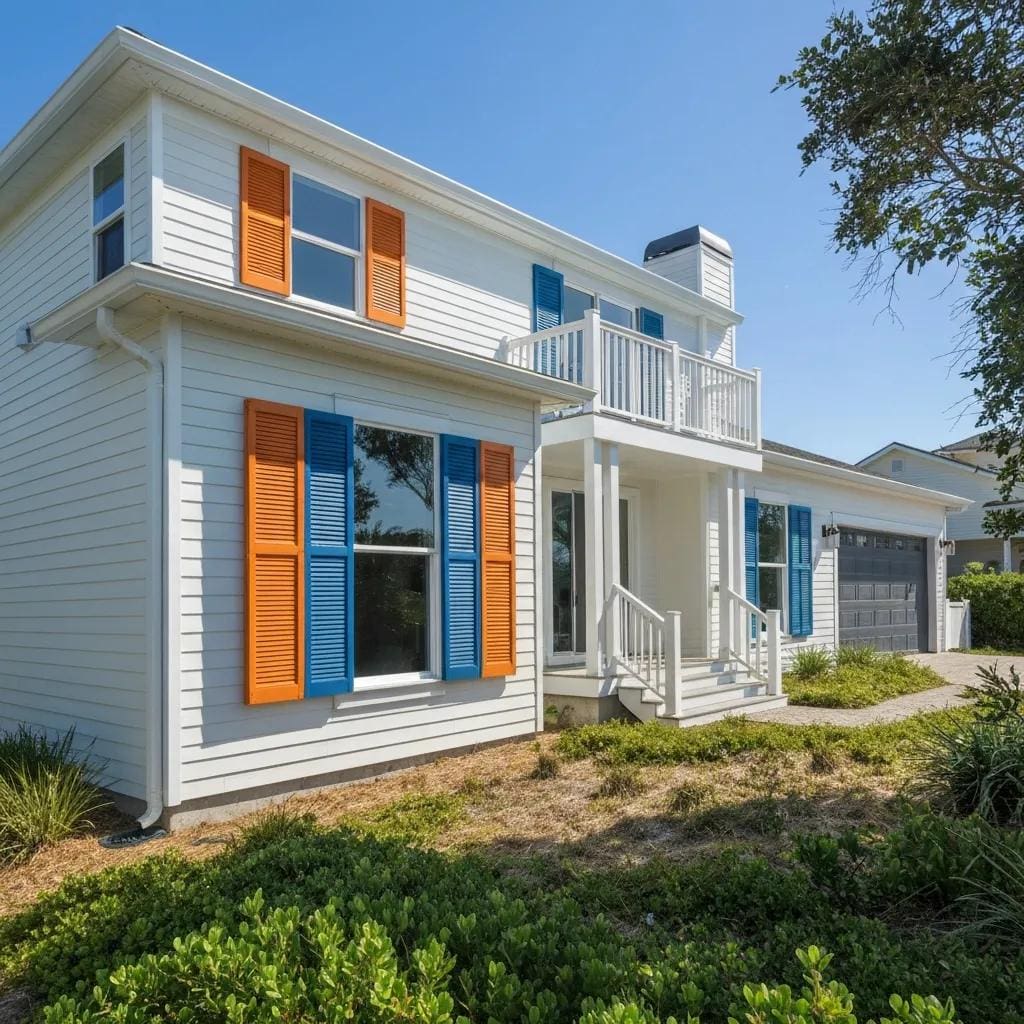
Accordion Shutters: Affordable Protection That Elevates Your Coastal Home’s Style
Accordion shutters give coastal homeowners a durable, budget‑friendly way to protect windows and doors while improving curb appeal, daily comfort, and long‑term property value. This guide walks you through how accordion shutters balance attractive design with proven storm performance, which colors and finishes work best for North and South Carolina homes, and what to expect for installation, code compliance, and cost planning. Many homeowners worry storm protection will look bulky or factory‑made; well‑designed accordion shutters avoid that by using interlocking panels, weather‑resistant coatings, low‑profile tracks, and coordinated color options. Read on to learn how accordion shutters protect your home and add everyday benefits, which choices resist salt‑air and sun fade, how to confirm code compliance during installation, and how to use free estimates and an online cost calculator to plan your investment. We use clear comparisons, practical checklists, EAV‑style tables for quick decisions, and local examples so you can confidently choose an affordable accordion shutter solution for your coastal property.
Why Accordion Shutters Are the Most Affordable Hurricane Protection for Coastal Homes
Accordion shutters fold open for daily use and lock closed for immediate impact resistance, offering a strong mix of affordability and engineered performance. Because the panels stay mounted on permanent tracks, they deploy quickly without seasonal storage or extra hardware—saving on labor and lifecycle costs while preserving tested protection. That means you get a finished exterior treatment and a certified storm barrier in one system, often at a lower total cost than temporary panels or mechanically complex roll‑down shutters. The sections that follow explain how smart design preserves strength while improving curb appeal and why lifecycle cost usually favors accordion shutters in coastal settings.
How Accordion Shutters Combine Style with Storm Protection
Accordion shutters pair visible design choices—slim vertical panels, durable powder‑coat finishes, and matching edge trim—with structural features like interlocking seams and reinforced tracks to deliver both curb appeal and certified resistance. The profile is presented as an architectural detail rather than a temporary add‑on, and modern finishes are formulated to resist chalking and color loss from sun and salt exposure. Protection comes from engineered connections and locking hardware that transfer wind loads into the home’s framing; those attachments can be detailed to sit flush with trim or behind decorative casing for cleaner sightlines. Knowing how finish, profile width, and attachment detail affect appearance and performance helps you choose options that don’t trade safety for style.
Why Accordion Shutters Often Cost Less Over Time Than Other Options
Accordion shutters are cost‑effective because they reduce installation labor, eliminate seasonal handling, and offer long service life with minimal maintenance. Permanent tracks and pre‑sized panels speed installation, cutting labor hours compared with removable panels or complex automated systems. The durability‑to‑cost ratio is favorable—aluminum panels with protective coatings can provide decades of service with routine cleaning and lubrication rather than frequent refurbishment. When you compare total cost of ownership, also factor in possible insurance discounts and energy savings that improve the long‑term value of accordion shutters.
How Accordion Shutter Styles and Colors Improve Your Home’s Exterior
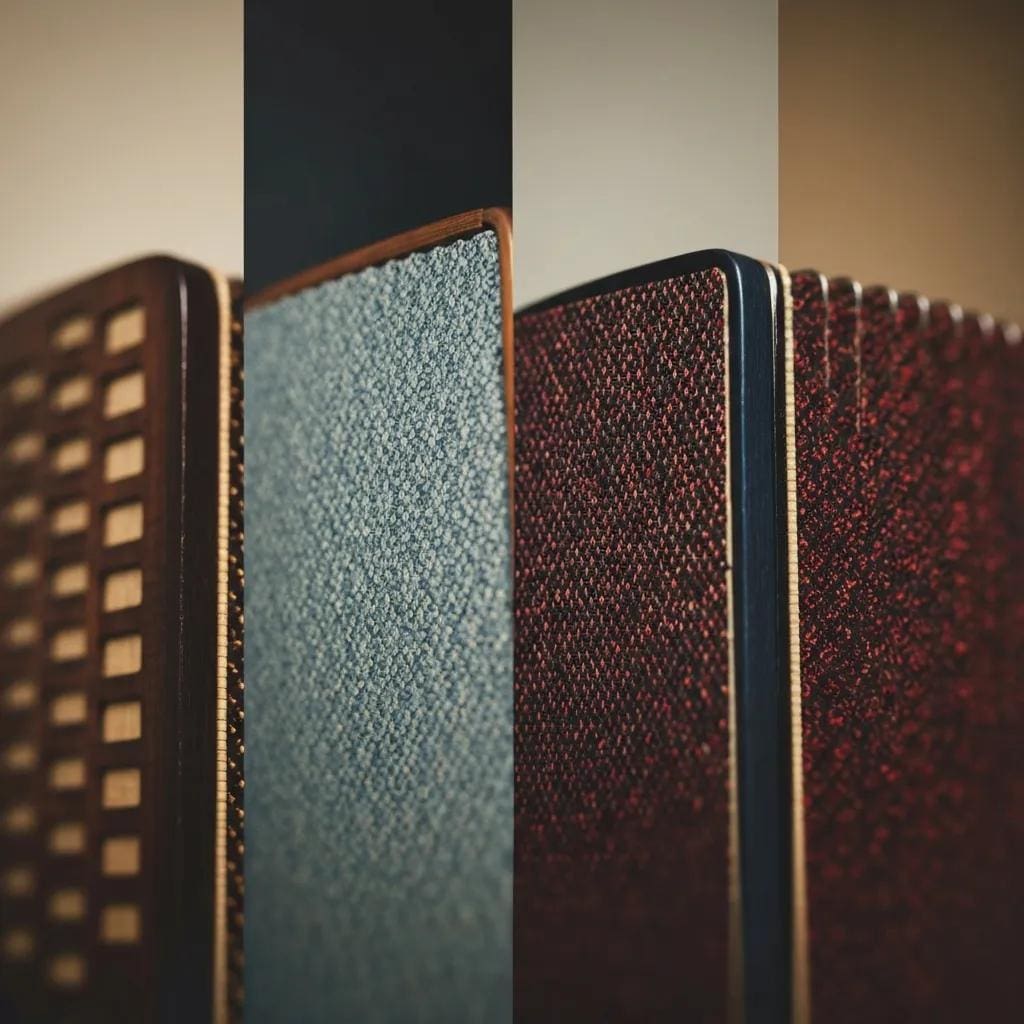
Accordion shutters act as protective hardware and a permanent exterior finish, so you can integrate hurricane protection into your home’s overall palette and detailing. Choosing shutters means matching panel profile, finish texture, and color to materials like clapboard, stucco, or brick so the shutters blend or create a deliberate, complementary contrast. Prioritize fade‑resistant powder coatings and colors that suit coastal palettes—muted neutrals for classic cottages or deeper tones for contemporary homes. The table below links common coastal styles to practical shutter colors and finishes to simplify selection while keeping salt‑air durability in mind.
How to use this table: Match your home’s architectural type to the recommended finishes and consider sun exposure and salt‑air when choosing a color.
Which Colors and Finishes Work Best for Coastal Homes?
Choose colors and finishes that resist UV and salt damage while supporting the home’s architectural style. Powder‑coat finishes deliver durable color and surface protection—lighter tones reduce heat gain, while darker accents frame windows on pale facades. Textured or metallic finishes are useful on wood or brick exteriors because they mask minor salt deposits and coordinate with existing hardware. Always request finish samples or a small test panel to see how color and texture age in your sunlight and seaside conditions before you commit.
How Accordion Shutters Boost Curb Appeal and Resale Value
Accordion shutters can raise perceived value by signaling permanent, certified storm protection alongside a finished exterior that buyers in coastal markets recognize and prefer. Certified systems reassure buyers about risk mitigation, and shutters that also provide privacy and shade make homes feel more usable year‑round. When selling, document your product ratings and finish choices in listing materials so prospective buyers see both the protective and aesthetic benefits of the investment.
Everyday Benefits of Accordion Shutters Beyond Hurricane Protection
Accordion shutters deliver everyday advantages—energy savings, added security, privacy, and low maintenance—that extend their value beyond storm season. By shading windows, shutters reduce solar heat gain and can lower cooling demand. Sturdy panels and secure locks add a deterrent to opportunistic entry while still allowing controlled light and ventilation when partially closed. The table below breaks each benefit into mechanism and typical homeowner impact to make trade‑offs easier to evaluate.
How to read the table: Each row shows a benefit, the mechanism behind it, and the typical impact homeowners can expect.
How Accordion Shutters Deliver Energy Savings and Security
Accordion shutters block sunlight before it reaches glass, lowering indoor temperatures and reducing air‑conditioning runtime. Reflective or light‑tone finishes further cut peak heat loads, producing modest seasonal energy savings. Security improves because shutters form a continuous barrier anchored to structural members; quality locking systems and reinforced tracks add resistance to forced entry while remaining easy to operate. Together, these features provide comfort and safety year‑round, not just during storms.
Why Quick Operation and Low Maintenance Matter for Busy Homeowners
Busy homeowners value shutters that deploy fast without offsite storage or seasonal labor. Accordion shutters stay installed and simply fold open or closed along tracks, so you can switch between everyday use and storm readiness without tools or extra hands. Maintenance is straightforward—cleaning, track inspection, and occasional lubrication—and avoids the recurring effort required by removable panels or complex motorized systems. Simple operation and low upkeep increase both daily usefulness and long‑term cost effectiveness.
How Installation Meets Building Codes and Local Standards
Accordion shutters must be installed to meet local building codes and, where applicable, high‑velocity hurricane zone (HVHZ) standards. Professional installation ensures systems are anchored and documented to satisfy regulatory and insurance requirements. A compliant job includes engineered attachment points, product test certifications, and installation records that inspectors or insurers will request. Ask installers for test reports and engineered attachment details to confirm the shutters meet standards for your area. Clear documentation streamlines permitting and verifies protective performance.
What Miami‑Dade and Florida Building Code Requirements Apply to Accordion Shutters?
Miami‑Dade and Florida Building Code rules require hurricane protection products in regulated zones to have appropriate impact and wind‑load testing with supporting certifications; installers should supply product test reports and installation instructions. Proper documentation shows the shutters were manufactured and installed to relevant standards and that engineered attachments transfer loads into structural framing rather than decorative trim. Homeowners should request copies of test certifications and installation paperwork to satisfy permitting and insurance needs.
How Professional Installation Protects Performance and Preserves Appearance

Professional installers follow a clear process—site assessment, precise measurement, engineered attachment design, careful installation, and final inspection—to ensure rated protection and clean aesthetic integration with trim and siding. Proper installation transfers wind and impact loads to framing members using specified anchors and fasteners, while finish details like jamb returns and trim blending keep the shutters looking intentional. Quality checks include torque testing of anchors, verification of panel fit and track alignment, and documentation for permits and insurance. These steps protect performance and make the shutters look like a planned exterior feature rather than an afterthought.
How to Estimate Cost and Request a Free Quote for Accordion Shutters
Estimating accordion shutter cost starts with the main drivers—window size and shape, number of openings, material and finish choices, and labor and permitting—and then applies a per‑opening or per‑linear‑foot basis to build a budget. An online cost calculator translates measured opening dimensions and finish choices into a planning range and helps you collect the inputs installers need before an on‑site estimate. Using a calculator gives you a realistic planning range; the next step is a free in‑person estimate to confirm structural needs and get a firm price. American Hurricane Shutters offers a free estimate and an online cost calculator to help you plan the project.
What to prepare before using a cost tool: Gather the basic information below so estimates are more accurate.
- Window and door dimensions—these drive panel sizing and material needs.
- Material and finish choices—which affect unit cost and long‑term durability; premium coatings add to initial price.
- Labor, permitting, and any reinforcement or removal work—these line items affect installed cost and should be included in estimates.
Tip: Accurate measurements and clear finish preferences before requesting an estimate reduce variability and let installers produce comparable, transparent quotes.
What Drives the Price of Accordion Shutters for Coastal Homes?
Price is mostly driven by measurable items—window dimensions and the number of openings determine panel count and track length—while material and finish selections add incremental cost. Labor depends on installation complexity (height, access, retrofit vs. new construction), any structural reinforcement required, and local permitting fees. Coastal considerations, like choosing higher‑durability finishes to resist salt corrosion, may increase upfront cost but reduce long‑term maintenance. Knowing these variables helps you prioritize choices that control initial expense while protecting long‑term value.
How a Cost Calculator Helps You Plan Your Investment
A cost calculator asks for simple inputs—opening widths and heights, number of openings, and finish preferences—and returns an estimated range to help prioritize budget options and compare materials. Treat the output as a planning tool: final pricing will reflect on‑site measurements, engineered attachments, and scope details confirmed during a free estimate. After using the calculator, schedule a free on‑site estimate so professionals can verify structural conditions and provide a firm proposal. This two‑step approach reduces surprises and helps you make informed decisions.
Why Choose American Hurricane Shutters for Accordion Shutters in NC & SC?
American Hurricane Shutters specializes in accordion systems and other hurricane protection for homeowners and businesses across coastal North and South Carolina. We combine regional experience with tools that simplify planning and purchasing—multiple shutter types, free estimates, an online cost calculator, and a focus on aesthetic integration and applicable building codes such as Florida Building Code and Miami‑Dade HVHZ when relevant. Expect an education‑first process, clear estimates, and installation practices that prioritize both appearance and protection.
How American Hurricane Shutters Delivers Quality and Customer Care
We emphasize engineered hurricane protection and professional installation that align with code. Our process includes a site consultation, precise measurement, a transparent estimate, and coordinated installation with documentation. Installers follow engineered attachment protocols and provide specification and test reports needed for permitting and insurance, helping ensure compliance and performance. We also explain finish options, operation, and maintenance so you can choose what fits your home. Ask for product certifications, a summary of attachment details, and a written estimate to verify quality and satisfaction.
Local Examples: Accordion Shutters That Fit Coastal Architecture
Local project examples show how accordion shutters integrate with regional styles—accordion shutters on clapboard cottages in Wilmington, streamlined shutters on a contemporary beach house near Myrtle Beach, and coordinated finishes on a low‑country home near Pawleys Island. These visuals demonstrate how finish and profile choices were tailored to local vernacular; before‑and‑after photos and descriptive alt text help highlight both aesthetic outcomes and installed hardware. Local references make it easier to picture the right option for your property and confirm how choices perform in nearby climates and materials.
- Request project photos and local references to evaluate finish durability and aesthetic fit.
- When reviewing visuals, focus on how shutters align with trim, color palettes, and operation—not just on panel presence.
- Local examples confirm how choices behave in nearby climate and architectural contexts.
These examples and checklist items help homeowners verify that chosen solutions will deliver the intended aesthetic and protection in their coastal community.
Frequently Asked Questions
What maintenance is required for accordion shutters?
Accordion shutters are low maintenance. We recommend an annual inspection and periodic cleaning of panels and tracks, plus lubrication of moving parts as needed. Check for debris or damage after major storms. Routine care keeps the shutters operating smoothly and extends their service life.
Can accordion shutters be customized for unique window shapes?
Yes. While standard sizes cover most openings, many manufacturers and installers provide custom solutions for arches, angled windows, and other non‑standard shapes. Talk with a professional installer to review options and any added costs for custom fabrication.
How do accordion shutters compare to other types of hurricane protection?
Accordion shutters offer a middle ground between temporary panels and motorized roll‑downs: they’re permanently mounted, quick to deploy, and typically more attractive than plywood. Compared with roll‑down systems, they usually cost less to install and maintain while still providing certified protection. They strike a balance of durability, ease of use, and visual integration.
What is the typical lifespan of accordion shutters?
With regular care, accordion shutters commonly last 20–30 years. High‑quality aluminum panels and protective coatings resist corrosion and fading in coastal environments. Proper maintenance and choosing durable finishes can extend useful life; check manufacturer warranties for specific coverage.
Are accordion shutters suitable for all coastal climates?
Accordion shutters are suitable for most coastal climates, especially areas prone to hurricanes and high winds. That said, local code requirements and environmental factors vary—consult a local expert to confirm the chosen product meets regional standards and is appropriate for your home. Correct installation and adherence to codes are essential to performance.
How do I choose the right color and finish for my accordion shutters?
Pick a color and finish that complements your home’s architecture and stands up to sun and salt. Fade‑resistant powder coatings are a good choice for coastal settings. Request samples and view them on your home in different light conditions before deciding. If you want help, our design team can suggest palette options that suit your style and climate.
What should I look for in a professional installer for accordion shutters?
Look for installers with hurricane protection experience who are licensed and insured. Check references and project photos, and ask for detailed estimates that list materials, labor, and code compliance. A good installer will explain the installation process, provide test certifications when applicable, and answer your questions about maintenance and warranties.
Conclusion
Accordion shutters offer a practical blend of style and storm protection that suits many coastal homes. They’re low maintenance, contribute to energy savings, and can increase your home’s marketability when chosen and installed correctly. Pick finishes and profiles that complement your architecture, request local references, and use tools like our cost calculator and free estimates to plan your project. Explore our accordion shutter options and request a free estimate to take the next step toward a safer, more stylish home.