
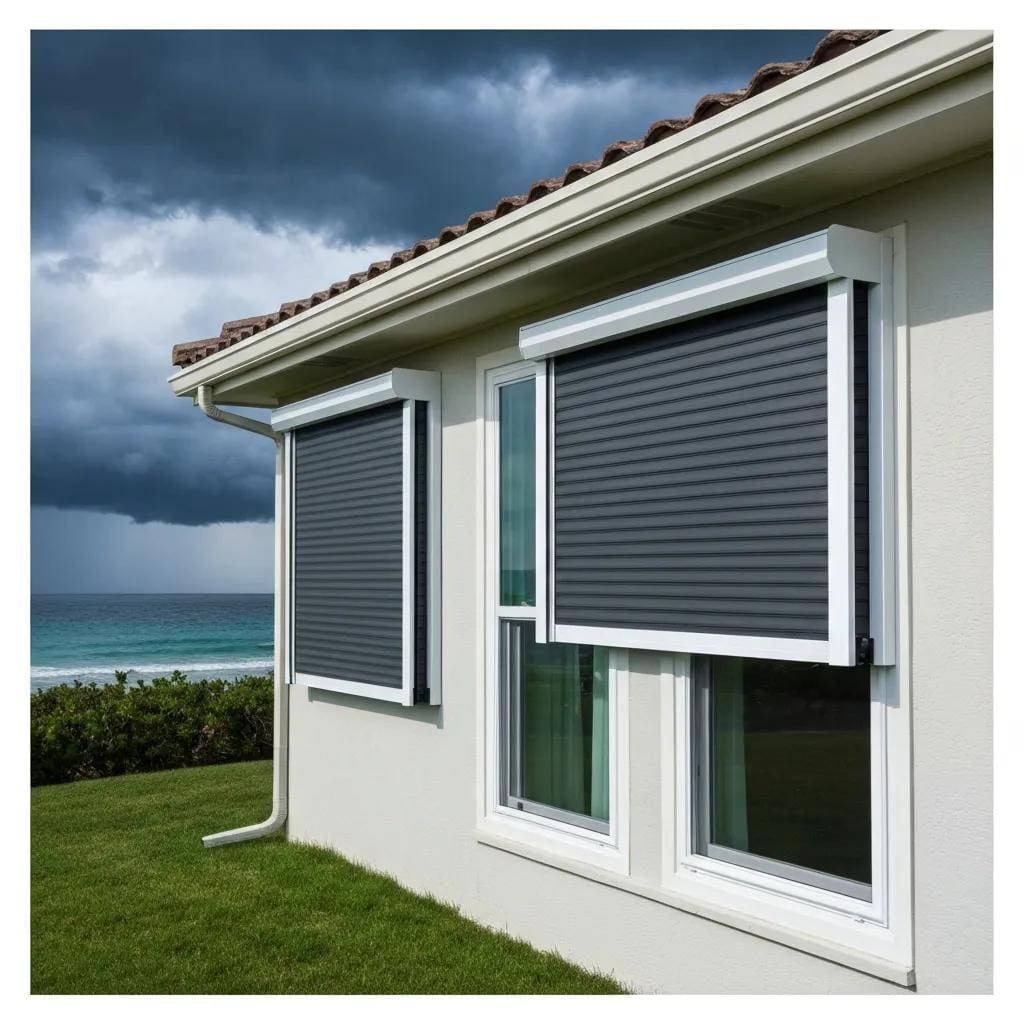
Which Accordion Shutters Offer the Best Hurricane Protection?
Accordion shutters are a permanently mounted, side-folding storm system that protect windows and doors from wind-driven debris while locking solidly to resist uplift and lateral forces. They use interlocking aluminum panels that run in vertical tracks to spread storm pressure into the building frame, giving homeowners both impact resistance and fast, reliable deployment. Picking the “best” accordion shutters means checking material and finish, verified wind‑ and impact ratings, anchoring and track design, ease of use (manual vs. motorized), and the installer’s ability to custom-fit the system and handle local permits. This guide walks through how accordion shutters perform in high winds, which features matter for longevity, what installation and ownership costs look like, how to maintain them, and how they stack up against other hurricane-protection options. You’ll find practical checklists, clear comparisons, and hands-on criteria to choose shutters suited to coastal North and South Carolina — with notes on certification, cost drivers, and professional installation best practices.
Why Accordion Shutters Are a Smart Choice for Hurricane Protection
Accordion shutters are popular for hurricane protection because they combine continuous panel strength, anchored tracks, and quick side-fold deployment to block wind and debris while staying attached to the home. Powder-coated aluminum panels resist corrosion, and when properly reinforced and mounted they form a rigid barrier that transfers wind loads into tracks and brackets. The outcome is dependable impact resistance, less chance of window or door failure, and simple operation so homeowners can secure openings fast. Knowing these mechanical and material benefits makes it clear why accordion shutters are often chosen where frequent use, security, and long-term durability matter most.
- Impact and wind resistance: continuous panels and anchored tracks distribute storm loads across the structure.
- Fast deployment: shutters fold open or closed in seconds with no separate panels or headbox to store.
- Security and privacy: full coverage deters intruders and limits visibility into the home.
- Energy and shading benefits: installed shutters lower solar gain and help steady indoor temperatures.
Those advantages lead directly to the buying priorities — certification, finish, and quality installation — covered in the next section on choosing top-rated systems.
How Accordion Shutters Withstand Wind and Impact
Accordion shutters resist wind and impact because their interlocking panels and vertical tracks form a continuous, load‑sharing barrier anchored to structural members. Panels move storm pressures into mounting brackets and rails so loads are spread instead of being carried by a single fastener; that distribution improves performance under sustained wind. Material choice — typically powder-coated aluminum with optional stainless‑steel reinforcement — adds strength and helps resist salt‑air corrosion on the coast. Certifications and test reports such as Miami‑Dade Notice of Acceptance (NOA) or Florida Building Code (FBC) test evidence show a design’s resistance to missile impacts and wind loads, and buyers should confirm those reports apply to their specific opening and exposure. Understanding these engineering basics helps homeowners prioritize track design and attachment details when comparing models.
Security and Energy Benefits of Accordion Shutters

Besides storm protection, accordion shutters add home security and improve energy performance by creating a strong physical barrier that discourages break‑ins and reduces solar heat through windows. Continuous coverage removes typical weak points and works with integrated locks to keep panels secure while staying visually low‑profile.
On the energy side, shaded windows reduce cooling needs in warm coastal climates and help stabilize interior temps when shutters are closed, which can lower HVAC runtime. These everyday benefits — security, privacy, and energy savings — often weigh as heavily as storm performance in a homeowner’s decision and can influence insurance and resale conversations.
Which Accordion Shutters Are Top Rated for Durability and Performance?
Top-rated accordion shutters share several attributes: corrosion‑resistant powder-coated aluminum, sturdy track and mounting hardware, options for stainless‑steel reinforcement on exposed openings, and verifiable certification or test documentation. When shopping, check warranty coverage, expected lifespan in coastal conditions, and how responsive the installer’s service and support are.
The table below compares common accordion shutter types and their typical characteristics so homeowners can prioritize durability and proven performance.
This comparison makes clear that finish and reinforcement are central to long life in NC/SC coastal environments. Prioritize systems that pair high‑quality powder coating with strong track engineering and easy access to local service.
What Customers Say About Reliability and Longevity
Customer feedback typically focuses on how shutters perform during real storms, everyday ease of use, and how quickly installation or service teams respond.
Praise often notes shutters surviving storms with little damage and being quick to deploy when warnings come. Common issues mentioned include track corrosion in high‑salt areas or wear on frequently used hardware. Look for reviews that mention warranty support, documented storm performance, and local service availability — those signals show manufacturers and installers who stand behind their work. In practice, choose vendors that provide clear maintenance guidance and have a proven local track record.
Which Certifications and Standards Matter?
Certifications like Miami‑Dade Notice of Acceptance (NOA) and Florida Building Code (FBC) testing are industry benchmarks for impact and wind‑load performance; they show products have passed missile‑impact and cyclic wind‑load tests. Buyers should request the product’s test reports and confirm rated wind loads and impact resistance apply to their opening size and exposure. Certifications also affect permitting and insurance acceptance in many counties, and submitting the proper test documents often speeds local approvals. Verifying certification documents before purchase reduces risk and helps ensure the shutter meets coastal code and insurance requirements.
How Much Does Accordion Shutter Installation Cost and What Affects Price?
Accordion shutter pricing depends on material grade, opening size, number of openings, labor rates, permit needs, and optional motorization or custom work. Project totals vary because of these factors.
Breaking cost into components helps homeowners estimate a budget and see the main price drivers. The table below shows typical items and conservative regional ranges to illustrate investment elements for shutter projects in coastal NC and SC.
Materials and labor are usually the biggest cost factors, while motorization and custom work add to convenience and aesthetics. Don’t forget permit fees and inspection time when building an early estimate.
Typical Price Ranges for Projects and Installations
Example pricing helps translate the component table into real scenarios: a single small window typically falls at the lower end of material and labor ranges, while a whole‑home package with many large openings and motorization moves toward the higher end. Cost‑per‑opening and per‑linear‑foot estimates are useful quick checks, but opening shape, installation complexity, and finish choice can shift totals. Use a cost calculator or request a free estimate for site‑specific numbers that reflect local labor, permitting, and the manual vs. motorized tradeoffs in your budget.
How Material, Size, and Custom Work Change Cost
Upgrades like thicker alloys, stainless‑steel reinforcement, and premium marine powder coats increase material cost but extend service life and cut maintenance in coastal conditions.
Larger or arched openings need custom fabrication and stronger track systems, which raises both material and labor expenses.
Extras like keyed locks, motor drives, or specialty finishes add cost and lead time. These are investments in durability, convenience, and curb appeal; weigh the upfront expense against maintenance savings, insurance considerations, and potential property value benefits.
How Accordion Shutters Are Installed and Maintained for Long Service Life

Professional installation follows a clear sequence — measurement, mounting, alignment, and testing — so wind loads transfer properly to the structure and the shutters operate under load. A qualified installer performs a site survey, confirms attachment to structural members, installs tracks and stacking, checks panel alignment, and walks homeowners through operation and maintenance.
The steps below summarize a professional installation workflow and set expectations for time and homeowner prep.
- Site survey and measurement: verify framing and opening dimensions to guide custom fabrication.
- Mounting and attachment: secure rails and brackets to structural members per engineering guidance.
- Panel installation and alignment: place panels in tracks, adjust stacking, and fit locks or drives.
- Final testing and homeowner walkthrough: demo operation, hand over maintenance checklist, and record permit documentation.
Step‑by‑Step: Professional Accordion Shutter Installation
Installation starts with an accurate site survey and measurements that inform custom fabrication and ensure tracks align with backing. The crew then mounts vertical tracks and brackets, anchoring into studs or blocking to move loads into the structure. Panels are installed into tracks and tuned for smooth folding and a proper seal; motorization and keyed locks are fitted and tested. The installer runs full operational cycles, reviews deployment and maintenance with the homeowner, and provides the paperwork needed for inspections and warranty registration.
Seasonal Maintenance to Maximize Durability
Regular maintenance keeps shutters working and extends life: rinse salt from tracks and brackets, check for loose fasteners or paint wear, and apply recommended lubricants to rollers and pivots. Key lubrication points include track channels and hinge pivots — use non‑gumming, marine‑grade lubricants safe for powder‑coated finishes. Inspect locks and seals yearly and repair dents or alignment problems quickly to avoid progressive damage. If you suspect corrosion or mechanical failure, call a professional installer to preserve certification readiness and warranty coverage.
How Accordion Shutters Compare to Other Hurricane Protection Options
Accordion shutters compare well when you want permanent, frequently used, or quickly deployed protection. Unlike roll‑down shutters that sit in a headbox above the opening, accordion shutters store at the sides and need no overhead housing, which can simplify installation on certain facades.
Compared with removable storm panels and hurricane fabric, accordion shutters deploy faster and give continuous coverage with no off‑site storage — though the upfront cost is higher than temporary panels or fabric.
The comparison table below summarizes key attributes so you can match product types to real‑world needs.
This overview shows accordion shutters shine when permanent, easy deployment and full coverage are priorities, while temporary options suit lower‑cost or infrequent needs.
Advantages Over Roll‑Down and Bahama Shutters
Accordion shutters store at the sides and avoid a headbox, which can be a big benefit on certain facades or where trim and sightlines matter.
They provide continuous panel coverage that locks in place for impact protection and security. Roll‑down systems may look sleeker and often integrate motorization more seamlessly.
Bahama shutters add architectural shading and passive cooling but usually offer less impact protection unless they’re specifically rated.
Ultimately, the right choice depends on priorities: daily shading and style versus permanent impact resistance and simple side deployment.
When Accordion Shutters Beat Panels or Fabric
Choose accordion shutters when you want frequent, fast deployment or a permanent system that removes the hassle of storing and handling removable panels. For occupied coastal homes where storms can form quickly, a ready‑to‑use shutter removes the logistics of installing panels under stress.
Storm panels and hurricane fabric can be cost‑effective for occasional use, but accordion shutters deliver daily convenience, better security, and consistent protection that often produces stronger lifecycle value for frequently exposed properties.
Which Local Codes and Rules Affect Selection in NC and SC?
Local building codes and permit processes in North Carolina and South Carolina influence product choice and installation because jurisdictions often require certified test reports and approved installation methods for coastal areas.
Homeowners should confirm Authority Having Jurisdiction (AHJ) requirements for wind‑load documentation, product test reports, and signed installation details before buying.
In many coastal counties, accepted evidence includes third‑party impact and cyclic testing, and documentation is submitted with permit applications to demonstrate compliance. Understanding local requirements early speeds permitting and reduces the chance of post‑installation changes.
Practical steps to navigate local code:
- Check with your local AHJ for required submittals and wind‑load maps.
- Gather product test reports and installation details for permit packets.
- Confirm whether Miami‑Dade NOA or FBC‑accepted test reports are required or accepted in your county.
- Use a licensed installer familiar with local permit workflows to smooth approvals.
How NC and SC Codes Shape Requirements
North Carolina and South Carolina reference state‑adopted building codes plus county amendments that affect wind‑load ratings, attachment methods, and documentation; coastal counties may require higher wind classifications and specific test evidence for storm products. Homeowners should confirm their county’s adoption level and whether inspectors accept Florida test reports or need local equivalents.
Because code interpretation varies by jurisdiction, early coordination with the AHJ and a local installer reduces surprises and ensures the chosen shutter design meets required standards.
Permits and Documentation Needed Locally
Most installations need a building permit with product test reports, engineering or installation details showing load transfer, and an approved plan set for attachment. Typical submittals include manufacturer test certificates, installation instructions, and sometimes engineered attachment details stamped by a licensed professional.
Hiring an installer experienced with local permitting helps you know whether the installer will handle submittal and inspection steps or the homeowner must provide specific documents.
Correct documentation speeds inspections and helps preserve any insurance benefits tied to certified protection systems.
American Hurricane Shutters serves homeowners and businesses across coastal North and South Carolina — including Wilmington, Myrtle Beach, Oak Island, Topsail, New Bern, and Pawleys Island — offering professional assessment and installation of accordion shutters. For tailored cost estimates, American Hurricane Shutters provides free estimates and a cost calculator tool to generate localized budget guidance; their shutters are custom‑made and powder‑coated aluminum panels are installed to meet or exceed Florida Building Code standards where applicable. If you want site‑specific pricing and certified installation that covers local permitting, request a free estimate from their team to compare options and timelines.
- Benefits of professional estimates: Accurate sizing, permit guidance, and site‑specific engineering lower retrofit risk.
- Why certified installation matters: Proper attachment and documentation support permit approval and insurance acceptance.
- Next steps: Collect opening dimensions and AHJ requirements before requesting an estimate to speed the process.
Frequently Asked Questions
What are the maintenance requirements for accordion shutters?
Routine maintenance keeps shutters reliable. Rinse salt and debris from tracks and brackets, check for loose fasteners or paint wear, and lubricate rollers and pivots with a non‑gumming, marine‑grade lubricant. Inspect locks and seals once a year and fix dents or alignment problems promptly to avoid worsening issues. If you suspect corrosion or mechanical failure, call a qualified installer for repairs to protect warranty and certification status.
How do accordion shutters compare in cost to other hurricane protection options?
Accordion shutters usually cost more up front than temporary solutions like storm panels or hurricane fabric, but they offer lasting benefits: convenience, durability, and added security. For homes in high‑risk coastal areas, the lifecycle value — including potential insurance savings and reduced maintenance — often makes them a sound investment. Consider both initial price and long‑term savings when comparing options.
What factors should be considered when choosing accordion shutters?
Key factors include material quality, wind and impact certifications, and the design of anchoring and track systems. Consider ease of operation (manual vs. motorized), the installer’s local experience, customization needs, warranty terms, and expected lifespan in coastal conditions. Those elements together determine performance and long‑term value.
Can accordion shutters be customized for unique window shapes?
Yes — accordion shutters can be custom‑fabricated for arched, oversized, or nonstandard openings. Custom work ensures a proper fit and maintains structural performance, though it typically increases material and labor costs. Discuss specific needs with your installer to understand pricing and timelines.
What are the common installation challenges for accordion shutters?
Typical challenges include aligning tracks with structural framing, securing brackets to handle wind loads, and working around unusual architectural details. Smooth panel operation depends on precise measurements and adjustments. Hiring experienced professionals familiar with local codes is the best way to avoid installation issues and ensure compliance.
How do accordion shutters enhance home security?
Accordion shutters add a strong physical barrier that deters break‑ins. When closed, they provide continuous coverage over windows and doors and use integrated locks to secure panels, reducing weak points intruders might exploit. That extra layer protects the home during storms and increases everyday peace of mind.
What should homeowners know about local building codes for accordion shutters?
Local building codes heavily influence product selection and installation. Coastal jurisdictions often require specific test reports and documentation to confirm wind‑load and impact resistance. Consult your local AHJ to learn required submittals and permitted installation methods. Working with a licensed installer familiar with local regulations streamlines permitting and helps ensure compliance.
Conclusion
Accordion shutters deliver dependable hurricane protection, blending durable construction, fast deployment, and added security for coastal homes. Their long‑term performance and everyday benefits make them a smart choice for homeowners who want reliable storm defense and energy advantages. With the right certifications, materials, and a trusted local installer, you can choose a system that protects your property and fits your budget. For personalized guidance and a site‑specific quote, request a free estimate today.