

How to Install Accordion Shutters for Hurricane Protection: Step-by-Step Guide and Expert Tips
Accordion shutters are a permanently mounted storm-protection system that slide open for daily use and fold closed to shield windows and doors during hurricanes and tropical storms. They form a continuous aluminum barrier that resists wind pressure and flying debris, helping to prevent broken glass, water intrusion, and structural damage. This guide covers how accordion shutters work, the materials that resist coastal corrosion, step-by-step installation, the essential tools you’ll need, routine maintenance, and how local codes in North and South Carolina affect installation. You’ll get practical measuring and mounting techniques for accurate DIY work, clear criteria for when to call a pro, and focused maintenance routines to keep shutters reliable through repeated storm seasons. The article also includes comparison tables for materials and tools, numbered installation steps for quick reference, and straightforward guidance so coastal homeowners can protect their property effectively and compliantly.
What Are Accordion Shutters and Why Are They Essential for Hurricane Protection?
Accordion shutters are interlocking aluminum panels that slide on top and bottom tracks to create a rigid protective barrier over windows and doors. Their strength comes from continuous tracks and locking hardware that transfer wind loads into the structure, keeping wind-borne debris out and reducing uplift during high-wind events. For coastal homes, accordion shutters are especially useful because they install permanently, deploy quickly, and stay out of sight when open. When built with corrosion-resistant materials, they withstand repeated storms with minimal upkeep. Knowing how they work and what they’re made of helps homeowners pick shutters that meet both safety and longevity needs in Atlantic coastal conditions.
What Materials Are Accordion Shutters Made Of and How Do They Resist Coastal Corrosion?
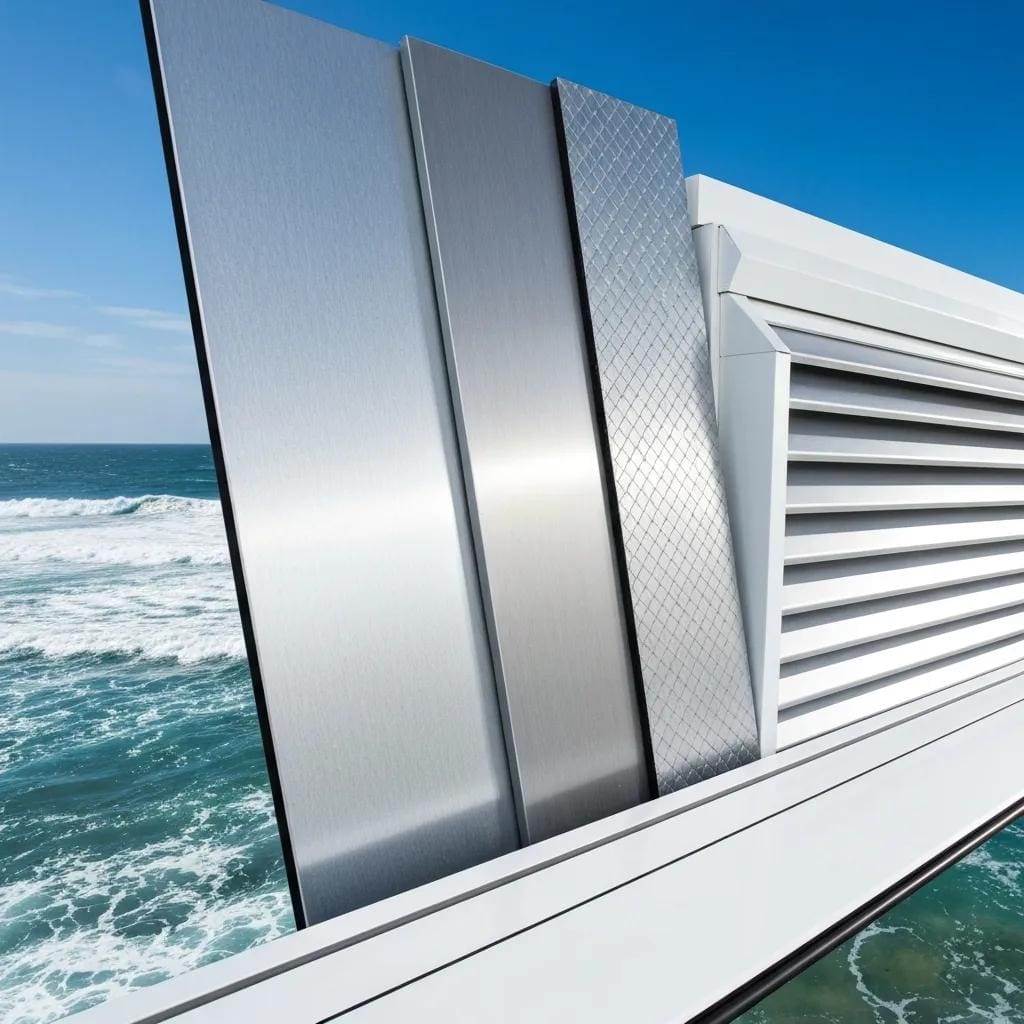
Accordion shutters for coastal use commonly specify 6063-T6 marine-grade aluminum for panels and structural parts because this alloy balances strength, formability, and corrosion resistance. Fasteners and hardware should be 316 stainless steel to minimize galvanic corrosion and pitting from salt spray; 316 stainless resists rust that would otherwise weaken attachment points and seals. A marine-grade powder-coat finish and proper exterior sealants reduce direct exposure to salt and moisture, and routine cleaning removes salt build-up that accelerates corrosion. Choosing 6063-T6 aluminum with 316 stainless fasteners lowers long-term degradation and supports warranty coverage and consistent performance in salt‑air environments.
This table summarizes why marine-grade components outperform standard options in coastal settings — they cut maintenance and extend service life.
What Are the Key Benefits of Using Accordion Storm Shutters for Home Security and Wind Protection?
Accordion shutters deliver practical protection that matters year-round, not just during storms. They create a continuous, load-bearing barrier that secures glass and openings against impact and wind pressure. Manual operation lets you close protection quickly without removing panels or storing hardware, and permanently mounted systems often add resale value and can qualify for insurance mitigation credits. When built with marine-grade materials, shutters need less maintenance and stay dependable across multiple storm cycles.
Accordion shutters offer the following advantages:
- Impact and Wind Protection: Stops flying debris from breaching windows and doors during high winds.
- Quick Deployment: Slides closed fast for last-minute storm readiness — no temporary panels required.
- Durability in Coastal Conditions: Marine-grade aluminum and 316 stainless fasteners resist salt corrosion and extend service life.
With benefits clear, the next step is planning the installation — starting with a complete list of tools and materials for a safe, code-compliant job.
After you review how accordion shutters perform and which materials matter, homeowners who want local professional support can consider American Hurricane Shutters / AHS Carolinas. This local, insured installer uses marine-grade aluminum and 316 stainless fasteners and provides free, no-obligation estimates to evaluate site conditions. A site-specific estimate identifies proper shutter sizing and the best mounting approach before you commit to purchase or installation.
What Tools and Materials Are Needed for Accordion Shutter Installation?
A successful installation depends on precise measurements, the right power tools for secure fastening, and durable materials suited to coastal exposure. The correct tools speed the job and reduce alignment errors, while proper anchors, sealants, and fasteners ensure the shutter system transfers wind loads safely into the structure. Preparing a tool list and materials plan ahead helps homeowners decide whether to DIY or hire equipment and labor.
Which tools are essential for a successful DIY accordion shutter installation? The list below focuses on the most important items for precise measuring, secure fastening, and safe work at elevation.
- Cordless drill/impact driver: Drives stainless fasteners and anchors efficiently with controlled torque.
- Level and plumb line: Keeps top and bottom tracks aligned for smooth panel operation and load transfer.
- Tape measure and marking tools: Accurate measuring prevents costly miscuts and alignment problems.
- Socket set and torque wrench: Tightens anchor bolts to specified torque without overdriving.
- Aerial lift or secure scaffolding: Provides safe access for second-story work and lowers fall risk.
- Safety gear (gloves, eye protection, harness if elevated): Protects installers while handling panels, cutting, and drilling.
Summary: These tools balance precision and safety. Renting an aerial lift for multi‑story work is often safer and more efficient than improvised ladders. The right tools significantly reduce installation errors that cause misalignment or weak attachments.
What quality materials and fasteners ensure durable installation in coastal environments? The concise table below helps guide procurement and avoid common durability mistakes.
Combining marine-grade alloy, 316 stainless fasteners, and proper sealants produces installations that resist coastal corrosion and keep structural integrity intact. The right materials plus the right tools reduce callbacks and extend protective performance.
What Are the Step-by-Step Accordion Hurricane Shutter Installation Steps?
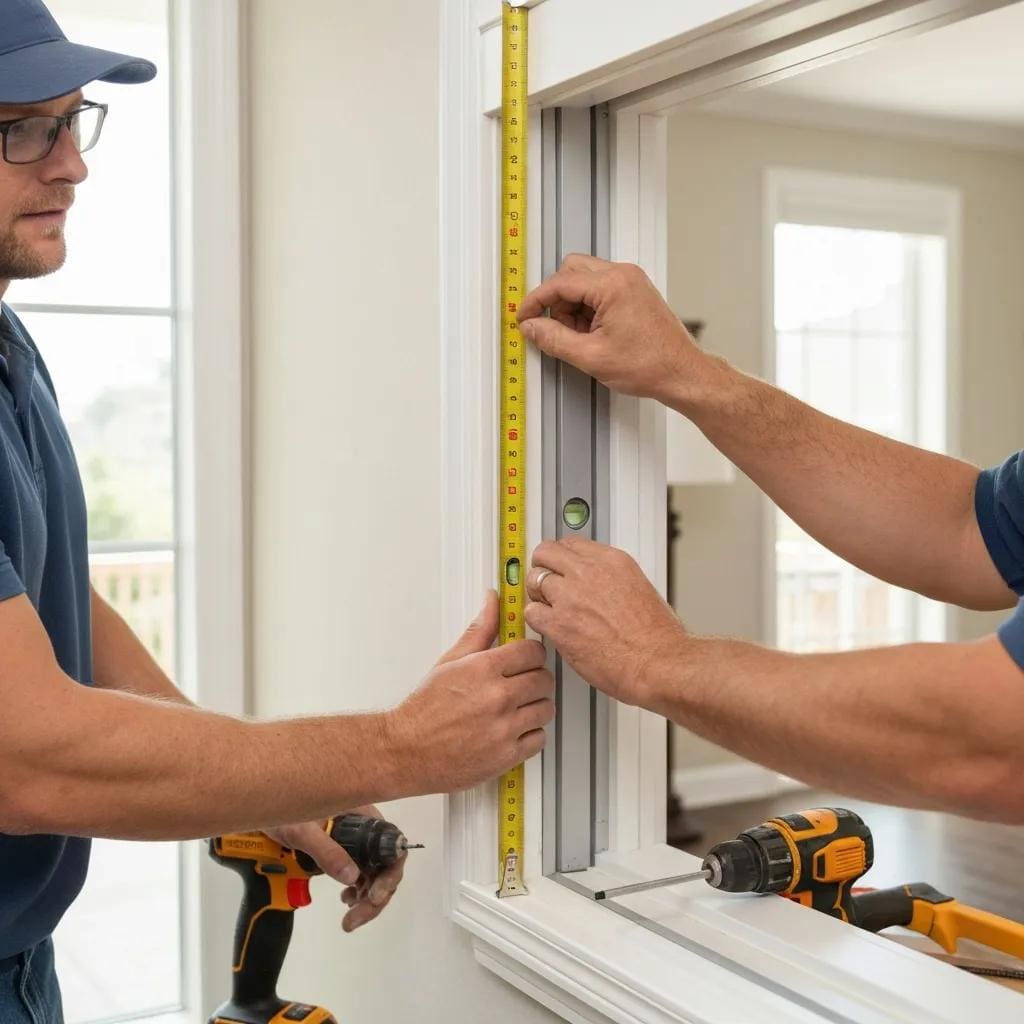
The installation follows a steady sequence: measure openings, prepare substrates, mount top and bottom tracks, install panels, secure locks, and seal edges. Below is a condensed numbered summary with estimated time per opening to help with planning and to match featured‑snippet expectations.
- Measure and confirm opening dimensions and plumb/level (30–45 minutes).
- Prepare opening: remove trim, verify substrate, and mark track locations (20–40 minutes).
- Mount top track securely to header structure with specified anchors (45–90 minutes).
- Attach bottom track and verify alignment with top track (30–60 minutes).
- Insert panels and check smooth sliding and interlock engagement (30–60 minutes).
- Install locks, latches, and side angles; torque fasteners to spec (20–40 minutes).
- Seal perimeter with exterior-grade sealant and reinstall trim as needed (30–60 minutes).
- Conduct functional test under simulated load and perform final inspections (20–30 minutes).
These steps provide a framework for the detailed procedures that follow in each subsection and help homeowners estimate time and complexity for each stage.
How Do You Measure and Prepare Your Openings for Accordion Shutter Installation?
Start by measuring the finished opening width and height at several points to reveal any irregularities in the jambs or header. Measure width at the top, middle, and bottom — record the smallest width as your control dimension — and measure height at left, center, and right, again using the smallest height so panels won’t bind. Account for top and bottom track clearances and seals; manufacturers provide specific tolerances and following them prevents operational problems. Preparation also includes removing exterior trim, confirming the substrate behind the trim is suitable for anchors, and cleaning surfaces so sealants bond properly.
Careful measuring and preparation reduce the chance of misaligned tracks and ensure the shutter transfers wind loads to the structure as intended. Good prep leads directly to accurate track mounting, where alignment is critical for panel operation.
How to Mount Tracks, Attach Panels, and Secure Locks Correctly?
Begin by transferring level and plumb reference lines across the opening so top and bottom tracks align precisely; use the longest straight edge you have and a high‑quality level. Fasten the top track into solid header material with 316 stainless steel anchors spaced per the manufacturer’s wind‑load requirements; maintain specified anchor spacing and torque to ensure even load distribution. Once the top track is secure, set the bottom track and confirm it’s parallel to the top before final fastening. Insert panels and operate them to confirm smooth travel. Install locks and latches last, test engagement across all panels, and adjust striker plates or side angles for consistent engagement. Following the correct fastening sequence and verifying alignment prevents binding, uneven wear, and possible failure under wind loads. With locking hardware checked, move on to sealing and finishing to protect against water and corrosion.
How to Seal and Finish the Installation for Maximum Protection?
Apply a continuous bead of exterior-grade marine silicone or polyurethane sealant along the exterior side of top and bottom tracks and around anchors to stop water and salt from collecting behind the tracks. Reinstall trim carefully to preserve flashing and drainage paths; tool sealant beads smooth to avoid traps for debris. If the finish shows thin spots after handling, consider a secondary protective coating on exposed aluminum edges to lower future corrosion risk. Finally, perform a full functional test — open and close shutters multiple times, cycle locks, and inspect for noise, binding, or gaps.
A thorough sealing and finishing step preserves structural integrity and reduces maintenance needs, completing the installation and preparing the system for seasonal inspections and use.
When you finish the installation and the post-installation checklist, homeowners who want professional support can request a free, no‑obligation site estimate and professional installation or retrofits from American Hurricane Shutters / AHS Carolinas. Professional services include a site‑specific Design Pressure Analysis to confirm wind‑load compliance and help activate warranty coverage.
Can Homeowners Install Accordion Shutters Themselves or Should They Hire Professionals?
Yes — homeowners with solid carpentry and drilling experience can install accordion shutters on single‑story openings using the right tools and safe scaffolding. The decision to DIY depends on opening complexity, height, and local code requirements.
DIY can be appropriate for straightforward ground‑floor openings with solid substrates and no need for an engineered Design Pressure Analysis. Multi‑story installs, complex headers, or openings that need special anchors usually benefit from professional expertise. Safety considerations — working at height, using aerial lifts safely, and handling heavy panels — often push the balance toward hiring certified installers for anything above ground level. The most important factors are your skill level, tools available, and whether you need documentation for permits or insurance credits.
What Are the Common DIY Installation Challenges and How to Avoid Them?
Common DIY pitfalls include measurement mistakes that cause binding panels, using improper fasteners that corrode in salt air, misaligned tracks that accelerate wear, and inadequate sealing that allows water intrusion. Avoid these problems by double‑ and triple‑checking measurements at multiple points, using 316 stainless steel fasteners for all exterior connections, laying out tracks with a professional‑grade level, and following sealant manufacturer instructions for proper adhesion and cure in coastal conditions. Also use safe, stable platforms — rent an aerial lift rather than improvising with tall ladders for elevated work. These mitigations cut rework and extend service life, though some projects remain complex enough to warrant certified professionals and formal documentation.
When Is Professional Installation Recommended for Accordion Shutters?
Hire a professional when the job involves multi‑story access, complex structural attachments, permitting that requires engineered documentation, or when you want warranty‑backed installation from certified installers. Professionals can provide a Design Pressure Analysis showing that attachments meet local wind‑load requirements and International Building Code (IBC) guidelines — important for permit approval and insurance mitigation credits. Certified installers also bring specialized equipment like aerial lifts and torque‑controlled fastening tools, plus procedures that reduce liability and ensure consistent load transfer performance.
Professional installation is especially valuable for homeowners seeking a turnkey solution that includes retrofits, maintenance plans, and repair services under a formal warranty.
For those who prefer professional assurance, American Hurricane Shutters / AHS Carolinas offers certified installation, a Design Pressure Analysis to meet local wind‑load requirements, and a 7‑year warranty to support long‑term protection. Their technicians are OSHA 30 certified and aerial‑lift trained, and they provide documented installation practices to help with permitting and insurance.
How to Maintain Accordion Shutters for Long-Term Hurricane Protection?
Routine maintenance keeps shutters functional, extends service life, and lowers the chance of failure during storms. Inspect shutters at least twice a year — and always before hurricane season — to catch loose fasteners, worn seals, or finish wear. Clean salt deposits, check seals, lubricate moving parts, and test locks so shutters stay ready. Keep written records of maintenance; those notes help with warranty claims and insurance documentation.
What are the best maintenance practices for cleaning and lubrication? Rinse salt and airborne contaminants with fresh water and a mild detergent, avoiding abrasive cleaners that harm powder‑coat finishes. Use a silicone‑based lubricant on tracks and moving parts — avoid oily lubricants that attract grit. Retighten fasteners if torque has relaxed and replace any corroded hardware promptly with 316 stainless replacements.
Regular maintenance reduces mid‑season failures and reveals when parts or repairs are needed. Well‑maintained shutters last longer in coastal environments where salt and moisture speed wear.
How to Troubleshoot Common Issues and Perform Seasonal Inspections?
Start troubleshooting by identifying the symptom: sticking panels, noisy travel, or locks that won’t fully engage. For sticking panels, check track alignment, clear debris, and verify anchors or fasteners aren’t distorting the track. For noisy operation, clean tracks and apply silicone lubricant; replace worn rollers or damaged panel edges if noise continues. If locks fail, inspect striker alignment and adjust side angles or latch plates; swap corroded hardware for 316 stainless steel. Seasonal inspection items include verifying anchor torque, confirming sealant integrity, and cycling shutters to confirm smooth operation. If issues go beyond simple adjustments — for example, structural header decay, repeatedly loosening fasteners, or significant panel deformation — call a professional to diagnose attachment or material failures and recommend repairs.
Seasonal Inspection Checklist:
- Check anchor torque and fastener condition.
- Inspect sealant continuity and reapply where necessary.
- Cycle shutters and verify smooth travel and lock engagement.
How Do Local Building Codes Affect Accordion Shutter Installation in Coastal North and South Carolina?
Local building codes determine when permits, engineered attachments, or design documentation are required for shutter installs; these codes typically reference the International Building Code (IBC) and coastal wind‑load standards. Permit triggers often include the number of openings being altered, attachment methods into structural members, and whether a property lies in a designated high‑velocity hurricane zone. Compliance may require a site‑specific Design Pressure Analysis that documents wind loads and attachment capacity; that analysis helps demonstrate IBC compliance and supports permit approval. Check with your county or city building department for local permitting thresholds and submission requirements before you start work to avoid rework or enforcement issues.
What are the key North Carolina and South Carolina hurricane shutter regulations? Both states adopt versions of the IBC with local amendments that affect wind loads and permit processes; specific requirements change by county and municipality along the coast. Common items that trigger permits include multi‑opening projects, new‑construction attachments to structural members, and installations in special flood hazard areas. Jurisdictions typically request drawings showing shutter locations, anchor schedules, and, in some cases, a Design Pressure Analysis or engineered attachment details.
Practical steps to meet IBC standards include obtaining a site‑specific Design Pressure Analysis, using manufacturer‑specified attachment details with stainless fasteners, and submitting required drawings to the building department. Professional installers commonly provide documentation packages to streamline permitting and verify the shutter system meets local wind‑load and attachment requirements.
If you’re navigating code details, working with an installer who supplies a Design Pressure Analysis and permit‑ready documentation will reduce delays and help ensure installations comply with the IBC and local amendments. American Hurricane Shutters / AHS Carolinas includes Design Pressure Analysis in their service package and offers local expertise across coastal North and South Carolina markets including Wilmington, Myrtle Beach, Oak Island, Topsail, New Bern, and Pawleys Island.
Coastal Building Codes and Hurricane Damage Mitigation: Effectiveness of Standards
ABSTRACT: This study examines whether changes to federal and state coastal building standards reduced property losses after Hurricane Charley. The authors find that properties built seaward of and after the Coastal Construction Control Line, and those in NFIP A‑Zones built under the program’s requirements, experienced more damage compared with similar structures built under earlier county codes. The paper suggests NFIP rules allowed weaker foundation requirements and lower elevations, likely increasing flood damage, supported by analysis of individual structural components.
Coastal building codes and hurricane damage, M Halek, 2013
Research shows building codes aim to reduce hurricane damage, but effectiveness varies and some regulatory changes can have unintended consequences if not carefully implemented. That’s why it’s important to understand and follow the most current local building codes for effective hurricane protection.
If you’re ready to protect your coastal property, request a free, no‑obligation site estimate and professional installation or retrofit. American Hurricane Shutters / AHS Carolinas provides free estimates, repairs and maintenance, and a 7‑year warranty backed by installers who are OSHA 30 certified and aerial‑lift trained. Their use of 6063‑T6 marine‑grade aluminum and 316 stainless steel fasteners addresses coastal corrosion and supports long‑term durability and code‑compliant performance.
Frequently Asked Questions
1. How often should I inspect my accordion shutters for maintenance?
Inspect accordion shutters at least twice a year — and always before hurricane season. Regular checks will catch loose fasteners, worn seals, or finish damage early. Keeping a written record of inspections also helps with warranty claims and insurance documentation.
2. What should I do if my accordion shutters are not operating smoothly?
First, look for debris in the tracks and clean them. Rinse with fresh water, dry, and apply a silicone‑based lubricant. If issues persist, check track alignment and roller condition. Misalignment or worn parts may need adjustment or replacement; if you can’t fix it, call a professional for a full inspection.
3. Are there specific local codes I need to be aware of when installing accordion shutters?
Yes. Local building codes — which often reference the IBC — can affect permitting and installation details, especially in coastal areas. Some jurisdictions require engineered attachments or a Design Pressure Analysis. Check with your local building department for exact requirements in your county or city.
4. What are the signs that I should hire a professional for installation instead of doing it myself?
Hire a pro if the project involves multi‑story work, complex structural attachments, or if your local code requires engineered documentation. Lack of carpentry experience or necessary tools is another good reason to call a certified installer. Professionals also provide warranties and Design Pressure Analysis for insurance and permitting.
5. How can I ensure my accordion shutters are compliant with insurance requirements?
Confirm your shutters meet local building codes and standards, and obtain a Design Pressure Analysis from a certified installer to document wind‑load capacity. Keep records of installation, permits, and inspections. Regular maintenance logs also show you’ve taken steps to protect your property, which helps with insurance claims.
6. What is the best way to clean and maintain my accordion shutters?
Use a mild detergent and fresh water to rinse salt and contaminants, avoiding abrasive cleaners that damage powder‑coat finishes. Lubricate tracks and moving parts with a silicone‑based lubricant and avoid oily products that attract grit. Tighten loose fasteners and replace corroded hardware with 316 stainless steel parts as needed.
7. Can I retrofit existing shutters to improve their storm protection capabilities?
Yes. Retrofitting can include upgrading to marine‑grade materials, reinforcing attachment points, or adding additional locks. A professional installer can recommend the best upgrades for your system and local code requirements. Retrofitting often improves durability and protection during severe weather.
Conclusion
Accordion shutters are a practical, long‑lasting way to protect coastal homes from hurricanes. Knowing the right materials, following correct installation steps, and keeping a simple maintenance routine will keep your shutters ready when storms arrive. If you prefer professional help, American Hurricane Shutters / AHS Carolinas provides local, code‑aware installation and support — request a free, no‑obligation estimate to get started.