

Roll‑Down Hurricane Shutters — Real Customer Reviews, Costs, Durability, and Installation Tips
Roll‑down hurricane shutters are retractable barriers that roll into a compact housing above windows and openings to shield homes from wind‑borne debris, driving rain, and unwanted entry. This guide pulls together practical, customer‑focused insight from coastal homeowners—what works, what costs, how long systems last in salt air, and what to expect from manual versus motorized options. You’ll find clear guidance on price drivers and sample comparisons, real user feedback on reliability and ease of use, material‑based durability notes with maintenance tips, an installation checklist that reflects local best practices, and a balanced look at long‑term value for Carolinas coastal properties. Where appropriate we point to next steps for estimates and professional installation.
What Do Customers Say About Roll Down Hurricane Shutters?
Homeowners praise roll‑down shutters for solid storm protection, added security, and a tidy appearance when retracted. Reviewers frequently note that permanently installed shutters eliminate last‑minute boarding and storage hassles for large openings. The most common trade‑offs people mention are the higher upfront cost and occasional motor service for electric systems. Seeing these themes across reviews helps future buyers weigh benefits against installation and ongoing care commitments.
What Are the Most Common Customer Reviews and Testimonials?
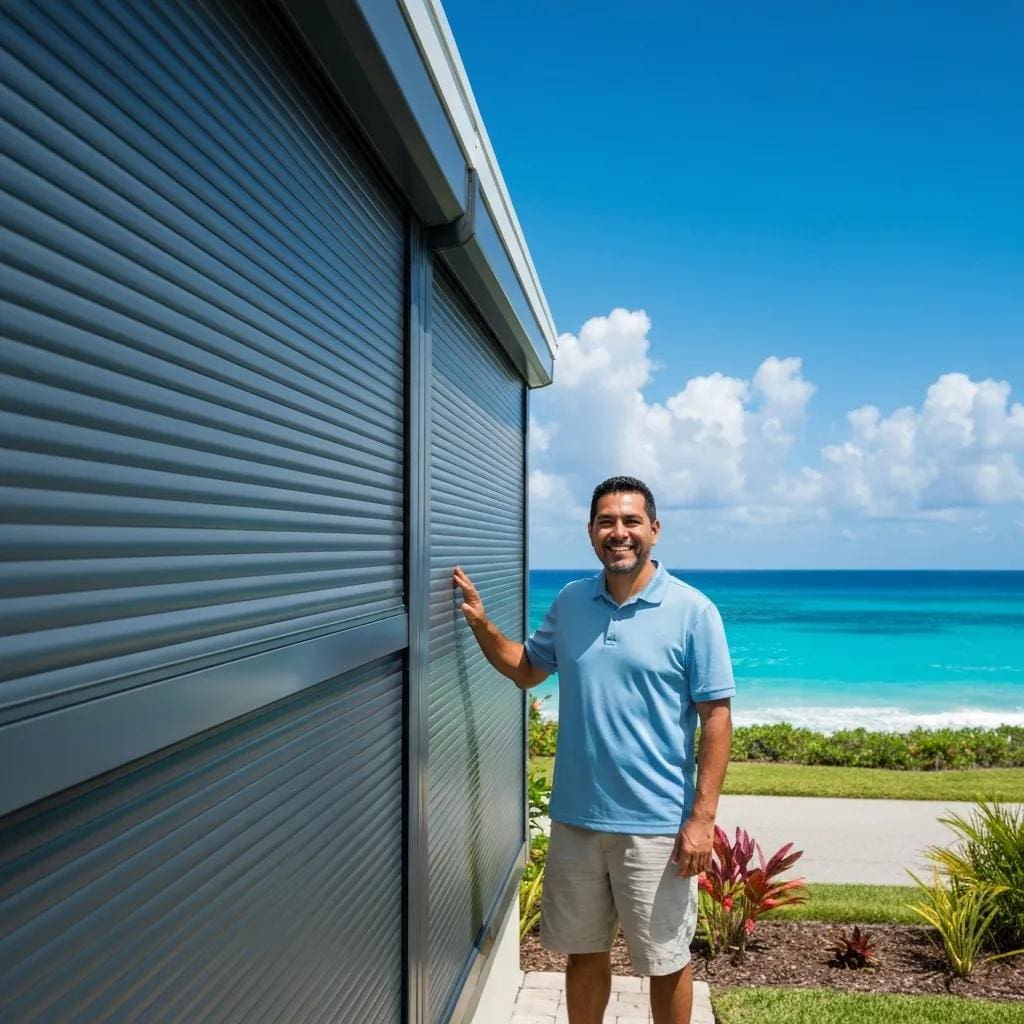
Across reviews three patterns stand out: confidence in storm performance, appreciation for daily convenience, and attention to maintenance needs. Many homeowners report shutters successfully protecting large windows during high winds and like that the units disappear from view when not in use. Common post‑install notes focus on motor repairs or routine track cleaning. Local examples from beachfront neighborhoods — where shutters prevented broken glass in major storms — reinforce their practical value. These mostly positive accounts steer buyers toward hiring experienced installers and choosing corrosion‑resistant finishes in coastal environments.
How Do Customers Rate the Ease of Use and Reliability?
Experience often splits between manual and motorized systems. Manual roll‑downs score for simple mechanics and predictable reliability; motorized units win on convenience and speed but usually require a bit more upkeep. Owners of motorized systems value remote control and programmable operation, yet many plan for manual overrides and seasonal motor checks. Across both types, customers who keep up with basic cleaning and lubrication report far fewer operational issues — underlining that routine care strongly affects reliability.
How Much Do Roll Down Hurricane Shutters Cost and What Factors Affect Pricing?
Installed costs for roll‑down shutters vary with material choice, motorization, opening size and shape, and site‑specific installation conditions. Both homeowners and contractors say material and motorization are the biggest cost drivers; larger or custom openings and retrofit work add labor and fabrication time. A practical estimate usually combines a per‑square‑foot baseline with a site visit to account for reinforcement needs, mounting method, and coastal corrosion mitigation. Below is a straightforward breakdown to help plan a budget and know when to request an on‑site quote.
Key cost drivers and how they affect price:
- Material — sets the baseline cost and how well the shutter resists salt air; marine‑grade finishes cost more up front but cut long‑term corrosion expense.
- Motorization — adds convenience and a noticeable price premium; final cost depends on motor type and automation features.
- Installation complexity — retrofits, custom openings, and structural reinforcement increase labor and materials beyond simple new installs.
The table below compares main cost drivers and their typical impact on a quote to show where budgets shift.
Choosing premium materials or motors raises the initial outlay but can lower lifecycle maintenance and replacement costs. For an accurate quote, follow a two‑step approach: use an online estimator for a ballpark figure, then schedule a professional site visit.
Many Carolinas homeowners take that path: a quick online cost estimator to set expectations, followed by an in‑person inspection for a firm price. If you live in Wilmington, Myrtle Beach, Oak Island, Topsail, New Bern, Pawleys Island or nearby, American Hurricane Shutters offers free estimates and a cost calculator to narrow ranges before a site visit. Typically we start with opening sizes and your manual vs. motorized preference, use the calculator for an initial range, then confirm scope and any corrosion‑mitigation or reinforcement needs during a professional measurement. That workflow helps convert early interest into accurate bids without surprises.
What Is the Average Cost Per Square Foot for Roll Down Shutters?
Short answer: installed per‑square‑foot rates sit in a mid range that changes by region and specification — motorized jobs trend toward the top end. Smaller, straightforward openings show lower per‑square‑foot costs; large or unusual façades push the rate up because of custom housings or extra reinforcement. A sample quick check: multiply a 10’×8′ opening by the per‑square‑foot rate to estimate budget, then add percent uplifts for motorization and coastal finishes.
How Do Materials, Motorization, and Installation Impact Cost?
Material selection, motorization level, and installation difficulty combine to determine the final price. Marine‑grade aluminum is a common balance of weight, corrosion resistance, and cost; heavier gauges or specialty alloys raise impact resistance and longevity at a higher initial price. Motorized systems require hardware, wiring, and possible smart integration — plus periodic testing and eventual motor maintenance. Retrofit complexity — fitting older homes, irregular openings, or adding structural anchors — often increases labor and fabrication costs by 20–30% or more versus simple new installs.
Use the table below to compare common configurations and their typical effects on cost.
How Durable Are Roll Down Hurricane Shutters According to Customers?
When customers judge durability they look at corrosion resistance, impact and wind load performance, and how maintenance affects lifespan in salt‑air settings. Durability really depends on material choice, protective finishes, installation quality, and routine care — together these determine whether a shutter lasts a decade or several decades. Coastal homeowners and installers commonly recommend marine‑grade coatings and regular inspections of tracks and housings to catch wear early and maximize service life.
What Materials Are Used and How Do They Affect Longevity?
Typical materials include aluminum alloys, coated steel, and occasional polycarbonate components. Aluminum alloys offer a favorable strength‑to‑weight ratio and resist corrosion when properly finished. Coated steel can provide greater impact resistance but needs strict surface protection to avoid rust. Polycarbonate is used in niche designs where visibility or light weight matters, but it’s less common for full coastal installations. In the Carolinas’ salt‑air environment, customers and pros recommend marine‑grade finishes and careful track drainage to extend life.
Next we quantify expected lifespans under normal maintenance so homeowners can plan replacement cycles and budgets.
How Long Do Customers Expect Their Shutters to Last With Proper Maintenance?
With routine care — seasonal cleaning, lubrication, seal inspections, and prompt repairs of any corrosion — many homeowners expect 15–25 years of reliable service, depending on material and exposure. Delaying maintenance often accelerates wear on tracks and motors, especially where salt spray reaches housings. A proactive maintenance routine — pre‑storm checks, clearing tracks, and testing motors on electric units — extends life and reduces the chance of failure during storms. Scheduling a professional inspection every few years helps catch issues routine checks might miss.
What Are the Customer Experiences With Roll Down Hurricane Shutter Installation?
Feedback about installation focuses on installer professionalism, meeting code and wind‑load requirements, and doing a thorough site assessment. Positive experiences call out accurate measurements, code knowledge, and attention to corrosion resistance. Negative stories usually come from retrofit surprises — hidden reinforcement needs or housings that don’t fit irregular openings — which underscores the value of experienced crews. Clear timelines, access plans, and finishing details during estimates lead to smoother installs and happier customers.
Why Is Professional Installation Recommended by Customers?
Customers recommend professional installation for safety, code compliance, and warranty protection. Pro installers use correct anchors and fasteners, follow sealing practices that stand up to high winds, and are familiar with local building codes and insurers’ requirements. Professionals also test operation, including manual overrides, to make sure everything works before they leave. Proper installation reduces the risk of storm‑time failures and often preserves product warranties that DIY work could void. For many homeowners, those protections make professional installation a necessary expense.
What Are Common Installation Challenges and How Are They Addressed?
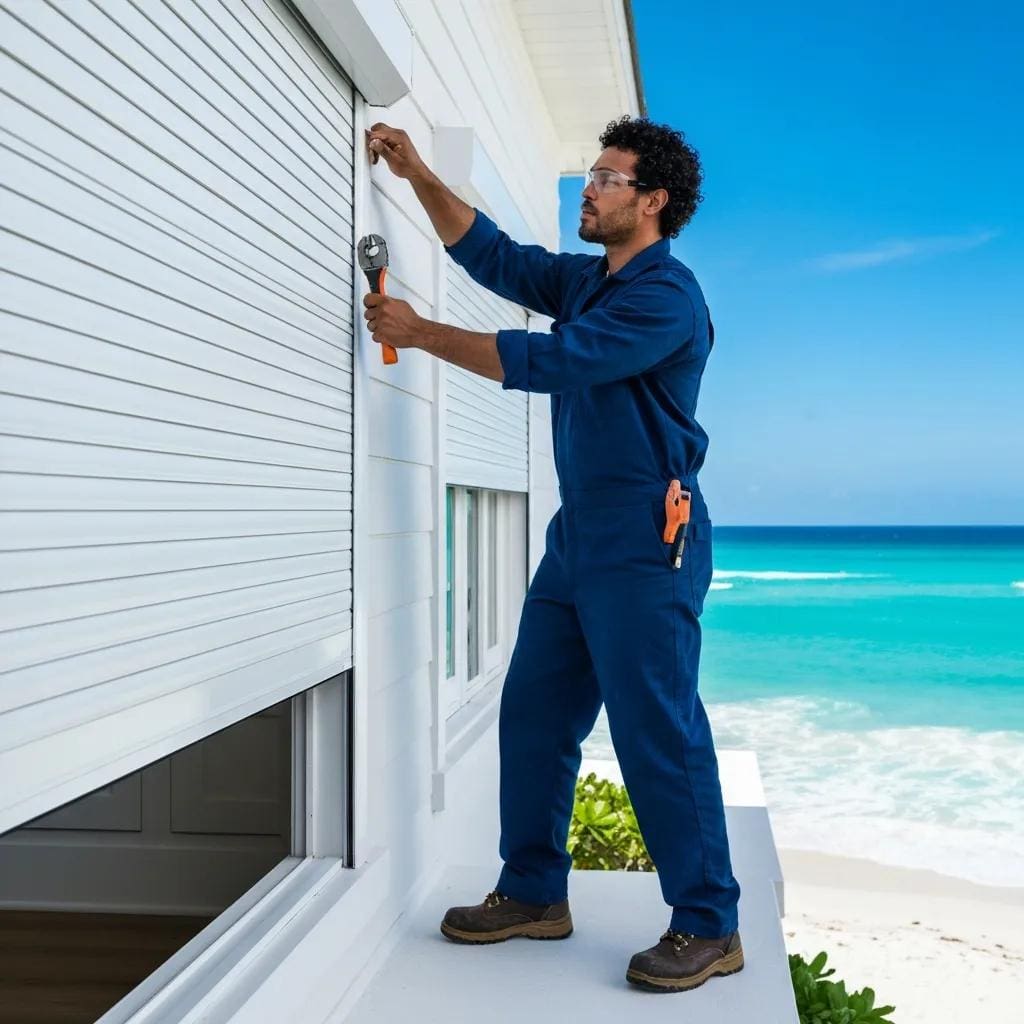
Common challenges include retrofitting older frames, fitting arched or irregular openings, and routing power for motorized systems without compromising the building envelope. Professionals handle these with custom fabrication, structural reinforcement where required, and careful sealing and flashing to prevent water intrusion. To fight coastal corrosion they specify marine‑grade coatings, stainless or marine‑grade fasteners, and housings designed to shed salt. Clear communication about these potential complexities during the estimate prevents surprises and helps customers budget accurately.
If you’re ready to schedule installation, local homeowners often pair the free estimate with a site visit so the installer can identify retrofit needs and finalize the scope.
Are Roll Down Hurricane Shutters Worth It? Customer Perspectives on Benefits and Value
Short answer: for many coastal homeowners, yes. Roll‑down shutters deliver dependable storm protection, stronger security, and possible energy and insurance benefits that usually support a favorable long‑term value. Customers point to less emergency prep, fewer storm repairs, and greater peace of mind as primary reasons they consider the investment worthwhile. Calculating ROI typically includes avoided repair costs, potential insurance discounts, and the non‑monetary value of safety and convenience. Each homeowner’s calculation will vary, but these recurring benefits often tip the scale toward installing shutters.
Key reasons customers say shutters are worth it:
- Storm protection: Lowers the chance of window breakage and interior flood damage during wind events.
- Security and deterrence: Provides a visible, physical barrier that deters opportunistic intrusion.
- Convenience and resale value: Retractable protection replaces seasonal panels and can be an attractive feature for coastal buyers.
The table below summarizes customer‑reported benefits and the metrics homeowners use when thinking about ROI.
These points show how owners translate shutter ownership into both financial and lifestyle benefits.
At this stage many readers want to know how American Hurricane Shutters approaches the work: we build custom shutters to meet or exceed Florida Building Code standards, perform professional installation, and offer free estimates plus a cost calculator so homeowners can assess value and possible insurance savings. If you care about code‑compliant protection, insurance credits, and full‑service support, requesting a free quote is the next practical step.
How Do Customers Describe Security and Storm Protection Benefits?
Customers often say their shutters were the first line of defense in severe weather — stopping debris from reaching glass and helping prevent interior flooding — and that motorized or fast‑deploy manual systems eliminated the need for emergency boarding. Security benefits extend beyond storms: many homeowners feel safer knowing shutters can be closed while away or overnight, which reduces break‑in risk. Those firsthand reports line up with the primary purpose of roll‑down shutters: protect openings and restrict access.
What Energy Efficiency and Insurance Savings Have Customers Experienced?
Owners commonly note small but meaningful energy gains when shutters are deployed during hot, sunny, or stormy periods — reduced solar heat gain and steadier indoor temperatures. Insurance savings depend on insurers and documented product/installation compliance, but code‑compliant, professionally installed shutters often qualify for premium discounts or credits. Exact savings vary, so homeowners should check with their carrier and keep installation records to support any discount requests.
How Do Customers Maintain and Troubleshoot Roll Down Hurricane Shutters?
Customers keep shutters reliable with seasonal rinsing, lubrication of moving parts, track inspections, and periodic motor tests on electric units. Troubleshooting usually starts with a visual check and simple mechanical tests before calling a pro for motor or electrical issues. Coastal homeowners prioritize pre‑storm readiness checks and post‑storm inspections to catch damage early. A basic preventive routine cuts service calls and helps preserve warranty coverage.
What Maintenance Tips Do Customers Recommend for Longevity?
Homeowners commonly follow a short, repeatable maintenance checklist performed seasonally and after big storms. Key steps: rinse housings and tracks to remove salt and debris, use manufacturer‑recommended lubricants on moving parts, check for loose fasteners or seal damage, and exercise manual overrides to verify operation. Logging maintenance and services helps with warranty and insurance documentation. Regular care prevents common problems like track binding, motor strain, and accelerated corrosion.
Maintenance checklist homeowners often use:
- Rinse housings and tracks to remove salt and debris.
- Lubricate slats, bearings, and moving parts with appropriate products.
- Inspect seals, fasteners, and housings for early corrosion or damage.
In short: routine maintenance is simple but essential. Homeowners who stick to seasonal checks report fewer issues and clearer signs of when to call a technician.
How Do Customers Handle Power Outages and Motorized Shutter Issues?
Most motorized systems include a manual override, and owners say testing that release and keeping the override tool handy is critical. For extended outages some homeowners use portable battery backups or rely on manual operation until power returns. Typical motor problems come from worn brushes, moisture intrusion, or electrical overloads; simple checks — breakers, remote batteries, and limit switches — solve many problems before a service call is needed. Complex motor or electrical repairs should be handled by qualified technicians for safety and code compliance.
American Hurricane Shutters offers maintenance and customer support and can schedule inspections or repairs for motorized systems; contacting us to arrange service is a practical way to keep systems reliable.
- Manual override test: Practice and verify manual operation before storms.
- Backup power: Consider portable battery backups for critical openings.
- Professional service: Hire technicians for motor or electrical faults beyond basic checks.
These steps help maintain operability during outages and prolong motor life.
Article ends here under the last provided heading.
Frequently Asked Questions
What are the key benefits of installing roll-down hurricane shutters?
Roll‑down shutters protect windows and doors from wind‑borne debris, improve home security, and can reduce solar heat gain when closed. They remove the need for temporary boarding, give homeowners faster storm prep, and often contribute to lower energy use and greater peace of mind—especially on coastal properties.
How do roll-down hurricane shutters compare to other storm protection options?
Compared with temporary options like plywood or fabric panels, roll‑down shutters are permanently installed, faster to deploy, and generally more durable. They also look neater when retracted. Although initial costs are higher, many homeowners find the convenience, longevity, and added protection justify the investment over time.
What should homeowners consider when choosing between manual and motorized shutters?
Decide based on ease of use, maintenance willingness, and budget. Manual shutters cost less and have fewer service points, while motorized systems offer push‑button convenience and automation but typically require periodic checks and higher upfront cost. Consider whether remote control, automation, or backup power are important for your lifestyle.
How can homeowners ensure their shutters are properly maintained?
Follow a seasonal routine: rinse shutters and housings to clear salt and debris, lubricate moving parts as recommended, inspect seals and fasteners, and test manual overrides and motors. Keep a maintenance log to support warranties and any insurance claims. Regular, simple upkeep prevents most common problems.
What are the common issues homeowners face with motorized shutters?
Common issues include power outages, motor wear, and electrical faults. Most systems offer manual overrides for outages. Routine checks — breakers, remote batteries, limit switches — fix many minor issues; for complex electrical or motor repairs, call a qualified technician to maintain safety and warranty coverage.
Are there any insurance benefits associated with installing roll-down hurricane shutters?
Yes. Many insurers offer premium discounts for storm protection systems that meet local codes and are professionally installed. Savings vary by carrier and jurisdiction, so check with your insurer and keep installation documentation to confirm eligibility for discounts.
Conclusion
Roll‑down hurricane shutters deliver proven storm protection, added security, and potential energy and insurance benefits—making them a smart option for many coastal homeowners. The best results come from choosing corrosion‑resistant materials, hiring experienced installers, and following a simple maintenance routine. Ready to explore options? Request a free estimate to see what fits your home and budget, then move forward with confidence knowing your property is better protected.