

How to Calculate the Total Cost of Accordion Shutters: A Practical Guide for Coastal Homeowners
Accordion shutters are a fixed, hinged system of interlocking panels mounted outside windows and doors to shield openings from wind, rain, and airborne debris during severe weather. This guide walks coastal homeowners through why precise cost estimating matters, how to build a complete project budget, and what to expect for materials, labor, permits, maintenance, and long‑term savings. Many homeowners overlook permit details, coastal corrosion protection, and the paperwork insurers need to offer discounts. We cover clear formulas, a worked example, and practical next steps so you can compare bids with confidence. You’ll see how material choices and motorization change the price per square foot, how to use the online cost calculator effectively, and how to budget for installation complexity and reasonable contingencies. The sections that follow define accordion shutters, identify the main cost drivers, walk through estimating formulas and a sample calculation, show typical per‑window and whole‑house ranges, and explain maintenance, insurance savings, financing, and local permit considerations for coastal North and South Carolina.
What Are Accordion Shutters and How Do They Protect Your Home?
Accordion shutters are metal panels that fold and lock together outside a window or door, forming a continuous barrier against wind pressure and flying debris. They protect glazing and framing by transferring wind loads into the surrounding structure via tracks and stainless steel fasteners, lowering the chance of breach and interior pressurization. Their quick deployment—sliding into guide rails and latching—lets homeowners secure openings fast before a storm. Beyond impact protection, these shutters deter break‑ins and reduce interior UV exposure when closed, making them a versatile, long‑term storm protection option. Understanding these functions helps you weigh material choices, installation complexity, and cost trade‑offs in the next sections.
What Makes Accordion Shutters Durable and Easy to Use?

Durability and ease of use come from the right mix of materials, engineered interlocks, and quality hardware. High‑grade aluminum panels with stainless steel fasteners resist coastal corrosion, while reinforced guide rails keep panels aligned through repeated use. Locking options range from simple manual pins to keyed locks and motorized latches—better hardware costs more up front but improves longevity and daily convenience. A quick hands‑on check—clearing debris from tracks, confirming fastener torque, and testing latches—reveals maintenance needs and prevents premature wear. These factors directly affect both initial investment and lifecycle costs, so they should inform your estimate.
How Do Accordion Shutters Meet Hurricane Protection Standards?
Accordion shutters meet hurricane protection standards when they are engineered, tested, and approved to the codes that measure wind pressure and impact resistance. Certifications such as Florida Building Code or Miami‑Dade approvals mean the product passed standardized cyclic pressure and large missile impact testing—tests that align with real‑world storm performance in coastal areas. Always ask for test reports and manufacturer documentation to confirm a shutter model is rated for your risk zone and local code. Verifying approvals and correct installation reduces permit delays and helps when you seek insurance premium credits, which we cover later in this guide.
What Key Factors Influence Accordion Shutter Costs?
Accordion shutter pricing varies because several interrelated factors drive material and installation needs—especially on coastal properties where corrosion and stricter codes add complexity. Material grade, panel thickness, and hardware quality are primary cost drivers: thicker extrusions and marine‑grade finishes raise price but lower long‑term maintenance. Size and customization—arches, long multi‑panel spans, or nonstandard openings—increase fabrication and labor. Installation complexity, including masonry work, multi‑story access, and corrosion mitigation, affects labor hours and permits. Understanding these variables helps you prioritize durability, budget for contingencies, and compare contractor estimates more effectively.
Different materials and hardware choices produce measurable trade‑offs between cost and performance. The table below summarizes common aluminum grades and hardware attributes and how they affect price and longevity.
Choosing higher‑grade components increases upfront cost but often reduces long‑term maintenance and replacement frequency in coastal environments. The next section explains how those features translate into pricing differences in practical terms.
How Do Material Quality and Shutter Features Affect Pricing?
Material quality and feature sets move unit pricing in predictable ways: thicker aluminum, corrosion‑resistant coatings, and premium hardware raise the per‑square‑foot price but extend service life and cut maintenance. Adding powder coating and stainless fasteners addresses salt‑air corrosion—this increases initial cost but lowers repair needs later. Features such as reinforced stiles, keyed locks, and integrated weather seals add manufacturing complexity and installation time. Warranty length and service support often reflect hardware quality; a stronger warranty can justify a higher upfront price by reducing lifecycle uncertainty.
How Do Size, Customization, and Operation Type Impact Cost?
Shutter cost scales with opening area, but custom shapes and motorization create significant deltas beyond raw square footage. Large continuous openings need heavier extrusions and more anchors; arches and radius cuts require extra fabrication and fit‑up time. Motorized systems add motors, wiring, and electrician time, increasing both materials and labor and creating future service needs. Manual systems are simpler and less costly to install but trade off convenience and remote operation—an important choice between short‑term savings and day‑to‑day usability.
What Role Do Installation Complexity, Location, and Permits Play?
Installation complexity—roofline height, substrate (masonry vs. vinyl), and limited access—directly increases labor and specialty trade involvement, raising total cost. Coastal projects often require corrosion mitigation like sacrificial anodes or extra sealants, and installers may need scaffolding or lifts, which add rental and labor fees. Permit requirements differ by jurisdiction and can include plan review, inspection fees, and product approval documentation; these administrative items and possible delays should be part of a conservative budget. Contacting local building departments early and working with installers who know municipal permitting reduces surprises.
How Can Homeowners Calculate Their Accordion Shutter Estimate?
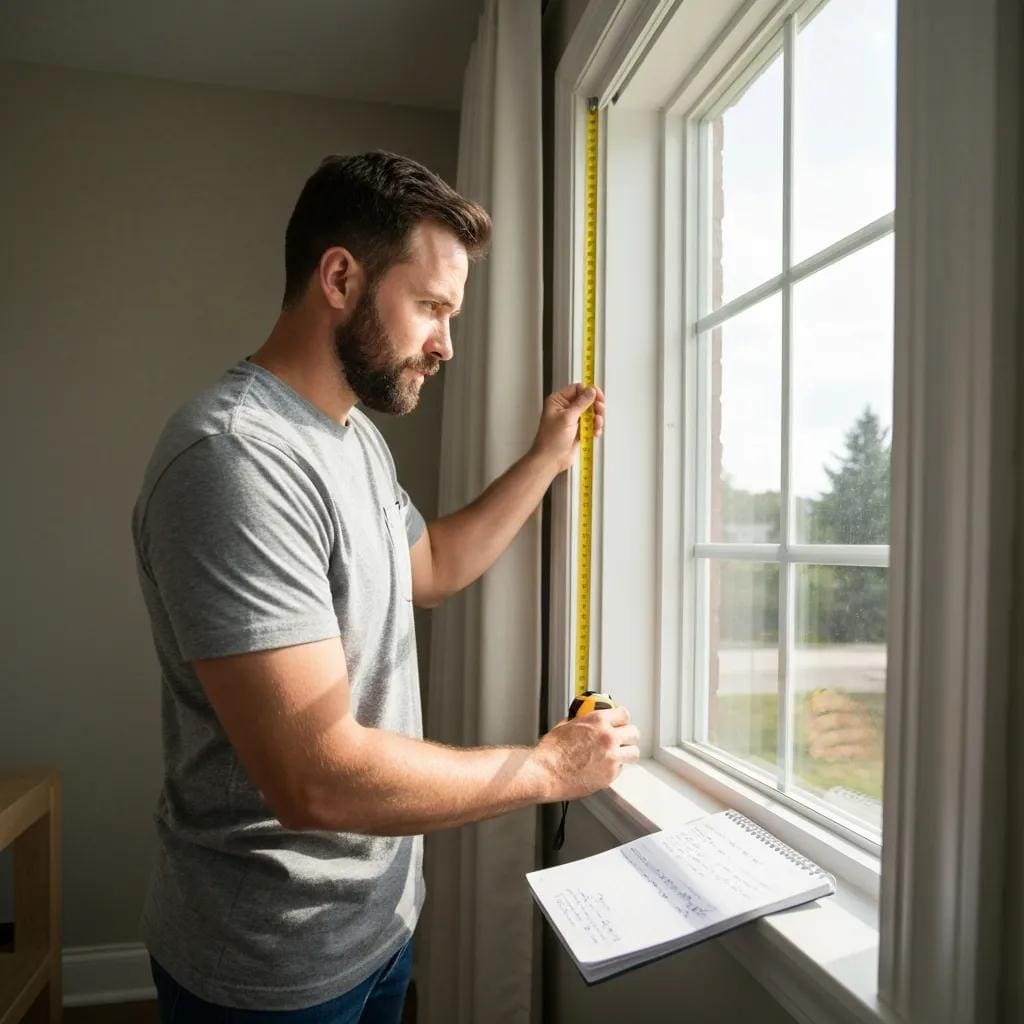
A simple, stepwise approach lets homeowners turn design choices into a defensible budget before collecting bids. The basic estimating formula is: (Total shutter area × Material $/sq ft) + Fabrication & customization + Installation labor + Permit & inspection fees + Add‑ons (motorization, extra anchors, storm straps) + Contingency (10–15%). Use this method to create an initial budget you can refine with a cost estimator and by confirming installer assumptions. A disciplined estimate highlights where upgrades deliver the best value and helps avoid surprise expenses during installation.
Follow these practical steps to assemble an estimate.
- Measure each opening’s width and height and calculate area in square feet.
- Choose shutter type and material grade to determine a baseline $/sq ft for materials.
- Add fabrication and custom‑fit charges for arches, long spans, or unique profiles.
- Estimate installation labor based on access, substrate, and required trades (electrician for motors).
- Include permit fees, inspection costs, and a contingency buffer of 10–15 percent.
These steps produce a conservative, testable budget. The following subsection shows a numeric example and how to apply the math to a sample home.
What Is the Formula for Estimating Accordion Shutter Costs?
Break the estimate into clear parts: Materials (area × $/sq ft) + Labor (hours × rate or per‑window) + Permits + Extras + Contingency. For example, a single 20 sq ft window at $30 per sq ft results in $600 for materials; add $80 for fabrication/custom trim, $150 installation labor, $25 permit, and a 10% contingency ($85) for an estimated total of about $940. Rounding up and budgeting for coastal corrosion prep or extra anchor points gives realistic expectations and reduces mid‑project scope changes. Keeping each element explicit makes contractor comparisons straightforward and highlights where spending increases long‑term value.
How to Use a Cost Estimator Tool for Accurate Pricing?
An online Cost Calculator helps produce a preliminary estimate based on common material and labor assumptions. To get reliable results, measure openings precisely, choose the correct shutter subtype (manual vs. motorized), indicate substrate (masonry or wood), and note special features like arches or balcony doors. Treat the calculator as a starting point—use its output to request a free on‑site estimate so installers can check framing, concealed conditions, or hidden repairs. Combining the calculator with a professional site visit delivers the most dependable budget and prioritizes upgrades that meet code and last longer.
What Is the Average Cost to Install Accordion Shutters?
Costs vary across coastal projects, but homeowners can expect typical per‑square‑foot and per‑window ranges that reflect material grade, labor complexity, and local permit environments. Material and fabrication often make up the bulk of the cost for coastal installations, while labor and access complexity add a meaningful secondary component. Labor rates, permit fees, and motorization options are the main variables between small, medium, and full‑house projects. Realistic ranges help you map your project to comparable examples and set a credible budget before requesting formal quotes.
Below is an itemized breakdown showing typical cost components and how they add up for sample projects.
This breakdown highlights where budget cushions help and why whole‑house quotes can vary. The next section covers labor specifics and provides sample project totals to illustrate full‑project budgeting.
How Much Does Installation Labor Typically Cost?
Labor covers anchoring, sealing, and finishing the shutter system and varies with substrate and access. Typical tasks include aligning guide rails, fastening panels with corrosion‑resistant hardware, sealing perimeter gaps, and testing latches or motors. Multi‑story homes, masonry walls, or restricted access increase labor hours and may require lifts or scaffolding, which raise costs. When motorization is chosen, electrician fees for wiring and controls add to labor and may require coordination with electrical inspections—factor trade hourly rates and inspection time into labor estimates.
What Are the Total Project Cost Ranges for Coastal Homes?
Sample totals illustrate realistic budget ranges for common coastal scenarios. A small project protecting three windows might use conservative materials and manual operation for a modest budget. A medium project of ten windows could add customization and a higher‑grade finish to withstand salt air. A full‑house protection job covers all openings and can include complex access, motorized systems, and extensive anchoring. Budget with a contingency and remember that upgrades for corrosion resistance and code‑approved products usually deliver long‑term value beyond the initial spend.
What Long-Term Value and Savings Do Accordion Shutters Offer?
Accordion shutters deliver long‑term value through extended service life with proper maintenance, potential homeowners insurance discounts when documented and certified, and energy savings from shading and reduced infiltration. Well‑maintained shutters often last decades, offsetting the initial investment compared with repeatedly replacing temporary solutions. Insurance savings depend on local policies and the documentation you supply; energy benefits are most visible in hot climates or homes with large glass areas. Evaluating these long‑term advantages helps homeowners balance upfront cost against lifecycle return.
Accordion shutters can give measurable benefits that affect operating costs and resale appeal:
- Lower cooling loads via shading and reduced air infiltration.
- Potential insurance premium discounts when installations meet recognized standards.
- Improved resale value from durable, code‑compliant storm protection.
These benefits should guide choices about material grade, motorization, and documentation—topics covered in the following subsections.
How Does Proper Maintenance Extend Accordion Shutter Lifespan?
Routine maintenance—seasonal inspections, lubricating moving parts, checking and tightening stainless steel fasteners, and clearing guide rails—reduces wear and prevents premature failure. Small repairs like replacing a worn seal or adjusting track alignment cost much less than full‑panel replacement and help preserve the shutter’s wind rating. A proactive maintenance schedule also supports warranty terms that may require documented care and strengthens insurance documentation for premium discounts. Regular upkeep is a cost‑effective habit that preserves performance.
How Can Accordion Shutters Reduce Home Insurance Premiums?
When accordion shutters are code‑compliant and backed by manufacturer test reports, insurers may offer hurricane mitigation discounts if they accept the documentation. Typical discount amounts vary, but qualifying usually requires approved product ratings, professional installation records, and inspection documentation. Request the product approval data and an installer‑signed certificate of compliance to present to your insurer. Proactively documenting approvals and installation increases the chance of premium credits and simplifies claims handling later.
What Energy Efficiency Benefits Do Accordion Shutters Provide?
Accordion shutters reduce solar heat gain and limit air infiltration when closed, which can lower cooling needs and stabilize indoor temperatures during extreme heat. By shading glass, shutters prevent direct sunlight from heating interior spaces and reduce HVAC cycling on bright days. Combined with tighter seals at the opening, this can produce observable energy savings in homes with large window areas, translating to lower monthly bills and improved comfort. Additional benefits include UV protection for furnishings and more consistent interior temperatures.
What Financing Options and Local Regulations Should Homeowners Know?
Homeowners can finance accordion shutters through several routes—manufacturer financing, home equity loans or lines, PACE programs where available, or standard consumer loans—each with different terms and eligibility. Local building codes across coastal North Carolina and South Carolina require permit review, product approval verification, and inspections that installers must follow to demonstrate compliance. Knowing financing trade‑offs and permit expectations helps you choose a cost strategy that aligns with long‑term value and keeps installations on schedule.
This comparison highlights trade‑offs between cost of capital and administrative complexity. The sections that follow break down each financing type and then cover local permit guidance for NC/SC coastal homeowners.
What Financing Programs Are Available for Accordion Shutters?
Common programs include short‑term manufacturer plans that bundle installation, home equity loans or lines, PACE programs where offered, and third‑party consumer loans. Dealer financing can be convenient but sometimes costs more over time. Home equity options typically offer lower rates but use the home as collateral and require underwriting. PACE financing allows long repayment terms tied to property tax but isn’t available everywhere and has eligibility rules. Compare APRs, loan terms, and total interest to find the most cost‑effective option for your situation.
What Are the Local Building Codes and Permit Requirements in NC/SC?
In coastal North Carolina and South Carolina, permit processes usually require product approvals or test reports, a scope of work, and an inspection after installation to confirm compliance with wind‑resistance standards. Cities such as Wilmington, Myrtle Beach, Oak Island, Topsail, New Bern, and Pawleys Island may have specific documentation and fee requirements; contacting the local building department early reduces surprises. Installers experienced with coastal codes can prepare required paperwork and manage permit applications, which speeds approval and ensures installations meet standards insurers may require for discounts. For help with financing or permit questions, request a professional quote or use our estimator tools to start the approval and financing conversation.
- Common permit steps: Submit approval documents, obtain plan review, schedule inspection.
- Documentation to gather: Product test reports, installer certificate, project drawings.
- Local practice: Use installers experienced in local code compliance to streamline the process.
These steps help you navigate municipal requirements and position installations for insurance recognition and code compliance. If you want a tailored cost breakdown or help with permit paperwork, request a free estimate or use the Cost Calculator to generate a project starting point and schedule an on‑site appraisal.
- Request a free estimate to validate calculator outputs with a site visit.
- Gather documentation (approvals and installer certificates) for permitting and insurer review.
- Compare financing options against projected savings from insurance and energy benefits.
This closing guidance ties budgeting, permitting, and financing into actionable next steps and points homeowners to the tools and support that simplify the path from estimate to installation.
Frequently Asked Questions
What are the benefits of motorized accordion shutters compared to manual ones?
Motorized accordion shutters add convenience—operate them with a button, wall switch, or smart device—and are especially useful for high or hard‑to‑reach openings. They cost more up front because of motors, wiring, and electrical labor, but they save time during storm prep and daily use. Motorized systems can also integrate with home automation for added convenience and safety, which many homeowners find worth the investment.
How can homeowners ensure their accordion shutters are compliant with local building codes?
To ensure compliance, check your municipality’s specific regulations and require that shutters carry the necessary certifications (for example, Florida Building Code or Miami‑Dade approvals where applicable). Work with a licensed installer familiar with local codes who can prepare and submit approval documentation. That experience helps avoid delays and ensures the installation meets standards insurers may require for discounts.
What maintenance tasks are essential for prolonging the life of accordion shutters?
Key maintenance tasks include regular inspections, cleaning tracks, lubricating moving parts, tightening fasteners, and testing locking mechanisms. Seasonal checks for corrosion and touch‑up of protective finishes are important in coastal areas. Addressing small issues early—replacing a worn seal or correcting a misaligned track—prevents larger, costlier repairs later and keeps shutters performing when you need them.
What factors should homeowners consider when choosing the material for their accordion shutters?
Consider durability, corrosion resistance, and appearance. High‑grade aluminum is commonly recommended for coastal properties because it’s lightweight and resists rust. Thicker panel sections provide better impact resistance and reduced deflection. Choose a finish—such as powder coating or a marine‑grade option—that protects against salt air; that choice affects long‑term maintenance and total cost.
How do accordion shutters contribute to energy efficiency in homes?
Accordion shutters improve energy performance by shading glass and reducing air infiltration when closed. They block direct sunlight that heats interior spaces, which can lower cooling needs and HVAC cycling on hot days. Properly sealed shutters reduce drafts, contributing to more stable indoor temperatures and potential monthly energy savings—especially in homes with large window areas.
What are the potential insurance benefits of installing accordion shutters?
Installing code‑compliant accordion shutters can qualify homeowners for insurance discounts when insurers accept the product approvals and installation documentation. To pursue discounts, collect manufacturer test reports, installer certificates, and inspection records. Providing clear documentation increases the chance of premium reductions and helps with claims if damage occurs.
What financing options are available for homeowners looking to install accordion shutters?
Financing choices include manufacturer or dealer plans, home equity loans or HELOCs, PACE programs where available, and personal loans. Dealer financing is often fast and convenient; home equity options typically offer lower rates but use your home as collateral. PACE spreads payments through property taxes and can offer long terms but isn’t available everywhere. Compare APRs, terms, and total costs to pick the best fit for your situation.
Conclusion
Knowing the full costs of accordion shutters helps you make informed decisions that strengthen storm protection and long‑term property value. By estimating materials, installation, permits, and maintenance up front, you can set a realistic budget and choose upgrades that deliver the best return over time. Start the process by using our Cost Calculator, requesting a personalized estimate, or contacting us for help with permits and financing. With clear information and experienced support, you can confidently invest in durable, effective storm protection for your coastal home.