
How Color & Finish Choices Affect Accordion Shutter Pricing — A Complete Guide
Accordion shutters are a go-to storm protection solution: structural aluminum panels finished to protect openings during hurricanes and severe weather. Color and finish choices are some of the biggest cost drivers homeowners face. This guide breaks down how pigment selection, coating chemistry, and custom work change both the up-front price and long‑term ownership expense so you can choose with confidence. We define common color categories, compare finish technologies like powder coat, PVDF (fluoropolymer), and anodizing, and translate durability metrics — salt‑spray hours, film thickness, expected service life — into real maintenance intervals. You’ll also find practical tools: EAV (entity‑attribute‑value) comparison notes, a prioritized checklist for coastal properties, and step‑by‑step strategies for balancing curb appeal with lifecycle cost. By the end, you’ll understand what drives accordion shutter pricing, how custom color matching affects lead time and premiums, and which finishes usually deliver the best total cost of ownership for exposed North and South Carolina coastlines.
What Are the Key Color Options for Accordion Shutters?
Manufacturers typically group color choices into a few standard categories that influence availability, lead time, and cost: stock colors, premium stock palettes, metallics, textured finishes, and fully custom matches. Stock colors need no special setup and carry the smallest premium. Metallics and textured finishes often require special powders or extra processing steps and therefore cost more. Coastal homeowners should consider solar reflectance and UV stability when picking tones — darker shades can fade and chalk faster in strong sun and salt spray. Knowing these categories helps you weigh appearance against lifecycle cost and sets up the next section on how pigments and coating choices translate into tangible price differences.
Quick reference — principal color categories with a one‑line cost/durability note for fast comparison and featured‑snippet use.
- Stock (standard) colors: broadly available, lowest premium, dependable durability in normal exposure.
- Premium stock colors: larger palettes, moderate price increase, typically keep factory warranties.
- Metallic and pearlescent finishes: special pigments and application steps — higher cost and visual impact.
- Textured finishes: hide surface wear well but add processing and usually raise per‑panel prices.
- Custom color matching: lab work and small‑batch setup make this the costliest option with longer lead times.
How Do Different Colors Affect the Cost of Accordion Shutters?
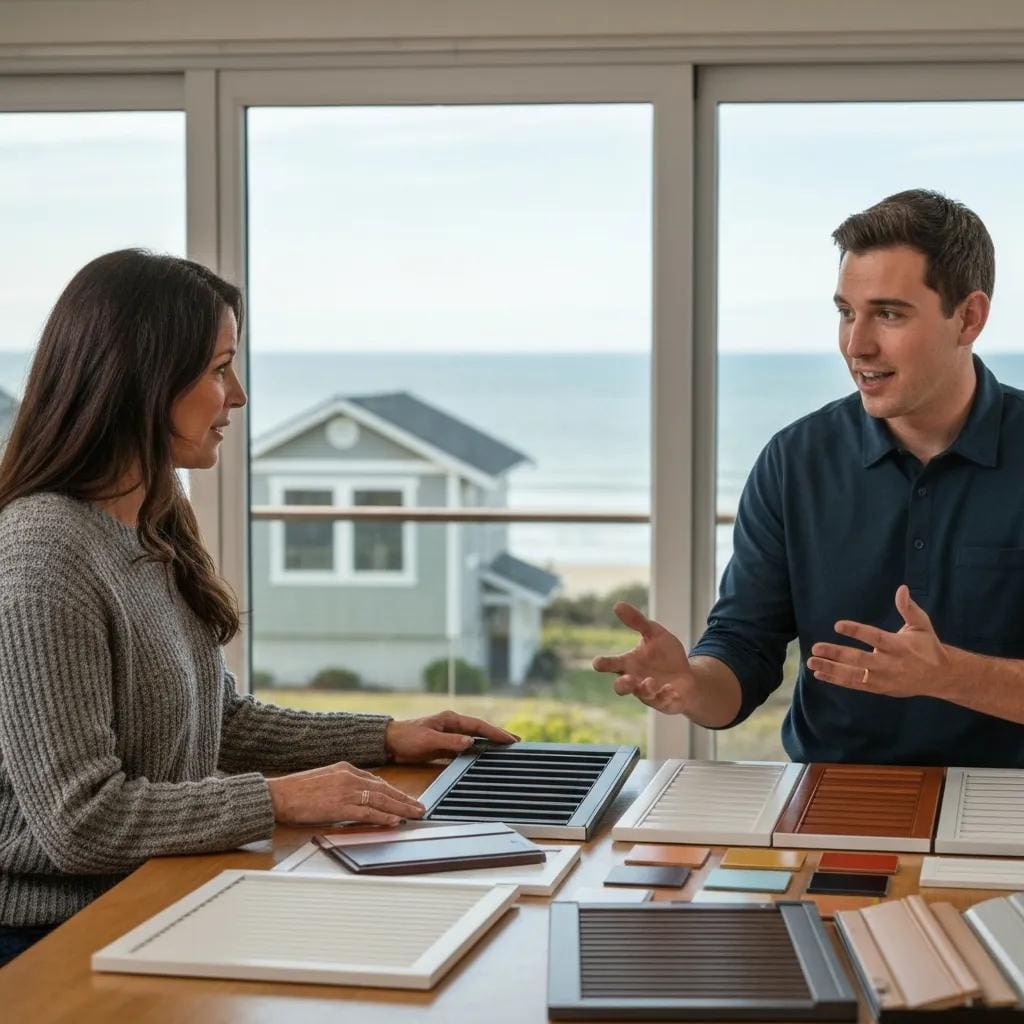
Color influences cost because pigments, additives and processing steps change with shade and finish. Some hues need extra UV stabilizers or special binders to meet warranty specs. Dark matte colors, for example, often require higher UV inhibitor loads and tougher salt‑spray testing for coastal jobs — a factor that can add roughly a 5–15% premium over a baseline stock white or beige. Custom matches bring lab time and small‑batch setup fees, which typically show up as a fixed charge plus an 8–12% per‑panel uplift compared with standard powder coat. Those costs also affect lead time and test paperwork, so weigh the visual payoff against the percent increase and any added maintenance down the road.
The next subsection ranks common finishes by long‑term value for coastal homeowners.
Which Popular Color Finishes Offer the Best Value?
For coastal homes in the Carolinas, lighter smooth powder‑coat finishes usually offer the best mix of price, durability and low maintenance: they reflect heat, slow UV breakdown and are straightforward to touch up. Metallics and custom PVDF colors can look high‑end but often cost more up front and may need closer inspection and occasional touch‑ups in salt‑air environments unless backed by thicker film builds and longer warranties. Textured finishes hide minor surface flaws and reduce visible wear, but they come at a modest price premium; anodized finishes resist corrosion well but have a narrower color range and can be pricier per linear foot. The smart choice matches exposure and expected service life to the finish technology — which is exactly what the next section covers.
To get tailored quotes that include color and finish options, homeowners can request on‑site assessments that factor exposure and style. Local installers can fold measured exposure and color preference into one clear estimate that shows trade‑offs between initial price and lifecycle maintenance.
How Do Finish Types Influence Accordion Shutter Pricing?
Finish technology — powder coating, PVDF/fluoropolymer liquids, and anodizing — drives process complexity, material cost and durability ratings, so it’s a primary pricing factor. Each finish follows a different application workflow and testing profile: powder coating uses electrostatic spray and oven cure; PVDF is applied as multiple liquid coats with bake cycles; anodizing is an electrochemical conversion that bonds to the aluminum. Those differences change cost per square foot, warranty lengths and expected years before recoating, so understanding how each finish works makes it easier to convert technical specs into dollars and sensible choices.
The table below summarizes common finish materials, typical cost bands and notes on coastal performance, then we’ll look at lifecycle cost comparisons.
This table shows how finish choice converts into expected service life and relative pricing. The following section explains how durability changes long‑term cost.
Durability directly affects total cost of ownership: longer intervals between recoats lower lifetime maintenance and downtime. Stepping up to a higher‑grade finish like PVDF raises the initial price but usually reduces repaint frequency — an important consideration where salt accelerates degradation. In many 10‑ to 20‑year lifecycle models, a 10–20% premium for PVDF versus a standard polyester powder coat can pay back through fewer recoats and lower cumulative maintenance. Metrics such as film thickness (microns) and salt‑spray hours give measurable links between coating performance and lifecycle cost, helping homeowners forecast maintenance budgets and warranty trade‑offs.
Why Does Customization of Color and Finish Change Accordion Shutter Prices?
Customization adds cost through setup, testing and small‑batch inefficiencies. Custom pigment sourcing, color matching and specialty coatings require extra labor and QA steps that don’t exist for stock colors. Economically, custom work includes fixed setup fees, possible minimum‑order surcharges and longer lead times — all of which translate into real cost. The upside is a tailored aesthetic or higher corrosion resistance for exposed sites. Homeowners should weigh whether the visual or performance gains justify the typical premium ranges.
The next sections detail the specific cost drivers for custom colors and compare them to standard finishes so you can judge value clearly.
How Do Custom Colors and Special Finishes Affect Pricing?
Custom colors and specialty coatings raise price because they need color‑matching tooling, test panels and extra QA cycles that slow shop throughput, and specialty pigments or additives cost more per kilogram. Typical premiums for custom matches include a fixed lab fee plus about an 8–15% per‑unit increase to cover materials and processing inefficiencies; exotic coatings (anti‑graffiti, ceramic‑enhanced powders) can carry higher multipliers and special warranties. Lead times lengthen for sample approvals and added testing, so plan ahead to avoid rush charges. Understanding these workflow costs helps you decide when customization is worth the investment for curb appeal or brand continuity.
What Are the Cost Differences Between Standard and Custom Finishes?
Standard powder coat finishes are the baseline: predictable per‑square‑foot rates and shorter lead times. Custom PVDF or specialty textured systems typically add a percentage premium plus a fixed setup fee; for example, a premium PVDF finish might be +10–20%, while a bespoke metallic match could be +15–30% including lab costs. The choice is value‑driven: if architectural continuity or historic restoration boosts property value, that premium may be recoverable. For purely functional hurricane protection, a well‑specified standard finish with a thicker film build can be more cost‑effective. Always request itemized quotes that separate material, labor and testing so the benefits of customization are transparent.
If you want a formal cost comparison and timeline that includes custom options and local installation scheduling, speak with a local installer who can convert design choices into a comparable, line‑item quote. This helps turn preferences into a concrete plan that matches exposure and aesthetics.
How Can Color and Finish Choices Affect Installation and Maintenance Costs?
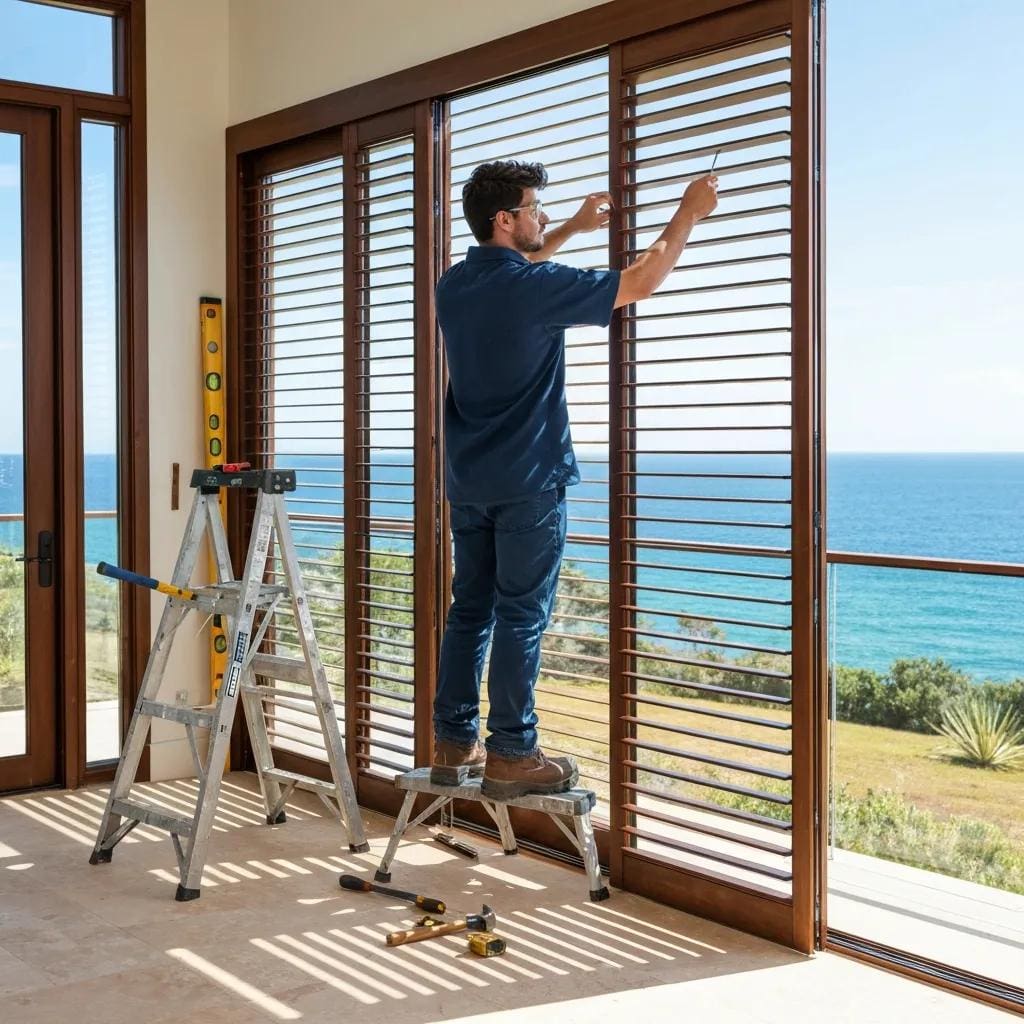
Color and finish choices change the installation workflow: factory pre‑finished panels shorten field time, while field finishing or on‑site touch‑ups increase labor, masking and handling requirements — and therefore installation cost. Pre‑finished shutters generally arrive ready to mount with minimal touch‑up, protecting warranty coverage and cutting site hours. Field finishing adds cure time and rework steps that raise complexity and risk.
The sections below cover which finishes demand more upkeep and how finish choices affect on‑site labor and price.
Different finishes create predictable maintenance patterns. The table below summarizes common scenarios and expected intervals.
The table illustrates how finish choice affects maintenance cadence and labor complexity. The next paragraph explains which options are most maintenance‑intensive.
Do Certain Colors or Finishes Require More Maintenance?
Yes. Pigment fade, chalking and visible dirt vary by color and texture. Dark, flat finishes absorb more heat and typically show fading and chalk earlier than light, glossy finishes. On the coast, UV, salt spray and airborne particulates speed finish breakdown, so coatings with higher salt‑spray ratings and thicker film builds last longer. Textured finishes hide minor wear but make touch‑ups harder; PVDF systems resist UV and chalking better and can lower cumulative maintenance. Knowing these trade‑offs helps you plan inspections and budgets and decide between a lower up‑front price and lower lifetime costs.
How Does Finish Selection Influence Installation Complexity and Price?
Finish choice affects installation steps because pre‑finished components reduce onsite touch‑ups and protective procedures, while field finishes or specialty coatings require extra masking, curing time and sometimes staged fastening to avoid surface damage. Factory pre‑finishing shortens onsite labor and reduces the chance of adhesion issues caused by weather. Custom finishes that need field adjustments require more skilled installers and raise labor costs. To minimize installation finish costs, specify factory pre‑finish when possible and schedule installation for dry, low‑salt periods to reduce rework risk.
What Are the Best Strategies to Balance Color, Finish, and Price for Accordion Shutters?
Balancing color, finish and price starts with prioritizing exposure, expected lifespan and aesthetic goals, then matching those priorities to the finish technology that gives the best lifecycle value. Practical tactics include choosing stock colors for the lowest up‑front cost, using premium finishes only where exposure justifies them, and combining finishes (for example, powder‑coated panels with PVDF on high‑exposure components) to protect critical areas without paying premium across every surface.
- Prioritize exposure assessment first: Match finish grade to wind, salt and UV exposure before you pick color.
- Select stock colors for low cost: Use standard palettes where exact matching isn’t necessary to save on setup fees and lead time.
- Use premium finishes selectively: Apply PVDF or enhanced coatings only to the most exposed surfaces to limit premium costs.
These priorities help lower lifecycle costs while keeping essential protection. The next section offers a decision checklist to choose colors and finishes that maximize value.
How to Choose Colors and Finishes That Maximize Value and Aesthetics?
Start with three priorities: desired service life, exposure severity and architectural intent. That turns subjective taste into measurable criteria. For high‑exposure coastal homes, pick finishes with strong salt‑spray performance and lighter hues to reduce UV degradation. For historic or design‑critical projects, accept the custom color premium but insist on sample panels and warranty terms that reflect the extra cost. Examples: pair a standard light powder coat on main panels with PVDF on rails and fasteners in exposed spots, or choose anodized where a metallic look and corrosion resistance align with value goals. This checklist approach helps you achieve the look you want while optimizing total cost of ownership.
What Are Expert Tips for Reducing Costs Without Sacrificing Quality?
Cut costs without losing performance by focusing on three levers: specify factory pre‑finish, concentrate premium coatings on critical components, and negotiate itemized warranties and maintenance plans tied to real exposure. Other tactics: use hybrid finish approaches, request warranties linked to measured film thickness or salt‑spray hours, and fold planned maintenance into long‑term budgets to avoid reactive recoats. Also compare related options — rolling shutters, colonial shutters or impact‑rated windows — to confirm accordion shutters are the best value for your protection needs. These steps usually deliver measurable savings while keeping protection intact. The table below summarizes strategy choices, cost impacts and benefits.
This structured approach connects strategy to likely costs and helps homeowners request itemized quotes that reveal real trade‑offs.
If you’d like personalized guidance, our team provides free estimates to educate homeowners about hurricane protection options and to turn design choices into clear, comparable proposals.
How Do Market Trends and Competitor Pricing Influence Color and Finish Costs?
Market forces — raw material price swings, pigment shortages and shifting design trends — influence availability and cost of finishes. Suppliers respond with bundled warranties or packaged options that change perceived value. Volatility in aluminum and coating inputs can create temporary price gaps between finishes, while rising demand for PVDF and low‑VOC coatings can lengthen lead times and lift premiums. Competitors often package premium finishes into installation bundles or itemize them differently, so compare apples‑to‑apples specs like film thickness and salt‑spray hours rather than headline prices. The sections that follow unpack trends and show how to read competing offers.
What Current Trends Affect Color and Finish Pricing in Accordion Shutters?
Notable trends: growing demand for PVDF for coastal durability, more interest in eco‑friendly low‑VOC liquid coatings, and periodic pigment supply constraints that push up prices for specialty colors. Manufacturers increasingly publish measurable finish specs — film thickness, salt‑spray hours — to help buyers judge real value beyond appearance. These trends mean homeowners should focus on quantifiable coating metrics and be ready for variable lead times on specialty colors. Understanding these market drivers makes it easier to interpret price differences and plan procurement timing.
How Do Competitor Offerings Shape Pricing Strategies for Colors and Finishes?
Competitors influence pricing by setting warranty expectations and bundling services. Some providers include premium finishes or expedited lead times as package highlights. When comparing offers, concentrate on underlying finish specs and warranty coverage, and ask for itemized breakdowns of material, labor and finish premiums. Don’t assume identical names mean identical specs — compare film thickness, coating type, salt‑spray rating and recoat schedule to judge value.
- Inspect specification sheets: Compare film thickness, salt‑spray hours and warranty years to evaluate offers.
- Request itemized quotes: Make sure finish premiums are separated from installation labor to see true cost drivers.
- Plan for maintenance: Include forecasted recoats in a 10–15 year budget to compare total cost of ownership.
Following these steps helps homeowners interpret market‑driven price differences and avoid paying for features that don’t add proportional durability or value.
This guide has covered color categories, finish technologies, customization economics, installation and maintenance trade‑offs, balancing strategies, and market influences so you can make informed purchasing decisions.
Frequently Asked Questions
1. What factors should I consider when choosing the color of my accordion shutters?
Think about solar reflectance, UV stability and how the color fits your home’s look. Lighter colors reflect heat and usually resist fading longer than darker shades, which absorb heat and can show wear sooner. Also consider how the color complements your exterior and neighborhood rules. Coastal homeowners should factor in salt spray and how it affects color longevity.
2. How can I determine the best finish type for my accordion shutters?
Match the finish to your environment and maintenance willingness. For coastal areas, PVDF or anodized finishes offer superior corrosion resistance. Powder coat is a solid, lower‑cost choice with reasonable longevity and easier field repairs. Compare expected lifespans and how frequently you’re willing to maintain the shutters when choosing.
3. Are there any eco-friendly options for accordion shutter finishes?
Yes. Low‑VOC coatings and other environmentally friendlier finishes are available and can still meet durability needs. Some manufacturers use more sustainable processes or materials. When selecting an eco option, confirm it meets the performance standards required for your climate and exposure, especially on the coast.
4. How do I maintain my accordion shutters to ensure longevity?
Inspect shutters regularly for fading, chalking or corrosion. Clean them with mild soap and water to remove salt and dirt, especially after storms or in coastal areas. Follow the manufacturer’s maintenance and recoating recommendations since lifespans vary by finish. Regular upkeep preserves appearance and reduces the need for costly repairs.
5. What is the typical lead time for custom color matching on accordion shutters?
Lead times vary, but expect about 4 to 8 weeks for custom matches. The process includes lab work, sample approvals and small‑batch production. Plan ahead and discuss timelines with your supplier to avoid scheduling headaches during renovations.
6. How do I compare quotes from different manufacturers for accordion shutters?
Focus on specs: finish type, color options and warranty terms. Request itemized quotes that break out materials, labor and add‑on features. Pay attention to durability metrics like film thickness and salt‑spray hours to gauge long‑term value. Also check manufacturer reputation and customer reviews for real‑world reliability.
7. Can I install accordion shutters myself, or should I hire a professional?
You can install some shutters yourself, but we usually recommend a pro — especially for large or complex jobs. Professionals ensure correct fit and fastening, which is critical for performance in severe weather. Improper installation can void warranties or cause maintenance issues. If you go DIY, follow the manufacturer’s instructions closely and get help for heavy panels.
Conclusion
Knowing how color and finish choices affect accordion shutter pricing lets you make smarter decisions that balance looks and long‑term value. By weighing durability, maintenance and customization costs, you can pick options that protect your home and keep curb appeal. Explore our accordion shutter options designed for Carolina coastlines and request a personalized quote — we’ll help you match finish, color and installation to your budget and exposure.