

Why Durability Matters in Hurricane Shutter Design: How Material Strength, Impact Resistance, and Longevity Protect Your Home
Durability for hurricane shutters is more than one spec on a sheet — it’s the combination of impact resistance, wind-load capacity, corrosion and UV resilience, mechanical reliability, and an expected service life that together keep people and property safe during and after storms. This guide explains how those durability pieces work as a system, why coastal homes face a tougher test, and how choices in materials, testing, and maintenance affect real-world performance. We break down how to compare aluminum, steel, polycarbonate, and fabric options by measurable traits like strength-to-weight, impact toughness, and corrosion risk, and how certifications translate into practical buying decisions. You’ll also learn how standards such as the Florida Building Code and ASTM relate to outcomes like fewer repairs and possible insurance credits. Finally, we cover maintenance best practices and the long-term value of choosing durable systems — plus how American Hurricane Shutters supports durability through material selection, qualified installers, warranty coverage, and local service. With this information, you can evaluate ‘best hurricane shutters’ for coastal conditions, weigh ROI, and take the next steps toward certified, long-lasting protection.
What Is Durability in Hurricane Shutter Design and Why Is It Crucial?
Durability in shutter design means the system can resist debris impacts, hold up to sustained wind loads, resist corrosion and UV damage, and keep working over its intended lifespan. A truly durable shutter combines strong materials, correct anchorage, and corrosion-aware hardware so windows remain protected and the risk of water entry is minimized. That reliability keeps people safer during storms, reduces the chance of expensive emergency repairs afterward, and helps ensure compliance with local codes — which can lower liability and open the door to insurance savings. Knowing these components helps homeowners prioritize the features that matter most for their risk level, especially for coastal properties where environmental stresses are higher. The sections that follow break each durability dimension into measurable features and real-world implications so you can compare options with confidence.
How Do Impact Resistance, Wind Resistance, and Corrosion Define Durability?
Impact resistance, wind resistance, and corrosion performance are the three practical pillars of shutter durability, and each is measured differently. Impact resistance measures how well a shutter survives flying debris using missile-impact tests. Wind resistance is shown by design pressure or wind-load ratings that describe how much sustained pressure the assembly resists. Corrosion performance depends on material choice, coatings, and hardware suitability for salt-laden air. Together these attributes predict whether a shutter will prevent glass breakage, preserve seals to limit water intrusion, and avoid premature mechanical failure after repeated exposures. Matching a product’s specific tests and ratings to local threat levels — and to any required design-pressure analysis — is critical, especially in coastal zones where corrosion-resistant systems are essential.
Improving Building Durability in Hurricane Regions with Impact-Resistant Materials
Materials used for walls, roofs, windows, louvers, and doors should be certified to resist debris impact through standardized testing. That certification helps ensure building components can withstand wind-borne debris during hurricanes and contributes to overall structural integrity and occupant safety.
Improving Durability of Buildings in Hurricane-Prone Regions Using Improved Design Techniques and Impact Resistant Materials, 2014
Why Is Durability Especially Important for Coastal Homes?
Coastal homes face harsher conditions: salt spray, higher humidity, stronger UV exposure, and more frequent high-wind events. Salt accelerates metal corrosion and pitting, making fastener choice and protective coatings critical; UV exposure can embrittle some plastics and finishes; and repeated storms drive fatigue in moving parts and anchorages. When a shutter fails on a coastal property, consequences often include significant water entry, structural damage, and long-term displacement — risks that are generally greater than for inland homes. That higher exposure means you should select coastal-grade materials and fasteners, verify wind-load ratings with a site-specific Design Pressure Analysis, and keep to a proactive maintenance schedule. Understanding these coastal stressors helps homeowners prioritize corrosion-resistant alloys and certified installations that last for decades, not just seasons.
Which Materials Offer the Best Durability for Hurricane Shutters?
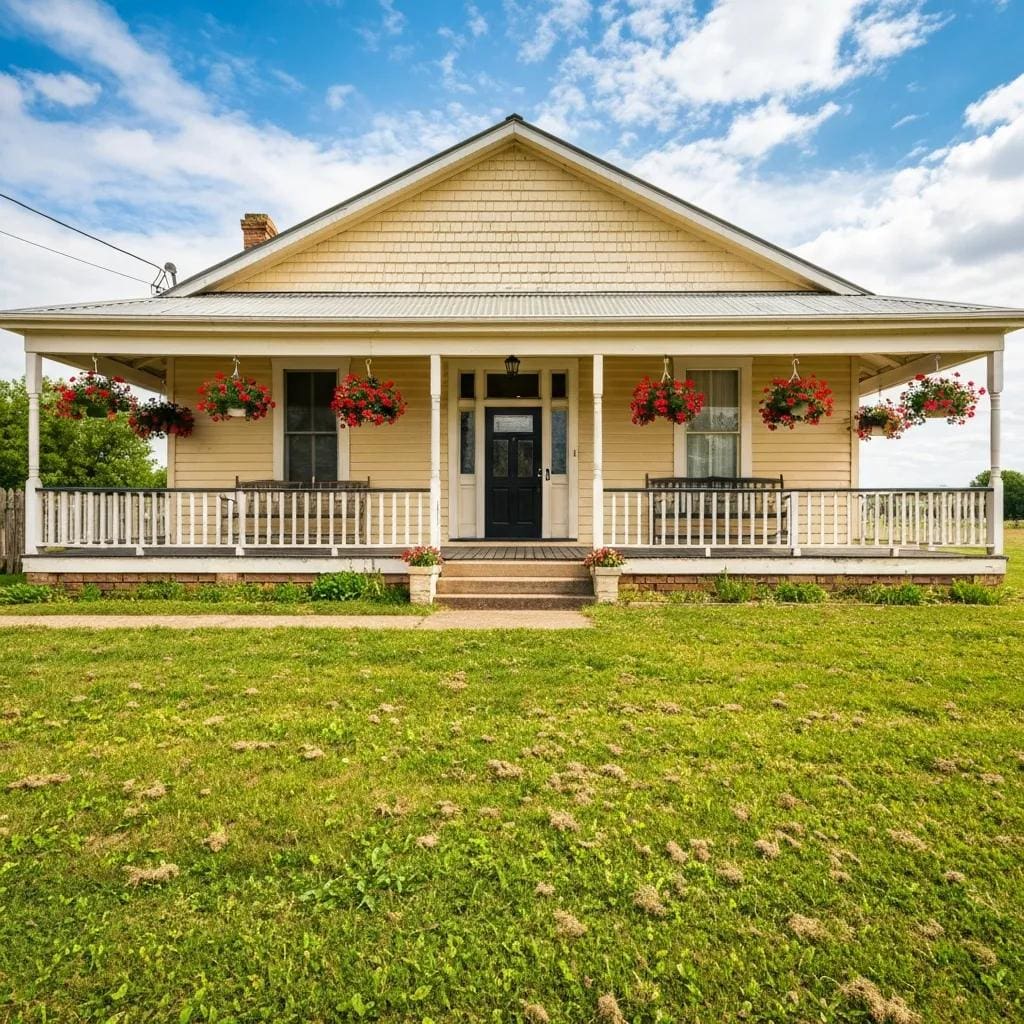
Each shutter material brings a different blend of durability trade-offs: aluminum balances corrosion resistance and light weight; steel delivers maximum strength but needs corrosion protection; polycarbonate offers excellent impact toughness and visibility; and engineered fabrics provide lightweight tensile protection with quick deployment. When durability is the priority, evaluate materials by strength-to-weight, corrosion resistance, UV stability, impact rating, and expected coast-specific lifespan. Laying these properties out side-by-side helps connect technical attributes to homeowner priorities like ease of use, security, and long-term maintenance. The table below summarizes these material attributes in homeowner-friendly terms so you can decide which mix of characteristics fits your property. After the table we summarize how fasteners and finishes affect real-world outcomes.
Different shutter materials compared by key durability attributes:
This comparison shows how alloys like 6063-T6 aluminum offer low weight and good corrosion resistance when paired with correct coatings and stainless hardware; polycarbonate shines where visibility and impact toughness matter; and steel is the choice when maximum stiffness and security are required. The right selection depends on your priorities — security, daylighting, lifecycle cost — and your local exposure, which makes corrosion mitigation and fastener choice as important as base material.
What Are the Durability Benefits of Aluminum, Steel, Polycarbonate, and Fabric?
Aluminum shutters, especially 6063-T6, give a strong strength-to-weight balance and resist corrosion when finished properly, making them easy to operate while providing consistent protection. Steel offers high stiffness and impact resistance but needs robust coatings or separation from salt air to avoid rust-related loss of performance; galvanizing or paint systems are commonly used. Polycarbonate panels deliver outstanding impact toughness and let daylight through, but UV-stabilized grades and careful edge detailing are necessary to prevent degradation. Fabric hurricane screens are light and quick to deploy, using tensile strength to disperse impact energy; they usually trade a perfect weather seal for breathability and ease of use. Understanding these material-specific benefits lets homeowners match product features to real needs — security, visibility, thermal performance, and maintenance expectations — instead of relying on marketing claims.
Hurricane Shutter Performance: Impact Resistance of Aluminum and Steel Panels
This study evaluates aluminum and steel storm panels under impact from concrete roof tiles common in hurricane-prone areas, using ASTM E1996-09 procedures. It addresses how exterior windows, curtain walls, doors, and shutters respond to missile impacts and subsequent cyclic pressure.
Performance of hurricane shutters under impact by roof tiles, KR Gurley, 1996
How Do Corrosion Resistance and Structural Integrity Affect Material Performance?
Corrosion resistance and structural integrity are closely linked: corrosion undermines load paths and fastener engagement, while structural design determines how impact and wind loads are shared across anchors and frames. Using 18-8 stainless fasteners and specifying anodized or powder-coated finishes slows corrosion in coastal conditions and helps retain clamp and shear strength at connections. Design details like continuous guide rails, redundant anchor points, and avoiding crevice-prone joints distribute forces more evenly and reduce local fatigue. Regular inspections catch early galvanic or pitting corrosion so recoating or repairs can stop progressive strength loss; without these steps, even high-strength materials can fail at the connections. That’s why hardware selection and detailing are as important as base material for long-term durability.
How Are Hurricane Shutters Tested for Impact and Wind Resistance?
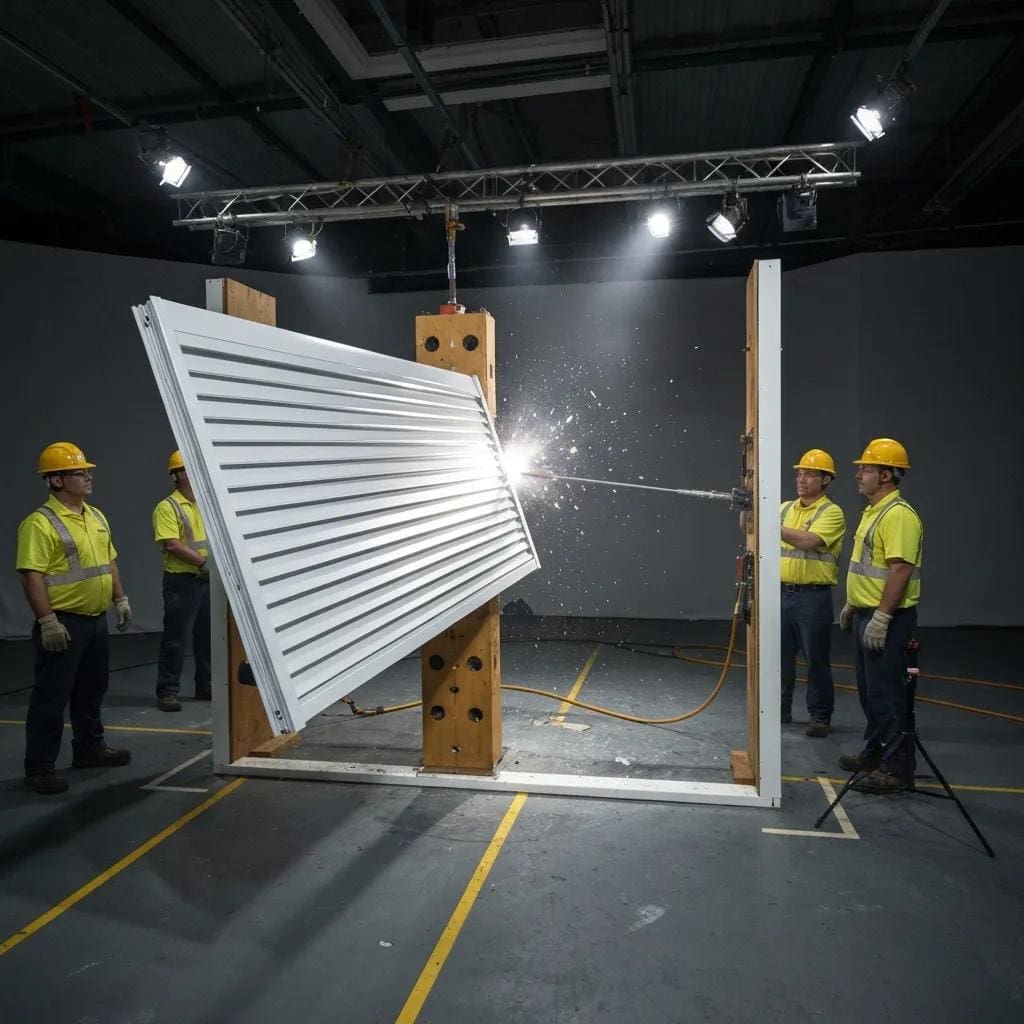
Testing and certification turn lab performance into homeowner confidence by applying standardized impact and wind-load protocols that predict field survivability. Major standards — Florida Building Code (with TAS protocols), Miami-Dade County approvals, and ASTM E1996/E1886 — use controlled missile-impact tests, cyclic pressure loading, and durability checks to simulate storm conditions. These evaluations consider single-impact survivability and the ability to withstand repeated pressure cycles without anchor or fastener failure; products that meet these standards give measurable assurance to regulators and insurers. The table below explains key standards in plain language so you can interpret approvals and test reports when shopping. After that, we describe how test outcomes translate to expected service life for different shutter types.
Standards and what they measure:
What Do Florida Building Code, Miami-Dade, and ASTM Standards Mean for Durability?
Florida Building Code, Miami-Dade approvals, and ASTM tests are useful proxies for durability because they require shutters to survive specified impact energies and sustained cyclic pressures that mimic hurricane conditions. Passing these standards shows a product has been through missile-impact testing and pressure cycling so anchors, frames, and closures won’t fatigue under repeated loads. For homeowners, a labeled approval or test report means the product is more likely to prevent glass breach and limit water entry during storms, and that installers followed test-based design rules rather than ad-hoc layouts. Review the test scope and the design pressure used in reports to confirm a product matches your wind-zone exposure — a critical step for coastal homes. This practical view helps guide purchasing decisions beyond marketing claims.
How Do Impact and Wind Load Tests Ensure Long-Term Shutter Strength?
Impact and wind-load tests check long-term strength by simulating both extreme impacts and repetitive loading to reveal failure modes single-event tests might miss — things like anchor plate deformation, fastener pull-through, or hinge fatigue. Single-impact tests show whether the barrier stops a projectile without breach; cyclic loading demonstrates resistance to repeated pressure reversals that happen during storms. Tests that combine impact with post-impact cyclic loading are especially informative because they show whether a panel can survive a strike and still hold up under wind. Designers use these results to set material thickness, anchor spacing, and fastening details; when manufacturers publish matched test reports and installers follow a design pressure analysis, installations are more likely to meet their intended service life.
How Does Longevity and Maintenance Influence Hurricane Shutter Durability?
Longevity and regular upkeep determine whether a shutter system delivers on its tested potential over years in coastal conditions — even the best materials need inspections, lubrication, and occasional recoating. A planned maintenance program focuses on visual checks, fastener inspections, lubricating moving parts, cleaning tracks, and touching up protective coatings so small corrosion spots don’t become structural problems. Proactive service preserves seals and mechanical function, prevents anchor fatigue, and can extend a well-specified system’s life by many years, improving the investment case. The maintenance checklist below outlines homeowner and professional tasks, recommended frequencies, and when to call a qualified technician. After that we give realistic lifespan ranges for quality shutters in coastal environments so you can budget for replacement timing.
- Inspect fasteners, guides, and locks for corrosion or loosening at least twice a year and after significant storms.
- Clean tracks and guide rails, remove debris, and lubricate moving parts with marine-grade lubricants as recommended.
- Check finishes and touch up chipped powder coat or anodized surfaces to stop localized corrosion from spreading.
- Schedule a professional inspection every 1–3 years for anchor integrity, torque checks, and verification of design-pressure compliance.
Regular maintenance preserves structural integrity and lowers the risk of catastrophic failure during storms; following this checklist also helps keep warranties valid in many cases.
What Maintenance Practices Extend the Life of Durable Hurricane Shutters?
Good maintenance pairs homeowner checks with periodic professional service to catch visible wear and hidden structural concerns before they worsen. Seasonally, homeowners should look for corrosion at fasteners and hinges, clean and lubricate tracks, and confirm locking hardware operates smoothly — steps that reduce common failures like fastener pull-through and guide binding. Professionals verify anchor torque, assess subframe condition, and recommend recoating or fastener replacement when corrosion is active; this service is especially important in salt-air zones where corrosion progresses faster. Recording maintenance and repairs also supports warranty claims and insurance documentation. Knowing when to move from DIY care to professional attention keeps the shutter system fit for purpose across many storm seasons.
Coastal Home Design: Corrosion Resistance and Storm Panel Costs
Materials for coastal areas must resist water and salt. Corrosion-resistant siding and fasteners are essential. The cost of code-designed storm panels is roughly one percent of a home’s total cost, making them a cost-effective protection investment.
Coastal Homes: Critical Design and Construction Issues, TP McAllister, 2002
How Long Can High-Quality Shutters Last in Coastal Conditions?
High-quality aluminum or well-protected polycarbonate systems commonly last 15–30 years with disciplined maintenance, while steel systems depend heavily on coating health and typically range from 10–25 years. Fabric screens and lighter panels often fall on the lower end — roughly 8–15 years — depending on UV exposure and use. Those lifespan estimates assume regular maintenance, timely fastener replacement, and repairs after major events; neglect can sharply shorten service life, especially with salt spray. Realistic lifespan ranges help homeowners plan for capital costs and weigh long-term ROI against upfront price and insurance considerations.
What Economic and Safety Benefits Come from Investing in Durable Hurricane Shutters?
Investing in durable shutters delivers clear economic and safety benefits: fewer repair and replacement costs after storms, potential insurance premium reductions when systems are certified, and improved marketability because buyers value verified storm protection. Durable shutters lower the chance of catastrophic window failure and water intrusion, cutting expected repair claims; over decades, avoided damage can justify higher upfront costs. Insurers often offer discounts for products that meet recognized standards and are installed to site-specific design pressures, and appraisers increasingly view certified storm protection as a marketable advantage in coastal areas. The table below gives conservative example metrics tying durability to estimated savings so homeowners can see how lifecycle math supports the investment decision.
How Do Durable Shutters Reduce Insurance Costs and Increase Property Value?
Durable, certified shutters lower insurance costs by showing carriers that risk has been reduced; insurers typically require product approval labels, installation documentation, and sometimes a site-specific design pressure analysis to grant discounts. Keep test reports and installation sign-offs handy — that paperwork often unlocks policy credits. Listings that highlight certified storm protection and show visible, well-installed systems attract buyers in coastal markets who prioritize resilience, which can help sale prospects and appraisal results. Even modest, sustained savings in premiums combined with avoided repair costs can create a positive return when durability extends service life beyond cheaper, temporary options. Those insurance and market effects make the case for long-lived systems compelling.
How Does Durability Enhance Storm Protection and Home Security?
Durability lowers the chance of window or door breach during storms, reducing water and wind damage and preserving the building envelope, which prevents secondary problems like mold or structural weakening. Sturdy shutters also add intrusion resistance outside of storm events, deterring opportunistic break-ins and improving overall security. When shutters maintain structural integrity through impacts and cyclic loads, they remain effective across multiple events — not just a single storm — increasing occupant safety and property resilience. For property owners who want service or tailored estimates based on these durability and economic factors, American Hurricane Shutters provides local support and practical analysis described next.
How Does American Hurricane Shutters Ensure Durability in Their Products and Services?
American Hurricane Shutters focuses on material selection, certified installation, site-specific design analysis, and warranty backing to deliver durable protection tailored to NC/SC coastal conditions. We specify 6063-T6 aluminum for many products because it balances strength and weight, and pair panels with 18-8 stainless steel fasteners to reduce corrosion-driven failures in salt air. Certified, insured technicians — OSHA 30 and Aerial Lift trained — perform installations based on site-specific Design Pressure Analysis so product choices and anchorage meet local code and performance needs. We also provide maintenance and repair services for existing customers and act as an information resource that helps homeowners compare options and get tailored estimates. Those practices bridge the gap between lab-rated durability and field performance by ensuring correct installation and ongoing local support.
What Materials and Installation Standards Does American Hurricane Shutters Use?
We use industry-grade materials and marine-aware hardware — for example, 6063-T6 aluminum with 18-8 stainless fasteners — to manage corrosion risk while keeping performance and operation straightforward. We perform site-specific Design Pressure Analysis to match shutter selection and anchorage to local wind loads and code requirements, translating test-stand ratings into real installation specs. Installer credentials include OSHA 30 and Aerial Lift training, which demonstrate a commitment to safe, consistent installation and proper handling of elevated work. Those material and procedural choices reduce the chance that a well-rated product will underperform due to poor installation or wrong fastener choices — a common cause of premature field failure.
What Warranty and Local Expertise Support Long-Term Durability?
American Hurricane Shutters provides a local-leading 7-year warranty as a signal of product support and confidence in durability, and we emphasize regional expertise in NC/SC coastal construction to respond quickly when service is needed. We offer inspections, maintenance, and repairs for existing customers, aligning with industry maintenance practices that extend shutter life; our local-service approach supports a proactive lifecycle strategy. As an information hub and lead generator, we provide free estimates to homeowners who want cost assessments and clear guidance, helping translate durability features into a practical plan. When you’re ready to quantify costs for a residential or commercial project, requesting a free estimate or using our cost tools is the recommended next step to match product choice with budget and site needs.
- Request a free estimate: We provide free estimates and tailored design-pressure analysis to align product options with your property’s exposure.
- Leverage local expertise: Use our NC/SC coastal experience to select materials and anchors suited to salt-air conditions.
- Plan maintenance and service: Arrange local service to schedule inspections and preserve warranty coverage through documented upkeep.
Frequently Asked Questions
What factors should I consider when choosing hurricane shutters for my home?
Consider material type, impact resistance, wind-load ratings, and corrosion resistance. Each option — aluminum, steel, polycarbonate, or fabric — has trade-offs that affect durability and performance. Also check installation quality, maintenance needs, and local building codes. Your proximity to the coast and typical storm exposure will help you balance safety, ease of use, and cost.
How can I ensure my hurricane shutters are properly installed?
Hire certified professionals familiar with local codes and site-specific design pressure analysis. Confirm installers’ credentials, such as OSHA training and experience with marine-grade materials, and request documentation of installation methods. Post-installation inspections help catch issues early so shutters perform when you need them.
What maintenance is required for hurricane shutters to ensure their longevity?
Regular inspections, cleaning, and lubrication keep shutters working longer. Check for corrosion at fasteners and hinges, clean tracks, and use marine-grade lubricants on moving parts. Touch up damaged coatings to prevent corrosion. Schedule professional inspections every 1–3 years to verify anchor integrity and design-pressure compliance.
Are there specific certifications I should look for when purchasing hurricane shutters?
Yes — look for products certified to standards like the Florida Building Code, Miami‑Dade approvals, and ASTM tests. Those certifications show shutters have been tested for impact resistance and wind-load performance. Certified products are more likely to protect your home and may qualify for insurance discounts.
How do hurricane shutters contribute to home insurance savings?
Shutters can lower insurance costs by demonstrating risk mitigation to providers. Many insurers offer discounts for certified storm protection systems, but they usually require product approvals and installation documentation. Keep test reports and sign-offs to present to your carrier to qualify for potential savings.
What are the economic benefits of investing in durable hurricane shutters?
Durable shutters reduce expected repair costs after storms and may earn insurance premium reductions. By lowering the chance of window failure and water damage, they save on repair bills and can offset higher upfront costs over time. The combination of avoided damage and potential insurance savings often makes durable shutters a sound investment.
How do I know if my hurricane shutters are still effective after several years?
Inspect shutters regularly for wear, corrosion, or mechanical problems. Check fasteners, seals, and moving parts. If you see issues or the system is older, have a professional evaluate whether it still meets current codes and standards. Timely repairs and maintenance help ensure continued protection.
Conclusion
Choosing durable hurricane shutters gives your home better protection in severe weather and can reduce long-term repair costs and insurance premiums. Knowing the key factors—material strength, impact resistance, and maintenance—lets you make decisions that fit your needs and your local exposure. When you choose certified products and professional installation, you maximize both lifespan and performance. Ready to protect your property? Explore our range of quality hurricane shutters and get a free estimate to find the right solution for your home.