

Accordion Shutter Warranties: A Coastal Homeowner’s Guide to Coverage and Care
An accordion shutter warranty is the written promise that covers defects in materials and workmanship — and it matters because coastal homeowners depend on shutters to protect their homes from storms and wind-driven debris. This guide walks through what typical warranties cover, how long coverage usually lasts, common exclusions to watch for, and the maintenance steps that keep your warranty valid. You’ll also learn how to document performance, file a claim, and what to expect from local installers in coastal North and South Carolina. We map practical steps for preserving coverage, compare warranty protections across components, and give clear checklists for maintenance and claims. Along the way we point out local issues — code compliance, transfer rules, and service responsiveness — so you can make confident decisions about buying, maintaining, and getting help from a nearby installer.
What Does an Accordion Shutter Warranty Typically Cover?
Most accordion shutter warranties protect against manufacturing defects in materials and workmanship and outline when a failing part will be repaired or replaced. Warranties usually separate parts (aluminum slats, tracks, hardware) from labor and often treat finish or coating protection on a different timetable than structural elements. Knowing these categories helps you evaluate whether a warranty covers the parts most likely to fail. The sections below break down which materials and workmanship issues are usually protected and how labor coverage is commonly structured so you know what to expect.
Which Materials and Workmanship Are Protected Under Warranty?
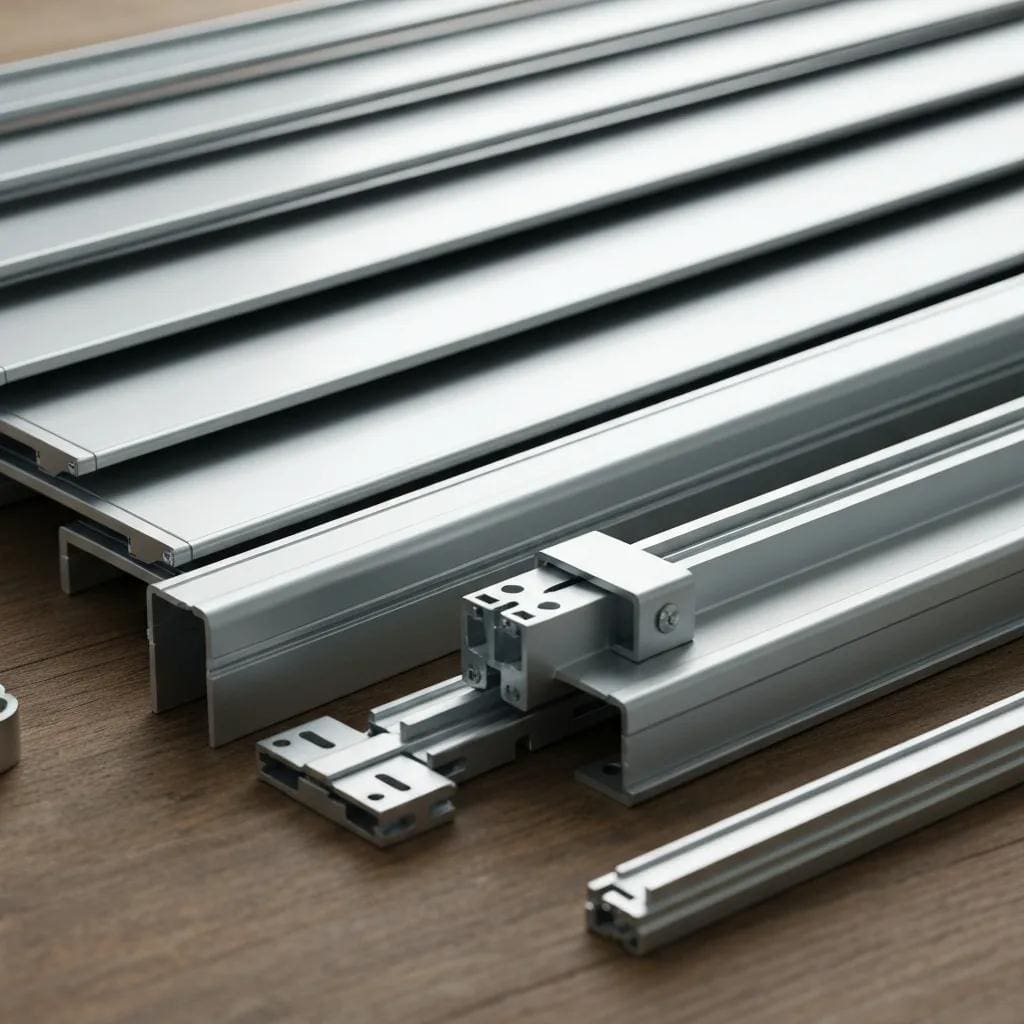
Material and workmanship coverage generally applies to structural failures and production defects — not normal wear or purely cosmetic blemishes. For accordion shutters, covered items typically include aluminum slats, mounting hardware, and track systems when a failure results from manufacturing or improper assembly. Workmanship protections cover installation faults like misaligned tracks or poor welds that cause operational problems within a defined time period. To avoid surprises, ask providers for component-level coverage and written definitions of “defect” versus “normal wear” so you can tell what’s repairable under warranty and what isn’t.
How Does Labor Coverage Work in Accordion Shutter Warranties?
Labor coverage spells out whether on-site repair or replacement labor is included and for how long after purchase or installation. Common approaches include full labor coverage for an initial period, followed by limited or prorated labor, or policies that require service fees for on-site work after a set service-call window. Because poor installation can shift responsibility to the installer rather than the manufacturer, installation quality can affect labor claims. Understanding labor terms helps you know whether you’ll face out-of-pocket costs when parts are covered but labor is not.
Providers vary in how they tier parts and labor, so comparing those differences helps homeowners choose warranties that reduce long-term maintenance expense. The table below highlights typical component coverage to make evaluation easier.
This comparison shows warranties generally emphasize structural and moving parts, while finish and cosmetic issues often follow separate rules. Next, we cover typical warranty lengths and whether coverage can transfer when a property changes hands.
How Long Do Accordion Shutter Warranties Last and Are They Transferable?
Warranty length depends on the component, product grade, and whether the warranty comes from the manufacturer or the installer. You’ll typically see shorter terms for labor and finish, and longer terms for parts — sometimes a decade or more for higher-grade products. Some premium systems offer extended or limited lifetime material coverage. Transferability varies: it often requires registration, possible fees, and explicit permission in the original terms. Knowing how duration and transfer rules work helps sellers and buyers manage resale value and maintain warranty continuity.
What Are the Standard Warranty Periods Offered by Local Providers?
Local providers usually stagger warranty terms: parts often carry longer protection than labor, and coatings may have their own shorter guarantees. Market ranges commonly show labor coverage in the 1–5 year window, parts coverage in the 5–15 year window, and finish/coating guarantees in the 1–10 year range depending on the product. Factors that extend warranty length include lab testing, certifications, and higher-grade alloys or protective coatings. Always request a clear, written warranty schedule that states whether coverage starts at purchase or installation so you can compare offers accurately.
Can Accordion Shutter Warranties Be Transferred to New Property Owners?
Many warranties can be transferred if the original owner registers the product and follows the provider’s transfer process, but common conditions include time limits on transfers, required transfer forms, and possible fees. Transfer usually also requires proof of purchase, maintenance records, and timely notification after a sale. Transferable warranties can boost buyer confidence and may help resale value, but buyers should confirm remaining coverage and any ongoing maintenance obligations. If you’re in coastal North or South Carolina, American Hurricane Shutters can explain local transfer rules and help you gather the documentation needed for a sale.
To clarify typical durations and transfer rules across warranty types, see the table below.
Transfer rules are variable and often conditional — check the fine print. Next, we’ll cover common exclusions and how to avoid voiding your warranty.
What Are Common Warranty Exclusions for Accordion Shutters?
Warranties frequently exclude coverage for acts of God, misuse, improper maintenance, and unauthorized repairs — knowing these exclusions helps you avoid surprises when filing a claim. Providers often exclude catastrophic storm or flood damage because those losses are typically handled by homeowner insurance rather than the product warranty. Other common exclusions include corrosion from chemical exposure, damage from improper storage or handling, and modifications by unapproved technicians. Understanding these exclusions and the preventative actions required to maintain coverage protects your investment and reduces the chance of denied claims.
Are Acts of God Like Hurricanes Covered or Excluded?
No — extreme events such as hurricanes and flooding are generally excluded from warranty coverage; homeowner insurance is the appropriate channel for storm-related damage. Warranties cover defects in materials and workmanship, not guaranteed performance against extraordinary events. After a hurricane, document damage promptly and contact both your insurer and shutter provider to coordinate next steps. Clear photos and maintenance records make the claims process faster and help determine whether any component failure predated the storm. Knowing where warranty coverage ends and insurance begins speeds resolution of major damage.
Hurricane Shutters in Loss Modeling
Models that predict hurricane losses account for whether homes have hurricane shutters, since shutter performance affects wind pressures and the impact of debris on a structure.
Predicting losses of residential structures in the state of Florida by the public hurricane loss evaluation model, S Hamid, 2010
How Do Improper Maintenance and Unauthorized Repairs Affect Warranty Validity?
Improper maintenance and unauthorized repairs are common reasons for warranty denial because they change the product from its original installed condition and can create new failure modes. Typical voiding actions include skipping lubrication or cleaning, painting or modifying parts without approval, and hiring unapproved technicians. To keep your warranty valid, follow the manufacturer’s or installer’s maintenance schedule, document every service, and use authorized technicians for repairs. Those records support future claims and demonstrate proper care. The next section gives a concrete maintenance schedule and checklist that align with most warranty requirements.
With exclusions clear, let’s move to practical maintenance steps that help you meet warranty conditions and extend shutter life.
How Should You Maintain Accordion Shutters to Preserve Warranty Coverage?

Good maintenance preserves warranty coverage by preventing avoidable failures and creating the records manufacturers and installers often require when assessing claims. Regular inspections, seasonal cleaning, lubrication of moving parts, and tightening mounting hardware address the most frequent wear points for accordion shutters. Keep a simple maintenance log — dates, tasks, and technician notes — to build the history most providers ask for when a claim arises. The subsections below list specific tasks, recommended frequencies, and the practical benefits of consistent care.
What Regular Maintenance Tasks Are Required for Warranty Compliance?
The essential maintenance checklist includes:
- Visual inspection: Inspect slats, tracks, and fasteners for wear or damage at least twice a year.
- Cleaning: Clear debris from tracks and rinse away salt or dirt after storms or heavy coastal exposure.
- Lubrication: Use manufacturer-recommended lubricants on rollers and hinges seasonally.
- Tightening and adjustment: Check hardware torque and alignment annually and after any storm.
Keeping these tasks up to date reduces unexpected failures and supports a successful warranty claim if one becomes necessary.
How Does Proper Maintenance Extend Accordion Shutter Lifespan?
Consistent maintenance slows wear on moving parts and lowers corrosion risk in salty, humid coastal environments. Routine lubrication reduces friction that wears rollers and tracks, and regular cleaning prevents abrasive salt and sand from degrading finishes. A documented maintenance history also strengthens your case if a covered defect appears years after installation. A modest annual maintenance investment usually reduces the chance of premature replacement and is far cheaper than replacing a full system.
Those maintenance records feed directly into a warranty claim — the next section explains the filing process step by step.
How Do You File a Warranty Claim with Local Accordion Shutter Providers?
Filing a claim means gathering documentation, photographing damage, contacting the warranty holder, and following the provider’s inspection and repair timelines. Start by assembling proof of purchase or installation, recent maintenance logs, and clear photos that show the issue without ambiguity. Many providers ask for remote documentation before scheduling an on-site inspection, so organized records speed authorization. Below is a checklist of the typical documentation and next steps for effective claim handling.
What Documentation and Steps Are Needed to Initiate a Claim?
To start a claim, gather proof of purchase or installation, maintenance records, and dated photos showing the problem from several angles. Include serial numbers or model IDs, a short description of when the issue began, and any prior service records that show routine care. Submit everything through the provider’s warranty channel and ask for an estimated inspection and repair timeline. Timely, complete documentation reduces processing time and clarifies whether the issue is covered as parts, workmanship, or an excluded cause.
- Collect documentation: Proof of purchase, maintenance logs, photos, model and serial numbers.
- Document failure: Note symptoms, when you first saw them, and any events that preceded the issue.
- Submit claim: Send files to the warranty contact and request an inspection date.
Being organized speeds the process and helps local technicians move to repair or replacement faster.
Who Should You Contact for Warranty Support and Service?
Start with the installer or local provider who performed the installation — they usually handle installation warranties and coordinate service. If the problem looks manufacturing-related, the installer will work with the manufacturer or an authorized service rep to determine coverage. Keep a record of all communications — dates, names, and outcomes — so you can escalate if needed. For homeowners in coastal North and South Carolina, American Hurricane Shutters assists with warranty reviews, schedules authorized service, and provides free estimates; reach their team at +1-910-256-1288 to request a warranty check or to book service.
With claims procedures clear, the next section explains why choosing a local provider matters and what to expect from trusted installers.
Why Choose Local Providers Like American Hurricane Shutters for Accordion Shutter Warranties?
Local providers offer practical advantages that matter when warranties are involved: faster response times, local parts availability, and experience with coastal codes and conditions that affect product performance. A nearby installer understands the environmental stressors common to Wilmington, Myrtle Beach, Oak Island, and other Coastal Carolina communities, and can often help with insurance and resale paperwork. Local teams are also better positioned to provide timely service during busy pre- and post-storm windows. Below we explain compliance points and customer benefits that make a local warranty provider a smarter choice for coastal homeowners.
Coastal Homeowners and Risk Mitigation
As the climate changes, coastal homeowners play a key role in reducing property risk by choosing structural mitigation measures like shutters. Research shows household mitigation decisions matter for resilience, even though studies on homeowner actions are limited.
Coastal homeowners in a changing climate, D Javeline, 2019
How Do Local Providers Ensure Compliance with Florida Building Code and Miami-Dade Standards?
While Florida Building Code and Miami‑Dade approvals are specific to Florida, local providers in North and South Carolina show compliance by selecting tested products and following installation practices that reflect recognized standards. Certifications and lab testing indicate a product has passed impact and pressure tests; installers who use certified components and follow manufacturer guidelines help protect both performance and warranty validity. Ask providers for proof of product testing and written confirmation that installations follow applicable performance expectations — that documentation reduces long-term risk.
What Customer Benefits Come with Choosing Local Warranty Providers?
Working with a local installer delivers benefits beyond the printed warranty: faster on-site response, tailored maintenance plans, and help assembling insurance or resale paperwork. Local teams can provide free on-site estimates, spot potential issues before they become claims, and keep parts on hand to shorten repair lead times. If you want local support, American Hurricane Shutters offers warranty services, free estimates, and a cost calculator to help plan; call +1-910-256-1288 to speak with their local team about warranty questions or to schedule an inspection.
Key local provider benefits:
- Faster response: Local technicians can reach your property sooner after a damage report.
- Local knowledge: Familiarity with coastal conditions and codes leads to better installations.
- Documentation assistance: Local teams help assemble and submit warranty and insurance paperwork.
Local providers turn warranty language into practical service that protects your property and keeps systems performing. When evaluating accordion shutter warranties, focus on component coverage, labor terms, exclusions, and maintenance duties — and pick a responsive local installer to simplify claims and long-term care.
Frequently Asked Questions
What Should Homeowners Look for When Choosing a Warranty Provider?
Look for clear, written warranty terms, a solid local reputation, and responsive customer service. Compare what’s covered (parts vs. labor), how long each element is protected, and whether the provider understands local conditions and codes. Reviews and referrals from neighbors are useful — and a provider that offers straightforward answers and written documentation will save headaches later.
How Can Homeowners Document Maintenance for Warranty Claims?
Keep a simple maintenance log with dates, tasks performed, and any materials used. Take photos of maintenance work (cleaning, lubrication) and save receipts for professional services. Note inspections and repairs done by authorized technicians. These records make it much easier to support a warranty claim by showing you followed required care.
What Are the Consequences of Not Following Maintenance Guidelines?
Failing to follow maintenance requirements can lead to denied warranty claims. Neglect accelerates wear and may cause damage that isn’t covered. In short: skipping maintenance risks costly repairs or replacement that a valid warranty would otherwise cover. Regular upkeep protects both the shutters and your warranty rights.
Are There Specific Maintenance Products Recommended for Accordion Shutters?
Yes. Use manufacturer-approved lubricants for moving parts and cleaning solutions that are safe for aluminum finishes. Avoid harsh chemicals that can corrode materials or strip protective coatings. When in doubt, follow the manufacturer’s recommended products to stay compliant with warranty terms.
What Should Homeowners Do If Their Warranty Claim Is Denied?
First, review the denial to understand the reason. Gather supporting evidence — maintenance logs, photos, receipts — and ask the provider to clarify the decision. If the denial seems incorrect, request an appeal or escalation. If needed, consider contacting consumer protection or seeking legal advice, but many issues are resolved by supplying additional documentation or working with the installer.
How Do Local Weather Conditions Affect Accordion Shutter Maintenance?
Coastal weather — salt air, humidity, and storm exposure — accelerates corrosion and wear, so maintenance must be more frequent near the shore. Remove salt and debris after storms, inspect parts regularly, and shorten maintenance intervals if conditions are harsh. Tailoring your maintenance schedule to local climate keeps shutters working and helps preserve warranty coverage.
Conclusion
Knowing how accordion shutter warranties work helps homeowners protect their investment and avoid unexpected costs. Follow maintenance guidance, understand common exclusions, and choose a local provider that offers prompt service and knows regional codes. If you’d like personalized help or to review warranty options, reach out to our team — we’re here to help.
**