

Accordion Shutter Care: A Homeowner’s Complete Guide to Cleaning, Maintenance, and Storm Readiness
Accordion shutters fold flat when stored and lock across openings to protect windows and doors from wind, rain, and flying debris. Regular cleaning and maintenance keep them moving freely, reduce salt- and humidity-driven corrosion, and make sure they deploy reliably when a storm hits. This guide gives homeowners clear, safe DIY cleaning methods, product recommendations for coastal conditions, inspection and troubleshooting steps, and simple rules for when to call a pro. You’ll learn how often to clean based on exposure, step-by-step washing and lubrication techniques, which cleaners and lubricants work best, how to treat rust and salt buildup, and practical coastal tips for North and South Carolina. The guide also includes checklists and comparison notes so you can protect shutter life and performance.
How Often Should Homeowners Clean Their Accordion Shutters?
How often you clean depends on exposure, seasonal storm risk, and local salt and humidity. At a minimum, plan for two deep cleans a year—once before hurricane season and once after—to clear salt and refresh lubrication. Coastal homes need more attention: salt spray, sand, and high humidity speed corrosion and wear on slats, tracks, hinges, and fasteners. During high-exposure months, add monthly visual checks and schedule deeper cleanings in spring and fall to keep shutters ready and help avoid costly repairs later.
Note: the table below is an exposure-based schedule to match cleaning frequency with who should perform each task. Use it to build a maintenance plan that fits your property and usage.
Prevention is the goal: increasing cleaning frequency for coastal exposure lowers salt-driven corrosion and extends component life. Keeping written records of checks and maintenance also helps with warranty or insurance claims if damage occurs.
H3: What Is the Recommended Cleaning Schedule for Coastal Areas?
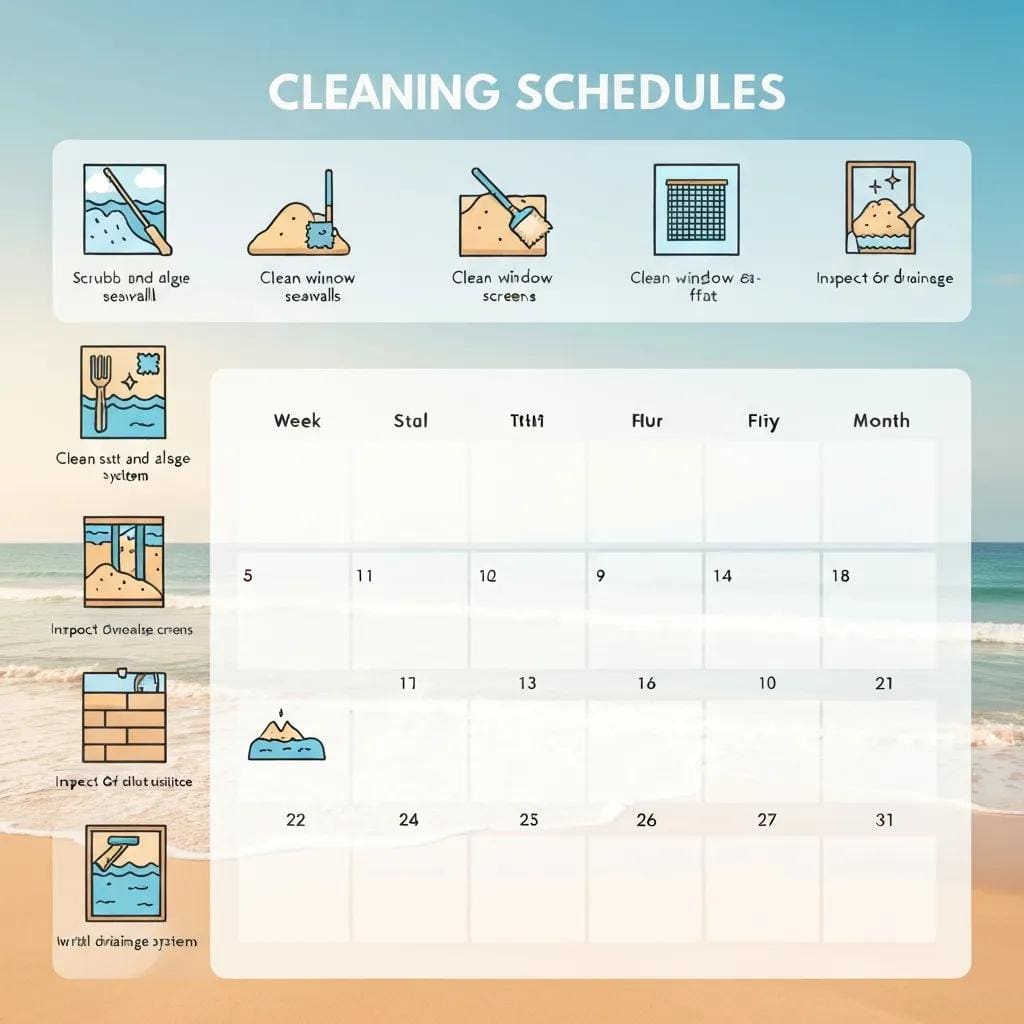
For coastal properties, center maintenance on pre-season work in spring and a thorough wash in fall, add extra freshwater rinses after storm or spray events, and perform routine checks through the summer. In Wilmington, Myrtle Beach, Oak Island, Topsail, New Bern, and Pawleys Island, a freshwater rinse after any direct salt exposure and a full mild-soap wash at least three times a year is a good rule of thumb. Monthly visual inspections during hurricane season help you spot hinge stiffness or salt buildup early and avoid deployment problems. Keep a simple log of dates and findings to guide future maintenance or professional service decisions.
H3: How Does Regular Cleaning Extend Shutter Lifespan?
Cleaning removes abrasive salt and sand that wear away paint and expose metal, slowing the rust that starts at tiny pits. Proper lubrication after cleaning reduces friction on tracks, rollers, and hinges, preventing binding and premature wear. Catching loose fasteners, seal damage, or small corrosion early lets you fix targeted areas before larger parts fail. Routine maintenance preserves protective finishes and lowers mechanical stress, so shutters last longer and work when you need them most.
What Are the Best Step-by-Step Techniques to Clean Accordion Shutters?
A reliable cleaning routine follows a straightforward sequence: gather tools and safety gear, remove loose debris, wash slats and tracks with a mild solution, rinse thoroughly with fresh water, dry to avoid spotting, then apply targeted lubrication. This removes visible grime and the hidden salt and grit in tracks and hinges so shutters move smoothly. Use gentle scrubbing and low-pressure rinses—high-pressure washing and harsh chemicals can force water into seals and speed corrosion. Work consistently from top to bottom and from outside inward so runoff carries contaminants away from moving parts.
Before starting the numbered steps, gather your tools and review ladder and PPE safety to prevent falls and accidental damage. After the how-to steps, follow the drying and lubrication tips and test the shutters in a controlled way.
- Gather tools: soft-bristle brush, vacuum with brush attachment, bucket, mild pH-neutral detergent, garden hose with gentle nozzle, microfiber cloths, and silicone spray lubricant.
- Remove loose debris: brush or vacuum dirt and sand from slats and tracks while shutters are closed, working top to bottom so grit doesn’t get pushed into seals.
- Apply soap solution: mix mild detergent with warm water and gently scrub slats and frame. Open slats slightly where you can safely reach hinge areas without stressing seals.
- Rinse and dry: rinse with fresh water at low pressure to remove soap and salt, then dry with microfiber cloths or allow shaded air-drying to prevent water spots.
- Lubricate and test: apply a silicone-based lubricant sparingly to tracks, hinges, and rollers, cycle the shutter several times to spread the lubricant, and check for smooth operation.
These steps limit abrasive wear and salt corrosion while protecting seals and finishes—consistent care maintains both function and appearance.
H3: How Do You Prepare Tools and Supplies for Cleaning?
Having the right tools prevents damage and makes the job quicker. Use soft brushes and microfiber cloths to protect paint and aluminum finishes, and a mild pH-neutral cleaner to remove salt without stripping coatings. Wear gloves and eye protection, stabilize ladders on level ground, and have a helper for tall windows. Keep silicone lubricant handy for post-clean lubrication, and use your phone or camera to document any problem areas before and after cleaning for future reference.
Good preparation leads directly into debris- and salt-removal steps where careful handling avoids pushing contaminants into moving parts.
H3: What Is the Proper Method to Remove Debris and Wash Shutter Slats?
Start by vacuuming or brushing loose sand, leaves, and dirt while the shutter is closed to protect seals and keep slats straight. For stubborn grime, apply mild detergent with a soft brush and work in gentle horizontal strokes along each slat, then rinse promptly with low-pressure fresh water to avoid soap residue. When cleaning tracks, tuck towels into the channel to catch runoff and use a small brush or cotton swabs to dislodge trapped grit; avoid high-pressure water that can wash seals out of place. Finish by drying reachable surfaces and cycling the shutter to make sure no grit remains in rollers or guides.
Which Cleaning Products and Lubricants Are Safe and Effective for Accordion Shutters?
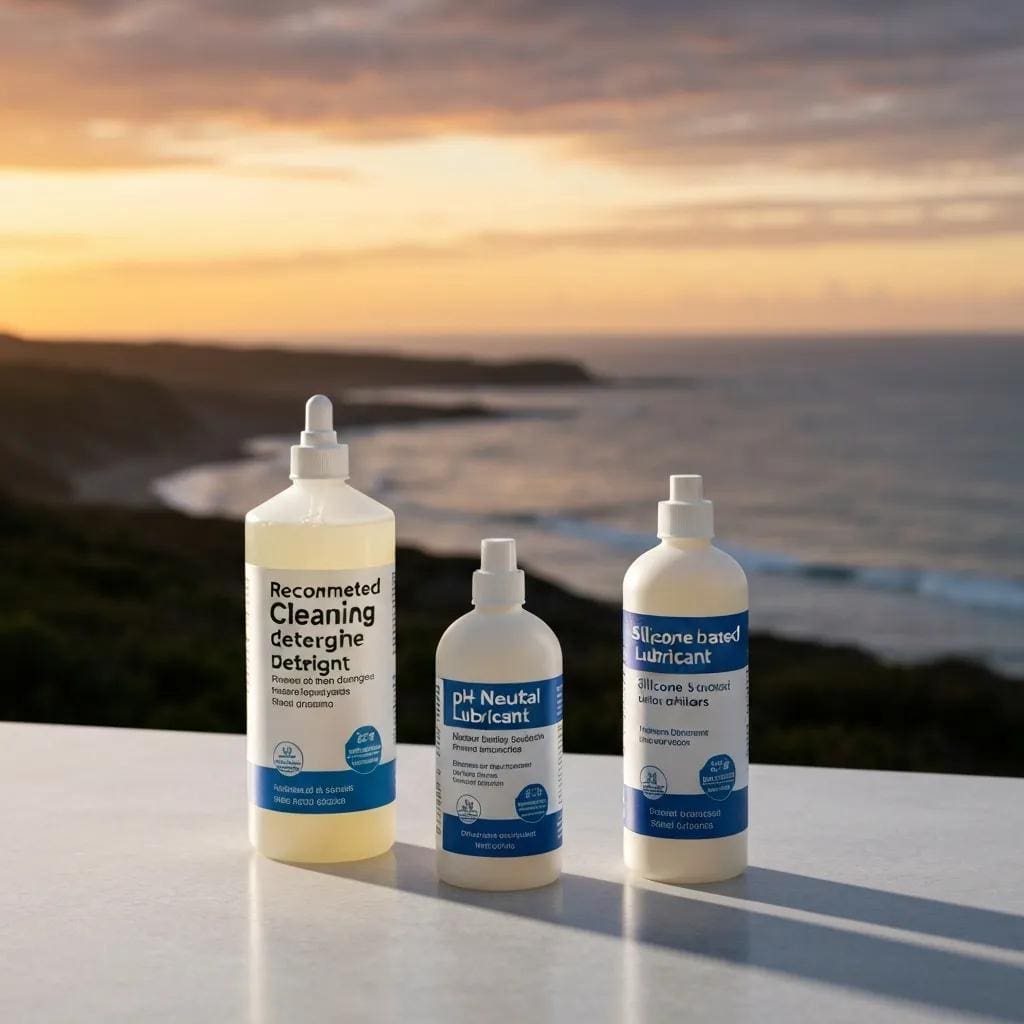
Pick cleaners and lubricants that protect finishes and moving parts: favor pH-neutral cleaners and silicone-based lubricants, and avoid bleach, strong solvents, and petroleum oils. Silicone sprays resist moisture and salt without becoming gummy or attracting dust, making them ideal for tracks, hinges, rollers, and locks. Mild dish soap or a dedicated pH-neutral exterior cleaner removes salt and grime without harming powder-coats. Steer clear of oil-based lubricants—those attract dust and can degrade seals over time.
The short table below compares common product types, why they’re recommended, and notes to help you choose safely.
Before full use, test any cleaner or lubricant in an inconspicuous spot and follow safety directions. Choosing the right products lowers corrosion risk and protects operation and appearance.
H3: Why Choose Silicone-Based Lubricants Over Oil-Based Alternatives?
Silicone-based lubricants form a thin, water-resistant film that reduces friction without turning gummy or attracting dust like oil-based products. Petroleum lubricants can collect sand and airborne particles, forming abrasive pastes in tracks and around rollers that speed wear. Apply silicone in short bursts to hinge pivots, roller axles, and guide channels, then move the shutter several times to work it in. Silicone holds up better in wet, salty coastal conditions found in NC and SC where other lubricants wash away or break down quickly.
H3: What Are the Best Cleaning Solutions to Avoid Salt Residue and Corrosion?
Freshwater rinses are the simplest, most effective way to remove salt after exposure and reduce corrosion that starts with tiny surface pits. For routine cleaning, a mild detergent and water will remove salt, oils, and organic grime without harming paint or powder-coats—rinse thoroughly to eliminate soap film. For mold or mildew, use a manufacturer-recommended antifungal cleaner or a diluted vinegar solution; avoid bleach near metal parts since it accelerates corrosion. Always dry metal surfaces and apply a corrosion inhibitor or silicone lubricant after cleaning to block moisture and salt contact.
How Can Homeowners Inspect and Troubleshoot Common Accordion Shutter Issues?
Regular inspections catch early rust, binding, or seal problems before they become deployment failures. Use a checklist to prioritize repairs and decide whether to attempt a DIY fix or call a technician. Look for discoloration, pitting, loose fasteners, stiff hinges, and unusual noise during operation. Many issues respond to simple fixes—tightening screws, clearing debris from tracks, and light lubrication—while deep corrosion, bent slats, or damaged bearings typically require professional repair. The troubleshooting table below links common symptoms to likely causes and suggested actions.
After making basic fixes, document what you did and re-check operation. If problems continue or you find structural corrosion, professional service will prevent unsafe failure during storms.
H3: What Are the Signs of Rust, Corrosion, and Damage to Look For?
Watch for brownish staining, bubbling paint, surface pitting, and flaky metal—these are early signs of oxidation. Functionally, look for stiff or jerky movement, grinding sounds, play in hinges or rollers, and trouble locking or unlocking. Photograph problem areas and note when changes occurred to support warranty or service decisions—this is especially useful after storms. Superficial corrosion can often be treated at home, but deep pitting or structural compromise needs a professional assessment.
H3: How Do You Remove Rust and Prevent Mold or Mildew on Shutters?
For light surface rust, use a soft abrasive pad and a rust converter or inhibitor to remove oxidation without damaging surrounding finishes, then apply a corrosion-inhibiting primer or protective coating suited to the shutter material. For mold and mildew, use a pH-neutral antifungal cleaner or diluted vinegar, scrub gently, rinse with fresh water, and dry thoroughly to stop regrowth. After rust treatment or cleaning, reapply silicone lubricant to moving parts and consider a clear protective coating on exposed metal edges. If rust has caused structural weakening or deep pitting, contact a professional for repair or replacement recommendations.
What Special Maintenance Is Needed for Accordion Shutters in Coastal North and South Carolina?
Coastal NC and SC homes need more frequent care because salt spray, humidity, and blowing sand accelerate corrosion and abrasive wear. Routine freshwater rinses after salt exposure, more frequent lubrication cycles, and corrosion-resistant hardware where possible will help. Inspect after high winds or storms and tailor your schedule to local conditions—Wilmington, Myrtle Beach, Oak Island, Topsail, New Bern, and Pawleys Island each have different exposure patterns. When in doubt, increase inspection frequency following adverse weather.
Before applying protective measures, understand how salt and moisture affect metals and seals so you can choose appropriate mitigation steps.
H3: How Does Salt and Humidity Affect Accordion Shutters in Coastal Regions?
Salt speeds electrochemical corrosion by supplying ions that accelerate metal oxidation, causing pitting and weakening fasteners and edges. High humidity keeps surfaces wet longer, giving salt more time to attack metal and enabling mold on non-metal parts. Sand abrades protective coatings and exposes bare metal. Mitigate these effects with frequent freshwater rinses, prompt drying, corrosion-resistant hardware, and scheduled professional inspections for high-exposure properties.
H3: What Are the Best Practices to Protect Shutters from Coastal Corrosion?
Rinse shutters with fresh water after salt exposure, clean more often than inland properties, and apply silicone lubricants and light corrosion inhibitors to vulnerable components. Replace fasteners with corrosion-resistant options when needed, and use protective coatings or sacrificial treatments recommended for coastal use. Keep a maintenance calendar with increased checks during storm season and document all work for warranty and insurance purposes. For persistently exposed properties, schedule periodic professional maintenance to preserve long-term performance.
When Should Homeowners Call Professionals for Accordion Shutter Cleaning and Maintenance?
Call a professional when corrosion goes beyond light surface rust, when shutters bind after proper cleaning and lubrication, when you suspect structural damage to slats, frames, or anchors, or when warranty or insurance requires a certified inspection. Trained technicians can perform thorough inspections of tracks, fasteners, and seals, apply specialized anti-corrosion treatments, and make repairs that protect warranty coverage and storm readiness. For many coastal homes, annual professional maintenance is a cost-effective way to avoid emergency failures and extend service life. American Hurricane Shutters recommends pre- and post-season inspections and offers free estimates for homeowners considering maintenance or repair.
Below is a short checklist summarizing when professional help makes sense and what it delivers.
- Schedule a professional inspection if you see deep pitting, structural deformation, persistent binding, or failing locks.
- Request service after major storms, flooding, or heavy, sustained salt exposure beyond routine rinses.
- Use professional documentation for warranty claims or insurance adjustments following storm damage.
Professionals bring specialized tools, corrosion-specific treatments, and documentation that help preserve long-term performance and safety.
H3: What Are the Benefits of Professional Inspection and Annual Maintenance?
Professional inspections reveal hidden wear in rollers, bearings, and fasteners that homeowners may miss, preventing unexpected failures in storms. Annual maintenance by trained technicians includes targeted rust treatment, replacement of worn parts with corrosion-resistant components, and verified lubrication of critical areas to ensure reliable deployment. Service reports also help with insurance claims and warranty compliance. Overall, professional maintenance lowers the chance of emergency repairs and extends shutter life through preventive care.
H3: How Can American Hurricane Shutters Help with Expert Cleaning and Repairs?
American Hurricane Shutters serves coastal North Carolina and South Carolina communities—Wilmington, Myrtle Beach, Oak Island, Topsail, New Bern, Pawleys Island and nearby areas—with professional cleaning, inspection, and repair services. The company offers free estimates for homeowners evaluating maintenance or repairs, and provides scheduled service options and follow-up documentation. For corrosion-resistant hardware upgrades, deeper rust remediation, or certified inspection reports for insurance or warranty needs, American Hurricane Shutters can assess conditions and recommend a maintenance plan. Contact them to request a free estimate or discuss an annual service plan tailored to coastal shutter care.
Frequently Asked Questions
1. What tools are essential for cleaning accordion shutters?
Essential tools include a soft-bristle brush or a vacuum with a brush attachment to remove loose debris, a bucket for mixed cleaning solutions, and a mild pH-neutral detergent to protect finishes. A garden hose with a gentle nozzle is important for rinsing, and microfiber cloths help dry surfaces without scratching. Keep silicone spray lubricant on hand for post-cleaning maintenance to ensure smooth operation.
2. How can homeowners identify when their shutters need professional help?
Seek professional help for deep corrosion, significant rust or pitting, shutters that bind despite cleaning and lubrication, bent slats, or loose structural fasteners. If shutters won’t deploy properly or you need warranty documentation, call a pro. Regular professional checks can stop small issues from becoming emergencies.
3. What are the risks of using harsh chemicals on accordion shutters?
Harsh chemicals like bleach or strong solvents can strip protective coatings, speed corrosion, and damage shutter materials. They may also leave residues that attract dirt, increasing maintenance frequency. Stick to mild, pH-neutral cleaners that remove salt and grime without harming finishes.
4. How does humidity affect the maintenance of accordion shutters?
High humidity prolongs surface moisture, increasing corrosion risk and encouraging mold growth. It can also shorten the life of some lubricants. Regular inspections, freshwater rinses, and timely lubrication help mitigate humidity’s effects and keep shutters ready for storms.
5. What should homeowners do after a storm to protect their shutters?
After a storm, inspect shutters for rust, pitting, bent components, and mechanical issues. Rinse with fresh water to remove salt and debris, then perform a cleaning and lubrication cycle as needed. Record any damage and maintenance in your log to guide repairs and support insurance or warranty claims.
6. Are there specific products recommended for cleaning and lubricating shutters?
Use pH-neutral detergents for cleaning and silicone-based sprays for lubrication. These remove salt and grime while resisting moisture and avoiding dust attraction. Avoid harsh chemicals and petroleum oils. Always test a new product in an inconspicuous spot before full application.
7. How can homeowners create a maintenance schedule for their shutters?
Build a schedule around exposure to salt, humidity, and storm frequency. Aim for at least two deep cleans per year, increase frequency for coastal properties, and add monthly visual inspections during high-exposure months. Use a calendar or checklist and document each maintenance task to keep a clear record.
Conclusion
Regular care keeps accordion shutters reliable and extends their useful life. Follow the cleaning steps and schedules in this guide to prevent corrosion and mechanical failure—and consider professional service for deeper issues or annual inspections. For help tailored to coastal homes, contact American Hurricane Shutters to explore maintenance plans, get a free estimate, and keep your shutters ready when storms approach.