
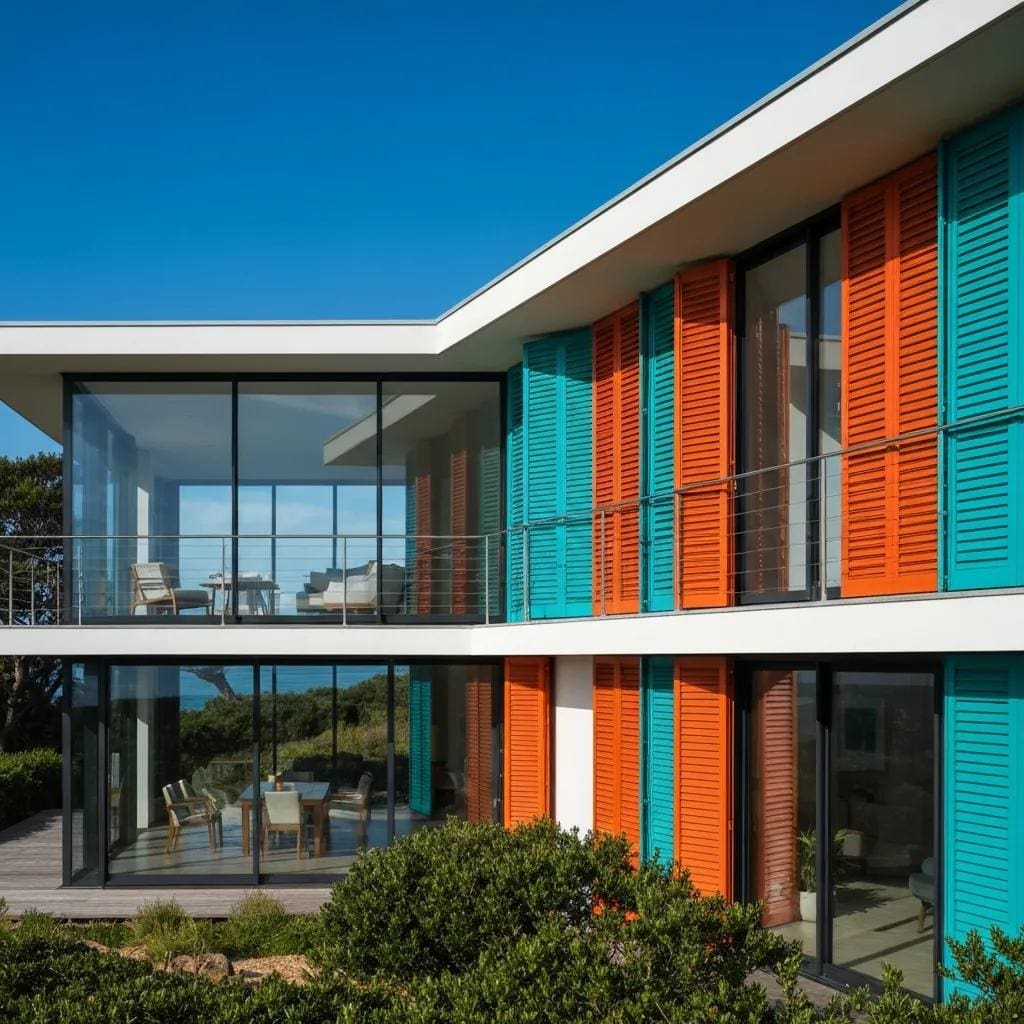
Custom Accordion Shutter Colors That Boost Curb Appeal and Stand Up to Coastal Weather
Accordion shutters protect homes from hurricanes and are one of the most visible exterior features — so color matters. This guide explains how color choices affect both appearance and performance, walks homeowners through practical selection steps, and highlights 2024 color directions that work well along the North and South Carolina coast. If you worry a bold color will cut into durability or code compliance, we’ll show how the right finish and material specs preserve protection while supporting your style. You’ll get clear steps for matching shutters to siding, trim and roof; a breakdown of materials and finishes for salt-air environments; tips for visualizing colors; and straightforward answers to common buyer questions. Throughout, the emphasis is on using accordion shutters as a design element without sacrificing resilient hurricane protection.
Why Do Accordion Shutter Colors Matter for Home Aesthetics and Protection?
Color affects how protected and polished a home looks because it controls contrast, visual hierarchy, and how architectural details read from the street. The right hue can draw attention to windows and entries or create a low-profile, cohesive look. With coastal-grade finishes — like quality powder coat and corrosion-resistant alloys — homeowners can pick attractive colors without trading away long-term durability. The next sections explain how color influences perceived value and how coastal conditions change which finishes and pigments perform best.
Shutters shift curb appeal by changing visual focus and balance across the facade. A dark shutter on light siding frames windows and adds perceived depth, while a neutral match keeps the exterior seamless and understated. Those visual choices influence buyer impressions and can push a home toward a modern or more traditional feel depending on the palette.
Coastal exposure makes finish selection more important: salt spray and strong sun speed up fading and corrosion unless materials are specified correctly. Using components such as 6063-T6 marine-grade aluminum and 18-8 stainless steel fasteners lowers corrosion risk, and a robust powder-coated finish slows color fade and preserves appearance. Knowing how finishes perform helps you choose colors that both suit your style and resist coastal wear.
Color choices also intersect with code and compliance because protective systems must meet local wind-load requirements regardless of color. A professional Design Pressure Analysis ensures your shutters are specified for local conditions while keeping the finish and look you want. If you’re planning a color-driven upgrade, balance visual goals with material specs and compliance steps.
Accordion shutters matter for aesthetics and protection in three practical ways:
- Color defines visual hierarchy and curb appeal, influencing buyer perception and neighborhood character.
- Finish and material choices determine how well a chosen color resists coastal weather and salt exposure.
- Color decisions must align with code requirements and a Design Pressure Analysis to guarantee safety and longevity.
Keeping color planning tied to material performance and regulatory requirements makes the selection process both stylish and sensible. The sections that follow provide actionable color options and a step-by-step selection workflow.
How Do Shutter Colors Influence Curb Appeal and Property Value?
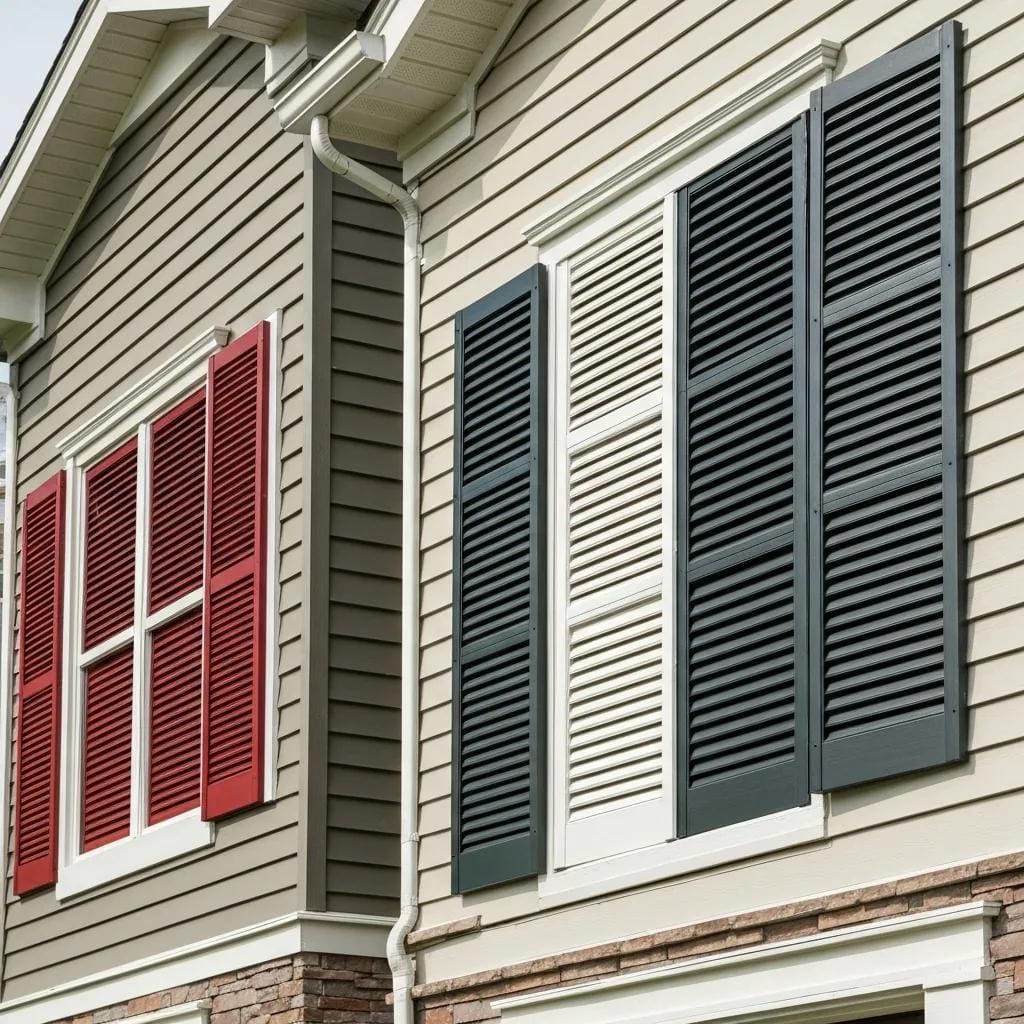
Shutter color changes where the eye lands and how the facade reads, which can make a house feel larger, more refined, or more contemporary. Dark shutters on light siding create a framed-window effect that highlights architectural details, while light shutters on dark siding open up the facade and give a softer coastal look. Buyers respond to palettes that feel intentional, so thoughtful shutter color choices can improve first impressions and perceived value. When deciding, consider how trim, roof and landscaping work with the shutter hue — coordinated palettes look deliberate and increase curb appeal. These visual effects point directly to coastal considerations like fade and durability, which determine which colors hold up best over time.
What Role Does Color Play in Coastal Home Design and Storm Protection?
On coastal homes, color must serve both looks and performance: intense sun, salt spray and humidity accelerate fading and corrosion when finishes aren’t specified for that environment. Lighter colors reflect heat and reduce thermal stress on coatings, helping finishes last longer in sun-exposed spots. Darker tones can absorb more heat and will show fading sooner unless the powder-coat system is UV-stable and robust. Choosing corrosion-resistant materials — 6063-T6 marine-grade aluminum and 18-8 stainless steel fasteners — together with high-quality powder-coat systems mitigates those environmental effects. Also factor in neighborhood character and HOA rules: local vernacular often guides acceptable palettes and helps protect resale value. Balancing these trade-offs helps you pick colors that meet both design goals and protective performance.
What Accordion Shutter Color Options Does American Hurricane Shutters Offer?
Homeowners commonly ask about standard color choices and whether custom finishes are possible. American Hurricane Shutters offers a focused set of standard accordion colors and can advise on custom finishes for other shutter types. The company pairs color options with coastal-grade finish recommendations so your chosen hue performs where you live. For a tailored look that keeps certified protection, request a free estimate and a custom color consultation to review options and site-specific code compatibility through a Design Pressure Analysis.
Below is a quick reference showing standard accordion shutter colors and where each typically works best.
This quick table helps homeowners match standard finishes to architectural style and street presence so decisions are faster and more confident.
If you need a more specific match, custom colors may be available for other shutter types on request. To explore bespoke finishes and how they behave in coastal environments, schedule a free estimate and color consultation with American Hurricane Shutters. That consultation covers samples, a site assessment, and the Design Pressure Analysis needed to confirm code compliance and finish longevity.
Which Standard Colors Are Available for Accordion Shutters?
Standard accordion shutter colors include white, ivory, beige and bronze — a range from bright neutrals to deeper metallic tones that suit many coastal home styles. White and ivory give a light, airy appearance ideal for traditional and beach cottages; beige blends quietly with earth-tone exteriors; and bronze is a modern accent that pairs well with masonry or dark cladding. These standard choices are paired with proven finish systems specified to resist coastal weathering. Homeowners wanting an exact match can request samples during a consultation to see how each tone reads against their home’s materials and light throughout the day.
Are Custom Color Finishes Available for Accordion and Other Shutter Types?
Custom color finishes are available for some shutter types beyond standard accordion options. Homeowners interested in a bespoke palette should bring the idea to a free estimate and color consultation to discuss feasibility and finish performance. Custom colors often require special powder-coat processes or longer lead times; the consultation outlines scheduling, sample verification, and compatibility with coastal-grade substrates and fasteners. The company’s process includes a site assessment and Design Pressure Analysis where required, so aesthetic customization never compromises structural compliance. Contact American Hurricane Shutters for a no-obligation consultation if you want a tailored finish that suits your architecture and neighborhood rules.
How Do You Choose the Best Accordion Shutter Colors for Your Home Exterior?
Start by assessing your home’s architectural style, current exterior palette and environmental exposure — these factors tell you whether to match, complement or contrast shutters for the biggest impact. A structured approach moves you from idea to confident choice: evaluate style, analyze the palette, test samples on-site, and confirm durability and code compliance with professional advice. The steps below make that process practical and repeatable.
Follow these practical steps to choose a shutter color:
- Assess architectural style: Decide whether your home reads as traditional, modern, or coastal to narrow color families.
- Analyze the existing palette: Note siding, roof, trim and door colors to determine if matching or contrasting will meet your goals.
- Test in situ: View physical samples in different lighting and from a distance to judge true color and sheen.
- Confirm durability and compliance: Verify the finish pairs with corrosion-resistant materials and any required Design Pressure Analysis is completed.
These steps guide homeowners from a broad idea to a site-tested color decision while showing where professional input protects both appearance and code compliance.
How Should Architectural Style Influence Your Shutter Color Choice?
Let architectural style be your primary guide. Traditional and colonial houses favor classic neutrals, muted blues and deep tones that reinforce symmetry. Modern homes tolerate higher-contrast or monochromatic schemes that emphasize clean lines. Coastal vernaculars lean toward light, airy colors or well-placed accents that complement ocean-facing facades and natural landscaping. When style narrows the color family, your job becomes refining hue and sheen to match materials and exposure instead of picking a color in isolation.
How Do You Match or Contrast Shutter Colors with Existing Exterior Palettes?
Matching shutters to trim creates a cohesive, understated look; contrasting shutters with siding highlights windows and architectural features. A simple rule: match for unity, contrast for emphasis, and always coordinate with the front door and roof so the overall composition feels balanced. Test sample panels at different times of day and from the street — light and distance change perceived saturation and contrast. These practical checks are essential before committing to a finish and tie directly into durability and environmental considerations.
What Environmental Factors Affect Accordion Shutter Color Selection?
Sun exposure, salt spray, humidity and local pollutants determine how a color and finish will age. Choose pigments and powder-coat systems rated for coastal use to extend life. Lighter colors reflect heat and reduce thermal stress on coatings; darker colors require stronger UV-stable formulas to resist visible fading. Corrosion-resistant components — specifically 6063-T6 marine-grade aluminum and 18-8 stainless steel fasteners — provide the physical resilience coastal installations need and help preserve appearance. Maintenance and inspection frequency also change with exposure; considering these factors helps you balance look and realistic upkeep.
What Are the Top Exterior Accordion Shutter Color Trends for 2024?
For 2024, exterior palettes favor grounded, refined neutrals and nature-inspired tones that suit both modern and coastal homes. Trending groups include earthy greens, moody blues, deep charcoals and creamy neutrals — colors that act as timeless backdrops or sophisticated accents and age well in coastal climates. These directions respond to homeowner interest in authenticity, low-maintenance looks and palettes that read consistently under changing light. The following subsections explain how these trends map to coastal houses and why creamy neutrals remain a popular, practical choice.
Designers prefer these 2024 directions for three main reasons:
- Earthy tones and moody blues offer a grounded, modern look that complements coastal landscapes.
- Creamy neutrals and warm whites provide soft backdrops that highlight architectural detail without competing with views.
- Deep charcoals and bronzes read as durable accents that mask wear and pair well with masonry and darker cladding.
These trend choices balance contemporary taste with practical finish performance for coastal settings.
Which Earthy and Moody Tones Are Popular for Coastal Homes?
Earthy greens, muted terracottas and moody blues are increasingly chosen for coastal homes because they provide a modern, grounded counterpoint to bright siding and natural seascapes. These hues pair especially well with light siding or natural wood accents, creating a refined contrast that feels intentional. Homeowners who choose these palettes should specify UV-stable powder-coat finishes and corrosion-resistant substrates to keep darker pigments rich over time. Thoughtful selection can give a home a current, resilient look.
How Do Classic Whites and Creamy Neutrals Enhance Home Aesthetics?
Classic whites and creamy neutrals increase perceived window area, brighten facades and convey a welcoming, timeless appeal across many architectural styles. Warmer, creamier whites are trending over stark cool whites because they complement natural materials and coastal light more softly. These tones hide minor surface imperfections and — when paired with durable finishes — require relatively low maintenance in moderate coastal exposure. For homeowners seeking an enduring, low-risk look, creamy neutrals are a dependable, high-impact choice.
How Can Custom Colors Reflect Personal Style and Modern Design?
Custom colors let homeowners express personal style while still fitting neighborhood context; used sparingly, bespoke finishes can highlight key architectural features or create a signature look. Custom palettes may involve special powder-coat processes or longer lead times, so consult professionals to confirm finish compatibility, scheduling and sample approval. Balance uniqueness with local guidelines — check HOA rules and test samples in real-world light. Professional consultation ensures custom aesthetics pair with protective performance and local compliance.
How Can You Visualize and Select Accordion Shutter Colors for Your Home?
Seeing colors on your own house before you buy reduces risk and builds confidence. Use curated galleries, digital visualizers and physical samples to preview options, then confirm choices with an on-site assessment and Design Pressure Analysis when required. The workflow below lays out reliable visualization methods and how to move from a digital mock-up to an in-person estimate and installation plan.
Practical visualization methods include:
- Browse curated photo galleries and before/after case studies to see colors on real homes similar to yours.
- Use digital visualizer tools to upload a photo of your facade and try different shutter colors and contrast levels.
- Request physical sample swatches or small shutter panels to inspect in morning and afternoon light before deciding.
After previewing options, schedule a site assessment and free estimate to verify details. During that consultation discuss color samples, finish systems and the Design Pressure Analysis required for code compliance. Contact American Hurricane Shutters via the website or Google Business Profile to request a free estimate and custom color consultation — those steps take visualization into professional specification.
What Tools or Galleries Help Homeowners Preview Shutter Colors?
Curated galleries, digital visualizers and physical sample swatches are the most reliable preview tools because they combine inspiration, simulation and real-world verification. Galleries show context and installations from coastal projects, visualizers let you iterate quickly, and swatches confirm pigment and sheen under local light. Using all three reduces uncertainty and helps homeowners pick colors that meet both aesthetic and durability goals.
How Can You Request a Free Estimate or Custom Color Consultation?
To request a free estimate or custom color consultation, contact American Hurricane Shutters through the company website or Google Business Profile to schedule a site assessment and color review. Expect a discussion about color preferences, material and finish options, and the site-specific Design Pressure Analysis that verifies compliance with local wind-load requirements. A free estimate is a no-obligation way to see samples, ask about warranties, and confirm installation timing. Scheduling a consultation connects your visual choices to the technical specs needed for a successful installation.
What Are the Most Common Questions About Accordion Shutter Colors?
Homeowners frequently ask quick, practical questions about availability, aesthetic impact and cost differences between standard and custom colors. Short, clear answers help with decision-making. The next section provides concise responses tied to finish durability and our consultation process.
What Colors Are Available for Accordion Hurricane Shutters?
Standard accordion shutter colors are white, ivory, beige and bronze — versatile options for most coastal home styles. Custom colors may be available for other shutter types on request; homeowners interested in bespoke finishes should request a free estimate and consultation to review feasibility and finish performance.
How Do Accordion Shutter Colors Enhance Home Aesthetics?
Shutter colors improve aesthetics by creating contrast or cohesion, highlighting architectural features and reinforcing a home’s design language to boost curb appeal. Choosing the right finish preserves color and appearance over time so those aesthetic benefits persist through coastal exposure and normal use.
Are Custom Colors More Expensive Than Standard Options?
Custom colors can add cost or lead time because they sometimes require special powder-coat processes or ordering requirements. Pricing varies by specification and scope; request a free estimate and color consultation for an accurate cost. That discussion also checks compatibility with coastal-grade materials and any required compliance testing.
Frequently Asked Questions
What Maintenance is Required for Accordion Shutters in Coastal Areas?
Coastal accordion shutters need regular checks to remain dependable. Inspect for corrosion around fasteners and hinges at least twice a year, and wash shutters with mild soap and water to remove salt deposits. Look for chips or scratches in the powder-coated finish — those spots can expose substrate and should be addressed promptly. Routine maintenance preserves both look and function.
How Do I Ensure My Accordion Shutters Meet Local Building Codes?
To ensure compliance, complete a Design Pressure Analysis that verifies the shutters can withstand local wind loads. Work with a professional installer or the manufacturer — like American Hurricane Shutters — to interpret local codes and confirm the correct product specifications. Proper installation and documentation are important for safety and insurance requirements.
Can I Change the Color of My Accordion Shutters After Installation?
Yes. Recoloring typically requires refinishing or repainting. Use high-quality, UV-stable paint or a professional powder-coating process designed for outdoor, coastal conditions to maintain durability. Consult a professional to ensure the new finish bonds correctly and preserves the shutters’ protective properties. Changing color may also warrant a code review if the shutters are part of a certified hurricane protection system.
What Are the Benefits of Using Powder-Coated Finishes on Accordion Shutters?
Powder-coated finishes offer strong UV resistance to limit fading, and they form a durable barrier against corrosion — a key advantage in salt-air climates. Powder coat is also less likely to chip or scratch than conventional paint, keeping shutters attractive and functional longer. Overall, powder coating enhances both the aesthetic and protective performance of accordion shutters.
How Do I Choose the Right Color for My Accordion Shutters?
Start with your home’s architectural style and existing palette: siding, trim and roof colors guide whether to match, complement or contrast. Test samples on-site at different times of day and from the street to judge how light and distance affect color. Factor in sun exposure and coastal conditions when selecting pigments and finishes so your choice maintains its appearance over time.
What Should I Consider When Selecting Custom Colors for My Shutters?
When choosing custom colors, think about overall home aesthetics and how the color interacts with surrounding elements. Check neighborhood and HOA guidelines for any restrictions. Ask your supplier about the durability of the custom finish in coastal conditions and request samples to see the color in different light before committing. These steps ensure a custom palette delivers both style and longevity.
Conclusion
Picking the right accordion shutter color improves curb appeal and helps ensure long-term protection against coastal weather. By tying color choices to material durability, finish performance and code compliance, homeowners can make confident decisions that reflect personal style without sacrificing structural integrity. To explore color options and get expert guidance for your home, schedule a free consultation with American Hurricane Shutters and start the process of transforming your exterior with confidence.