Manual vs. Automated Accordion Shutters: Which Is Right for Your Hurricane Protection?
Accordion shutters are rigid, folding-panel systems mounted outside windows and doors to provide impact-resistant hurricane protection. They arrive in two main operating styles — manual and automated — and this guide compares both so coastal homeowners and businesses can weigh cost, convenience, security, maintenance, and long-term value. You’ll get a clear look at how each system works, practical trade-offs for salt-air climates, and the decision points that should guide a purchase or upgrade. We also cover maintenance best practices, permitting and insurance considerations, smart-home integration, and nearby alternatives like roll-down or Bahama shutters. Throughout, the advice is practical and tailored to coastal Carolinas conditions, with guidance on where to get precise cost estimates and engineered evaluations.
The article is broken into focused sections: a plain-English definition of accordion shutters and how they protect openings; a cost‚Äëand‚Äëvalue comparison with a summary table; a benefits-and-drawbacks breakdown; operational and maintenance contrasts; a decision checklist for choosing the right system; and a straightforward maintenance schedule. We highlight material and part distinctions and list practical next steps so you can compare options quickly and prepare for a site assessment or estimate.
What Are Accordion Shutters and How Do They Protect Your Home?
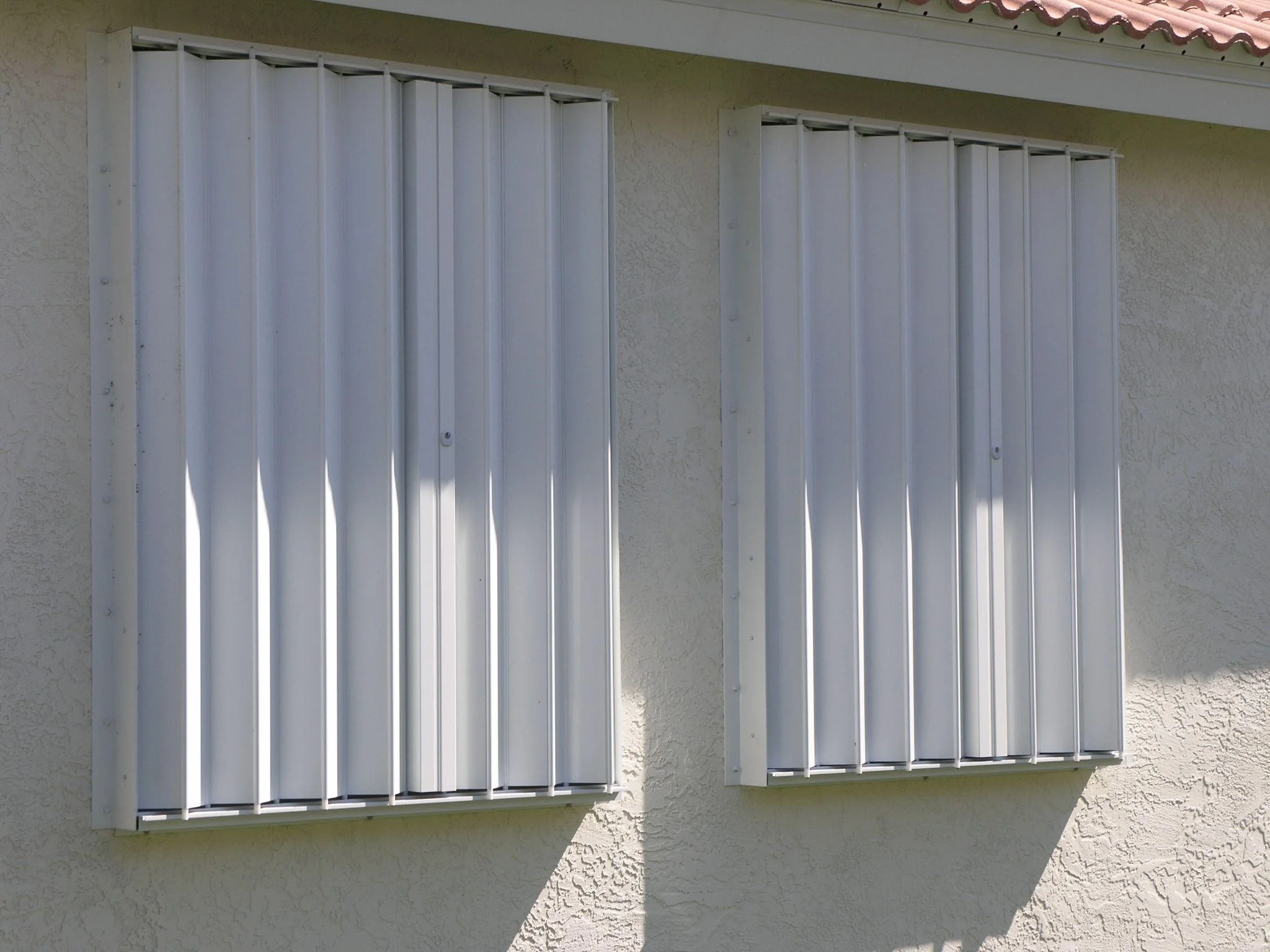
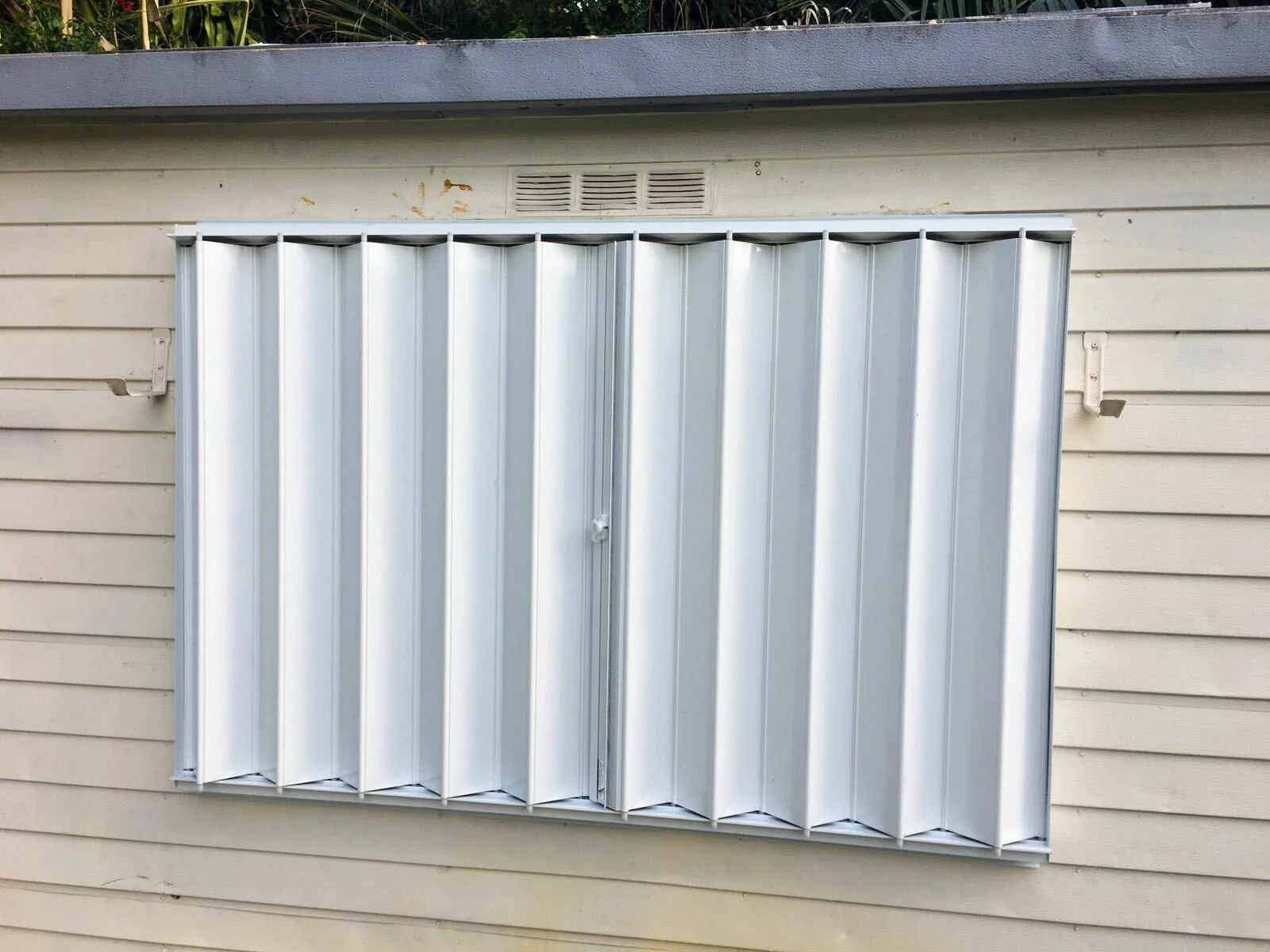
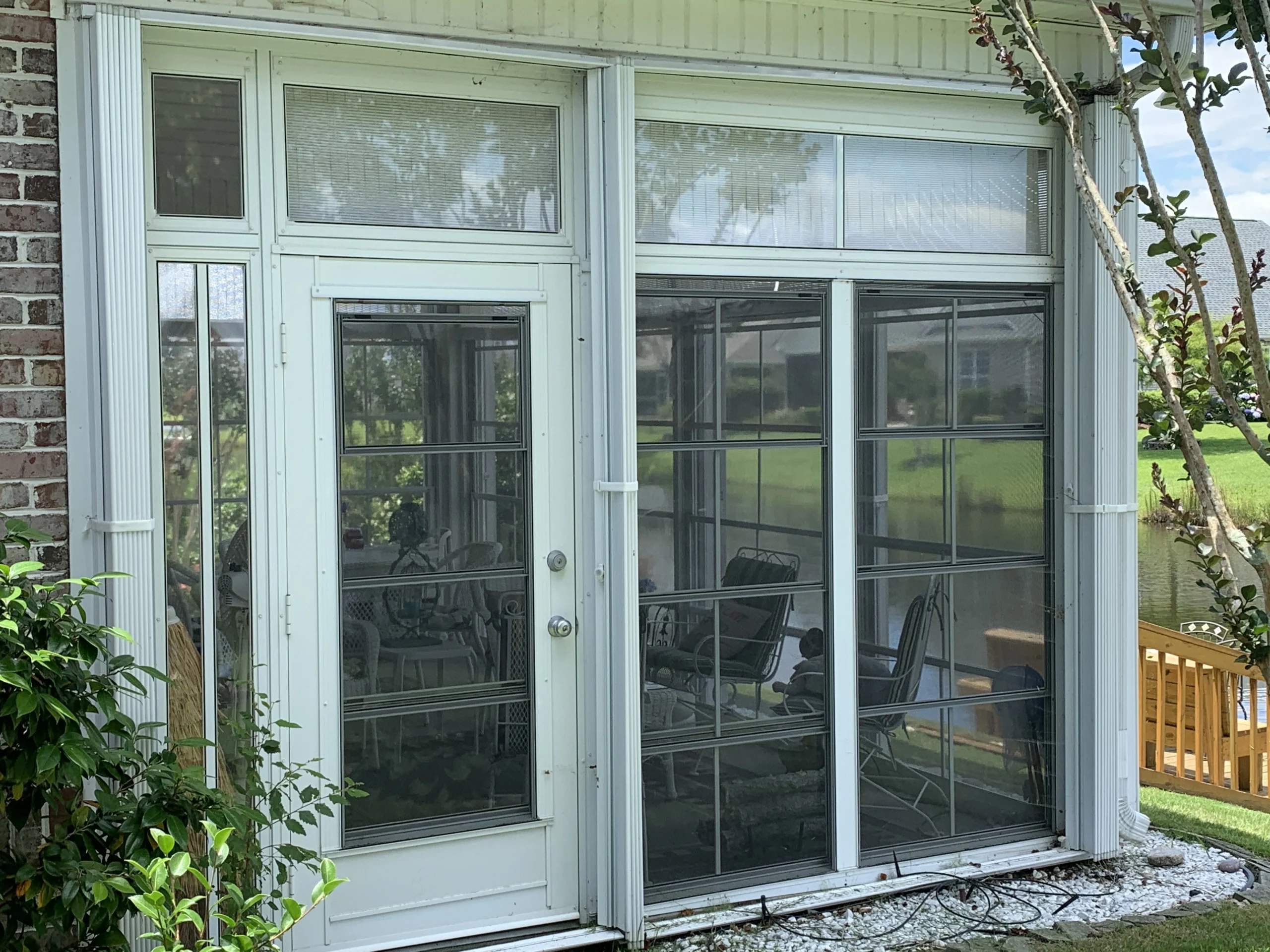
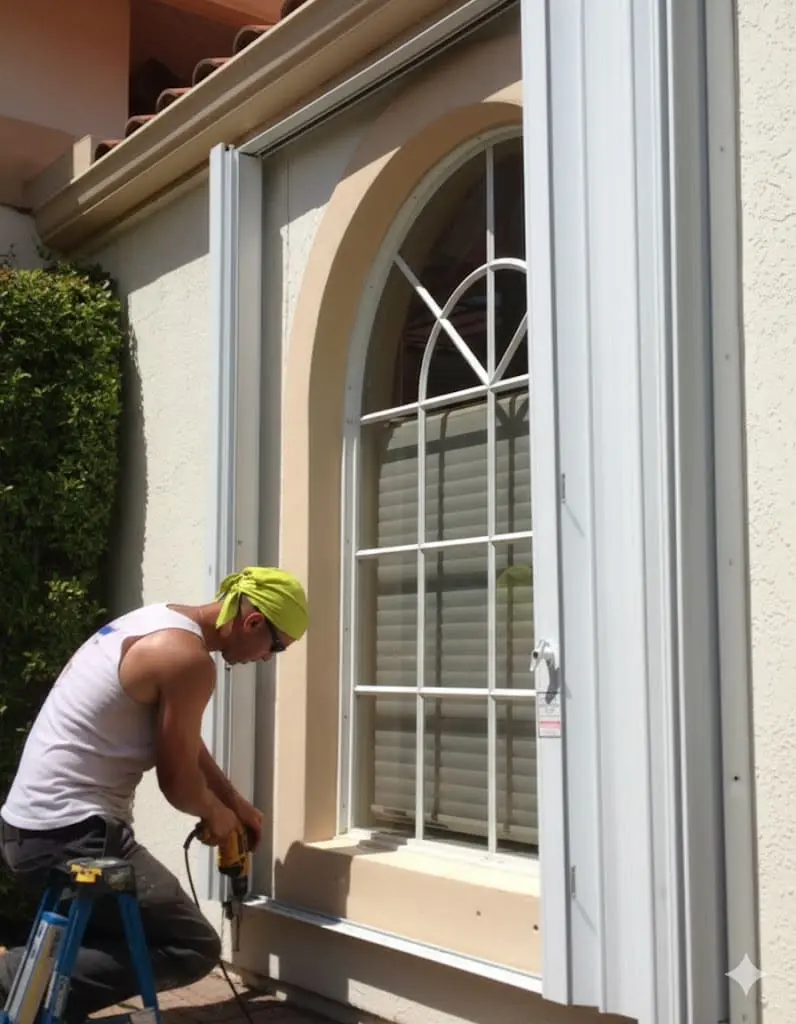
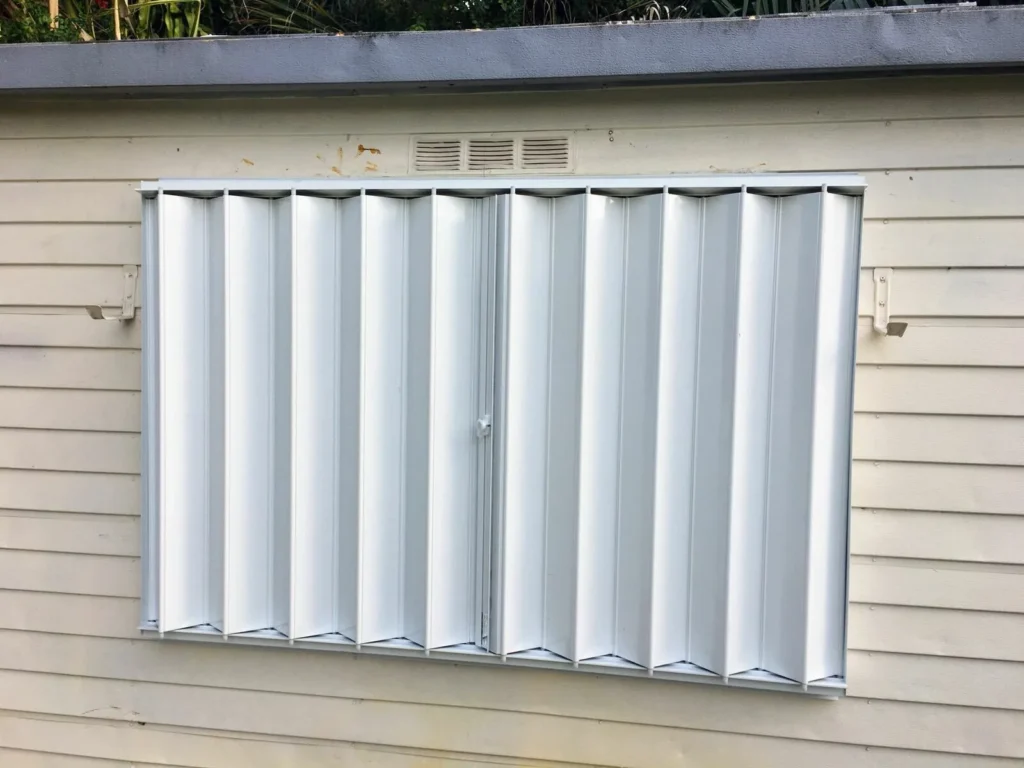
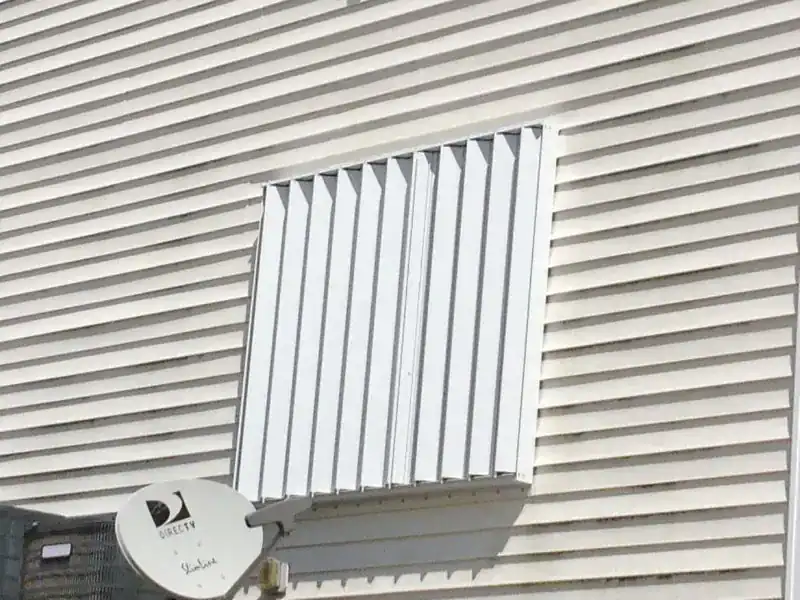
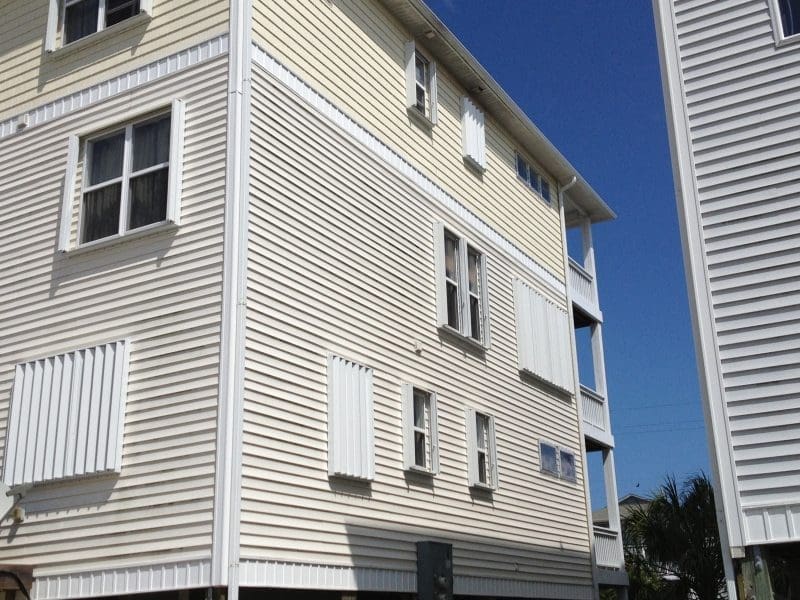
Accordion shutters are interlocking folding panels that run in tracks and deploy across windows and doors to stop wind‑borne debris and reduce pressure on the building envelope. Panels — most often aluminum for coastal use — transfer impact forces into the frame and anchored tracks so windows are less likely to fail during high winds. That protection helps prevent window penetration and lowers the chance of roof uplift and interior damage during storms. Because coastal exposure speeds corrosion, material choice and installation quality matter: marine‑grade aluminum and stainless steel fasteners are recommended for longevity. With those basics in mind, the next sections explain how manual and motorized systems differ in daily use and suitability for different properties.
What Defines Manual Accordion Shutters?
Manual accordion shutters are hand‑operated panels you slide across tracks and secure with mechanical locks or pins — no motors, wiring, or control electronics. Deployment is simple: pull the first panel into the guide track, fold the panels across the opening, and engage the lock points. That low‑tech design favors reliability, straightforward repairs, and easier DIY inspections. Manual systems are a solid choice for smaller openings, budget-conscious owners, or secondary properties where electrical work is undesirable. The trade-off is time and effort: closing many large openings or working from ladders on multi‑story homes can be slow or impractical, and mobility limitations are another consideration when deciding between manual and automated options.
What Are Automated Accordion Shutters and Their Key Features?
Automated accordion shutters add a motor and control interface — wall switch, remote, or smart‑home module — so panels extend and retract with minimal physical effort. Motorized systems are especially useful for large homes, multi‑story buildings, and commercial sites where rapid closure across many openings improves safety when storms approach. Typical features include wired or wireless controls, smart‑home integration for timers and sensors, and backup power options to ensure operation during outages. Those conveniences bring added electrical and mechanical complexity: you’ll want surge protection, routine motor servicing, and battery checks to keep the system reliable. Balancing these service needs against the convenience gains is key to planning cost and maintenance.
How Do Manual and Automated Accordion Shutters Compare in Cost and Value?

Manual accordion shutters usually mean a lower upfront price and simpler installation. Automated systems carry a premium for motors, controls, and electrical work but can save time and simplify operation over the product’s life. Installed cost depends on opening size and shape, number of openings, mounting complexity (for example, multi‑story work or reinforced anchors), material upgrades for coastal corrosion resistance, and any required structural or electrical work for motorized systems. Long‑term value includes maintenance frequency, expected lifespan in salt air, possible energy savings from reduced solar gain, and insurance incentives when assemblies meet or exceed code — often validated by a Design Pressure Analysis. Because site specifics matter, use an installed-cost estimate tool or request a free site visit to get accurate pricing for your property.
Below is a practical comparison table summarizing where each system typically performs better.
Manual vs Automated Accordion Shutters — Cost and Value Comparison
- This section lays out primary cost/value differences and why estimates vary by site.
- The next section highlights specific benefits and drawbacks so you can match features to homeowner profiles.
What Is the Typical Cost of Manual Accordion Shutters in Coastal Carolinas?
Manual shutters usually avoid electrical work and complex integrations, which keeps baseline installation scope smaller. Coastal installations can still add cost when corrosion‑resistant materials and reinforced anchors are required. Local factors — labor availability, permitting, installation height, and whether a Design Pressure Analysis is needed for code compliance — can affect the final price more than material choice alone. For standard single‑ or double‑window openings on one‑ and two‑story homes, manual shutters are often the most cost‑effective option when occupants can deploy them easily. Vacation homes and lower‑occupancy properties commonly choose manual systems for that reason. For precise pricing, use a cost calculator or request a site estimate that accounts for opening sizes, mounting conditions, and corrosion mitigation needs.
How Much Do Automated Motorized Accordion Shutters Cost and Are They Worth It?
Motorized accordion shutters add costs for the motor, wiring, and any smart‑home integration, but they offer measurable convenience and safety for properties with many openings or where rapid multi‑opening deployment matters. With timers, sensors, or automation tied to weather alerts, the system can close automatically — a clear advantage during fast‑moving storms. Weigh the time savings, enhanced security, and potential insurance discounts against the price difference; an engineered installation with a Design Pressure Analysis can document performance for insurance discussions. Compare your estimated installed cost for motorized options with the practical value of remote operation, especially for multi‑story or complex properties.
What Are the Benefits and Drawbacks of Manual vs Automated Accordion Shutters?
Choosing between manual and automated shutters comes down to balancing cost, reliability, speed, and integration against physical effort, electrical complexity, and maintenance needs. Manual shutters tend to be simpler to repair and maintain, while automated shutters offer fast deployment, accessibility, and smart features that suit certain homeowner profiles. Durability in coastal climates depends on materials (for example, aluminum panels and stainless fasteners) and installation quality for either system. Security varies by lock hardware and possible alarm integration; both systems can be engineered for strong forced‚Äëentry resistance when installed correctly.
Use the table below to scan benefits and limitations at a glance.
Advantages and Limitations — Benefits/Drawbacks EAV Table
- The table helps you map system attributes to property needs and lifestyle.
- Next, we look at operational, security, and maintenance differences you’ll notice day to day.
- That comparison helps determine which system fits your readiness and tolerance for service.
What Are the Advantages and Limitations of Manual Accordion Shutters?
Manual shutters are best for buyers who value low system complexity and minimal electrical dependency. They’re straightforward to install and maintain and can last many seasons if cared for properly. Main limitations are the effort required to deploy multiple units and the difficulty of reaching every opening on large or multi‑story homes. Manual systems have fewer electronic failure modes and lower parts costs, making them a strong long‑term choice in coastal settings when corrosion‑resistant materials are used. Where deployment speed or remote control is important, consider partial automation on key openings.
What Are the Benefits and Potential Drawbacks of Automated Accordion Shutters?
Automated shutters close quickly across many openings using a remote, switch, or scheduled command, improving occupant safety and reducing the time you’re exposed while securing the house. Smart‑home compatibility allows weather sensors and timers to trigger closures automatically, reducing reliance on human response. Drawbacks include higher initial cost, additional electrical infrastructure, and ongoing motor and control maintenance, plus the need for backup power to ensure operation during outages. Plan for surge protection, routine motor checks, and potential repair costs for electrical components, and weigh those against the convenience and insurance or resale benefits automation can bring.
How Do Manual and Automated Accordion Shutters Differ in Convenience, Security, and Maintenance?
Convenience, security, and maintenance responsibilities differ noticeably between systems. Manual shutters favor simple mechanical maintenance and predictable durability; automated shutters prioritize fast operation but need periodic electrical servicing. Consider deployment time, how many openings one person can manage, and accessibility for occupants with mobility concerns. Security factors include lock types, forced‑entry resistance, and integration with alarm systems — both systems can be specified for strong performance. Maintenance focuses on mechanical wear for manual units (tracks, slats, locks) and motor/electrical service for automated units. A seasonal inspection plan keeps either system storm‑ready.
Use this short checklist to compare convenience and security needs:
- How many openings must you secure, and how quickly should they close?
- Can occupants physically manage manual deployment across all openings during a storm warning?
- Do you want remote or smart automation for centralized control and scheduled operation?
These points help decide whether convenience or low‚Äëmaintenance simplicity should drive your choice, then lead into the maintenance steps that preserve readiness.
How Convenient and Secure Are Manual Accordion Shutters?
Manual shutters work well when a property has a manageable number of openings and occupants can deploy panels easily — a reliable, low‑tech choice for many single‑family homes and small businesses. Security comes from mechanical locks and strong track anchoring, and when installed with corrosion‑resistant hardware they offer solid forced‑entry resistance. Typical maintenance is simple: clean tracks, lubricate sliding parts, and check locks for wear. That predictable regimen supports a long service life with minimal professional help. If deployment time or occupant mobility is a concern, consider automating critical openings.
What Convenience, Security, and Maintenance Benefits Do Automated Shutters Offer?
Automated shutters give centralized control and rapid multi‑opening deployment from a single switch or app, which is especially valuable in multi‑story homes and commercial settings. Security upgrades include alarm integration and automated locking routines that reduce human error in emergencies. Maintenance shifts toward motor and electrical checks, battery backups, and surge protection — predictable tasks that typically require professional service. Weigh the convenience and enhanced security against the need for scheduled servicing and maintaining electrical redundancy.
How Can You Choose the Right Accordion Shutter for Your Home or Business?
Choosing the right system means matching budget, lifestyle, property characteristics, and local regulatory or insurance needs to the attributes described above. Key variables include how many and how large the openings are, how quickly closures must happen, occupant mobility, coastal corrosion mitigation requirements, and whether smart‑home integration or documented insurance compliance matters. A practical approach balances upfront cost with lifetime maintenance and operational convenience — many owners find a hybrid solution (manual on secondary openings, automated on primary exposures) gives the best balance. To finalize your choice, get an engineered site assessment and a Design Pressure Analysis to confirm code compliance and document performance for insurance purposes.
Use this checklist to narrow your options:
- Identify how many openings need protection and how long deployment should take.
- Assess occupant mobility and whether remote or automated control is necessary.
- Confirm material and fastening specifications suitable for coastal corrosion resistance.
Following this checklist helps you prepare for a site‚Äëspecific estimate that includes engineered verification and installation choices.
American Hurricane Shutters offers free estimates and a cost calculator to turn your choices into accurate, site‑specific pricing and scope. Our services include engineered Design Pressure Analysis and professional installation that meet or exceed building‑code benchmarks — useful when documenting compliance for insurance or permitting.
What Budget and Lifestyle Factors Should Influence Your Shutter Choice?
Budget‑minded owners often choose manual shutters for their lower initial complexity and simpler repairs. Owners with frequent storm exposure, mobility limitations, or many openings may find automated shutters deliver better lifetime value through saved time and increased safety. Lifestyle factors — vacation‑home use, remote property management, or the need for fast multi‑opening closure — push toward motorization and smart features. Resale value can improve when hurricane protection is professionally installed and documented with engineering verification. Compare lifecycle costs — purchase, maintenance, and potential insurance savings — to make a clear financial decision between manual and automated systems.
How Do Local Building Codes and Insurance Benefits Affect Your Decision?
Local codes and insurance impacts are central to the decision: meeting or exceeding code often requires a Design Pressure Analysis and assemblies installed per manufacturer and code rules, which affects both system choice and installation scope. Documented compliance helps when talking to insurers about discounts or reduced premiums; using corrosion‚Äëresistant materials and professional installation strengthens that case. Check local ordinances for permits and work with an installer who can produce the necessary engineering documentation so your system satisfies legal and insurance requirements.
What Are the Best Practices for Maintaining Manual and Automated Accordion Shutters?

Regular maintenance keeps shutters performing and extends their service life. Follow a seasonal checklist focused on cleaning, lubrication, hardware inspection, and motor/electrical checks for automated systems so shutters are ready when storms approach. Rinse salt and grit from tracks and panels with fresh water to slow corrosion in coastal environments. Lubricate moving parts, check fasteners and track alignment, and verify lock engagement to reduce wear. For motorized systems, schedule motor inspections, test battery backups, and check control systems — electrical failures during storms carry higher consequences than mechanical wear, so those checks matter.
Use the table below to set a simple, actionable maintenance schedule.
Maintenance Tasks and Frequencies
- The sections that follow give DIY steps for manual systems and service recommendations for automated systems.
- Good maintenance planning sets realistic expectations about service needs and life‚Äëcycle costs.
How Should You Maintain Manual Accordion Shutters for Longevity?
For manual shutters, clean tracks and slats regularly to remove salt and sand, lubricate sliding surfaces and hinges periodically, and inspect locks and anchors for tightness and corrosion. A practical routine: clean tracks quarterly in coastal areas, apply a marine‚Äëgrade lubricant to moving parts twice a year, and tighten hardware after any heavy wind event. Visually check panel alignment and test locks before hurricane season to ensure reliable deployment when time is short. Replace worn components promptly to preserve system integrity and reduce the risk of failure during storms.
What Maintenance Tips Ensure Optimal Performance of Automated Accordion Shutters?
Automated systems need the same mechanical care as manual units plus scheduled electrical and motor checks. Test the motor drive, gearbox, and controls regularly, and verify backup power sources — batteries or generator interlocks — before storm season. Ensure surge protection is installed to protect electronics. We recommend annual professional service for motor inspection and control diagnostics, and any firmware or control updates should be handled by qualified technicians. These steps reduce the chance of motor or electronics failure during emergency operation.
- Regular maintenance preserves reliable performance and can improve long‚Äëterm costs for either system.
- Factor maintenance rhythms into your decision between manual and automated options.
American Hurricane Shutters provides engineered installation, professional maintenance plans, and free on‚Äësite evaluations to help owners put a maintenance schedule in place that fits their exposure and system type. A site assessment clarifies intervals and sets a tailored service plan for your property.
- Track cleaning: Remove salt and debris regularly to prevent jamming.
- Lubrication: Use corrosion‚Äëresistant lubricants on sliding and hinge points.
- Electrical checks: Test motors, backups, and controls annually for automated systems.
Manual vs. Automated Shading Systems: Design and Integration
This reference traces the move from manual controls to advanced automated, sun‚Äëresponsive shading systems, showing how modern designs use dynamic mechanisms to optimize energy performance while fitting building aesthetics.
Manual vs. Automated Accordion Shutters: Which Is Right for Your Hurricane Protection?
This guide outlined the differences between manual and automated accordion shutters — definitions, cost and value tradeoffs, benefits and drawbacks, operational and security contrasts, a decision checklist, and maintenance best practices. For accurate pricing, engineered analysis, or to schedule a site evaluation, request a free estimate or use an online cost tool from an experienced provider. American Hurricane Shutters specializes in accordion‑shutter solutions across North and South Carolina and offers cost estimation tools, Design Pressure Analysis, professional installation, and ongoing maintenance to help homeowners and businesses secure reliable hurricane protection.
- If you want a precise installed‚Äëcost estimate or a Design Pressure Analysis to document performance and insurance eligibility, arrange a consultation or request a free on‚Äësite evaluation.
- Use this guide to prepare questions and compare manual, automated, and hybrid approaches before you commit to purchase or installation.
Frequently Asked Questions
What are the key factors to consider when choosing between manual and automated accordion shutters?
Focus on the number and size of openings, how quickly you need them closed, occupant mobility, and your budget. Also consider maintenance expectations and whether smart‚Äëhome integration or insurance documentation matters. These factors will point you to manual, automated, or a hybrid approach.
How do accordion shutters impact home insurance premiums?
Properly installed accordion shutters that meet or exceed local building codes can help when negotiating insurance premiums. Insurers often offer discounts for compliant storm protection. To maximize savings, have your installer provide a Design Pressure Analysis and documentation of compliant installation to present to your insurer.
What maintenance practices are essential for ensuring the longevity of accordion shutters?
Regular cleaning of tracks and slats, lubrication of moving parts, and inspection of locks and hardware are essential. For automated systems, add annual motor and backup‚Äëpower tests. A seasonal maintenance schedule helps prevent failures during storms and extends system life.
Can accordion shutters be integrated with smart home systems?
Yes. Many automated shutters integrate with smart‚Äëhome platforms, allowing remote control, scheduled operation, and connections to weather sensors that trigger automatic closure. Smart integration makes managing multiple openings easier, especially for larger homes or commercial sites.
What are the environmental considerations when installing accordion shutters?
Choose corrosion‚Äëresistant materials like marine‚Äëgrade aluminum and stainless steel fasteners in coastal areas. Shutters can also reduce solar gain when closed, improving energy efficiency. Proper installation and maintenance reduce waste and lengthen service life.