
Mastering Rolling Storm Shutters
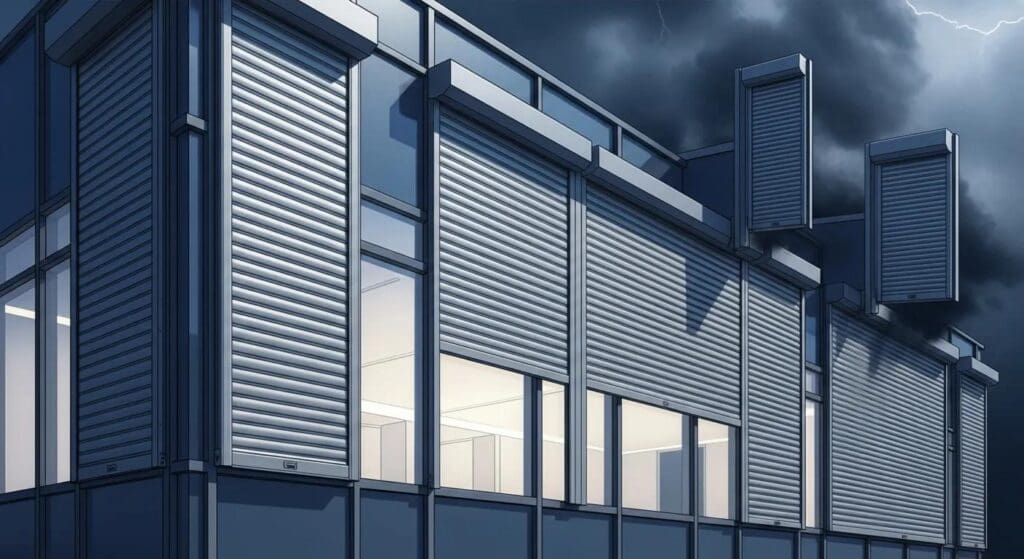
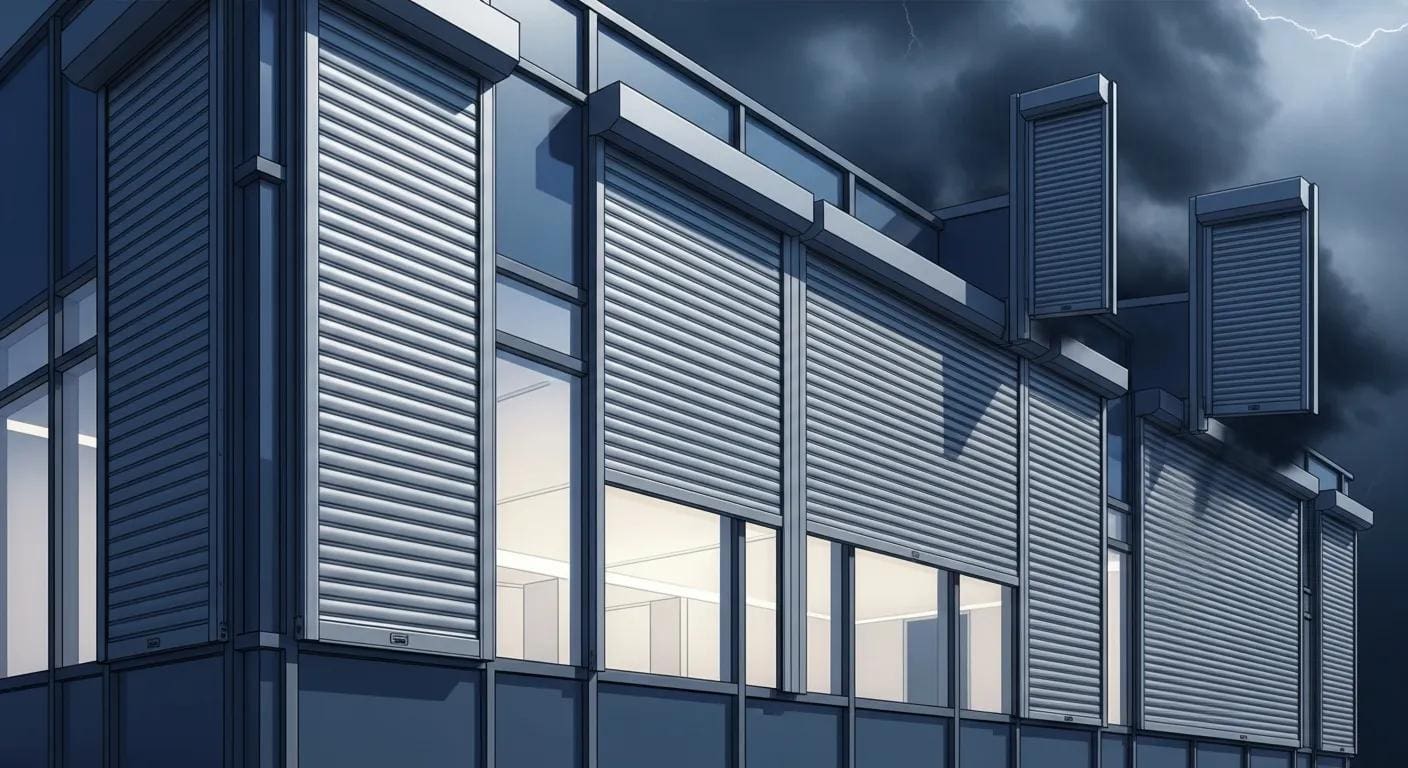
Rolling storm shutters — also called rolldown or rolling hurricane shutters — are purpose-built exterior systems that slide down over windows and doors to form a continuous, impact-resistant barrier. Interlocking slats move in vertical tracks into a compact headbox, absorbing and redirecting wind loads while stopping airborne debris from breaking glazing. This guide walks homeowners through how rolling shutters work, the coastal-grade materials and components that matter, homeowner benefits like security and energy savings, typical cost ranges for manual versus motorized systems, and what to expect during professional installation and permitting. You’ll also learn how Design Pressure (DP) analysis ties products to local codes and which maintenance steps preserve performance and warranty coverage. Keep reading for clear comparisons, concise cost guidance, practical maintenance tips, and next steps for a free estimate or professional installation.
What Are Rolling Storm Shutters and How Do They Protect Your Home?
Rolling storm shutters roll into a slim housing above an opening and unroll into a rigid shield that covers windows or doors. Their interlocking slats run in side tracks and lock at the sill to transfer wind forces into the surrounding structure, easing stress on glass and framing. Because the system creates a continuous sheath over the opening, it resists penetration from flying debris and helps limit inward pressure during storms. Knowing these mechanics makes it easier to compare manual and motorized options and to understand certified impact and wind-load performance ratings.
What Are the Key Components and Materials of Rolling Hurricane Shutters?
The main parts are the slats, side tracks, a top housing (headbox), and the actuation system — either a hand crank, manual crank tube, or an electric motor. For coastal durability, materials matter: slats made from 6063-T6 marine-grade aluminum stand up to salt air, and 18-8 stainless steel fasteners resist corrosion at attachment points. Motors and crank assemblies should be sealed inside the headbox to limit salt intrusion, which reduces service calls and extends life. Choosing corrosion-resistant components directly affects longevity and whether the product stays eligible for warranty coverage.
Hurricane Shutter Impact Performance Testing
This study evaluates how different storm panel types resist impacts from common debris like concrete roof tiles, testing multiple installation methods to measure their effectiveness at protecting structures from hurricane-force impacts.
Performance of hurricane shutters under impact by roof tiles, KR Gurley, 2010
How Do Rolling Shutters Provide Effective Coastal Hurricane Protection in NC?
Rolling shutters combine impact resistance with engineered wind-load capacity tuned to local conditions. Products carry impact and Design Pressure (DP) ratings that describe the wind and debris forces they withstand; matching those DP values to municipal codes keeps installations compliant across coastal North and South Carolina. A custom Design Pressure Analysis confirms that each opening’s size, shape, and surrounding structure can accept expected loads — and that proper anchorage is used. In short, accurate engineering and correct attachment transform a shutter from a generic cover into code-compliant hurricane protection.
Hurricane Construction Codes and Damage Prevention
Building codes and restrictions have evolved in response to storm damage, but questions remain about whether stronger storms or weaker construction practices explain recent losses. This paper explores lessons learned and steps to reduce widespread destruction like that seen in Hurricane Andrew.
Construction For Hurricane Conditions, 2000
What Are the Main Benefits of Roll Down Shutters for Coastal Homeowners?
Rolling shutters provide multiple, layered benefits: storm protection, added security, energy savings, noise reduction, and privacy. They act as a physical barrier in severe weather, deter break-ins when locked, lower solar heat gain when closed, and reduce exterior noise from wind and surf. These advantages can also boost long-term property value and qualify homes for wind-mitigation insurance discounts. The table below summarizes the primary attributes to help you prioritize features when choosing a system.
Rolling shutters deliver value across common homeowner priorities:
- Primary benefits are storm protection, improved security, and energy savings.
- Many homeowners also see lower insurance premiums and better resale appeal.
- Long-term durability depends on marine-grade materials and professional installation.
These outcomes point to specific choices you’ll want to review next: security hardware, slat profiles, and thermal options.
How Do Rolling Shutters Enhance Home Security and Hurricane Resistance?
Rolling shutters raise security by forming a continuous, lockable barrier over glazed openings. Interlocking slats and secure base locks make forced entry difficult and obvious, lowering burglary risk when you’re away. In a hurricane, the same locks and structural anchors transfer wind loads from the shutter into the building, protecting glass and reducing internal pressure. Always verify that locking hardware, anchor locations, and installation methods match the shutter’s rated performance for both security and storm resilience.
How Do Rolling Shutters Improve Energy Efficiency and Noise Reduction?
When closed, rolling shutters create an extra thermal layer that cuts solar heat gain and blocks UV, reducing cooling demand in hot coastal climates. The air gap between shutter and window, together with reflective aluminum slats, slows conductive heat transfer and can lower HVAC run time during peak sun. Shutters also interrupt and absorb exterior sound, improving comfort during storms and busy days. If energy savings matter most, consider insulated or reflective slat profiles to boost thermal performance.
Coastal Homeowner Actions for Hurricane Risk Reduction
As climate patterns change, coastal homeowners play an important role in reducing property and life-safety risks. Without uniform retrofit mandates, resilience will depend largely on individual choices. This research reviews homeowner actions and the limited data on structural vulnerabilities and mitigation steps.
Coastal homeowners in a changing climate, D Javeline, 2019
How Much Do Rolling Hurricane Shutters Cost and What Affects Pricing?
Costs for rolling hurricane shutters depend on material grade, opening size and shape, motorization and smart controls, and installation complexity. Manual systems usually cost less per square foot; motorized systems add price for motors, controls, and wiring. Custom housings, curved openings, and permitting fees can increase the total. The table below highlights common cost drivers and typical expectations to help you budget.
- Larger or more numerous openings increase total material and labor.
- Motorization adds hardware, wiring, and electrical labor.
- Custom profiles, odd-shaped openings, and older homes usually extend installation time.
A free site estimate clarifies these variables. Professional quotes usually include measurements and a preliminary price, and some providers offer financing to spread payments over time.
What Are the Average Costs for Manual vs. Motorized Rolling Shutters?
Typical per-square-foot ranges depend on market and product quality: manual rolling shutters commonly run about $15 to $25 per square foot, while motorized systems raise per-opening costs because of motors, controls, and electrical work — often adding $5 to $10 or more per square foot. Motorized units can include remote control or smart-home integration, which increases upfront cost but adds convenience. Because final pricing relies on exact opening sizes, enclosure types, and local conditions, obtain tailored quotes that include both hardware and installation scope.
How Do Free Estimates and Financing Options Work for Rolling Shutter Installation?
A free estimate typically includes an on-site measurement, review of structural attachment points, and a preliminary Design Pressure Analysis to align product ratings with code requirements. A complete estimate should list what’s included — materials, labor, electrical work for motors, permitting, and warranty — and explain financing or payment options. Common financing choices include third‑party installment plans or in-house programs where available. Getting an estimate is the first step toward a permit-ready proposal.
What Is the Rolling Storm Shutter Installation Process and Permit Requirements?
Professional installation follows a clear sequence: survey and measurement, engineering (Design Pressure Analysis), fabrication, installation, inspection, and homeowner orientation. Installers start with a site survey to document opening geometry and attachment points, then perform a Design Pressure Analysis to determine the right product rating for code compliance. Fabrication follows approved shop drawings, and installation teams mount headboxes, tracks, slats, and actuation systems before final anchor torque checks and weather-sealing. The handover includes a walkthrough on operation, maintenance, and emergency procedures so the system is ready when you need it.
- Standard installations typically take a few days to a few weeks; custom or permit-heavy jobs may take longer.
- Permit requirements vary by municipality; installers who handle permitting can simplify the process.
- After installation, documented inspections and a test run of motorized systems confirm readiness.
What Are the Steps for Professional Installation and Custom Design Pressure Analysis?
Installation starts with a detailed site survey that measures openings, checks substrate conditions, and locates structural attachment points. Next, a Design Pressure Analysis — engineered documentation tailored to each opening — calculates the required wind-load rating and specifies anchor methods to meet local codes. Once shop drawings are approved, fabrication and on-site installation follow: headbox and tracks go up, slats are installed, motors are wired or crank systems fitted, and anchors are torqued to spec. Final steps include a functional test, fastener torque checks, and homeowner training on operation and maintenance to protect warranty coverage.
Do You Need Permits to Install Rolling Shutters in Coastal North and South Carolina?
Permit needs depend on local jurisdiction and the scope of work; many coastal communities require a building permit for impact-rated exterior closures and may request wind-mitigation documentation. Typical filings include a building permit application plus the Design Pressure Analysis or product certification sheets showing rated performance. Because rules differ, working with a professional installer who prepares and files permits for you reduces the risk of delays or noncompliance. Crews that carry OSHA 30 certification and specify marine-grade materials with 18-8 stainless fasteners provide added assurance about code-conscious installation and coastal durability.
Frequently Asked Questions
What Maintenance Is Required for Rolling Storm Shutters?
Routine maintenance keeps shutters reliable. Inspect slats, tracks, and the headbox for wear or corrosion, especially near the coast. Keep tracks clean and lightly lubricate moving parts to prevent binding. Check locks and anchor points for secure operation. We recommend doing these checks at least twice a year — before and after hurricane season — to protect performance and warranty coverage.
Can Rolling Shutters Be Customized for Unique Window Shapes?
Yes. Rolling shutters can be custom fabricated for arches and other non-standard openings. Custom work begins with a detailed site survey and Design Pressure Analysis to ensure the shutter meets code and performance requirements. Customization can raise cost and lead time, but it delivers tailored protection that standard units can’t match. Talk with a professional installer to review options for your architecture.
How Do I Choose Between Manual and Motorized Rolling Shutters?
Choice depends on budget, convenience, and opening size. Manual shutters are typically less expensive and lower maintenance, making them a solid option for smaller windows. Motorized shutters add convenience for large or hard-to-reach openings and can integrate with smart-home systems. Consider how often you’ll use them, who in the household will operate them, and whether remote control or automation is worth the extra cost.
What Are the Insurance Benefits of Installing Rolling Shutters?
Many insurers offer discounts for homes with impact-rated storm protection because these systems reduce storm-damage risk. Installing rated rolling shutters can make you eligible for wind-mitigation credits and may lower premiums. Always check with your insurance agent to confirm discounts and any documentation they require.
Are There Any Environmental Considerations with Rolling Shutters?
Yes. Choosing shutters made from recycled or recyclable aluminum reduces environmental impact. Because shutters lower solar heat gain, they can reduce energy use for cooling. Consider product longevity and recyclability when selecting materials to minimize lifecycle waste.
What Should I Expect During the Installation Process?
Expect a structured process: site survey, Design Pressure Analysis, fabrication, installation, and final inspection. The installer measures openings, evaluates structural conditions, and ensures code compliance. After installation, you’ll get a walkthrough of operation and maintenance procedures. Project length ranges from a few days to a few weeks depending on complexity.
How Do I Prepare My Home for Hurricane Season with Rolling Shutters?
Prepare by keeping shutters well-maintained, practicing deployment, and ensuring everyone who may need to operate them knows how. Clean tracks, check locks, and test motorized units before season. Review your emergency plan and monitor forecasts so you can secure the house early when storms approach.
Conclusion
Rolling storm shutters offer reliable hurricane protection, stronger home security, and real energy-saving benefits — a practical investment for coastal homeowners. With the right materials, proper engineering, and professional installation, shutters protect your home and can improve insurance and resale outcomes. Ready to learn more? Contact us for a free estimate and expert guidance on the best rolling shutter solution for your property.