
Bahama Storm Protection: What Coastal Homeowners Need to Know
Bahama shutters are top-hinged exterior window panels with adjustable louvers that blend sun shading and structural protection against wind-driven rain and flying debris—a popular choice for coastal houses. This guide walks through how Bahama hurricane shutters work, the materials that hold up best along the North and South Carolina coast, the factors that drive cost and insurance value, local installation steps and permitting considerations, and how they stack up against Colonial shutters. If you live in a salt-spray, high-wind area and want practical advice on rated vs. non-rated options, basic maintenance, and the paperwork you’ll need for permits and wind-mitigation discounts, this article gives a clear, local-focused overview. The sections below explain protection mechanics, detail materials like 6063-T6 marine-grade aluminum and 18-8 stainless fasteners, outline cost drivers and insurance impacts, describe a typical coastal installation workflow and the role of a Design Pressure Analysis (DPA), and offer a concise Bahama vs. Colonial comparison to help you decide.
What Are Bahama Hurricane Shutters and How Do They Protect Your Home?
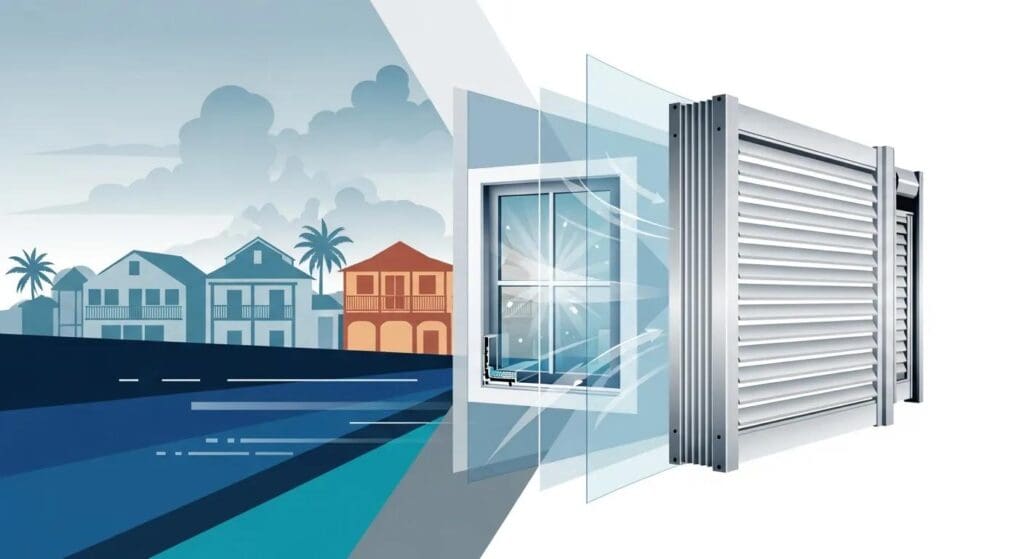
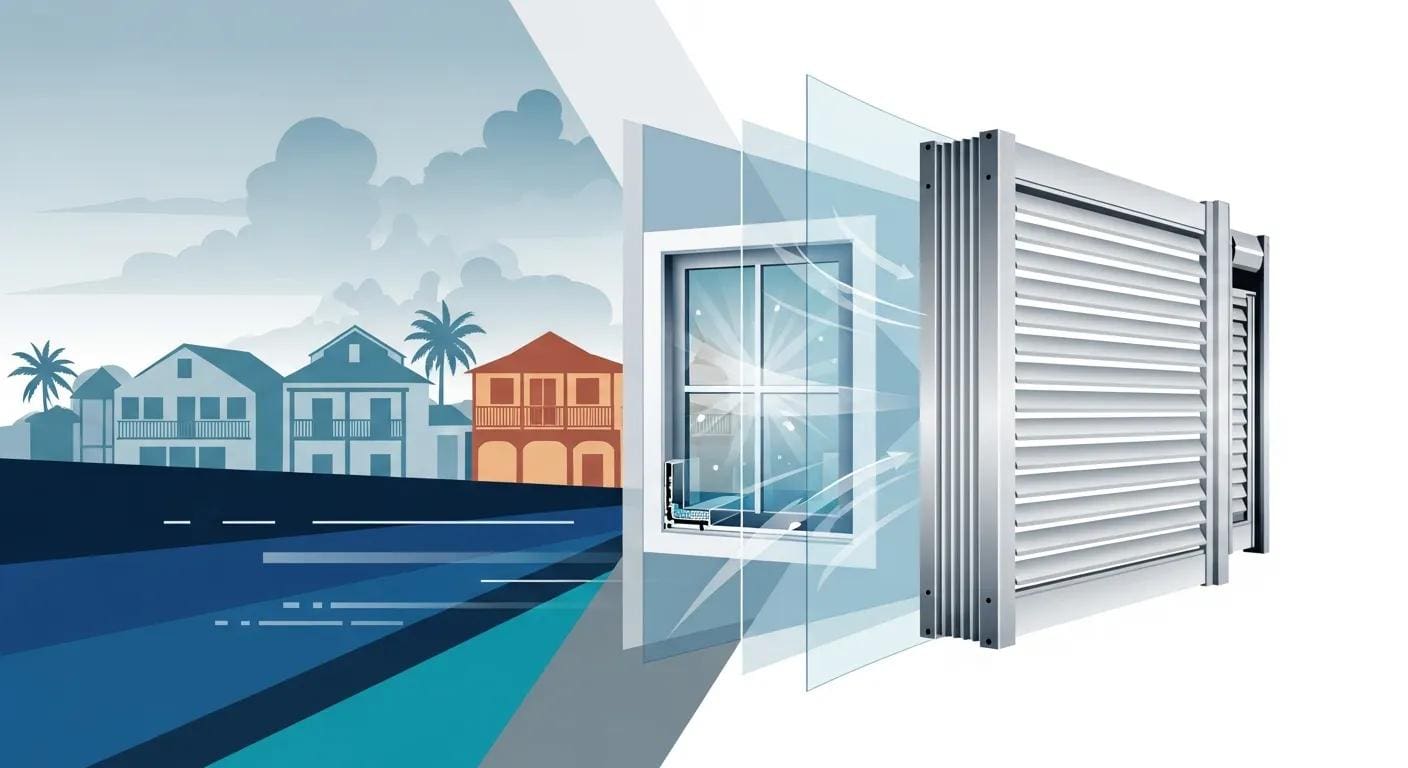
Bahama shutters are louvered panels hinged at the top of a window that swing outward to cover glazing and block wind and impact. Their protection comes from three coordinated parts: the panel itself as a physical barrier, the louvers that stiffen and spread loads across the panel, and heavy-duty hinge and mounting hardware that transfer forces into the building framing. Together—panel, louvers/blades, and anchoring hardware—these components reduce pressure on the glass and lower the chance of window failure during hurricanes and severe coastal storms. Knowing how those parts work helps explain why some Bahamas are engineered and rated for specific design pressures while others are decorative or non-rated choices, so you can weigh protection against shading and aesthetics.
How Do Bahama Shutters Provide Effective Hurricane and Storm Protection?
Bahama shutters protect by turning wind pressure on the shutter into compressive and tensile forces that hinges and brackets carry into your structure instead of into the glass. Louvers act as structural ribs, increasing panel stiffness and limiting deflection in gusts, while secure top-hinge assemblies move loads into the surrounding framing. For rated systems, engineers verify the assembly meets required design pressures for your wind zone—helping ensure predictable performance in a storm. That’s why correct anchoring, proper hinge spacing, and corrosion-resistant fasteners are as important as panel design, and why material choices matter for long-term coastal durability.
What Are the Key Materials Used in Bahama Shutters for Coastal Durability?
On the coast, marine-grade materials matter. 6063-T6 aluminum offers corrosion resistance and a good strength-to-weight ratio for louvers and frames, while 18-8 stainless steel fasteners resist galvanic and pitting corrosion in salt-air environments. Durable powder-coat finishes and compatible metal pairings slow corrosion at connections and preserve appearance. These choices reduce maintenance and keep load-bearing parts working through repeated exposure—important in places like Wilmington and Myrtle Beach. Confirm material specs and warranty coverage before you buy, since proper materials tie directly to rated performance and longevity.
Below is a quick mapping of key components to the homeowner benefits they provide.
How Much Do Bahama Hurricane Shutters Cost and What Value Do They Offer?
Costs for Bahama shutters depend on size, rating, finish, and installation complexity—there isn’t a one-size-fits-all per-window price. Major cost drivers include marine-grade 6063-T6 aluminum, rated hardware and engineering, unusual openings (arched or oversized), and the substrate you’re mounting into (stucco, siding, masonry). The value arrives over time: durability, shade and energy savings, improved curb appeal, and possible wind-mitigation insurance discounts when shutters are rated and properly documented.
What Factors Influence the Cost of Bahama Storm Shutters for Homes?
Several variables change the final price: higher-grade materials and finishes raise the base cost; rated systems add testing, engineering, and stamped paperwork; retrofit jobs into stucco or masonry take more labor; and custom sizes or articulating blades increase fabrication. For example, rated articulating-blade Bahamas generally cost more than basic non-rated decorative panels because of reinforcement and certification requirements. Balance upfront cost against lifecycle value—lower maintenance and longer life can make higher-grade options more economical over time—and factor in the value of wind-mitigation documentation.
Quick cost-impact reference:
Can Bahama Shutters Help You Save on Homeowners Insurance?
Yes—when Bahama shutters are rated and you provide the proper documentation, they can qualify you for wind-mitigation discounts. Insurers and jurisdictions vary, but the key items are product rating paperwork and, when required, a Design Pressure Analysis (DPA) or stamped engineering report that shows compliance with local design pressures. Submit these documents with your permit and to your insurer to speed qualification and reduce disputes after installation. Ask your installer for both rated product sheets and any DPA or engineer sign-off to support claims and permit approvals.
How Are Exterior Bahama Shutters Installed for Coastal North Carolina Homes?
Installation starts with careful measurements and a substrate assessment so wind loads transfer into framing or reinforced anchors—not the glass. A typical workflow includes templating, fabrication to exact sizes, selecting corrosion-resistant fasteners and correct hinge spacing, installing secure top hinges, and a final inspection to verify alignment and operation. A custom Design Pressure Analysis (DPA) often accompanies rated installations to meet code or insurer requirements. Expect a multi-day process with on-site verification and final sign-off to ensure both functional performance and regulatory compliance.
What Is the Typical Installation Process for Bahama Shutters?
The usual steps are: precise measurement and templating; fabrication to fit the openings; substrate prep and reinforcement where needed; secure mounting of top hinges and brackets using 18-8 stainless fasteners; and final adjustment and inspection. Each stage makes sure load paths move wind forces into the structure rather than into the glass. Retrofits into stucco or masonry can require backing plates or anchors and add time. This methodical approach reduces callbacks and supports rated performance when paired with proper documentation.
How Do Bahama Shutters Meet Local Building Codes and Wind Load Requirements?
To meet local codes you either install shutters with an approved product rating or supply a custom Design Pressure Analysis that demonstrates the assembly meets required wind loads. A licensed engineer or qualified professional typically prepares and signs the DPA so you can get permits and satisfy insurers. Keeping copies of the DPA, product ratings, and installation notes helps during inspections and when applying for wind-mitigation discounts. Request these documents early to avoid permit delays and ensure your shutters are accepted as compliant protective assemblies.
What Are the Differences Between Bahama Shutters and Colonial Shutters?
Bahama and Colonial shutters differ in how they mount, function, and look. Bahama shutters hinge at the top, project outward, and give both shade and outward protection. Colonial shutters mount at the sides and fold over windows for a flush, traditional appearance. Both can match each other in protection when built to rated standards, but Bahama shutters also offer year-round sun control and ventilation when propped open—an added functional benefit. The table below highlights the main differences so you can choose based on exposure, style, and how you plan to use them.
How Do Bahama Shutters Compare to Colonial Shutters in Protection and Style?
Both styles can be manufactured to meet rated design pressures. Bahama shutters double as shade devices and have a coastal look many beach homes favor, while Colonial shutters give a classic, symmetrical appearance and tuck neatly against the façade. Pick based on exposure (high-exposure windows often benefit from rated Bahama panels for debris shielding), HOA rules, and whether you want year-round functionality or seasonal protection. If you’re unsure, a DPA and professional assessment will verify the right choice for code and mitigation goals.
This snapshot highlights the tradeoffs so you can match shutter type to exposure and design priorities.
Which Shutter Type Is Best Suited for Coastal Homes in North Carolina?
For exposed seafront facades and larger openings facing prevailing winds, rated Bahama shutters often provide the best mix of protection, shade, and quick deployment—especially when engineered with a proper DPA and marine-grade materials. Colonial shutters work well on protected elevations or where a traditional look is preferred and shutters are used seasonally. Evaluate exposure, HOA rules, and whether you need rated certification for insurance savings; when in doubt, have a pro do a DPA and assessment to confirm your chosen type meets both code and mitigation needs. After deciding, request documented estimates and confirm warranty and material details before moving forward.
Looking for a local installer with coastal experience and clear warranty coverage? American Hurricane Shutters (AHS Carolinas) offers Bahama options including Articulating Blade Bahamas in rated and non-rated versions, uses 6063-T6 marine-grade aluminum and 18-8 stainless steel fasteners for corrosion resistance, performs custom Design Pressure Analyses for local wind-load compliance, and provides a seven-year warranty along with free estimates and emergency service across coastal North and South Carolina. This ties the practical guidance above to a local resource experienced with our shoreline conditions.
Frequently Asked Questions
What are the maintenance requirements for Bahama shutters?
Maintenance is straightforward: rinse or wash shutters with mild soap and water to remove salt and dirt, especially after storms or during high-spray periods. Inspect hinges, fasteners, and louvers for corrosion or wear, and tighten or replace parts as needed. Reapply a protective finish when recommended by the manufacturer—usually every few years—to extend life and keep operation smooth. Regular checks prevent small issues from becoming costly repairs.
Can Bahama shutters be customized for unique window shapes?
Yes. Bahama shutters can be custom-fabricated for arched, oversized, or otherwise unusual openings. Accurate measurements and experienced fabrication are key to ensuring fit and performance. Custom work can add cost, but it preserves aesthetics and protection—especially important for nonstandard windows.
How do Bahama shutters affect energy efficiency in homes?
Bahama shutters reduce heat gain by shading windows during hot months, which can lower cooling costs and improve indoor comfort. When closed, they block direct sun and reduce solar heat load; when open, they allow ventilation. In cooler months they can also reduce heat loss to a degree. Consider these energy benefits when weighing lifecycle value.
What is the lifespan of Bahama shutters?
Lifespan depends on materials and upkeep. High-quality marine-grade aluminum systems (like 6063-T6) properly maintained can last 20 years or more. Regular cleaning, timely fastener replacement, and protective finishes all extend service life. Manufacturer warranties and installer guarantees give additional insight into expected durability.
Are Bahama shutters suitable for all coastal regions?
Bahama shutters are designed for coastal use, but suitability depends on local wind loads and storm frequency. Areas with extreme wind requirements often need rated Bahama shutters that meet specific building codes. Consult a local expert to select the right rating and materials for your exposure, salt-spray conditions, and local regulations.
What are the aesthetic options available for Bahama shutters?
Bahama shutters come in a range of powder-coated colors, finishes, and louver styles to match your home’s exterior. Some manufacturers offer custom finishes for a tailored look. Louver profiles vary, giving options for light control and ventilation while delivering protection and curb appeal.
Conclusion
Bahama shutters give coastal homeowners a practical mix of curb appeal, sun control, and proven storm protection when specified with the right materials and ratings. With marine-grade components and proper engineering—like a DPA for rated systems—they protect glazing, reduce maintenance, and may qualify you for insurance savings. Talk with a local, experienced installer to assess exposure, document ratings or DPAs, and get an estimate that includes warranty and material specifics. When chosen and installed correctly, Bahama shutters offer dependable protection for coastal homes without sacrificing style.