
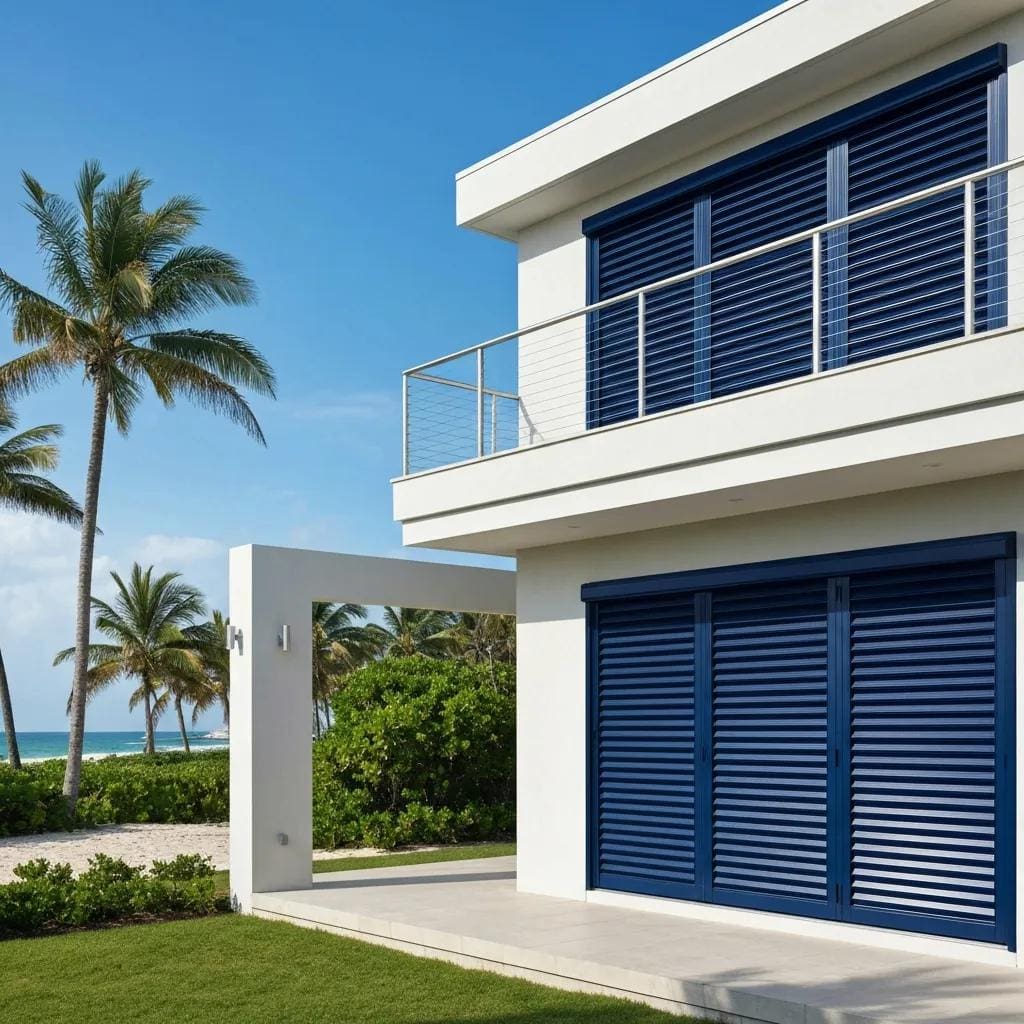
Understanding Accordion Shutter Pricing: Are Warranties and Maintenance Plans Included?
Accordion shutters fold neatly along a window or door and lock into place to protect your home from wind, flying debris, and unwanted entry. This guide breaks down how installers price accordion shutters, what typical warranties cover, and how maintenance plans affect the long-term cost for homeowners along the North and South Carolina coast. Many people assume the sticker price covers everything — but material, size, operation type, installation difficulty, and local code requirements all change the final number and whether warranties and service plans are bundled. Read on to learn the main cost drivers, the difference between standard and extended warranties, a practical maintenance checklist, and what insurers and installers look for in documentation and certification. Use this guide to compare quotes and decide if bundling service plans makes sense for your property.
What Are the Key Factors Influencing Accordion Shutter Pricing?
Several clear cost drivers determine the per-square-foot baseline and the extras that push a quote higher. Material choice, panel thickness, and corrosion-resistant finishes directly affect material cost and expected lifespan. The number and size of openings influence cutting, framing, and labor. Operation type — manual versus motorized — adds parts and possible electrical work. Installation complexity, such as retrofitting masonry or enlarging openings, adds labor and sometimes structural reinforcement. Local permitting, wind-rating requirements, and lead times for impact-rated parts also affect the final price. Knowing these factors helps you compare quotes and spot where trimming costs is safe and where it risks durability or code compliance.
Accordion shutter pricing checklist:
- Material selection drives baseline cost and durability; thicker aluminum or stainless-steel options raise the per-square-foot price.
- Size and customization increase labor and material waste, so irregular or large openings cost more per square foot.
- Operation type (manual vs motorized) adds hardware and possible electrical work, increasing both parts and labor.
Next, we’ll break down how material quality and shutter size translate into per-unit pricing.
How Do Material Quality and Shutter Size Affect Pricing?
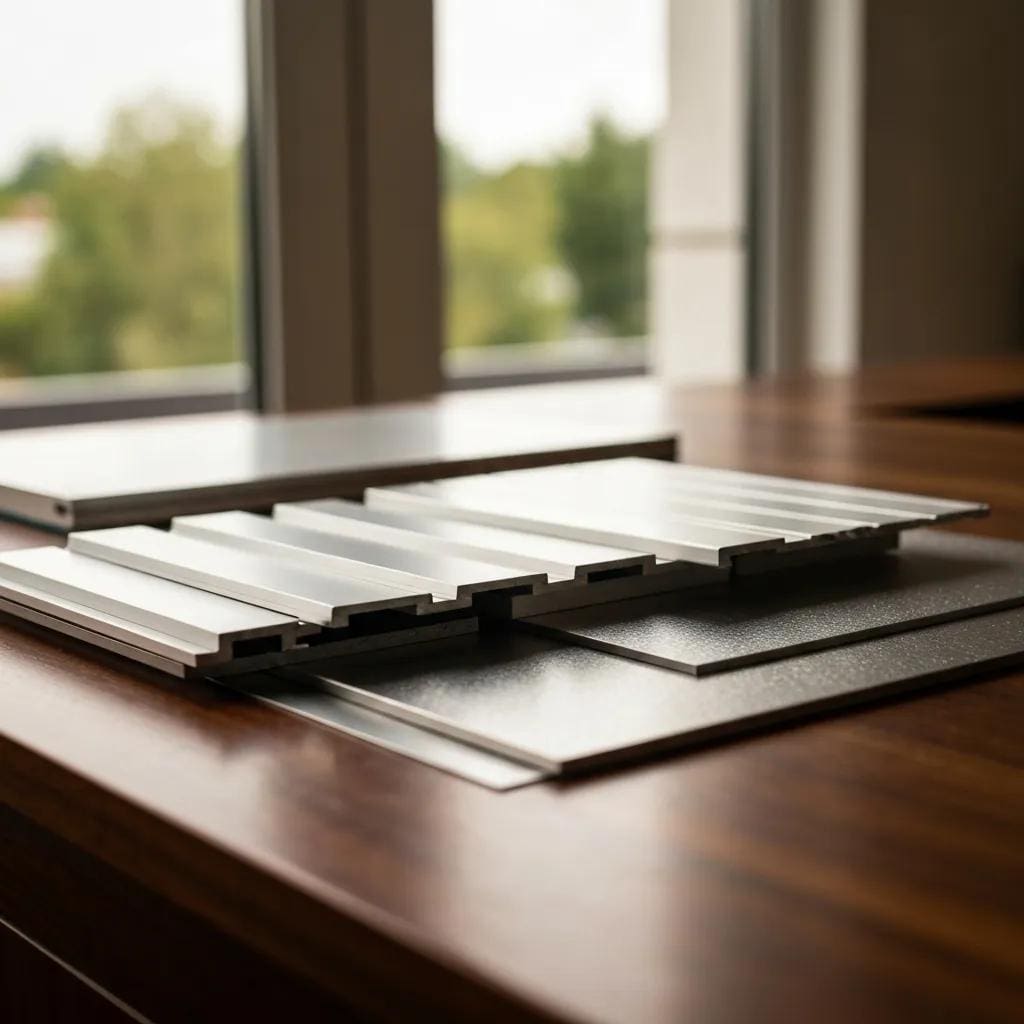
Material quality and shutter size are the biggest levers for cost and long-term performance because they determine raw material expense and fabrication effort. Standard aluminum panels with a durable finish offer a good balance of weight and corrosion resistance; thicker aluminum or stainless steel cost more but stand up better in coastal environments. Large openings or custom profiles often need extra framing, special brackets, or onsite modification, which raises both material and labor costs. Finish choices — powder coat, anodizing, or marine-grade coatings — add to the price but reduce maintenance and corrosion risk. In short, a small bedroom window will usually come in at a lower per-square-foot price than a large multi-panel living room opening due to fabrication complexity and economies of scale.
What Installation Costs Should Homeowners Expect?
Installation typically includes measurement and site prep, mounting hardware, fitting and sealing, and testing; these items often account for 25–45% of the total installed price depending on difficulty. Simple replacements on standard openings require fewer labor hours and minimal structural work, while retrofits into masonry or tight-access locations take longer and need specialized anchors. Permitting and inspection fees can add to both cost and schedule in some jurisdictions. Labor rates vary across coastal North and South Carolina, and installers may add contingencies for access equipment or coordinating electricians for motorized systems. Knowing the likely labor hours and permit costs helps you compare quotes on an even footing.
Before the next section, we’ll outline common warranty practices so you know what protection usually accompanies a shutter purchase and installation.
What Warranty Coverage Is Included with Accordion Shutters?
Warranties for accordion shutters typically cover defects in materials and workmanship for a set period and are often split between manufacturer product coverage and installer labor coverage. Manufacturer warranties usually guarantee panels, tracks, and primary hardware against defects for a defined term and clarify what counts as normal wear versus covered failure. Installer or workmanship warranties focus on installation errors, alignment, and sealing for a separate period and may require documented professional maintenance to stay valid. Common exclusions include damage from misuse, lack of maintenance, unauthorized repairs, or storms that exceed the product’s rated capacity — so keep product specs and installation records handy when filing a claim.
To compare coverage quickly, the table below summarizes typical warranty inclusions and why they matter to homeowners.
Intro to warranty table: The table below compares standard warranty elements and common extended options so you can see how parts, labor, and duration affect cost of ownership.
This overview shows that basic parts coverage is often included but labor and longer terms usually come via extended plans; confirm exactly what your quote includes to avoid surprises if a claim arises.
What Does the Standard Accordion Shutter Warranty Cover?
A standard warranty usually covers material defects and workmanship for core components like panels, primary tracks, and core hardware, giving homeowners baseline protection against manufacturing faults. Coverage periods vary by manufacturer and typically exclude consumables and cosmetic wear. Common exclusions include corrosion from neglect, unauthorized modifications, and forces beyond the product’s design rating — items you should document when filing a claim. When reviewing quotes, ask which specific components are covered, what proof the manufacturer requires, and whether maintenance records are needed to keep the warranty valid.
Are Extended Warranty Options Available and What Do They Include?
Extended warranties generally extend duration and may include repair labor, priority service, or coverage for additional components that standard warranties omit. They’re offered as optional add-ons and often make sense for homeowners in high-corrosion coastal zones or for motorized systems where labor costs can be significant. Whether an extended plan is cost-effective depends on likely failure modes, local repair rates, and how long you plan to keep the property. Some providers bundle extended warranties with maintenance plans to keep equipment in good shape and simplify claims — bundles worth considering when evaluating lifecycle cost.
Next we’ll explain how maintenance plans work with warranties to extend service life and control repair costs.
How Do Maintenance Plans Affect Accordion Shutter Longevity and Cost?
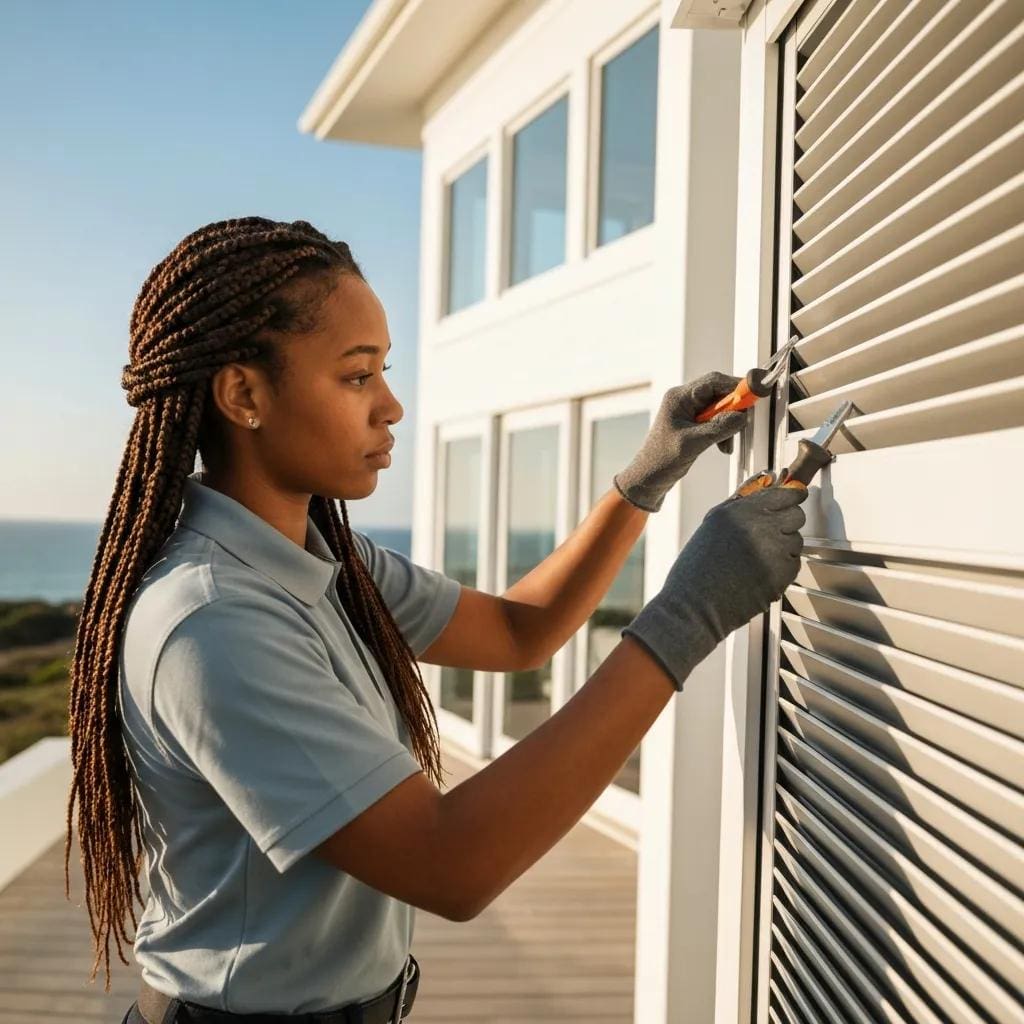
Regular maintenance lengthens service life and lowers the chance of expensive emergency repairs, making scheduled service a key part of total cost of ownership. Preventive tasks like cleaning, lubrication, fastener checks, and operating-cycle testing stop corrosion, misalignment, and motor strain — common failure points in coastal installations. Professional maintenance plans usually include inspections, minor adjustments, and documentation that some warranties require to remain valid. A modest investment in routine upkeep can delay or prevent larger replacement costs and keep your shutters ready when a storm arrives.
Below is a breakdown of typical maintenance tasks, recommended frequency, and indicative costs to help you weigh maintenance against replacement risk.
Intro to maintenance cost table: This table shows typical tasks with suggested frequency and representative costs so you can budget for preventative service that preserves warranty eligibility and reduces emergency repairs.
Summary of maintenance table: Routine cleaning and yearly inspections are modest recurring costs that significantly reduce alignment issues, motor wear, and warranty-voiding neglect.
What Are the Essential Maintenance Tasks for Accordion Shutters?
Essential maintenance prevents corrosion, keeps moving parts aligned, and ensures locks and tracks work smoothly so shutters deploy reliably. Practical steps include washing panels gently with mild soap and fresh water to remove salt spray, clearing debris from tracks, applying silicone-based lubricant to rollers and locking parts, and cycling shutters through full open/close movements to spot binding or misalignment. Inspectors should also check fasteners and anchor points for fatigue or corrosion and confirm motor mounts and electrical connections on motorized units. Keeping simple dated records of these tasks supports warranty claims and signals when professional service is needed.
Does American Hurricane Shutters Offer Maintenance Plans and What Are Their Benefits?
American Hurricane Shutters provides free estimates, a Maintenance Guide, and FAQs to help homeowners understand upkeep and schedule professional service tailored to coastal North and South Carolina. We prioritize professional installation and compliant products, and our maintenance resources show routine tasks that preserve warranty eligibility and reliability. Using an authorized maintenance program from a recognized installer reduces emergency service needs, documents preventative care for warranty claims, and extends the life of impact-rated systems. For an inspection, estimate, or to learn about maintenance options, contact American Hurricane Shutters by phone or request a free estimate on our website.
With warranty and maintenance covered, the next section looks at upfront cost versus long-term benefits and ROI.
How Does Accordion Shutter Pricing Compare to Long-Term Benefits and ROI?
Accordion shutters are a durable investment that delivers immediate protection and long-term benefits like reduced storm damage risk, improved security, and potential insurance savings — all important to ROI. The initial installed cost covers materials and labor, but preventing window failure and interior damage can justify that expense over the shutters’ service life. Shutters also reduce solar heat gain and air infiltration when deployed, which can lower cooling loads on south- and west-facing openings. When combined with regular maintenance and any insurance discounts for certified installations, accordion shutters often recover part of their cost through avoided damage and improved marketability.
To make ROI more concrete, consider these measurable and qualitative benefits.
- Lower risk of glazing failure and the resulting interior damage and repair costs.
- Added burglary deterrence and improved home security when shutters are closed and locked.
- Improved comfort and modest energy savings from reduced solar gain and decreased air infiltration.
The next paragraphs explore security and energy impacts, then insurance and resale considerations.
How Do Accordion Shutters Enhance Home Security and Energy Efficiency?
Accordion shutters create a physical barrier that deters break-ins and protects glass, making forced entry harder and improving safety. Their rigid panels and locks are a visible deterrent, and when closed they reduce access points. Energy gains come from reduced solar gain and lower air infiltration when shutters are used for shading or protection, which can cut cooling demand in hot months. While shutters aren’t a substitute for thermal glazing, the combination of security and shading improves comfort and can lower HVAC runtime in coastal climates.
Can Accordion Shutters Reduce Insurance Premiums and Increase Property Value?
Insurers often offer premium discounts for certified hurricane protection, so properly documented accordion shutters can sometimes qualify you for savings. To secure discounts, insurers typically want proof of product ratings and installation records. Professionally installed and documented storm protection also boosts property marketability in coastal NC/SC markets, especially for buyers looking for turnkey resilience. Keeping certification and maintenance records on file helps both insurance conversations and resale messaging.
With ROI addressed, we’ll review what to expect during professional installation and how local codes affect pricing.
What Should Customers Know About Accordion Shutter Installation and Local Code Compliance?
Professional installation follows a reliable sequence — measurement, fabrication or ordering, site prep, mounting, sealing, and testing — to ensure shutters meet rated performance and local code requirements. Precise measurement and documentation at the start are critical because order errors create lead-time delays and fit problems that are costly to fix. Proper mounting requires secure anchors to meet wind-load ratings, flashing and sealants to prevent water intrusion, and testing cycles to confirm smooth operation. Installers should provide post-install documentation with product ratings, installation details, and maintenance recommendations to support warranty and insurance needs.
Before installation, confirm the expected process and timeline so you can plan for any permitting or on-site structural work that may affect cost and schedule.
What Is the Professional Installation Process for Accordion Shutters?
A professional installation starts with accurate measurements and a site assessment to determine anchoring and any structural reinforcement, then moves to ordering or fabricating panels to spec. On install day, crews prepare the opening, mount tracks and brackets, secure panels, seal edges, and test full operational cycles, making alignment and locking adjustments as needed. Final steps include a customer walkthrough on operation and care and delivery of installation and rating documentation for insurance or warranty needs. Complications such as masonry anchors, electrical connections for motorized units, or custom trim work add labor time and increase the final invoice.
How Do North and South Carolina Building Codes Impact Accordion Shutter Pricing and Installation?
Coastal zones in North and South Carolina have wind-load and impact rules that affect product choice and installation methods, often requiring rated shutters and specified anchoring. Meeting these code requirements can mean higher-spec materials or extra mounting hardware, and permit and inspection steps add administrative time and cost. Local jurisdictions may require specific documentation or certifications that installers must provide for final sign-off, which can influence labor pricing and scheduling. Ask that quotes explicitly state compliance with applicable coastal code requirements and that installers supply the necessary documentation after completion to avoid insurance or resale delays.
Understanding how local codes shape quotes helps explain price differences and why certified installation matters for long-term value.
What Are the Most Common Questions About Accordion Shutter Pricing, Warranties, and Maintenance?
Below are concise answers to practical buyer questions about costs, inclusions, and maintenance so you can quickly compare quotes and decide on bundled services. Clear, direct answers help you move from research to action.
How Much Do Accordion Hurricane Shutters Cost Per Square Foot?
Costs per square foot vary with material, finish, size, and operation type; a common industry range is about $25 to $45 per square foot installed. Prices rise for thicker marine-grade materials, motorized systems, complex retrofits, or when local codes require higher ratings or special anchoring. Regional labor rates and permit needs also affect the final installed price, so treat per-square-foot estimates as a starting point — use the cost calculator or request a free estimate for a precise figure tied to your openings and local code conditions. Comparing the same scope across multiple installers ensures an apples-to-apples comparison.
Do Accordion Shutter Warranties and Maintenance Plans Come Included in the Price?
Generally, a manufacturer’s basic warranty for materials is included in the product price, while installer workmanship warranties may be separate and maintenance plans are usually optional add-ons. Check your quote carefully to see whether parts, labor, extended terms, or scheduled service plans are included or offered as extras. Bundling extended warranty coverage with a maintenance plan can help preserve warranty eligibility and reduce unexpected repair costs, but it’s commonly an optional choice. Ask for clarification so you know what the price covers and what ongoing costs to expect.
If you want a personalized estimate, warranty clarification, or to learn about maintenance scheduling, American Hurricane Shutters offers free estimates, a Maintenance Guide, and FAQ resources — contact us by phone or request a free estimate through our website to start a tailored review of your property and options.
- Request a written quote: Make sure the quote lists materials, labor, warranty terms, permit fees, and whether maintenance is included.
- Verify ratings and documentation: Ask for product ratings and installer documentation you’ll need for insurance and code compliance.
- Compare maintenance and extended warranty options: See whether bundling lowers your lifecycle cost for the property.
These steps turn the information above into practical next steps when comparing proposals and making a decision.
Frequently Asked Questions
What are the benefits of choosing motorized accordion shutters over manual ones?
Motorized accordion shutters add convenience and speed, especially for large openings. They operate from a wall switch or remote, which is helpful when you need to deploy shutters quickly ahead of a storm. Motorized systems may also offer timers or sensors to automate operation, improving both security and energy management.
How often should homeowners schedule professional maintenance for their accordion shutters?
We recommend professional maintenance at least once a year, plus inspections after severe weather. Cleaning and lubrication can be done twice a year, while a full operational inspection should happen annually to catch alignment or corrosion issues early and to meet warranty requirements.
What should homeowners do if their accordion shutters are damaged during a storm?
Document the damage with photos and notes for your insurance claim, then contact your installer or a qualified repair service to assess whether repairs or replacement are needed. Review your warranty to see what’s covered and act promptly to prevent further issues and get the shutters ready for the next event.
Are there any specific building codes that homeowners should be aware of when installing accordion shutters?
Yes. Coastal areas have wind-load and impact-resistance rules that affect acceptable materials and installation methods. North and South Carolina have specific requirements; make sure your installer knows local codes and can provide the required documentation when the job is done.
What factors should be considered when comparing quotes from different installers?
Look beyond price. Check materials, warranty coverage, and what services are included (installation, permits, maintenance). Review installer reputation and experience, ask for references, and ensure the quote reflects compliance with local codes and includes documentation for insurance purposes.
Can accordion shutters be customized for unique window shapes or sizes?
Yes. Many manufacturers offer custom fabrication for arches, large multi-panel openings, and other irregular shapes. Custom work can add cost and lead time but ensures optimal protection and a better finish. Discuss your needs with your installer to understand pricing and timing.
Conclusion
Knowing how accordion shutters are priced, what warranties typically cover, and how maintenance plans affect lifecycle cost puts you in control when comparing quotes. Consider material quality, installation complexity, and maintenance needs to get the best long-term value and ensure code compliance. Bundled services can simplify upkeep and extend coverage, but read the fine print so you know what’s included. For a personalized review and a free estimate, contact American Hurricane Shutters today.