
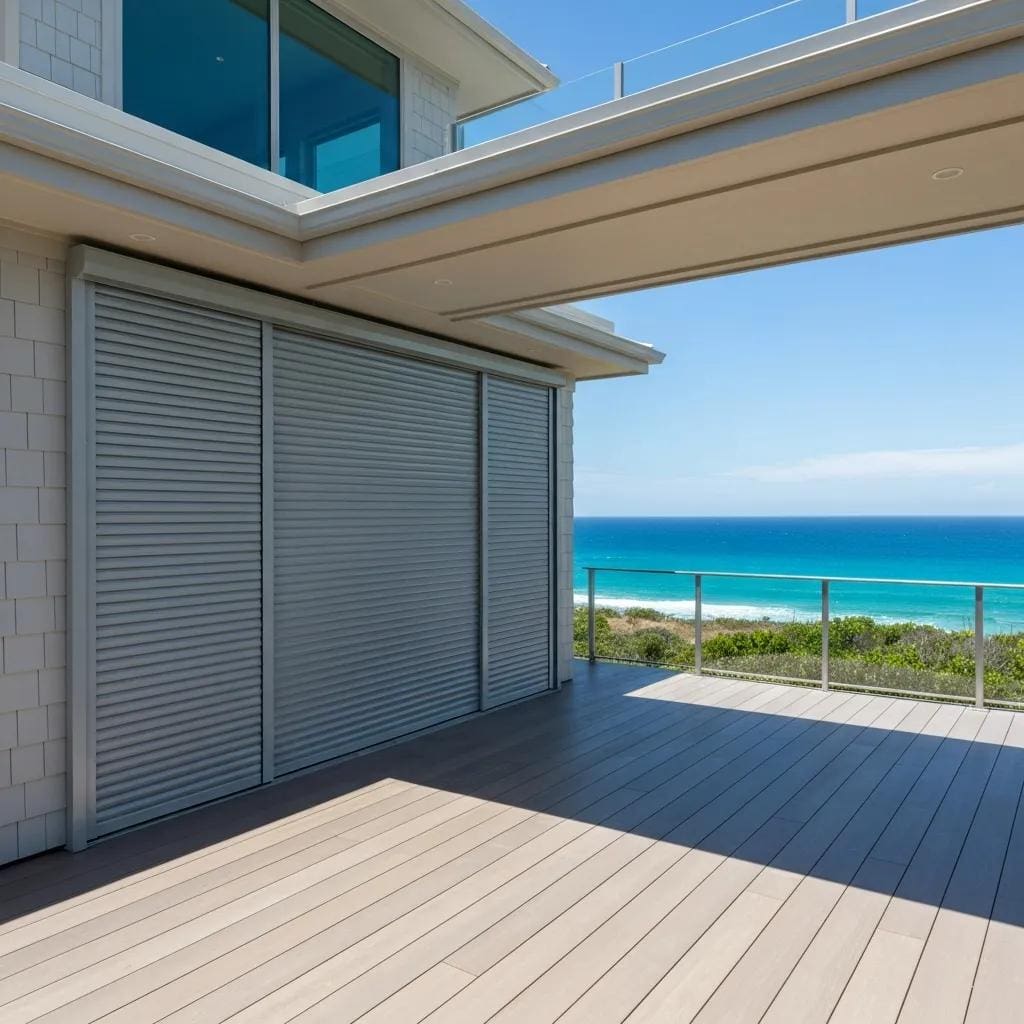
Protect Your Home and Elevate Its Look with Accordion Shutters — Benefits, Installation & Cost Guide
Accordion shutters are a permanently mounted storm-protection system made of interlocking panels that fold neatly to one side when not in use. When storms threaten, these panels create an immediate barrier against wind and flying debris by transferring loads through sturdy mounting tracks and anchors into the building structure. This guide shows how accordion shutters pair tested hurricane protection with attractive design options, which materials hold up best in coastal conditions, what to expect during installation, and the real cost factors homeowners should consider. For many coastal property owners, accordion shutters deliver both reliable storm resilience and improved curb appeal through low-profile stowage, customizable finishes, and rated security features that can add lasting value.
Below you’ll find clear sections covering the benefits, material and finish choices, professional vs. DIY installation, pricing and financing, comparisons with other shutter systems, and maintenance tips tailored to coastal North and South Carolina. Throughout, we offer practical advice and point you to a free estimate or our cost calculator to turn design choices into an accurate price for your project.
What Are the Key Benefits of Hurricane Accordion Shutters?
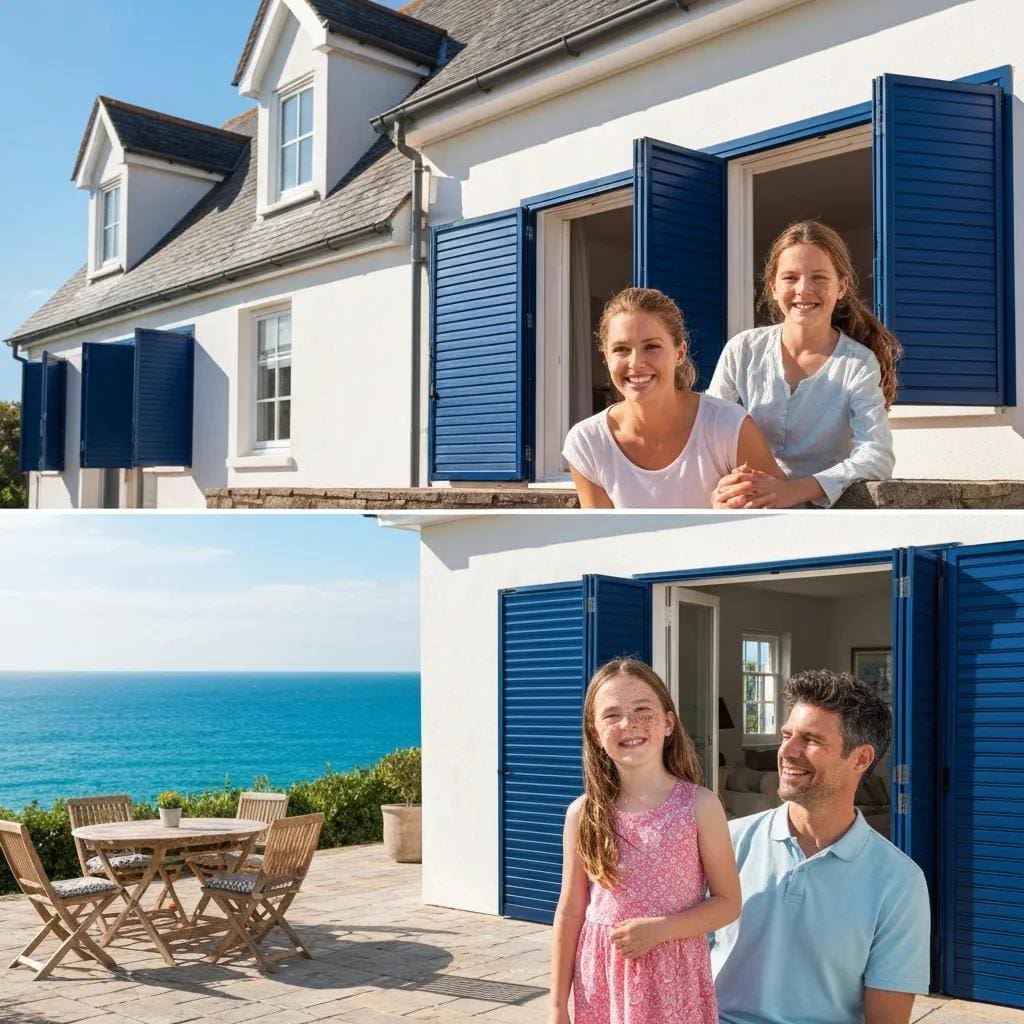
Accordion shutters are a permanent, quick-deploy barrier that protects windows and doors by locking interlocking blades into anchored tracks. That continuous connection spreads wind forces across the mounting system, giving rated wind and impact resistance while staying nearly invisible when retracted. Beyond storm protection, these shutters offer added security, can reduce drafts and solar heat gain, and give homeowners flexible aesthetic choices with colors and profiles that match the house. They save time and storage space compared with removable panels and typically represent a durable retrofit that can boost curb appeal and resale value.
Accordion shutters provide clear advantages for coastal homeowners:
- Protection: Engineered panels stop wind-borne debris and reduce the chance of broken glass.
- Security: Built-in locks and secure anchors add a deterrent against intrusion.
- Aesthetics: Retracted profiles sit flush to preserve architectural lines.
- Energy Savings: Tighter sealing can cut drafts and lower cooling costs.
- Convenience: Permanently mounted, they deploy quickly without panel storage.
These benefits improve storm readiness and everyday comfort; next we explain the mechanics — how the interlocking design and secure mounts achieve rated storm performance.
How Do Accordion Shutters Provide Superior Storm Protection and Security?
Accordion shutters protect openings by forming a continuous surface with interlocking blades that channel wind loads into reinforced tracks and anchors fastened to the structure. Because panels connect across the opening, they prevent localized uplift and distribute pressure more evenly than makeshift or removable systems. Integrated locking points at both stowed and deployed positions strengthen intrusion resistance and add a physical barrier when you’re away. Key components — interlocking blades, heavy-duty hinges, and bolted anchors — are selected to meet coastal code and impact standards so the system provides both tested storm protection and security.
Achieving certified performance depends on correct anchor selection and hardware, which brings installation and code compliance into focus. Properly installed accordion shutters retain their rating through many deployments; the following section shows how they can also be specified to complement your home’s architecture.
How Can Accordion Shutters Enhance Your Home’s Style and Curb Appeal?
When retracted, accordion shutters tuck away with a low profile so they don’t interrupt the home’s lines. Available colors, textures, and slim profiles let you match siding, trim, or architectural details so shutters look like an intentional design element instead of an afterthought. Closed, they create a clean, uniform façade with finishes from classic white and bronze to custom powder-coat colors. For seasonal or historic homes, careful selection of hinge profiles and slim handles helps minimize visual bulk and can positively affect perceived property value.
Choosing the right finish and fold profile supports both appearance and longevity — powder-coating and marine-grade finishes resist salt-air wear and keep shutters looking better for longer. Those design choices lead into the material and customization options that determine durability over time.
What Materials and Customization Options Are Available for Accordion Shutters?
Accordion shutters are typically made from corrosion-resistant metals and engineered plastics to balance strength, weight, and coastal durability. Material choice affects longevity, maintenance, and finish options: marine-grade aluminum offers a strong, lightweight option with good corrosion resistance when properly coated; stainless steel components add extra strength where needed; and impact-rated polycarbonate is used in specialty panels where transparency or specific testing is required. Custom sizing, hardware choices, and finish systems like polyester or powder-coat paint let you tailor shutters to architectural style and exposure level.
Understanding material trade-offs helps you choose what suits your home best. The table below summarizes common material characteristics to guide coastal specifications.
Different shutter materials offer distinct balances of longevity, weight, and finish options.
Which Materials Are Used in Accordion Shutters for Durability and Style?
Aluminum is the most common base material because it combines light weight and good corrosion resistance when finished for coastal use — making it practical for frequent operation and larger openings. Stainless steel is used for high-stress components or extra-corrosion environments but comes at higher cost and weight. Polycarbonate or laminated composites are chosen when transparency or special impact characteristics are required. The right selection balances durability, weight, cost, and finish compatibility for your location and design goals.
Material choices also affect hardware selection and maintenance expectations, which we cover in the maintenance section and that influence long-term lifecycle costs.
What Color and Finish Options Help Match Your Home’s Design?
Standard color choices include white, bronze, ivory, and beige, while powder-coating lets you match custom colors and textures that resist chipping and corrosion in salt-air environments. Textured or low-gloss finishes can hide minor wear and suit traditional coastal siding, while smooth darker tones work well with modern designs. Powder-coating not only widens your palette but also improves corrosion resistance, making it a practical protective option for coastal installations. When picking a finish, consider contrast with trim and rooflines so shutters either blend in when retracted or serve as a considered accent when closed.
Matching finishes to your home’s palette reduces visual disruption and helps preserve resale appeal — a goal that professional installation supports by protecting both form and function.
How Is Professional Accordion Shutter Installation Done and What Are DIY Considerations?
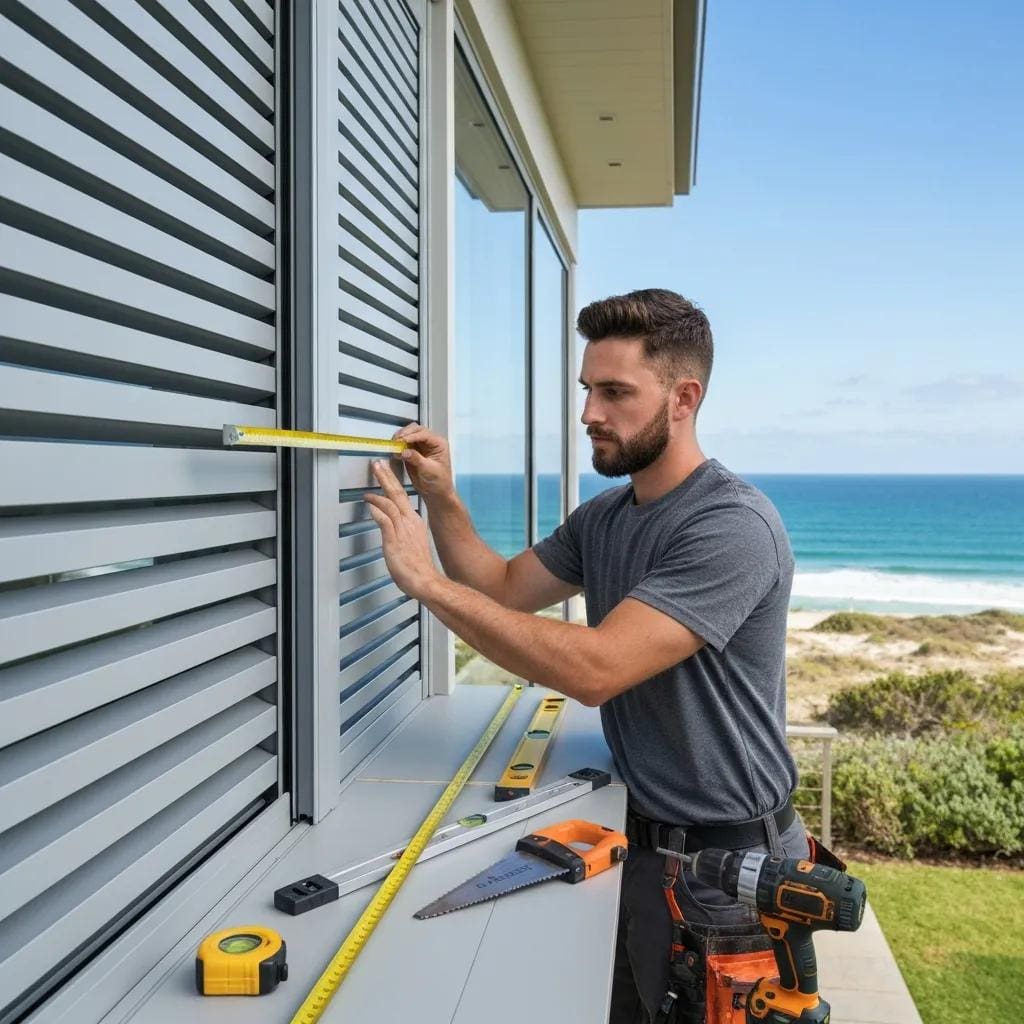
Professional installation starts with a precise site measure and structural assessment, moves to custom fabrication to fit each opening, and finishes with secure anchoring, proper flashing, and operational testing to confirm rated performance and code compliance. Installers check substrate strength, specify anchors and reinforcements where necessary, and install continuous mounting tracks that transfer wind loads into the structure rather than into the panels alone. This approach reduces water intrusion risk, preserves warranty coverage, and ensures compliance with local wind-load requirements. Whether to hire a pro or attempt a DIY install comes down to opening complexity, local code requirements, and whether you want to preserve ratings and warranty coverage.
Here are the typical professional installation stages you can expect:
- Measure and Plan: Confirm opening dimensions, structural backing, and permit needs.
- Fabrication and Preparation: Custom-build panels and prepare mounting surfaces and anchors.
- Install and Test: Mount tracks, secure anchors, install panels, and perform deployment tests to verify sealing and operation.
Following these steps helps ensure the system meets its rated wind performance and stays reliable through repeated use — factors that affect warranty and post-install service.
American Hurricane Shutters emphasizes certified installation and coastal code compliance to protect rated performance and warranty coverage. We offer free estimates and a cost calculator so homeowners can explore pricing and financing before committing, and our installation process focuses on proper anchoring and final testing for long-term protection and peace of mind.
Why Choose Professional Installation for Accordion Shutters?
Professional installation preserves the system’s rated performance by ensuring anchors and tracks are correctly specified and secured to structural backing — a must for certified wind resistance. Installers also handle flashing and water-management details to prevent leaks and unintended damage to exterior finishes. Professionals preserve manufacturer warranties and provide post-install testing and maintenance guidance that DIY installations often miss. For coastal homeowners who must meet regional building codes and wind-load requirements, a certified installer reduces the risk of non-compliance and helps maximize the system’s lifespan.
Hiring a reputable installer protects both performance and resale value, which leads many homeowners to review costs, financing, and installer credentials covered in the next section.
Can You Install Accordion Shutters Yourself?
DIY can work for small, simple openings with straightforward substrate conditions and when local codes allow non-rated installations. Larger openings, multi-story projects, and rated installations usually require professional skills and equipment. Successful DIY work demands precise measurement, correct anchor selection, drilling into structural backing, and the ability to cut and fit panels squarely — all tasks that need tools and experience. Errors in anchoring or track alignment can compromise protection, void warranties, and create safety hazards during storms, so a professional evaluation is advisable for most coastal properties. If you do choose DIY, follow manufacturer specs, secure permits, and be conservative about what you attempt on your own.
Weighing risk and complexity will help you decide the right path. Next we cover the cost drivers and financing options for professional installations.
How Much Do Accordion Shutters Cost and What Financing Options Are Available?
Accordion shutter costs vary with opening size, material choice, finish, and installation complexity, so expect a wide but understandable price range. Small single windows with standard aluminum panels sit at the lower end; large patio doors, custom finishes, stainless components, and structural reinforcement raise the total. Labor for multi-story installs or jobs requiring structural work is a major cost driver, and options like upgraded locks or specialty profiles add to material costs. Motorization is typically not available for accordion shutters. For an accurate price, use our cost calculator or request a free estimate that considers your measurements, materials, and site conditions.
The table below maps common cost factors to their typical impact so you can plan your budget with transparency.
Cost factors determine final pricing across openings and material choices.
What Factors Influence the Cost of Accordion Shutters?
Main cost drivers include the number and size of openings, material and finish choices, installation complexity (including any structural reinforcement), and optional features like upgraded locking systems or specialty profiles. Larger openings require more material and heavier anchoring, which raises fabrication and labor costs. Marine-grade finishes and custom colors increase material expenses. Access issues, multi-story rigging, and permitting can add labor and time. Compare quotes carefully so you understand which elements are required for code compliance and which are optional for appearance.
Knowing these factors helps you prioritize where to spend and prepares you for the estimate process described next.
How Can You Get a Free Estimate and Financing for Accordion Shutters?
To get an accurate quote, gather basic opening measurements and clear photos, then request a site measure or remote estimate from a provider that offers a cost calculator and financing options. Typical steps are: submit measurements and photos, receive an initial estimate or cost-calculator result, schedule a site visit for final verification, and review financing plans if needed. American Hurricane Shutters provides free estimates and can guide you through financing and the cost-calculator results to create a tailored proposal. Preparing measurements and discussing financing early speeds decision-making and helps you compare value rather than just sticker price.
Understanding the estimate workflow and financing options moves you from planning to installation with confidence.
How Do Accordion Shutters Compare to Other Hurricane Shutter Types?
Accordion shutters are a permanent, quick-to-deploy option with mounted tracks at the opening, balancing speed and continuous protection. Other types trade off deployment style, automation, and appearance. Roll-down shutters retract into a housing and can be motorized for convenience and a seamless look but often cost more with automation. Bahama and Colonial shutters emphasize architectural style — Bahama acts like an awning and Colonial offers a traditional paired-panel look — and protection varies by construction. Removable panels cost less up front but need storage and manual handling, making them less convenient for frequent alerts. Comparing systems by protection level, ease of use, aesthetics, and cost will help you pick what fits your priorities.
The table below compares common shutter types across protection, appearance, cost range, and ease of use to clarify options for coastal properties.
What Are the Differences Between Accordion, Roll-Down, Bahama, and Colonial Shutters?
Accordion shutters run on fixed tracks and fold to one side for immediate coverage, prized for manual speed and solid anchoring. Roll-down shutters roll into a housing and can be motorized for hands-free operation. Bahama shutters hinge at the top to create an awning-style shade when open and add distinct curb appeal, while Colonial shutters swing closed like traditional paired panels. Removable panels are typically the least expensive but require storage and longer setup time. Each option involves trade-offs in cost, look, storage, and speed — choose based on priorities like automation, architectural fit, and rated protection.
Understanding these differences helps select materials and anchors suited for coastal Carolina performance needs.
Which Accordion Shutters Are Best Suited for Coastal Carolina Homes?
For coastal North and South Carolina, pick accordion shutters built from marine-grade aluminum, finished with durable powder-coating, and installed with reinforced anchors sized for local wind loads. Low-profile fold designs and custom color matching let the system complement styles from traditional beach cottages to contemporary coastal homes while staying visually discreet when retracted. Installers should confirm local building-code requirements and use hardware rated for coastal exposure to retain both appearance and long-term performance. Prioritizing corrosion-resistant finishes and professional anchoring addresses the region’s climate stresses and helps ensure reliable performance across many storm seasons.
Choosing materials and finishes with coastlines in mind lowers maintenance and extends effective service life, which ties into the maintenance practices below.
How Do You Maintain Accordion Shutters for Longevity and Performance?
Routine maintenance keeps accordion shutters operating smoothly and protects finishes from coastal corrosion. Recommended tasks include regular rinsing, lubrication of moving parts, inspection of anchors and fasteners, and periodic checks of tracks and locks. Rinse with fresh water and a mild detergent after salt exposure to prevent buildup, lubricate hinges and rollers annually (more often in heavy-salt areas), and inspect seals and anchor points after storms. Prompt professional repairs preserve rated performance and warranty coverage. A consistent maintenance schedule prevents small issues from becoming costly problems and ensures readiness when a storm approaches.
Below are practical care steps and an inspection checklist homeowners can follow to protect their investment and prepare for storm season.
- Wash: Rinse with fresh water and a mild detergent after salt exposure to remove corrosive deposits.
- Lubricate: Apply manufacturer-recommended lubricant at least once a year to hinges, rollers, and locks.
- Inspect: Check anchors, bolts, seals, and track alignment after storms and seasonally.
- Repair: Address alignment issues or worn hardware promptly to keep ratings intact.
Following this checklist keeps shutters ready for quick deployment and ties into realistic lifespan expectations covered next.
What Are the Best Practices for Cleaning and Caring for Accordion Shutters?
Best practices include rinsing shutters with fresh water to remove salt, using a mild non-abrasive detergent for periodic cleaning, and avoiding pressure-washing close to seals or fasteners to prevent water intrusion. Lubricate moving parts with products recommended by the manufacturer at least once yearly or more in high-salt environments. After storms, inspect mounting anchors, track alignment, and locking mechanisms for looseness or corrosion; tighten hardware as needed and replace corroded fasteners promptly. Keeping a simple maintenance log of cleaning dates, inspections, and repairs helps track issues and supports warranty claims if needed.
Sticking to these steps extends service life and reduces the chance of operational problems when quick deployment is required.
What Is the Expected Lifespan of Accordion Shutters?
Lifespan varies by material choice, finish quality, exposure, and upkeep, but properly specified and maintained accordion shutters commonly last for decades in coastal settings. Aluminum systems with high-quality powder-coats and regular care can deliver 20 years or more of reliable service; stainless components and diligent maintenance can extend life further. Factors that shorten lifespan include prolonged salt exposure without cleaning, missed lubrication, and ignored corroded anchors or damaged finishes. Regular inspections and timely repairs maximize service life and keep shutters effective as both protection and curb-appeal features.
Knowing lifespan expectations helps homeowners plan for long-term value and replacement budgeting while emphasizing preventive care to preserve both function and appearance.
Frequently Asked Questions
1. What are the main differences between accordion shutters and roll-down shutters?
Accordion shutters fold to one side on fixed tracks for quick manual deployment and strong anchoring. Roll-down shutters retract into a housing and can be motorized for hands-free operation. Both offer strong storm protection; accordion shutters are often chosen for low maintenance and fast manual action, while roll-downs appeal to those who want automation and a seamless look. Your choice depends on priorities like cost, convenience, and appearance.
2. How do I choose the right color for my accordion shutters?
Match shutters to your home’s architectural style and existing palette. Standard colors like white, bronze, and beige are popular, but custom powder-coating lets you match unique schemes. Consider whether you want shutters to blend in when retracted or act as an accent when closed. Textured finishes hide minor wear and are practical for coastal homes where durability matters as much as looks.
3. Are accordion shutters suitable for all types of homes?
Accordion shutters are adaptable to many home types — coastal cottages, urban residences, and suburban houses — thanks to custom sizing and finish options. However, installations must meet local building codes and wind-load requirements in hurricane-prone areas. A professional installer can confirm suitability and help specify the right system for your property.
4. What maintenance is required for accordion shutters?
Regular cleaning and inspections are key. Rinse shutters with fresh water to remove salt and debris, use a mild detergent for deeper cleaning, and lubricate moving parts at least annually. Inspect anchors, seals, and tracks after storms and address problems promptly. A consistent maintenance routine extends lifespan and ensures dependable operation during storms.
5. Can accordion shutters be installed on multi-story homes?
Yes — accordion shutters can be installed on multi-story homes, but installations are more complex and usually require professional crews, specialized equipment, and safety measures. Proper anchoring and code compliance are essential, so consult experienced installers to assess challenges and plan the job safely.
6. How do accordion shutters compare to removable panel systems?
Accordion shutters are permanently mounted and deploy quickly, making them much more convenient than removable panels, which require storage and manual handling. Panels are often less expensive up front but take time to install and remove. Accordion shutters offer faster protection and a more integrated, finished look.
7. What should I consider when budgeting for accordion shutters?
Budget for opening sizes, material and finish choices, customization, and installation complexity. Larger openings, premium materials, custom finishes, and structural reinforcement increase cost. Also factor in labor for multi-story work or difficult access. Using a cost calculator or requesting a detailed estimate helps you understand the total investment and identify financing options.
Conclusion
Accordion shutters deliver dependable storm protection while preserving — and often improving — your home’s curb appeal and energy performance. When specified with coastal-grade materials, professionally installed, and maintained, they offer long-term value and peace of mind for homeowners on the Carolina coast. Explore our range of accordion shutters and request a free estimate to see what’s right for your home.