
Top Features Coastal Homeowners Value in Accordion Shutters — Clear Guidance to Help You Buy
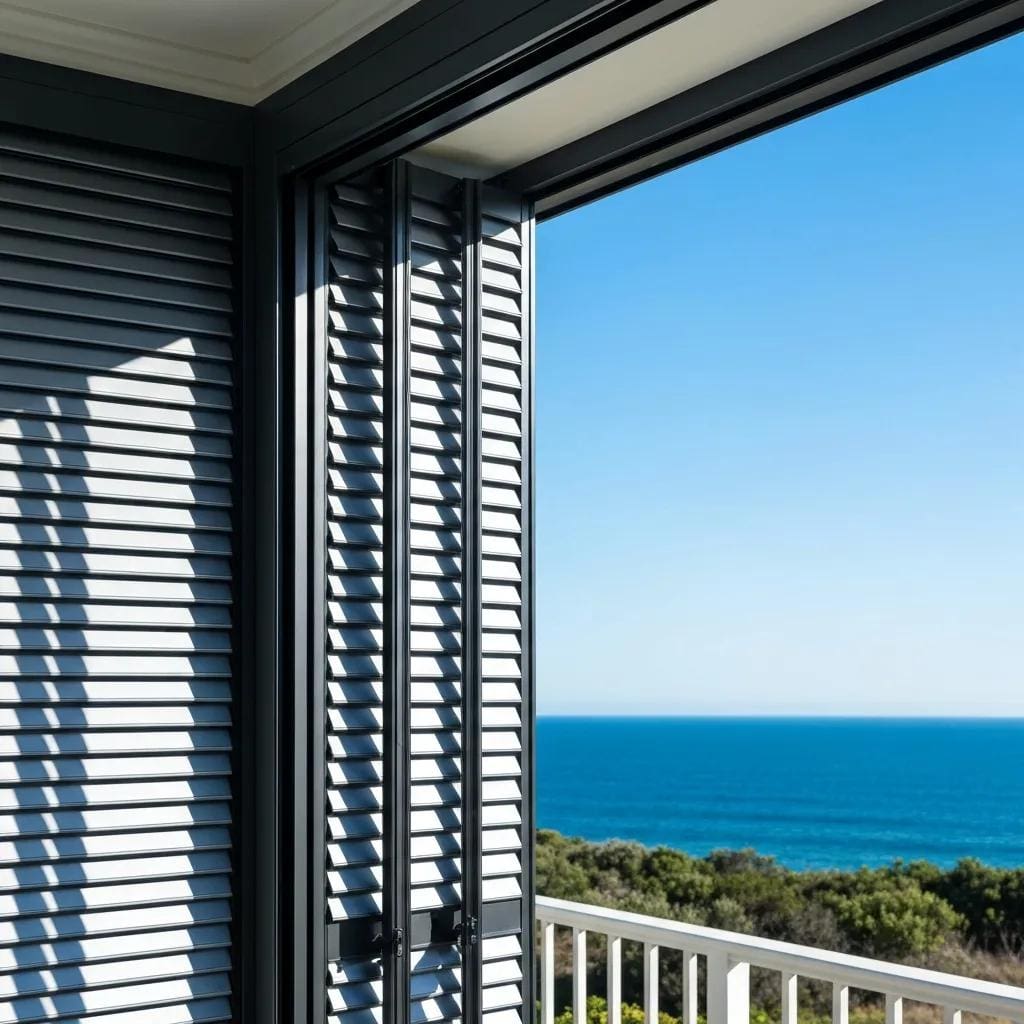
Accordion shutters are permanently mounted, interlocking panels that fold neatly to one side and slide across windows and doors to block wind, rain, and impact during storms. Coastal homes face recurring threats from hurricanes, wind-driven debris, and strong sun, so knowing the practical differences between storm resistance, security, operation, materials, appearance, and efficiency makes choosing the right system simple and confident. This guide breaks down how accordion shutters work, which features matter for wind and impact ratings, how locking and tracks add security, and which materials affect lifespan and upkeep. You’ll find straightforward comparisons, quick-reference tables, and checklists tailored to homes in coastal North and South Carolina and similar climates — all to help you weigh priorities before requesting a cost estimate or scheduling an on-site consultation.
What Are the Key Storm Protection Features of Accordion Shutters?
Accordion shutters protect openings using continuous interlocking panels, reinforced top and bottom tracks, and secure anchors that transfer loads into the structure. The panels slide in tracks and distribute wind pressure across the opening, reducing the chance of glass failure and interior flooding. For coastal homeowners, the most important storm features are verified impact resistance, wind-performance ratings aligned to local codes, and heavy-duty attachment hardware that ties into surrounding framing. Knowing these elements helps you pick systems that meet regional permitting expectations and reduce post-storm repair risk before you compare models or book installation.
Manufacturers deliver these protections through tested panel designs and certified installations. The next sections explain how code compliance is demonstrated and what wind and debris resistance means in practice.
Accordion shutters typically meet—or exceed—recognized coastal building codes through product testing and third-party certification that prove a system resists specified wind pressures and impact forces. Test protocols often reference benchmarks such as the Florida Building Code or Miami‑Dade standards to validate that the assembled system can handle pressure cycles and simulated debris strikes without catastrophic failure. For homeowners, certification smooths permitting, supports potential insurance considerations, and shows the system is engineered for design-basis storms. Local code officials and insurers frequently request third‑party test reports during permit review, so ask for performance certificates and installation instructions when comparing vendors ahead of hurricane season.
Knowing how a certified product performs under test conditions makes it easier to compare wind and debris resistance across common accordion shutter options.
Accordion shutters reduce structural risk by resisting wind loads and stopping or deflecting flying debris before it reaches glazing. Panels are tested for cyclic wind pressure and missile impact to simulate debris strikes; in the field, a correctly anchored system prevents glass shattering and helps the building envelope hold up during extreme conditions. The continuous tracks and interlocked panels transfer loads into lintels and framing, lowering the chance of cascading failures. For homeowners in coastal North and South Carolina, selecting a system with documented impact testing and proper anchor design minimizes breach-related damage and speeds recovery after a storm.
To help buyers compare at a glance, the table below summarizes typical test outcomes and code alignment for common accordion-shutter types.
This quick facts table shows how different accordion-shutter approaches trade off wind resistance, impact protection, and visibility, helping homeowners prioritize what matters most when preparing for an estimate.
How Do Accordion Shutters Meet and Exceed Building Code Standards?
Accordion shutters meet code by being tested and certified as a complete assembly—panels, tracks, and fasteners together—to satisfy criteria for wind pressure and missile impact in coastal jurisdictions. Certification typically includes third-party lab reports and written installation instructions that prove the system resists the specified loads. A product that “meets” code eases permitting; one that “exceeds” code provides added safety margins for extreme events and can factor into recovery planning. Always request test certificates and documented installation procedures so the product you buy performs as tested—proper anchoring and attachment are just as crucial as the materials themselves for code compliance.
Understanding how certification translates to field performance helps you interpret wind and debris resistance ratings and their real‑world value.
What Wind and Debris Resistance Benefits Do Accordion Shutters Provide?
Accordion shutters boost resilience by protecting glazing, lowering interior pressurization from wind-driven rain, and shielding people and belongings from airborne debris. The interlocked panels absorb and redistribute impact energy into surrounding framing, reducing isolated failures that can cascade into larger damage. When combined with correct anchorage and continuous top and bottom tracks, shutters form a sealed barrier that cuts both direct impact damage and secondary water intrusion. For homeowners, that means fewer emergency repairs after storms, better occupant protection during events, and a lower risk of costly interior losses.
Those storm-protection benefits naturally align with other priorities like security and ease of operation, which we cover next.
How Do Accordion Shutters Enhance Home Security and Intrusion Protection?
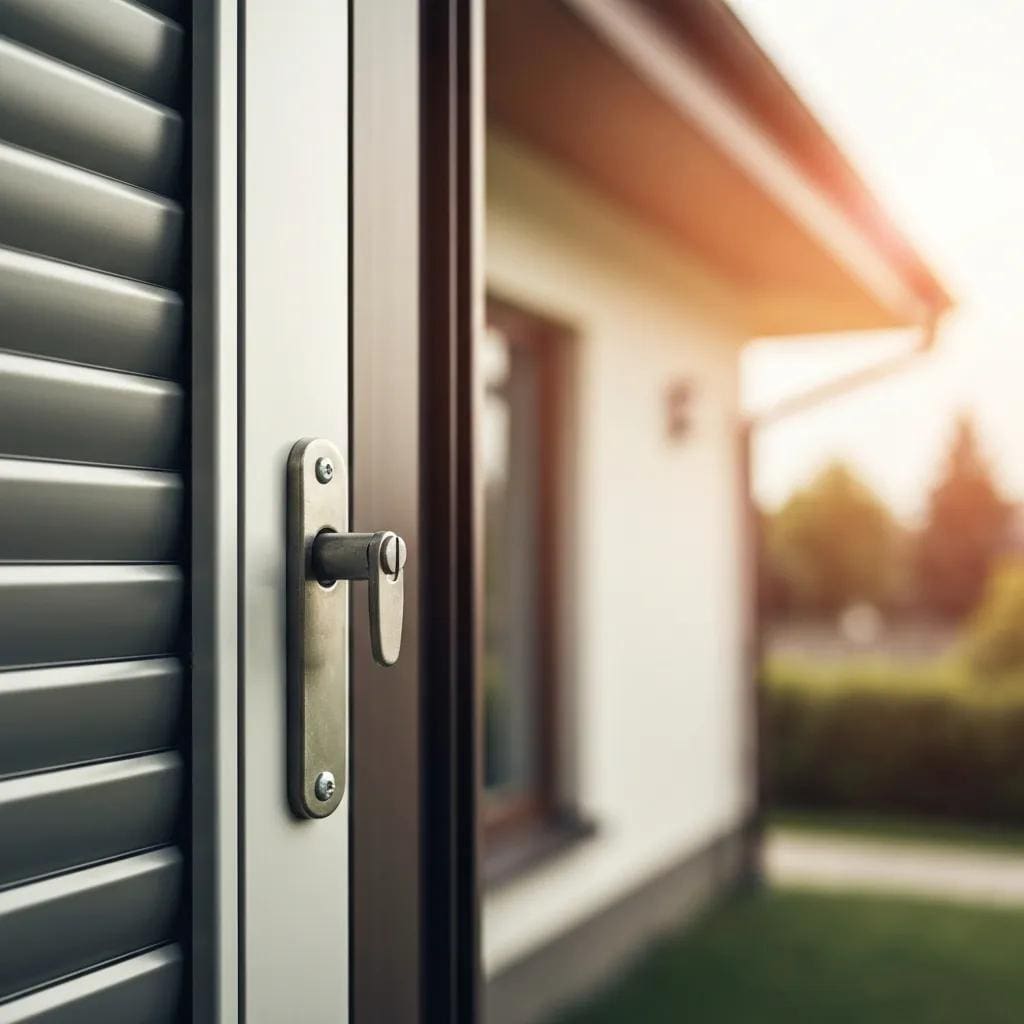
Accordion shutters add a visible, robust barrier over windows and doors that increases the time and effort required for forced entry. The panels, tracks, and anchors form a continuous obstacle that slows intruders and makes tampering more noticeable. When fitted with keyed, padlockable, or multi‑point locks, shutters serve as both storm protection and a daily security layer that complements alarms or cameras. Understanding available lock types and their tradeoffs helps you choose a system that meets storm-proofing and everyday security needs without making routine use cumbersome.
The next subsection outlines common lock styles and what to expect from each so you can match security needs to shutter specification and installation.
Lock choice is central to performance because it affects resistance to forced entry, ease of use, and maintenance. Typical options include keyed cylinders that lock panels at midpoints, slide bolts that accept a padlock for higher security, and tamper‑resistant multi‑point systems that engage at several points along the frame. Each option balances convenience and strength: keyed cylinders are quick for daily use but need durable hardware and good anchoring, while multi‑point locks increase resistance to prying but add mechanical complexity. Regular inspection and lubrication keep locks working, and specifying corrosion‑resistant components is especially important in coastal settings.
An at-a-glance comparison helps homeowners weigh convenience against security when discussing options with installers.
How Do Accordion Shutters Deter Break-Ins and Provide Peace of Mind?
Accordion shutters deter break‑ins through visible presence and structural strength: they signal that entry will take time and attract attention, which reduces opportunistic attempts. Beyond the physical barrier, shutters increase the chance that an intrusion will be noticed by neighbors or captured on camera. For homeowners—especially those who leave coastal properties vacant during storm season—this combination of deterrence and delay provides practical protection and peace of mind. Use shutters as part of a layered security plan with lighting and monitoring for the best results.
With security benefits covered, the next section looks at how ease of use and simple maintenance affect everyday adoption and readiness.
Why Is Ease of Use and Convenience a Top Feature in Accordion Shutters?
Shutters that deploy quickly and can be operated by one person are more likely to be used consistently before storms, which directly increases protection. Accordion shutters are permanently mounted for fast, tool‑free deployment: you slide the panels across and secure the locks, without removing or storing panels. Low‑maintenance construction and simple inspection routines cut lifecycle costs and make shutters a practical, always‑ready solution for coastal homeowners. Fast deployment and minimal upkeep integrate easily into household emergency plans.
The following subsections outline typical deployment times and straightforward maintenance steps to keep shutters reliable year‑round.
Quick deployment matters: a single person can usually secure a standard window in minutes; larger openings take longer and may need two people. Deployment speed depends on opening size, track condition, and chosen locks, but well‑maintained systems are built for rapid closure so families can finish preparations efficiently. Best practices include rehearsal drills, keeping tracks free of debris, and checking locks before storm season to avoid last‑minute problems. A little planning lowers stress during alerts and ensures shutters work when you need them.
Simple, regular maintenance preserves convenience by preventing binding and ensuring smooth operation over time.
Keep shutters user‑friendly with periodic cleaning, lubricant on rollers or pivots, and inspection of tracks and fasteners for corrosion or wear—especially in salt‑air environments. Washing with mild detergent, rinsing, applying recommended lubricants, and checking anchor integrity are routine tasks that usually take only a few minutes per opening. A professional check every few years can catch less obvious issues and confirm anchors and hardware remain secure. Clear, simple maintenance routines make homeowners more likely to use shutters proactively, strengthening both protection and peace of mind.
To help you take next steps, American Hurricane Shutters provides professional installation and local support in Wilmington, NC; Morehead City, NC; and Myrtle Beach, SC — plus an online cost calculator and free estimate so you can compare systems and pricing before committing.
What Materials and Durability Features Make Accordion Shutters Long-Lasting?
Material choice and protective finishes determine how well shutters resist corrosion and wear in coastal climates, which affects service life and maintenance. Common materials include aluminum for structural panels, polycarbonate for light‑transmitting panels, and powder‑coat finishes that improve corrosion resistance and color retention. Design details such as reinforced hinges, thicker members, and stainless or coated fasteners reduce fatigue and galvanic corrosion in salt air. Understanding these tradeoffs helps homeowners pick shutters that balance longevity, appearance, and upkeep for coastal properties.
The next subsections look at aluminum advantages and how polycarbonate compares to metal panels to guide material selection and expectations for lifespan.
Aluminum is widely used for accordion shutter construction because it combines light weight with good strength and natural corrosion resistance, and it accepts protective finishes that further improve performance in salty environments.
Alloy selection and powder coatings limit pitting and help finishes hold up; specifying compatible fasteners and anchors prevents dissimilar‑metal corrosion. Routine cleaning and periodic inspection of joints and seals help aluminum systems reach their expected service life without major degradation, making coated aluminum a practical default for coastal homeowners who want durable, low‑weight protection with modest upkeep.
Comparing aluminum to alternative panel materials clarifies when clear or light‑transmitting options make sense versus solid metal panels for maximum durability.
Polycarbonate and other clear-panel options allow light and visibility while offering impact resistance, but they trade off UV performance and surface abrasion resistance compared with metal panels.
Clear panels work well over patio doors or living areas where daylight is desirable during storms, but they require UV‑stable grades and protective coatings to avoid yellowing and scratching over time. Solid aluminum usually provides superior long‑term surface durability and easier refinishing, while polycarbonate shines where visibility and light transmission are priorities. Choose panels based on whether you value daylight and sightlines during storms or you prefer maximum wear resistance and lower maintenance.
To compare materials for decision‑making, the table below summarizes key properties and benefits.
How Does Aluminum Construction Enhance Corrosion Resistance and Lifespan?
Aluminum’s natural oxide layer and ability to accept protective coatings make it a reliable choice for coastal shutter frames and panels, minimizing direct metal exposure to salt and moisture. When paired with stainless or coated fasteners and powder‑coat finishes, aluminum systems resist surface corrosion and keep mechanical parts working under cyclic loads. Regular salt removal and touch‑ups for chips extend service life, so specifying coastal‑grade finishes and hardware is a cost‑effective way to preserve function. Homeowners who value longevity should confirm finish specs and fastener materials during purchase.
What Are the Benefits of Polycarbonate and Other Panel Options?
Polycarbonate panels let light in and preserve sightlines while offering impact resistance—useful for patios and living spaces where daylight matters during storms. They’re lighter than metal and absorb impacts without shattering, but need UV‑stable grades and careful cleaning to avoid discoloration and surface wear. In locations where visibility outweighs abrasions, polycarbonate is a balanced choice; expect slightly higher maintenance to keep panels clear and scratch‑free. Selecting the right panel comes down to weighing durability, daylight needs, and appearance over time.
How Do Accordion Shutters Improve Home Aesthetics and Property Value?
Accordion shutters can be specified to blend with a home’s architecture—color‑matched powder coats and low‑profile designs minimize visual impact while providing protection. Properly chosen shutters complement trim and siding, or can be painted to match accents, preserving curb appeal while signaling practical protection that many buyers appreciate. In coastal markets, hurricane‑grade shutters demonstrate proactive risk management and can influence buyer perception, sometimes shortening time on market. Pairing attractive finishes with documentation of code‑compliant installation reassures prospective buyers about maintenance and safety.
What Design and Color Options Are Available for Accordion Shutters?
Finish choices typically include factory powder coatings in standard and custom colors, anodized aluminum, and different panel profiles that change shadow lines and depth. Many suppliers offer color matching to trim or siding and decorative trims to integrate with architectural details. When choosing a finish, consider both look and upkeep—lighter colors show dirt differently, and some coatings hold gloss better in sun‑exposed areas. Matching shutter design to your home’s style improves visual cohesion and long‑term curb appeal.
How Do Accordion Shutters Contribute to Curb Appeal and Resale Value?
Accordion shutters can raise perceived value by showing a property is protected and low‑maintenance—attributes buyers in storm‑prone areas often seek. Sellers can list shutters as a selling point, and providing installation and test documentation reassures buyers about proper installation and upkeep. In regions where hurricane risk matters, shutters are an investment in resilience that can reduce future repair risk and attract safety‑minded buyers. Presenting shutters with maintenance records and performance certificates supports confidence during negotiations.
These value benefits tie into comfort and efficiency gains shutters can deliver.
What Energy Efficiency and Noise Reduction Benefits Do Accordion Shutters Offer?
Accordion shutters help control indoor temperature by shading windows and cutting direct solar heat gain, which eases cooling load during hot months and reduces UV exposure to furnishings. When closed they add an insulating air layer and reduce radiant heat transfer through glass, lowering HVAC cycling and improving comfort in coastal climates. Shutters also dampen outside noise by adding mass and sealing gaps around windows, producing a quieter interior. These energy and acoustic perks complement storm and security benefits, making shutters a useful upgrade for homes near traffic or in sunny coastal locations.
How Do Accordion Shutters Help Reduce Energy Costs and UV Exposure?
Shading glazing and blocking direct sun reduces solar heat gain that drives up indoor temperatures and forces air conditioners to run more. Blocking sunlight also limits UV exposure to furniture and flooring, helping prevent fading. Depending on orientation and climate, regular use of shutters during peak sun hours can lower cooling loads and contribute to annual energy savings, especially in hot coastal areas. To maximize savings, combine shutters with appropriate interior window treatments and routine seal checks to reduce air leakage.
What Sound Dampening Features Do Accordion Shutters Provide?
Accordion shutters reduce noise by creating a continuous, solid barrier that breaks sound paths through glass and frames. Performance depends on panel mass, seals, and mounting — tight tracks, continuous seals, and heavier panels increase attenuation. While shutters aren’t a substitute for specialized acoustic glazing, they do lower perceived noise during storms and day‑to‑day life, improving indoor comfort. Homeowners seeking quieter interiors should specify seals and heavier profiles and consider pairing shutters with acoustic window upgrades for best results.
Before wrapping up, American Hurricane Shutters reminds homeowners in Wilmington, NC; Morehead City, NC; and Myrtle Beach, SC that local consultations, professional installation, and an online cost calculator with a free estimate are available to evaluate accordion‑shutter options for your home. For personalized guidance, we offer in‑region expertise on code interpretation, custom fitting, and on‑site measurement — call +1-910-256-1288 to discuss needs and schedule a consultation.
1. Key buyer considerations for accordion shutters:
- Protection Level: Choose systems with documented impact resistance and appropriate wind ratings.
- Material & Finish: Specify corrosion‑resistant materials and coastal‑grade finishes for longevity.
- Operation & Maintenance: Prefer permanently mounted shutters that deploy quickly and need minimal upkeep.
Use these priorities to guide conversations with suppliers or installers about the balance between protection, durability, and convenience.
1. Essential maintenance checklist for accordion shutters:
- Inspect tracks and anchors: Clear debris and tighten fasteners before storm season.
- Lubricate moving parts: Apply manufacturer‑recommended lubricants to rollers and hinges annually.
- Check locks and seals: Verify lock operation and weather seals to maintain performance.
Regular care keeps shutters ready and extends service life so your home stays protected and comfortable.
1. Why homeowners choose accordion shutters over alternatives:
- Fast deployment without storage: Permanently mounted panels eliminate handling and storage needs.
- Integrated security and storm protection: Dual‑purpose function improves overall value.
- Custom fit and professional installation: Tailored systems conform to openings for reliable performance.
These practical advantages highlight tradeoffs versus roll‑down shutters, removable panels, or screens and help homeowners decide what fits their property.
Accordion shutters are a versatile, multi‑benefit hurricane protection solution that pairs storm resistance, security, convenience, material choices, aesthetic flexibility, and energy/noise benefits in one permanently mounted system. For coastal homeowners in North and South Carolina seeking local expertise, American Hurricane Shutters offers code‑aware consultations, professional installation, and tools like a cost calculator and free estimate to evaluate options and schedule service — call +1-910-256-1288 or contact our Wilmington, Morehead City, or Myrtle Beach offices to start a tailored assessment.
Frequently Asked Questions
What is the average lifespan of accordion shutters?
Lifespan varies with materials and care, but high‑quality aluminum accordion shutters typically last 20–30 years with proper maintenance. Exposure to salt air, UV, and how well you maintain the system are the biggest factors. Regular cleaning and inspections, plus choosing shutters with protective coatings, extend life and make them a smart long‑term investment for coastal properties.
How do accordion shutters compare to other storm protection options?
Accordion shutters offer permanent, tool‑free deployment and integrated security, which sets them apart from roll‑down systems or removable panels that require storage. While other options can match storm resistance, accordion shutters are often preferred for ease of use, aesthetic integration, and lower ongoing maintenance, making them a practical choice for many homeowners.
Can accordion shutters be customized to fit unique window shapes?
Yes. Accordion shutters can be custom‑built for many window shapes and sizes, including arches and nonstandard openings. Manufacturers and installers provide tailored solutions—different panel profiles, colors, and finishes—to match architectural style. Consult a professional installer to confirm fit and performance for unusual openings.
What maintenance is required for accordion shutters?
Maintenance is straightforward: check tracks and anchors for debris, lubricate moving parts annually, and confirm locks and seals work properly. Cleaning with mild detergent helps prevent salt buildup and corrosion. Schedule a professional inspection every few years to catch less obvious issues and keep the system performing as intended.
Are accordion shutters energy-efficient?
Yes. When closed, accordion shutters reduce solar heat gain and create an insulating air layer that cuts heat transfer through windows, helping reduce cooling load in hot climates. They also block UV rays, protecting interior finishes from fading. Used strategically, shutters can contribute to lower energy bills and greater comfort in coastal homes.
What are the aesthetic options available for accordion shutters?
Shutters come in a range of finishes, colors, and panel profiles. Factory powder coatings in standard and custom colors, anodized finishes, and optional decorative trims let you match shutters to existing trim or siding. When choosing, think about appearance and maintenance—lighter colors show dirt differently, and some finishes hold gloss longer in strong sun.
How do accordion shutters impact home insurance rates?
Installing certified accordion shutters can qualify homeowners for insurance discounts in hurricane‑prone areas. Insurers often favor proactive storm‑protection measures, and having documentation that shutters meet local codes can strengthen eligibility for lower premiums. Check with your insurance provider to confirm potential savings and ensure proper paperwork is on file.
Conclusion
Accordion shutters deliver reliable storm protection, added security, and energy and noise benefits—making them a practical investment for coastal homeowners. By focusing on tested protection levels, durable materials, and easy operation, you can choose a system that balances safety, convenience, and curb appeal. Contact American Hurricane Shutters for a personalized consultation and free estimate so we can help you find the right solution for your home.