
Why Accordion Shutters Are the Smart Choice for Hurricane Protection on the Carolina Coast
Accordion shutters are a permanently mounted, folding-panel system made to protect windows and openings from windborne debris and extreme gusts during hurricanes. They’re a common, trusted option across coastal North and South Carolina. This page walks through how accordion shutters work, why powder-coated aluminum gives dependable impact resistance and corrosion protection, and how quick manual deployment reduces risk when a storm hits fast. You’ll find clear benefits, realistic installed cost ranges and main cost drivers, comparisons with roll-down and other shutter types, and the year-round security value these systems provide. We also match product features to coastal threats common to Wilmington, Myrtle Beach, Oak Island, Topsail, New Bern, and Pawleys Island, and show how a cost calculator and free estimate can help you plan. By the end you’ll know why accordion shutters are often the best choice for retrofit and new construction and what steps to take to secure your home before the next storm.
Key Benefits of Accordion Hurricane Shutters for Storm Protection
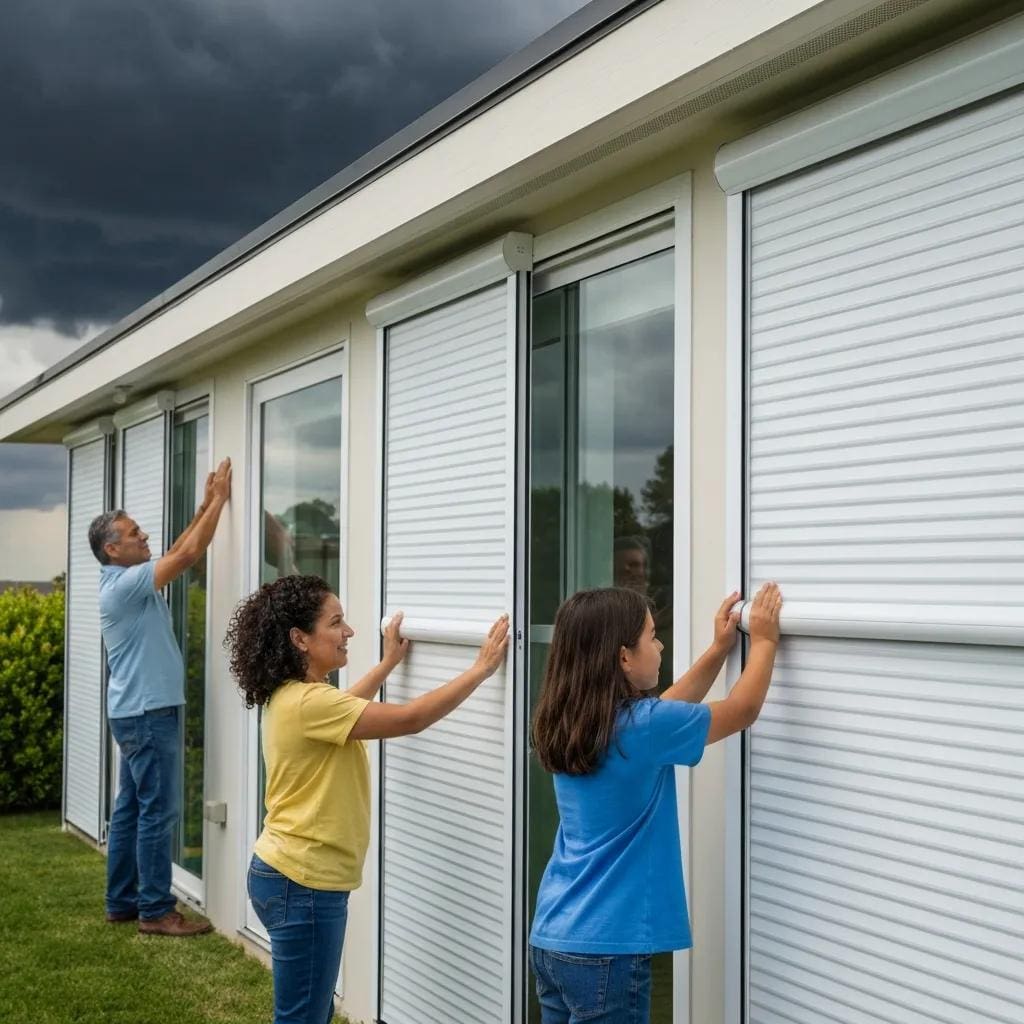
Accordion shutters deliver solid, passive protection by pairing heavy-gauge, powder-coated aluminum panels with a folding-track system that fastens to the opening. They resist impact and wind loads without motors or complex electronics. The panels latch together to form a continuous barrier, so deployment is predictable and reliable under pressure—helping families secure their homes quickly when warnings come through. Beyond hurricane protection, accordion shutters add security, cut solar heat gain when closed, and last a long time with simple upkeep. Below we list the main advantages, then map technical attributes to homeowner value so you can prioritize features before digging into materials and deployment details.
Primary protective and practical advantages:
- Impact resistance: Panels create a continuous shield that helps prevent window breakage from flying debris.
- Fast deployment: The manual folding action lets one person secure openings in minutes.
- Durable, low maintenance: Powder-coated aluminum stands up to salt air and needs little upkeep.
- Year-round usefulness: Shutters provide security, privacy, and shade even outside storm season.
These benefits explain why homeowners in storm-prone coastal communities favor accordion shutters and lead into how the materials and design provide long-term performance.
How accordion features translate into homeowner value:
This table ties technical details to everyday benefits, helping you decide which features matter most as we move into material performance and impact ratings.
How Accordion Shutters Deliver Durability and Impact Resistance
Durability and impact resistance start with materials and structural design: heavy-gauge aluminum panels, reinforced tracks, and tamper-resistant mounts that spread wind loads across the opening. Powder-coated aluminum does two important things on the coast—it protects the metal from salt-air corrosion and keeps finishes looking better for longer, reducing replacement cycles. Impact resistance comes from panel stiffness, full coverage of the opening, and secure locking points that stop panels from shifting under debris strikes or pressure changes. Knowing these strengths helps homeowners evaluate long-term performance and underscores the value of fast deployment when a storm approaches.
Why Ease of Use and Quick Deployment Matter
Hurricane warnings often give a short window to act. Systems one person can secure fast reduce the chance of window failure and interior damage. Accordion shutters fold and latch in minutes per opening, avoiding dependence on motors, electricity, or multi-person installs that can slow you down. That simple operation also cuts down on mistakes compared with more complex systems, so coverage stays consistent when storms escalate. Seeing deployment speed as a core value leads naturally into cost considerations and planning tools you can use to budget for installation.
Installed Cost: What Accordion Shutters Cost and What Affects Price
Installed cost for accordion shutters depends on opening size, finish options, labor complexity, and permitting—so ranges vary. Main cost drivers include material grade (thicker aluminum costs more), the number and complexity of openings (large or irregular shapes need custom work), retrofit versus new-construction labor, and optional finishes or custom colors. Long-term value matters too: durable powder-coated finishes and sturdy hardware reduce replacement needs and can factor into insurance conversations. The cost breakdown below clarifies the major drivers and typical impacts, followed by practical budgeting tips and how shutters can lower long-term repair costs and insurance exposure.
Cost drivers to consider:
- Material and finish choices: Premium aluminum and custom powder coats increase material cost.
- Labor complexity: Retrofit work or hard-to-reach openings add time and price.
- Permit and inspection requirements: Local permitting can add fees and extend timelines.
This overview shows where dollars typically go and sets up the detailed cost-driver table so you can see priorities before using our calculator or requesting an estimate.
This table breaks down price drivers so you can prioritize budget choices and understand where to look for long-term value.
What Influences Installation Cost?
Installation cost reflects both physical factors—opening size, wall construction, and access—and administrative items like permits and inspections. Choosing thicker-gauge aluminum and premium powder coats raises upfront cost but lowers maintenance and replacement risk in salt-air areas. Retrofit installs often cost more because of trim removal or frame reinforcement, while new-construction installs can be more straightforward. Practical tips: schedule multiple openings together to reduce travel and setup charges, and send measurements and photos ahead of a site visit to speed and improve estimate accuracy.
How Accordion Shutters Create Long-Term Value and Insurance Savings
Accordion shutters limit post-storm repair costs by protecting the building envelope and reducing water intrusion that leads to major claims. Insurers often consider documented impact protection when assessing risk—so keeping installation records and product specs can support premium conversations. Maintenance is typically light—regular cleaning and occasional lubrication—so lifecycle comparisons often favor accordion systems over repeatedly replacing cheaper panels after damage. These financial and risk-management benefits make it worth discussing specifications and code compliance for your coastal property.
How Accordion Shutters Compare with Roll-Down and Other Shutter Types
Accordion shutters compete with roll-down shutters, storm panels, Bahama shutters, and hurricane screens. The best choice depends on opening size, desired look, desire for automation, and maintenance tolerance. Unlike roll-down shutters, accordion systems don’t need motors and avoid related failure modes and replacement costs; roll-downs do offer push-button convenience for some homeowners. Storm panels are economical but require storage and manual install. Bahama shutters and hurricane screens emphasize shade and airflow as well as protection. The table below helps you weigh trade-offs and choose the right system for your coastal needs.
Quick comparison:
- Accordion shutters: Reliable manual folding, great for wide openings and retrofit work.
- Roll-down shutters: Motorized convenience, higher maintenance, suited to automation fans.
- Storm panels: Lower upfront cost, storage needed, good for occasional use.
Below is a side-by-side view of common options to help guide your decision.
This comparison highlights functional differences and leads into when accordion shutters are the best fit—especially for wide spans and retrofit jobs.
Advantages of Accordion Shutters vs. Roll-Down Shutters
Accordion shutters remove motors and drive systems that can fail or need service, often install faster for retrofits, and provide continuous-panel coverage without relying on electricity. Manual operation lowers long-term service costs and simplifies post-storm inspections—visual checks of latches and tracks are straightforward compared with diagnosing motorized systems. That said, roll-down shutters offer push-button ease that some homeowners prefer. The right choice balances automation desires with expectations for reliability and maintenance.
When Accordion Shutters Make the Most Sense for Large Openings
Accordion shutters perform especially well on large spans—sliding doors, wide bay windows, storefronts—where rigid panels or many removable storm panels would be impractical. Their folding action across a long track creates a tight seal and uniform impact resistance, and powder-coated finishes help resist corrosion on salt-exposed facades—important in Wilmington, Myrtle Beach, Oak Island, Topsail, New Bern, and Pawleys Island. For homeowners who want predictable, low-maintenance protection without motors, accordion shutters offer a strong balance of performance and simplicity. That reliability also supports year-round security benefits.
How Accordion Shutters Improve Security Beyond Storm Protection
Accordion shutters act as a visible, physical barrier that deters opportunistic intruders and reinforces door and window openings. Integrated locks and tamper-resistant mounts increase the difficulty of forced entry, and shutters work year-round to secure vacant homes, rentals, or properties during seasonal absences. By blocking sightlines, closed shutters add privacy and passive security—documentation of these measures can also be useful with insurers. Below we list typical anti-intrusion features and explain how year-round use maximizes value beyond hurricane season.
Key anti-intrusion and security perks:
- Integrated locks: Secure latches that resist forced entry.
- Tamper-resistant mounts: Hardware built to prevent panel removal.
- Deterrent effect: Visible protection reduces the appeal for opportunistic break-ins.
These elements make shutters a strong part of a broader property protection plan and lead into their year-round protective uses.
Common Anti-Intrusion Features of Accordion Shutters
Typical anti-intrusion features include multi-point locking systems, reinforced brackets that anchor tracks to structural framing, and tamper-proof fasteners that prevent easy removal from the outside. These mechanical protections raise the time and effort required to breach an opening and act as a visible deterrent. You can add auxiliary bolts or upgraded locks to match local risk levels without affecting storm-readiness—helpful when aligning security needs with shutter specs.
How Accordion Shutters Support Year-Round Property Protection
Outside hurricane season, accordion shutters offer privacy, reduce solar heat gain, and protect unoccupied homes from vandalism or break-ins—useful for vacation properties and rentals along the Carolina coast. Closed shutters cut UV exposure to interiors, helping preserve floors and furniture, and they reduce wind-driven rain infiltration during off-season storms. Regular inspections and light maintenance keep shutters ready year-round, preserving their storm and security performance and supporting discussions with insurers about documented risk reduction.
Why Accordion Shutters Work Well for Coastal North and South Carolina
Accordion shutters are a strong fit for coastal North and South Carolina because powder-coated aluminum stands up to salt-laden air and continuous-panel coverage helps against windborne debris and sudden wind surges. Cities and towns like Wilmington, Myrtle Beach, Oak Island, Topsail, New Bern, and Pawleys Island face storm surge, high winds, and flying debris—conditions that threaten glazing and building envelopes; shutters protect those vulnerable openings. Local building codes and permitting vary, so specify shutters with documented impact ratings and request compliance documentation from your installer. That preparation makes the approval process smoother.
Local coastal threats accordion shutters help address:
- Windborne debris impacts: Shields openings from incoming projectiles and reduces window breakage.
- High wind pressures: Structural attachment disperses loads to lower failure risk.
- Salt-air corrosion: Powder-coated finishes resist coastal degradation.
These mappings help you ask the right questions about approvals and documentation when selecting shutters and point to the regulatory details covered next.
What Hurricane Threats Do Accordion Shutters Protect Against in Coastal NC and SC?
Accordion shutters mainly protect against windborne debris impacts and the glazing failures that often trigger interior flooding and structural damage during hurricanes. They also help the building envelope withstand high wind pressures that can displace windows and doors. Shutters don’t prevent flooding or storm surge, so combine them with elevation, drainage, and other flood-resilience measures where needed. Knowing their limits helps you build a complete preparedness plan.
How Accordion Shutters Meet Local Building Codes and Standards
Code compliance depends on documented impact and wind-load testing, installer-provided approval documents, and any local permitting or inspections required. Ask for manufacturer certifications and rated-performance documents for your area’s expected wind speeds or test protocols. Installers typically supply product cut sheets, impact reports, and installation details inspectors require—verify these before permitting to avoid delays. Confirm the installer will submit paperwork and follow inspection checklists; keeping records also helps when discussing insurance credits tied to approved protection systems.
How to Get a Free Estimate and Start Protecting Your Home
When you’re ready to move from planning to protection, follow a simple three-step process: get an initial cost estimate, schedule a site inspection, then proceed with professional installation and maintenance support. Start with our online cost calculator to get a preliminary range based on opening types and sizes, then book a free on-site estimate so a technician can verify dimensions, assess retrofit needs, and confirm permit requirements. American Hurricane Shutters offers free estimates, a cost calculator, and professional installation tailored to coastal North and South Carolina—complete with product documentation and post-install support. The steps below show what to prepare for an accurate quote.
Steps to get an accurate estimate and installation plan:
- Use a cost calculator: Enter opening types and rough measurements for an initial price range.
- Request a free on-site estimate: Have an installer confirm measurements and permit needs in person.
- Plan installation and maintenance: Review warranty and maintenance guidance before scheduling work.
Following these steps prepares you for a smooth install and leads into a short look at how the cost calculator and installation process work.
How the Accordion Shutter Cost Calculator Helps You Plan
A cost calculator turns opening measurements, material preferences, and finish choices into a first estimate that frames your budget and reduces surprises before the on-site visit. Common inputs include number and width of openings, preference for powder-coated finishes, and whether retrofit complications exist; the calculator returns a suggested range and next steps like scheduling a free site estimate. Using the tool ahead of time helps you ask focused questions about permits and insurance documentation when the technician arrives.
What to Expect from Professional Installation and Ongoing Support
Professional installation starts with a site visit to measure openings, check structural attachment points, and identify any reinforcement needed. After fabrication, installers schedule the install and complete a post-install inspection to confirm latches, tracks, and seals work as intended. Prepare by clearing the work area and having permit documents available if required; ask the installer for compliance certificates and maintenance instructions when the job is done. Ongoing care typically includes seasonal inspections, track lubrication, and hardware checks—many installers offer maintenance plans and documentation to help homeowners and insurers keep shutters in top condition. These steps complete the path from planning to durable protection.
Frequently Asked Questions
1. How do accordion shutters compare to other types of hurricane protection?
Accordion shutters stand out for their simplicity and reliability. Unlike roll-down shutters, they don’t require motors, so there’s no risk of electrical failure during a storm. They offer continuous coverage that improves impact resistance. Storm panels cost less up front but need storage and manual installation. Accordion shutters strike a balance of ease, durability, and everyday protection—making them a common choice for coastal homeowners.
2. What maintenance is required for accordion shutters?
Maintenance is straightforward: keep panels and tracks clean, remove debris, and lubricate tracks and locks occasionally. Inspect the system after storms for any signs of wear or damage. With simple seasonal checks and light upkeep, accordion shutters will stay reliable year-round and be ready when hurricane season returns.
3. Can accordion shutters be installed on any type of home?
Yes—accordion shutters can be fitted to most homes, condos, and many commercial buildings. Installation varies by building type and opening shape; large or irregular windows may need custom solutions. A qualified installer will assess your property and ensure a proper, code-compliant fit.
4. Are accordion shutters effective against flooding?
Accordion shutters protect against windborne debris and high winds but are not a flood-control solution. They help prevent the window breaches that often lead to interior damage, but you should combine shutters with flood-mitigation measures—like elevation or drainage upgrades—if your property faces surge or standing-water risk.
5. How do accordion shutters enhance home security outside of hurricane season?
Accordion shutters act as a physical barrier, deterring break-ins and concealing interiors when closed. Integrated locks and tamper-resistant hardware increase entry difficulty, which is especially useful for vacation homes or rentals. Used year-round, shutters add privacy and a visible layer of protection.
6. What are the insurance benefits of installing accordion shutters?
Many insurers recognize approved hurricane protection and may offer discounts when homes have documented impact-rated systems. Providing installation records and compliance paperwork can support conversations about premiums. By reducing storm-related damage, shutters also lower the likelihood of costly claims that affect future rates—check with your agent for specifics.
7. How can homeowners ensure their accordion shutters meet local building codes?
Ask the manufacturer and installer for impact ratings, test reports, and compliance certifications. Work with an installer familiar with local regulations who will submit required paperwork for permits and inspections. Keep the documentation on file—inspectors and insurers often request it.
Conclusion
Accordion shutters give reliable hurricane protection while adding security and year-round value. Powder-coated aluminum and robust hardware stand up to coastal conditions, making these systems a practical long-term investment for Carolina beachfront and coastal properties. If you want to protect your home and explore potential insurance savings, start with our cost calculator and request a free estimate to plan an installation tailored to your needs.