
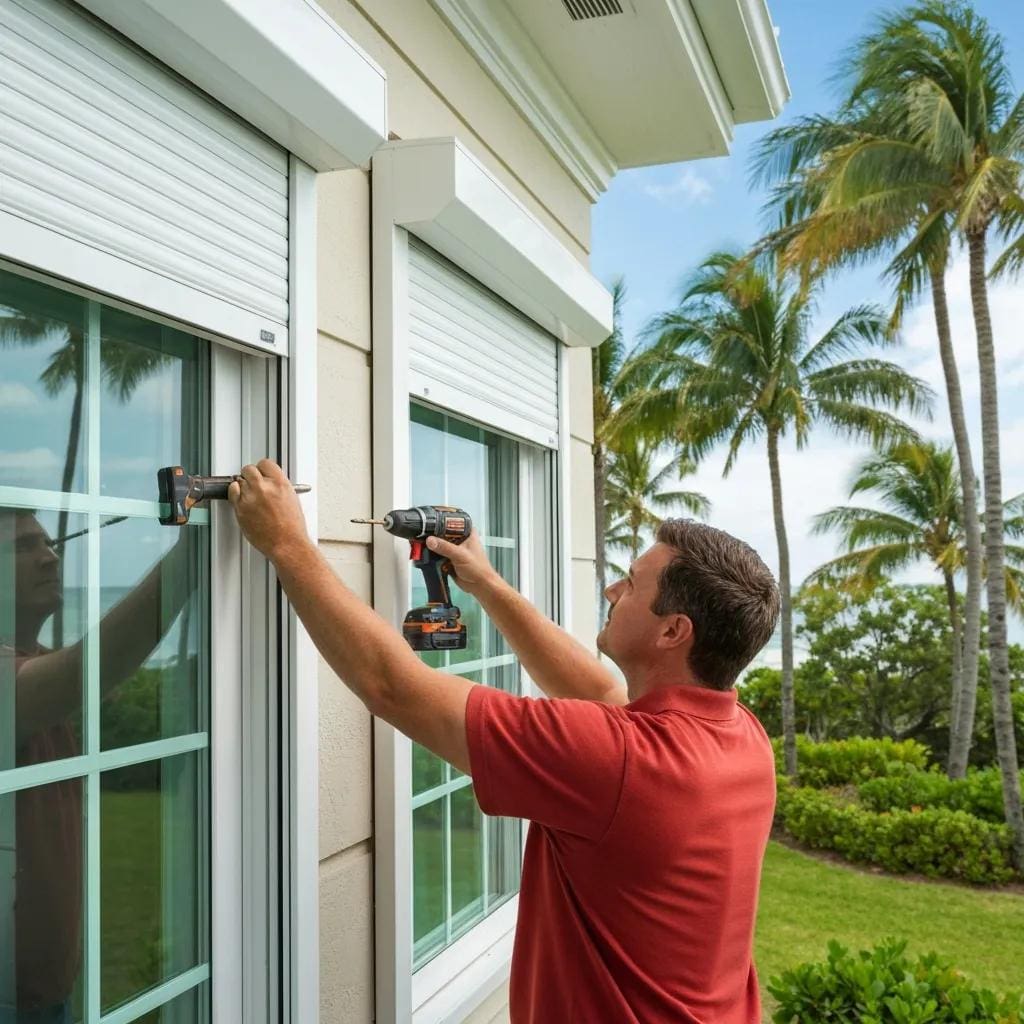
How to Install Roll-Down Hurricane Shutters: A Clear, Step‑by‑Step Guide for Homeowners
Roll-down hurricane shutters create a solid, fast barrier by lowering a curtain of interlocking slats from a compact housing to cover windows and doors. They protect against windborne debris and help reduce wind pressures on your home—especially important on the coast. This guide explains how these systems work, why they’re a strong choice for coastal properties, and what you need to do to install, test, and maintain them so they perform reliably during storms. You’ll find practical installation steps for both manual and motorized units, a list of required tools and corrosion-resistant materials, measurement and permit tips specific to coastal jurisdictions, cost ranges and what drives them, plus a seasonal maintenance and troubleshooting plan. Read on for checklist-style guidance, clear comparisons, and hands-on recommendations to keep your shutters operating year after year.
Essential Tools and Materials for Roll‑Down Shutter Installation
Installing roll-down shutters requires a mix of layout, fastening, and sealing tools plus a few electrical items for motorized systems. Choosing the right tools saves time; choosing the right materials—especially corrosion-resistant metals and fasteners—keeps the system working in salt-air environments. Below are the tool groups and material priorities homeowners and installers should gather before starting so the job goes smoothly and meets wind-load requirements. Good preparation reduces rework and makes final testing and sealing straightforward.
Tools You’ll Need for Manual and Electric Roll‑Down Shutter Installation
Both manual and electric installs use accurate measuring tools, good drilling equipment, fastening drivers, and leveling tools. Motorized systems also require conduit tools and basic electrical gear for safe wiring. Expect to use a hammer drill for masonry anchors, a 1/2″ impact driver for appropriate fasteners, a long spirit level for plumb checks, and a range of drill bits for pilot and anchor holes. Manual setups need a crank and a torque‑limited driver; electric installs add conduit benders, wire strippers, and a multimeter to verify circuits and set motor limits. Having the right kit reduces installation time and lowers the chance of damaging slats or guides.
Next, we’ll cover the corrosion‑resistant component choices that make shutters last on the North and South Carolina coast.
Materials and Fasteners That Deliver Coastal Durability
Pick materials built for marine exposure: 6063‑T6 marine‑grade aluminum for housings and slats, and 18‑8 (or better) stainless‑steel fasteners wherever metal meets substrate. Marine‑grade aluminum balances strength and corrosion resistance; stainless fasteners resist pitting from salt spray. Use sacrificial coatings and non‑reactive washers at attachment points to limit galvanic action. For masonry, use stainless expansion anchors; for wood framing, use through‑bolts or structural wood screws with stainless sheathing to preserve pull‑out strength under design pressure. Choosing these items before drilling reduces retrofit problems and sets you up for accurate layout and anchoring.
Use the quick reference below to confirm your inventory before you start layout and anchoring.
Right tools and coastal‑spec materials are the difference between a short-lived installation and a long-lasting system.
This table helps you confirm the right mix of tools and coastal-grade materials before measured layout and anchoring.
How to Measure and Prepare Your Property for Installation
Accurate measurements and a good substrate inspection are the foundation of a shutter installation that meets wind‑load and clearance needs and runs without binding. Measure opening width and height, reveal depth, and note obstructions such as trim or masonry returns. Check substrate condition and mark structural attachment points. Correct measurements reduce guide‑rail alignment errors and simplify permit documentation—details that follow in the best‑practice measuring section.
Best Practices for Measuring and Marking Drill Points
Verify rough opening dimensions at three heights and three widths and use the most conservative measurement when sizing guide rails and bottom bar clearance. Use a rigid tape measure plus a laser for cross‑checks, and mark centerlines and framing locations with small pilot holes or inspection ports when possible. Leave manufacturer tolerances for lateral play—typically a few millimeters—and use a simple jig or template when laying out multiple identical openings to keep repeatability. Accurate marking reduces alignment issues during shutter box mounting and guide‑rail installation, which we address before covering permits.
Understanding local building codes will tell you whether additional anchoring, certified calculations, or permits are required—see the next section.
How Local Building Codes Change Measurements and Permit Needs
Many jurisdictions require installations that meet the International Building Code (IBC) wind‑load provisions and may require permits for permanent attachments or high design pressures. Wind‑load rules can change anchor spacing, bracket sizing, and even the shutter type you select, so confirm requirements early to avoid rework or failed inspections. Coastal North and South Carolina municipalities can vary on permit thresholds and product certification—plan for engineering inputs and permit timelines when scheduling. If you’re unsure about local rules or need a certified design pressure study, consult a qualified installer before cutting or ordering custom housings.
With measurements and permits checked, the next phase is the physical installation: securing the housing and ensuring smooth curtain operation.
Step‑by‑Step Installation Procedures for Roll‑Down Shutters
A deliberate installation sequence—from mounting the shutter box to final sealing—keeps the job safe, ensures smooth operation, and helps meet wind‑load expectations. The primary stages include pre‑installation checks, secure housing attachment, precise guide‑rail alignment, curtain feeding and operator connection, then operational testing and sealing. Below is a high‑level timeline to set expectations before the mounting specifics.
- Layout & verification (30–60 minutes per opening): Confirm measurements, locate framing, and transfer anchor positions.
- Mount shutter box/housing (1–2 hours): Temporarily support box, confirm level and plumb, fasten at structural points.
- Install guide rails (1–2 hours): Align rails with box, shim for plumb, secure anchors per substrate.
- Feed curtain & attach operator (1–2 hours): Feed curtain into tracks, attach bottom bar, mount manual crank or motor.
- Test, adjust, and seal (30–60 minutes): Cycle shutters, set motor limits or locking points, apply sealants to penetrations.
These stages clarify the major tasks and prepare you for the detailed mounting, alignment, and adjustment steps that follow.
Mounting the Shutter Box and Aligning Guide Rails
Mount the shutter box to solid backing—studs or reinforced substrate—and support it temporarily at the correct projection. Fasten it with rated anchors into structural members, then check level (front‑to‑back) and plumb (vertical) across the box width. Add shims where required so the curtain runs in a straight plane. When installing guide rails, align their top datum to the housing and fasten at close intervals to prevent whipping under wind. Use stainless expansion anchors for masonry and through‑bolts or structural wood screws for wood framing. Accurate alignment here ensures smooth curtain travel and reduces wear on slats and end locks.
Installing the Curtain and Connecting Manual or Electric Operators
Carefully feed the curtain into properly aligned guide rails to avoid deforming the slats. Make sure the top slat seats into the head in the housing and that the bottom bar meets the guide‑rail stop; secure side connections per the manufacturer’s detail. For manual systems, attach and test the crank and manual override. For electric motors, mount the motor inside the housing, route conduit safely, and wire to a dedicated circuit with proper protection following local electrical code. Set motor limit switches using slow test cycles to define full up and full down positions, and confirm the manual release works for emergencies. Once the curtain and operator are in place, move on to systematic testing and sealing.
Testing, Adjusting, and Sealing for Reliable Performance
Begin testing with several open/close cycles to verify smooth travel, consistent speed, and secure bottom‑bar locking. Listen for scraping or sticking that signals alignment issues. Common adjustments include re‑torquing anchors, re‑shimming rails, and fine‑tuning motor limits; record torque values and re‑check anchor tightness after initial cycles. Seal penetrations with non‑reactive sealants—silicone for general seams and compatible tapes or gaskets where recommended—to keep water and salt out of fastener locations. A final inspection should confirm anchor torque, continuous seals, and operation under simulated loads. With that complete, move into long‑term maintenance to preserve performance.
DIY or Hire a Pro: Which Is Right for You?
Many homeowners can install simple manual shutters with the right tools and patience. But complex façades, high wind‑load requirements, multi‑story work, or motorized systems increase risk and usually call for a professional. DIY can save on labor and offer scheduling control, but incorrect anchoring, misalignment, or wiring mistakes can void warranties and create safety hazards. The sections below outline pros and cons to help you decide when to tackle a DIY install and when to hire a licensed installer.
Pros and Cons of DIY Installation
DIY perks include lower labor cost, scheduling flexibility, and the satisfaction of doing the work yourself. Risks include wrong anchor selection, guide misalignment that causes binding, and noncompliance with permits or wind‑load rules. If you’re not comfortable with power tools, working at height, or basic electrical work for motorized units, DIY may not be the best choice. Also check warranty and insurance conditions—some require professional installation or documentation. If you see red flags, professional installation can avoid costly mistakes and protect coverage.
When to Choose Professional Installation for Safety and Code Compliance
Hire a pro for motorized shutters, second‑story or higher installations that need scaffolding, non‑standard openings (arches, large spans), and any project that requires permits or certified Design Pressure Analysis. Licensed installers perform necessary engineering checks, prepare permit‑ready documentation, and do electrical work to code, minimizing inspection problems and safety risks. If you want permit help, certified wind‑load analysis, and a warranty‑backed installation, pick a local installer experienced with coastal conditions. Many providers also offer emergency repairs and ongoing maintenance after storms.
If you’d like professional help, American Hurricane Shutters (AHS Carolinas) offers local expertise, warranty‑backed installations, and services tailored to coastal North and South Carolina—request a free estimate or use our online cost calculator to compare manual and motorized options.
Costs: What to Expect and What Drives Price
Price for roll‑down shutters depends on operation type (manual vs. electric), material grade, opening complexity, and local regulatory needs like permits or certified engineering. Manual systems generally cost less per square foot than motorized units because they omit motors, conduit, and electrical labor. Specialty finishes, high design‑pressure anchors, and hard access can increase labor costs. The table below compares shutter types and typical cost bands to help you estimate project budgets and anticipate what will move the price.
Use these bands to plan financing and to compare quotes. Remember to factor in permit fees, possible engineering, and any electrical upgrades when budgeting.
Typical Price Range: Manual vs. Electric Installations
Manual roll‑down shutters typically fall in a lower per‑square‑foot range because they lack motors, conduit, and electrical labor—good for small openings or budget‑minded projects. Electric shutters add motor costs, control hardware, and professional electrical connection, raising the per‑square‑foot price but offering faster deployment and convenience. When comparing quotes, ask whether permit fees, panel upgrades, and required Design Pressure Analysis are included.
How Complexity and Regulations Affect Total Cost
Complexity—arched openings, thick masonry, limited access requiring scaffolding, or multi‑floor work—can noticeably increase labor and require custom hardware. Local rules that demand Miami‑Dade certification, certified Design Pressure Analysis, or special inspections add engineering fees and permit costs. Budget for contingencies like substrate repair, extra anchoring, or electrical panel work for motorized systems. Planning for these potential cost drivers before you sign a contract reduces surprises.
Maintenance and Troubleshooting After Installation

Regular maintenance keeps shutters operating and extends component life so they’ll work when you need them most. A basic maintenance plan includes cleaning, light lubrication of moving parts, anchor checks, and operational testing. Troubleshooting common problems—binding, noisy travel, motor non‑response, or loose anchors—follows an inspection, minor adjustment, and professional repair progression if needed. Below is a simple maintenance checklist and a troubleshooting table you can use to diagnose issues and decide when to call for service.
Routine maintenance reduces corrosion and binding and keeps the system ready before storm season.
- Visual inspection: Check for salt buildup, corrosion, and loose fasteners.
- Cleaning: Rinse tracks and slats with fresh water and mild detergent to remove salt.
- Lubrication: Apply dry PTFE or silicone spray to guide rails and moving pivots sparingly.
- Operational test: Cycle shutters fully and verify locks and motor limits.
- Anchor check: Torque-test critical fasteners and inspect for substrate movement.
Perform these tasks twice a year and after major storms to catch wear early and keep systems functional.
Cleaning, Lubrication, and Seasonal Maintenance Best Practices
Rinse salt and grit from the curtain and tracks with fresh water and a soft brush; avoid harsh abrasives that can damage finishes and seals. Use a dry PTFE or silicone spray on guide rails and pivots—apply sparingly so debris isn’t attracted. Avoid petroleum‑based oils that gum up tracks. Schedule biannual maintenance in spring and fall, and run a full operational check after any hurricane‑force event. If you see corrosion or electrical issues, call a qualified technician. Regular care reduces repair bills and helps ensure shutters perform as intended.
How to Identify and Fix Common Installation Problems
Find binding by watching where the shutter stalls—inspect guide‑rail plumb, clear foreign material, and confirm curtain edge clearance; re‑shim rails and clean tracks to correct it. For motor issues, isolate power at the breaker, test voltage at the motor, and verify limit switches. Replace motor parts only after electrical troubleshooting or call a licensed technician for complex faults. Tighten or replace loose anchors with properly sized 18‑8 stainless hardware; repeated pull‑out suggests substrate reinforcement is needed. If these fixes don’t help, arrange emergency maintenance to restore protection before the next storm season.
If you prefer professional maintenance or need emergency repairs, American Hurricane Shutters (AHS Carolinas) offers maintenance services, emergency response, and a 7‑year warranty on eligible installations—request a free estimate or cost review via our estimate and cost‑calculator channels.
Frequently Asked Questions
What are the benefits of installing roll-down hurricane shutters?
Roll‑down shutters protect windows and doors from windborne debris, reduce wind pressures on the structure, and add a layer of security. They deploy quickly, giving homeowners time to secure the house before a storm. They can also help reduce heat gain and glare, improving comfort and potentially lowering cooling costs. Built and installed correctly, they offer long‑term performance for hurricane‑prone areas.
How often should I perform maintenance on my roll-down hurricane shutters?
Perform maintenance twice a year—spring and fall—as a baseline, and always after any major storm. Maintenance should include a visual inspection for corrosion, rinsing tracks and slats to remove salt, light lubrication of moving parts, and a full operational test. Regular checks catch problems early and keep the system ready when storms approach.
What should I do if my roll-down hurricane shutters are not operating smoothly?
First, look for visible obstructions in the guide rails or tracks and clean them. Check curtain alignment and bottom‑bar engagement. If the shutter still runs poorly, inspect the motor and electrical connections (for motorized units) and re‑torque anchors. If troubleshooting doesn’t resolve the issue, contact a qualified technician to avoid further damage.
Are there any specific building codes I need to be aware of when installing hurricane shutters?
Yes. Local building codes—especially in coastal areas—may require compliance with the IBC wind‑load provisions, permits for permanent attachments, and product or installation certifications. Requirements vary by municipality, so check with local authorities or a certified installer to make sure your installation meets all applicable standards.
Can roll-down hurricane shutters be installed on any type of window or door?
Roll‑down shutters can be installed on most windows and doors. Standard rectangles are the simplest; arches, very large openings, or unusual details may need custom housings or special hardware. Accurate measuring and consultation with an installer will confirm the best solution for your opening.
What factors influence the cost of installing roll-down hurricane shutters?
Costs vary based on shutter type (manual vs. electric), material grade, opening complexity, and local regulations like permits or required engineering. Labor rises for difficult access, scaffolding, or custom work. Ask for itemized quotes that include permits, engineering, and any electrical work so you can compare accurately.
What should I consider when deciding between DIY installation and hiring a professional?
Consider your skill with power tools, working at heights, and electrical work for motorized units. DIY can save money but risks improper anchoring, alignment issues, or voided warranties. Professionals ensure code compliance, handle complicated mounts, and provide warranty‑backed work. Choose the path that matches your confidence level and the project’s complexity.
Conclusion
Roll‑down hurricane shutters are a proven way to protect coastal homes from storm damage while adding long‑term value and comfort. Follow the steps in this guide—gather the right tools and materials, measure carefully, comply with local codes, and perform regular maintenance—to achieve a reliable installation. If your project requires permits, engineering, or motorized systems, consider working with an experienced local installer who understands coastal conditions. Explore our resources or request an estimate to take the next step in protecting your home.