
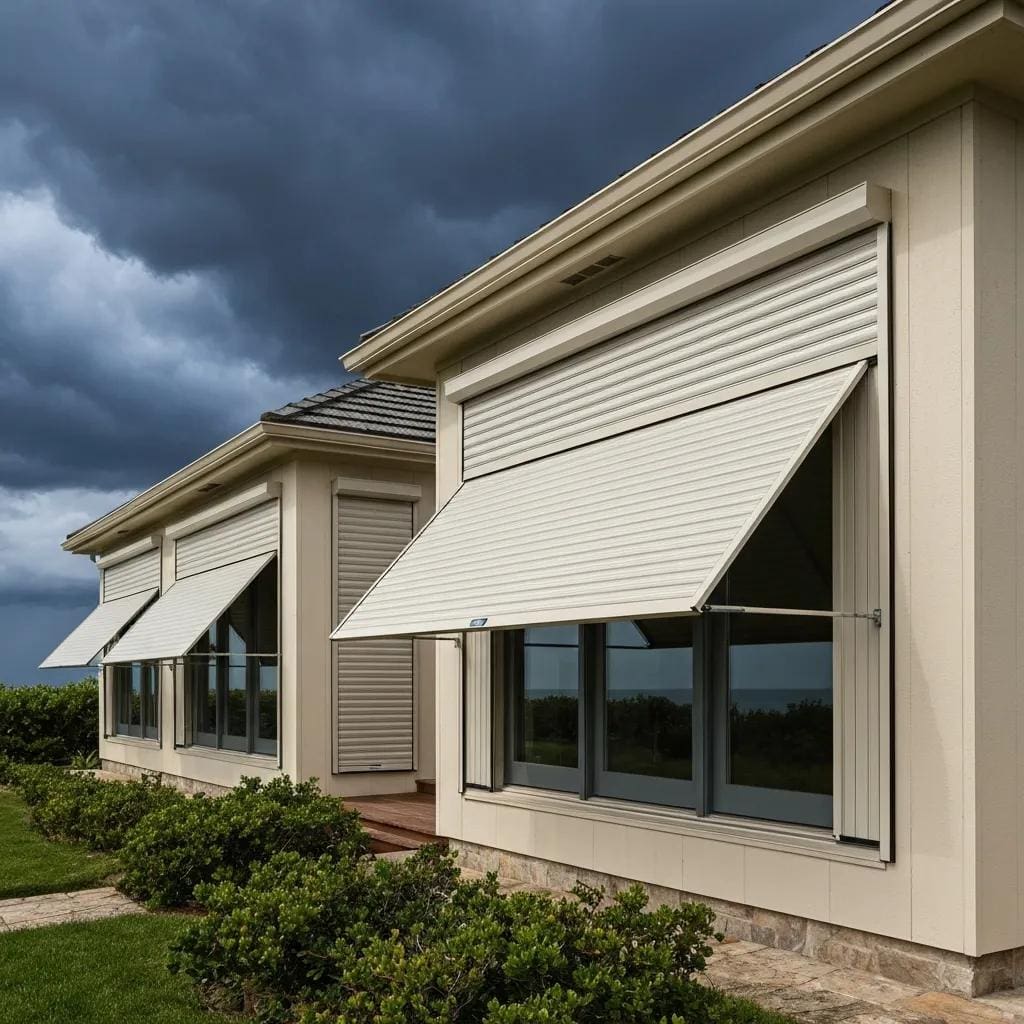
Accordion Shutters vs. Other Exterior Protection: Benefits, Comparisons & Cost Guide for Coastal Homes
Accordion shutters are a permanently mounted storm-protection system made of hinged panels that fold and slide along vertical tracks to cover windows and doors. This guide explains how accordion shutters work, compares them with other exterior protection options, and breaks down cost and local code considerations for homeowners along the North and South Carolina coast. Coastal properties face heavy winds, flying debris, and insurance variables — so the right exterior protection affects safety, repair bills, and possible premium reductions. You’ll find clear information on materials, installation mechanics, cost drivers, situational recommendations, and how to weigh durability, looks, and convenience. We also show how to use online pricing tools and where to request a free estimate so you can move from research to a practical plan. Throughout the guide we compare related solutions like rolldown shutters, hurricane panels, Bahama and Colonial shutters, hurricane screens, and flat polycarbonate (Lexan), and we cover maintenance and insurance documentation steps homeowners should follow.
What Are Accordion Shutters and Their Key Benefits?

Accordion shutters are rigid, hinged panels that fold beside an opening and slide into vertical tracks to create a continuous barrier. They combine wind and impact resistance with straightforward operation. Built from corrosion‑resistant alloys and fitted with robust locks, accordion systems spread wind loads into the structure rather than concentrating force on the glass. When not in use the panels fold to a narrow stack at the jamb, avoiding offsite storage and keeping the exterior tidy. They also add security and save time compared with removable systems — a practical solution for families, rental properties, and any homeowner who needs fast protection.
Key advantages for coastal homeowners include:
- Quick to Deploy: Panels slide and lock in place in minutes so you can secure openings fast.
- Permanently Mounted: Tracks and hardware stay in place year-round for ease and reliability.
- Space-Saving: Panels fold neatly at the side, eliminating seasonal storage needs.
Those benefits make accordion shutters a balanced choice for protection, usability, and permanence on many coastal properties. If you’re looking for a ready-made option, we offer an accordion product line engineered for coastal conditions and custom-fit installation. Request a free estimate to see how a system would fit your home.
How Do Accordion Shutters Provide Reliable Hurricane Protection?
Accordion shutters protect by creating a continuous, rigid barrier that transfers wind pressure and impact forces from the shutter into the building’s structure through tracks and fasteners. That load distribution reduces stress on glass and window frames and lowers the chance of breach from flying debris. Marine‑grade aluminum and stainless fasteners resist salt‑air corrosion so performance holds up over repeated deployments. Certified systems are tested for impact and cyclic wind loads, giving homeowners options that meet local building authorities and insurance documentation requirements.
Knowing how shutters distribute forces also highlights why correct anchoring and routine inspection of tracks and latches are essential — those checks keep the system ready when a storm arrives.
What Makes Accordion Shutters Easy to Use and Space-Saving?
Accordion shutters operate simply — manually or with optional motorized assist — so one person can secure multiple openings more quickly than installing removable panels. The panels fold into a slim stack beside the opening, conserving wall space and removing the need for seasonal storage. Motorized or spring‑assist options reduce effort for large or high openings; manual versions remain low‑maintenance and intuitive. That compact storage, straightforward operation, and immediate readiness make accordion systems a strong fit for homeowners who want reliable protection without extra hassle.
This convenience is a major reason many homeowners choose permanently mounted systems over removable panels when short notice deployments are likely.
How Do Accordion Shutters Compare to Other Hurricane Shutter Types?
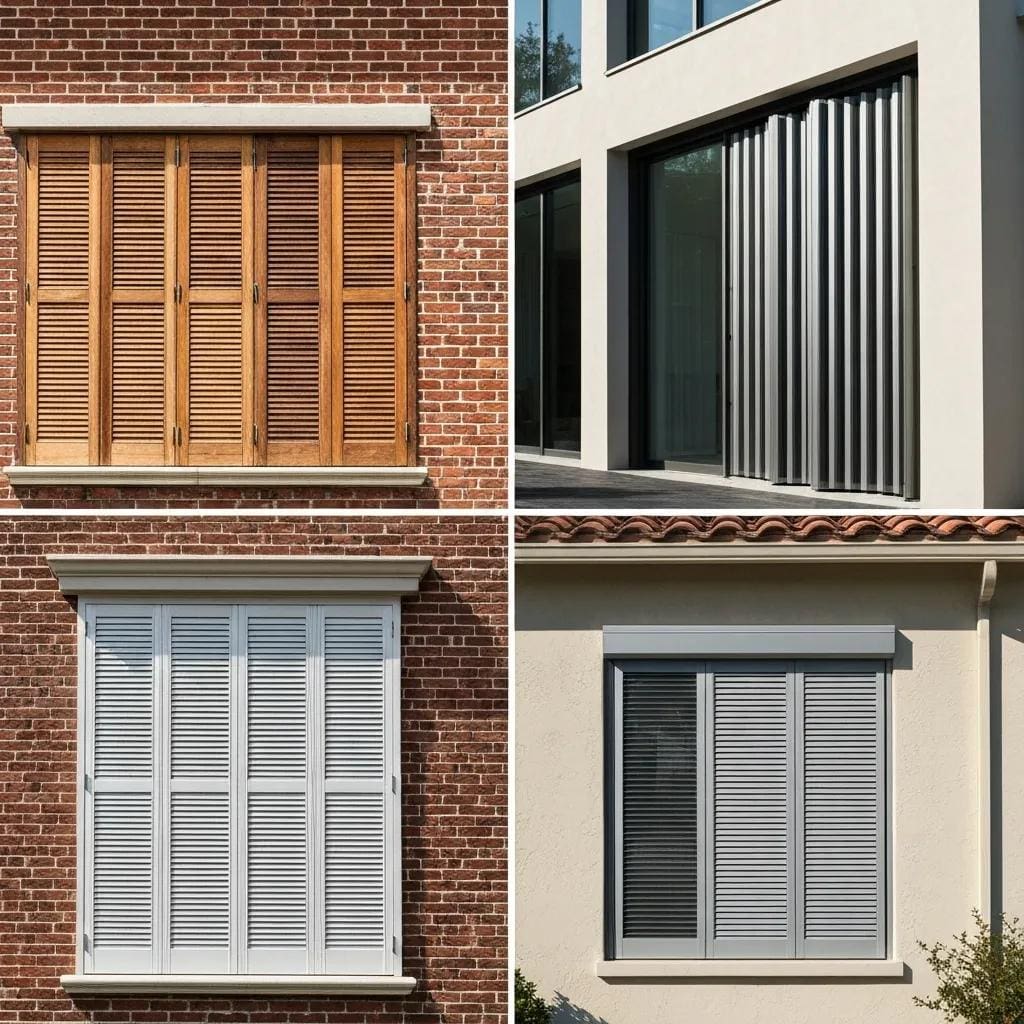
Accordion shutters hold up well against other shutter types in protection, convenience, and appearance, though each option has its own advantages depending on opening size, budget, and design goals. The table below summarizes protection level, ease of use, aesthetics, cost range, and maintenance for common shutter types to help you compare quickly.
Common trade-offs for coastal homes include:
The table shows accordion and rolldown shutters generally offer faster, stronger protection than removable panels, while Bahama and Colonial styles add curb appeal with more limited impact resistance. For large patio doors or sliding walls, rolldown systems may be preferable; for many window sizes, accordion shutters balance cost and convenience.
What Are the Differences Between Accordion Shutters and Rolldown Shutters?
Accordion shutters use hinged panels that slide on vertical tracks and stack at the side. Rolldown shutters roll into a headbox above the opening and usually offer a very low profile when retracted. Rolldown systems are often motorized and can be more seamless visually, but they typically cost more and may need more complex service for motors and controls. Accordion shutters are mechanically simpler, easier to retrofit to existing openings, and can be less costly while still providing certified protection. Your choice comes down to priorities — hidden headbox and automation versus simpler mechanics and lower initial cost.
We’ll help you weigh those trade-offs so you get the right solution for each opening.
How Do Accordion Shutters Compare to Hurricane Panels, Bahama, and Colonial Shutters?
Removable hurricane panels are budget-friendly for occasional use but require storage and installation effort. Bahama and Colonial shutters add architectural character and some storm resistance but usually don’t match the continuous impact protection of permanent systems. Accordion shutters sit between those choices: permanently mounted and quick to deploy without the concealed headbox of a rolldown. They typically deliver stronger protection than decorative shutters and more convenience than panels.
After weighing trade-offs, many homeowners who face regular storm exposure choose permanently mounted systems for their immediate readiness and certified protection levels.
What Is the Cost Difference Between Accordion Shutters and Other Exterior Protection Options?
Costs vary with materials, labor, opening size, motorization, and coastal-grade finishes. Accordion shutters typically sit in a medium-to-high price band compared with removable panels and can be less expensive than fully motorized rolldown systems for comparable openings. Accurate comparison requires factoring per-square-foot material costs, installation complexity, and any permitting or code compliance work. Use the cost-calculator on our site to model scenarios and then request a free onsite estimate to confirm final pricing.
Key cost drivers include:
- Material and coastal finishes to resist salt air and corrosion.
- Installation complexity — retrofitting can add labor compared with new construction.
- Motorization, automation, and any required electrical work for powered systems.
Knowing these factors helps homeowners prioritize features that deliver the best long‑term value and resilience for coastal exposure.
How Much Do Accordion Shutters Cost Compared to Hurricane Panels and Rolldown Shutters?
Generally, removable hurricane panels are the least expensive per opening, accordion shutters fall in the middle, and motorized rolldown systems are at the higher end when automation is included. For example, a small bedroom window may be cost‑effective with accordion shutters, while very large patio openings can push accordion costs higher unless motorization is added. The table below gives average comparative figures and lifespan/warranty notes to help evaluate long‑term value.
These ranges are illustrative. Use the cost‑calculator to refine expectations by opening size and features, then schedule an onsite estimate for exact, site‑specific pricing.
What Factors Influence the Pricing of Accordion and Other Shutter Types?
Price depends on material selection, the number and size of openings, installation complexity, motorization, coastal‑grade coatings, and any required engineering or permitting for code compliance. Coastal environments usually add cost because corrosion‑resistant finishes and stainless hardware are recommended to preserve lifespan and certification. Warranty level, brand components, and aftermarket service plans also affect upfront and lifecycle costs. Prioritizing certified impact ratings and corrosion resistance often provides better long‑term value than choosing the lowest initial price.
Gather accurate measurements, opening types, and exposure details before using calculators or scheduling installer estimates — that information makes quotes much more reliable and helps with insurance documentation later.
Which Hurricane Protection Options Are Best for Coastal Homes in North and South Carolina?
The best option depends on exact location (beachfront, barrier island, near‑shore neighborhoods), exposure to wind and debris, and local building code requirements. In communities like Wilmington, Myrtle Beach, Oak Island, Topsail, New Bern, and Pawleys Island, permanently mounted systems such as accordion or rolldown shutters often provide certified protection and faster deployment than removable panels — a critical advantage when storms approach quickly. Local authorities may require documented impact ratings and certified installations for permits, so always verify product listings and installer experience before purchase.
Because codes and insurance rules vary locally, check approved product lists and documentation requirements with your building department and insurance agent. For local, code‑compliant installations and estimates across coastal North and South Carolina, contact us for tailored guidance and service.
How Do Local Building Codes Affect Shutter Selection in Coastal NC and SC?
Local codes in coastal North and South Carolina focus on approved impact ratings, structural attachment methods, and documentation needed for permits and inspections. Requirements differ by municipality and flood zone. Products usually must be listed to recognized testing protocols and be installed per engineering recommendations to satisfy authorities. Experienced installers should verify product listings and supply the paperwork needed for permit applications so the system is accepted by both the local jurisdiction and insurers.
Confirming code compliance before purchase reduces risk and helps when pursuing insurance premium discounts — collect the necessary certification and installation documents up front.
What Are the Insurance Benefits of Installing Accordion Shutters and Other Options?
Many insurers factor verified hurricane protection into premiums for coastal properties. Installing certified shutters and keeping documentation — product certifications, permits, installation invoices, and photos — can lead to discounts or better underwriting terms. Insurers typically ask for proof that systems meet tested standards and were installed correctly, so keep installer paperwork and manufacturer certificates handy. Talk with your agent to learn specific discount eligibility and required documents for your policy.
Organizing these records at installation simplifies future claims and makes it easier to shop insurance competitively.
What Are the Common Disadvantages of Accordion Shutters and How Are They Addressed?
Accordion shutters have a few drawbacks: visible side stacks that may affect curb appeal, potential track wear in corrosive coastal environments, and periodic maintenance needs for latches and tracks. Typical wear points include track alignment, hinge fatigue, and fastener corrosion. Aesthetic concerns are often handled with color‑matched finishes and low‑profile hardware, while mechanical issues are managed with routine inspections and timely service. Planning for maintenance and choosing corrosion‑resistant materials reduces lifecycle costs and preserves performance.
Mitigation generally involves selecting coastal‑grade components, scheduling routine upkeep, and using properly engineered installations; the sections below detail common failure modes and fixes.
What Are the Potential Mechanical or Aesthetic Drawbacks of Accordion Shutters?
Mechanical issues commonly arise from track misalignment, latch wear, or corroded fasteners, which can make operation difficult and, if left unaddressed, affect performance. Salt spray speeds corrosion, so coastal‑grade finishes and stainless hardware are important for longevity. Visually, side‑mounted stacks are noticeable from the street, but color matching and careful placement can minimize their impact. Expect occasional lubrication, periodic checks of anchorage points, and prompt repair of bent or damaged panels to keep your shutters rated and reliable.
Understanding these wear patterns helps you prioritize maintenance and pick materials that match your site’s exposure.
How Does American Hurricane Shutters Mitigate These Disadvantages?
We provide engineered, custom‑fitted accordion systems and ongoing service across coastal North and South Carolina. Our installations prioritize proper anchoring, coastal‑grade materials, and corrosion‑resistant components to reduce common maintenance issues. Use our online pricing tools to model options, then schedule an onsite evaluation for accurate, site‑specific recommendations and long‑term service plans that address maintenance needs and documentation for insurance or permits.
Our service approach helps homeowners minimize operational problems and ensures installations are documented for both insurers and building officials.
How Can Homeowners Get a Free Estimate and Choose the Right Hurricane Protection?
Start by measuring openings, noting exposure and access constraints, and narrowing your priorities — quick deployment, hidden hardware, or lower upfront cost. Use the online cost‑calculator to compare options, then schedule an onsite measurement for precise dimensions and mounting details. Gather photos and information about your cladding and trim to improve estimate accuracy. The steps below show a common workflow from research to a final quote.
- Gather Measurements: Measure height and width of each opening and note any obstructions.
- Set Priorities: Decide if speed of deployment, concealed hardware, or budget is most important.
- Use a Pricing Tool: Model accordion, rolldown, and panel options to compare costs.
- Request an Onsite Estimate: Schedule a technician to verify measurements and review code and installation details.
Following these steps moves you from general research to site‑specific pricing and installation planning. After you receive a final estimate, review warranty coverage and maintenance recommendations before you commit.
How to Use the Hurricane Shutter Cost Calculator for Accurate Pricing?
Our cost‑calculator asks for opening dimensions, shutter type, preferred materials/finishes, and motorization choices, then returns estimated price ranges to help compare options. Enter exact measurements and specify whether the opening is a standard window, sliding door, or large multi‑panel door for realistic results. Remember these are estimates — onsite assessments account for framing, fastener access, and any reinforcement needed. Treat the calculator output as a planning tool and follow up with an on‑site inspection for definitive pricing and scope.
Interpreting calculator results helps you prepare for the onsite quote and compare long‑term value between systems.
What Are the Steps to Request a Free Estimate from American Hurricane Shutters?
To request a free estimate, use our website or business listing to describe your project, upload measurements and photos if available, and request an on‑site measurement and quote. During the visit our estimator will verify openings, discuss product options, confirm code‑compliance, and document recommended attachment methods and finishes. Expect a detailed, site‑specific proposal afterward that outlines product selection, installation scope, warranty details, and maintenance guidance — all useful for decision‑making and insurance documentation.
Providing accurate measurements and photos up front shortens the estimate process and tightens final pricing and schedules.
Frequently Asked Questions
1. What maintenance is required for accordion shutters?
Regular maintenance keeps accordion shutters working when you need them. Inspect tracks and hinges for wear or corrosion — especially in coastal climates — and lubricate moving parts periodically for smooth operation. Check locking mechanisms for proper function and have a professional inspection every few years to catch issues early. Routine care helps ensure the shutters protect your home during storms.
2. Can accordion shutters be installed on any type of window or door?
Accordion shutters can be installed on most windows and doors, including standard windows, sliding glass doors, and large openings. Installation varies by opening size and configuration, so consult a professional installer to determine the best mounting approach and to ensure compliance with local codes and impact standards.
3. How do accordion shutters affect the aesthetics of a home?
Because accordion shutters are permanently mounted, they are visible when retracted. Many manufacturers offer color and finish options to match your exterior and reduce visual impact. The panels fold neatly to the side, preserving much of the home’s look. If curb appeal is a priority, discuss color matching and low‑profile hardware with your installer.
4. Are accordion shutters suitable for rental properties?
Yes. Accordion shutters work well for rental properties, particularly in coastal areas. Their quick deployment and simple operation make them tenant‑friendly, and permanent installation removes storage concerns. Certified storm protection can also be an attractive feature for renters and may help lower insurance costs for landlords.
5. What are the insurance implications of installing accordion shutters?
Installing certified accordion shutters can lower homeowners insurance premiums with some carriers. Insurers usually require documentation showing product certification and proper installation. Keep permits, installation invoices, and manufacturer certificates to present to your agent — that paperwork helps with premium reviews and claims processing.
6. How do accordion shutters perform in terms of energy efficiency?
Accordion shutters add an extra insulating layer when closed, which can reduce heat transfer and help keep your home cooler in summer and warmer in winter. They also block sunlight and UV exposure, protecting interior furnishings. Properly installed shutters can contribute to modest energy savings and improved comfort.
7. What should homeowners consider when choosing between accordion shutters and other options?
Consider budget, ease of use, aesthetics, and required protection level. Accordion shutters strike a balance between convenience and durability, making them a good choice for frequent use. But evaluate your specific needs — opening size, local code requirements, and insurance considerations — and consult a professional to determine the best solution for your property.
Conclusion
Accordion shutters are a dependable, ready‑to‑use option for coastal homeowners who want strong, fast protection without seasonal storage. Their permanent installation, coastal‑grade materials, and simple operation offer real safety and potential insurance benefits, while color and finish choices help preserve curb appeal. If you’re serious about protecting your home, start with our cost‑calculator and request a free onsite estimate to find the right system for your needs.