Types of Hurricane Protection Screens Explained: A Homeowner’s Guide to Choosing the Best Hurricane Screen Types
Hurricane protection screens are engineered exterior barriers made from high-strength fabrics and mounting systems that shield openings from wind, flying debris, and driving rain. This guide explains the primary types of hurricane protection screens, how material choices affect performance, and practical homeowner advantages such as storm resilience, energy reduction, and insurance mitigation. Choosing the right screen type matters because material strength, UV stability, visibility, and mounting method together determine protection and daily usability for lanais, porches, and large openings. The article outlines the main screen types and operational forms, compares material attributes using clear tables, explains homeowner benefits with an actionable EAV table, and covers installation, maintenance, and relevant certifications like Miami-Dade and the Florida Building Code. Readers will learn to match Aramid, Polypropylene, or alternative fabrics to their risk profile and aesthetic needs, understand installation and upkeep essentials, and know what certification documentation to request when evaluating products.
What Are the Main Types of Hurricane Protection Screens?
Hurricane protection screens come in distinct material categories and operational formats that determine performance and homeowner experience. The primary material types are high-performance aramid fibers, cost-conscious polypropylene meshes, and PVC-coated polyester or specialty fabrics; operational forms include manual removable panels, motorized roll systems, and track-mounted screens. Understanding both material and form guides decisions for large openings such as lanais and porches where visibility and ease of use are priorities. The following list summarizes the core types to quickly orient homeowners to options and trade-offs before deeper material comparisons.
Common hurricane screen types include:
- Aramid hurricane screens: premium fiber mesh offering high tensile strength with good visibility.
- Polypropylene hurricane screens: lightweight, economical, and suitable for moderate-risk locations.
- PVC-coated polyester and specialty meshes: versatile options that balance abrasion resistance and cost.
What Are Aramid Hurricane Screens and Their Key Benefits?
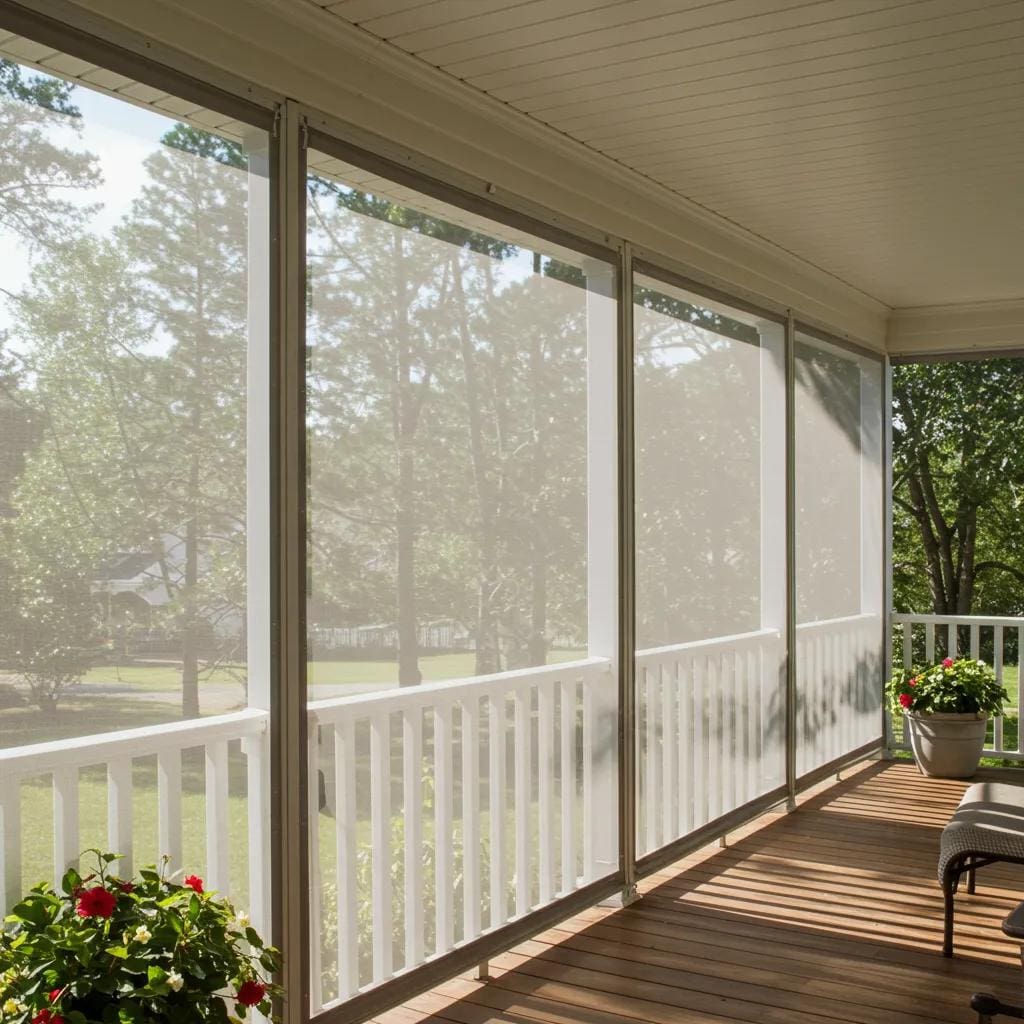
Aramid hurricane screens are woven fiber meshes built from high-modulus synthetic fibers that deliver exceptional strength-to-weight ratios and impact resistance. The material mechanism is high tensile capacity combined with woven energy dissipation, which reduces penetration risk from windborne debris while preserving sightlines for lanais and porches. Homeowners benefit from durable protection that maintains visibility and light transmission compared with opaque metal panels, making aramid a preferred choice for large, view-sensitive openings. Given its premium positioning, aramid is often selected where high risk, long service life, and minimal visual obstruction are priorities, and this naturally transitions to comparing aramid with more economical materials.
Para-aramid Fiber Properties for Extreme Environment Protection
The high modulus and strength of Kevlar result from its para-aramid rigid rod polymer backbone that forms from liquid crystal solutions with ordered domains that spontaneously align.
How Do Polypropylene Hurricane Screens Compare in Durability and Cost?
Polypropylene hurricane screens use a thermoplastic fiber woven into meshes that offer cost-effective impact protection and easy installation. The material’s mechanism relies on a balance of energy absorption and flexibility; polypropylene performs well for resisting moderate impacts but can show faster UV-related degradation than higher-end fibers. Homeowners choose polypropylene for budget-sensitive projects or secondary openings where absolute maximum tensile strength is not required, understanding that periodic inspection and replacement cycles may be shorter. This cost-versus-performance trade-off leads to consideration of other fabric alternatives for specific use-cases.
What Other Fabric Options Are Available for Hurricane Screens?
Beyond aramid and polypropylene, options include PVC-coated polyester, ballistic-style nylon, and specialty UV-stable meshes tailored for abrasion resistance or enhanced visibility. Each alternative material leverages a specific mechanism—coating for weatherproofing, tighter weave for security, or color/finish for glare reduction—and fits niche homeowner needs from pet resistance to extra-strong coastal UV environments. Selecting these fabrics depends on the desired balance of cost, longevity, and appearance, and understanding visibility and UV effects helps homeowners finalize choices for porches and lanais. The next section compares these materials directly by performance attributes.
How Do Hurricane Screen Materials Affect Performance and Protection?
Material properties—tensile strength, UV resistance, visibility (light penetration), and expected lifespan—directly map to real-world protection outcomes for storm events and daily use. Strength determines resistance to high-energy impacts, UV resistance governs long-term durability in sun-exposed coastal settings, and visibility influences whether a screen is suitable for a lanai or porch where views matter. Below is a concise comparison that helps homeowners translate material attributes into practical expectations when evaluating options and certifications.
Material comparisons by key attributes:
What Are the Strength and UV Resistance Differences Between Aramid and Polypropylene?
Aramid fibers exhibit significantly higher tensile strength and better long-term UV stability than polypropylene, which relies on a lower-cost thermoplastic that can embrittle faster under prolonged sun exposure. The mechanism behind aramid’s superior performance is its high-modulus polymer structure that resists fiber breakage and preserves mesh integrity after repeated impacts. For homeowners this means aramid screens typically deliver longer service life and fewer replacements, especially in sun-heavy coastal North Carolina and South Carolina locations. Understanding these durability differentials helps inform maintenance planning and warranty expectations for different installations.
How Does Visibility and Light Penetration Vary Among Hurricane Screen Fabrics?
Visibility and light penetration depend on mesh count, thread thickness, and color; tighter weaves and thicker threads reduce visibility but can slightly increase impact performance, while finer aramid meshes preserve views with minimal glare. The mechanism is simple: larger open area in the weave increases light transmission and outward visibility while reducing obstruction. For lanais and porches where a view is primary, homeowners should prioritize high-visibility meshes such as aramid or select specialty weaves that balance protection with aesthetics. These visibility choices naturally affect homeowner benefits like energy shading and UV reduction, discussed next.
What Are the Benefits of Installing Hurricane Protection Screens for Homeowners?
Hurricane screens deliver multiple homeowner-facing benefits through specific protective and environmental mechanisms: they absorb and dissipate impact energy, reduce solar heat gain, and preserve views while adding documented mitigation that can influence insurance and resale value. The practical results include fewer storm-related repairs, improved indoor comfort, and potential wind-mitigation credits when certified products are documented. The table below makes these homeowner benefits tangible so readers can assess expected impacts and next steps for verification.
These outcomes demonstrate why investment in appropriate hurricane screens is often cost-effective over time and set up the practical examples of storm protection and energy benefits that follow.
For homeowners considering professional solutions, American Hurricane Shutter offers Hurricane Screens tailored for large openings such as porches and lanais, alongside other options like Roll-down Shutters and Accordion Shutters. The company also provides a cost calculator and free consultations to help estimate project costs and potential insurance benefits.
How Do Hurricane Screens Provide Storm Protection Against Wind, Debris, and Rain?
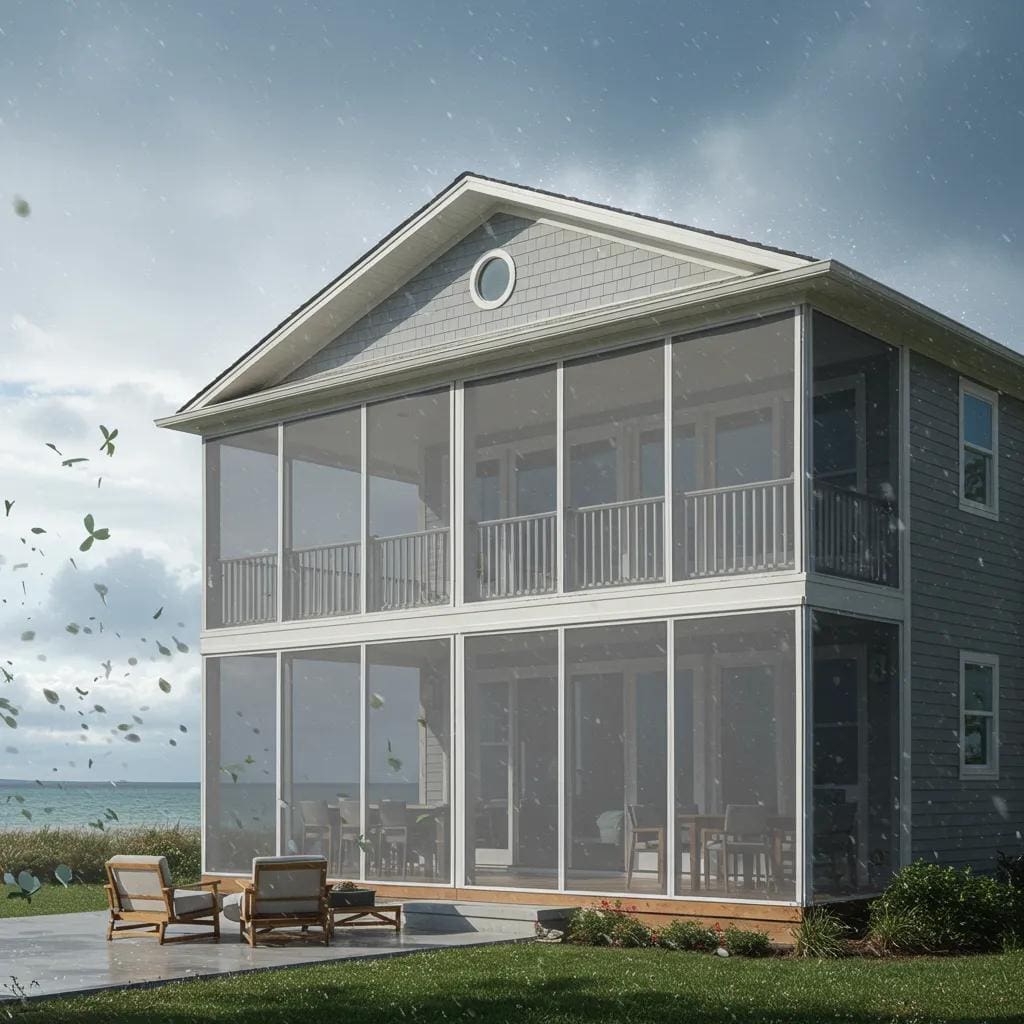
Hurricane screens protect openings by intercepting windborne debris and dissipating impact energy across the weave and mounting system, which prevents glass failure and reduces water and wind intrusion. The technical mechanism involves a combination of mesh tensile strength and secure anchoring that spreads load to the structure rather than a single attachment point. Homeowner examples include protected lanais where screens absorb repeated impacts without compromising the overall enclosure, demonstrating how appropriate mounting and material together produce resilient systems. Understanding these load-transfer mechanics leads directly into maintenance and installation best practices.
Improving Hurricane Resistance of Aluminum Screen Enclosures Through Connection Testing
improve hurricane-resistance of aluminum screen enclosures by improving the performance of connections. After identifying the attributes of better-performing connections, cost-benefit analyses were performed to determine the most effective improvements.
Can Hurricane Screens Improve Energy Efficiency and Reduce UV Damage?
Screens act as external shading devices that block a portion of direct solar radiation, reducing solar heat gain through glazing and lowering interior temperatures during peak sun exposure. The mechanistic benefit is decreased HVAC cycling and reduced UV exposure to furnishings, which over time preserves finishes and can yield modest energy savings. Homeowners should consider mesh openness and color to maximize shade while retaining desired daylight levels, balancing thermal and visual comfort needs. These energy advantages complement storm protection benefits and can influence insurance and resale outcomes.
How Do Hurricane Screens Affect Home Value and Insurance Premiums?
Certified storm protection measures can increase a property’s marketability and may qualify homeowners for wind mitigation credits or premium discounts when supported by documentation and approved certifications. The practical action is to retain installation records, certification numbers, and test reports to present to insurers and appraisers, thereby translating mitigation into documented financial value. Homeowners who provide such records often simplify insurance reviews and expedite claims after events, reinforcing the importance of certified products and thorough documentation. This documentation requirement leads naturally into installation and verification topics in the next section.
How Are Hurricane Screens Installed and Maintained for Long-Term Use?
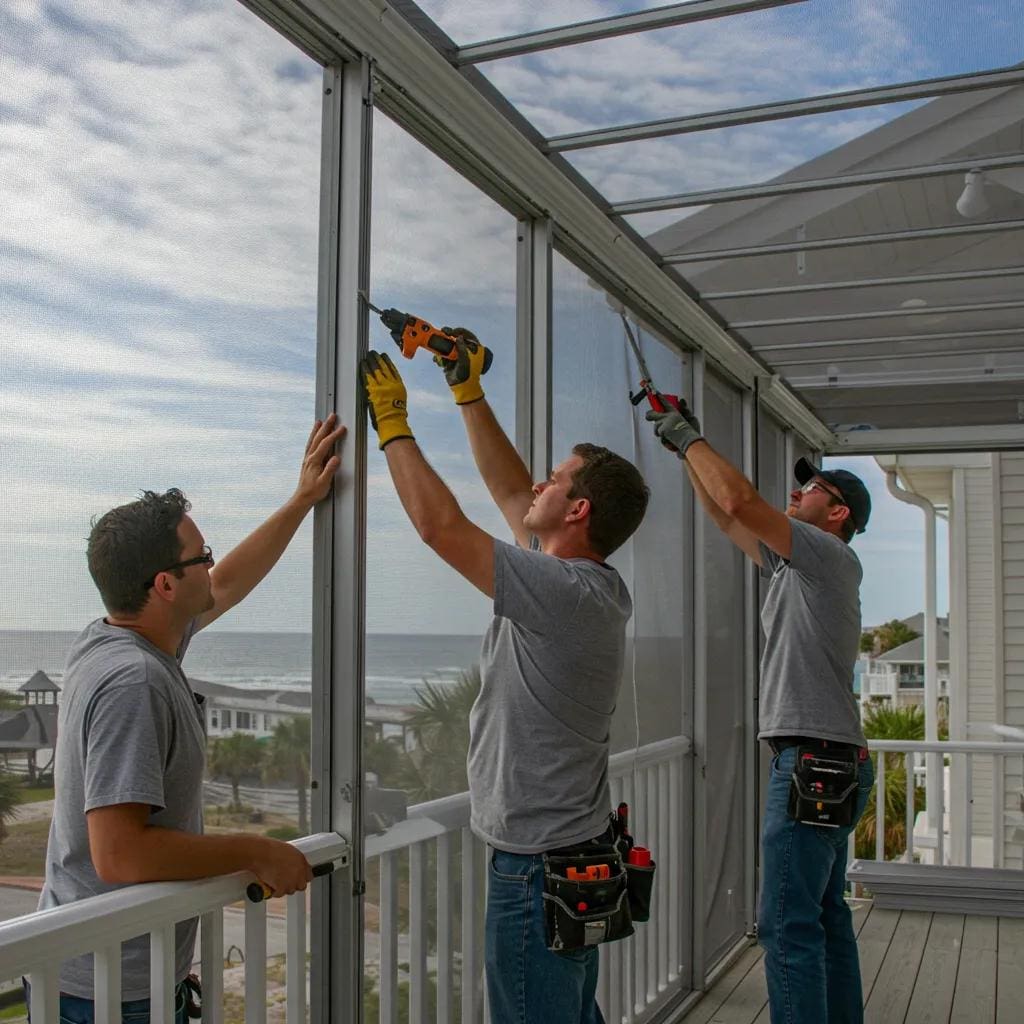
Proper installation and routine maintenance ensure hurricane screens perform as designed across multiple seasons by preserving anchor integrity, track operation, and fabric condition. Installation must transfer impact and wind loads into the structure using appropriate anchors and engineered design, while maintenance routines prevent premature failures from corrosion, dirt, or motor wear. The following H3s explain why professional installation matters and outline a homeowner maintenance checklist to keep screens reliable year after year.
Why Is Professional Installation Important for Hurricane Screens?
Professional installation is important because correct anchoring, precise track alignment, and structural design analysis ensure that the screen system transfers forces safely to the building frame. Poor installation can compromise performance even with high-quality materials, making Design Pressure Analysis and proper fasteners critical to maintaining certified resistance levels. American Hurricane Shutter emphasizes 18-8 stainless steel installation and Design Pressure Analysis to achieve secure anchoring and code-compliant performance, which reduces installation-related failure risk. Recognizing these technical installation requirements helps homeowners decide when to hire trained installers versus attempting DIY methods.
What Are the Best Maintenance Practices for Cleaning and Inspecting Screens?
Routine maintenance includes periodic cleaning to remove salt and debris, visual inspections for tears or loose hardware, and lubrication or servicing of motors and tracks for motorized systems. A practical checklist is to inspect after storms, clean fabric with mild detergent seasonally, check anchor torque annually, and test motor function under load to ensure reliable operation. Early detection of small tears or corroded hardware reduces repair costs and preserves warranty compliance, making scheduled maintenance a small investment with tangible protection benefits. These upkeep routines support long-term performance and certification validity addressed next.
What Certifications and Standards Ensure Hurricane Screen Quality and Safety?
Certifications such as Miami-Dade County approval, Florida Building Code compliance, and ICC standards verify that hurricane screens have undergone standardized impact and wind testing and meet regional performance thresholds. These standards validate that a product resisted prescribed test protocols and that installation instructions and attachments meet documented requirements to achieve rated protection. Homeowners should ask for test reports and certification numbers to confirm performance and to support insurance or permitting processes; the table below explains what each certification verifies and how to check them.
Knowing which documents to request simplifies verification and insurance processes, and understanding certification leads to the supplier-level details discussed next.
What Is Miami-Dade County Approval and Why Does It Matter?
Miami-Dade County Approval, typically shown as a Notice of Acceptance (NOA), certifies that a product passed region-specific impact and wind-resistance tests and is acceptable for use in high-risk coastal applications. The NOA mechanism ensures consistent, repeatable testing and offers homeowners third-party evidence that a system meets strict performance thresholds. Requesting the NOA number and associated test documentation provides direct verification and supports permitting and insurance processes, bridging product selection with regulatory compliance. This verification focus naturally extends to statewide code compliance issues.
How Do Florida Building Code and ICC 500 Ratings Validate Hurricane Screens?
Florida Building Code compliance indicates that a product meets state-level requirements for windborne debris regions and that the manufacturer provides installation instructions and test evidence aligned with code. ICC 500 and related ICC standards set broader performance criteria for protective systems and shelters, and referencing these standards clarifies testing protocols and acceptance criteria. Homeowners should ask manufacturers or installers for specific test reports and documented compliance statements to confirm that the installed system satisfies applicable codes and supports mitigation claims. For certified installations and local service in Coastal North Carolina and South Carolina, American Hurricane Shutter can provide product certification details and assistance requesting NOA and test documentation, and can offer free consultations and a cost calculator to estimate project scope and potential insurance advantages.
Frequently Asked Questions
What factors should I consider when choosing hurricane protection screens?
When selecting hurricane protection screens, consider factors such as material strength, UV resistance, visibility, and installation method. Each material type, like aramid or polypropylene, offers different levels of durability and cost. Additionally, think about the specific openings you need to protect, such as lanais or porches, and how much visibility you want to maintain. It’s also essential to evaluate your local climate and risk profile to ensure you choose a screen that meets your needs effectively.
How often should hurricane screens be inspected and maintained?
Hurricane screens should be inspected at least once a year, with additional checks after severe weather events. Regular maintenance includes cleaning the fabric to remove dirt and salt, checking for tears or loose hardware, and ensuring that any motorized components are functioning correctly. By adhering to a maintenance schedule, homeowners can extend the lifespan of their screens and ensure they perform optimally during storm conditions.
Can hurricane screens be customized for specific home designs?
Yes, many manufacturers offer customization options for hurricane screens to fit unique home designs and aesthetic preferences. Homeowners can choose from various colors, weaves, and mounting systems to ensure that the screens complement their home’s architecture while providing the necessary protection. Customization can also include specific sizing to accommodate different openings, ensuring a perfect fit and optimal performance.
What is the typical lifespan of hurricane protection screens?
The lifespan of hurricane protection screens varies based on the material used and environmental conditions. High-quality aramid screens can last 10 to 15 years or more with proper maintenance, while polypropylene screens may require replacement every 5 to 10 years due to UV degradation. Regular inspections and maintenance can help maximize the lifespan of your screens, ensuring they remain effective over time.
Are there any insurance benefits associated with installing hurricane screens?
Yes, installing certified hurricane protection screens can lead to potential insurance benefits, such as premium discounts or wind mitigation credits. Many insurance companies recognize the added protection these screens provide and may offer lower rates for homes equipped with them. Homeowners should keep documentation of the installation and certification to present to their insurance providers for possible savings.
How do I verify the certifications of hurricane protection screens?
To verify the certifications of hurricane protection screens, homeowners should request documentation from the manufacturer, including Miami-Dade County approval, Florida Building Code compliance, and ICC standards. These documents provide evidence that the screens have undergone rigorous testing and meet specific performance criteria. Ensuring that your screens are certified can also facilitate insurance claims and compliance with local building codes.
What should I do if my hurricane screens are damaged during a storm?
If your hurricane screens are damaged during a storm, first assess the extent of the damage and document it with photos for insurance purposes. Depending on the severity, you may need to repair or replace the screens. Contact a professional installer to evaluate the damage and recommend the best course of action. Timely repairs can help maintain the integrity of your home and ensure protection for future storms.
Conclusion
Investing in hurricane protection screens offers homeowners enhanced safety, energy efficiency, and potential insurance benefits, making them a wise choice for coastal living. Understanding the various materials and their attributes empowers homeowners to select the best option for their specific needs and risk profiles. By prioritizing certified products and professional installation, you can ensure long-lasting performance and peace of mind during storm season. Explore our range of hurricane screens today to safeguard your home effectively.