
Key Factors to Consider When Choosing the Best Roll Down Hurricane Shutter Brand
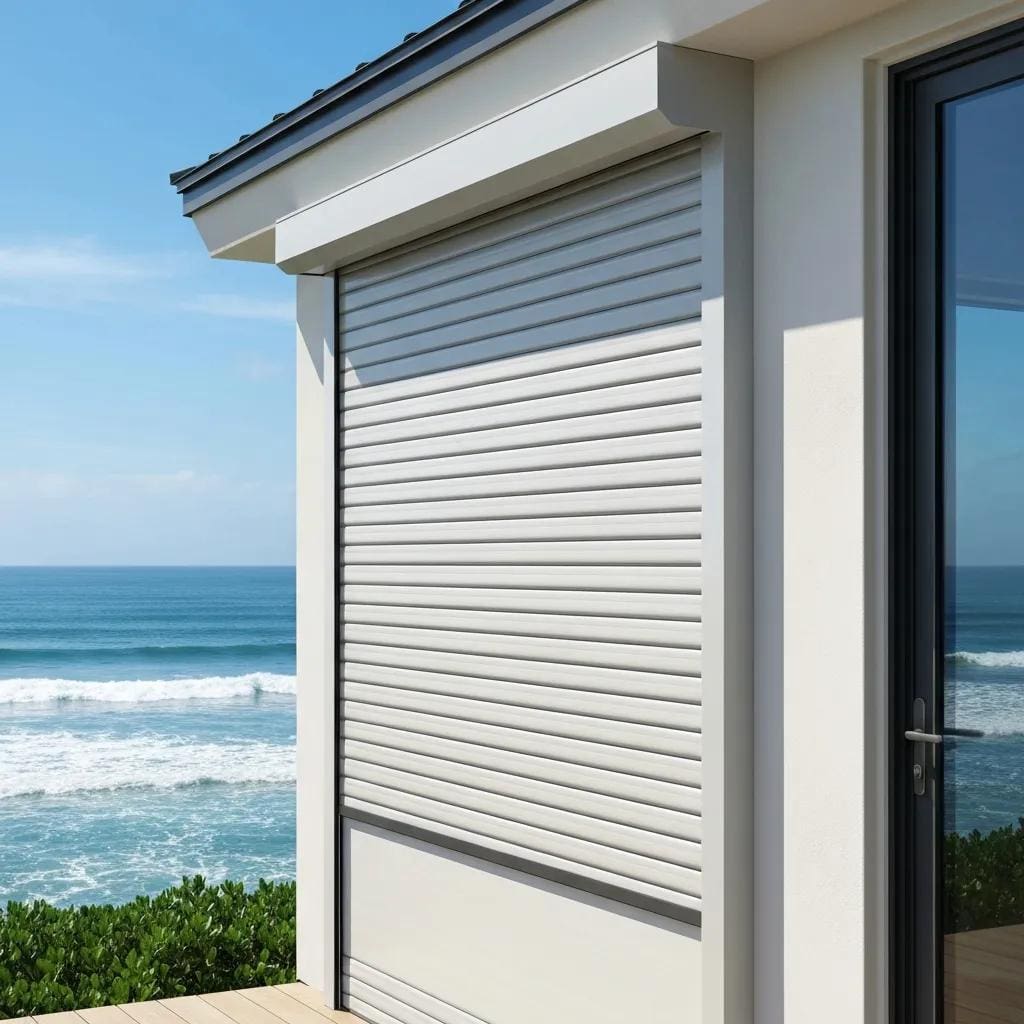
Roll-down hurricane shutters are exterior, retractable systems that protect windows and openings by forming a continuous, impact-resistant barrier that lowers wind pressure and keeps flying debris out during storms. Picking the right brand matters for coastal homeowners and businesses because material choice, verified performance, installation quality, and ease of operation all affect safety and long‑term cost. This guide breaks down durability, motorization, security features, cost drivers, local code considerations for North and South Carolina, and routine maintenance so you can compare brands with confidence. You’ll find a practical evaluation checklist, material comparisons, cost components, and clear steps to verify test reports and proper installation. To help turn information into action, we highlight tools and services you can use to estimate costs and request professional quotes when ready. Throughout, we keep concepts like Design Pressure Analysis, impact resistance, per‑square‑foot costing, and permitting top of mind so you make an informed choice.
What Are the Main Benefits of Roll Down Hurricane Shutters?
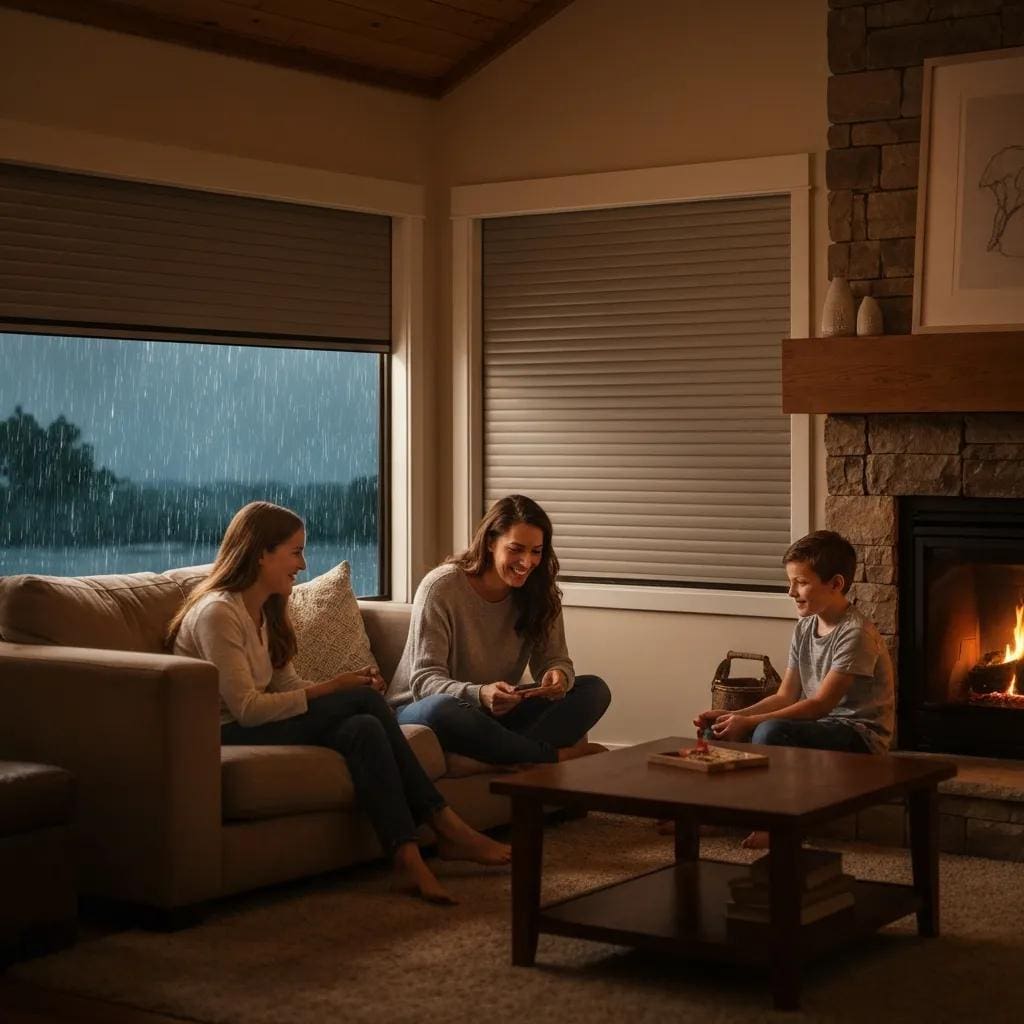
Roll-down shutters protect by creating a continuous seal over glass and openings, stopping windborne debris and spreading wind loads away from fragile frames and windows. That reduces the chance of a breach and the resulting internal pressurization that drives much of the damage during hurricanes. Beyond storm protection, shutters add intrusion resistance, cut solar heat gain for measurable energy savings, and reduce outside noise—benefits homeowners notice year‑round. Knowing these layered advantages helps you prioritize the right features, such as corrosion resistance and reliable motors, when comparing brands that balance safety with everyday value.
How Do Roll Down Shutters Provide Superior Hurricane Protection?
They work as engineered systems: impact‑resistant slats run in secure guide tracks and are anchored so specified wind loads and projectiles are transferred to the building structure—not just to the glass. That continuous face and firm fastening prevent window failure and internal pressurization, which is why certified Design Pressure Analysis and independent test reports matter. Proper installation uses corrosion‑resistant fasteners and verified mounting patterns so the shutters will withstand multiple storm cycles and deliver predictable performance when it counts. This load‑distribution and anchoring approach is what separates tested, engineered systems from temporary or improvised storm covers.
Hurricane Shutter Performance: Impact and Wind Pressure Testing
The testing program evaluated steel panels in three thicknesses and aluminum panels in two thicknesses. Panels endured impact tests using roof tiles and concrete blocks plus cyclic wind pressure tests. Results were used to build a predictive model for shutter performance under hurricane conditions.
Performance of hurricane shutters under impact by roof tiles, KR Gurley, 2010
What Additional Benefits Do Roll Down Shutters Offer Beyond Storm Safety?
Outside of storms, roll‑down shutters add security by slowing forced entry, improve energy efficiency by cutting solar gain and easing HVAC load in summer, and provide acoustic dampening for quieter interiors. Modern housings and finishes can stay discreet when retracted so curb appeal isn’t sacrificed. For many owners, these daily benefits translate into lower energy bills and potential insurance advantages—making shutters both a seasonal safeguard and a practical, year‑round upgrade.
- The main everyday benefits are protection, security, energy savings, and noise reduction.
- Together, these features enhance safety, comfort, and long‑term property value.
- When comparing brands, verify tested performance first, then weigh looks and operational convenience.
This summary sets the stage for material and durability choices that determine how well those benefits hold up over time.
How Does Durability Impact the Choice of Roll Down Hurricane Shutters?

Durability defines how long a shutter keeps functioning, looks good, and operates reliably in coastal conditions where salt, humidity, and repeated storms accelerate wear. Material selection, protective finishes, component thickness, and corrosion‑resistant hardware set the expected lifespan and maintenance needs—systems built with heavier gauges and stainless‑steel fasteners typically need less frequent service. Durability also affects warranty terms and total cost of ownership: longer‑lived systems spread the initial investment across many years of protection. In coastal settings, prioritize materials and fasteners specified for corrosion resistance and ask for engineered documentation to confirm long‑term performance.
Before the comparison table, consider these key durability attributes: strength‑to‑weight ratio, corrosion resistance, ease of repair, and expected maintenance cadence. The table below compares common material choices on those practical factors.
What Are the Best Materials for Durable Roll Down Shutters?
The most durable shutters balance strength, corrosion resistance, and weight. Marine‑grade aluminum alloys with protective finishes are a common coastal choice because they resist corrosion while remaining light enough for motorized systems. Use stainless steel (18‑8 where specified) for fasteners and anchors so parts don’t pit or fail in salt air. Polycarbonate slats or inserts have niche uses—impact transparency or lower weight—but usually need extra thickness or reinforcement to match metal slat performance. When comparing brands, request alloy specs, finish warranty details, and written confirmation that critical fasteners are 18‑8 stainless steel for reliable coastal performance in NC and SC.
Testing Corrugated Metal Storm Shutter Panels for Impact Resistance
A test facility and results for corrugated metal panels are described as part of an analytical approach. Two impact tests were run on corrugated metal panels—one with a 2×4 lumber projectile and another with a steel ball bearing—to evaluate behavior under impact.
Behavior of corrugated metal panels for use as storm shutters, 2009
How Do Material Qualities Affect Shutter Performance and Lifespan?
Material attributes—gauge, alloy chemistry, and finish—directly affect impact resistance, fatigue life under repeated loading, and maintenance frequency. Thicker slats and reinforced end plates stand up to repeated strikes but increase weight and motor load. Coatings and anodizing protect aluminum from oxidation and preserve appearance, while stainless fasteners prevent galvanic corrosion at anchors. These properties inform maintenance cycles—light, well‑coated aluminum may only need periodic checks, while steel parts can require more active corrosion control. Understanding these connections helps buyers estimate lifecycle cost and target specifications when comparing brands.
What Should You Know About Ease of Use: Manual vs. Motorized Roll Down Shutters?
Ease of use determines how quickly shutters can be deployed and how likely homeowners are to keep them maintained. Manual systems are simple, mechanically reliable, and cheaper up front with easier repairs. Motorized systems offer fast deployment, remote control, programmable schedules, and smart‑home integration—advantages when storms approach quickly or when the property is unattended. Motorized setups require planning for backup power, motor warranties, and diagnostic features; manual systems prioritize rugged mechanics and straightforward locks. Choose the operation style that fits your household: daily convenience and automation often favor motorized units, while tight budgets or power‑independent needs make manual shutters appealing.
What Are the Advantages of Motorized Roll Down Shutters?
Motorized shutters open and close with the push of a button, cutting the time occupants spend securing openings and reducing risk when weather moves in fast. They work with home automation and can be triggered remotely—useful for second homes or commercial sites that lack on‑site staff. Modern motors include torque limits and diagnostics for longer life and easier troubleshooting, though they add upfront cost and require electrical integration and potential battery backup. For many customers, the convenience and safety of motorization justify the premium because deployment is faster and less risky.
When Are Manual Roll Down Shutters the Better Option?
Manual shutters make sense when budget, simple reliability, or independence from electrical power are priorities. Without motors or electronics, there are fewer failure points and easier field repairs. Manual systems work well where occupants can deploy them or where running power isn’t practical—common in small openings or retrofit jobs. Compare the convenience of motorization against the simplicity and lower cost of manual systems to choose what fits your home use and storm response plan.
- Choose manual systems for budget projects and power‑out scenarios.
- Choose motorized systems for rapid response, remote control, and automation.
- Match operation type to property use: primary residence, vacation home, or commercial site.
Operation choices naturally lead into security and locking designs that complement deployment style.
How Do Security Features Influence the Best Roll Down Hurricane Shutter Brand?
Security features affect a shutter’s ability to delay forced entry—critical for ground‑floor openings and businesses where continuity matters. Strong locking systems, tamper‑resistant end plates, and reinforced guides increase resistance to forced entry. Integration with alarm systems and sensors enables active monitoring to detect tampering or partial failures. Brands vary in their approach—some emphasize reinforced mechanical locks, others provide electric interlocks or sensor suites—so inspect the mechanical details and after‑sales support carefully. Give priority to verifiable elements like lock types, reinforcement options, and documented alarm compatibility when evaluating security claims.
What Security Mechanisms Are Common in Roll Down Shutters?
Typical security features include keyed locks or slide bolts that anchor the shutter closed, internal locking bars or cross‑members for extreme loads, and tamper‑proof fasteners that prevent guide track removal. Electric interlocks can block motor operation if tampering is detected, and integrated sensors can alert owners or monitoring services if the shutter is forced or left ajar. For commercial installs, reinforced housings and multiple locking points improve forced‑entry resistance and support business continuity. Evaluating these mechanisms requires on‑site inspection and confirmation that the installation preserves the designed security function.
Hurricane Shutter Installation: Track vs. Direct Mount Damage Analysis
For track‑mount installations, damage is defined as pull‑out or push‑through of anchor bolts. For direct‑mount installations, damage is defined as pull‑out or push‑through of anchor bolts or failure of the shutter panel itself.
Performance of hurricane shutters under impact by roof tiles, KR Gurley, 2010
How Do Roll Down Shutters Enhance Home and Business Security?
Roll‑down shutters act as a strong physical barrier that increases the time and effort required to gain entry—an effective deterrent that gives occupants and authorities additional response time. For businesses, shutters protect merchandise and critical systems during closures and after storms, reducing downtime and repair costs. Homeowners gain both privacy and visible deterrence that can reduce opportunistic break‑ins. When paired with monitored alarms or smart sensors, shutters become part of an integrated security strategy that supports insurance and loss‑mitigation goals.
- Evaluate security features together with hurricane performance to avoid trade‑offs.
- Reinforced mechanical locks and tamper‑resistant mounts are high‑impact attributes.
- Alarm integration widens detection and response capabilities.
Security priorities influence cost and installation choices, which we cover next.
What Are the Key Cost Factors When Buying Roll Down Hurricane Shutters?
Shutter project cost depends on materials, motorization, custom sizes, installation complexity, and extras like sensors or battery backup. Regional labor rates and permitting can add substantially to the total. Per‑square‑foot pricing changes with material and operation type; motorized systems consistently carry a premium for drives and wiring. Installation may require engineered anchoring, structural reinforcement, and documentation for permits in coastal jurisdictions. To evaluate total cost, balance upfront expense with expected lifespan, maintenance, and possible insurance savings or avoided storm damage.
Before the cost table, note the main cost drivers: materials, motorization, installation labor, permitting, and optional electronics. The table below breaks down typical cost components and ranges to help you budget.
How Much Do Roll Down Shutters Typically Cost Per Square Foot?
Industry ranges start in the low‑to‑mid $20s per square foot for basic manual aluminum slat systems and can top $60 per square foot for heavy‑gauge, motorized, stainless‑reinforced systems with integrated electronics. Coastal corrosion‑resistant options and custom housings push projects to the higher end. Motorization, backup power, and smart controls usually tack on a 20–40% premium over manual systems; installation complexity—like reinforcing masonry or matching architecture—raises the effective per‑square‑foot cost. Always request itemized estimates that separate materials, motors, installation labor, and permit fees so you can compare apples to apples.
What Financing and Long-Term Value Options Should You Consider?
Financing can come through equipment loans, home improvement financing, or payment plans some providers offer. Compare monthly payments to potential insurance savings and the cost of avoided storm damage to evaluate payback. Include warranty length, service plans, and expected maintenance when calculating total cost of ownership—extended warranties and preventive maintenance reduce long‑term risk. Consider resale value improvements and reduced commercial downtime when justifying projects, and ask providers for insurance‑savings examples or ROI calculations that fit your local market.
- Request itemized financing options and full warranty terms to compare TCO.
- Factor insurance impacts and expected lifespan into payback estimates.
- Prefer providers that document long‑term value and service offerings.
These financial factors show why professional installation and code compliance matter; we explain that next.
Why Is Professional Installation and Local Building Code Compliance Crucial?
Professional installation makes sure shutters behave as engineered by correctly transferring wind loads into the structure, using specified fasteners and following stamped drawings and Design Pressure Analysis. Local code compliance—especially in coastal NC and SC—often requires documentation, permitted plans, and adherence to testing protocols; a noncompliant install can void warranties or lead to denied insurance claims. Certified installers understand which hardware (like 18‑8 stainless fasteners), anchoring patterns, and documentation inspectors expect. Choosing qualified installation protects safety, preserves warranty coverage, and streamlines permitting and insurance interactions.
What Are the Installation Requirements for Roll Down Shutters in Coastal NC and SC?
Install requirements in coastal North and South Carolina typically call for engineered drawings, compliance with applicable building codes and testing standards, and local permits that vary by town. Common checklist items include a verified Design Pressure Analysis, specified fastener types suited for salt air, and documented installation procedures for inspectors. Check with your local building department—whether Wilmington, Myrtle Beach, Oak Island, Topsail, New Bern, Pawleys Island, or another jurisdiction—to confirm permit needs and accepted test reports. Require installers to provide stamped drawings, DP analyses, and local references to speed approvals and ensure compliance. Those steps reduce surprises and align the installed system with local code expectations.
How Does Professional Installation Affect Shutter Performance and Warranty?
Professional installation ensures guide tracks are plumb, housings are sealed, and corrosion‑resistant fasteners are used—details that prevent water intrusion, binding, and anchor failures. Many manufacturers condition warranty coverage on certified installation and documented design analysis, so improper fastening or DIY work can void coverage and shift risk to the owner. Certified installers also document acceptance testing and provide maintenance guidance that helps preserve motor and finish warranties. Investing in a qualified installer protects immediate performance and long‑term warranty benefits.
- Proper installation preserves engineered performance and warranty coverage.
- Use installers who provide documentation: DP analysis and fastener specifications.
- Professional installation reduces lifecycle cost by preventing premature failures.
How Can You Compare and Choose the Best Roll Down Hurricane Shutter Brand?
Use a repeatable evaluation framework that ranks brands by verified testing, material specs, installation methods, warranty terms, local service availability, and price‑to‑value. Request specific test reports, Design Pressure Analysis, and proof of similar local installations before deciding. Validate claims with sample specifications (alloy, gauge), documented fastener types (for example, 18‑8 stainless steel), and details about motor diagnostics and backup power. Use tools such as a cost calculator to form preliminary budgets, then ask for itemized proposals and on‑site measurements. For coastal decisions, favor brands with proven regional experience that can navigate permitting and provide local maintenance support.
What Criteria Should You Use to Evaluate Different Brands?
Score proposals using weighted criteria: certified test results and Design Pressure Analysis (highest weight), material and fastener specs (high weight), warranty length and coverage (medium‑high), local installation capability and references (medium), and price‑to‑value (medium). Ask for documentation to verify claims—test reports, stamped engineering drawings, and maintenance guides—and confirm the installer’s familiarity with local code and permit procedures. Consider after‑sales service, spare parts availability, and clear escalation paths when comparing warranties and service plans. This methodical approach reduces uncertainty and focuses decisions on verifiable performance and support.
Before the brand comparison table, remember to favor verifiable engineering and local service. Use the EAV table below as a template when reviewing proposals.
How Does American Hurricane Shutters Stand Out Among Competitors?
American Hurricane Shutters highlights engineered protection backed by documented Design Pressure Analysis and specifies 18‑8 stainless fasteners to address coastal corrosion—measures that support long‑term durability and warranty compatibility. The company provides buyer tools like an online Cost Calculator and a Maintenance Guide to estimate project costs and plan upkeep, plus lead options such as “Request a Quote Today” and “GET A FREE QUOTE” to simplify the next step. These resources help translate technical comparisons into concrete budgets and installation timelines, but we still recommend verifying DP analysis and installation documentation before finalizing a purchase.
- Get the provider’s DP analysis and fastener specs in writing.
- Use calculators and maintenance guides to compare lifecycle costs.
- Request a free estimate for itemized proposals tailored to your openings.
What Maintenance Practices Ensure Longevity of Roll Down Hurricane Shutters?
Regular maintenance preserves operation, protects finishes in salt air, and extends service life by spotting wear before it becomes failure. A proactive plan blends seasonal inspections, lubrication, fastener checks, and motor diagnostics. Maintenance frequency depends on material and exposure—coastal installs need more frequent corrosion checks and rinsing—while motorized systems require periodic electrical and gearbox service. Clear roles (homeowner vs. certified technician) and written procedures help keep warranty coverage intact and avoid performance loss. A structured maintenance plan maximizes return on investment and keeps shutters ready when storms arrive.
How Often Should You Maintain and Inspect Your Roll Down Shutters?
We recommend seasonal checks before hurricane season plus a full professional inspection annually. Homeowners should do visual inspections and simple functional tests quarterly—watch for guide debris, loose fasteners, corrosion, or motor oddities. Professional service should include lubrication of moving parts, torque and electrical checks on motors, and verification that stainless fasteners remain secure and corrosion‑free. Call for immediate service if you see excessive play in guides, unusual motor noises, or visible corrosion at anchor points. Following this schedule lowers emergency repairs and helps preserve warranty eligibility.
- Seasonal pre‑storm inspection and at least one annual professional service are recommended.
- Homeowner quarterly checks catch issues early.
- Call a pro when functional anomalies or corrosion appear.
What Are Common Maintenance Tips for Different Shutter Materials?
Aluminum shutters benefit from regular rinsing with fresh water to remove salt, inspection of anodized or painted finishes, and lubrication of guide tracks with manufacturer‑approved products; check seams and housings for water intrusion. Steel components need close inspection for surface rust, prompt corrosion treatment, and protective coatings where required; keep anchor points clean and sealed. Polycarbonate parts call for UV‑stable cleaners and visual checks for cracking or crazing and may need more frequent replacement in high‑impact areas. For all materials, maintain 18‑8 stainless fasteners and follow documented servicing to preserve coastal performance.
- Rinse aluminum and check finishes often in salt‑air zones.
- Treat and protect steel immediately at the first sign of rust.
- Use manufacturer‑recommended lubricants and cleaners for all components.
The intent behind these resources and calls to action is simple: educate homeowners about hurricane protection options, generate leads through free estimates, and support existing customers with information and service. Cost calculators, maintenance guides, and free‑quote pathways help buyers finalize a brand and installer with confidence.
Frequently Asked Questions
What is the lifespan of roll-down hurricane shutters?
Lifespan varies with material, environment, and maintenance. High‑quality aluminum shutters typically last 20–30 years; stainless steel options can last longer with proper care. Regular inspections and timely corrosion treatment extend service life. Choose shutters rated for coastal exposure to ensure long‑term protection and reliable performance.
How do I choose the right size for my roll-down hurricane shutters?
Measure the height and width of the windows or openings you want to protect—accurate dimensions are crucial because shutters should fit snugly for full protection. We recommend consulting a professional installer to assess your openings and advise on sizing, especially if local codes impose specific requirements.
Are there any specific building codes for hurricane shutters in coastal areas?
Yes. Coastal jurisdictions often have code requirements to ensure shutters withstand high winds and debris impact. In North and South Carolina, local building departments commonly request Design Pressure Analysis and adherence to installation standards. Always check with your local building authority before installing to confirm permit and documentation requirements.
What maintenance is required for roll-down hurricane shutters?
Maintenance includes regular inspections, cleaning, and lubrication. Watch for corrosion in coastal environments and keep moving parts lubricated to prevent wear. Perform seasonal checks before hurricane season and schedule a professional inspection at least once a year. Follow manufacturer maintenance recommendations to keep shutters functioning properly.
Can roll-down hurricane shutters be integrated with home automation systems?
Yes. Many motorized shutters offer remote control, programmable schedules, and smart home compatibility so you can operate them from a smartphone or hub. Integration improves safety and convenience—especially for second homes or when storms arrive unexpectedly—by allowing remote deployment without on‑site effort.
What should I consider when comparing different brands of roll-down hurricane shutters?
Compare material quality, warranty coverage, verified performance testing, and local installation support. Look for brands that provide Design Pressure Analysis and use corrosion‑resistant materials. Review customer feedback and after‑sales service options. A thorough comparison ensures you choose a brand that meets durability, safety, and usability needs.
Are there financing options available for purchasing roll-down hurricane shutters?
Yes. Many suppliers offer financing, including equipment loans, home improvement financing, or payment plans. Balance monthly payments against potential insurance savings and avoided storm damage to evaluate payback. Talk to your supplier about available options to find a plan that fits your budget.
Conclusion
Choosing the right roll‑down hurricane shutter brand protects your property, improves security, and can boost energy efficiency. By weighing material durability, installation quality, and verified performance testing, you’ll make a decision that strengthens your home and protects its value. Explore our resources, use the cost calculator, and request a free estimate when you’re ready to move forward. Take the next step to safeguard your home today.