
Local Accordion Shutter Contractors for Hurricane Protection — Cost, Installation, and Benefits Across Coastal Carolina
Accordion hurricane shutters are permanently mounted, impact-rated folding panels that protect windows and openings during storms. They work especially well along Coastal Carolina because they deploy quickly and are built to resist salt-air corrosion. This guide walks you through what accordion shutters do, how they hold up to coastal wind and salt spray, and why many homeowners and businesses from North to South Carolina rely on them for storm protection. You’ll find clear explanations of how they operate, typical installed costs and the main price drivers, the professional installation steps used by certified installers, and straightforward maintenance practices that protect performance and warranties. We also compare accordion shutters with other storm-protection options, list common service areas along the coast, and answer the homeowner questions we hear most often about value, DIY feasibility, and insurance. By the end, you’ll have a practical, locally focused understanding of accordion options, what to expect cost-wise, and how to move from research to a certified installation with confidence.
What Are Accordion Hurricane Shutters and Why Are They Ideal for Coastal Carolina?
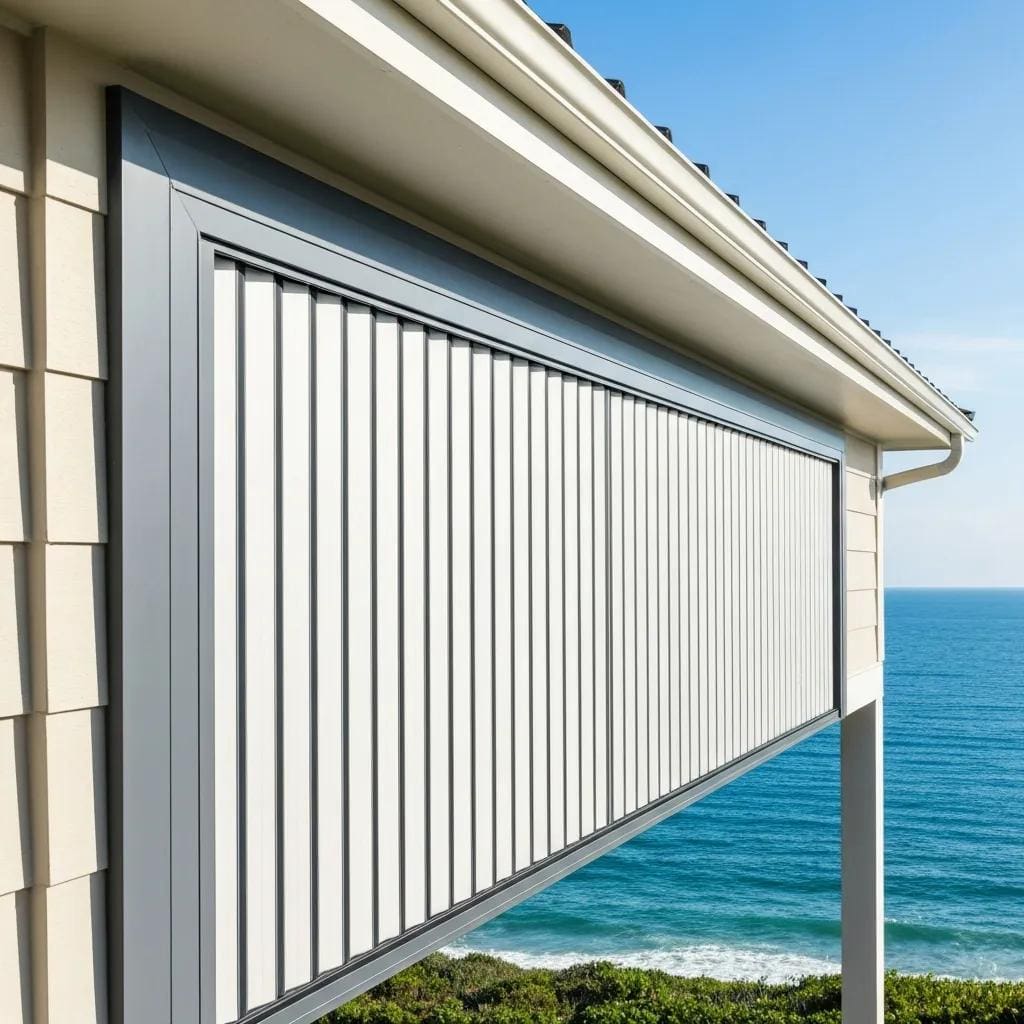
Accordion hurricane shutters are rigid panels that fold vertically along a fixed track and lock into place to form an impact-rated shield for windows and doors. Their system combines interlocking aluminum panels, a track-and-wheel guide, and secure locking hardware to resist wind-borne debris and meet required design pressure loads — a must for coastal buildings facing high winds. In Coastal Carolina, corrosion resistance is as important as structural rating: shutters made from 6063‑T6 marine‑grade aluminum and fitted with 18‑8 stainless steel fasteners handle salt spray and coastal conditions far better than standard assemblies. Those material and mechanical qualities deliver three practical benefits: fast deployment before storms, certified impact performance for code acceptance, and long-term durability in salty air. Understanding these basics helps homeowners and property managers choose shutters that match local wind loads, exposure, and long-term maintenance expectations. The next section covers the key mechanical and material features that make accordion shutters effective during severe weather.
What Makes Accordion Shutters Effective for Hurricane Protection?
Accordion shutters work because an impact-rated panel design plus a secure track-and-lock system transfers wind loads into the building’s structure, lowering the risk of window failure and the dangerous internal pressurization that follows. Impact ratings and design pressure values set the performance benchmark: shutters built to those standards resist debris strikes and hold the specified wind load without catastrophic deformation. Choosing the right materials — notably 6063‑T6 marine‑grade aluminum and 18‑8 stainless fasteners — preserves anchor integrity and track function in salty coastal air. Precise tracks and dependable locks reduce play and keep seals tight against wind and rain. Together, these technical features improve overall storm resilience and reduce the chance of costly secondary damage inside the building, speeding recovery after an event.
How Do Accordion Shutters Enhance Home Security and Property Value?
Accordion shutters add security by forming a solid barrier over windows and large openings, deterring forced entry and reducing vandalism risk when a property is vacant or during emergencies. They also minimize storm damage to glass and framing, which cuts repair costs and shortens downtime for occupants or businesses — a benefit insurers and appraisers often recognize. Modern accordion shutters come in painted or powder‑coat finishes that can be matched to a building’s exterior so protection doesn’t mean sacrificing curb appeal. Properly documented, code‑compliant installations can support wind‑mitigation discussions with insurers and help with resale by demonstrating professional impact protection. Those tangible and perceived benefits make accordion systems an attractive value proposition in coastal markets.
How Much Do Accordion Hurricane Shutters Cost in Coastal North and South Carolina?
Installed accordion shutter pricing in Coastal North and South Carolina typically ranges based on material quality, labor, and site complexity. A common installed price band for impact‑rated accordion shutters in coastal applications is about $20–$40 per square foot, with variance driven by opening configuration and local permitting. Major cost drivers include total protected square footage, opening complexity (many small windows versus large sliders), the need for corrosion‑resistant materials and upgraded hardware, and any structural reinforcement or custom facade work. Coastal considerations — higher wind‑load requirements, upgraded fasteners, and required Design Pressure Analysis documentation — can raise the quote but improve long‑term performance and insurer acceptance. Use the online cost calculator for a baseline estimate, then schedule a free on‑site evaluation to capture precise dimensions, exposure, and permitting needs that affect the final price.
Below is a quick comparison of common cost drivers and how they affect pricing.
What Factors Influence Accordion Shutter Pricing?
Final installed cost depends on several factors: total square footage of openings, the number and type of openings (windows, single doors, sliding doors), any frame or wall reinforcement needed, finish and paint preferences, and the grade of fasteners and seals for corrosion resistance. Labor rates and site access — multi‑story work or tight staging at oceanfront properties — also affect quotes, as do permitting and inspection timelines. Optional upgrades such as motorization, specialty locks, or color‑matched powder coats add to per‑opening cost. In Coastal Carolina projects, higher‑spec fasteners and coatings are common; they raise upfront cost but reduce lifecycle corrosion risk and maintenance needs.
How Can You Use a Cost Calculator to Estimate Your Accordion Shutter Investment?
A cost calculator gives a quick baseline by asking for the number of openings, approximate dimensions, shutter type (impact‑rated accordion), and any finish or hardware upgrades; it returns a range rather than a final price. For useful results, measure each opening, note the opening type (window, slider, door), and flag any access or structural conditions that could raise labor. Remember a calculator can’t replace an on‑site measurement and a Design Pressure Analysis, which refine load requirements and final hardware selection. After using the calculator, request a free in‑person estimate from a local installer for a definitive scope, permitting plan, and a written quote that includes warranty activation steps.
What Is the Professional Accordion Shutter Installation Process in Wilmington and Surrounding Areas?
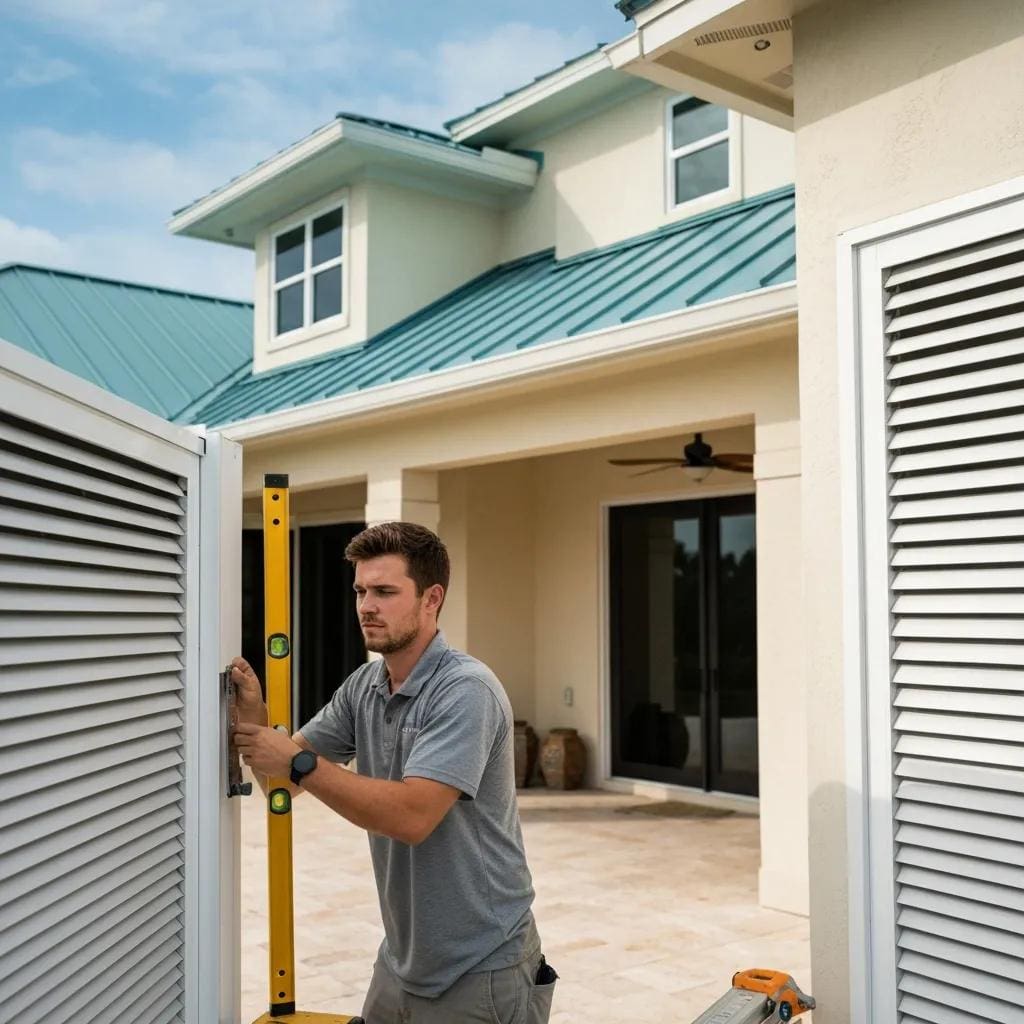
Professional accordion shutter installation follows a clearly defined workflow to meet design‑pressure requirements, local codes, and coastal performance expectations. The process starts with a free estimate and site assessment to record opening dimensions, exposure category, and any structural constraints — this step typically includes a Design Pressure Analysis to select the correct impact rating and anchorage. Once the design is confirmed, the installer prepares permit‑ready documentation, files for local permits if needed, and schedules fabrication using specified marine‑grade materials and hardware. Certified technicians then carry out measured installation, anchoring shutters to structural members, sealing and finishing edges, and completing functional tests; final inspection and paperwork activate warranty coverage. Following this sequence reduces compliance risk and helps ensure the shutters perform when a storm arrives.
How Do Certified Contractors Ensure Building Code Compliance and Quality?
Certified contractors meet code and quality requirements by performing a Design Pressure Analysis, selecting impact‑rated products that match required pressures, and documenting installation methods and anchorage points per local rules. Installers with the appropriate certifications — and where applicable OSHA 30 training — use standardized procedures to verify attachment to structural members, install marine‑grade 6063‑T6 aluminum panels with 18‑8 stainless fasteners, and prepare inspection‑ready documentation for permitting offices. Contractors often work directly with building departments to submit drawings and product rating evidence so inspectors can confirm compliance. Good documentation also helps activate warranties and can support insurance wind‑mitigation credits.
What Are the Steps from Free Estimate to Completed Installation?
The typical timeline follows these steps:
- Free estimate and site assessment to capture dimensions and exposure
- Design Pressure Analysis and product selection to match ratings and materials to the site
- Permitting and documentation submission where local jurisdictions require them
- Fabrication and procurement of marine‑grade materials and specified hardware
- On‑site certified installation with anchorage into structural members and finishing
- Final inspection, homeowner walkthrough, and handoff of warranty documentation
At each phase homeowners can help keep the project on track by approving the scope, clearing access, and scheduling required inspections. Timelines vary with permitting cycles and fabrication lead times, so early engagement speeds delivery and compliance.
Which Accordion Shutter Options Are Best for Residential and Commercial Properties in Coastal Carolina?
Picking the right accordion shutter depends on property type, opening geometry, aesthetic preferences, and exposure level. Residential installs usually prioritize appearance and ease of use, while commercial solutions focus on scalable coverage and fast deployment. Homes commonly use accordion shutters for windows, sliders, and doors with custom colors and low‑profile tracks to preserve curb appeal. Multi‑family and condo projects often require HOA approvals and balcony solutions that maintain egress and fire‑code compliance. Commercial properties — storefronts, restaurants, warehouses — typically specify heavy‑duty panels, reinforced tracks, and integrated locks for security and quick closure. For coastal durability, choose systems built with 6063‑T6 marine‑grade aluminum, 18‑8 stainless fasteners, and verified impact ratings; Bertha HV Accordions is an example of a product line that meets these criteria.
What Accordion Shutter Solutions Are Available for Homes and Condos?
Homeowners can choose manual or motorized accordion shutters, a range of powder‑coat finishes, and panel thicknesses that balance cost, impact performance, and longevity in salt air. Condominiums and multi‑family buildings often need HOA approval and must meet egress rules, so low‑profile tracks, color matching, and documentation for shared‑wall penetrations are commonly specified. Motorized systems offer convenience for larger openings but add electrical and maintenance considerations. Selecting marine‑grade materials with documented impact ratings reduces corrosion risk and helps satisfy condo managers and insurers.
How Do Accordion Shutters Protect Businesses and Commercial Properties?
Accordion shutters protect businesses by providing full‑coverage barriers for storefront glass, service openings, and delivery doors, lowering the risk of storm damage and vandalism while enabling quick closure when a threat approaches. Commercial installs emphasize strong locks, heavy‑duty tracks, and scalable panel widths so wide storefronts can be secured without disrupting operations. Many businesses sign service contracts to keep shutters operational during peak storm seasons and to minimize post‑storm downtime. Properly specified impact‑rated accordion systems help protect inventory, maintain continuity, and demonstrate due diligence for risk management.
What Are the Key Service Areas for Accordion Shutter Installation?
We commonly serve coastal areas including Wilmington, Myrtle Beach, Oak Island, Topsail, New Bern, and Pawleys Island — places where ocean proximity increases exposure to wind and salt spray and where jurisdictions have specific permitting practices. Local inspection and permit workflows vary, so installers familiar with each county and town can speed approvals and recommend appropriate anchorage and finish levels for long‑term durability. Installers tailor recommendations to neighborhood exposure — oceanfront, barrier island, or inland coastal — so you get solutions matched to your site conditions. For site‑specific pricing and permitting guidance, request an on‑site estimate that accounts for local jurisdictional requirements and exposure categories.
How Do You Maintain Accordion Shutters for Long-Term Durability and Performance?
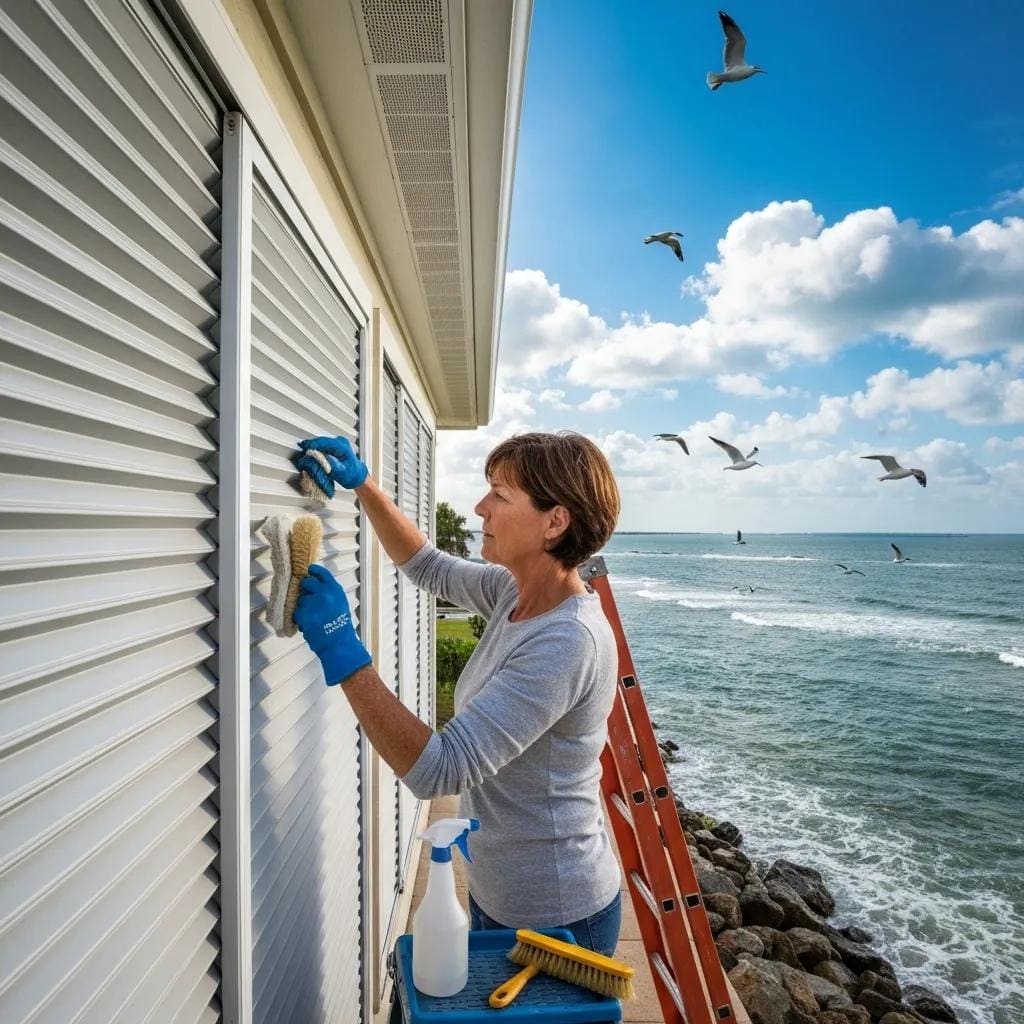
Routine maintenance keeps accordion shutters reliable and helps preserve warranties and corrosion resistance — especially where salt and wind speed wear. A practical maintenance plan includes seasonal cleaning to remove salt buildup, lubricating track and wheel systems with manufacturer‑recommended products, checking and tightening fasteners, and testing locks and seals. Recording maintenance dates and actions supports warranty claims, documents mitigation for insurers, and flags components that need replacement. A simple annual inspection plus seasonal pre‑storm checks helps avoid emergency failures and keeps the system ready when storms approach.
What Are the Recommended Maintenance Steps for Accordion Shutters?
Start with a gentle wash using fresh water and mild detergent to remove salt, then dry panels and tracks to reduce streak corrosion. Clear and inspect tracks for debris that can block movement. Use manufacturer‑approved lubricants on wheels and locks to keep operation smooth, and tighten or replace any fasteners showing corrosion or looseness to maintain structural anchorage. Do a full deployment test and check seals and lock hardware for wear; document findings and corrective actions for warranty and insurance records. Regular attention to these steps reduces the chance of component failure and extends the system’s service life in coastal conditions.
How Long Do Accordion Shutters Last and What Warranty Coverage Is Offered?
With proper maintenance and marine‑grade components, accordion shutters often last decades — many systems perform well for 20–30 years — although coastal corrosion, heavy usage, and storm impacts affect lifespan. Choosing 6063‑T6 marine‑grade aluminum panels and 18‑8 stainless fasteners lowers corrosion‑related risk and preserves structural performance in salt air. Warranty terms vary by provider; a commonly offered warranty is seven years covering manufacturing defects and specified installation workmanship when maintenance requirements are met. Review warranty inclusions, required maintenance steps, and claims procedures so you understand long‑term protection and compliance conditions.
What Are the Most Common Questions About Accordion Shutters from Coastal Carolina Homeowners?
Homeowners typically ask direct, practical questions about cost, value, who should install shutters, and how insurance treats them. Short, clear answers help you decide next steps before booking an on‑site estimate or requesting documentation. The FAQ below covers typical concerns: installed cost ranges and drivers, whether accordion shutters are a better investment than temporary options, whether DIY is appropriate for permanent systems, and how insurers view wind‑mitigation credits for impact‑rated shutters. For personalized pricing and local permitting information, use the cost calculator for a baseline and then request a free on‑site estimate for exact measurements and a formal proposal.
How Much Do Accordion Hurricane Shutters Cost?
Installed accordion shutters in coastal North and South Carolina generally fall in the approximate range of $20–$40 per square foot. Final price depends on opening type, total protected square footage, choice of marine‑grade materials, hardware upgrades, and permitting. Smaller standard windows usually cost less per square foot than large sliders or openings that need custom tracks and reinforcement. Start with a cost calculator for a quick estimate, then schedule a free on‑site assessment to uncover hidden variables like framing condition and access constraints that affect labor and final pricing. That stepwise approach produces a realistic budget and avoids surprises in the formal quote.
Are Accordion Shutters Worth the Investment for Hurricane Protection?
Accordion shutters are often worth the investment compared with temporary measures because they offer permanent, fast deployment, verified impact ratings, and stronger durability in coastal environments. Those traits lower the chance of catastrophic interior damage and shorten recovery time after storms. Measurable benefits include possible insurance mitigation recognition and avoided repair costs for broken glass and water intrusion; less tangible benefits include added security and quicker return to normal after an event. Evaluate ROI based on your exposure, storm frequency, insurance implications, and the life‑cycle savings of marine‑grade components. For many coastal homeowners and businesses, the protection and reduced disruption justify the upfront cost.
Can I Install Accordion Shutters Myself or Should I Hire a Professional?
Although accordion panels may look straightforward, permanent installations require precise measurements, correct structural anchorage, and compliance with building codes — so hiring a professional is usually the safer choice. Professional installers perform a Design Pressure Analysis, anchor into structural members, handle permitting, and provide documentation needed for warranty activation and insurer verification. DIY risks include wrong fastener choices, improper load transfer, and voided warranties — especially in coastal zones where corrosion and wind loads are critical. Temporary or non‑rated solutions may be DIY‑friendly, but for permanent impact‑rated systems in Coastal Carolina, certified professionals are strongly recommended.
Do Accordion Shutters Lower Homeowners Insurance Premiums?
Accordion shutters can factor into homeowners insurance wind‑mitigation discussions. Carriers may offer credits for impact‑rated systems that are properly installed and documented, but specific discounts vary by insurer and local rating rules. Insurers typically ask for product impact ratings, installation documentation, and proof of attachment to structural framing to evaluate eligibility. Compile product ratings, installation records, and inspection reports to present to your insurer. It’s a good idea to talk with your carrier early in the process to understand potential savings and required paperwork, and to keep records from certified installers to support any wind‑mitigation claims.
Coastal Homeowners and Climate Change: Risks and Mitigation
As the climate changes, coastal homeowners play a key role in reducing risks to property and safety from rising seas and stronger storms. In the absence of sweeping regulations that force retrofits, much of coastal resilience will depend on individual decisions about upgrades and mitigation. Research still has gaps on how many coastal homes are vulnerable and which mitigation measures owners are choosing or planning to choose.
Coastal homeowners in a changing climate, D Javeline, 2019
- Accordion shutters combine impact‑rated panels, marine‑grade materials, and secure anchorage to protect coastal properties.
- Cost depends on square footage, opening complexity, and the need for corrosion‑resistant hardware; use a calculator for a starting estimate.
- Professional installation with a Design Pressure Analysis and documented permits supports warranty activation and insurer acceptance.
- For site‑specific pricing and to start formal warranty tracking, schedule a free on‑site estimate with a local certified contractor.
- Perform seasonal maintenance — cleaning, lubrication, and inspections — to preserve function and warranty eligibility.
- Keep records of product ratings, installation details, and inspection reports to support insurance and mitigation claims.
Frequently Asked Questions
What are the benefits of using accordion shutters over other types of storm protection?
Accordion shutters offer a permanent, impact‑rated solution that’s quick to deploy and built for coastal conditions — unlike plywood or temporary covers. They reduce the risk of broken glass, water intrusion, and interior damage, and they add a layer of security when the property is unattended. Because they’re permanent and code‑rated, they’re often viewed more favorably by insurers and buyers than temporary fixes.
How do I choose the right accordion shutter for my property?
Choose shutters based on the openings you need to protect, your desired look, and the exposure level of your property. Residential projects usually prioritize finishes and low‑profile tracks to preserve curb appeal, while commercial projects favor heavier panels and stronger locking systems. Talk with a certified installer to confirm code requirements, available options, and the best fit for your site.
What maintenance is required for accordion shutters?
Regular maintenance is simple but important: clean tracks and panels every 3–6 months to remove salt, lubricate moving parts annually, and inspect fasteners and seals for wear. Run a deployment test before hurricane season to confirm everything operates smoothly. Keep a maintenance log to support warranty claims and ensure long‑term performance.
Can accordion shutters be customized for different window sizes and shapes?
Yes. Accordion shutters can be custom‑built to fit a wide range of window sizes and shapes. Options include different panel thicknesses, finishes, and track layouts to accommodate architectural features. Discuss specific needs with a certified installer so the final design meets local codes and performs as required.
What should I do if my accordion shutters are damaged during a storm?
When it’s safe, document visible damage with photos and notes, then contact your installer or a certified repair service for an assessment. Repairs can range from panel replacement to track repairs or structural fixes. Keeping installation and maintenance records will help with warranty or insurance claims.
Are there any insurance benefits associated with installing accordion shutters?
Possibly — many insurers offer discounts or credits for impact‑rated storm protection, but eligibility varies by carrier and local rules. Provide your insurer with product impact ratings, installation documentation, and inspection reports to support any mitigation credits. Check with your carrier early so you know what documentation is required.
Conclusion
Accordion hurricane shutters deliver reliable protection for coastal properties by combining quick deployment, impact resistance, and long‑term durability. They improve security and can add tangible value to your home or business in storm‑prone areas. To choose the best solution for your property, schedule a free on‑site estimate with a certified contractor and get a clear plan for installation and warranty coverage. Take the first step to protect your property today.