Fiberglass vs. Vinyl Hurricane Shutters: Which Lasts Longer and Offers Better Durability?
Choosing the right shutter material is one of the biggest decisions coastal homeowners make to protect their homes from wind, rain, and debris. This guide compares fiberglass and vinyl hurricane shutters—what they’re made of, how long they typically last, how much upkeep they need, and how they hold up on the coast—so you can pick the best fit for your property. Homeowners often search for terms like “hurricane shutter durability,” “fiberglass shutter reviews,” or “vinyl shutter lifespan” to learn how salt air, sun, and impacts affect long-term value. Here we answer those questions with clear examples, a direct lifespan comparison, a cost/maintenance/weather-resistance table, and a checklist to help you decide. We’ll also explain why aluminum, polycarbonate, and fabric screens are commonly recommended for coastal homes, and how to get a free estimate or use the AHS cost calculator if you want a professional quote.
What Are the Key Durability Features of Fiberglass Hurricane Shutters?
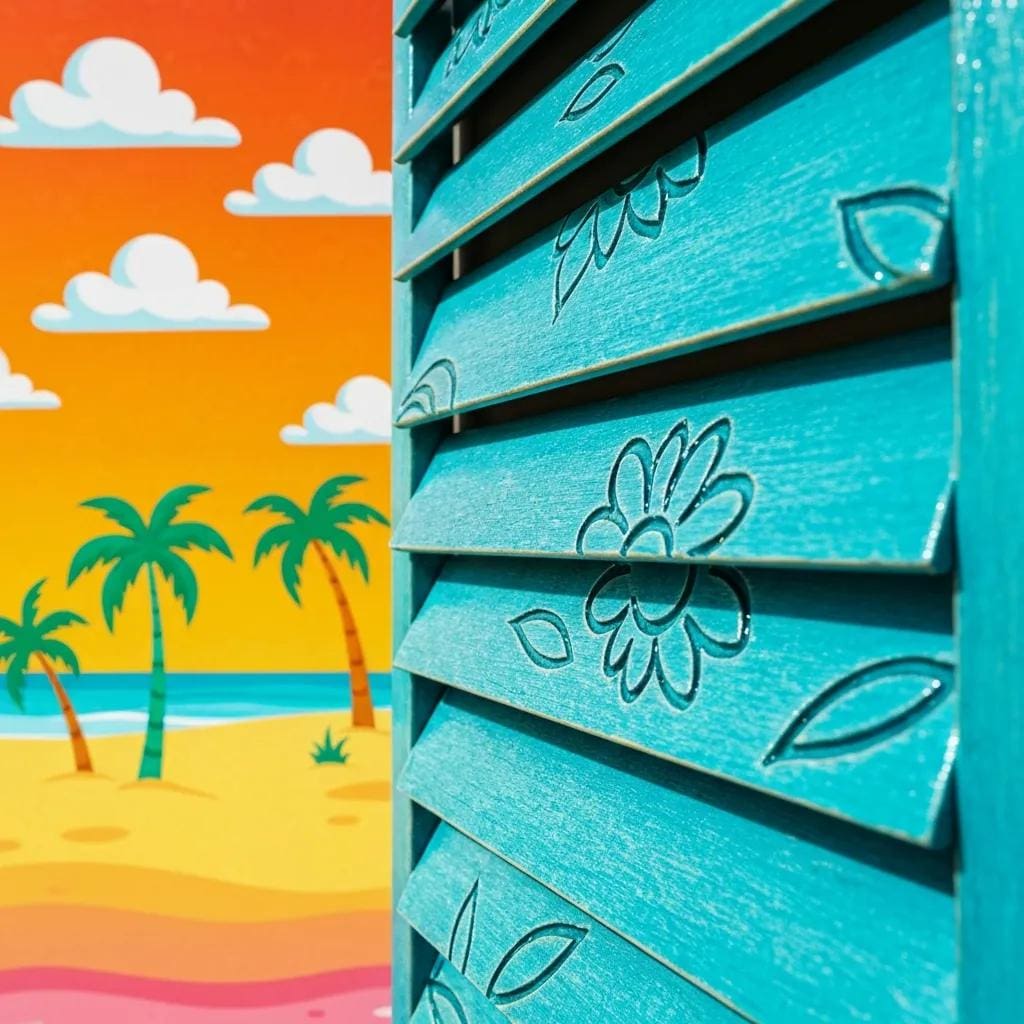
Fiberglass shutters are made from glass fibers set in a resin matrix, producing rigid panels that resist cracking, warping, and moisture. That composite construction gives a high strength-to-weight ratio and keeps the shutters dimensionally stable through temperature changes—reducing failure modes seen in cheaper plastic products. Compared with wood, fiberglass won’t rot and soaks up very little moisture. Compared with low-grade plastics, it resists creep and deformation, which often means a longer service life in tough coastal climates. Knowing these properties helps homeowners evaluate fiberglass as a long-term choice rather than focusing only on the upfront price.
Because fiberglass relies on glass-fiber reinforcement, its mechanical behavior is predictable—helpful when specifying design pressures for code compliance and insurance. The next section breaks down the materials in these shutters and why each matters for coastal durability.
What Materials Compose Fiberglass Hurricane Shutters?
Fiberglass shutters combine continuous or chopped glass fibers with thermoset or thermoplastic resins to form stiff, impact-resistant panels. The glass fibers carry tensile loads while the resin holds the fibers together, resists moisture, and controls how the panel expands or contracts with temperature changes. Manufacturers add UV stabilizers and pigments to protect the resin from sun damage and help colors last. The overall performance comes from the combination of fibers, resin, coatings, and fasteners—so proper edge sealing and stainless hardware are important to prevent salt-driven corrosion at connection points.
That material picture sets realistic expectations for how long fiberglass can last on the coast and what environmental factors will shorten or extend its life.
How Long Do Fiberglass Shutters Typically Last in Coastal Environments?
When made and installed correctly, fiberglass shutters can provide multiple decades of service in coastal settings. They resist rot, don’t corrode like metals, and tolerate UV exposure when the resin and stabilizers are right. Lifespan depends on factors such as resin chemistry, UV-stabilizer levels, installation quality, and how much salt spray and wind-driven debris the shutter sees. Regular inspections—checking seals, recoating exposed edges as needed, and verifying fastener integrity—help prevent small problems from becoming failures and significantly extend service life. Comparing expected lifespans helps homeowners weigh fiberglass against lower-cost options like vinyl, which may need replacement much sooner under the same conditions.
With that context, we’ll look at how vinyl compares and where its strengths and limits become important.
How Does the Lifespan of Vinyl Hurricane Shutters Compare to Fiberglass?
Vinyl (PVC) shutters are extruded or molded panels that appeal because of low upfront cost and easy installation, but their durability depends heavily on formulation and exposure. Over time, UV light can break polymer chains and plasticizers can migrate, causing embrittlement, color loss, and dimensional changes that lead to cracking or warping. In mild climates vinyl performs well with little maintenance; in high-UV, salt-air coastal conditions it can age faster than fiberglass. Below we cover vinyl’s main advantages and the durability issues commonly seen near the coast.
What Are the Main Benefits of Vinyl Hurricane Shutters?
Vinyl shutters offer clear homeowner benefits. They cost less up front, so you can protect more openings for the same budget. They’re lightweight, which usually means simpler mounting and faster installation—handy for retrofits. And routine care is straightforward: periodic cleaning with mild soap and a visual inspection is often all that’s needed. That simplicity appeals to homeowners who want seasonal protection with low effort.
Those benefits are useful, but vinyl’s coastal vulnerabilities are important to weigh before deciding.
What Are the Common Durability Challenges for Vinyl Shutters in Coastal Areas?
On the coast, vinyl faces accelerated aging from UV exposure, thermal cycling, and salt deposits. UV can cause surface chalking and loss of strength; repeated heat and cool cycles can lead to creep and warping that affect fit and impact resistance. Salt air also speeds corrosion of any nearby or embedded metal parts unless marine-grade fasteners are used, which can create assembly failures even if the vinyl panel itself remains intact. To reduce these risks, choose premium UV-stabilized vinyl compounds, use corrosion-resistant fasteners, and where possible shade vulnerable façades.
With those limits in mind, the next section compares fiberglass and vinyl across cost, maintenance, and coastal resistance.
How Do Fiberglass and Vinyl Hurricane Shutters Compare on Cost, Maintenance, and Weather Resistance?
Below is a side-by-side look at fiberglass and vinyl across three homeowner priorities: upfront cost, maintenance needs, and how well each handles coastal weather. Use the table for a quick snapshot, then read the following paragraphs for details that help weigh short-term savings against long-term value.
The table highlights that long-term value often depends more on replacement frequency than initial price. Below we unpack cost drivers and maintenance expectations so you can make a practical decision.
What Is the Cost Difference Between Fiberglass and Vinyl Hurricane Shutters?
Vinyl typically costs less up front because the raw material and manufacturing are cheaper, which makes it attractive for budget-minded homeowners. But when you look at lifecycle costs, fiberglass’s longer service life and lower risk of premature failure can mean a lower cost per year after accounting for replacements and maintenance. Price can also change based on shutter size, required design pressure, mounting complexity, finish, and whether marine-grade fasteners and seals are specified. Compare initial savings with projected replacement intervals and any insurance discounts tied to higher-rated systems.
How Do Maintenance Requirements Differ Between Fiberglass and Vinyl Shutters?
Fiberglass and vinyl differ in both what to watch for and how often to act. Fiberglass typically needs periodic inspection, surface cleaning, and occasional edge or sealant touch-ups to prevent moisture ingress. Vinyl usually needs cleaning and UV-damage checks and is more likely to require component replacement if embrittlement or warping appears. A simple maintenance checklist will keep either system serviceable:
- Annual inspection of edges, fasteners, and mounting points for corrosion, loosening, or damage.
- Semi-annual cleaning with mild soap and water to remove salt buildup and slow UV-related wear.
- Prompt repair of chips, cracks, or failed sealant to prevent moisture intrusion and progressive damage.
Regular care preserves performance and lowers the chance of failure when a storm hits. Next, we explain why many coastal homeowners and builders prefer aluminum and other professional-grade materials.
Why Are Aluminum and Other Materials Considered Superior Alternatives for Coastal Hurricane Protection?
Materials like marine-grade aluminum, polycarbonate, and high-strength fabric screens often outperform fiberglass and vinyl in salt-air environments because their properties better match coastal demands: corrosion resistance, verified design-pressure capacity, and long-term serviceability. Marine-grade aluminum alloys offer strong strength-to-weight ratios and, when powder‑coated and paired with stainless fasteners, resist salt corrosion and fatigue. Polycarbonate panels deliver impact resistance while letting in daylight, which is useful where visibility matters. Fabric hurricane screens protect large openings with lightweight, tensioned systems that deploy quickly. Each alternative addresses different coastal challenges, so the best choice depends on your priorities for light, appearance, opening size, and speed of use.
The table below shows how core attributes map to installation advantages and how American Hurricane Shutters (AHS Carolinas) uses those advantages in practice.
Using professional-grade materials together with code-focused engineering usually gives a resilience advantage on the coast. The next section summarizes practical options and services AHS offers.
American Hurricane Shutters (AHS Carolinas) provides coastal homeowners with options including aluminum shutters (accordion, rolldown, colonial, Bahama), polycarbonate panels, and high-strength fabric hurricane screens—specified with marine-grade alloys, stainless fasteners, and site-specific design pressure analysis to meet coastal code requirements. With local experience and warranty-backed installations, these systems are often better choices than standard fiberglass or vinyl for high-exposure properties.
What Advantages Do Marine-Grade Aluminum Shutters Offer Over Fiberglass and Vinyl?
Marine-grade aluminum systems use alloys such as 6063‑T6, durable powder-coat finishes, and 18‑8 stainless steel fasteners to address the main coastal failure modes: corrosion and fastener loss. The alloy’s high strength-to-weight ratio and fatigue resistance reduce deformation under sustained wind pressure, yielding a predictable service life and lower risk of component fatigue. Aluminum systems are also commonly engineered and tested to specific design pressures, which helps meet International Building Code and local TAS/ASTM standards when paired with a site-specific analysis. Those engineering and material choices lower lifecycle risk in salt-spray environments compared with untreated metals or polymer-only systems.
For these reasons, many builders and homeowners choose aluminum when code compliance and long-term durability are top priorities.
How Do Polycarbonate and Fabric Hurricane Screens Provide Unique Protection Benefits?
Polycarbonate panels offer strong impact resistance and clarity, so you can protect an opening while keeping daylight and visibility. They are mounted in robust frames to meet required design pressures. Fabric hurricane screens, on the other hand, cover large openings with minimal structure—advanced woven or knitted fabrics spread wind loads across tensioned frames, giving lightweight, scalable protection that deploys quickly. Each material fills a different role, so choose based on priorities like light, aesthetics, opening size, and deployment speed rather than only on a fiberglass-versus-vinyl choice.
These additional options broaden your choices and lead to a practical decision checklist based on climate, codes, and budget.
What Factors Should Coastal Homeowners Consider When Choosing Between Fiberglass and Vinyl Shutters?
Coastal homeowners should weigh five core factors when choosing shutters: environmental exposure, lifecycle cost, code and insurance requirements, aesthetics, and maintenance capacity. Environmental exposure includes salt spray, UV index, and storm frequency. Lifecycle cost balances the initial price against replacement frequency and upkeep. Code and insurance considerations address whether a product can meet design pressures and how that affects premiums. Aesthetics and customization influence curb appeal and resale value. Finally, think about how much maintenance you’re willing to do. Together, these factors help you pick the shutter system that best fits your home and priorities.
The table below connects common homeowner concerns to practical guidance.
How Do Climate and Coastal Conditions Affect Shutter Material Performance?
Climate factors—salt concentration in the air, UV exposure, temperature swings, and storm intensity—directly influence material performance over time. Salt accelerates corrosion at metal connections and compound interfaces. UV breaks down polymer chains in vinyl and can degrade coatings in composites if stabilizers aren’t sufficient. Thermal cycling causes expansion and contraction; materials with low thermal expansion and good dimensional stability (like properly formulated fiberglass and aluminum alloys) will have fewer seal and fit problems. Use products and details—fasteners, coatings, seals—that are engineered for local conditions rather than off-the-shelf items not intended for the coast.
How Do Budget, Aesthetics, and Building Codes Influence Shutter Selection?
Budget, looks, and code requirements usually determine the final choice. If you want a polished architectural appearance, you may prefer aluminum colonial or Bahama shutters with durable powder coats and accept higher upfront costs. If budget is tight, vinyl can be a practical interim solution as long as you understand its shorter service life. When insurance or local ordinances require specific design pressure ratings, choose materials that can be certified or analyzed to meet those rules—this is where a professional, site-specific analysis matters. If you’re unsure, consult a qualified installer to match aesthetic goals with compliant, durable solutions.
How Can You Get a Free Estimate and Expert Advice on Hurricane Shutter Materials from American Hurricane Shutters?
If you want guidance tailored to coastal North and South Carolina, AHS Carolinas starts with an online estimate and moves to a site-specific evaluation to ensure code compliance and the right material selection. Begin with the AHS cost calculator to get a ballpark price based on the number and size of openings and the shutter type you prefer. That helps set budget expectations before an on-site visit. From the online estimate you can request a no-obligation, free on-site estimate where a local specialist performs a design pressure analysis and reviews marine-grade materials and installation details to meet local codes. You’ll receive clear next steps, documentation options for insurance or permits, and realistic timelines for installation or emergency service.
Here’s how to engage AHS for a locally informed estimate:
- Use the AHS cost calculator to get an initial price range based on your openings and preferred shutter type.
- Request the free estimate to schedule an on-site evaluation and design pressure analysis by a local AHS specialist.
- Review recommended materials and installation options, then choose the system that balances budget, durability, and code requirements.
How Does the AHS Cost Calculator Help Estimate Shutter Installation Prices?
The cost calculator is an early-stage estimator that turns window counts, rough dimensions, and chosen shutter styles into ballpark costs to guide your planning. It reduces uncertainty by converting preferences into a quantitative range you can refine during the free, on-site estimate. A site visit is still necessary because true design pressures, mounting conditions, and structural details must be inspected in person for final pricing and code compliance. Use the calculator as a planning tool, then book the free estimate to confirm specs and pricing.
What Local Expertise Does AHS Provide for Coastal North and South Carolina Homeowners?
AHS combines regional knowledge of coastal construction, permitting, and storm behavior with technical design to ensure materials and attachment methods address local challenges like salt-driven corrosion and high design pressures. Their process includes site-specific Design Pressure Analysis for IBC compliance, specification of marine‑grade materials and stainless fasteners, and warranty-backed installations to reduce lifecycle risk. Local service also means faster emergency response and informed recommendations for fabric screens, polycarbonate panels, or aluminum systems when conventional materials underperform. In short, AHS pairs material science with local experience to deliver resilient, code-compliant hurricane protection for coastal homes.
Different homeowners will prioritize different trade-offs between upfront cost and long-term durability. Use the comparison tables, checklists, and guidance above to choose a solution that fits your exposure, code requirements, and budget. The practical next step is to run the cost calculator and request the free estimate to get a site-specific recommendation and the documentation you need for permits or insurance.
Frequently Asked Questions
What are the environmental factors that affect the lifespan of hurricane shutters?
Shutter lifespan is driven by salt spray, UV exposure, temperature swings, and storm intensity. Salt air accelerates corrosion at metal connections and degrades some materials, while UV radiation can break down vinyl and weaken polymers. Large temperature shifts can compromise seals and fit over time. Factor these local conditions into your material choice to maximize long-term performance.
How do I maintain my hurricane shutters to ensure their longevity?
Maintain shutters with regular inspections and cleaning. For fiberglass: check seals and fasteners annually and recoat exposed edges when needed. For vinyl: clean periodically with mild detergent, inspect for UV damage or warping, and repair or replace components as issues appear. Address chips or cracks promptly to prevent moisture intrusion and more costly repairs.
What are the insurance implications of choosing fiberglass versus vinyl shutters?
Insurance implications vary by carrier, but many insurers offer discounts for approved, high-rated shutters that meet design pressure requirements. Fiberglass or professionally engineered systems that can be certified for local design pressures may qualify for better rates than basic vinyl systems. Check with your insurer to understand how your material choice affects premiums and coverage.
Can I install hurricane shutters myself, or should I hire a professional?
Some homeowners install basic shutter types themselves, but professional installation is recommended—especially for fiberglass, aluminum, and high-performance systems that must meet building codes. Pros ensure proper mounting, sealing, and code compliance, which matters for performance, safety, and warranty validation.
What are the aesthetic options available for hurricane shutters?
Shutters come in many styles and colors to match your home’s architecture. Fiberglass and aluminum can be finished and painted to blend with your façade; vinyl is available in several colors and styles. Common styles include colonial, Bahama, accordion, and roll‑down—each offers a different look and level of convenience. Consider curb appeal along with protection needs when choosing.
What should I consider when comparing the installation costs of different shutter materials?
Consider upfront price and total cost of ownership. Fiberglass or aluminum may cost more initially but often last longer, lowering the annualized cost. Also factor in installation complexity, possible insurance discounts, and maintenance needs. Understanding expected lifespan and upkeep will help you choose the most cost-effective solution for your situation.
Are there any local regulations I need to be aware of when installing hurricane shutters?
Yes. Local building codes and ordinances—especially in coastal zones—often require shutters to meet certain design pressure ratings. Always check with your local building department or consult a professional installer to confirm your chosen shutters comply with regulations. Non-compliant installations may not be covered by insurance in the event of storm damage.
Conclusion
Your choice of shutter material should balance exposure, budget, appearance, and code requirements. Fiberglass offers strong resistance to environmental stressors and can be a durable long-term option when properly specified and installed. Vinyl is attractive for lower upfront cost and simple maintenance but can age faster in harsh coastal conditions. If you want a resilient, code‑compliant system for a coastal property, consider professional options like marine‑grade aluminum, polycarbonate, or fabric screens. For personalized guidance and a free, local estimate, contact American Hurricane Shutters (AHS Carolinas) or start with the online cost calculator.