
Tax Credits & Rebates for Roll‑Down Hurricane Shutters in 2025: What Coastal Homeowners Should Know
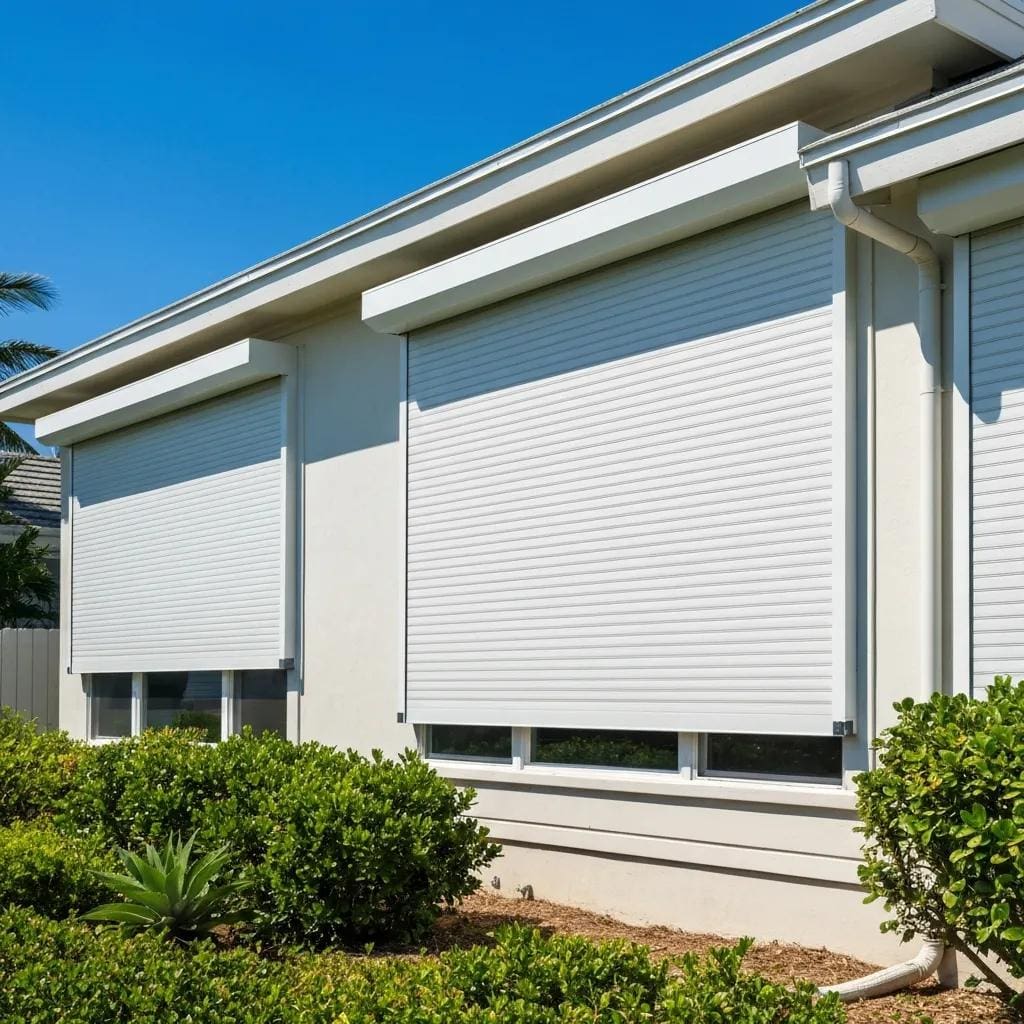
Roll‑down hurricane shutters are motorized systems that lower interlocking aluminum slats into tracks to protect windows and openings. They deploy quickly, resist high winds, and are a common choice for coastal homes. This guide walks through how federal tax credits, state rebates in North and South Carolina, insurance discounts, and financing options can lower the net cost of installing roll‑down shutters in 2025. You’ll learn which federal credits may apply, how local grant programs work, what documentation insurers and grant administrators usually require, and practical next steps to capture available savings. We also cover the technical side—design pressure analysis and building‑code alignment—that often determines eligibility. Read on for clear tables, step‑by‑step checklists, and practical tips to estimate costs and gather paperwork, plus when to request a free estimate from American Hurricane Shutters to document qualification.
What federal tax credits might apply to roll‑down hurricane shutters in 2025?
Some federal incentives for home resilience and energy efficiency can also cover storm‑protection measures like roll‑down shutters when products meet specific performance or safety standards. In 2025, the most relevant federal pathway is the Energy Efficient Home Improvement Credit, which can include qualifying upgrades depending on program guidance. Focus on the credit’s name, eligibility rules, and required paperwork — usually product certification, installation invoices, and any third‑party testing or design‑pressure documentation showing compliance. Knowing these requirements upfront reduces the risk of rejected claims and helps you stack federal benefits with state or local programs. The table below summarizes the primary federal options, which shutter measures may qualify, and common benefit examples so you can see the differences before moving into claim steps.
These federal credit options summarize potential national support for storm‑protection upgrades:
Federal credits differ by program, and qualifying shutters typically need specific certification or engineering documents to prove eligibility. If you’re unsure how a roll‑down system lines up with federal definitions, the next section explains how the Inflation Reduction Act (IRA) affects credit qualification and gives practical examples of when shutters meet the standard.
How does the Inflation Reduction Act of 2022 affect hurricane shutter tax credits?

The Inflation Reduction Act expanded and extended tax incentives for home improvements, mainly through the Energy Efficient Home Improvement Credit and related provisions that encourage resilient and energy‑saving upgrades. While the IRA focuses on energy efficiency, some resilience or mitigation improvements can qualify when implementing guidance recognizes them or when they’re part of a combined eligible project. For roll‑down shutters, eligibility often comes down to whether program guidance lists them as qualified measures or whether they’re installed alongside other qualifying upgrades. Keep product certifications, manufacturer specs, and any engineering analyses handy — those are the documents program administrators review when approving claims.
Because IRS guidance and implementing rules can change, plan ahead: get test certifications and supplier documentation before or at installation. Missing paperwork later can invalidate what would otherwise be an eligible claim. The following subsection clarifies which Energy Efficient Home Improvement credits most commonly apply to shutter installations and what documentation matters most.
Which Energy Efficient Home Improvement credits commonly apply to roll‑down shutters?
Homeowners usually evaluate the Energy Efficient Home Improvement Credit and related IRA‑era credits for shutter eligibility. Qualification generally requires that the shutter or project meet measurable performance thresholds or be part of a combined eligible upgrade. Typical supporting documents include invoices, manufacturer spec sheets, and third‑party test reports. Use a simple checklist to assess likely eligibility: certified product ratings, proof of professional installation, and documentation tying the shutter to resilience or energy benefits. Preparing this paperwork in advance reduces delays and improves audit readiness.
If you’re unsure about the documents you need, consult an installer or engineer who can provide a design pressure analysis and certification letters — those technical documents often bridge the gap between product specs and program rules. In the Coastal Carolinas, American Hurricane Shutters monitors federal updates and can provide the installation and documentation needed for tax filings; request a free estimate to start compiling required paperwork.
What state‑level rebates and grants exist in North and South Carolina?
North Carolina and South Carolina sometimes offer state or locally managed grants, rebates, or mitigation funds that can help pay for storm‑protection measures like roll‑down shutters. Availability, eligibility, and funding levels vary by county and municipality. These programs are typically run through state emergency management offices, housing or weatherization programs, or local hazard mitigation initiatives, and they often prioritize vulnerable properties, coastal zones, and community resilience projects. Check each program’s rules for property type, income limits, required matches, and pre‑approval requirements — many grants require approval before work starts. The table below compares common program types and eligibility details to help you find the best fit.
The table compares typical state and local program patterns in the Carolinas:
Program structures differ by state and locality, and awards range from modest rebates to larger grants when projects are part of community mitigation efforts. The next section outlines how North Carolina’s grant pathways typically work so you can identify common steps and paperwork.
How do North Carolina hurricane shutter grant programs usually work?
North Carolina’s mitigation funds prioritize projects that reduce future storm damage and improve community resilience. Grant programs that cover hurricane shutters generally require proof of property eligibility and documentation of need. Typical steps include an initial inquiry to the administering office, proof of ownership and property location, detailed quotes or estimates for the installation, and supporting technical documents like product certifications or an engineer’s design pressure analysis. Awards are sometimes reimbursements after work is complete or upfront grants contingent on pre‑approval and contractor selection. Timelines depend on funding cycles and administrative review, so get professional estimates and specs before applying to avoid ineligible expenses.
Because local rules vary, coastal homeowners benefit from working with installers familiar with state processes and documentation standards. American Hurricane Shutters’ experience in coastal NC can help determine if your property and shutter system meet local criteria and assist in preparing application paperwork and estimates.
What incentives does South Carolina’s Safe Home program offer for roll‑down shutters?
South Carolina’s Safe Home‑style programs aim to strengthen homes against wind and severe weather through grants or subsidies for qualifying measures. They emphasize owner‑occupied dwellings and households with financial need. Eligible measures often include shutters, improved doors, and roof tie‑downs when they’re part of an approved mitigation plan and installed by certified contractors or approved vendors. Applications usually need a property assessment, contractor quote, and post‑installation verification. Some programs cap awards by measure type or total project cost, so be sure you target eligible work to maximize your funding chances without committing to non‑qualifying upgrades.
Preparing a clear project scope and gathering manufacturer certifications in advance speeds the process. Installers who can provide proof of compliant installation and verification make it easier to move from award to project completion.
How can homeowners qualify for insurance discounts and financial assistance for shutters?
Insurance discounts and financial assistance usually depend on verifiable reductions in wind and water risk. That demonstration comes through certified products, professional installation, and a completed wind mitigation inspection. Insurers calculate discounts based on demonstrated risk reduction and require documentation such as product test reports, installation certificates, and a wind mitigation form from a qualified inspector. At the same time, federal or state hazard mitigation grants can help offset costs when projects are part of approved community initiatives or individual assistance paths are available. The checklist below summarizes the common steps homeowners should take to pursue insurance discounts and financial help, followed by notes on how insurers and grant admins evaluate claims.
Key steps homeowners should take to pursue discounts and assistance:
- Get product certification and manufacturer specs showing wind resistance and code compliance.
- Hire a licensed installer who provides an installation certificate and standards‑based paperwork.
- Schedule a wind mitigation inspection or appraisal to document the risk reduction achieved.
- Assemble invoices, engineering analyses (if needed), and grant application forms before you apply.
Completing these steps improves your chances with insurers and public grant programs because both rely on consistent, verifiable evidence that a measure reduces expected damage and meets program thresholds. The next section explains typical insurance premium reductions and how to document installations to secure those savings.
What insurance premium reductions are commonly offered for roll‑down shutters?

Many insurance companies offer premium discounts when a home shows reduced wind vulnerability through compliant protective measures. Roll‑down shutters that meet code‑based performance standards can qualify. Discount amounts vary by insurer and state, but the underwriting path is consistent: approved product certification, proof of professional installation, and a completed wind mitigation inspection form that notes the shutter’s rated performance. To request a discount, submit the installation invoice, product test reports, and the mitigation inspection to your agent — often the policy is re‑rated after verification. Working with your insurer ahead of time and providing clear technical documentation speeds approval and reduces disputes about the level of savings.
Keeping careful installation records not only helps secure insurer discounts but also supports future claims and sale disclosures, reinforcing the long‑term value of certified, professionally installed shutter systems. That documentation is also important when pursuing FEMA or other mitigation funding.
How do FEMA Hazard Mitigation Grants support storm‑protection upgrades?
FEMA’s Hazard Mitigation Grant Program (HMGP) funds projects that reduce future disaster risk and can support community‑level storm‑protection work, including shutter installations when bundled into approved mitigation plans. HMGP is administered through state emergency management agencies and is typically activated after major disaster declarations; it prioritizes projects with measurable risk reduction and cost‑effectiveness. Homeowners rarely access HMGP funds directly — communities usually apply and include homeowner projects — so get involved with local officials and mitigation planners early. HMGP timelines are longer than direct rebates and require pre‑approval, federal procurement compliance, and careful documentation to show technical and cost‑effectiveness.
Because HMGP awards need strong technical justification and cost‑benefit analysis, homeowners should hire professionals to prepare applications and assemble the engineering or design‑pressure documents that demonstrate a shutter installation’s mitigation value.
What are the cost savings and financing options for roll‑down shutters?
Estimating the net cost of roll‑down shutters means combining upfront prices, credits or grants, expected insurance savings, and financing costs. This section covers financing choices, an ROI view, and a practical tool to estimate out‑of‑pocket expense using our cost calculator. Common financing options include Property Assessed Clean Energy (PACE) programs, home equity loans or HELOCs, and personal or contractor financing. Each option trades off interest rate, term, and effects on property tax or mortgage. The table below helps match financing options to homeowner situations; the following sections explain PACE and how to use our calculator to get quick estimates and request a formal free estimate.
This table helps homeowners evaluate financing alternatives:
Your financing choice changes total project cost and suitability. Model your net cost after expected credits, rebates, and insurance discounts. The section below explains how PACE works and where it fits in a homeowner’s financing plan.
How does PACE financing help pay for shutter installation?
PACE financing lets eligible homeowners finance resilience upgrades through a long‑term assessment added to their property tax bill. That spreads payments over many years and can make larger projects affordable up front. PACE terms and availability vary by locality; assessments may be fixed or variable and in some places transfer with the property. Advantages include access to significant capital and lower monthly payments. Drawbacks include an extra property tax assessment and possible lender restrictions. Before choosing PACE, check local availability, compare effective interest rates and total repayment costs versus other loans, and confirm with your mortgage holder whether a PACE assessment affects loan terms.
Because PACE affects long‑term ownership costs, run scenario models that include expected insurance discounts and tax credits to compare net present value across options. The following subsection explains how to use our cost calculator to generate quick estimates for that analysis and how to request a no‑cost on‑site estimate.
How to use American Hurricane Shutters’ cost calculator for a quick estimate?
Our online cost calculator gives fast, preliminary estimates by asking for basic inputs: number of windows or openings, average opening size, preferred shutter type (roll‑down vs. accordion), and whether you want motorization. For a useful estimate, enter accurate counts and typical opening dimensions, and choose roll‑down shutters. The calculator returns a price range and can factor motorized vs. manual options. Use those results for budgeting — a free, on‑site estimate from us refines pricing after we measure openings and check installation conditions. Running the calculator before applying for grants or estimating tax credits gives you a starting point for ROI, comparing financing options like PACE, and assembling application budgets.
After you run the calculator, request our free on‑site estimate to get the detailed documentation and itemized costs that many grant and rebate programs require.
Which building codes and standards affect eligibility for credits and rebates?
Many incentives and insurance discounts require compliance with building codes and recognized standards: design pressure ratings, standardized test methods, and code references such as the Florida Building Code’s wind‑resistance rules. These standards verify a shutter system will perform under specified wind loads and that installation meets safety criteria — proof grant admins and insurers use to judge risk reduction. Product components — motorized roll mechanism, aluminum slats, mounting tracks, stainless steel fasteners — should appear in specifications showing they meet testing or code criteria. The following sections explain why Florida standards matter for coastal homeowners and how design pressure analysis supports incentive eligibility, and how professional services can bridge any compliance gaps.
Meeting these technical thresholds can unlock incentives, boost resale value, and reduce insurer friction when documenting mitigation measures. The next subsection explains why Florida Building Code standards are commonly used as a benchmark.
Why does meeting Florida Building Code standards matter for coastal homeowners?
Though it’s a Florida state code, the Florida Building Code (FBC) is often used as a practical benchmark for coastal resilience because of its strict wind‑resistance testing and performance requirements for openings protection. Insurers, grant programs, and many local jurisdictions reference or prefer products tested to FBC‑equivalent standards because they give measurable assurance about wind performance and installation quality. For homeowners in North and South Carolina, choosing shutters that meet or exceed FBC tests signals high performance and often satisfies insurers and mitigation grant administrators. Using FBC‑aligned products and documented installation practices reduces eligibility disputes and strengthens claims of reduced risk.
Because code compliance matters to public and private stakeholders, seek products with clear test reports and installers who provide certificates confirming conformance to recognized standards — it smooths the path to incentives and insurance discounts.
How does a Design Pressure analysis help secure incentives?
Design Pressure (DP) analysis calculates the wind loads a shutter must resist for a specific opening and site exposure. It’s a technical document that links a product’s capacity to site‑specific wind exposure and building geometry. A DP analysis prepared or validated by an engineer shows program administrators and insurers that the selected shutter meets or exceeds calculated loads and therefore complies with incentive or underwriting requirements. Homeowners seeking credits, grants, or discounts often need DP analysis, product certification, and installation documentation together to prove eligibility. American Hurricane Shutters offers DP analysis and professional installation to produce the technical packet many programs require, helping speed qualification.
Getting a DP analysis early guides product selection, improves cost estimates, and reduces the chance an installation will be judged non‑compliant later — all outcomes that protect eligibility for incentives and assistance.
What questions do homeowners ask most about credits and rebates?
Homeowners typically ask who can apply, what paperwork is needed, and when to apply so they don’t lose funding. This section gives concise answers and a practical timeline to simplify planning. We clarify differences between owner‑occupied and rental property rules, required proof of installation and certification, and the sequence of pre‑approval, installation, and post‑installation verification. Follow the step‑by‑step checklist in the subsections to maximize your chances of capturing available incentives while staying compliant.
These straightforward answers cut through confusion and guide you in assembling the right paperwork and timing your project. The next subsection covers common eligibility scenarios.
Who can apply for these tax credits and rebates?
Eligibility often depends on property ownership, primary residence status, and program rules. Many federal and state programs prioritize owner‑occupied primary residences; some allow second homes or rental properties under different terms. For federal tax credits, the taxpayer claiming the credit usually must own the property and be responsible for the expense. Grant programs often add income or geographic restrictions and may exclude commercial or rental properties unless expressly allowed. Typical proof includes ownership documents, invoices, product certifications, and installer records that show financial responsibility and technical compliance. Verify program definitions early — eligibility can differ for condos, co‑ops, or rentals.
Knowing these distinctions helps you plan procurement, financing, and application timing and reduces the risk of disqualification.
How and when should homeowners apply for financial assistance?
Successful applications follow a clear sequence: research program rules and eligibility; get detailed contractor quotes and technical docs; confirm pre‑approval if required; schedule installation; and submit post‑installation verification and reimbursement forms within program deadlines. Many grants require pre‑approval before work begins, so don’t start irreversible work without confirming eligibility. Tax credits are claimed on the appropriate tax return with supporting documents kept in case of audit. Key steps: request pre‑approval when required, secure a formal estimate and DP analysis if needed, complete installation with certified installers, and submit final paperwork promptly. Talk to your insurer and program administrator during planning to align expectations and ensure you have the right proof to claim insurance discounts and any rebates or credits.
Follow this sequence — research, document, pre‑approve, install, verify — to keep the process orderly and maximize the chance you receive all the benefits you qualify for under federal, state, and insurer programs.
Frequently Asked Questions
1. What are the benefits of installing roll‑down hurricane shutters beyond tax credits?
Roll‑down shutters offer clear benefits beyond incentives. They protect windows and openings from wind and flying debris, reducing likely storm damage. They can also improve energy performance by adding insulation and lowering heat gain. Many homeowners see lower insurance premiums after installation, which adds up over time. And today’s shutter designs can enhance curb appeal and resale value.
2. How can homeowners find local programs for hurricane shutter rebates?
Look on state and local emergency management websites for grant and rebate listings. Community preparedness groups and local housing agencies may also list opportunities. Talk to contractors who specialize in hurricane protection — they often know which programs are active locally. Your insurance agent can be a resource as well, since they may be aware of discounts or local funding options.
3. Are there specific installation requirements for roll‑down shutters to qualify for rebates?
Yes. Rebates usually require certified products that meet local codes and standards (often aligned with the Florida Building Code) and professional installation by a licensed contractor. You’ll generally need installation certificates and product specs to prove compliance when you apply.
4. What documentation is needed to apply for federal tax credits for shutters?
Keep proof of purchase (invoices/receipts), product certifications showing compliance with the stated standards, and installation documentation from a licensed contractor. Third‑party test reports or an engineer’s letter (like a DP analysis) can strengthen your claim. Organize these records in case the IRS requests them during an audit.
5. How do homeowners ensure their shutters meet performance criteria?
Choose products tested and certified by recognized labs and that meet local building codes. Work with reputable manufacturers who provide detailed specifications and performance ratings. Hire licensed installers and consider getting a Design Pressure analysis to confirm the shutters will withstand local wind loads.
6. What challenges might homeowners face when applying for rebates?
Common hurdles include navigating complex eligibility rules, gathering required documentation, and meeting pre‑approval timelines. Rental properties and unusual property types (like some condos) may have different rules. Delays in getting pre‑approval or completing installation can jeopardize eligibility, so plan ahead and keep paperwork organized.
7. Can homeowners combine federal tax credits with state rebates for maximum savings?
Often yes, but check each program’s rules — some restrict stacking benefits. Carefully review documentation requirements for both federal and state programs to ensure compliance. If in doubt, consult a tax professional or financial advisor to avoid surprises.
Conclusion
Roll‑down hurricane shutters increase your home’s storm protection and can unlock federal tax credits, state rebates, insurance savings, and financing options that lower out‑of‑pocket cost. The key is knowing program rules, gathering the right documentation, and timing your project to meet pre‑approval or filing deadlines. If you’re ready to explore options, request a free estimate from American Hurricane Shutters — we’ll measure, document, and help you assemble the paperwork you need to pursue credits and rebates. Start strengthening your home today.