
Hurricane Preparedness Checklist — Essential Items & Complete Guide to Coastal Home Readiness
Getting a coastal home ready for hurricane season is about practical preparation and prioritizing what protects lives and property. This guide walks you through the supplies to pack, how much to store, and the exterior protections that help reduce wind and debris damage for homeowners along the North and South Carolina coast. You’ll find exact supply quantities, tips for keeping prescriptions and first-aid supplies current, clear family evacuation and pet plans, and step-by-step post-storm safety and documentation advice. We also explain how physical defenses—like shutters and panels—work with your emergency kit to lower risk and speed recovery. Each section gives actionable next steps and comparison tools so you can prioritize work by budget, timeline, and local code. Use this plan to build resilience that fits your household and neighborhood before the next storm hits.
Coastal Homeowner Actions for Hurricane Resilience
As the climate changes, coastal homeowners play a key role in lowering risks to property and people from rising seas and more frequent hurricane activity. Without broad, enforceable mandates to retrofit existing homes or change insurance rules, coastal resilience will depend largely on millions of voluntary decisions by individual homeowners.
What Are the Essential Items for a Hurricane Emergency Kit?
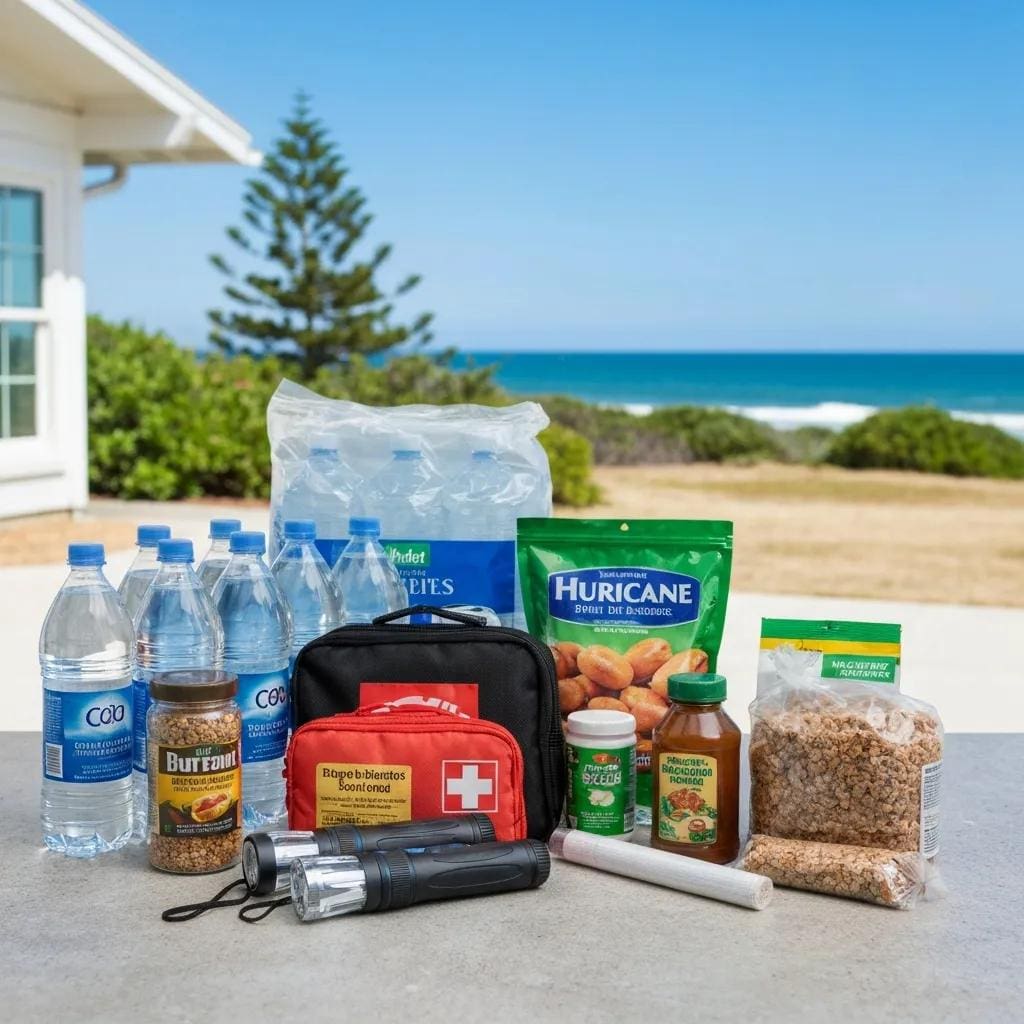
An emergency kit is a compact collection of supplies and documents designed to support your household through extended power or access outages after a hurricane. A solid kit covers water, food, medical needs, lighting and power, communication, hygiene, and pet care so you and your family can stay safe until help or utilities return. Building a kit also lowers stress during evacuation or sheltering and improves your ability to help neighbors immediately after the storm. Below we list core items, recommended quantities, rotation tips, and storage guidance tailored to coastal Carolina conditions and typical outage lengths.
Prepare these core emergency kit categories for every household member:
- Water, food, and hydration supplies to support at least several days of sheltering in place.
- Medical supplies, prescription continuity items, and a basic first-aid kit adjusted for any chronic conditions.
- Power and lighting tools like flashlights, spare batteries, and portable chargers for phones and radios.
These categories form the backbone of readiness; the sections that follow give precise guidance on water and food quantities and the medical items to prioritize to keep care continuous.
How Much Water and Food Should You Store for Hurricane Season?
Water and shelf-stable food are the foundation of any hurricane supply list because dehydration and lack of calories can quickly worsen other problems. Plan for a minimum of 1 gallon of water per person per day for drinking and basic sanitation, and store at least 3 to 7 days of supplies depending on local evacuation guidance and typical outage durations. Choose nonperishable, calorie-dense foods that need little or no cooking—canned proteins, ready-to-eat meals, energy bars, and dried staples—and pick items your household will actually eat, rotating them regularly. Add formula or specialty nutrition for infants, extra portions for older adults or those with medical needs, and separate food and water for pets sized to their needs. Keep water in food-grade sealed containers and store food in a cool, dry spot; label and rotate supplies every six to twelve months to maintain freshness.
What First Aid and Medication Supplies Are Needed in a Hurricane Kit?
A complete first-aid kit goes beyond basic bandages: include antiseptics, dressings, a digital thermometer, blister care, wound-cleaning supplies, and tools for minor procedures that might be delayed after a storm. Keep an up-to-date list of prescriptions, dosages, prescriber contact details, and a physical copy of prescriptions to support emergency refills if pharmacies are closed; when possible, maintain a multi-day surplus of critical medications. For chronic conditions—diabetes, asthma, heart disease—talk with your pharmacy or clinic about emergency refill options and note any backup devices (like inhaler spacers or extra epinephrine) that are part of your care plan. Store medicines in a waterproof container in a cool, dark place; check expiration dates and rotate meds to preserve safety and effectiveness for everyone in the household.
How Can You Secure Your Home Exterior for Hurricane Protection?
Hardening your home’s exterior lowers the chance of structural breach and interior water damage by preventing failures of windows, doors, and other openings during high winds and flying debris. Key defenses include impact-rated coverings—permanent shutters, rolldown systems, and removable panels—plus reinforced garage doors, roof straps, and secure anchoring for outdoor equipment. The right products depend on how often you need access, your aesthetic preferences, and local wind and salt exposure. Below we explain why shutters matter, compare common shutter and panel types, and provide a compact comparison so homeowners can balance protection, usability, and cost.
Why Are Hurricane Shutters Your Primary Defense Against Storm Damage?
Hurricane shutters protect openings by forming a barrier that deflects or absorbs impact energy from windborne debris, helping prevent glass breakage and limiting wind-driven water entry. That protection reduces internal pressurization and the cascade of secondary damage—collapsed ceilings, ruined drywall, and electrical hazards—which typically leads to faster recovery and lower repair bills. Shutters built to or above Florida Building Code standards offer measurable protection and can affect insurance considerations when compliance is documented. Material quality and proper deployment—whether manual accordion panels or motorized rolldown systems—drive performance and convenience. Choose the type that fits how often you open windows, the size of openings, and exposure to salt-air corrosion.
Hurricane Shutter Performance Under Missile Impact
Studies of storm shutters struck by windborne missiles show meaningful differences in how much energy different shutter types absorb and how that affects building damage. Results underscore that shutter selection and construction matter for reducing impact-related failures.
What Types of Hurricane Shutters Are Best for Coastal NC and SC Homes?

Choosing a shutter system means balancing protection, looks, and how often you need to use it. Common options include accordion shutters, rolldown shutters, colonial and Bahama styles, hurricane screens, clear and aluminum panels, and flat polycarbonate (Lexan) panels. Accordion and rolldown systems offer quick deployment and high protection for homes that need frequent access to windows and doors; removable panels and polycarbonate sheets are cost-effective seasonal solutions for vacation properties. Materials react differently to coastal salt exposure—aluminum resists corrosion over time while polycarbonate provides strong impact resistance with visibility. Maintenance needs and mounting (permanent vs. seasonal) also affect longevity and convenience, so weigh those factors against local wind speeds and your home’s design.
Use this quick comparison to match shutter types to deployment needs and coastal conditions:
This snapshot shows how material, deployment method, and protection level guide the best choice; next, we cover how family planning and evacuation steps pair with physical protections.
How Do You Develop a Family and Evacuation Plan for Hurricane Safety?

A family and evacuation plan makes roles, routes, and communications clear when time and infrastructure are limited by a storm. Your plan should list meeting points, primary and backup contacts, and both digital and printed copies of critical documents, plus clear roles for adults and older children. Include local evacuation routes and shelter locations and agree in advance on the triggers for leaving—mandatory evacuation orders or specific storm surge forecasts—so decisions are quick and coordinated. Practice the plan, update contact lists and medical needs, and confirm pet arrangements before the season so everyone responds with confidence when alerts arrive.
A short family emergency communication checklist keeps everyone connected:
- Assign primary and secondary emergency contacts and share numbers and addresses with all household members.
- Pick two meeting points: one near home and one outside the immediate area in case you must evacuate.
- Store digital and printed copies of important contacts, insurance, and medical information in waterproof containers.
These communication basics build the foundation for pet planning and route selection, which refine logistics for a full household evacuation strategy.
What Steps Should You Take to Create a Family Emergency Communication Plan?
Start by choosing a primary contact outside the storm zone and make sure every household member has that contact saved in multiple places. Create a one-page plan with names, phone numbers, meeting points, and medical notes; keep a waterproof copy and a photo on phones so it’s available if services are intermittent. Schedule practice alerts and a timed evacuation drill to confirm everyone knows the steps and meeting locations. Set a simple check-in routine—text when safe, use battery-powered radios for official updates, and conserve phone battery by limiting non-essential use during outages.
These steps naturally extend to including pets in your plan, covered next so animal welfare is part of evacuation planning.
How Do You Prepare Pets and Identify Evacuation Routes During a Hurricane?
Pet preparedness means packing supplies and documentation: bring several days of pet food and water, a sturdy carrier or leash, recent vaccination records, and a photo of your pet in case you get separated. Identify pet-friendly shelters or boarding options ahead of time and confirm availability—many municipal shelters have limited space for animals—so arrange alternates. Map primary and backup evacuation routes and practice loading pets into carriers to reduce stress during a real evacuation. Update ID tags and microchip information before the season and include veterinary contacts in your family emergency documents.
What Are the Key Actions for Post-Hurricane Recovery and Safety?
After a hurricane, safety and careful documentation drive effective recovery and successful insurance claims. First, prioritize human safety: wait for local authorities to clear roads, check for hazards like downed power lines or gas leaks, and use protective gear during immediate cleanup. At the same time, document damage thoroughly with dated photos and notes to support insurance claims and contractor estimates. Follow staged cleanup priorities—stabilize structures, protect undamaged areas, then restore utilities—and hire licensed professionals for structural, electrical, or major roofing work to lower risk and ensure repairs meet code. These steps preserve evidence for claims, prevent further damage, and speed recovery for your household and neighborhood.
A practical post-storm action checklist helps you sequence recovery tasks:
- Confirm personal and household safety before entering a damaged structure.
- Document damage with photos and notes, including timestamps and location context.
- Notify your insurance carrier promptly and follow their guidance on claims and approved contractors.
Following this checklist supports clear documentation and a safer cleanup process, topics we detail in the subsections below.
How Do You Safely Assess Damage and Document for Insurance Claims?
Only begin assessments once authorities say it’s safe, and wear appropriate PPE—gloves, boots, and eye protection—while inspecting. Photograph damaged areas from multiple angles, capture close-ups of broken items and serial numbers, and record video walkthroughs with narration to create an auditable record. Make an itemized inventory of lost or damaged possessions with estimated values, and keep receipts for emergency purchases and temporary repairs since these often support claims. Report the loss to your insurer promptly, follow their process, and keep copies of all communications and contractor estimates to speed claim handling.
This approach to documenting damage leads into safe cleanup and utility restoration practices that reduce risk during recovery, which we cover next.
What Are the Best Practices for Cleanup and Restoring Utilities After a Storm?
Safety comes first when restoring utilities: if you smell gas, leave and call authorities; never try to restart major systems until a qualified inspector clears them. For generators, operate outdoors with proper ventilation, use heavy-duty extension cords rated for your equipment, and refuel only when the unit is off and cool to avoid fires. During cleanup, wear PPE, avoid standing water, and be cautious around unstable structures and downed power lines; photograph damage before discarding items for insurance. When hiring contractors, check licenses and references, get multiple written estimates, and demand a clear scope of work and timeline to reduce fraud and ensure durable, code-compliant repairs.
Methodical cleanup and professional restoration protect people and help ensure repairs support long-term resilience rather than short-term fixes.
Which Local Resources Support Coastal NC and SC Homeowners During Hurricane Season?
Coastal homeowners can strengthen household preparedness by subscribing to official alerts and tapping local emergency management resources. County and municipal agencies publish evacuation zone maps, shelter locations, and order notices; NOAA and FEMA provide authoritative forecasts and recovery guidance, and groups like the American Red Cross run shelters and relief services. Community volunteer groups and faith-based organizations often coordinate neighborhood help and donations; connecting with these networks before a storm improves local resilience. Below are practical steps to access alerts and build the community connections that matter when minutes count.
Sign up early for multiple alert channels and verify local contacts:
- Register for local emergency alerts from your county or city and enable a NOAA weather radio for continuous updates.
- Locate evacuation zone maps and identify primary and secondary shelters for your household and pets.
- Connect with community volunteer groups and neighborhood associations to share resources and recovery responsibilities.
These steps make official guidance easier to access and build neighborhood-level redundancy that complements household planning and exterior protections.
How Can You Access Emergency Alerts and Local Government Contacts?
Use multiple, redundant channels for emergency alerts so you receive timely evacuation and hazard notices even during service interruptions. Sign up for county or city notification services, enable mobile weather alerts on smartphones, and keep a battery-powered NOAA weather radio tuned for updates. Save your municipal emergency management office contact details in your family plan; these offices publish evacuation routes and shelter information specific to coastal North Carolina and South Carolina communities. Rely on official sources for actionable orders and treat social media reports cautiously during high-volume events, as unofficial information can be unreliable.
Staying connected to official alerts and contacts helps you execute evacuation or sheltering decisions quickly, while local support networks increase household resilience, as described next.
What Community Support Networks Are Available for Hurricane Preparedness?
Community support networks include local shelters, faith-based organizations, neighborhood emergency response teams, and volunteer recovery groups that coordinate supplies, temporary housing, and cleanup help. Faith-based groups and non-profits often mobilize before and after storms to deliver meals, distribute supplies, and remove debris, while formal volunteer organizations may supply trained teams for basic recovery tasks. Joining neighborhood preparedness groups or volunteer efforts before storms builds trust and practical know-how that speeds coordinated responses. When donating or volunteering, work with established organizations to ensure contributions meet actual needs and align with official recovery plans.
Engaging these networks strengthens your community’s ability to withstand and recover from storms, and professional exterior-protection services help households plan and install upgrades—covered in the next section.
How Can You Estimate Costs and Get Professional Help for Hurricane Protection?
Estimating costs and scheduling professional installation are key steps to turn preparedness plans into durable home protections that lower long-term risk. Start with a rough budget and prioritize the openings with the biggest exposure—large picture windows, sliding doors, and garage doors—then use online tools or a professional assessment to refine cost and timeline estimates. Free estimates and Cost Calculator tools let homeowners compare options, schedule installations, and phase work to fit budgets and seasonal windows. Professional involvement also ensures code compliance—coastal areas commonly reference Florida Building Code standards—so working with qualified local providers streamlines permitting and guarantees installation quality.
Follow these steps to plan and prioritize protective investments:
- Start with a ballpark estimate using an online Cost Calculator to set budget expectations for shutters and panels.
- Request a free on-site estimate from a local professional to confirm measurements, mounting conditions, and an installation timeline.
- Protect the most vulnerable openings first and phase additional work as your budget allows.
These steps help turn preparedness plans into concrete, code-compliant installations that reduce risk and speed recovery after storms.
How Do Free Estimates and Cost Calculators Help Plan Your Hurricane Shutter Investment?
Free estimates and Cost Calculator tools deliver three practical benefits: they give ballpark cost ranges to shape budgets, help prioritize phased work by risk and funds available, and create a timeline for ordering and installing systems before peak season. A Cost Calculator provides immediate comparisons—accordion or rolldown shutters versus removable panels—while an in-person estimate confirms site-specific details like mounting substrate and obstructions. Bring photos, rough measurements, and a list of priority openings to estimates to get the most accurate guidance and to compare bids objectively. Combining online tools with professional input lets homeowners schedule work that meets local codes and seasonal installation windows.
Smart budgeting and planning reduce last-minute scrambling and ensure protections are installed and inspected well before storms threaten the coastline.
Why Choose American Hurricane Shutters for Quality Installation and Local Expertise?
American Hurricane Shutters offers a full range of hurricane protection products and services tailored to homeowners and businesses across coastal North and South Carolina—Accordion Shutters, Rolldown Shutters, Colonial Shutters, Bahama Shutters, Hurricane Screens, Clear and Aluminum Panels, and Flat Polycarbonate (Lexan) options. We provide installation, maintenance, free estimates, and a Cost Calculator to help plan budgets and prioritize protections, with an emphasis on meeting or exceeding Florida Building Code standards for durable, code-compliant work. Serving communities like Wilmington, Myrtle Beach, Oak Island, Topsail, New Bern, and Pawleys Island, we consider local salt exposure and wind profiles when recommending systems. Homeowners can request a free estimate or use the Cost Calculator to begin planning a phased approach to home protection.
Hurricane Shutter Enforcement and Coastal Home Risk
Where shuttering codes exist, enforcement is often inconsistent, leaving many homes vulnerable to flying debris. That gap is particularly concerning in high-risk hurricane areas compared with regions that experience fewer storms.
This local expertise complements household preparedness by ensuring exterior protections are selected and installed with regional conditions and code requirements in mind.
Frequently Asked Questions
What should I include in my pet emergency kit for hurricanes?
Pack enough pet food and water for several days, a sturdy carrier or leash, any required medications, recent vaccination records, and a current photo of your pet. Identify pet-friendly shelters or boarding options in advance—many municipal shelters limit animal space—so you have alternatives ready. These steps help keep your pet safe and reduce stress during evacuations.
How can I stay informed about hurricane updates and alerts?
Sign up for local emergency alerts through your county or city notification service, enable mobile weather alerts on your phone, and keep a battery-powered NOAA weather radio for continuous updates. Save your municipal emergency management office’s contact details and monitor official sources for evacuation routes and shelter information. Multiple alert channels help ensure you get timely, reliable information during service disruptions.
What are the best practices for documenting damage after a hurricane?
Wait until authorities say it’s safe, then document damage thoroughly with photos and videos from multiple angles. Create an itemized list of lost or damaged items with estimated values and keep receipts for emergency repairs and purchases. This documentation supports insurance claims and helps you track recovery expenses.
How can I prepare my home for potential flooding during a hurricane?
Elevate electrical appliances and utilities above expected flood levels, install and maintain sump pumps, and consider waterproofing in vulnerable areas. Use sandbags at entry points as a temporary measure and keep gutters and drains clear to reduce water buildup. These steps lower flood risk and limit water damage.
What should I do if I need to evacuate during a hurricane?
If you must evacuate, follow your family’s emergency plan and leave early when advised. Take your emergency kit with documents, medications, and pet supplies. Use local alerts for evacuation routes and shelter locations, tell your emergency contact your plans, and avoid driving through flooded roads—conditions can change quickly during storms.
How can I assess the structural integrity of my home after a hurricane?
Check for visible roof, wall, and foundation damage—look for cracks, sagging, or water intrusion. If you see major damage or flooding, contact a licensed professional for a full inspection. Avoid entering areas that look unsafe and wear protective gear during any on-site checks.
What resources are available for financial assistance after a hurricane?
FEMA provides disaster assistance programs for eligible households, and local governments may offer relief funds or grants. Non-profits like the American Red Cross also provide financial aid and support services. Document damages and expenses carefully to support any assistance applications.
Conclusion
Preparing your coastal home for hurricane season protects your family and property when it matters most. By putting together a robust emergency kit, strengthening your home’s exterior, and creating a clear family evacuation plan, you’ll improve both resilience and recovery. Tap local resources and trusted professionals to round out your plan—and start now so your household is ready before the next storm approaches.