

DIY Roll Down Shutters Setup Explained for Homeowners: Step-by-Step Installation and Maintenance Guide
Roll down shutters are exterior protection systems that store a curtain of interlocking slats in a compact roll box and deploy along vertical tracks to shield windows and doors from wind, impact, and unwanted entry. This guide walks you through how roll down shutters work, why some homeowners tackle installation themselves, and how to pick coastal-grade materials and mounting methods that meet hurricane protection needs. You’ll find the common shutter types, a tools-and-materials checklist tuned for coastal North and South Carolina, clear step-by-step installation tips, and routine maintenance and troubleshooting to keep shutters reliable. We also cover code considerations and when to call a pro so anchors and ratings meet required design pressures. Where helpful, we point to local installer options and our free estimates from American Hurricane Shutters (AHS) to help you decide whether to DIY or hire certified technicians for code-critical work.
What Are Roll Down Shutters and Why Choose DIY Installation?
Roll down shutters include a housing (roll box), a curtain of slats, vertical guide rails, and either a manual crank or electric motor to raise and lower the curtain. Properly anchored, they create a continuous barrier against wind-driven debris and intrusion and deliver predictable design pressure resistance. Homeowners often choose DIY for surface-mount or temporary systems to save on labor and keep control of the project; however, recessed housings, wide spans, and installations that must meet permit or structural requirements are typically best handled by professionals. Knowing the different types, recommended coastal materials, and anchoring needs will help you decide if a DIY approach is right for your opening.
What Types of Roll Down Shutters Are Suitable for Homeowners?
Homeowner-friendly roll down shutters come in manual and motorized versions and in surface-mounted or recessed housings. Common materials include aluminum and polycarbonate, each with different weight and durability profiles. Manual units—operated by a crank or strap—work well on smaller windows where simplicity and cost matter. Motorized systems add convenience for larger openings or frequent use. Surface-mounted housings are easier to retrofit and are often suitable for DIY, while recessed housings require precise framing and are better left to pros. Other shutter styles—Bahama, accordion, and storm panels—remain options, but roll down systems are popular for continuous coverage and easier automation.
Quick comparison of common homeowner roll down shutter types and trade-offs:
This overview helps you match shutter type to your skill level and opening size before weighing DIY pros and cons.
What Are the Benefits and Risks of DIY Roll Down Shutter Installation?
Installing shutters yourself can save on labor, speed up the project, and give you hands-on knowledge of how your system works. But DIY also brings risks: incorrect anchoring, misaligned guides, or missed code requirements can reduce protection.
The main benefits are lower costs and quick response for secondary or temporary covers—for example, fitting surface-mount manual shutters on a shed or small window.
Key risks include using the wrong fasteners for coastal conditions, failing to meet required design pressures, or voiding warranties by not following manufacturer instructions.
Use this decision checklist: if the opening spans multiple structural bays, requires a documented design pressure, or needs electrical and motor work, plan to hire a professional. The next section describes materials and tools that reduce common DIY mistakes and improve long-term performance.
What Tools and Materials Do You Need for DIY Roll Down Shutter Setup?
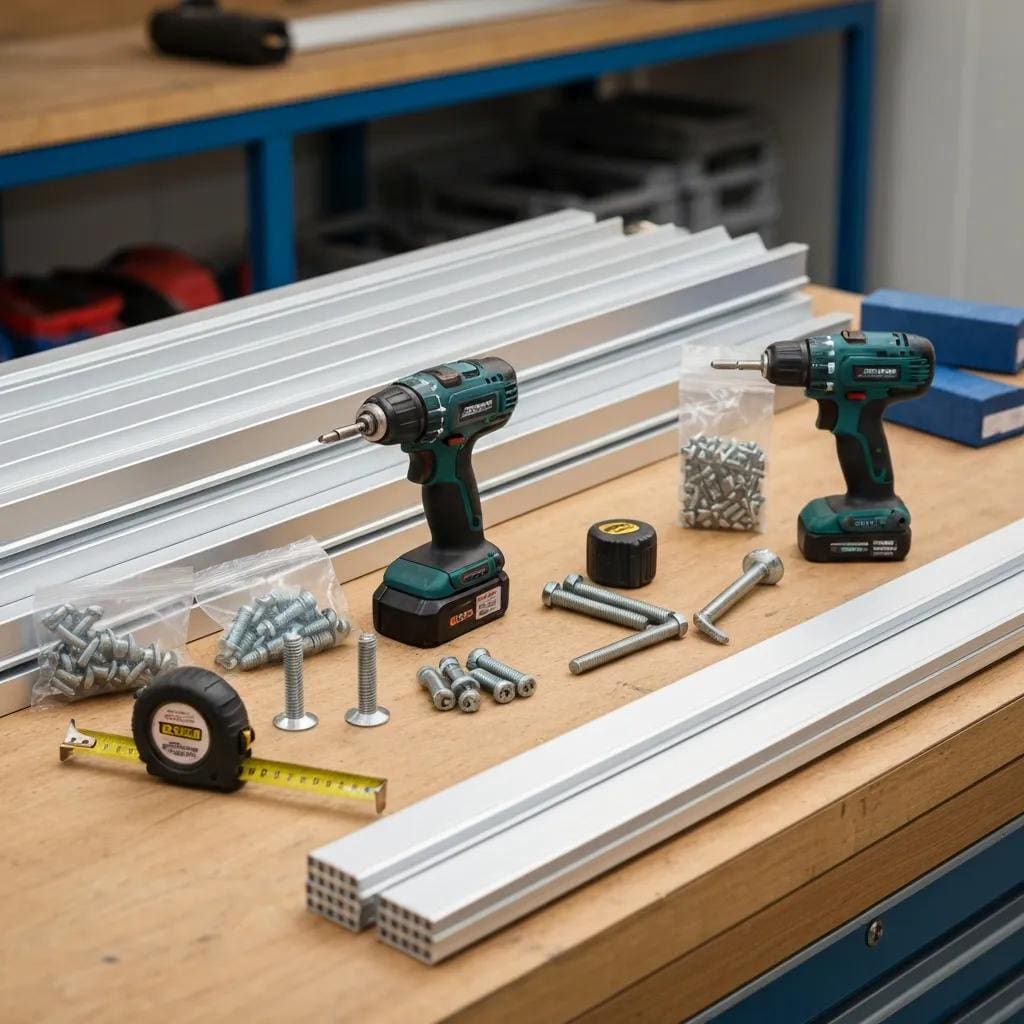
A focused toolset and coastal-grade materials make the difference between a short-lived job and a durable install. Choosing the right alloys and fasteners prevents premature corrosion and helps the system hold its rated performance.
Materials and tools to prioritize for durable, code-aware DIY work:
This table explains why marine‑grade aluminum and stainless fasteners are recommended in coastal installs and helps you source the right parts.
Which Materials Are Best for Home DIY Roll Down Shutters?
Along the Carolina coast, pick materials that resist salt, humidity, and sun. 6063‑T6 marine‑grade aluminum balances strength, low weight, and corrosion resistance. Anodized or coated finishes add protection and keep the look fresh. Polycarbonate slats can offer impact resistance and visibility in certain cases but tend to scratch and weigh more. Fasteners are critical—using 316 stainless steel prevents galvanic corrosion and preserves anchor integrity. Choose compatible coatings and seals to limit crevice corrosion and keep tracks moving. These material choices determine whether a DIY install will stay safe and code‑compliant over time.
What Essential Tools Are Required for Installation?
The right tools cut errors and help you achieve accurate alignment: precise measuring tools, a drill with torque control, levels, and the correct driver bits are essential. Safety gear—eye protection, gloves, and fall protection when working at height—is nonnegotiable. Torque‑controlled drivers protect fasteners from over- or under‑tightening and keep clamping forces within manufacturer specs, which affects design pressure performance. Keep spare stainless fasteners and an exterior‑rated sealant on hand to finish a weatherproof job.
Essential tools for roll down shutter DIY installation:
- Measuring tape and laser level — for accurate opening dimensions and vertical plumb.
- Cordless drill/driver with torque control — to set screws without stripping or overdriving.
- Socket set and torque wrench — for consistent fastener clamping values.
- Ladder or scaffold and fall protection — to work safely at height when mounting housings.
What Are the Step-by-Step Roll Down Shutter Installation Steps for Homeowners?
Follow a clear sequence so shutters meet their rated performance: measure and prepare the opening, mount the housing, install tracks, insert the curtain, secure fasteners into rated substrate, and test operation under load. Each step includes alignment checks, fastener torque verification, and electrical checks for motorized units. This structured workflow reduces binding, misalignment, and anchoring problems that can undermine hurricane protection. Below is a concise checklist you can follow on the job.
- Measure opening width and height and confirm framing substrate and anchor locations.
- Assemble and position the roll box housing, ensuring level and plumb alignment.
- Mount vertical guide rails precisely and fasten with specified stainless fasteners into structural framing.
- Insert the curtain into the housing, connect motor or crank mechanism, and test full travel cycles.
- Adjust limit switches (motorized) or stops (manual), verify sealing, and perform a final anchor torque check.
These core steps form a repeatable workflow. The following H3 sections expand on measurement techniques and the mechanical sequence for mounting housing, tracks, and curtain insertion.
How Do You Measure and Prepare for Roll Down Shutter Installation?
Accurate measuring decides whether you can surface‑mount or need a recessed install and whether anchors line up with framing able to resist design pressures. Measure finished and rough opening dimensions at several points to find out‑of‑plumb or bowed framing; use the smallest width and height to size the curtain. Inspect the substrate—masonry, concrete, or wood—and plan anchor locations; light siding may need blocking to reach load‑bearing studs. Before starting, check permit triggers and local wind‑load thresholds so your selected system and fastener layout can meet a Design Pressure Analysis if required.
How Do You Mount the Housing, Install Tracks, and Insert the Curtain?
Set the housing on a level plane and temporarily shim it to confirm plumb, then attach with corrosion‑resistant fasteners into structural members using the recommended spacing and torque. Proper alignment now ensures smooth operation later. Install guide rails with consistent vertical spacing and verify they’re parallel to prevent binding; add intermediate anchors if the shutter’s rating requires them. When inserting the curtain, follow manufacturer steps to seat the slats in the housing and align the bottom bar with locking or weather seals. For motorized systems, connect power and adjust limit switches to prevent overrun. After several test cycles, recheck anchor torque and run a final under‑load test to confirm smooth deployment and secure anchorage.
How Do You Maintain and Troubleshoot Roll Down Shutters After Installation?
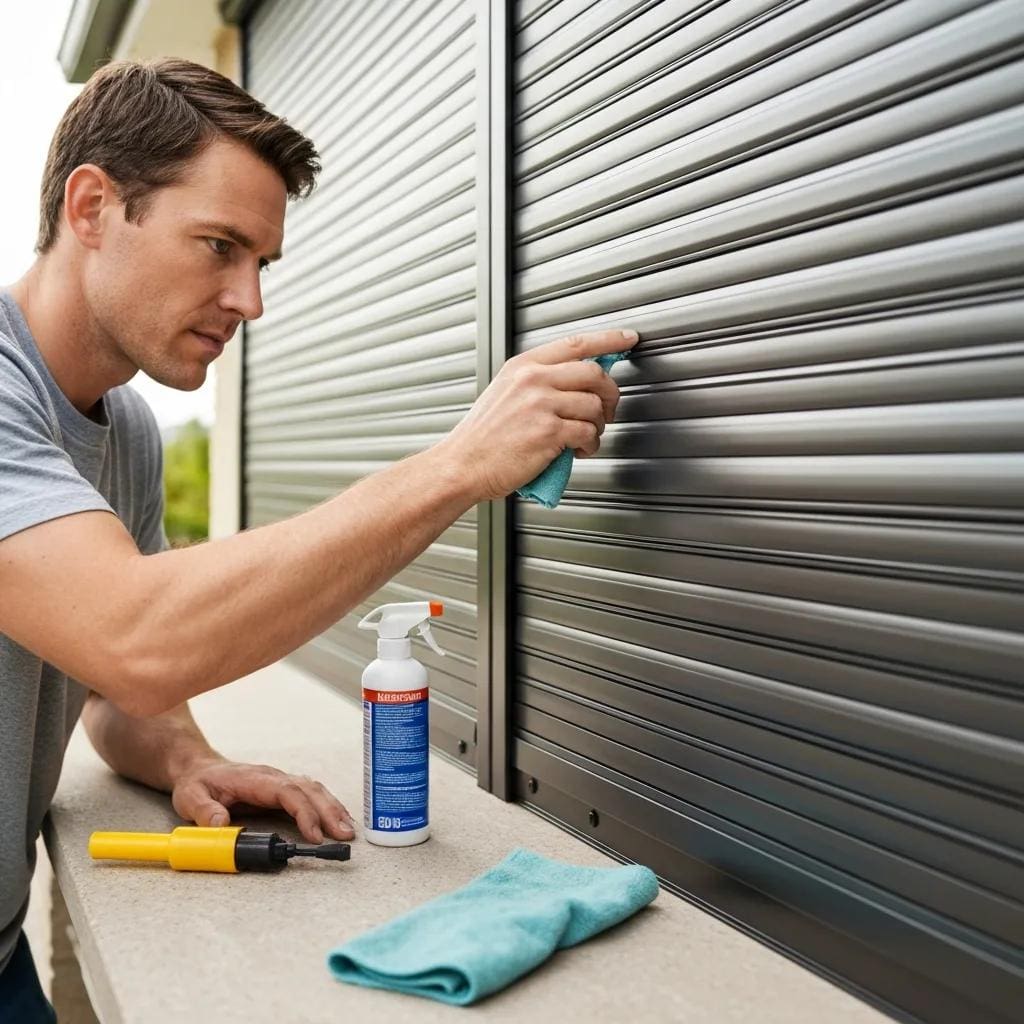
Regular maintenance preserves operation and corrosion resistance so your shutters deliver hurricane protection year after year. A simple schedule of cleaning, lubrication, fastener and seal checks, and motor inspections prevents sticking, noise, and motor strain. Troubleshooting follows a logical progression: clear debris and check alignment first, then inspect linkages and motor function; bring in a pro if anchors, motors, or structural attachments are involved. The next sections list cleaning tips and common fixes to keep a DIY install working well.
Monthly and annual maintenance checklist for roll down shutters:
- Monthly: Quick visual check of tracks and a brief operational test to spot binding.
- Quarterly: Clean tracks and slats with mild detergent and rinse away coastal salt spray.
- Bi-annual: Lightly lubricate moving parts with a PTFE spray and verify fastener torque.
- Annual: Motor inspection and electrical safety check for motorized units.
What Are the Best Practices for Cleaning and Lubricating Roll Down Shutters?
Use mild cleaners and soft brushes to remove salt, dirt, and pollen; avoid abrasive products that harm anodized or painted finishes. Rinse with fresh water after washing to remove salt residue, then dry seals so moisture can’t collect. Apply PTFE‑based lubricant sparingly to guide rails and moving linkages—too much lubricant attracts grit and builds up. Check seals and weatherstripping for compression set or degradation and replace them as needed to maintain water and wind barriers. Regular cleaning and light lubrication preserve smooth travel and reduce motor load.
How Do You Troubleshoot Common Issues Like Stuck or Noisy Shutters?
Start troubleshooting by inspecting tracks for debris, dents, or foreign objects that block travel—cleaning and realigning tracks often fixes sticking. If noise continues, check for loose fasteners, worn motor bearings, or slats rubbing from misalignment; tightening anchors and correcting parallelism typically reduces friction and noise. For motorized units, confirm limit switch settings and power supply; repeated motor overheating or failure should be diagnosed by a pro to avoid unsafe electrical or mechanical work. If you find anchor failure or heavy corrosion, contact a certified installer to assess repairs and ensure the system meets its rated protection.
How Do Local Building Codes and Safety Standards Affect DIY Roll Down Shutter Installation?
Local codes and safety standards define required impact resistance, wind load ratings, and approved attachment methods that affect product choice and installation technique. Standards such as ASTM E1886 and ASTM E1996 cover impact and cyclic wind testing, and the International Building Code (IBC) guides how those test results apply to permits. Coastal homeowners in North and South Carolina should confirm whether their jurisdiction requires product approvals, inspections, or documentation for shutters used as primary protection. Understanding these code requirements before you start prevents failed inspections or insurance problems later.
What Are the Key Building Codes and Permits for Coastal North and South Carolina?
Relevant references include ASTM E1886/E1996 for performance testing and the IBC for structural and attachment criteria; some localities adopt coastal amendments or specific design pressure tables that trigger permits. Typical permit triggers include work that changes egress, alters structural framing, or installs primary hurricane protection rated to a specified design pressure. Check with your local building department about required documents—manufacturer test reports, anchor schedules, and a Design Pressure Analysis—before you begin. Early confirmation avoids noncompliant retrofits and helps ensure approvals from inspectors.
When Should You Consult Professionals to Ensure Code Compliance and Safety?
Hire professional installers for motorized systems, large spans, recessed housings, or projects that need a Design Pressure Analysis—these situations often require certified technicians and structural review. American Hurricane Shutters (AHS) recommends homeowners handle simple surface‑mount systems if comfortable, but many permanent or code‑critical installs are best left to insured, certified crews to guarantee correct anchorage and adherence to design pressure requirements. AHS offers free estimates and employs technicians trained in site‑specific installations, material standards, and warranty‑preserving methods—so call for a site evaluation when a job is beyond your DIY comfort zone.
How Do Roll Down Shutters Enhance Home Security and Hurricane Protection?
Roll down shutters add a sturdy physical barrier that resists forced entry and limits damage from flying debris in storms. They also improve comfort by shading windows (reducing solar heat gain) and lowering outside noise when closed. When shutters are tested to ASTM standards and installed to rated anchorage, their impact resistance and wind‑load capacity translate into measurable protection. Proper materials, correct installation, and ongoing maintenance are what unlock insurance benefits and reduced storm damage—not just the product itself. The next sections outline specific security benefits and how product attributes map to protection standards.
What Security Benefits Do Roll Down Shutters Provide for Coastal Homeowners?
Roll down shutters deter opportunistic break‑ins by presenting an immediate mechanical barrier and reduce interior damage during storms by containing broken glass and blocking projectiles. They also lower solar heat gain and help with sound attenuation, which can improve comfort and save energy. For coastal homes, properly sealed and anchored shutters reduce interior water intrusion from wind‑driven rain. Together, these benefits make roll down shutters a practical, multifunctional investment against both storm and everyday risks.
How Do Roll Down Shutters Meet Hurricane Protection Standards?
Products tested to ASTM E1886/E1996 show impact resistance and cyclic wind performance; correct field installation into load‑rated substrate with a documented Design Pressure Analysis ensures the installed assembly meets the tested performance. For example: 6063‑T6 marine‑grade aluminum provides strong corrosion resistance, and 316 stainless steel fasteners preserve long‑term anchor integrity. Certification plus code‑conforming installation mean the shutter system will resist specified loads and impacts—while improper fasteners or weak anchors can negate lab results. If you’re unsure about standards or warranty requirements, request a site estimate from American Hurricane Shutters to confirm materials, anchors, and installation meet local code and manufacturer specs.
Frequently Asked Questions
What are the common mistakes to avoid during DIY roll down shutter installation?
Common DIY mistakes include incorrect measurements that cause misalignment, using the wrong fasteners for coastal conditions, and ignoring manufacturer torque specs. Another frequent error is failing to keep the housing level and plumb—this can make the curtain bind or wear unevenly. Double‑check measurements, use specified stainless fasteners, and follow the installation manual to avoid costly rework.
How can I ensure my roll down shutters comply with local building codes?
Start by checking local regulations and permit requirements with your building department—especially rules tied to hurricane protection and design pressure. Use products certified to ASTM standards and keep manufacturer test reports and anchor schedules handy for permit submittal. If you’re unsure, hire an installer familiar with local code to confirm compliance before you begin.
What maintenance tasks should I perform to extend the life of my roll down shutters?
Keep a regular maintenance routine: monthly visual checks and brief operation tests, quarterly cleaning and rinsing of salt, biannual light lubrication and fastener checks, and an annual motor and electrical inspection for powered units. Sticking to this schedule helps prevent common failures and extends service life.
What should I do if my roll down shutters are not operating smoothly?
First, inspect tracks for debris or dents and clean them. If the problem continues, check alignment, tighten loose fasteners, and look for slat damage. For motorized shutters, verify limit switch settings and power supply. Persistent issues or motor failures should be evaluated by a professional to avoid unsafe repairs.
Are there any specific tools recommended for troubleshooting roll down shutters?
Helpful troubleshooting tools include a measuring tape for alignment checks, a level to confirm housing and track plumb, and a cordless drill with torque control for fastener adjustments. A basic toolkit with screwdrivers, pliers, and a socket set will cover most minor repairs.
How do roll down shutters affect energy efficiency in homes?
When closed, roll down shutters block direct sunlight and reduce heat gain, helping keep interiors cooler and lowering air‑conditioning use. In cooler months they can help retain heat and reduce drafts. Added insulation and reduced solar load can translate into measurable energy savings over time.
What are the signs that I need to replace my roll down shutters?
Replace shutters if you see significant dents, cracks, or corrosion—especially in coastal installations where salt damage is common—or if the system frequently sticks or fails to operate smoothly. If shutters no longer meet current codes or fail to provide expected protection during storms, replacement is the safer option. Regular inspections help catch wear early so you can plan replacements before a major failure.
Conclusion
DIY roll down shutters can be a cost‑effective way to add security and hurricane protection when the job matches your skills and the product is suitable for surface mounting. Understanding types, coastal materials, and installation steps helps you make safe choices that comply with local codes. Regular maintenance keeps shutters working when you need them most. For tailored advice, design‑pressure questions, or professional installation, explore our services and request a free estimate from American Hurricane Shutters.