

Top-Rated Accordion Shutters: Real Customer Reviews and Hurricane-Ready Performance
Accordion shutters are permanently mounted storm-protection systems made of interlocking panels that fold or slide into place to shield windows and openings from wind, rain, and flying debris during hurricanes. This guide combines verified customer experiences, clear engineering explanations, and practical, local advice so coastal homeowners can judge accordion shutters with confidence. Readers commonly ask how these shutters hold up in real storms, what installation and upkeep involve, and what costs to expect—this piece answers those questions with regional context and user-focused evidence. You’ll learn what accordion shutters are, how they work, which materials and hardware matter in salty coastal air, and how customers describe performance and service. We map real feedback into straightforward pros and cons, walk through professional installation and DIY considerations, explain cost drivers and how to use a cost calculator, and compare accordion shutters with roll-down, Bahama, and colonial styles. Targeted terms like accordion shutter reviews, accordion shutters Wilmington NC, accordion shutter cost per square foot, and accordion shutter maintenance are woven into practical explanations to help homeowners researching protection for coastal North and South Carolina.
What Are Accordion Shutters and How Do They Protect Your Home?
Accordion shutters are fixed, multi-panel systems that deploy across openings to resist wind pressures and impact by forming a continuous barrier anchored to the building frame. Their protection comes from interlocking panels, sturdy tracks, and secure locking hardware that move wind and impact loads into the surrounding structure, easing stress on glass and frames. In real terms, accordion shutters limit debris penetration and reduce the chance of catastrophic window failure by sharing forces across mounting brackets and end returns. Below is a concise list of the protection benefits homeowners most often search for.
- Impact resistance: Panels and locks lower the risk of broken glass from flying debris.
- Wind pressure management: Tracks and anchors channel wind loads into the structural frame.
- Rapid deployment: Built-in folding action lets you secure openings quickly before a storm.
- Permanent readiness: Because they stay mounted, there’s no need to fetch or store temporary panels.
Those benefits lead into a closer look at the mechanics and materials that determine real-world performance and service life.
How Do Accordion Shutters Work to Provide Storm and Impact Protection?
Accordion shutters slide connected panels along vertical tracks mounted to the opening. When closed, interlocking edges and locking bars form a continuous face that resists inward and outward pressures; the system depends on anchor points and track geometry to transfer loads safely into the structure. Designers check this transfer with a Design Pressure Analysis so anchor spacing, fastener type, and panel reinforcement match expected wind and debris loads for your location. Well-designed systems also include end returns and reinforced corners to limit panel flex and prevent latch failure under peak loads. Knowing these mechanics helps when you compare variants like motorized and manual accordion shutters for your home.
What Materials and Features Make Accordion Shutters Durable and Reliable?
Durability in coastal conditions comes down to material selection and corrosion-resistant hardware—typically extruded aluminum panels with protective finishes and 18-8 stainless steel fasteners at anchor points. Powder coatings or marine-grade paints slow surface corrosion, while reinforced panel profiles and heavier aluminum gauges improve impact resistance and reduce flex under wind. Optional features—insulated cores, reinforced ribs, and motorization—add thermal comfort and convenience but also change cost and maintenance needs. Look for systems engineered with Design Pressure Analysis in mind and installed with stainless hardware to get predictable performance in salt-air environments.
What Do Customers Say About American Hurricane Shutters’ Accordion Shutters?

Homeowner feedback typically clusters around three themes: how shutters perform in storms, the quality of installation, and responsiveness after the sale. Reviews often describe shutters doing their job—stopping debris and preventing window damage—while also noting the difference professional measurement and correct anchoring make. Service comments tend to highlight clear timelines, crew professionalism, and prompt warranty or maintenance support. The next paragraph turns these themes into practical expectations for storm events and owning the product.
Customers point to measurable outcomes like less damage risk and a smoother install when crews perform pre-installation assessments and stick to engineered specs. Those real experiences reinforce the value of features such as stainless fasteners and correctly designed tracks, which homeowners connect to long-term reliability. Third-party review sites show recurring praise for timely service and effective protection; most constructive notes are about aesthetics or access options—issues installers can often address with color matching or motorization choices.
If you want a local next step after reading reviews, American Hurricane Shutters offers a clear option: we educate homeowners about hurricane protection, generate leads through free estimates, and support existing customers with service. American Hurricane Shutters stresses engineered protection, Design Pressure Analysis, 18-8 stainless steel installation, a free cost calculator, and professional installation for coastal North and South Carolina homeowners; readers are invited to request a free estimate or try the cost calculator to gauge likely investment before scheduling a site visit.
Which Real Customer Experiences Highlight Accordion Shutter Performance?
Representative customer stories show typical outcomes: one coastal homeowner reported shutters stopped a window breach during a high-wind event; another noted lower repair costs after a storm compared with neighbors; and a retrofit job in a seaside block demonstrated how correct anchor placement matters. These cases illustrate how Design Pressure Analysis and careful mounting affect results in real storms. Homeowners also mention fast deployment and the peace of mind that comes from knowing openings are protected—factors that influence satisfaction beyond technical performance. Together, these experiences show the difference between a well-engineered, professionally installed system and an improvised approach.
Research suggests homeowners play a vital role in reducing risk from rising seas and stronger hurricanes, yet little work examines the specific choices homeowners make when buying structural mitigation products.
Coastal Homeowners and Hurricane Mitigation: Voluntary Decisions for Resilience
As our climate changes, coastal homeowners will be important actors in reducing risks to property and life from rising seas and stronger storms. Without strict regulations mandating retrofits or major insurance changes, coastal resilience will largely reflect private, voluntary decisions. Yet research is limited on how many coastal homes are structurally vulnerable and what mitigation steps homeowners take or plan. Studies of disaster preparedness often overlook homeowners’ choices as buyers of structural mitigation products, despite such mitigation being one of the most cost-effective ways to reduce losses. This work addresses that gap with a new Coastal Homeowner Survey and indices to measure structural vulnerabilities and homeowner actions and intentions.
Coastal homeowners in a changing climate, D Javeline, 2019
How Do Third-Party Reviews and Ratings Reflect Product Satisfaction?
Third-party reviews usually mix strong praise for protection and installation professionalism with requests for more aesthetic options or advanced features like motorization. Aggregate sentiment points to high satisfaction when installers follow engineering recommendations and use corrosion-resistant hardware. Common compliments focus on protection and crew responsiveness; common asks request clearer timelines or more color/finish choices. Watching these review trends helps homeowners set realistic expectations and prepare targeted questions about anchors, finishes, and warranty coverage.
What Are the Key Benefits and Drawbacks of Accordion Shutters?
Accordion shutters offer solid storm protection, simple operation, and permanent readiness that can add both security and modest energy benefits. On the flip side, they change the look of a façade when closed, can affect egress depending on latch design, and are heavier than lighter storm-screen options. Buyers should balance protection against appearance, access, and cost; the table below compares key attributes to help your decision.
This comparison shows accordion shutters as a strong choice when continuous coverage and fast manual deployment matter, while other types may suit different aesthetic or automation preferences.
What Protection, Security, and Energy Efficiency Benefits Do Accordion Shutters Offer?
Properly anchored, accordion shutters form a rigid barrier that limits impact penetration and reduces wind-driven water entry. As a security deterrent, a solid shutter face makes forced entry more difficult than simple screens, offering ongoing protection beyond storms. Insulated or sealed profiles can reduce heat gain and improve shading, producing modest energy savings depending on orientation and climate. Homeowners should confirm product specs and installation methods that support these benefits—especially if they want to pursue insurance incentives—and ask providers for design analyses that demonstrate system performance for specific openings.
What Are Common Limitations or Considerations When Choosing Accordion Shutters?
Considerations include the visual presence of mounted panels, reduced natural light when shutters are down, and the need for regular track and fastener checks in salt-air conditions. Motorization addresses accessibility and speed but adds cost and electrical maintenance. Retrofitting older homes can require additional framing or reinforcement to meet Design Pressure Analysis requirements, so plan for potential structural attachment costs. Common mitigations include choosing finishes to match trim, opting for motorization if you’ll use shutters frequently, and scheduling routine inspections to catch corrosion early.
How Is the Accordion Shutter Installation Process Handled by Professionals?
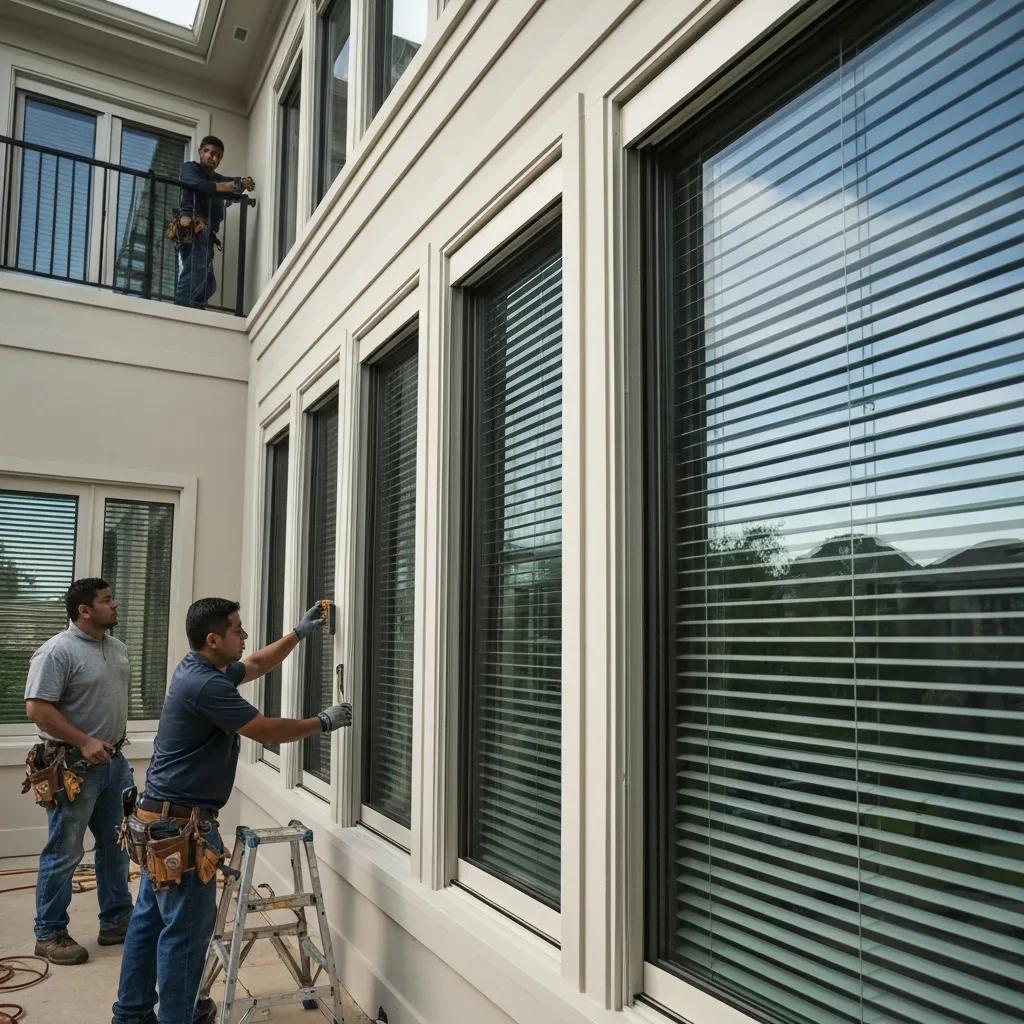
Professional installation starts with an on-site assessment and measurements that feed a Design Pressure Analysis to size anchors and specify panel profiles for local wind loads. Installers prep mounting surfaces, fit tracks, set anchors with corrosion-resistant fasteners, hang panels, and run functional tests to confirm deployment, locking, and sealing. Timelines vary: a single window can often be done in a day, while a whole-house system requires phased scheduling and coordination. The next section outlines what homeowners should expect on installation day.
What Should Homeowners Expect During Professional Accordion Shutter Installation?
On install day expect: exterior prep and temporary protection, precise track mounting at predetermined anchor points, panel fitting and alignment, mechanical fastener installation using stainless hardware, and final functional testing. Crews typically clean up and walk you through how shutters deploy and lock; they’ll note maintenance items and warranty details. Professional teams follow safety protocols—secured ladders, fall protection, and masking to protect finishes. Confirming these expectations ahead of time helps you coordinate pets, children, and vehicle access during the work.
Can Accordion Shutters Be Installed as a DIY Project?
DIY installation can work for very simple openings with light framing if you strictly follow manufacturer instructions, but it carries risks: incorrect anchors, misaligned tracks, and missed load-transfer needs can greatly reduce protection. For coastal homes under strict codes or higher design pressures, professional installation is strongly recommended to ensure compliance and long-term performance. If you try DIY, limit it to small, non-structural openings and use the same corrosion-resistant materials and anchoring strategies professionals use. When unsure, hire an installer who performs a Design Pressure Analysis to ensure predictable results.
- Typical DIY risks include wrong fastener selection, missed load calculations, and poor track alignment.
- Professional installation reduces those risks through engineered analysis and correct stainless hardware.
- For coastal properties or full-house systems, professional installation is the recommended route.
These points explain why many homeowners choose professional crews for larger or code-sensitive jobs.
Understanding what influences the decision to install protective shutters—perceived costs and benefits—is key to explaining homeowner behavior.
Understanding Cyclone Shutter Installation: Costs and Influencing Factors
This research looks at costs and the most relevant factors driving installation decisions. It reviews perceived benefits of structural upgrades and the costs involved. Demographic factors did not reliably predict whether homeowners installed shutters.
Applying the protective action decision model to explain cyclone shutter installation behavior, M Scovell, 2021
How Much Do Accordion Shutters Cost and What Influences Their Price?
A practical cost range for accordion shutters runs from moderate to high depending on materials, size, and options; per-square-foot pricing varies with aluminum gauge, finish, and motorization. Primary cost drivers are material grade, labor complexity for retrofits or reinforcement, the number and size of openings, and add-ons like motorization or insulation. A cost calculator helps turn those variables into a project estimate, and financing or insurance incentives may reduce the upfront burden. The table below breaks typical cost factors into ranges homeowners can use as a starting point.
Use the table as a baseline; entering your measurements into a cost calculator will refine estimates for your actual openings.
What Factors Affect the Cost of Accordion Shutters?
Material choice (aluminum gauge and finish), hardware quality (stainless fasteners versus standard), installation complexity (retrofit vs. new construction), and options like motorization or insulation are the main price drivers. Structural reinforcement or special anchoring required by a Design Pressure Analysis can raise labor and material costs. Local market conditions and crew availability in coastal North and South Carolina also impact labor pricing and scheduling. Ask for itemized quotes that separate material, labor, and optional features so you can compare offers clearly.
Installing cyclone shutters can be costly: some estimates suggest up to $1,000 per window, though that number varies with product choices and installation needs.
Cost Analysis of Cyclone Shutters for Residential Housing
The added cost of cyclone shutters depends on house size, location, and type. Recent modeling indicates installing cyclone shutters can cost up to $1,000 per window, but that varies widely with product and installation specifics.
Climate Impact and Cost-Effectiveness of Window Shutters to Reduce Roof Sheeting Wind Damage to Contemporary Australian Housing, MG Stewart
How Can Homeowners Use Cost Calculators and Financing Options?
Cost calculators work best when homeowners enter accurate inputs—opening dimensions, preferred finish, motorization choices, and any reinforcement needs—to get localized estimates that reflect material and labor variables. Financing and insurance discounts may be available to lower initial costs; ask providers about payment plans and whether certified installations qualify for premium reductions. To help homeowners: American Hurricane Shutters offers free estimates and tools to generate leads and provide service. Homeowners in coastal North and South Carolina are encouraged to request a personalized quote to see project-specific pricing and available financing.
- Cost calculators need precise inputs to produce useful estimates.
- Financing and insurance incentives can affect net cost and payback timelines.
- Requesting a free estimate clarifies scope, timeline, and final pricing.
These pointers help homeowners use tools and offers to make informed investment choices.
How Do Accordion Shutters Compare to Other Hurricane Protection Options?
Accordion shutters provide continuous panel protection that stores on the frame and is quick to deploy, making them a good fit for homeowners who prioritize readiness and strong coverage. Roll-down shutters give similar protection but emphasize motorization and hidden storage for a cleaner look, while Bahama and colonial shutters focus on shade and curb appeal with moderate protection. The comparison table below summarizes features and best-use recommendations to help you decide which style matches your priorities.
This side-by-side helps explain why accordion shutters are often chosen where protection and permanence matter most.
What Are the Differences Between Accordion and Roll-Down Shutters?
Accordion shutters store on the frame and deploy by unfolding panels, while roll-down shutters roll into a headbox above the opening, giving concealed storage and easier motorization. Roll-down systems usually integrate motorization and remote control more cleanly, while accordion systems typically use manual latches or added motors. Maintenance differs: roll-down heads and motors need attention, while accordion tracks and hinges must be checked for corrosion and alignment. The right choice depends on priorities like aesthetics, automation, storage footprint, and budget.
How Do Accordion Shutters Stack Up Against Bahama and Colonial Shutters?
Compared with Bahama or colonial shutters, accordion systems deliver superior continuous coverage and impact resistance. Bahama and colonial shutters provide shading, airflow, and a softer architectural look—Bahama shutters hinge at the top and can be propped for shade, offering limited storm coverage when secured; colonial shutters hinge at the sides and are mainly aesthetic and light-control features. If maximum impact protection is the priority for coastal exposure, accordion or roll-down shutters usually outperform hinged options; if curb appeal and passive shading matter most, Bahama or colonial shutters may be paired with secondary protection.
- Accordion shutters shine where full-coverage impact protection is needed.
- Bahama and colonial shutters favor aesthetics and ventilation with limited storm capability.
- Many homeowners pair decorative shutters with secondary protection for a balanced result.
These comparisons help homeowners choose the right protection strategy for their property and preferences.
To educate homeowners, generate leads through free estimates, and provide ongoing service, American Hurricane Shutters serves coastal North and South Carolina with engineered protection, Design Pressure Analysis, 18-8 stainless steel installation, a free cost calculator, and professional installation; homeowners are encouraged to request a free estimate, use the cost calculator, or contact the company’s local office to evaluate options.
Frequently Asked Questions
What maintenance is required for accordion shutters?
Accordion shutters need regular care to stay reliable, especially near the coast. Inspect tracks and hinges for corrosion and debris and clean as needed. Use a silicone-based spray on moving parts for smooth operation and check locking mechanisms regularly. A professional inspection every few years can catch issues early and ensure shutters remain effective when storms arrive.
Are accordion shutters suitable for all types of homes?
Accordion shutters can fit many home types—single-family houses, condos, and townhomes—but suitability depends on architecture and structural support. Homes with solid framing handle these systems best. Always consult a professional installer to assess requirements and confirm the installation meets local building codes and Design Pressure Analysis standards, especially in high-wind areas.
How do accordion shutters impact home insurance premiums?
Installing accordion shutters can lower insurance premiums because they improve storm protection and reduce damage risk. Many insurers offer discounts for approved storm protection systems. Check with your provider to learn discount requirements and whether your shutters meet the standards. Providing installation documentation and any engineering analysis can help when negotiating rates.
Can accordion shutters be customized for aesthetics?
Yes—accordion shutters are available in many colors, finishes, and styles to complement your home. Powder-coated finishes and marine-grade paints both improve appearance and boost corrosion resistance. Custom options include different panel sizes and configurations to fit unique window shapes, letting you preserve curb appeal while maintaining storm protection.
What is the lifespan of accordion shutters?
Lifespan varies with materials, installation quality, maintenance, and environment. High-quality aluminum shutters installed correctly and maintained can last 20 years or more. Coastal salt exposure can speed wear, so corrosion-resistant materials and finishes are important. Regular inspections and timely repairs maximize service life and reliability.
How do accordion shutters compare in cost to other storm protection options?
Accordion shutters usually fall in the moderate-to-high price range compared with other options. They cost more upfront than temporary solutions like storm panels but offer permanent installation and ease of use. Roll-down shutters may cost the same or more, especially when motorized. Consider long-term benefits—durability, quick deployment, and possible insurance savings—when evaluating cost; many homeowners find accordion shutters a sound investment.
What should homeowners consider when choosing between accordion and other shutter types?
When choosing, weigh protection level, ease of use, aesthetics, and budget. Accordion shutters give continuous, robust protection and are quick to deploy—good for homeowners focused on storm readiness. Roll-down shutters offer convenience and a cleaner look but can be pricier. Bahama and colonial shutters prioritize aesthetics and passive s
