
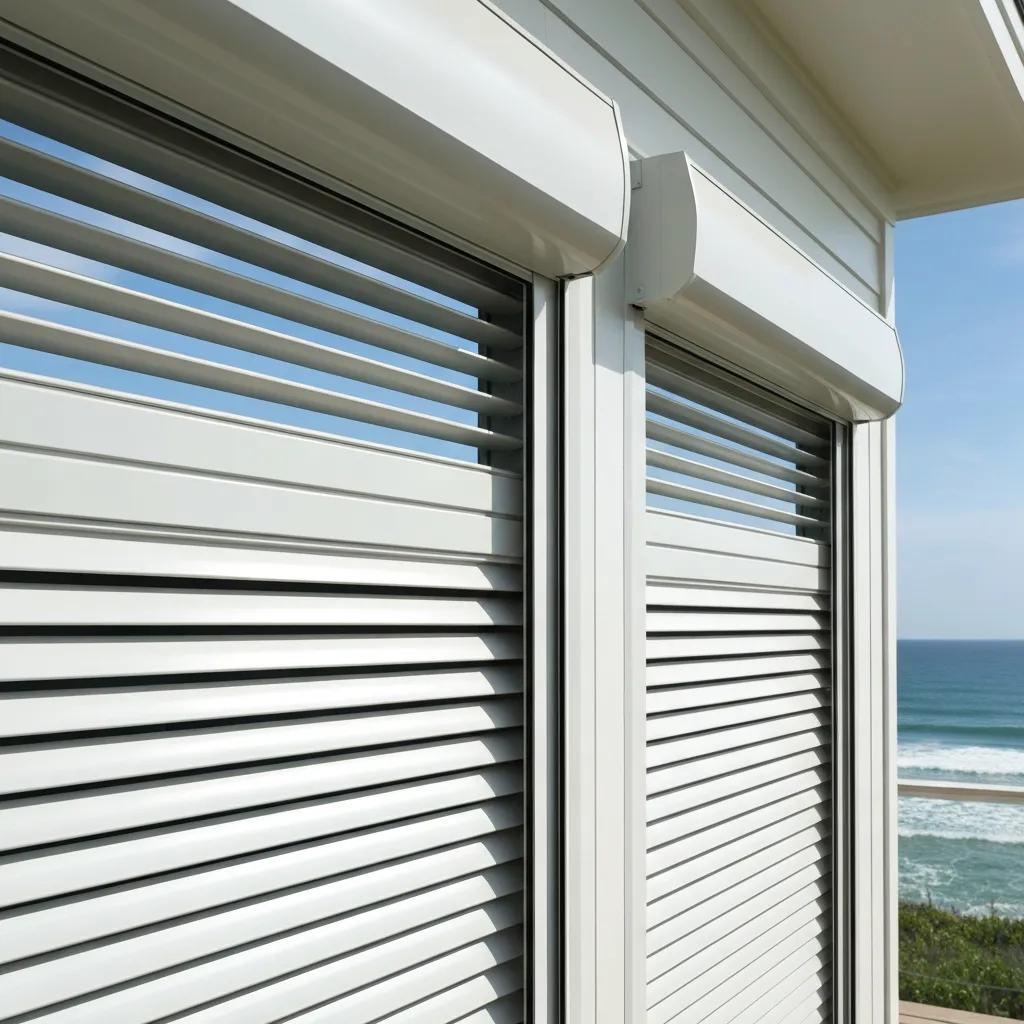
Roll-Down Hurricane Shutters: Costs, Benefits, and Installation — A Practical Guide
Roll-down hurricane shutters are permanently mounted systems made of interlocking aluminum slats that roll into a compact housing to cover windows and doors. Built to resist wind, rain, and flying debris, they come in manual and motorized versions and can also improve home security and reduce solar heat gain. This guide walks through how these shutters work, what drives price, and how they stack up against other options so you can weigh protection, convenience, and value. You’ll find typical cost drivers, benefits for coastal properties (including insurance and resale considerations), plus practical notes on installation and ongoing care.
What are roll-down hurricane shutters and how do they work?
Roll-down shutters form a continuous curtain of interlocking aluminum slats that move vertically inside guide tracks and latch at the sill to create a rigid barrier. The system relies on a housing box to store the curtain, guide tracks to keep the slats aligned, and a bottom bar with latches to secure the closure. Models can be motorized, hand-crank, or manual strap-operated. By stopping projectiles and spreading wind pressure across the opening, these shutters reduce stress on windows and help maintain the structure’s integrity during a storm.
Materials and operation types

Most roll-down shutters use extruded or roll-formed aluminum with a powder-coat finish to resist coastal corrosion. You’ll see motorized systems with electric drives and remotes, manual versions with straps, and hand-crank units that sit between the two in cost and convenience. Motorized shutters often include a manual override or backup power, while manual types avoid electrical work and are typically less expensive for small openings. Choose materials and operation based on opening size, how often you’ll deploy them, local salt-air exposure, and whether you prefer automation or simplicity.
How they protect against storms and enhance security
Roll-down shutters combine impact-resistant slats with secure anchoring so wind loads transfer into the building structure, protecting glazing from debris and reducing inward pressure. Reinforced bottom bars and locking points also help deter forced entry, so the system doubles as a security measure. Slat profile, guide design, fastener layout, and attachment details determine wind-load ratings and overall performance, so selecting a certified product and correct installation is key to meeting local design pressures and security expectations.
Coastal Residential Buildings Under Hurricane Conditions
This paper reviews the performance of coastal residential buildings under hurricane conditions and lessons learned, covering wind and flood damage, building envelope behavior, and mitigation strategies. It notes that metal panels performed relatively well in hurricane protection.
How much do roll-down hurricane shutters cost?
Costs vary by material quality, operation method, opening size, and installation complexity. A common way to estimate is by price per square foot and per opening, with factors like motorization, custom sizing, and structural work driving the final number. Breaking the project into materials, motor and controls, labor, and permitting helps homeowners anticipate total investment and choose which upgrades deliver the best value. After the cost factors below, use a cost calculator or request a personalized quote for precise pricing on your home.
Key price drivers include:
- Material grade: Higher-grade aluminum and corrosion-resistant finishes raise upfront cost but extend service life.
- Operation type: Motorized systems add the motor, controls, wiring and labor compared with manual models.
- Opening complexity: Oversized, irregular, or recessed openings require custom work and more installation time.
- Installation labor & permitting: Structural anchoring, inspections and permit fees vary by jurisdiction and affect the budget.
The table below outlines common components and their typical impact on price so you can prioritize upgrades.
Use this breakdown to compare durability, automation, and cost when planning your project.
Factors that influence price
Final prices depend on protected square footage, slat profile, corrosion-resistant coatings, and how easy installers can access openings. Motorization adds wiring, possible electrical upgrades, and backup power options. Structural prep—like reinforcing headers or trimming—adds labor and parts, and permitting introduces additional time and fees. Knowing these variables helps you decide where to invest for better performance or where to control costs.
Motorized vs. manual: cost comparison
Motorized shutters carry an added cost for the motor, controls and electrical work but make deployment fast and easy—important for large homes or for owners who can’t manually close many openings. Manual shutters are cheaper upfront and simpler to maintain, but frequent manual operation can be impractical. Motorized units often pay back in convenience and faster storm response, while manual units minimize initial spend. Your choice should reflect budget, number and size of openings, and how much you value automation.
Key benefits of roll-down shutters for coastal homes
Roll-down shutters deliver clear benefits for coastal properties: storm protection, added security, reduced solar heat gain, and potential boosts to resale value or insurance savings. They reduce glazing breakage and water intrusion, provide visible deterrence against break-ins, and help lower cooling loads when closed. Understanding how each benefit translates to outcomes helps homeowners evaluate ROI and prioritize features that affect safety, comfort and long-term cost.
Main benefits:
- Storm protection: Continuous curtain and secure anchoring reduce glass damage and exposure.
- Security enhancement: Locking bottom bars and tamper-resistant guides deter forced entry.
- Energy efficiency: Shading and reduced infiltration lower cooling demand in summer.
- Home value & insurance: Permanent, rated systems can improve perceived resilience and may influence premiums.
The table below pairs benefits with how they’re achieved and the expected result.
That side-by-side view makes trade-offs clear when comparing options.
How roll-down shutters boost security and storm resilience
With reinforced bottom bars, tamper-resistant tracks, and secure locking points, roll-down shutters form an engineered barrier that raises the effort required to force an entry. For storms, they convert glass openings into continuous, impact-rated surfaces that push wind loads into the structure rather than the glazing. Those combined benefits lower immediate weather risk and strengthen everyday security—one reason many homeowners prefer a permanent, rated shutter system over temporary panels.
Performance of Hurricane Shutters Under Impact
Testing shows that, for track-mounted installations, damage is often defined as either anchor bolts pulling out of the substrate or failure of the shutter track; results indicate the track tends to be the weak link and may fail before the anchors do.
Can roll-down shutters improve energy efficiency and home value?
Yes. By shading windows and limiting air leakage, roll-down shutters help lower cooling loads during hot months and can improve interior comfort. Over time, energy savings and the value of a permanent protective system can influence resale appeal in storm-prone markets. Insurers may view permanent protection favorably when assessing risk, which can affect premiums. The exact savings depend on climate, utility rates and insurer policies, but the underlying mechanisms—shading, sealing and structural protection—are consistent.
Installation and maintenance: what to expect
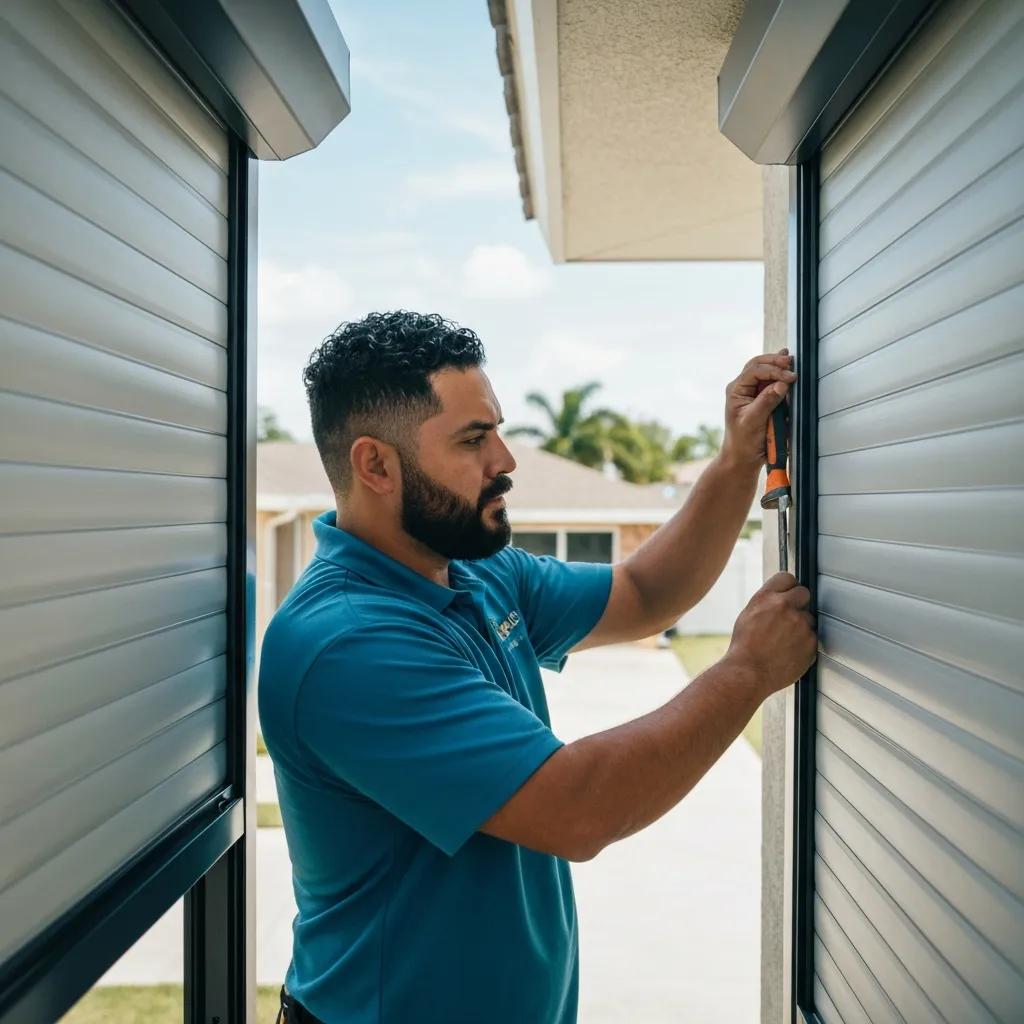
Installation starts with precise measuring and a structural check, followed by custom fabrication, anchoring to framing, and electrical work for motorized units. Professional installers typically handle permits and final testing to meet local codes. Correct fastener patterns and secure attachment are essential to achieve rated wind loads, and motorized systems need proper wiring and backup solutions. Because of these details, certified installation and regular maintenance are important for long-term performance and warranty coverage.
Typical installation and maintenance workflow:
- Measure & assess: Accurate site measurements and framing checks prevent fit issues.
- Fabricate & fit: Custom curtains built to spec maintain seals and proper load paths.
- Mount & test: Correct anchoring and control checks confirm performance ratings.
- Maintain: Seasonal inspections, cleaning and motor servicing extend service life.
Knowing these steps helps you plan the project and understand the value of professional installation.
Why choose professional installation?
Professionals reduce the risk of improper anchoring, incorrect fastener patterns and code noncompliance, any of which can void ratings and warranties. Licensed installers understand design pressures, coordinate inspections, and handle electrical integration for motorized systems. They also manage permit paperwork and documentation, helping avoid delays and rework—so most homeowners opt for certified installation to ensure rated protection and long-term reliability.
Maintenance tips to extend lifespan
Keep a routine: inspect guide tracks and slats before storm season, rinse salt and debris from surfaces, lubricate moving parts per the manufacturer, and operate each shutter occasionally to avoid sticking. For motorized units, test backup power, remotes and limit switches annually and schedule motor service as recommended. Fix dents or alignment issues promptly to prevent further wear, and keep service records to support warranties and insurance claims. Proactive care reduces repairs and preserves performance.
How do roll-down shutters compare to other options?
Roll-down shutters differ from temporary storm panels and from other permanent shutters in permanence, operation and appearance. Unlike storm panels, roll-down systems provide year-round coverage and quick deployment. Accordion and Bahama shutters have different aesthetic and operational trade-offs. The choice comes down to cost, protection level, convenience and how much you want the shutter to blend with the home’s look. The table below highlights typical strengths and limitations to help you choose.
This comparison clarifies trade-offs so you can prioritize automation, permanence and appearance when selecting a system.
Roll-down vs. accordion: cost and features
Roll-down shutters offer a cleaner look when retracted and can be motorized; accordion shutters are a permanent, manually operated alternative without rolling mechanisms. Motorized roll-down units cost more but deploy faster and stay out of sight. Both can provide strong protection when installed correctly; roll-down systems usually have the edge for automation and hidden storage, while accordion shutters are a simpler permanent option.
Roll-down vs. Bahama, colonial and storm panels
Bahama and colonial shutters boost curb appeal and offer shade but usually don’t match the continuous, load-bearing capability of roll-down systems in major storms. Storm panels are the lowest-cost, temporary alternative but require storage and manual installation. If you want year-round protection, fast deployment and minimal visual impact when not in use, roll-down shutters are often the best fit.
Hurricane Mitigation Status in Florida Homes
Survey results show shutter use is influenced by neighbors with shutters, coastal location and shutter type. Commercially installed shutters (Code 6) and hurricane panels were common in North Florida, and over 93% of coastal homes in Florida reported some form of hurricane protection.
Why roll-down shutters are a strong choice for coastal NC and SC
The Carolina coast faces wind, rain and debris each hurricane season, so systems with tested wind-load resistance, corrosion-resistant finishes and quick deployment are valuable. Roll-down shutters meet those needs when they’re engineered and installed to code. Local permitting often references Florida standards for performance, so choosing systems rated to those benchmarks helps with inspections and long-term resilience. Local examples from Wilmington, Myrtle Beach, Oak Island and nearby communities show that permanent, automated protection reduces storm damage and speeds recovery—so prioritize corrosion-resistant finishes, engineered anchoring and the operation mode that fits your response plan.
Local codes and weather considerations
Local building codes use wind-zone maps, design pressures and impact criteria to set acceptable protection levels; Florida code standards often inform regional expectations, but confirm NC/SC jurisdiction requirements before ordering. Salt-air corrosion and frequent humidity make material selection and fastener corrosion resistance critical. Permits may require product approvals or engineered drawings showing design pressure ratings and fastening patterns. Understanding these local requirements helps you pick a system that stays effective and compliant.
Local performance examples
In local, anonymized examples, homes with properly installed roll-down shutters had fewer glazing failures and lower repair needs after storms. Shutters acted as a first barrier to water and debris, allowing quicker re-entry and reducing claim severity in many cases. These outcomes show how rated, professionally installed systems manage coastal exposure—so choose products proven in similar environments.
If you’re ready for an accurate project estimate, American Hurricane Shutters offers free quotes and a cost-calculation tool to turn the factors above into a tailored price. To request a consultation, call American Hurricane Shutters at +1-910-256-1288 or +1-910-256-8656, or email [email protected] for a free estimate and to discuss installation and service.
- Free estimate & consultation: We’ll walk you through options, produce a personalized estimate, and plan service if you’re an existing customer.
- Cost calculator access: Input opening sizes and options to get a clearer price range for your project.
- Local service support: American Hurricane Shutters handles estimates, installations and ongoing service for coastal NC and SC homeowners.
This call to action explains the consultation purpose and the next steps to get a no-cost, accurate project estimate.
Frequently asked questions
What’s the main difference between roll-down shutters and storm panels?
Roll-down shutters are permanent, quick to deploy and provide a continuous, high level of protection. Storm panels are a temporary, lower-cost option that you install and store for each storm. Roll-down shutters stay out of sight when not in use and generally offer stronger structural performance.
How do I choose the right size for roll-down shutters?
Measure the full opening you want to protect, including trim and framing. Professional installers can verify measurements and account for clearance and mounting details to ensure a proper fit. Local code requirements may also affect final sizing, so consult an installer before ordering.
Are roll-down shutters suitable for all home types?
Yes. Roll-down shutters can be installed on single-family homes, condos and many commercial buildings, though installation details vary by architecture and structure. A qualified installer will assess your property’s needs and confirm compliance with local building codes.
What maintenance do roll-down shutters need?
Inspect guide tracks and slats before storm season, clean salt and debris regularly, and lubricate moving parts per the manufacturer’s guidance. Test operation periodically. For motorized units, check backup power and remotes annually and schedule motor service as recommended. Keep records of maintenance to support warranties and insurance.
Can roll-down shutters integrate with home automation?
Many motorized roll-down shutters work with home automation systems and smartphone controls. If automation is important, ask about compatibility when selecting motor and control options so integration is seamless.
What should I consider when choosing color and finish?
Match the finish to your home’s exterior while choosing corrosion-resistant coatings for coastal exposure. Powder-coat finishes are common for durability and color options. Also check any homeowners’ association rules for color restrictions before finalizing your choice.
How do I ensure my shutters meet local building codes?
Work with a licensed installer familiar with local rules. They’ll guide you on wind-load ratings, impact resistance and required documentation, and will obtain permits and inspections to confirm compliance—protecting your investment and safety.
Conclusion
Roll-down hurricane shutters offer dependable storm protection, added security and potential energy savings—making them a smart choice for coastal homes. When you pick a rated product and professional installation, shutters can protect your home, simplify storm response and contribute to long-term value. To get a personalized estimate or learn more about our options, contact American Hurricane Shutters today.
