
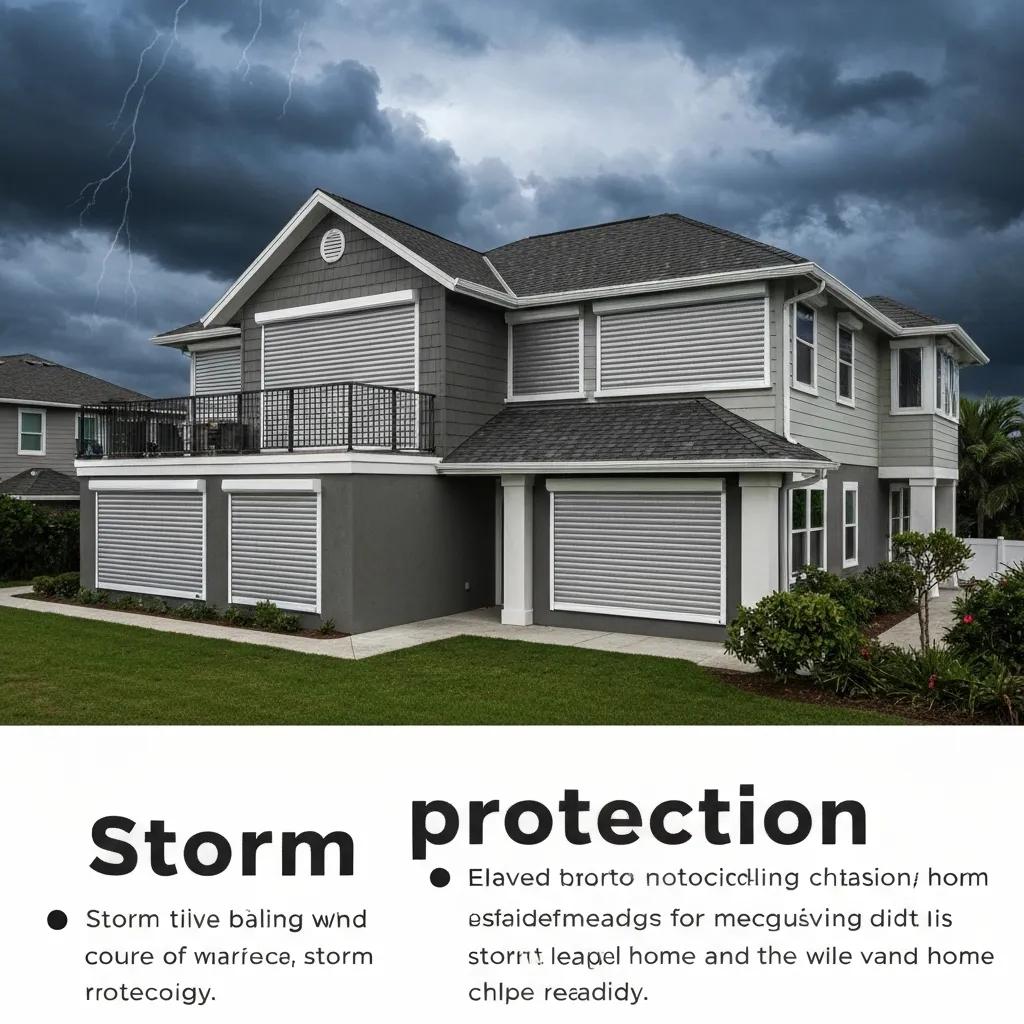
Benefits of Accordion Shutters for Home Protection: Hurricane Safety, Security, and Cost Advantages
Accordion shutters are a permanently mounted, sliding storm-protection system that creates a continuous barrier over windows and openings to resist wind pressure and impact during hurricanes. They work by transferring wind and debris loads through interlocking panels, tracks, and mounting brackets into the building’s structure, providing reliable protection while also improving security and energy performance. This guide walks through how accordion shutters work, their safety and security advantages, and the cost and long-term value for coastal homeowners. Readers commonly want practical details on deployment speed, building‑code compliance, corrosion‑resistant materials for salt‑air environments, and how accordion shutters compare with roll‑down, panel, and Bahama options. We cover protection mechanics, year‑round benefits, deployment and maintenance, side‑by‑side comparisons, and specific considerations for North and South Carolina homes. Throughout, useful terms like storm protection shutters, accordion shutter installation, accordion shutter durability, and accordion shutters cost per square foot are included to help you make confident, informed decisions about storm readiness and long‑term return on investment.
What Are the Key Hurricane Protection Benefits of Accordion Shutters?
Accordion shutters deliver a continuous, permanent storm barrier that resists wind loads and flying debris by locking interlocking panels into a tracked frame. That barrier protects glazing and interior spaces from catastrophic breach. The system depends on rigid panels and strong anchors to channel design pressures into the home’s structural framing, reducing broken windows and secondary water damage. Built from durable materials and tested assemblies, accordion shutters meet measurable protection standards and can help homes comply with coastal building codes. Knowing these core benefits helps homeowners prioritize protection during hurricane season and spot quality installations backed by testing and proper documentation.
Accordion shutters provide these direct protection benefits:
- Impact resistance and wind‚Äëload transfer to protect windows and interior areas during storms.
- Continuous coverage that reduces water intrusion and limits interior structural damage.
- Permanent mounting that eliminates storage and keeps you ready year‚Äëround.
- Quick deployment that minimizes prep time and exposure as a storm approaches.
- Durable materials and tested assemblies that support code compliance and insurer recognition.
These practical advantages make accordion shutters a strong choice for homeowners seeking dependable, permanent storm protection. The next section explains how panels, tracks, and fasteners work together to resist high winds and debris.
How Do Accordion Shutters Withstand High Winds and Flying Debris?
Accordion shutters resist high winds and windborne debris by pairing rigid aluminum panels with tight interlocks, vertical tracks, and robust mounting brackets that move loads into the building structure. When a panel takes an impact or encounters wind pressure, the interlock system translates those forces into shear and compressive loads along the tracks and into the anchored fasteners. Quality installations use corrosion‚Äëresistant fasteners and reinforced header connections so the load path stays intact under design pressures, improving impact resistance and lowering the chance of catastrophic window failure. Current testing standards and design‚Äëpressure analyses validate these mechanisms and let homeowners compare rated systems; understanding the structural load path is key when evaluating any accordion shutter installation.
Controlled impact tests and post‚Äëstorm damage assessments offer practical evidence of how shutter systems perform against windborne debris.
Hurricane Shutter Performance Against Windborne Debris Impact
This paper reports an experimental study on shutter systems used to protect windows from windborne debris. Observations from post‚Äëhurricane damage assessments help validate the lab results. The study focuses on how different shutter materials and designs stand up to simulated debris such as roof tiles and wood fragments.
Performance of hurricane shutters under impact by roof tiles, KR Gurley, 2010
Which Building Codes Do Accordion Shutters Meet for Coastal Homes?
Accordion shutters frequently meet recognized coastal codes and test approvals that document their performance under standardized impact and wind tests—certifications that matter for permits and insurance. Widely referenced approvals include Florida Building Code and Miami‑Dade County test protocols, which require documented performance under simulated wind and impact loads and give a useful baseline for comparing systems. Homeowners in North and South Carolina should confirm local code requirements and choose systems backed by design‑pressure analysis so installations meet regional permitting expectations. Verifying certification and test reports reduces permitting delays and improves the chance of insurance premium consideration based on documented protection.
For homeowners looking for engineered accordion solutions, American Hurricane Shutters emphasizes engineered hurricane protection and offers free estimates, Design Pressure Analysis, and a “cost calculator” to help you make an informed decision. These resources educate potential customers, generate leads through free estimates, and support existing customers with accurate planning data.
How Do Accordion Shutters Enhance Home Security and Safety?
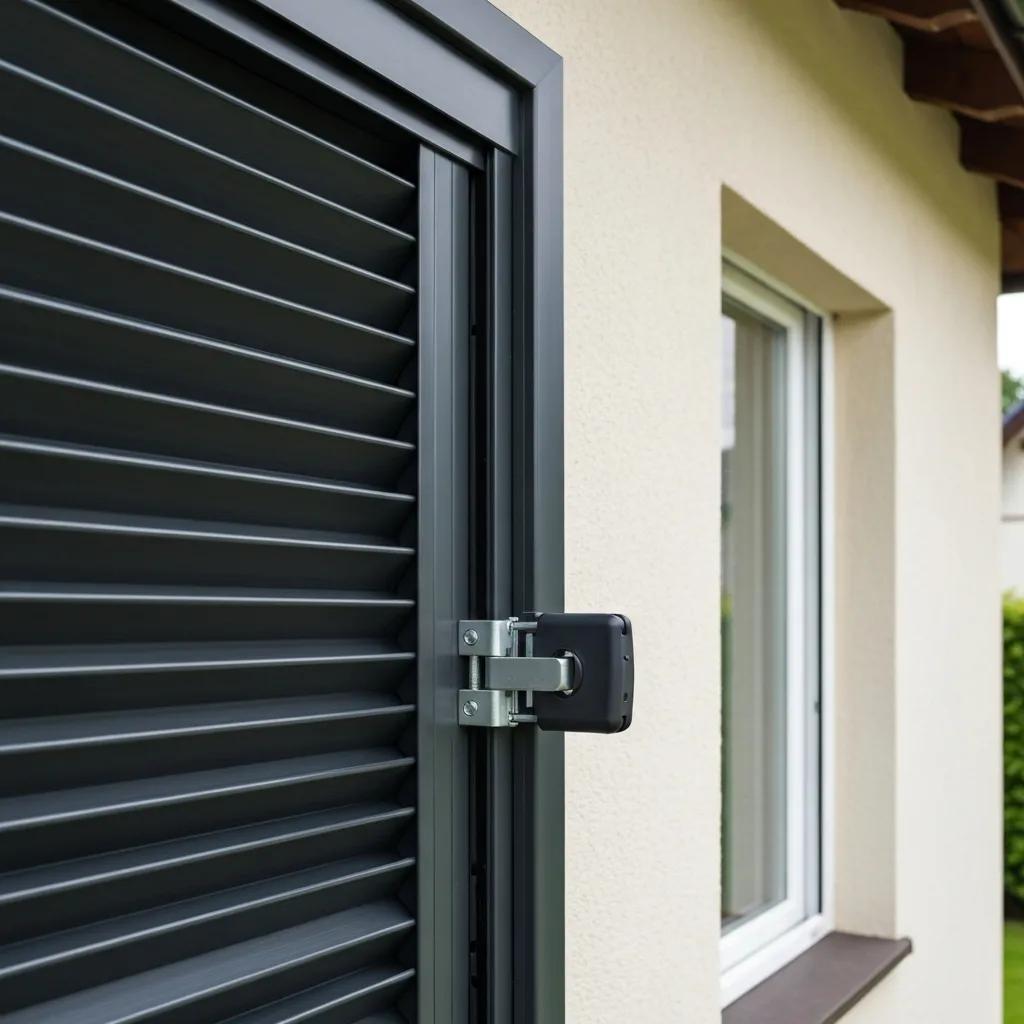
Accordion shutters add security by acting as a visible, physical barrier over openings while using locks and heavy fasteners to make forced entry much harder. Beyond deterring theft, shutters protect occupants from airborne debris and reduce hazards inside the home after windows break. Seeing shutters in place also signals a secured home, which can deter opportunistic intruders. Considering these security advantages helps homeowners view shutters as both storm protection and a year‚Äëround safety upgrade that preserves occupants and property.
- Visible deterrent: Exterior shutters make your home a less attractive target for opportunistic intruders.
- Physical resistance: Locking tracks and interlocks increase the time and effort required for forced entry.
- Post‚Äëstorm protection: Intact shutters prevent unauthorized access to storm‚Äëdamaged openings and limit exposure to broken glass and debris.
In What Ways Do Accordion Shutters Deter Intruders and Provide Physical Barriers?
Accordion shutters deter intruders with continuous panels, secure locking options, and anchored fasteners that create a hard‑to‑breach barrier over windows and doors. Mounted in visible tracks and often fitted with keyed or internal slide locks, these systems raise the time and tools needed to bypass the enclosure compared with exposed glass. Choosing shutters with reinforced locks and following recommended installation practices increases your home’s effective security rating and reduces vulnerability when windows would otherwise be exposed. That mechanical resilience also helps maintain property integrity after a storm, when unsecured openings invite further risk.
Research on corrugated metal panels demonstrates resilience and deformation tolerance that inform shutter design choices.
Corrugated Metal Panels for Storm Shutter Performance
This study examines the behavior of corrugated metal panels as storm shutters. It describes the testing facility and procedures used. In both tests the impacted panels showed substantial deformation but did not fail, illustrating the material’s toughness.
Behavior of corrugated metal panels for use as storm shutters, 2009
What Peace of Mind Do Accordion Shutters Offer Year-Round?
Accordion shutters offer peace of mind through permanent readiness and low‑maintenance operation—so you’re prepared for sudden storm warnings without last‑minute labor or storage headaches. The reassurance comes from knowing a tested, anchored barrier protects your windows and living spaces, which reduces stress during hurricane season and speeds post‑storm recovery. Year‑round benefits like privacy control, light management, and added deterrence give everyday value beyond storm events, increasing homeowner satisfaction and making shutters feel like a long‑term safety investment. Continuous protection removes much of the friction from seasonal preparations and supports a broader resilience plan for coastal households.
Why Are Accordion Shutters Convenient and Easy to Use for Homeowners?
Accordion shutters are convenient because they’re permanently mounted, slide open and closed with little effort, and are often operable by one person—so there’s no lifting or storing panels. Tracks and guide rollers let the shutter fold back neatly and lock in the open position, which simplifies daily use and storm prep. Convenience also comes from lower ongoing maintenance versus temporary systems and the elimination of off‑site storage or post‑storm salvage. Understanding deployment timing and the advantages of permanent installation helps homeowners quantify labor savings and improved preparedness.
Typical user conveniences include:
- One‚Äëperson operation and simple slide‚Äëto‚Äësecure deployment to save time during storm prep.
- Permanent mounting that removes storage, retrieval, and reinstallation work.
- Durable finishes and low maintenance that reduce long‚Äëterm upkeep compared with temporary systems.
How Quickly Can Accordion Shutters Be Deployed During Storms?
Most accordion shutters can be deployed in minutes per opening. Many single‑window units are operable by one person in under five minutes, depending on size and access. Deployment time varies with opening width, number of openings, and user familiarity—smaller windows close faster, while multi‑panel sliding doors take more coordination. Because the system is permanently installed and slides on tracks, deployment is predictable and repeatable, saving time compared with panel systems that must be carried and fastened. Planning layout and labeling panels by opening can further speed closure and make one‑person readiness the norm for common scenarios.
What Are the Advantages of Permanent Installation Over Temporary Shutters?
Permanent installation brings constant readiness, improved curb appeal, and removes the storage and handling costs tied to temporary systems. A fixed accordion system cuts the risk of improper installation under time pressure and is always accessible for quick closure when conditions change. Over time homeowners benefit from fewer replacement parts and lower cumulative labor costs, translating to greater lifecycle convenience and often stronger resale appeal. Those lifecycle advantages feed directly into material choices that ensure durability in coastal environments.
What Long-Term Value and Durability Do Accordion Shutters Provide?
Accordion shutters offer long‑term value through durable materials, corrosion‑resistant fasteners, and low maintenance—yielding extended service life and predictable lifecycle costs. Durability depends on components such as aluminum alloys and stainless‑steel fasteners that resist coastal corrosion, and on professional installation that secures load paths to the structure. Additional value can come from potential property‑value uplift, insurance premium consideration when systems are documented, and fewer storm‑related repair bills. Reviewing material attributes and maintenance expectations helps homeowners forecast total cost of ownership and expected return on investment.
What Materials Ensure Accordion Shutter Durability and Rust Resistance?
Coastal durability depends on corrosion‑resistant materials—marine‑grade aluminum for panels and 18‑8 stainless steel for fasteners and mounting hardware—to avoid galvanic corrosion and fastener failure. Powder‑coat finishes and sealed track designs limit moisture intrusion and salt buildup, while regular washing and inspection keep finishes looking good and operation smooth. Using 18‑8 stainless fasteners creates a reliable load path that resists rust‑related weakening—critical where salt air accelerates corrosion. Smart material choices and scheduled maintenance extend service life, reduce replacement frequency, and make lifecycle costs predictable for homeowners.
Individual homeowner decisions play a meaningful role in coastal resilience—voluntary upgrades add up across communities.
Coastal Homeowners and Hurricane Risk Mitigation
As climate patterns change, coastal homeowners are important actors in reducing property and life risks from sea‚Äëlevel rise and stronger storms. Absent broad, enforceable retrofit mandates, coastal resilience will largely reflect the voluntary decisions of many individual homeowners. Research on structural vulnerabilities and homeowner mitigation choices remains limited, but individual action is still a key part of local risk reduction.
Coastal homeowners in a changing climate, D Javeline, 2019
How Do Accordion Shutters Increase Property Value and Offer Insurance Savings?
Accordion shutters can boost property value by signaling resilience and lowering a home’s risk profile—attributes that appeal to buyers in hurricane‑prone markets. Insurers may offer premium discounts or credits when protective systems are documented and meet recognized standards, though actual savings vary and require paperwork such as design‑pressure analysis or code approvals. Homeowners should keep installation records, test data, and manufacturer approvals to present to insurers when seeking discounts. That potential for insurance savings and resale uplift factors into the overall return‑on‑investment conversation and leads naturally into comparisons with alternative systems.
When evaluating installation and insurance benefits, American Hurricane Shutters recommends 18‚Äë8 stainless‚Äësteel fasteners and offers free estimates to assist with design‚Äëpressure analysis and documentation. These services help educate customers and provide the paperwork insurers often want to see.
How Do Accordion Shutters Compare to Other Hurricane Protection Options?
Accordion shutters compare favorably with other options on ease of deployment, permanence, and consistent protection, while differing on cost, appearance, and automation possibilities. A fair comparison looks at impact and wind ratings, deployment effort, cost per square foot, permanence, and storage needs so homeowners can choose based on priorities like fast closure, long‚Äëterm convenience, or lower upfront cost. The table below gives a side‚Äëby‚Äëside overview of common shutter types to help you weigh trade‚Äëoffs.
What Makes Accordion Shutters Stand Out Versus Roll-Down, Panel, and Bahama Shutters?
Accordion shutters stand out for permanent installation, simple sliding deployment, and no storage needs—features that reduce labor and prep time. Roll‑down systems may offer higher wind ratings and automation but at a higher price. Storm panels lower initial cost but require seasonal handling and storage. Bahama shutters provide shade and some protection but typically don’t offer the same full impact coverage. Accordion shutters strike a balance of manual simplicity, durable protection, and moderate installed cost per square foot—making them a popular choice for many coastal homeowners.
Are Accordion Shutters a Cost-Effective Solution for Coastal Homeowners?
Yes—accordion shutters are often cost‑effective when you consider lifecycle costs, avoided repair bills, and possible insurance savings. Cost‑effectiveness depends on installed cost per square foot, expected storm exposure, and local market factors. To evaluate value, compare the amortized monthly cost of shutters against likely window replacement, water‑intrusion repairs, and temporary shutter logistics. In many coastal cases, permanent protection reduces total risk‑related expenses over time. Homeowners should request a design‑pressure analysis and documented ratings to quantify protection benefits for insurance and resale. Practical amortization examples can show how upfront investment aligns with long‑term savings for coastal properties.
- Estimate installed cost: Gather regional installed cost per square foot for comparison.
- Amortize over lifespan: Divide installed cost by expected years of service to compute monthly cost.
- Factor avoided repairs: Add estimated avoided storm repair costs to evaluate net savings.
- Include insurance effects: Consider potential premium discounts when documented protection is in place.
These steps help homeowners make a reasoned choice and connect directly to local free‚Äëestimate tools and cost calculators from reputable providers.
What Additional Benefits Do Accordion Shutters Offer for Coastal Carolina Homes?
For North and South Carolina homeowners, accordion shutters also reduce solar heat gain, improve indoor comfort in summer, and lower HVAC load through shading and reduced radiant heat on windows. In coastal climates, shading can translate into measurable energy savings and steadier indoor temperatures—especially on west‑ and south‑facing openings. Local service availability and accurate region‑specific cost estimates simplify planning and ensure installations meet municipal permitting and wind‑zone requirements. The table below gives local ROI‑style figures homeowners can use as planning benchmarks for Carolina properties.
How Do Accordion Shutters Improve Energy Efficiency and Temperature Regulation?
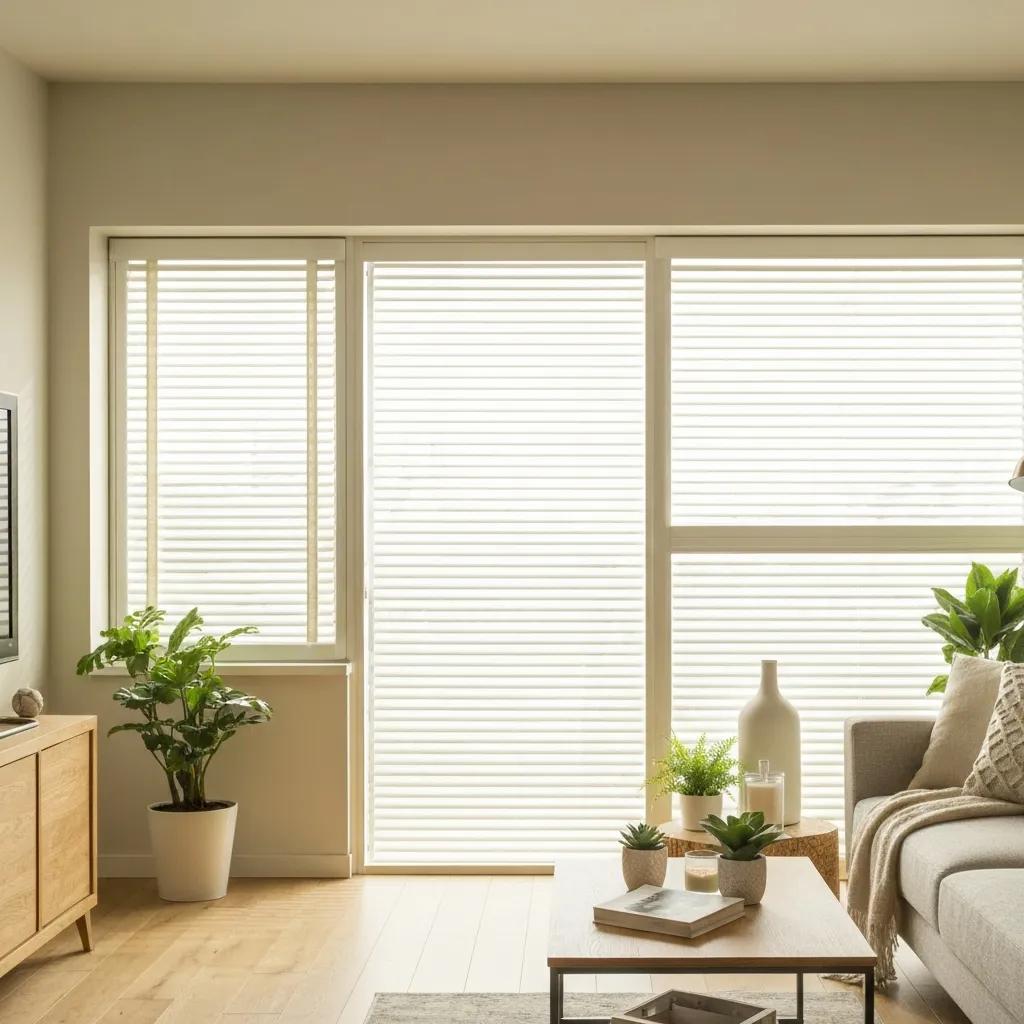
Accordion shutters help energy efficiency by shading windows from direct sun and cutting solar heat gain, which lowers peak cooling demand and reduces HVAC cycling. The barrier also limits conductive and convective heat transfer through glazing during intense sun exposure, effectively serving as a shading and insulating layer when closed. In warm coastal climates, consistent shading can lower indoor temperatures and reduce air‚Äëconditioner runtime, producing seasonal energy savings and more comfortable living spaces. Exact savings depend on site specifics, but the shading effect reliably reduces cooling load for coastal homes.
Where Can Homeowners Get Free Estimates and Local Installation Services?
Homeowners ready for planning and installation support can request free estimates, use cost calculators to model installed cost per square foot, and schedule consultations for site‚Äëspecific design‚Äëpressure analysis and permitting guidance. Expect a free estimate to include a measured review of openings, wind‚Äëzone assessment, material recommendations (including stainless fasteners), and documentation useful for insurance. These consultations educate customers, generate leads, and provide practical service to existing homeowners. Asking for a free estimate and a design‚Äëpressure analysis helps ensure the chosen accordion shutter system fits local codes and risk profiles.
During a free‚Äëestimate consultation you can expect:
- A measured review of openings and wind‚Äëzone assessment.
- Discussion of material options and fastener specifications (for example, 18‚Äë8 stainless steel).
- Presentation of cost estimates, including per‚Äësquare‚Äëfoot installed ranges and available documentation for insurance.
Frequently Asked Questions
What maintenance is required for accordion shutters?
Accordion shutters need minimal maintenance to stay reliable. Periodically remove debris from tracks and guides, lightly lubricate moving parts to keep operation smooth, and wash panels with mild soap and water—especially in coastal areas where salt can build up. Regular checks and basic care extend service life and ensure shutters perform when storms arrive.
Can accordion shutters be customized for different window sizes?
Yes. Accordion shutters are commonly customized to fit a wide range of window sizes and shapes. Manufacturers and installers tailor panel widths, heights, and panel counts for larger openings so you get a proper fit and effective protection. Consult a professional installer for accurate measurements and recommendations that preserve both protection and curb appeal.
How do accordion shutters affect home insurance premiums?
Accordion shutters can lower insurance premiums by reducing a home’s risk profile in hurricane‑prone areas. Many insurers offer discounts for certified storm protection systems, but savings depend on documentation and local underwriting rules. Keep installation records, test data, and approvals handy to present to your insurer when requesting discounts.
What is the expected lifespan of accordion shutters?
With quality materials and regular maintenance, accordion shutters typically last 20+ years. High‚Äëgrade aluminum panels and stainless‚Äësteel fasteners are built to withstand coastal conditions, including salt air and severe weather. Professional installation also plays a big role in ensuring long, reliable service life.
Are accordion shutters suitable for all types of homes?
Accordion shutters work for many property types—single‑family homes, condos, and townhouses—and can be adapted to various window and door configurations. A professional installer will assess your property and confirm compliance with local building codes and wind‑zone requirements to ensure the best performance and safety.
What are the aesthetic options available for accordion shutters?
Accordion shutters come in a range of colors and powder‑coat finishes so you can match or complement your home’s exterior. Many manufacturers offer durable finishes and some decorative options that balance protection with curb appeal. Discuss color and finish choices with your installer to keep the look consistent with your home’s style.
Conclusion
Accordion shutters are a practical, long‑term choice for coastal homes—combining storm resilience with added security and energy benefits. Their permanent mounting and easy operation keep you prepared for sudden weather changes, while potential insurance sav
