

How to Install Accordion Shutters for Maximum Protection: Step-by-Step Guide for Coastal Homeowners
Accordion shutters are permanently mounted, interlocking aluminum panels that slide along top and bottom tracks to shield windows and doors from wind-driven debris and extreme gusts during hurricanes. This guide shows how accordion systems work, why coastal homeowners choose them, and what a complete installation looks like so you can make an informed protection decision. Coastal properties face high wind loads, flying debris, and close insurance scrutiny; correctly installed accordion shutters address those risks through impact resistance, continuous anchoring, and fast deployment. Below you’ll find the core benefits, a tools-and-materials checklist, a detailed DIY installation sequence with measurement and torque guidance, a clear comparison of DIY versus professional installation, local code notes for North and South Carolina, and a practical cost and free-estimate workflow. Sections include step-by-step instructions, component and cost tables, and checklists to make this actionable for homeowners preparing for storms and inspections.
Why Are Accordion Shutters Essential for Maximum Hurricane Protection?
Accordion shutters form a continuous, anchored barrier that resists impact and transfers wind loads into the building’s structure, cutting the risk of breaches and interior damage during storms. They work with interlocking panels that ride in top and bottom tracks and lock securely to resist projectiles and uplift forces; this structural approach reduces repair bills and improves occupant safety. In coastal areas, they also offer fast deployment—panels slide closed in seconds—so you can secure multiple openings quickly as a storm approaches. Those operational advantages explain why many homeowners choose accordion systems for reliable hurricane protection.
What Are the Key Benefits of Accordion Hurricane Shutters?
Accordion shutters combine measurable protection with practical convenience—impact resistance, speed of use, and long-term durability—making them a strong choice for coastal homes.
- Impact Resistance: Interlocking panels stop flying debris and greatly lower the chance of window failure, keeping wind and water out.
- Rapid Deployment: Panels slide closed in seconds and require no seasonal removal or off-site storage, saving time during storm prep.
- Durability and Low Maintenance: Extruded aluminum panels and coastal‑grade fasteners resist corrosion and need far less upkeep than temporary solutions.
- Insurance and Property Value: Properly documented, code‑compliant installations often qualify for insurance savings and improve resale appeal.
Those benefits show why selecting the right components and installing them correctly matters — the next section covers the specific tools and materials to stage before starting work.
Coastal Building Innovations: Shutter Systems and Impact Resistance
New code expectations are shaping how shutter systems and impact-resistant glazing are developed and tested for coastal homes. Ongoing innovation focuses on products and installation methods that consistently meet the updated performance criteria for wind and impact resistance in vulnerable markets.
Coastal Homes: Critical Design and Construction Issues, TP McAllister, 2002
How Do Accordion Shutters Enhance Coastal Home Safety and Property Value?
Accordion shutters lower both immediate storm damage and long-term repair exposure by preventing impact breaches and minimizing interior water intrusion. When shutters are installed and documented to meet code or engineered design pressures, insurers and appraisers view the property as lower risk — which can lead to premium discounts and stronger resale positioning. For example, a correctly anchored system that prevents a single window failure can avoid interior water damage that would otherwise trigger expensive mold remediation and structural repairs, making protection pay off quickly. With those outcomes in mind, the next section lists the tools and materials needed to execute a reliable, code-aware installation.
What Tools and Materials Are Needed for Accordion Shutter Installation?
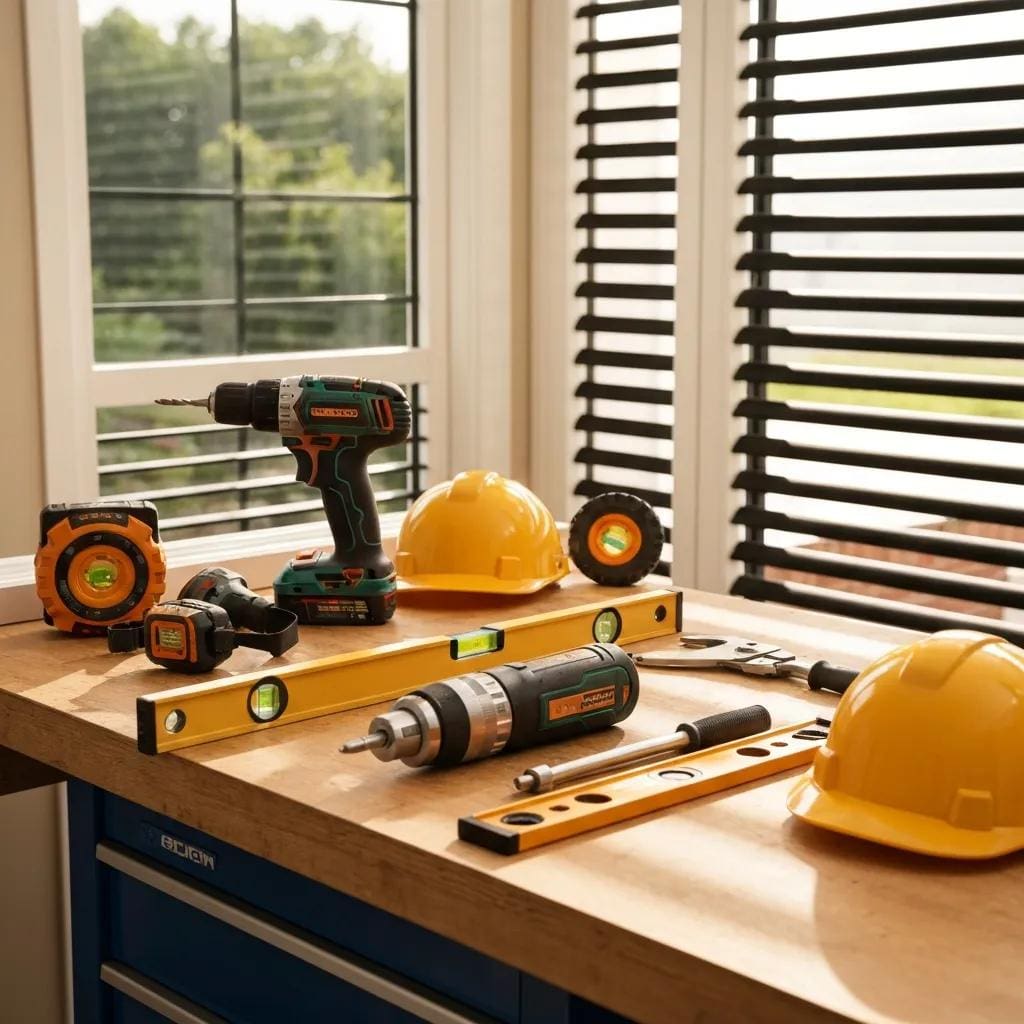
A successful installation depends on the right tools, hardware, and coastal‑grade materials that resist corrosion and meet wind‑load requirements. Anchors, fasteners, track profiles, and panel materials must be specified to handle design pressure and the coastal environment. The checklist below helps you stage essentials before you begin—doing so reduces on-site delays and prevents common installation mistakes.
- Power drill with appropriate bits: For pilot holes and driving fasteners into a variety of substrates.
- Level and laser level: Keeps tracks plumb and aligned so panels slide freely without binding.
- Torque wrench or calibrated driver: Ensures fasteners are tightened to specified torque—avoids under‑ or over‑tightening.
- Masonry anchors or lag screws (per substrate): Use anchors rated for the design pressure and coastal conditions.
- Safety gear and helpers: Eye protection, gloves, and at least one assistant for safely handling long panels.
Staging these tools in advance speeds the install and leads into the component specifications homeowners and installers must know before mounting tracks and panels.
Which Components Make Up Accordion Shutters?
Accordion shutters are built from a few repeatable parts: panels, guide tracks, locking hardware, and anchors. Extruded aluminum panels interlock and transfer lateral loads into the top and bottom tracks; tracks then move those forces into anchors secured to framing or substrate. Locking hardware prevents uplift and unwanted opening, while end stops and guide pins maintain alignment during deployment and storage. Understanding each component’s role highlights why coastal‑grade fasteners and the correct track geometry are critical — the table below summarizes recommended specifications.
This component overview clarifies priorities when specifying parts for coastal installations and sets up the next section on staging tools before you install.
What Tools Should You Prepare Before Starting Installation?
Staging the right tools and safety equipment prevents common errors like misaligned tracks, improperly torqued fasteners, and unsafe panel handling—any of which can reduce a system’s storm performance. Confirm your substrate type (masonry, concrete, or wood framing) so you pick correct anchors and drill bits, and prepare templates and shims to achieve the proper reveal and clearance for smooth operation. Make sure you have lifting assistance or temporary supports to hold tracks while fastening—many mistakes happen when one installer attempts complex alignments alone. With tools and parts staged, you’re ready for the full DIY installation sequence below.
How to Install Accordion Shutters Yourself: Step-by-Step DIY Installation Guide

DIY installation requires precise measurements, strict adherence to anchor spacing and torque specifications, and systematic testing to confirm panels deploy and lock correctly. Experienced DIYers can handle straightforward openings, but you must respect code‑driven design pressures and anchoring patterns. The process flows from accurate measurement to track mounting, panel insertion, locking checks, and final inspection. The steps below give an ordered procedure with practical details so a competent homeowner can follow reliably.
- Measure opening dimensions and record substrate type: Measure width, height, and reveal depth in multiple places and note whether the wall is masonry or wood framed.
- Pre-fit upper and lower tracks: Mark and level tracks, then drill pilot holes at the manufacturer’s recommended anchor spacing.
- Install anchors and fasten tracks with specified torque: Use 18‑8 stainless fasteners or rated anchors and torque them to the specified values.
- Insert panels, align guides, and test sliding/locking function: Check for smooth travel, remove any binding, and confirm locks engage securely.
- Perform final inspection and document installation: Photograph the work, log fastener types and spacing, and record torque values for permits and insurance.
This checklist highlights measurement tolerances and torque control as critical—details covered in the next subsection on measurement and preparation.
How Do You Measure and Prepare Your Windows for Installation?
Start with three primary measurements: width at the top, middle, and bottom; height at left, center, and right; and the reveal or mounting depth for the tracks. Recording each measurement twice reduces costly errors. Note obstructions such as trim, gutters, or fixtures and record substrate type so anchor selection matches the wall assembly—masonry requires masonry anchors, wood framing needs lag screws into solid members. Allow the manufacturer’s recommended clearances per side so panels slide freely, and document tolerances and your measurement method when ordering to avoid field modifications. After measurements and substrate verification, pre‑mark anchor locations and dry‑fit tracks to prepare for a controlled, code‑aware installation.
What Are the Steps to Mount Tracks and Attach Accordion Shutter Panels?
Mount the upper track first, using a level and temporary supports while you drill pilot holes and install corrosion‑resistant anchors—this establishes the primary alignment for the system. Attach the lower track next and confirm it’s parallel to the upper track, using shims to maintain even clearance so panels won’t bind. Insert panels, engage guide pins and end stops, and cycle the system several times. Only tighten locks after confirming smooth travel and even panel alignment. Finally, document anchor types, spacing, and torque values for permit records and insurance verification—these details show the system was installed to handle the required design pressures.
Should You Choose DIY or Professional Accordion Shutter Installation?
The right choice depends on your skill level, access to tools, opening complexity, and whether you need signed documentation for permits or insurance. DIY can save labor on straightforward, standard openings if you’re experienced with power tools, torque control, and working safely at heights. Professional installers perform design pressure analysis, handle masonry and multi‑layer substrates, and provide installation documentation that some permits and insurers require—reducing the risk of incorrect anchoring that could void warranties or claims. Use the decision framework below to weigh tradeoffs before you start.
- DIY Pros: Lower labor cost, full control over scheduling, suitable for small, standard openings.
- DIY Cons: Risk of improper anchoring, possible noncompliance, and safety concerns when working at heights.
- Professional Pros: Design pressure analysis, permit documentation, and experienced anchoring for complex substrates.
- Professional Cons: Higher upfront cost and the need to schedule on‑site visits.
This comparison makes clear that irregular openings, unusual substrates, and requirements for compliance paperwork are key reasons to choose a professional installer. The table below helps match project complexity to the right installation approach.
Use this comparison to decide whether your project is a good DIY candidate or better handled by a licensed installer. The next section reviews common DIY risks and warranty and insurance considerations.
What Are the Pros and Cons of DIY Installation?
DIY appeals to homeowners who want to save on labor and have solid construction skills, but it demands strict attention to measurement, torque control, and correct anchor selection. Frequent DIY mistakes include misaligned tracks, under‑torqued fasteners, and using the wrong anchor type for the substrate—any of which reduces wind‑load capacity and raises failure risk during storms. Warranties and insurance may require certified installation or documentation of correct anchoring; lacking that evidence can complicate claims after a storm. Knowing these drawbacks helps homeowners choose whether to proceed themselves or hire a licensed installer who can supply required compliance records.
Coastal Homeowners and Climate Change: Mitigation Strategies
As storm frequency and intensity change, homeowners play a central role in reducing property and life risk along the coast. Without mandatory retrofit rules, resilience will often depend on private decisions about structural mitigation. Research into homeowner actions and structural vulnerabilities helps target effective mitigation strategies and highlights the importance of accessible retrofit options.
Coastal homeowners in a changing climate, D Javeline, 2019
When Is Professional Installation Recommended for Maximum Protection?
Hire a professional for openings that exceed typical residential sizes, for masonry or multi‑layer substrates requiring specialized anchors, or when permits and insurance require signed compliance documentation. Professionals perform design pressure analysis to match shutter systems to local wind loads and provide installation documentation that streamlines permitting and claim processes. If you have irregular openings, architectural features that complicate track placement, or need rapid, documented installation before hurricane season, a professional installer ensures the system meets both performance and paperwork expectations. Requesting a formal estimate and on‑site assessment is the next step when professional services are appropriate.
For homeowners in coastal North Carolina and South Carolina who need certified installations and on‑site estimates, American Hurricane Shutters offers engineered accordion systems and free estimates to evaluate openings and document compliance. Their installations emphasize corrosion‑resistant 18‑8 stainless fasteners and adherence to—or exceeding—recognized building code guidance. Scheduling a site assessment with a qualified installer turns a DIY question into a documented procurement plan.
How to Ensure Accordion Shutter Installation Meets Local Building Codes in NC & SC?
Code compliance starts with the local requirements: design pressure ratings, approved product testing, and accepted anchor types. Building departments commonly require proof that products meet recognized impact or performance tests and that installations follow approved anchor patterns and fastener schedules; providing product certification and recorded anchor spacing smooths permit acceptance. Inspectors typically check fastener type and torque, secure load transfer to framing or masonry, and documentation showing the system was sized to local wind loads. Knowing what paperwork to request and provide makes permitting more predictable—see the next subsection for key code checkpoints to verify with local authorities.
What Are the Key Building Code Requirements for Hurricane Shutters in Coastal NC and SC?
Typical requirements include matching shutter design pressure to the local wind‑load map, using products with recognized testing or certification for impact and structural performance, and installing anchors and fasteners that are approved for the substrate and coastal corrosion conditions. Permit offices often want product data sheets or drawings showing design pressure ratings and may request installation documentation specifying fastener types, spacing, and torque values. Confirm with your local building department whether product approvals, stamped engineering, or specific inspections are required so your installation will pass final review. Verifying these items before you begin reduces rework and helps ensure the system performs in a storm.
Hurricane Shutter Performance Under Roof Tile Impact
Tests simulated concrete roof tiles thrown by hurricane‑force winds to evaluate how different shutter types respond to high‑mass impacts. The study compared multiple manufacturers and panel types to understand real‑world performance against roof‑tile impacts common in hurricane regions.
Performance of hurricane shutters under impact by roof tiles, KR Gurley, 2010
How Does American Hurricane Shutters Guarantee Code-Compliant Installation?
American Hurricane Shutters uses an engineered workflow that includes design pressure analysis to match shutters to local wind demands and specifies corrosion‑resistant 18‑8 stainless steel fasteners for coastal durability. Their process documents anchor spacing, fastener types, and installation torque—records homeowners can include with permit applications or insurance files to demonstrate compliance. During a free on‑site estimate, installers evaluate substrate conditions, recommend appropriate anchors, and produce documentation aligned with local permitting expectations. That approach links product performance with municipal and insurance requirements so homeowners can expect a predictable compliance path.
What Are the Costs and How to Get a Free Estimate for Accordion Shutter Installation?
Costs depend mainly on material grade, the number and size of openings, labor complexity, and any permit or inspection fees. Larger openings and higher‑grade materials raise both material and labor costs, while straightforward rectangular windows on wood framing usually carry lower labor intensity. The table below breaks down common cost drivers, why they matter, and their typical impact so you can estimate a preliminary budget before requesting a formal quote.
This cost framework helps you anticipate price drivers and points to practical steps for getting an accurate free estimate.
What Factors Influence Accordion Shutter Installation Cost?
Material grade, opening geometry, substrate complexity, and local permit requirements are the main cost drivers. Custom panels for large or irregular openings raise fabrication and installation labor. Labor rates increase when installing into reinforced masonry or concrete because of specialized anchors and drilling equipment. Additional costs include finish options, lock types, and required stamped engineering or plan submissions. Understanding these variables helps homeowners prioritize where to invest for the best protection. The next section explains how to use the vendor’s free estimate process and online tools to turn a rough budget into a firm quote.
How Can You Use American Hurricane Shutters’ Free Estimate Service?
American Hurricane Shutters offers a free estimate workflow that starts with a preliminary cost range—often available through a site-based cost calculator—and follows with an on‑site assessment to confirm measurements, substrate conditions, and permit needs for an accurate quote. To prepare for the visit, gather opening measurements, photos of substrates and trim, and any existing product or permit documents; this information speeds the assessment and improves quote accuracy. The on‑site visit produces documented recommendations, a scope of work, and a written estimate reflecting chosen materials and installation complexity, letting you compare options and schedule work with the paperwork needed for permits and insurance. Requesting a free estimate is the practical next step to move from planning to procurement.
- Prepare measurements and photos: Take clear images of each opening and note substrate type.
- Use the online cost calculator for preliminary ranges: Enter sizes to get an approximate budget before the site visit.
- Schedule the free on-site estimate: An installer will verify measurements, anchors, and permit needs and provide a documented quote.
These steps help you move from planning to procurement while preserving documentation useful for permits and insurance records.
Frequently Asked Questions
What maintenance is required for accordion shutters?
Accordion shutters are low‑maintenance but benefit from regular checks. Inspect for corrosion in coastal environments, clean tracks and panels to remove debris, and lubricate locks and tracks with a silicone‑based lubricant for smooth operation. Test the shutters periodically—especially before hurricane season—to ensure they open and close without issue.
Can accordion shutters be installed on any type of window or door?
Accordion shutters fit most standard windows and doors, but suitability depends on size and shape. Irregular or oversized openings may need custom solutions. It’s important to verify the surrounding framing can support the system. A professional installer can advise on unique openings and ensure the installation meets local building codes.
How do accordion shutters compare to other hurricane protection options?
Compared with temporary options like plywood or fabric panels, accordion shutters offer a permanent, durable solution that deploys quickly without seasonal storage. They’re engineered to resist high winds and flying debris, providing superior impact protection. Upfront costs are higher than temporary options, so homeowners should weigh long‑term durability and convenience against the initial investment.
What should I do if my accordion shutters are damaged?
Assess damage promptly. Minor issues—misalignment or stuck panels—can often be fixed by adjustment or lubrication. Major dents, cracks, or compromised locking mechanisms require professional repair or replacement. Contact a qualified installer to evaluate damage and recommend the safest, most reliable fix to keep your home protected.
Are there any insurance benefits to installing accordion shutters?
Yes. Many insurers offer discounts for homes with accordion shutters because they reduce storm damage risk. Properly documented, code‑compliant installations may qualify for premium reductions and better coverage terms. Check with your insurance provider to learn specific requirements for discounts and ensure your installation includes the documentation insurers need.
How can I ensure my accordion shutters are compliant with local building codes?
Familiarize yourself with local requirements—design pressure ratings, approved materials, and testing standards. Work with a licensed installer who knows local regulations and can supply documentation of compliance. Obtain necessary permits before installation and keep detailed records of the work to show compliance during inspections or insurance claims.
What is the typical lifespan of accordion shutters?
Well‑made accordion shutters can last 10 to 20 years, depending on material quality and maintenance. Coastal salt exposure can accelerate wear, so regular inspections and maintenance extend service life. Choose high‑quality, corrosion‑resistant materials and replace shutters that show significant damage to maintain protection.
Conclusion
Accordion shutters give coastal homeowners reliable protection from hurricanes by combining impact resistance, quick deployment, and long‑term durability. Learn the installation steps, confirm code compliance for your area, and keep documentation to maximize insurance and warranty benefits. When you’re ready, request a free estimate or schedule an on‑site assessment to explore tailored solutions and lock in your home’s protection before the next storm season.