
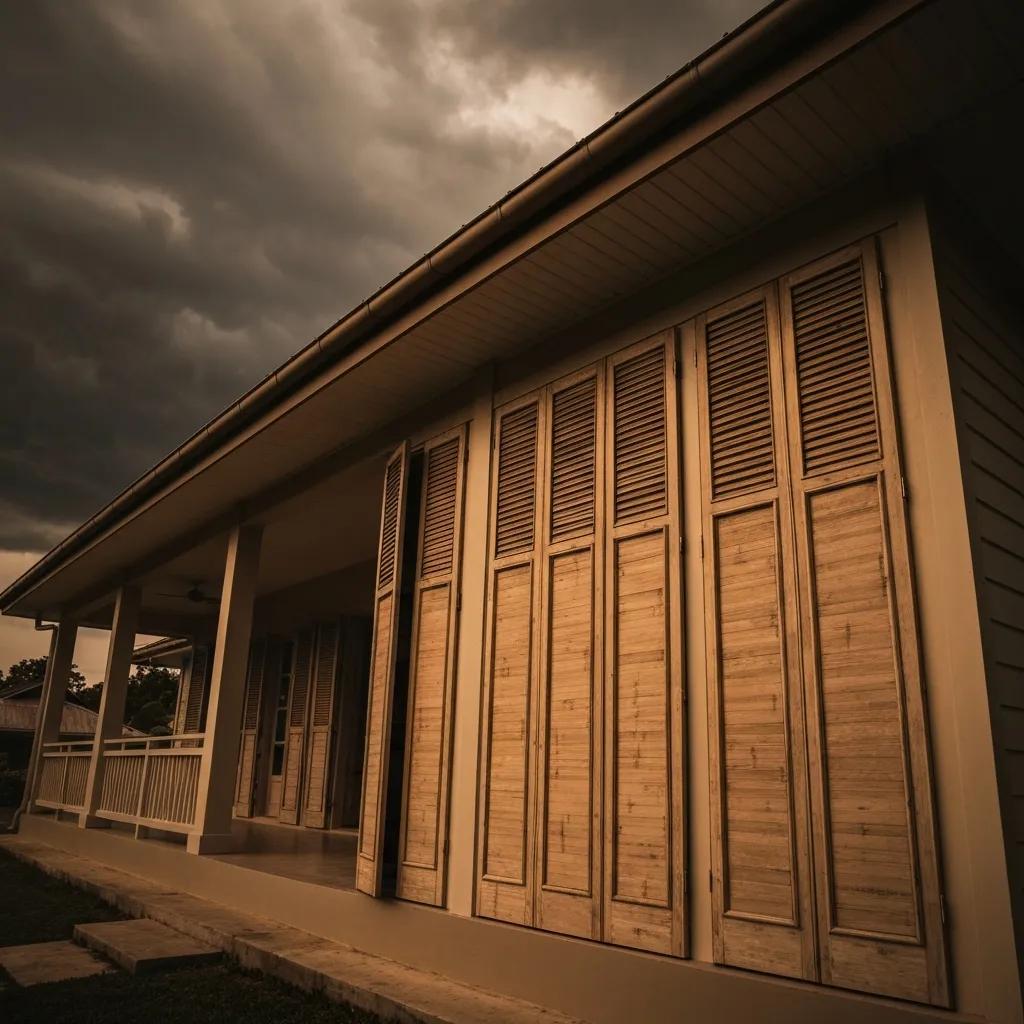
What risks do improperly closed accordion shutters create during storms — and how can you reduce them?
Accordion shutters protect windows and openings by folding into guide tracks — but when they’re not fully closed or properly aligned, they can undermine the very protection they were installed to provide. This guide lays out the main hazards of unsecured or misaligned accordion shutters — including wind-pressure effects, flying-debris impact, water intrusion, and secondary interior or structural damage — and gives practical steps homeowners can take to lower risk. You’ll get a clear explanation of how failures happen, common causes of improper closure, and straightforward best practices for installation, operation, and upkeep that improve shutter performance. We also include prioritized emergency procedures for before and after storms, handy checklists you can use today, and tabular summaries to help with service planning. Throughout, we add regional context for coastal North and South Carolina and note when professional inspection and documentation — such as the services American Hurricane Shutters (AHS) provides — meaningfully reduce risk and support insurance and code compliance. Read on for a step-by-step approach to shutter safety, an inspection checklist you can use now, and emergency measures that protect people and property.
What are the main risks of improperly closed accordion shutters during storms?
When accordion shutters aren’t fully engaged they create several overlapping hazards that weaken hurricane protection and increase storm damage. The core problem is a break in the continuous protective barrier: wind pressure differences exploit gaps and concentrate stress on glass and frames; loose or misaligned panels let debris breach the envelope; and bent tracks or damaged seals admit water, creating interior damage and mold risk. Secondary issues include shutter detachment (which can become a dangerous projectile), accelerated wear that degrades future performance, and potential insurance complications if shutters are shown to be unsecured. Recognizing these risk categories helps homeowners focus on the most effective corrective actions for both immediate safety and long-term loss reduction.
Accordion shutter safety depends on both sound hardware and consistent operation. For quick reference, here are the major risk types:
- Wind pressure differentials that increase loads on partially closed shutters and on windows.
- Flying debris that can pass through gaps or cause shutters to fail and become projectiles.
- Water intrusion from misalignment or damaged seals, leading to interior damage and mold.
- Shutter detachment and panel failure that can injure people and damage nearby property.
- Insurance claims that may be reduced or denied if shutters are shown to be improperly secured.
These risks lead into an examination of how wind forces act on unsecured shutters and where failures typically begin.
How does wind damage happen when accordion shutters aren’t secured?
Wind-related damage usually comes from pressure differentials and uplift forces on the building envelope, both of which rise sharply in hurricanes and tropical storms. If shutters are only partially engaged or tracks are blocked, wind cycles create higher external pressure and suction on windows; that pressure finds gaps and concentrates on attachment points, often causing glass breakage or frame failure. Even a small gap at one panel can amplify uplift on nearby anchors and create a prying lever effect. That pressure behavior is why continuous, code-compliant anchoring and full-panel engagement are essential — and why targeted inspections that verify these conditions reduce the chance of failure.
What dangers does flying debris present when shutters aren’t closed correctly?

Flying debris is one of the most destructive storm elements, and improperly closed shutters allow both direct penetrations and secondary projectile creation when shutter components fail. Gaps, loose latches, or bent tracks let tree limbs and siding fragments strike at vulnerable angles, tearing or puncturing panels and exposing the interior to wind and water. A detached shutter or bracket can itself become a high-energy projectile, increasing the danger to people and adjacent structures. The practical mitigation steps are straightforward: secure all locks, clear track obstructions, and replace corroded hardware so the system has the redundancies needed to absorb impacts without catastrophic failure.
What common causes lead to accordion shutter failure and improper closure?
Failures usually result from a mix of human error, deferred maintenance, component wear, and installation issues that a storm ultimately exposes. Common root causes include incorrect closure technique (not fully engaging latches), debris or corrosion in guide tracks that stops panels from seating, damaged hardware or anchors, and installations done without verified wind-load calculations or alignment testing. Each creates a weak point that magnifies stress during wind and debris impact. Identifying these causes helps homeowners build a focused inspection checklist and decide when repairs or professional help are needed.
Below is a prioritized list of common causes with quick remedies to guide immediate homeowner action.
- Human error — Not fully engaging locks — Re-check closure and verify each latch is seated.
- Track obstruction — Dirt or corrosion blocking panel travel — Clean tracks and remove debris.
- Damaged hardware — Bent panels or broken latches — Replace worn parts before storm season.
- Poor anchoring — Inadequate mounting or missing load-rated anchors — Schedule a professional anchor evaluation.
- Misalignment — Panels don’t align evenly — Realign tracks and test operation under load.
These typical causes show where to focus both routine checks and rapid pre-storm fixes, and they lead into specific operational mistakes and maintenance behaviors to monitor.
How do human error and lack of maintenance affect shutter security?
Even durable shutters need correct use and periodic servicing. Common homeowner mistakes include not verifying full lock engagement, forcing panels past obstructions, or ignoring coastal salt buildup — each can leave gaps or overstress anchors. Skipping routine inspections lets small issues (loose screws, early corrosion, slight misalignment) grow into storm-time failures. A practical inspection checklist should include full-cycle operation tests, visual hardware checks, and basic cleaning — habits that make shutter closure repeatable and verifiable before a storm.
What role do damaged components and installation errors play?
Damaged parts and poor installations remove engineered redundancies that resist wind and impact. Guide tracks, mounting brackets, latching hardware, and panel edges each have limits; when bent, corroded, or improperly torqued, the system’s capacity drops. Faulty installation — anchors set in unsuitable substrate or tracks installed out of plumb — concentrates loads on single fasteners and speeds fatigue. Understanding these component-level risks points to replacement thresholds and alignment checks and explains why installation documentation and periodic torque testing are valuable for long-term reliability.
How can proper installation and operation prevent accordion shutter risks?
Correct installation and consistent operation close many failure pathways by ensuring shutters act as engineered under wind and impact loads, preserving a continuous load path from the shutter face to structural substrate. Best practices include code-compliant anchors into verified substrate, wind-load calculations matched to local design pressures, precise track alignment, and documented operability testing after installation. Operating best practices mean following a fixed closure sequence and verifying every lock so there’s no ambiguity under stress. Together these measures reduce the chances that pressure differentials exploit gaps and that panels detach, creating a resilient protective envelope suited to coastal storm conditions.
To make installation factors scannable, the table below compares core installation elements, their target attributes, and the expected value in terms of risk reduction and lifespan improvement.
After correct-installation work, homeowners should follow a simple closure and locking sequence every time to confirm safety. If you want professional help, American Hurricane Shutters (AHS) offers engineered installations that meet code, plus tools like a free estimate and an online cost calculator to evaluate options. Where verified wind-load anchoring and documentation are required, professional services are especially valuable. Proper installation and consistent operation create a stable, inspectable system that lowers both immediate storm risk and future maintenance costs.
What are the best practices for accordion shutter installation?
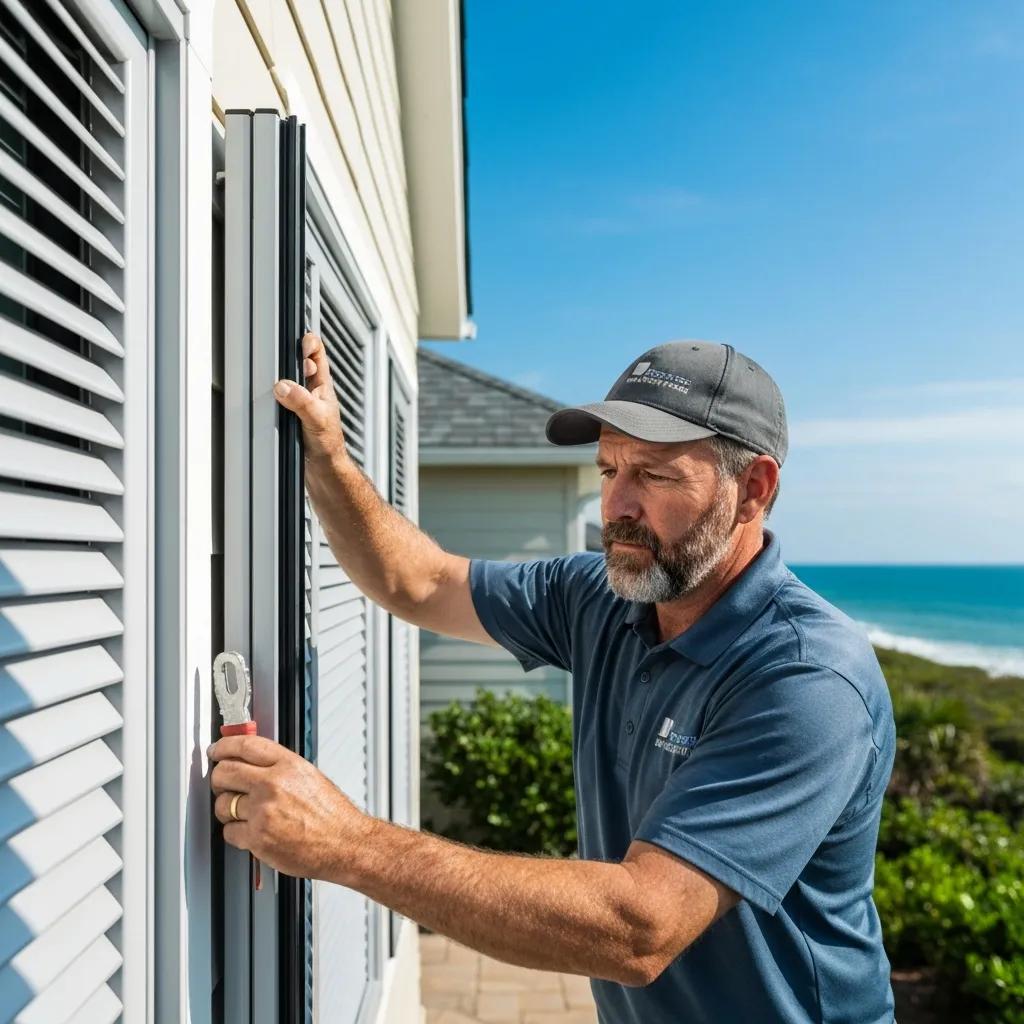
Best-practice installation starts by matching anchoring methods to the substrate and local design pressures, then ensuring precise track alignment and documented verification testing. Installers should use load-rated anchors torqued to manufacturer specs, confirm tracks are straight and free of obstructions, and complete a full-cycle operability test with photographic documentation. Acceptance criteria include smooth panel travel without binding, no visible gaps when locked, and recorded torque checks for warranty and insurance. These steps ensure the system behaves as intended in storms and provide evidence for compliance or claims.
How should accordion shutters be correctly closed and locked?
A consistent closure sequence reduces operator error:
- Remove any obstructions from the guide track.
- Slide panels fully into position until they seat against stops.
- Engage the primary latch, then the secondary security latches.
- Perform visual and tactile checks along the entire run of panels.
Verification tips: confirm even contact along seals, give panels a gentle pull to check lock engagement, and take time-stamped photos when severe weather is forecast. Making this routine standard turns shutter closing into a repeatable safety procedure that minimizes gaps and partial closures and provides a clear record of readiness.
What maintenance steps are essential to ensure accordion shutter reliability?
Routine maintenance preserves performance by catching wear, corrosion, and fatigue before they become failure points. A simple maintenance matrix keeps tasks clear and repeatable. Essential actions include cleaning tracks and drains, lubricating sliding surfaces with recommended products, replacing corroded fasteners, and testing latches and anchors for integrity. Keeping a shutter inspection checklist and service log supports warranty requirements and strengthens insurance claims after storms. The table below assigns tasks, suggested frequencies, and practical notes to keep shutters reliable.
Practical maintenance tasks you can do now:
- Clean guide tracks and remove debris so panels move freely.
- Inspect locks and replace corroded or misshapen latching hardware promptly.
- Lubricate sliding surfaces and hinges with corrosion-resistant products suited to coastal environments.
- Keep a service log with inspection dates, findings, and parts replaced for warranty and insurance documentation.
Sticking to a regular maintenance plan reduces unexpected failures and makes post-storm assessments faster and more effective.
How often should accordion shutters be inspected and maintained?
Balance regular prevention with targeted checks around storm season: have a full professional inspection once a year, perform a homeowner pre-season check 48–72 hours before forecast storms, and do a post-storm inspection as soon as it’s safe. Also inspect after any visible impact or if operation becomes stiff or noisy. Triggers for out-of-cycle service include visible corrosion, bent tracks, or anchor movement — signs that capacity is compromised and repairs are needed. Following this cadence preserves performance and produces documentation useful for warranties and insurance.
What are the key cleaning and lubrication tasks for accordion shutters?
Cleaning and lubrication should remove debris and protect metal from salt corrosion without leaving residues that attract dirt. Use a mild, non-abrasive detergent and fresh water to rinse tracks and panels, dry surfaces, then apply a thin film of corrosion-resistant lubricant to sliding components and pivot points. Avoid heavy greases that trap grit; choose light, marine-grade lubricants for coastal climates. Regular cleaning reduces friction, reveals early damage, and supports timely repairs to extend shutter life.
What emergency procedures should homeowners follow to secure accordion shutters during storms?
Emergency procedures focus on speed, safety, and verification so you can secure openings under time pressure. The pre-storm window is critical: run quick operational checks, clear tracks, verify locks, and remove nearby loose items that could become projectiles. If time is limited, fully engage a smaller number of key panels rather than trying to do everything imperfectly. After the storm, put safety first: document damage with photos and only attempt repairs you can do safely — otherwise call a professional. These steps reduce immediate danger and create documentation needed for insurance and repair planning.
The prioritized pre-storm checklist below highlights what to do in the 48–72 hour window before a storm.
- Clear all guide tracks and surrounding debris so panels can close fully.
- Close each shutter panel completely and engage all latches, verifying with a tactile pull test.
- Inspect visible anchors and fasteners for looseness; note any movement.
- Secure or remove outdoor items near openings that could become flying debris.
- Photograph closed shutters for documentation and record the time of completion.
- If any panel won’t close or lock properly, schedule an immediate service call.
Completing this checklist protects life and reduces damage potential; next, know how to assess shutters safely after the storm.
What is the pre-storm checklist for accordion shutter readiness?
The pre-storm checklist condenses high-impact tasks to perform 48–72 hours before landfall. Remove visible obstructions from guide tracks, run the full closure sequence, engage primary and secondary locks, and confirm engagement by feel along the entire run. Secure nearby loose items, photograph the completed closure for your records, and note any issues that require professional repair. Prioritizing these steps makes it much more likely shutters will form a continuous protective barrier when the highest winds arrive.
How should post-storm assessments be conducted on accordion shutters?
Begin post-storm assessments with safety: only approach damage when authorities say it’s safe and avoid entering structures with suspected structural compromise. From a safe distance, visually survey for detached panels, bent tracks, or missing anchors, and document all damage with photos and notes for insurance. If shutters are partially closed or panels are misaligned, avoid major repairs — secure hazardous fragments temporarily and request a professional inspection. Timely, well-documented post-storm assessments speed recovery, support claims, and help prioritize repairs to restore protection.
Why is professional inspection and service important for accordion shutter safety?
Professional inspection and service reduce risk through engineered anchoring, calibrated torque verification, and documented acceptance testing that most DIY approaches can’t match. Professionals evaluate the substrate, perform wind-load verification, replace fatigued parts with load-rated hardware, and produce service records that help with insurance claims and code compliance. This work extends shutter life, lowers failure probability in storms, and reduces liability by ensuring installation and maintenance meet local standards. Periodic professional inspections deliver measurable durability and documented readiness for coastal property protection.
The following table compares common professional services, what they cover, and the expected outcomes so you can see the ROI of hiring a qualified provider.
How do professional installations enhance storm protection?
Professional installs use engineered anchors, verified torque specs, and documented operability testing to create a continuous load path from the shutter face to the building’s structural substrate — reducing pullout and sequential failure during extreme loads. Installers also assess substrate condition, allow for thermal movement, and apply corrosion-mitigating practices suitable for coastal environments — steps often missed in DIY installs. The result is a tested, documented system that increases confidence, reduces insurance friction, and meets stricter local code expectations.
What maintenance and repair services do experts provide?
Experts offer full-system inspections, component replacement (tracks, latches, anchors), realignment, lubrication with coastal-grade products, and emergency repairs after storms. They supply service logs and photographic documentation to support warranties and insurance claims. Signs that require professional service include bent tracks, visible anchor movement, seized locks, or persistent binding — all indicators that the system’s design capacity is compromised and DIY fixes may not be enough. Professional intervention minimizes future loss and restores engineered protection.
American Hurricane Shutters (AHS) operates across coastal North and South Carolina with locations in Wilmington, Morehead City, and Myrtle Beach. We provide accordion shutter products and services including engineered installations, maintenance, free estimates, and an online cost calculator to help homeowners evaluate options. If you need a code-compliant installation or a professional inspection, scheduling with a qualified provider can be a decisive step toward reducing storm risk and supporting insurance requirements.
Frequently Asked Questions
What should I do if my accordion shutters won’t close properly before a storm?
Address it immediately. First, check the guide tracks for debris or corrosion that could block movement. If panels are misaligned, gently realign them so they seat correctly. If you can’t resolve the issue safely, contact a professional for inspection and repair. Securing your shutters is essential to keep them providing protection during the storm.
How can I tell if my accordion shutters are properly installed?
Look for smooth operation and correct alignment. Panels should slide easily without binding and show no visible gaps when closed. All latching hardware should engage securely. Bent tracks or loose anchors are signs of improper installation — in that case, schedule a professional inspection to confirm compliance with local codes and safety standards.
What are the signs that my accordion shutters need maintenance?
Signs include difficulty opening or closing, visible corrosion on hardware, loose or missing screws, and misaligned panels. Unusual noises during operation or gaps when closed are also red flags. Regular inspections and timely maintenance prevent small problems from becoming storm-time failures.
Can I perform maintenance on my accordion shutters myself?
Yes — basic maintenance is homeowner-friendly. Clean the guide tracks, lubricate moving parts with corrosion-resistant products, and inspect hardware for wear. For structural repairs, anchor issues, or persistent binding, hire a professional. Routine self-maintenance helps prolong shutter life and keeps them storm-ready.
What should I document during a post-storm assessment of my accordion shutters?
Document visible damage such as bent tracks, detached panels, or missing hardware with clear photos from multiple angles. Note operational problems like difficulty opening or closing. This documentation supports insurance claims and helps prioritize repairs to restore protection quickly.
How often should I have my accordion shutters professionally inspected?
We recommend a professional inspection at least once a year, ideally before storm season. Also schedule an inspection after any significant storm or if you notice operational trouble. Regular professional checks reveal hidden issues, ensure safety compliance, and prolong shutter life. Keep a maintenance log to track inspections and findings.
Conclusion
Properly closed accordion shutters are a cornerstone of effective storm protection. Understanding the risks of improper closure and following simple best practices for installation, operation, and maintenance will significantly improve safety and reduce property damage. When you want added assurance, professional services from American Hurricane Shutters (AHS) deliver code-compliant installations, documented inspections, and maintenance that support both performance and insurance needs. Schedule a consultation today to protect your home and peace of mind before the next storm.
