Why Roll-Down Hurricane Screens Are Essential for Coastal Safety
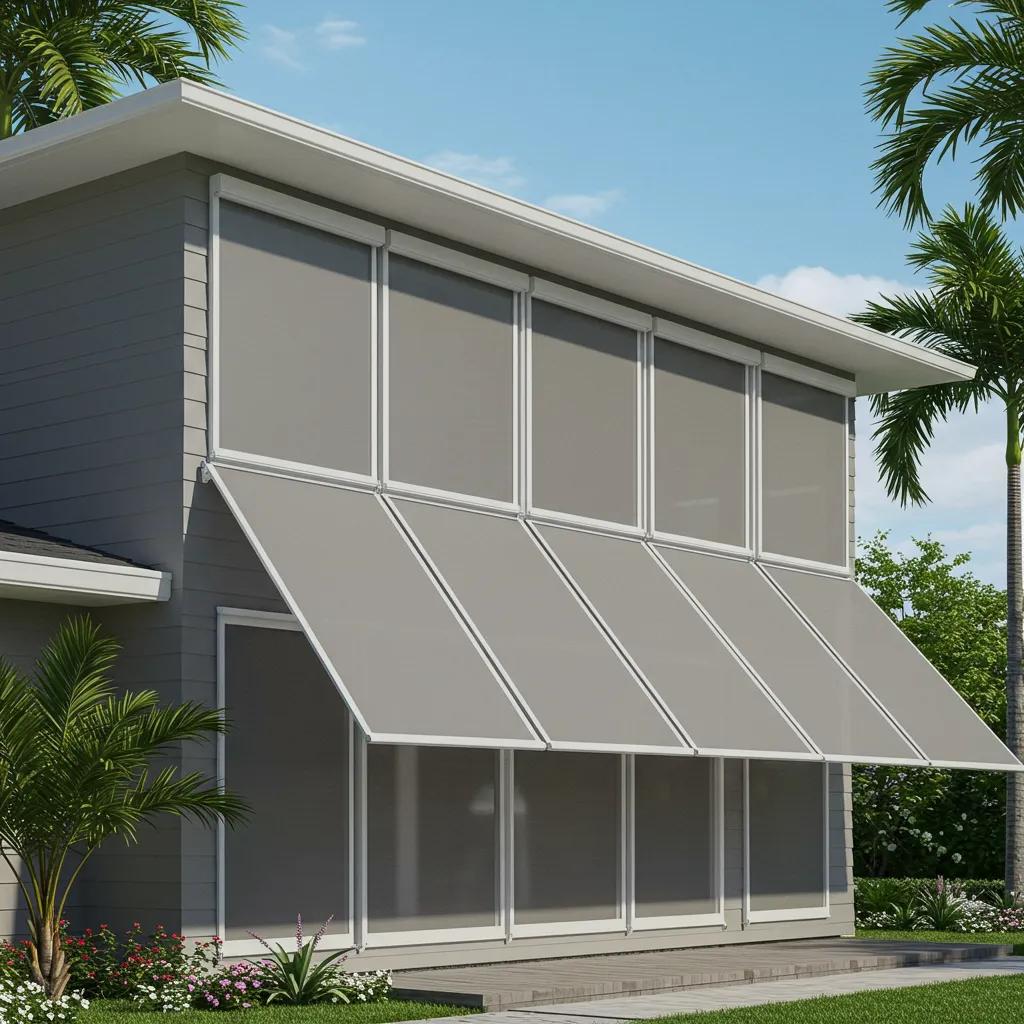
Roll-down hurricane screens are engineered protective systems designed to cover windows, doors, lanais, and large openings. They act as a barrier against wind-driven debris and reduce storm-induced pressure on your home’s structure. These systems work by unrolling a durable screen fabric or aluminum barrier from a mounted cassette into guide rails, creating a seamless protective shield that disperses wind loads and stops projectiles. For homeowners, this translates to significantly reduced risk of structural damage, preserved window integrity, and maintained visibility‚Äîa clear advantage over temporary storm preparations. This guide will walk you through the safety benefits, operational choices between manual and motorized systems, cost-effectiveness including energy and UV protection, and how proper engineering and installation ensure code compliance and lasting performance.
We’ll begin by exploring the core safety benefits and material choices, then move on to operational convenience and smart home integration. Next, we’ll compare costs and lifecycles with other storm protection methods, followed by a look at our company’s engineering and installation practices that guarantee protection in coastal environments. Throughout this article, you’ll find practical lists, EAV comparison tables, and concise FAQ answers to help you determine if roll-down hurricane screens are the right fit for your storm preparedness plan. We’ve integrated key terms like “roll-down hurricane screens,” “motorized hurricane screen installation,” and “hurricane screen impact resistance” to ensure you have the clearest information for making decisions about your coastal property’s readiness. Now, let’s dive into the key safety benefits in detail and compare products by their protection attributes.
What Are the Key Safety Benefits of Roll-Down Hurricane Screens?
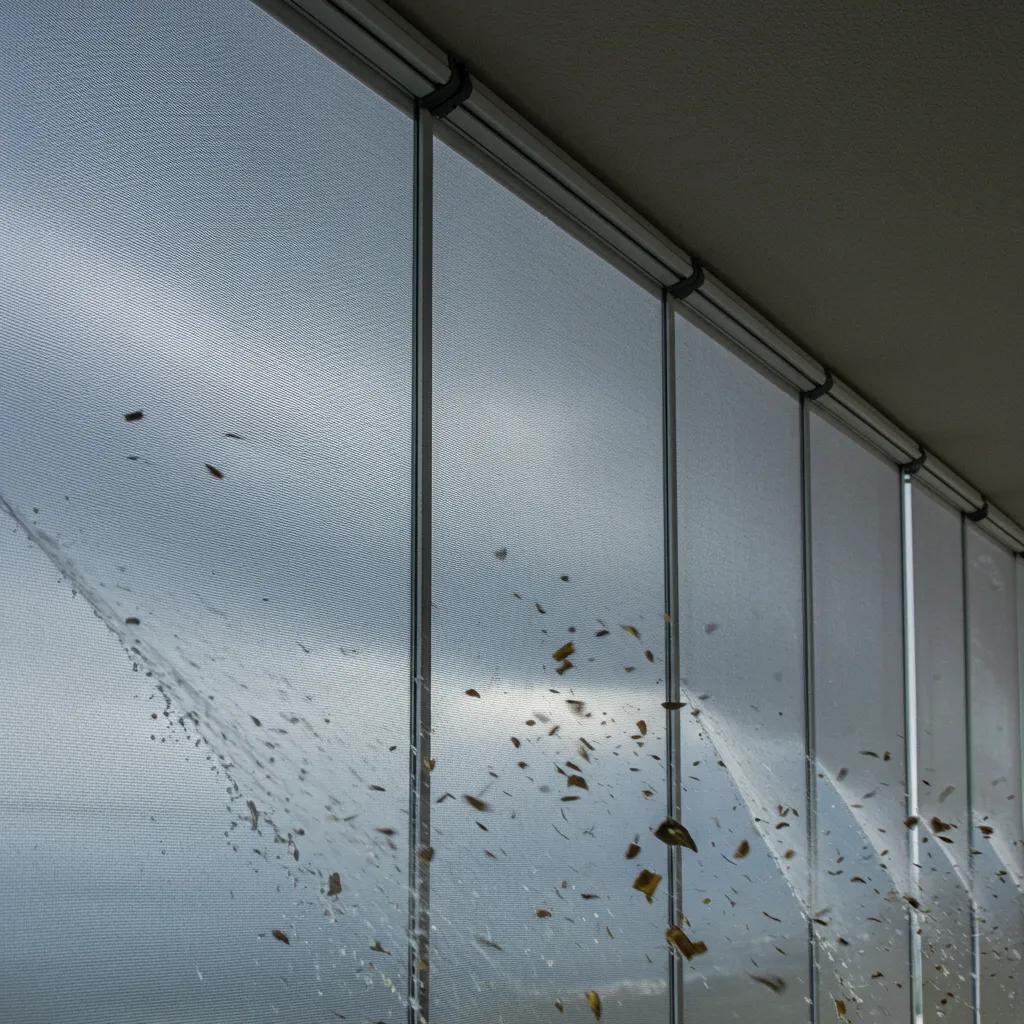
Roll-down hurricane screens protect your home’s openings by forming a continuous barrier that effectively reduces wind pressure and blocks flying debris. This significantly lowers the risk of window failure and interior pressurization during severe storms. The system’s mechanism combines a robust screen fabric or slat with guide rails and a secure cassette to distribute design pressure loads, safeguarding your structural openings and living spaces. Homeowners gain the advantage of impact resistance, enhanced security, and reduced secondary water intrusion‚Äîoften the most damaging aspect of a storm. Understanding these protection attributes clearly illustrates why roll-down systems are frequently the preferred choice for coastal properties over less reliable methods.
These primary benefits are best understood when directly compared with typical protection options and their key attributes. Below is a concise comparison of common approaches and where roll-down products stand out.
Roll-down systems offer a distinct advantage over temporary plywood or fixed panels by providing reusable, engineered protection that expertly balances visibility and strength. This comparison aims to clarify the trade-offs and highlight where each option is most suitable for your needs.
Different storm-protection approaches offer distinct characteristics for homeowners to weigh:
- Hurricane Screens: Offer rapid deployment, maintain visibility, and provide strong debris resistance, ideal for large openings.
- Rolldown Shutters: Deliver high-impact resistance and quick closure for windows and doors with robust anchoring.
- Plywood Temporary Protection: Presents a low upfront cost but limited reusability, a storage burden, and inferior engineered protection.
This list highlights practical selection criteria and sets the stage for examining the technical mechanisms that give roll-down screens their protective value.
How Do Roll-Down Screens Provide Wind and Debris Resistance?
Roll-down screens achieve superior wind and debris resistance by transferring loads through their guide rails into secure mounting points. They utilize materials specifically designed to absorb or deflect the kinetic energy of projectiles. The roller cassette anchors the screen when stowed and houses it when not in use, ensuring system readiness and preventing sag or misalignment under load. Design Pressure Analysis is crucial for matching screen assemblies to local wind loads, ensuring the assembled product disperses pressure safely. Understanding this load path clarifies why engineered installations significantly reduce the chance of catastrophic window failure during storms.
What Materials Ensure Impact Resistance and Durability?
Materials for roll-down screens include high-strength fabric composites, aluminum slats, and reinforced polymers. Each is selected for its optimal balance of impact resistance, corrosion tolerance, and visibility. For coastal applications, we prioritize corrosion-resistant mounting hardware‚Äîsuch as stainless steel fasteners and brackets‚Äîand finishes that withstand salt air, thereby preserving the system’s service life. Proper material selection and diligent maintenance extend functional lifecycles and maintain protective performance across numerous storm seasons. These material choices directly influence both the durability and long-term value for homeowners.
How Do These Screens Enhance Home Security Beyond Storm Protection?
Roll-down screens serve as a formidable physical deterrent to intrusion. They create a barrier that delays or prevents unauthorized entry, enhancing nighttime privacy and perceived security when lowered. Integration with locking systems and motorized controls can add an extra layer of access control and monitoring, amplifying the practical security benefit beyond storm events. Because these systems are visible and robust, they effectively reduce opportunistic break-in attempts and can complement alarm systems and other security measures. The combined effect is both a measurable obstacle to entry and enhanced peace of mind for occupants.
How Do Roll-Down Hurricane Screens Offer Convenience and Modern Protection?
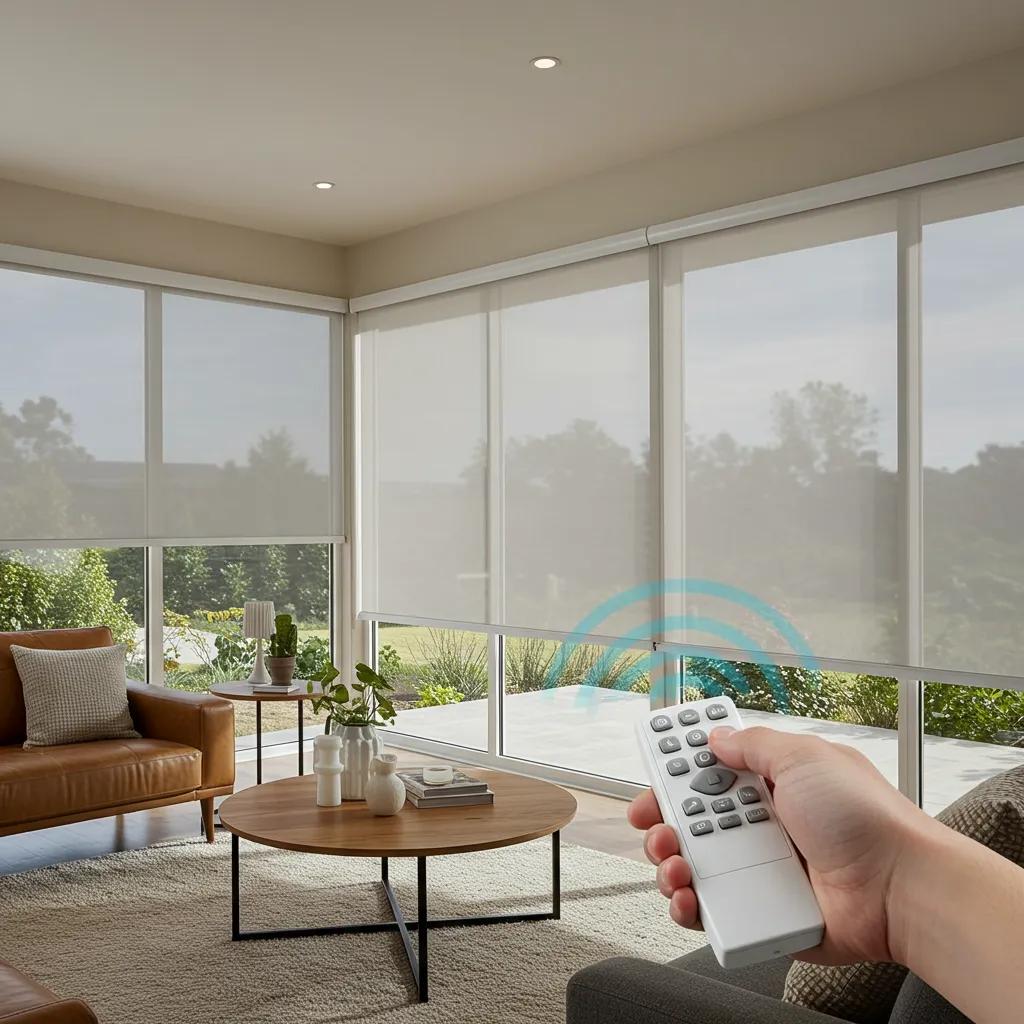
Roll-down hurricane screens offer unparalleled convenience through rapid deployment, minimal storage needs, and the choice between motorized or manual operation. This allows for quicker, safer preparation for incoming storms. Motorized systems provide the added benefit of remote control, timed deployment, and seamless integration with home automation systems. Manual systems, on the other hand, are a cost-effective option and require no power source. Smart integration can automate deployment based on storm alerts or allow remote operation when you’re away, significantly increasing response speed and reducing human error in emergency situations. Your choice of operation influences cost, reliability, and maintenance planning, making it important to select based on your household’s specific needs and local risk profiles.
Below is a focused comparison of deployment options and their practical trade-offs to guide your decision.
- Manual Deployment: Simple, lower upfront cost, requires physical effort and planning.
- Motorized Deployment: Fast, remote-enabled, higher initial cost but significantly increases safety and accessibility.
- Smart Automated Systems: Integrate weather alerts and remote scheduling to minimize exposure time and human delay.
These operational differences determine which configuration best fits your accessibility needs and risk tolerance, guiding your priority decisions when evaluating installation options.
What Are the Differences Between Manual and Motorized Deployment?
Manual systems are straightforward to operate, generally less expensive, and reliable without electrical power, but they do require physical effort and more time to secure large openings. Motorized systems deploy rapidly with remote controls or wall switches, offering a significant advantage for households with mobility constraints or numerous/large openings where speed is critical for safety. Motorized options necessitate an appropriate electrical supply and often include battery backup or manual override to ensure operation during power outages. The decision between manual and motorized systems hinges on your priorities—cost versus speed and accessibility—along with local storm patterns and property size.
How Does Smart Technology Improve Hurricane Screen Safety?
Smart technology connects roll-down screens to weather alerts, remote control apps, and home automation systems, enabling automatic deployment or off-site management during emergencies. This automation dramatically shortens the time between a storm warning and full protection, reducing exposure to damage from sudden gusts or unexpected debris events. Redundancies like manual override and battery backup preserve function if primary power is lost, ensuring that automation enhances rather than replaces manual fail-safes. As smart systems continue to evolve, they offer enhanced responsiveness and integrate screens into broader home safety strategies.
How Do Roll-Down Screens Preserve Visibility and Aesthetic Appeal?
Many roll-down screen fabrics and low-profile cassette designs are engineered to maintain outward visibility and natural light when lowered, keeping your living spaces connected to the views while protecting them from storms. See-through fabric options expertly balance protection and transparency, though extreme rain and debris can temporarily reduce visibility during an active storm. Custom finishes and concealed cassettes help match architectural styles, minimizing visual impact when systems are retracted. Thoughtful design choices ensure your home maintains its curb appeal and occupant comfort while delivering engineered protection.
Why Are Roll-Down Hurricane Screens a Cost-Effective Safety Investment?
Roll-down hurricane screens reduce long-term costs by significantly lowering the risk of expensive storm damage, decreasing repair frequency, and offering energy-saving shading that mitigates solar heat gain and UV exposure to interiors. Over their lifecycle, engineered screens typically outperform temporary boarding and may even qualify you for insurance considerations that reflect your reduced vulnerability. The balance of initial investment against potential avoided damage, maintenance, and energy savings often yields a favorable return on investment for coastal properties. You can utilize online cost-estimation tools and calculators to model specific scenarios based on opening sizes, materials, and motorization choices.
Below is a concise breakdown of common cost and savings factors to help you quantify the value over time.
- Energy Savings: Shading effectively reduces cooling loads during peak sun exposure.
- Damage Avoidance: Engineered protection prevents window failure and interior water damage.
- Maintenance Savings: Reusable systems eliminate recurring replacement expenses associated with temporary solutions.
These mechanisms combine to produce measurable long-term value and help you determine if an investment in roll-down systems aligns with your financial priorities.
How Do These Screens Reduce Energy Costs and Provide UV Protection?
Roll-down screens function as effective exterior shading devices, blocking direct solar radiation and thereby reducing heat transfer through glazing. This significantly cuts cooling demand during warmer months. The screens’ UV-blocking properties also protect furnishings and surfaces from fading, preserving interior value and comfort. Even modest reductions in HVAC runtime can translate into noticeable energy cost savings over a cooling season, especially for sun-exposed facades. When combined with proper installation and material selection, these benefits strongly support the long-term economic case for engineered roll-down protection.
What Is the Long-Term Value Compared to Other Storm Protection Options?
Compared to plywood or temporary boarding, roll-down solutions offer superior reusability, faster deployment, and engineered performance that reduce cumulative lifecycle costs and homeowner disruption. Accordion or fixed panels provide robust protection but can impact aesthetics and daily use; roll-down screens uniquely address very large openings like lanais where fixed panels are impractical. Your choice ultimately depends on your priorities: upfront cost sensitivity, desired daily usability, and the scale of openings requiring protection. Evaluating these factors helps determine the most cost-effective approach for your property.
How Can Homeowners Estimate Costs Using Online Tools?
Homeowners should input key variables—opening dimensions, material preference (fabric vs. aluminum), and motorization options—into a cost calculator to generate an initial estimate reflecting their specific needs. These estimates are directional; on-site measurements and engineered Design Pressure Analysis provide definitive quotes because local wind exposures and building attachment details materially affect the installation scope. Use calculator results to compare scenarios, then schedule a consultation for verified pricing and engineering. Relying on both tools and professional assessment ensures accurate budgeting and planning.
How Does American Hurricane Shutter Ensure Maximum Safety and Compliance?
American Hurricane Shutter employs an engineered approach that precisely matches products to local wind loads through Design Pressure Analysis. We utilize corrosion-resistant mounting practices and offer installations that meet or exceed Florida Building Code standards relevant to coastal protection. Our installation hardware emphasizes durable components‚Äîsuch as 18-8 stainless steel mounting brackets‚Äîto resist salt-air corrosion and maintain anchoring integrity over time. These engineering and hardware choices significantly reduce the chance of installation-related failures and align product selection with measured performance requirements for your property’s safety. Homeowners seeking tailored solutions for Coastal NC/SC can evaluate options that reflect both local exposures and building characteristics.
American Hurricane Shutter provides both Hurricane Screens and Rolldown Shutters, with motorized installation options and smart integration capabilities available for customers who prioritize rapid, remote deployment. For cost guidance, homeowners can use our cost calculator to generate estimates based on opening dimensions and desired features, then follow up for an on-site consultation to confirm Design Pressure Analysis results and installation plans. Contact details are readily available to initiate consultations and request engineered quotes.
What Building Codes Do Roll-Down Screens Meet or Exceed?
Roll-down systems installed to engineered specifications can meet or exceed Florida Building Code requirements for hurricane protection, which dictates how products are selected and tested for local wind loads and debris impact. Meeting these standards means assemblies are engineered for defined design pressures and documented to support compliance for permits and insurance discussions. Homeowners should confirm specific local permit and insurance requirements, as jurisdictional rules vary and engineered documentation may be needed for approvals. Verifying code alignment ensures the system performs as intended and supports regulatory and financial considerations.
How Does Expert Installation Enhance Hurricane Screen Performance?
Expert installation precisely secures guide rails, cassettes, and mounting brackets to distribute loads effectively into the building structure, preventing point failures and ensuring intended performance under design pressures. The use of corrosion-resistant 18-8 stainless steel hardware and accurate measurements prevents misalignment, premature wear, and water infiltration that can reduce long-term reliability. Routine inspection and maintenance—such as checking anchors and cleaning cassettes—preserve functionality and any manufacturer warranties tied to installation quality. Professional installation aligns product capability with real-world building conditions to deliver dependable protection.
Why Choose American Hurricane Shutter for Coastal NC/SC Homeowners?
American Hurricane Shutter focuses on engineered hurricane protection solutions across Coastal NC/SC, offering Hurricane Screens and Rolldown Shutters precisely tailored to local exposures and opening types. Our solutions are backed by Design Pressure Analysis and stainless steel installation practices. We emphasize installation quality and provide options for motorized systems and smart integration to meet modern homeowner needs for speed and automation. For homeowners considering protective upgrades, requesting a consultation and using our cost calculator to model options provides a clear path from estimate to engineered installation. Contact American Hurricane Shutter by phone or email to begin your evaluation and planning process.
What Are Common Questions About Roll-Down Hurricane Screens?
This FAQ-style section answers frequent homeowner concerns about protection, deployment, visibility, and durability, providing concise guidance for your decision-making. Short, direct answers below summarize the main points covered in this article and point to installation and estimation steps you can take next. The format mirrors common search queries and supports quick featured-snippet–style reference while maintaining practical recommendations. Read the answers to clarify whether roll-down screens suit your property and which features matter most.
What Are the Main Benefits of Roll-Down Hurricane Screens?
Roll-down screens provide essential protection from wind and debris, preserve visibility compared to solid barriers, and deliver convenience through reusable deployment. They also help reduce solar heat gain and UV exposure, adding energy and interior-protection benefits. Combined, these attributes make them especially suitable for large openings and lanais where visibility and daily usability are paramount.
Are Motorized Hurricane Screens Worth the Investment?
Motorized systems are a worthwhile investment for large openings, multi-opening homes, or households needing rapid deployment or remote control; they significantly increase safety by shortening exposure windows and aiding accessibility. Consider battery backup and manual override options to ensure operation during power loss. Evaluate the cost against convenience, deployment speed, and the scale of openings to determine their value for your situation.
Can You See Through Roll-Down Hurricane Screens During a Storm?
Yes, many fabric-based roll-down screens preserve outward visibility in normal conditions, though heavy rain and flying debris can reduce sightlines during an active storm. Material choice expertly balances visibility and protection, so select a fabric or slat style that meets your priorities for view and impact resistance. For continuous outward visibility, inquire about our see-through fabric options.
How Durable Are Roll-Down Hurricane Screens Against Severe Storms?
Durability is contingent on material, design pressure matching, and installation quality; when engineered and installed correctly, roll-down systems withstand substantial wind loads and debris impacts. Design Pressure Analysis and corrosion-resistant hardware extend functional life and ensure rated performance. Regular maintenance and inspections sustain durability over multiple storm seasons.
Frequently Asked Questions
What is the lifespan of roll-down hurricane screens?
The lifespan of roll-down hurricane screens can vary based on materials, usage, and maintenance. Generally, high-quality screens made from durable materials like aluminum or reinforced fabric can last 10 to 20 years or more with proper care. Regular maintenance, such as cleaning and inspections, can help extend their lifespan by preventing corrosion and wear. You should also consider the manufacturer’s warranty, which often reflects the expected durability of the product.
How do roll-down hurricane screens compare to other storm protection options?
Roll-down hurricane screens offer several advantages over traditional storm protection methods like plywood or fixed panels. They provide rapid deployment, are reusable, and maintain visibility, which is often compromised by solid barriers. While plywood is a low-cost option, it lacks the engineered performance and aesthetic appeal of roll-down screens. Additionally, roll-down systems can enhance home security and energy efficiency, making them a more comprehensive solution for storm protection.
Can roll-down hurricane screens be installed on any type of window or door?
Yes, roll-down hurricane screens can be customized to fit various window and door types, including large openings like lanais and patios. However, the installation process may vary based on the specific dimensions and architectural features of your home. It’s essential to consult with a professional installer to ensure that the screens are appropriately sized and mounted to provide optimal protection and functionality.
Are there any maintenance requirements for roll-down hurricane screens?
Yes, regular maintenance is crucial for ensuring the longevity and performance of roll-down hurricane screens. You should periodically clean the screens and cassettes to remove dirt and debris, check for any signs of wear or corrosion, and ensure that the mechanical components are functioning correctly. Additionally, inspecting the installation hardware and seals can help prevent issues that may arise during storm conditions. Following the manufacturer’s maintenance guidelines will help preserve the screens’ effectiveness.
What factors should homeowners consider when choosing roll-down hurricane screens?
When selecting roll-down hurricane screens, homeowners should consider several factors, including the size and type of openings, material options (fabric vs. aluminum), and deployment methods (manual vs. motorized). It’s also important to evaluate local building codes and wind load requirements to ensure compliance. Additionally, you shoul
