

How Much Does Installing Hurricane Shutters Cost?
The cost to install hurricane shutters varies widely because price depends on the shutter style, material, size of each opening, installation difficulty, and optional extras like motorization or custom finishes. Below we explain common cost ranges for popular systems—Accordion, Rolldown, Bahama, Colonial, panels, and hurricane screens—and show how material choice, installation complexity, and coastal conditions in North and South Carolina affect the final number. You’ll learn how to compare cost‑per‑square‑foot and per‑window quotes, weigh DIY versus professional installation, and see how shutters can pay back through insurance savings and avoided storm damage. American Hurricane Shutters offers free estimates and a cost calculator for a personalized quote; read on to understand why prices vary and how to evaluate your options. The sections that follow break down average costs by shutter type, list the biggest cost drivers, explain how size and add‑ons change pricing, compare installation approaches, outline long‑term value, and point to where you can get accurate local estimates.
Typical Costs to Install Different Types of Hurricane Shutters
Average prices depend on product style, material, and the difficulty of installation. These ranges help homeowners budget and pick a solution that fits both risk tolerance and curb appeal. Continuous systems like accordion and roll‚Äëdown shutters are usually priced per square foot, while Bahama and Colonial styles are often quoted per opening. Panels and screens tend to be cheaper up front but have different labor and storage considerations. Use the quick reference table below to compare typical price bands and common use cases, then get a measurement‚Äëbased estimate to account for site‚Äëspecific factors and code rules.
Different shutter types suit different needs and budgets:
These bands are approximate; final quotes will reflect window sizes, wind‑zone requirements, and finish choices. If you want precise local pricing for coastal NC/SC conditions, use American Hurricane Shutters’ cost calculator or request a free on‑site estimate to turn these ranges into a binding quote.
Accordion Shutter Costs (Per Square Foot)
Accordion shutters mount permanently beside openings and slide together to cover windows and doors. They typically land between the mid and lower end of roll‚Äëdown systems on a per‚Äësquare‚Äëfoot basis. The $15‚Äì$30 per sq ft range reflects aluminum gauge, finish, and installation challenges like substrate type and anchor reinforcement. For example, a typical 4′ x 5′ window will push material and labor into a per‚Äëwindow cost once mounting reinforcement and any trim repair are included. Because they stay attached year‚Äëround, accordion shutters often reduce deployment labor compared with removable panels‚Äîan important lifecycle consideration alongside aesthetics and upfront price.
Roll‚Äëdown Shutter Costs (Manual and Electric)
Rolldown shutters offer continuous coverage and optional motorization. Manual models start near $20 per sq ft, while electric or smart‑home integrated units can reach $40–$50 per sq ft once you factor in motor kits, wiring, and controls. Motorization is a big convenience for large openings and multi‑story homes, though it adds cost, maintenance, and sometimes permit or inspection requirements. When comparing quotes, include track reinforcement, electrical work, and any smart modules so you’re comparing complete systems, not just sheet metal.
What Drives the Cost of Hurricane Shutter Installation?
Several predictable drivers shape your quote: material, shutter type, opening size and count, installation complexity, motorization, local labor rates, and permit or inspection requirements. Premium materials and motors raise both material and labor costs, while difficult access or custom framing increases installation time and anchoring needs. Knowing these components helps you compare bids and spot where you can save without sacrificing protection. The table below breaks down the core cost drivers and their typical financial impact so you can see how a final price is assembled.
Common cost drivers and their typical impact on price:
- These are the main drivers to help you prioritize budget choices.
- Factors interact, so cutting cost in one area can increase needs elsewhere.
- Accurate measurements and a professional site review reveal which drivers will matter most for your home.
Use this breakdown to ask the right questions when you receive bids and reduce the chance of surprise charges during installation.
How Material Choice Affects Price
Material—commonly aluminum, polycarbonate (clear Lexan), or fabric/screen systems—directly affects unit cost and service life. Aluminum and polycarbonate typically command higher upfront prices because they offer superior impact resistance and code compliance. Polycarbonate panels preserve views but cost more per unit; fabric or mesh screens cost less initially but may need replacement sooner and perform differently in high‑impact storms. Material also changes required hardware, anchor spacing, and corrosion protections—factors that affect labor time and warranty terms.
How Installation Complexity and Labor Influence Cost
Installation complexity includes access (single vs. multi‑story), substrate (masonry, vinyl, stucco), and how many penetrations are required for code‑required anchoring. These factors drive labor hours and the skill level needed. Labor often makes up 25–45% of total cost because installers must meet wind‑load anchoring standards and blend flashing and trim correctly. Jobs needing scaffolding, lifts, or detailed trim work increase direct labor and safety costs. When comparing bids, request itemized labor and scope descriptions to see how complexity is being priced.
How Size, Customization, and Add‚ÄëOns Change Costs
Non‚Äëstandard sizes, custom framing, and extras like motorization, premium finishes, or upgraded locks are add‚Äëons that add up quickly. Oversized openings, reinforced frames for higher wind zones, or color‚Äëmatched powder coats increase material and shop labor costs and can lengthen lead times. Motorization is a common costly add‚Äëon because it requires electrical work, controls, and periodic servicing. The table below lists common add‚Äëons and typical incremental costs so you can estimate how features change a base quote.
Common add‚Äëons and their typical extra cost:
As you can see, a single add‑on can move a project from modest to significantly higher investment—so prioritize features against expected protection and resale value.
How Window and Door Size Affect Pricing
Some systems are priced per square foot while others are quoted per opening, so the same window can have different economics depending on the pricing model. Very large openings may need reinforced tracks or custom engineering, which changes pricing from linear per‚Äësq‚Äëft to step increases with engineering and fabrication fees. Minimum charges for small openings or set‚Äëup fees for unusual shapes also affect per‚Äëwindow cost. Ask bidders for sample calculations showing how dimensions convert into final pricing so you can compare apples to apples.
Costs for Motorization, Color Options, and Locks
Motorization covers the motor kit, a control switch or remote, wiring labor, and testing; it typically adds several hundred to a few thousand dollars depending on how integrated and automated you want the system to be. Color and finish upgrades involve powder coating and extra handling, with higher prices for corrosion‚Äëresistant coatings in salt‚Äëair environments. Upgraded locks and tamper‚Äëresistant fasteners are relatively low‚Äëcost but increase security and may be required for some insurance certifications. Weigh convenience and curb appeal against added maintenance and potential permit needs.
DIY vs. Professional Installation: What’s the Price Difference?
Doing it yourself can cut labor costs but raises the risk of improper anchoring, voided warranties, and noncompliance with codes. Professional installation costs more up front but brings certified anchoring, warranty coverage, and insurance‚Äëfriendly documentation. DIY savings can look attractive for simple aluminum panels and screens, but the time, tools, and storage needs often reduce real savings on larger jobs. Pros combine measurement, fabrication, anchorage, permits, and inspection compliance into the bid, and their experience usually shortens install time and lowers storm‚Äëfailure risk. The table below compares typical costs, benefits, and trade‚Äëoffs.
Comparison of DIY vs professional installation:
- DIY can work for simple, small removable panels but carries risks for larger or high‚Äëwind installations.
- Professional installation often pays for itself through warranty coverage, code compliance, and lower failure risk.
- Hybrid approaches can balance budget and risk for experienced homeowners working with pros.
Pros and Cons of DIY Installation
DIY is suitable for homeowners comfortable with tools, storage, and anchoring methods, and for simple panel or screen systems. It saves on labor but demands time, skill, and safe storage. Benefits include lower upfront cost and flexible scheduling; downsides include potential for incorrect anchors, missed wind‑load requirements, voided warranties, and missing documentation for insurance discounts. Many DIY projects underestimate the time and proper fasteners needed—especially on masonry or stucco. If you choose DIY, document each step and consult code guidance to reduce compliance and safety risks.
Why Choose Professional Installation?
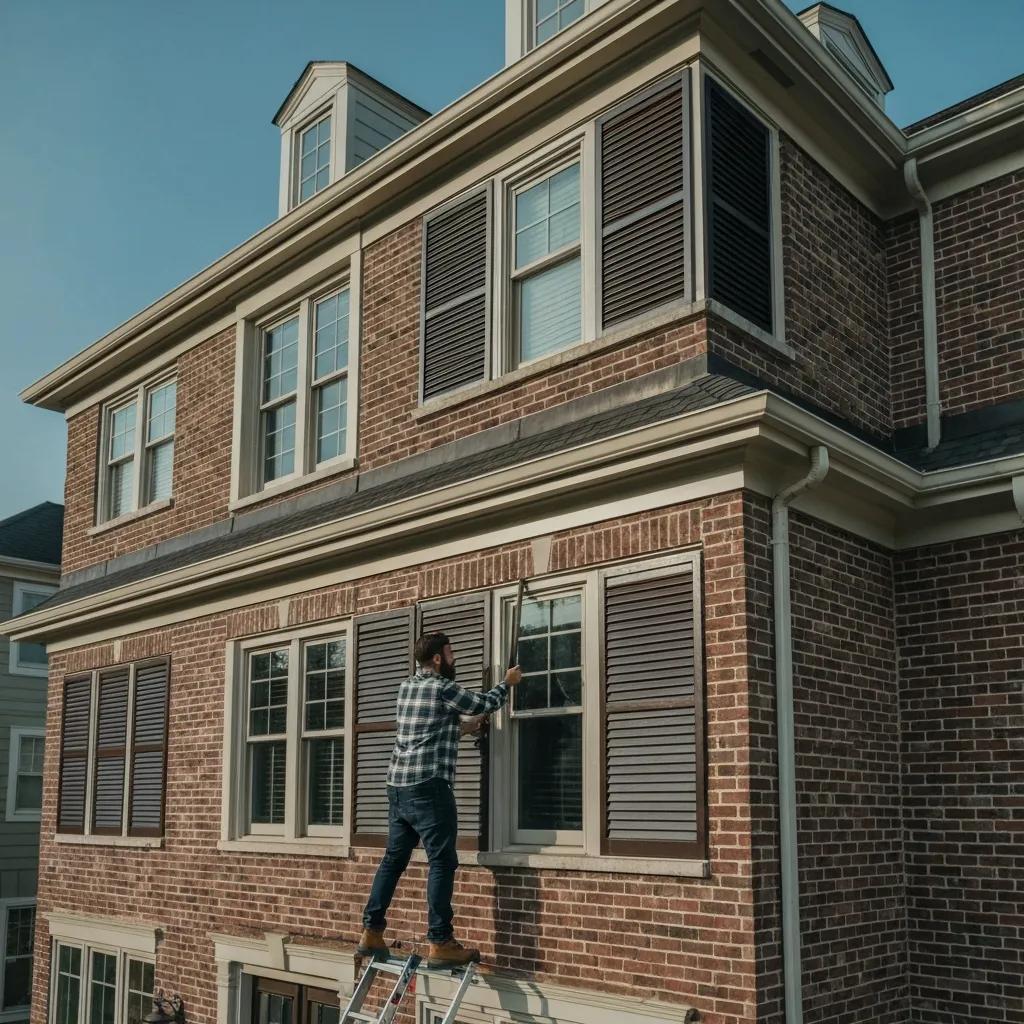
Professional installers bring certified methods, code‚Äëcompliant anchoring, and documentation that insurers often require for discounts and post‚Äëstorm claims. That peace of mind can offset the higher initial cost by reducing liability and ensuring fast, correct deployment. Installers know local wind‚Äëzone rules and can recommend products that meet required performance while optimizing attachment points and reinforcement. Pros also provide warranties and handle permits and inspections, which reduces homeowner paperwork. For multi‚Äëstory homes, unusual openings, or motorized systems, professional installation is generally the safest choice.
Long‚ÄëTerm Value: How Shutters Deliver ROI
Shutters deliver long‚Äëterm value by cutting expected storm damage, qualifying some homeowners for insurance discounts, and improving marketability in coastal neighborhoods where resilience matters. ROI includes avoided repair costs, reduced insurance premiums for certified installs, and less downtime and stress during storm season. Professional installation and certification often unlock insurer discounts, and durable systems reduce replacement frequency versus temporary panels. Below are ways to quantify value and estimate payback using local examples and insurance savings.
How shutters generate long‚Äëterm value:
- Avoided Repair Costs: Correctly installed shutters can prevent window failures and interior water damage, avoiding costly structural repairs.
- Insurance Premium Reductions: Certified installations may qualify for discounts that shrink annual premiums and shorten payback time.
- Resale and Buyer Appeal: Documented storm‚Äëhardening is a selling point in coastal markets and can improve buyer confidence.
- Longevity vs. Replacement: Durable materials like aluminum or polycarbonate last longer and lower lifetime cost compared with frequently replaced removable panels.
If you want property‚Äëspecific numbers, American Hurricane Shutters can provide personalized ROI estimates and local examples of insurance savings and avoided damage to help you evaluate payback and financing options.
Can Shutters Lower Your Home Insurance?
Many insurers offer reduced windstorm deductibles or premium discounts when a home has certified, professionally installed storm protection. Discount amounts vary by carrier and jurisdiction but can meaningfully shorten ROI timelines. To capture discounts, you’ll typically need documentation showing shutter type, installation certification, and sometimes an installer’s affidavit confirming code‑compliant anchoring. Ask your insurer what paperwork they require before installation so your project delivers the expected premium adjustments. Installers can often prepare the necessary documentation for submission.
Do Shutters Add Property Value?
In coastal NC and SC markets, documented storm protection is increasingly valued by buyers and can make a home more marketable. Exact resale uplift depends on the market and buyers’ priorities, but permanent, professionally installed systems with certification and maintenance records are easy to present as durable upgrades. When selling, include protection details in listing materials to highlight resilience and lower perceived risk.
Where to Get Accurate Local Cost Estimates
Accurate estimates require on‚Äësite measurements, wind‚Äëzone verification, and an inspector‚Äëlevel review of attachment substrates and access. Online cost bands are useful for budgeting, but only a local assessment captures shipping, labor rates, permits, and coastal corrosion needs. Start with a cost calculator for a ballpark and then schedule a free, on‚Äësite estimate so the installer can document site‚Äëspecific variables. Follow these steps to get reliable local pricing and prepare for an in‚Äëperson quote.
- Request a detailed on‚Äësite measurement and scope review from a qualified local installer to verify dimensions and substrate conditions.
- Ask for an itemized quote that separates material, fabrication, labor, permits, and optional add‚Äëons so you can compare bids fairly.
- Verify the installer’s documentation process for insurance certification and request references for similar coastal projects.
Those steps make sure quotes reflect local labor, permit costs, and shipping considerations that commonly change regional pricing.
For homeowners in Wilmington, NC, Myrtle Beach, Oak Island, and other coastal communities in North and South Carolina, American Hurricane Shutters offers free, local estimates and a cost calculator to turn general ranges into a site‚Äëspecific quote. A free on‚Äësite estimate from a local provider is the best way to convert this guidance into a usable budget and timeline.
How Much Does Installation Cost in Wilmington, NC?
Wilmington pricing reflects coastal labor, shipping logistics, and wind‚Äëzone certifications required by local code, so sample ranges are similar to the regional bands but may be slightly higher for premium coatings that resist salt air. Panel systems and screens typically fall on the lower end, while motorized rolldown systems and custom Bahama or Colonial shutters sit at the upper end because of fabrication and electrical work. Permit fees and inspection timing can affect schedule and cost, so request an itemized, local quote and a free on‚Äësite assessment for an exact figure.
Typical Costs in Myrtle Beach and Oak Island, SC
Myrtle Beach and Oak Island share coastal considerations—humidity, salt exposure, and similar wind‑zone rules—that affect material selection and finishing requirements, and therefore pricing. Regional ranges match the generalized bands in this article, but plan extra for corrosion‑resistant finishes and possible extended lead times. Local labor availability and storm‑season demand can temporarily raise lead times and rates, so schedule early. For precise pricing and documentation that supports insurance discounts, request a free local estimate and a full paperwork package from your installer.
- Request an on‚Äësite estimate so local factors are included.
- Ask for itemized quotes showing materials, labor, and permit costs.
- Confirm documentation for insurance certification and local code compliance.
Following these steps helps homeowners turn broad cost ranges into reliable local budgets and compare bids from qualified providers.
Frequently Asked Questions
What are the benefits of installing hurricane shutters?
Hurricane shutters protect windows and doors from wind and debris, reducing the risk of costly interior damage. They can lower repair bills after storms, may qualify you for insurance discounts, and make a home more appealing to buyers in storm‚Äëprone areas. Beyond dollars and cents, shutters give homeowners practical peace of mind and a faster way to secure the house when a storm approaches.
How do I choose the right type of hurricane shutter for my home?
Start with budget, desired look, and the level of protection you need. Compare accordion, roll‑down, Bahama, Colonial, panels, and screen systems for cost, ease of use, and performance. Consider opening sizes, local wind‑zone requirements, and how often you’ll deploy the system. A professional installer can assess your home and recommend a solution that balances protection, appearance, and cost.
Are there any maintenance requirements for hurricane shutters?
Yes. Inspect shutters at least annually for wear, corrosion, or damage and clean them to remove dirt—especially aluminum and polycarbonate systems. For motorized units, check motors and electrical components regularly. Following the manufacturer’s maintenance guidelines helps prevent problems and extends service life.
Can hurricane shutters be installed on any type of home?
Most homes—single‑family, townhouses, and condos—can be fitted with shutter systems, but the installation varies with architecture and exterior materials. Some homes need custom solutions or extra reinforcement to meet local codes and wind loads. Consult a professional to evaluate your property and recommend the right approach.
What should I consider when comparing quotes from different installers?
Look beyond the bottom line. Check that quotes include materials, labor, permits, and add‚Äëons, and ask for itemized breakdowns. Compare installer reputation, experience, and warranty coverage. Request references and confirm the installer documents work in a way your insurance company accepts for discounts.
How do I prepare my home for hurricane shutter installation?
Clear areas around windows and doors so installers have easy access. Move landscaping or furniture that might block work. Know what type of shutters you want and any custom details, and discuss concerns with your installer ahead of time to ensure a smooth visit.
What are the potential drawbacks of DIY hurricane shutter installation?
DIY can save on labor but risks improper anchoring, voided warranties, and noncompliance with building codes—issues that can affect safety and insurance claims. Homeowners often underestimate time, tools, and correct fasteners, especially on masonry or stucco. For many properties, professional installation is the safer and more reliable option.
Final Thoughts
<!