
Homeowner Reviews: What Accordion Shutters Actually Do for Noise Reduction
Accordion shutters are a permanently mounted storm protection system that fold and lock across openings. This article pulls together homeowner feedback and technical basics so you can understand how shutters perform acoustically in real homes. We’ll explain the simple acoustic principles behind accordion shutters, which material and installation choices matter most, what residents across coastal North and South Carolina report, and how accordion shutters stack up against other hurricane shutter options. Many homeowners wrestle with traffic, wind and rain noise and want practical expectations ‚Äî this guide mixes clear technical explanation with user-centered takeaways so you can decide whether accordion shutters are a realistic noise-reduction step for your home. We also cover practical ways to get the most acoustic benefit, secondary perks like security and possible insurance effects, and how to request a free estimate or use an online cost calculator from American Hurricane Shutters.
What Are Accordion Shutters and How Do They Reduce Noise?
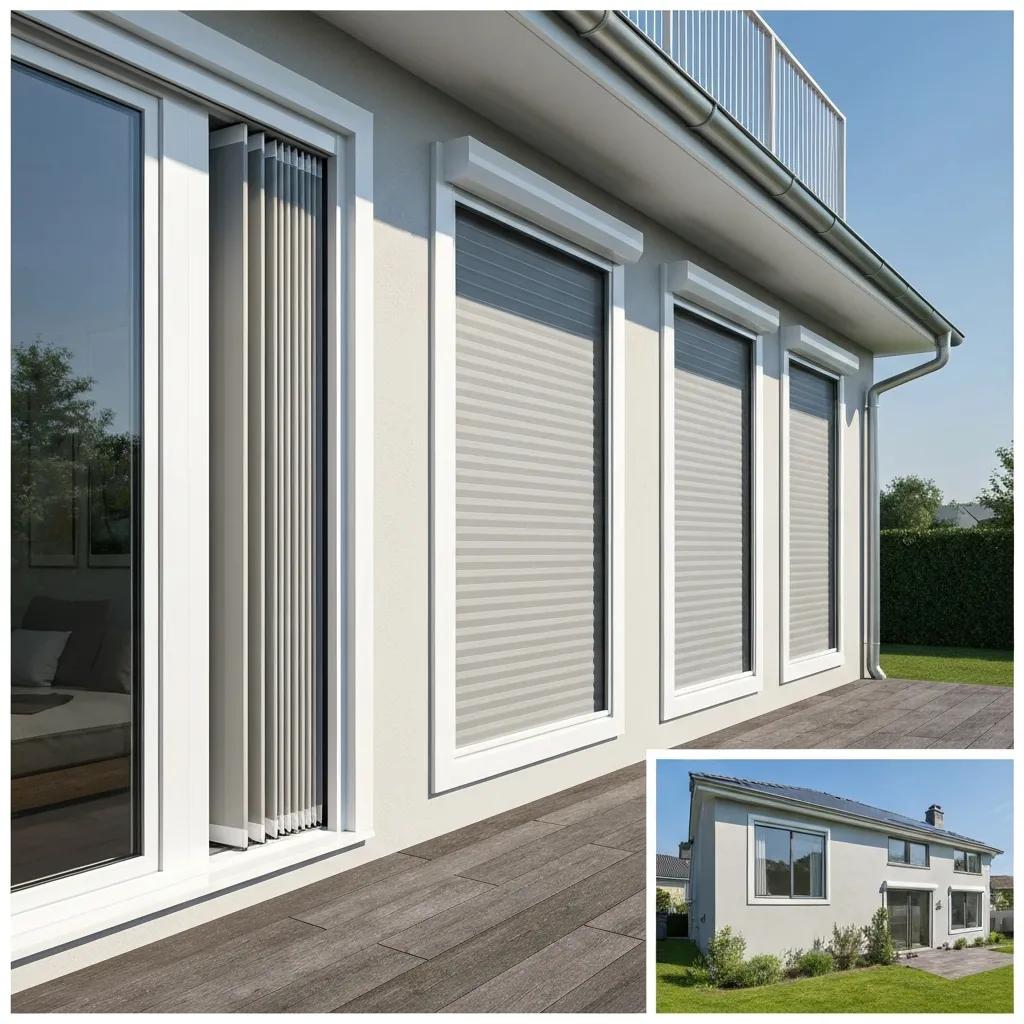
Accordion shutters are interlocking metal panels fixed outside a window or door that create a continuous protective surface. They reduce sound by combining mass, a continuous exterior surface, and a tight installation. In short: the shutter’s weight blocks some airborne sound, the interlocking blades close off sound paths, and the narrow air space between the shutter and the glass helps dissipate energy. That combination can deliver measurable decibel reductions in many settings — especially for mid‑ to high‑frequency sounds like wind and rain. Knowing these basics helps homeowners set realistic expectations compared with heavier systems.
Not all accordion shutters perform the same. Material, profile thickness, and seal design all affect acoustic results. A correctly fitted aluminum shutter with good gaskets will cut transmission and stop rattling, while loose mounts or missing seals will reduce effectiveness. In practice, accordion shutters serve a dual purpose — reliable storm protection and modest noise reduction — with installation quality often determining the final outcome. That leads us into the specific acoustic roles played by interlocking blades and materials.
How Do Accordion Shutters Provide Soundproofing and Noise Dampening?

Accordion shutters reduce sound using a mass‑plus‑air‑gap approach: the shutter’s material mass blocks airborne noise, and the enclosed air cavity between shutter and window helps dissipate energy before it reaches the interior. The interlocking blades create a continuous surface that limits flanking paths and lowers vibration transfer across the shutter plane. Well‑designed seals and gaskets reduce leakage and prevent wind‑driven rattling. For example, continuous traffic (low to mid frequencies) is often quieter with tightly sealed shutters, while very loud transient events will still be noticeable. That’s why precise installation and complementary window upgrades affect the final acoustic result.
This mechanical overview prepares homeowners to compare specific shutter features and installation practices that influence sound performance. Next, we look at which materials and construction details matter most.
What Materials and Features Impact Accordion Shutters’ Noise Reduction?
Material density and profile thickness directly change how much sound a shutter blocks — heavier metals and thicker profiles increase mass and improve attenuation. High‑quality edge seals and gaskets reduce air gaps that let sound through and prevent rattling, and reinforced tracks or stainless‑steel hardware cut flex and vibration. Optional upgrades — internal damping inserts, tighter mounting brackets, or acoustic gaskets — can further boost performance when specified at installation. Choosing shutters with these attributes and verifying fit during installation raises the chance of meaningful noise reduction.
With those construction details in mind, the next section summarizes how real homeowners report performance in coastal communities.
What Do Homeowners Say About Accordion Shutters’ Noise Reduction?

Homeowners often report noticeable improvements for storm noise and reductions for steady ambient sounds, but results vary by noise source and installation quality. Reviews from coastal North and South Carolina show recurring themes: accordion shutters cut wind and rain noise during storms, offer moderate relief from street noise, and require precise installation to avoid rattling. Many customers value the quick deployment and the combination of protection plus quieter interiors, while others note that extremely loud sources or thin window assemblies limit perceived gains. These patterns underscore the value of pairing shutters with window upgrades or improved seals when broader noise control is needed.
Local accounts—from Wilmington and Myrtle Beach to Oak Island—highlight differences by site: homes near busy coastal roads reported quieter interiors for HVAC and mid‑frequency sounds, while beachfront properties experienced clear reductions in storm‑driven noise during severe weather. These local insights reflect American Hurricane Shutters’ service area and show that climate and placement matter. If you want to confirm fit and options, many homeowners follow up with a free estimate.
Common praise centers on durability and easy operation; common complaints focus on rattling or limited effect on very low frequencies. Professional installation and routine maintenance usually address most issues, which we cover alongside comparisons to other shutter types below.
How Effective Are Accordion Shutters at Reducing Traffic, Wind, and Rain Noise?
Accordion shutters tend to perform best against wind and rain, which contain higher frequencies the shutters can attenuate through surface blocking and damping. For continuous traffic noise, which includes stronger low‑frequency components, accordion shutters provide moderate improvement — especially when used with thicker glazing and airtight seals — but they typically don’t match the low‑frequency performance of heavier systems like rolling shutters. Many users say storm noise becomes noticeably quieter, improving comfort during severe weather, while constant sources such as nearby highways are only partially mitigated. Adding double‑pane windows or acoustic seals can make a meaningful difference for traffic‑dominated noise.
The physics of wind and how it generates noise is complex; practical reductions often depend on targeted, site‚Äëspecific approaches.
Wind Noise Reduction Methodologies: A Comprehensive Review
This chapter surveys the physics of wind noise and reviews established and developing techniques to reduce it. The authors note limited peer‑reviewed literature in some areas and include robust non‑peer‑reviewed sources where appropriate. Topics covered include Daniels’ filters, pipe rosettes, microporous hoses, optical fiber sensors, distributed sensors, rigid porous media filters, and wind barriers. The review compares advantages and limitations and summarizes the state of research and potential implications for infrasound and wind‑noise monitoring.
A review of wind‚Äënoise reduction methodologies, MAH Hedlin, 2009
This distinction between noise types shows why targeted solutions matter: storm noise is often the “best case” for accordion shutters, while traffic noise usually benefits from a layered approach that combines shutters with window upgrades. Next, we compare accordion shutters with other common hurricane shutter styles so you can weigh trade‑offs.
What Are Common User Feedback and Expectations on Sound Insulation?
Homeowner feedback typically mixes praise and practical cautions: many appreciate storm‑noise reduction and the added security, while intermittent rattling and limited low‑frequency attenuation are common caveats. Most owners recommend setting realistic expectations — accordion shutters give good to moderate soundproofing, not complete silence — and emphasize that installation quality drives perceived performance. Practical steps like scheduled inspections, tightening hardware, and adding gaskets or damping strips when needed generally turn mixed reviews into consistently positive experiences.
How Do Accordion Shutters Compare to Other Hurricane Shutters for Noise Reduction?
Acoustically, accordion shutters sit between rolling shutters and decorative options like colonial or Bahama designs. Rolling shutters usually deliver the best noise reduction because of greater mass and a continuous closure. Trade‚Äëoffs include cost, daily usability, aesthetics, and installation complexity: rolling shutters score higher for acoustics but often cost more and may look different, while colonial and Bahama shutters favor curb appeal and ventilation at the expense of sound attenuation. Comparing these factors helps homeowners choose the balance that fits their noise‚Äëcontrol and storm‚Äëprotection priorities.
Below is a quick comparative table summarizing typical attributes across common shutter types, focusing on acoustic performance, relative cost, and installation factors.
In short: rolling shutters usually offer the strongest acoustic performance, while accordion shutters provide a practical middle ground for homeowners who want daily usability plus reasonable noise reduction.
Why Are Rolling Shutters Considered Superior for Noise Reduction?
Rolling shutters typically have more mass and a continuous, interlocking closure that minimizes gaps — a combination that increases sound transmission loss across the opening. Their integrated seals and denser slat profiles reduce both airborne and impact noise more effectively than accordion shutters, which can flex under load. For homeowners prioritizing soundproofing, rolling shutters are often the recommended choice because they raise a system’s STC and dB‑reduction potential. That higher acoustic performance, however, can mean higher cost and different daily operation, making accordion shutters a common compromise.
With rolling shutters covered, it’s useful to contrast accordion shutters with colonial and Bahama styles that prioritize looks.
What Noise Reduction Benefits Do Colonial and Bahama Shutters Offer?
Colonial and Bahama shutters prioritize curb appeal and some storm resistance rather than maximum acoustic attenuation. Because they mount in sections (colonial) or hinge from the top (Bahama), they often leave more paths for sound to bypass the barrier and therefore perform worse against continuous exterior noise. These designs work well where appearance and ventilation matter and when noise is a secondary concern. When sound control is important, pairing these shutters with window upgrades is the recommended route.
Overall, buyers should weigh acoustic goals against cost, convenience and visual preference to pick the shutter type that best fits their home.
How Can You Maximize Noise Reduction with Accordion Shutters?
Getting the best acoustic performance from accordion shutters means professional installation, careful attention to seals and mounting, and complementary upgrades like better windows. The goal is to eliminate gaps, control vibration and add mass where practical so sound paths are interrupted and energy dissipated before it reaches interior rooms. A systematic plan — pre‑installation assessment, precise mounting and scheduled maintenance — gives the most reliable long‑term results. Homeowners who treat shutters as one part of a layered sound‑control strategy tend to report the highest satisfaction.
Below are prioritized, practical steps to improve shutter acoustics.
- Hire professional installers: Accurate fit, correct mounting and right seals reduce gaps and rattling.
- Specify acoustic gaskets: Quality weather‚Äëstripping and gaskets block leaks that carry sound.
- Reinforce mounting: Tighten brackets and add reinforcement where shutters flex or vibrate.
These actions form a short, practical checklist homeowners can review with installers to improve acoustic performance.
Below is an implementation table showing installation and maintenance attributes and their expected impact on noise.
Addressing these items at installation and during regular maintenance will noticeably reduce incidental noises and improve perceived quiet indoors.
Why Is Professional Installation Crucial for Optimal Soundproofing?
Professional installation matters because precise measurements, correct brackets and proper seal selection remove the common failure points that cause noise problems. Trained installers can recommend acoustic gaskets, reinforce tracks where needed, and verify alignment to prevent wind‚Äëinduced rattling and continuous leakage paths. Professionals also coordinate window upgrades when appropriate, creating a layered solution that improves STC and real‚Äëworld dB outcomes. Investing in quality installation is a high‚Äëimpact way to maximize acoustic performance.
That focus on professional fit naturally leads into the maintenance steps that preserve acoustic benefits over time.
What Maintenance Practices Help Prevent Noise Issues Like Rattling?
Regular maintenance keeps seals tight and shutters operating smoothly, preventing the small failures that cause most complaints. Inspect hardware and fasteners seasonally, clean and lubricate tracks, and replace worn gaskets before gaps develop — these steps reduce vibration and protect acoustic performance. If rattling persists, tightening brackets or adding foam damping strips at contact points often solves the issue without replacing components. A proactive maintenance plan extends both acoustic effectiveness and storm‑protection reliability.
Consistent maintenance ensures the acoustic advantages gained at installation remain effective through years of use and changing weather.
What Additional Benefits Do Accordion Shutters Offer Beyond Noise Reduction?
Accordion shutters also deliver storm protection, added security, and energy‚Äëmanagement benefits through shading and reduced solar gain; when installed to code they may help qualify homeowners for insurance considerations. Their permanent mounting speeds storm readiness compared with temporary panels, and the physical barrier deters intrusion and wind‚Äëborne debris damage. Often the combined value in security, convenience and potential energy savings contributes to homeowner ROI well beyond acoustic improvements. These co‚Äëbenefits are important when evaluating accordion shutters as a multi‚Äëpurpose upgrade.
To make those secondary benefits easier to compare, the table below summarizes security, storm readiness, energy and insurance considerations for accordion shutters and related options.
This table shows accordion shutters give a mix of practical benefits that complement their noise‚Äëreduction role and strengthen the overall case for installation.
How Do Accordion Shutters Enhance Home Security and Storm Preparedness?
Accordion shutters improve security by forming a rigid, lockable barrier across doors and windows, which deters forced entry and reduces debris damage during storms. Because they’re permanently mounted, homeowners can deploy protection quickly without handling separate panels; integrated locks and reinforced tracks add impact resistance. That steady readiness lowers the time and labor needed to prepare for storms, making accordion shutters an efficient choice for homeowners who value both security and quick protection. Recognizing this role ties directly into insurance and safety benefits.
Because insurers and energy savings respond to documented upgrades, the next section explains how shutters can affect those areas.
Can Accordion Shutters Help Lower Insurance Premiums and Energy Costs?
Accordion shutters can influence insurance premiums when installations meet local code and insurer requirements; keeping records and product specs helps when requesting discounts. On energy, closed shutters reduce direct solar gain, which can lower cooling loads in hot months and improve indoor comfort. Homeowners should retain installation documents and consider pairing shutters with upgraded windows for compounded savings. Always verify potential premium reductions with your carrier and assess energy impact for your specific climate to get the most reliable estimate.
These secondary advantages often factor into the homeowner decision to install accordion shutters and lead naturally into how to get an estimate and next steps.
How Can You Get a Free Estimate and Learn More About Accordion Shutters?
If you want a personalized assessment, American Hurricane Shutters offers free estimates and an online cost calculator to help homeowners preview accordion shutter pricing and options. Start by listing window and door counts, approximate sizes, and special considerations (balconies, nonstandard frames) — that information makes online results more accurate and speeds on‑site reviews. After an initial estimate, schedule a professional visit to refine measurements and receive a written quote that spells out materials, scope and timing. This process helps you compare options and budget while aligning acoustic and storm‑protection expectations.
Here’s a short checklist to prepare before using the calculator or scheduling a visit.
- Inventory openings: Count windows and doors and note standard vs. custom sizes.
- Identify shutter type: Choose accordion shutters if you want permanent, easy‚Äëto‚Äëdeploy protection.
- Prepare site notes: Note awnings, obstructions, and trim that may affect installation and cost.
These steps make online cost estimates more accurate and speed the move to an on‚Äësite quote.
Where Can You Calculate the Cost of Accordion Shutters Online?
American Hurricane Shutters provides an online cost calculator that accepts inputs like window and door counts and shutter type to generate a preliminary estimate — a useful first step for setting a budget. Typical inputs include opening dimensions, finish choices and accessory options (acoustic gaskets, reinforced tracks) that affect price and acoustic results. Remember online estimates are provisional; final pricing comes from an on‑site measurement and written quote. Use the calculator to start the consultative process toward installation planning.
How to Contact American Hurricane Shutters for Personalized Advice and Installation?
To move from estimate to installation, request a free estimate on our website or through our Google Business Profile and schedule a consultation. Typical next steps are an on‑site visit, a written quote and scheduling installation. During the consultation, discuss acoustic goals, request specification details (materials, gaskets, reinforcement), and confirm code compliance for insurance documentation. That workflow — estimate, site visit, written proposal, installation — keeps pricing transparent and aligns acoustic expectations with final workmanship. Ask about maintenance schedules and warranty terms during the consultation to protect noise performance over time.
This final action step connects the information in this article to a clear path for homeowners to get tailored pricing and professional installation.
Frequently Asked Questions
1. How do accordion shutters compare to other soundproofing solutions?
Accordion shutters offer moderate soundproofing compared with options like rolling shutters, which usually perform better because of greater mass and a continuous seal. Accordion shutters are effective at reducing mid‑to‑high frequencies but are less effective against deep low‑frequency noise such as heavy traffic. If maximum sound isolation is the goal, consider combining accordion shutters with other measures — for example, double‑glazed windows or interior acoustic treatments.
2. Can accordion shutters be customized for specific noise issues?
Yes. You can specify materials with different densities and thicknesses and add features like acoustic gaskets or reinforcement ribs to address specific noise concerns. Discussing the exact noise sources with your installer during the consultation helps identify tailored options that improve performance against traffic, storm noise or other sources.
3. What is the expected lifespan of accordion shutters?
Accordion shutters are built for long service life with proper upkeep. Typical lifespans range from 10 to 20 years depending on materials, environment and maintenance. Regular inspections, cleaning and timely repairs extend service life. Choosing quality materials and professional installation also helps ensure shutters continue to provide noise reduction and storm protection over time.
4. Are there any specific maintenance tips for accordion shutters?
Perform regular inspections, especially of seals and gaskets. Clean tracks and lubricate moving parts to prevent binding and rattling. Tighten loose hardware and replace worn gaskets before gaps form. Scheduling professional maintenance every few years will help keep the system operating quietly and reliably.
5. How do accordion shutters affect home energy efficiency?
Accordion shutters can improve energy performance by reducing solar heat gain when closed, which lowers cooling load in hot months and can help retain heat in colder months. They are one component of an energy‚Äëmanagement strategy and work best when paired with high‚Äëperformance windows and insulation. Homeowners may also investigate potential insurance or rebate benefits tied to documented upgrades.
6. What are the aesthetic options available for accordion shutters?
Accordion shutters come in a rang
