

Understanding Your Accordion Shutters Warranty — Coverage, Terms, and Filing a Claim
Warranty language for accordion shutters can feel technical, but knowing what’s covered, what isn’t, and how to file a claim protects your investment and keeps your home storm-ready. This guide walks through typical warranty coverage, how manufacturers and installers handle material and workmanship issues, common reasons claims are denied, and the documents you’ll need to file. You’ll also find typical warranty lengths, rules about transferring coverage, and practical maintenance tips that help keep your warranty valid and extend the life of your shutters. Finally, we outline a simple claims process and explain how local, coastal-aware providers speed inspections and ensure code-compliant service. Keywords like accordion shutters warranty coverage, filing a warranty claim for shutters, and voiding accordion shutter warranty are used here to help you find actionable steps quickly and prepare for conversations with manufacturers and installers.
What Does the Accordion Shutter Warranty Cover?
Most accordion shutter warranties protect homeowners from defects in materials and workmanship so the system performs as expected under normal use. Coverage is usually split by component—panels, tracks, hardware—plus finish/coating protection and sometimes labor for repairs or replacements. Knowing these categories helps you compare offers, register your warranty correctly, and follow maintenance that keeps coverage intact. Below is a clear breakdown of common covered parts and the kinds of protection homeowners typically receive.
The table below lists core shutter components, the type of coverage you can expect, and typical warranty lengths.
This table makes it easier to see which parts are usually protected and what to expect if something fails. With component-level coverage in mind, the next sections look closer at materials and workmanship protections.
Which Materials and Components Are Included in the Warranty?
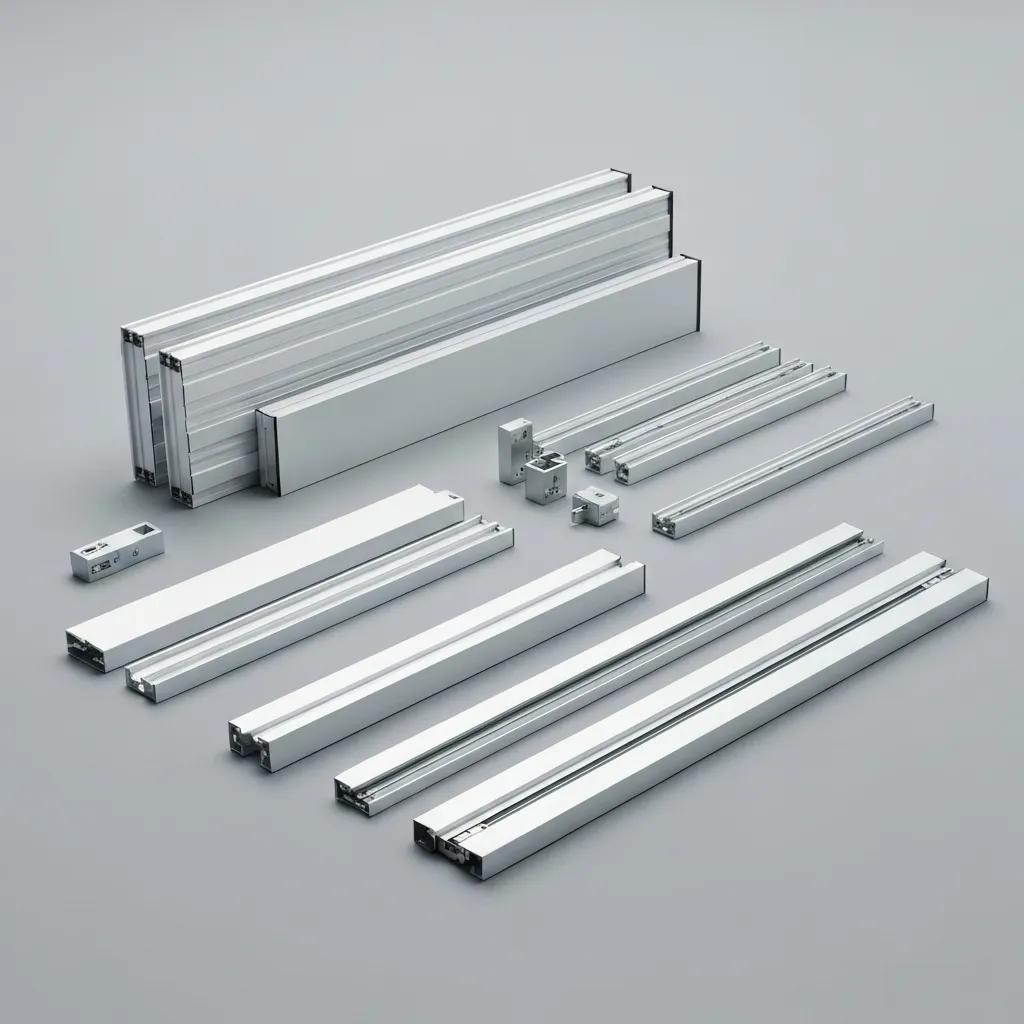
Accordion shutters commonly use extruded or roll-formed aluminum for panels and stainless or galvanized steel for fasteners. Warranties typically cover material failures that lead to structural problems, accelerated corrosion beyond normal environmental wear, and failures of protective coatings that guard against salt air and moisture. For aluminum panels, expect coverage for structural integrity and dimensional stability; hardware like locks, rollers, and guides usually have separate mechanical coverage with shorter terms. Knowing the materials used helps you match a problem to a likely warranty pathway and determine if the cause is a defect or an external factor.
How Does the Warranty Protect Against Workmanship and Manufacturing Defects?
Workmanship and manufacturing coverage focuses on failures tied to production or installation mistakes rather than the raw materials themselves. Remedies commonly include repair, replacement, or reimbursement for labor. Examples include misaligned tracks that bind, poor welds that let panels separate, or incorrect mounting that prevents proper operation. When you report a workmanship issue, the provider usually inspects to determine the root cause, then performs on-site repair or replaces the affected part; initial assessments often occur within a few weeks of filing. Understanding the difference between product defects and installation problems clarifies whether the manufacturer or installer is responsible and which documents will speed resolution.
Knowing typical inspection remedies and timelines helps you anticipate exclusions and limits that can affect claim approval.
What Are Common Accordion Shutter Warranty Exclusions and Limitations?
Warranties spell out situations they don’t cover—knowing these exclusions ahead of time prevents surprises during claims. Common exclusions include misuse, unauthorized repairs or modifications, purely cosmetic damage, and certain acts of nature (for example, catastrophic storm damage that insurance is meant to cover). Other limits include prorated payouts that decline over time, caps on labor reimbursement, and exclusions for aesthetic wear that doesn’t affect function. Understanding these limitations helps you document normal wear versus excluded events and set realistic expectations about who pays for repairs.
Below is a concise table showing typical exclusions by scenario and why they’re commonly denied.
This quick reference shows why some claims are denied and how homeowner choices or external forces influence outcomes. Next, we cover specific behaviors that can void coverage and how to protect your warranty.
Which Conditions Void the Warranty, Including Misuse and Unauthorized Repairs?
Most warranties require owners to avoid unauthorized repairs, alterations, or incompatible parts—violating those rules can void coverage. Examples of voiding actions include drilling or cutting panels, repainting or recoating with non-approved products, and hiring unapproved service providers who alter factory settings. To avoid accidental voidance, keep your installation records, ask your installer for authorized-service referrals, and document any approved repairs with invoices and photos. Those steps preserve your warranty options and reduce disputes over what caused a failure.
With voiding actions clear, it’s important to understand how weather and maintenance habits affect warranty status.
How Do Acts of Nature and Lack of Maintenance Affect Warranty Validity?
Warranties typically distinguish normal wear from damage caused by extreme weather or neglect. In coastal regions especially, salt spray, flooding, and storm-force impacts are treated differently than material defects. Acts of nature like hurricanes are often excluded or require an insurance claim; gradual corrosion from lack of cleaning can be ruled homeowner neglect and lead to denial. To protect a claim, document the condition before and after events with photos, keep maintenance logs, and coordinate insurance and warranty processes after storms. Clear documentation and routine care are key to preserving warranty rights.
Understanding exclusions and environmental impacts leads naturally into warranty lengths and special terms you should confirm.
How Long Is the Accordion Shutter Warranty and What Are Its Terms?
Warranties vary by manufacturer and installer. Structural materials typically carry longer protection than moving parts or finishes. You’ll commonly see five-year terms for finishes and mechanical components, and ten years or more for aluminum panels; some suppliers offer limited lifetime or prorated options with conditions. The warranty usually starts on the installation or invoice date, and many require registration within a set period to remain valid. The table below summarizes common warranty types, typical lengths, and key notes to check before you buy.
Use this table to compare offers, verify start dates and registration requirements, and understand whether a “lifetime” label really delivers practical coverage. Next, we cover typical durations in more detail.
What Are Typical Warranty Durations for Accordion Shutters?
Warranty lengths align with component risk: panels generally get the longest terms, while moving parts and finishes have shorter expectations. For instance, extruded aluminum panels often carry ten-year material warranties, locks and rollers usually range five to seven years, and powder-coat finishes commonly come with five- to ten-year guarantees against peeling or serious fading when maintained properly. Because manufacturers differ, always request a written warranty summary and confirm whether registration, periodic inspections, or specific maintenance are required. Knowing these timelines helps you plan preventative care and realistic replacement schedules.
These duration details also tie into whether coverage transfers if you sell your property.
Is the Warranty Transferable to New Owners?
Whether a warranty transfers depends on its terms. Some require notification, paperwork, and sometimes a transfer fee or updated registration; others are non-transferable. Transferable warranties can add resale value and protect buyers, but you must follow the provider’s transfer steps—submit proof of sale, original invoices, and maintenance records—to move coverage to the new owner. If a warranty isn’t transferable, buyers should negotiate repairs or inspections before closing. Knowing transfer rules ahead of time reduces post-sale disputes and clarifies ongoing maintenance responsibilities.
With terms and transfer rules covered, the next practical question is how to file a warranty claim when an issue appears.
How Do You File an Accordion Shutter Warranty Claim?
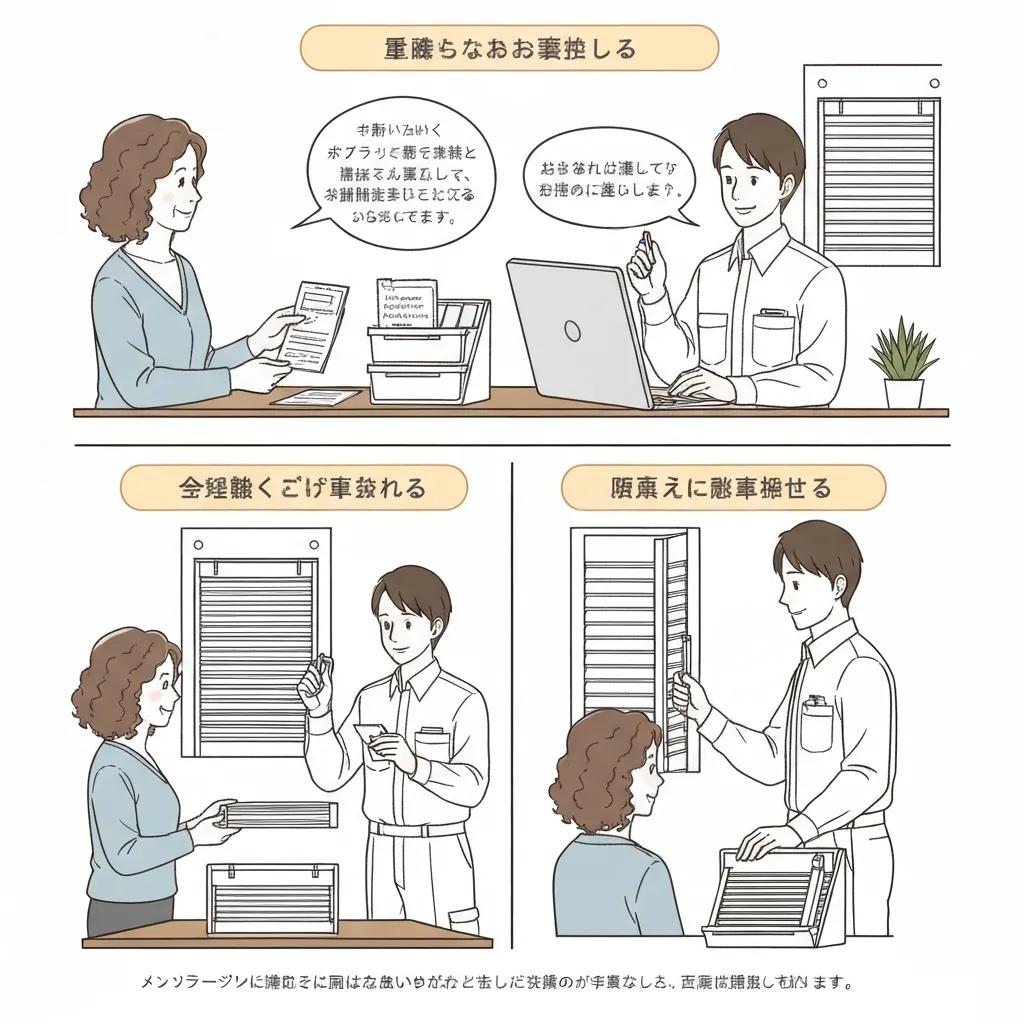
Filing a claim is a straightforward, evidence-based process that moves faster when homeowners prepare the right information. A typical claim includes initial contact, photo and purchase-document submission, scheduling an inspection, receiving an assessment, and proceeding with repair or replacement if covered. Successful claims rely on clear documentation—date-stamped photos, installation invoices, and maintenance logs—to show the issue stems from a defect rather than an excluded cause. The short list below gives a quick, practical claim sequence you can follow.
- Contact the warranty provider or installer with a short description of the issue and the installation date.
- Send clear photos showing the damaged part, the surrounding area, and any model or serial numbers.
- Provide proof of purchase or installation invoice, registration confirmation, and maintenance records.
- Schedule an on-site inspection with the provider or an authorized technician for diagnosis.
- Review the assessment and arrange approved repair or replacement based on the warranty decision.
Following these steps upfront reduces back-and-forth and speeds repairs. Below we outline the typical timing and paperwork you’ll encounter during a claim.
What Are the Step-by-Step Procedures to Submit a Warranty Claim?
The claim workflow starts with contacting the issuer and ends with remediation; each stage has expected response times and homeowner responsibilities. After initial contact you’ll likely be asked for photos and purchase paperwork; once submitted, an authorized technician usually inspects within the timeframe stated in the warranty—often 14–30 days, depending on season and demand. After inspection the provider issues a decision and a remediation plan: on-site repair, component replacement, or denial with reasons. Request written findings and an itemized repair plan. Clear communication, prompt scheduling, and keeping records of every interaction reduce delays and help if you need to appeal or coordinate with insurance.
Next, here’s what documentation you should gather to support a successful claim.
What Documentation and Evidence Are Required for a Successful Claim?
Strong claims use a consistent set of documents: the installation invoice or proof of purchase, product model/serial numbers, dated photos showing the defect and overall shutter condition, and maintenance or inspection records. Extra helpful items include video showing operational issues, prior service invoices, and context photos (for example, storm damage or corrosion). Name files clearly (YYYYMMDD_description.jpg) and send high-resolution images that include close-ups and wider shots to help reviewers identify root causes remotely. Preparing this folder in advance reduces friction during inspection and helps the provider determine whether the issue is covered.
Local installers can also assist with claims and inspections—especially in coastal North and South Carolina.
American Hurricane Shutters supports homeowners in NC and SC with inspections and warranty help. Contact the company through its customer service channels or Google Business Profile to request an inspection, submit documentation, or schedule a warranty service visit. We serve coastal areas including Wilmington, Morehead City, and Myrtle Beach and specialize in accordion shutters and warranty service. When you reach out, have the documentation above ready and ask for an on-site assessment to determine whether repair or replacement falls under warranty terms.
How Can Proper Maintenance Maximize Your Accordion Shutter Warranty?
Regular maintenance both preserves shutter performance and strengthens your warranty claim by showing you followed manufacturer requirements. Routine tasks include rinsing salt and debris away, lubricating moving parts with recommended products, checking mounting hardware and seals, and scheduling annual professional inspections to confirm alignment and fastener integrity. Keeping a simple log with dates, tasks, and any service reports builds a maintenance record that supports you during warranty reviews. Below is an easy checklist to protect your warranty and extend shutter life.
- Monthly: Clean tracks and panels; rinse away salt in coastal environments.
- Quarterly: Lubricate rollers, locks, and guides using manufacturer-approved lubricants.
- Annually: Book a professional inspection for alignment, fasteners, and seals.
- After major storms: Photograph condition, check mounting points, and document any damage.
Following this checklist prevents accelerated wear and helps maintain warranty coverage. The next section explains when to call a pro instead of doing DIY work.
What Maintenance Practices Are Recommended to Keep Your Warranty Valid?
Manufacturers often list required maintenance steps as part of the warranty, so follow their guidance on cleaning agents, lubrication intervals, and inspection schedules to avoid voiding coverage. Recommended actions include using non-abrasive cleaners on powder-coated finishes, applying corrosion-inhibiting lubricants to stainless hardware, checking and tightening mounting brackets yearly, and keeping drainage clear to prevent water pooling. Document each action with date-stamped photos and short notes—this record demonstrates you’ve met warranty conditions if you need to file a claim. When in doubt about products or methods, consult your installer or request a professional service to ensure compliance.
These routine steps lower the risk of voided claims and protect long-term performance and coverage.
How Does Regular Maintenance Prevent Warranty Voids and Extend Shutter Lifespan?
Regular maintenance creates a straightforward chain: care prevents failures → fewer claims of neglect → warranty coverage stays intact → lower lifetime costs and better storm readiness. Addressing small alignment issues, keeping moving parts lubricated, and removing corrosive buildup prevent progressive damage that warranties might attribute to neglect. A documented maintenance program also speeds claim approval because it shows the issue wasn’t caused by omission. Over time, scheduled maintenance usually costs far less than repairs from neglected components and keeps your system ready for coastal storms.
When you prefer professional support, local companies can handle inspections and ongoing service.
American Hurricane Shutters offers maintenance services and professional inspections for accordion shutters across coastal North and South Carolina. We provide scheduled checkups and on-demand servicing to help preserve warranties. An inspection after installation—and annually thereafter—creates a service record for claims and catches problems early, lowering the chance of denied claims due to neglect. If you want help, request a maintenance assessment from American Hurricane Shutters to document condition and align future service with your warranty.
Why Choose American Hurricane Shutters for Accordion Shutters and Warranty Service?
American Hurricane Shutters brings coastal-focused experience to homeowners who need dependable accordion shutter protection and warranty support. We combine product know-how with local knowledge of storm patterns and code requirements, helping ensure installations meet or exceed regional standards that affect safety and insurance. Serving coastal North and South Carolina—including Wilmington, Morehead City, and Myrtle Beach—our team provides timely inspections and locally grounded recommendations that reduce friction during claims and repairs. For homeowners comparing providers, these regional and regulatory strengths make a real difference when it comes to service and long-term performance.
Here are concrete reasons customers choose our team for installation and warranty service.
- Local coastal experience: We install systems designed to resist salt and wind common to NC/SC shorelines.
- Code-focused work: Installations that meet or exceed Florida Building Code standards for added strength and compliance.
- Customer-first service: Free estimates and inspection options to assess condition and document items for future warranty claims.
These practical strengths support warranty longevity and give homeowners greater confidence in their storm protection systems.
What Unique Warranty Benefits Does American Hurricane Shutters Offer?
Specific warranty language varies by product and installation, but American Hurricane Shutters emphasizes durable products and service that give homeowners peace of mind. We offer free estimates and focus on code-aligned installations that simplify warranty registration and after-sale support. Always request the written warranty that applies to your purchase and ask us for registration steps and recommended maintenance schedules so your coverage aligns with vendor requirements. That transparency ensures the promises you receive are backed by documented processes.
Understanding our service approach makes it easier to see how local expertise improves warranty support in coastal areas.
How Does Local Expertise in NC and SC Enhance Warranty Support?
Coastal North and South Carolina have unique conditions—salt air, hurricane exposure, and local code nuances—that affect shutter performance and warranty outcomes. American Hurricane Shutters’ presence in Wilmington, Morehead City, and Myrtle Beach means our technicians know regional installation best practices and inspection rhythms that reduce local risks. Faster on-site response, familiarity with insurance expectations after storms, and awareness of code compliance give homeowners practical advantages when pursuing repairs or replacements under warranty. Choosing a local, experienced provider helps smooth claim handling and boosts long-term system reliability.
This local, code-aware support pairs with your responsibility to maintain shutters and keep records that preserve warranty coverage.
Frequently Asked Questions
1. What should I do if my accordion shutters are damaged during a storm?
After a storm, document the damage with photos and notes right away. Review your warranty to see if storm damage is covered—many warranties exclude acts of nature. If coverage applies, contact your warranty provider or installer to start a claim and be ready to provide the storm date and maintenance records. If the warranty doesn’t cover storm damage, consider filing an insurance claim if appropriate.
2. How can I ensure my warranty remains valid after installation?
Follow the manufacturer’s maintenance guidelines—regular cleaning, lubrication, and inspections are common requirements. Keep dated records of every maintenance task and any professional services. Avoid unauthorized repairs or modifications, and register your warranty within the timeframe specified. Keep your proof of purchase handy to support any future claims.
3. Are there any specific maintenance products I should use for my accordion shutters?
Use products recommended by your manufacturer to avoid risking coverage. Generally, non-abrasive cleaners are best for powder-coated finishes, and corrosion-inhibiting lubricants are advised for moving parts. Check your warranty documentation or ask your installer for specific product recommendations to ensure compatibility.
4. What steps should I take if my warranty claim is denied?
If a claim is denied, read the denial notice carefully to understand the reason. Gather all supporting documents—maintenance logs, photos, invoices—and contact the provider to discuss the decision. You can ask for clarification, submit additional evidence, or request a second inspection. Keep a detailed record of all communications to help resolve the issue.
5. How often should I schedule professional inspections for my accordion shutters?
We recommend at least one professional inspection per year, especially in coastal areas where environmental wear is faster. Also schedule an inspection after major storms. Regular checks catch issues early and help ensure your shutters meet warranty conditions and remain fully functional.
6. Can I perform my own repairs on the accordion shutters without voiding the warranty?
DIY repairs can risk voiding the warranty—particularly if they involve modifications or non-approved parts. Check your warranty terms first, and when unsure, contact the manufacturer or installer. If repairs are needed, consider hiring an authorized professional to keep your coverage intact.
7. What should I include in my maintenance log for warranty purposes?
Your log should list the date of each maintenance task, a short description (cleaning, lubrication, inspection), and any observations about shutter condition. Keep invoices and reports from professional services as well. This record is valuable evidence if you need to file a warranty claim.
Conclusion
Knowing your accordion shutters warranty inside and out protects your investment and keeps your home ready for storms. Learn the coverage details, exclusions, and claim steps so you can act confidently if an issue arises, and keep up regular maintenance to preserve coverage. If you need help, contact American Hurricane Shutters — we’ll review your warranty, document conditions, and support claim or maintenance needs.
