
Roll Down Hurricane Shutters: The True Cost — Upfront, Hidden, and Long-Term
Roll down hurricane shutters—also called rolling or roll-up shutters—are exterior systems that unroll over windows and doors to stop windborne debris and reduce pressure on openings. Figuring the real cost goes beyond a simple per‑square‑foot price: material, operation type, structural work, permits, motorization, and ongoing maintenance all add to lifetime expense. This guide explains how roll down shutters work, breaks down both visible and hidden costs, and helps homeowners across coastal North and South Carolina weigh the investment. When you’re ready for local numbers, American Hurricane Shutters offers free estimates and a cost calculator to refine pricing for Wilmington, Myrtle Beach, Oak Island, Topsail, New Bern, and Pawleys Island — and we’ll point you to that option again at the end. First, we’ll define shutter types and operation methods, then walk through cost components, benefits and ROI, pro vs. DIY installation, maintenance to avoid surprises, and simple next steps to get an accurate quote.
What Are Roll Down Hurricane Shutters and How Do They Work?
Roll down shutters sit in a housing above the opening and unroll into vertical guide rails to cover windows and doors, forming a continuous protective barrier against impacts and wind. The curtain is made from interlocking slats that travel in tracks; once closed, those slats lock together to create a rigid panel that transfers wind loads back to structural anchors. That simple mechanical design delivers fast protection from debris while also improving security and offering shade when closed.
Before you choose a system, it’s important to see how operation style and material affect both performance and cost — the next section covers the materials and drive types that drive price and long‑term expense.
What Materials and Operation Types Affect Roll Down Shutter Costs?
Material and operation choices — aluminum, steel, polycarbonate, manual crank, or motorized drive — are the biggest factors in upfront price and lifecycle cost. Aluminum is the usual choice because it balances strength, corrosion resistance, and light weight. Steel and polycarbonate each offer different trade‑offs for impact resistance, weight, and visibility, and they shift the per‑square‑foot baseline. Manual systems cost less up front and avoid electrical work; motorized units add motors, controls, and wiring but give faster, easier deployment during storms. The right mix balances initial cost with durability, maintenance needs, and the convenience you want — which is why we break costs down in detail below.
How Do Roll Down Shutters Provide Storm Protection and Security?
Closed roll down shutters form an impact‑resistant layer that spreads wind and debris forces across the curtain and into reinforced anchors, helping prevent glass breakage and interior water intrusion. The system components — slats, guide rails, housing box, and the drive (motor or manual) — work together to resist uplift and shear in high winds and to seal against wind‑driven rain. They also deter break‑ins and add privacy by blocking visibility and access. Those protective mechanics explain why proper installation and code compliance matter for both safety and insurance documentation; we cover that further in the installation and cost sections.
What Is the True Cost of Installing Roll Down Hurricane Shutters?

Start with a simple rule of thumb: expect a base material‑and‑labor price per square foot, then add upgrades, any structural work, permit fees, and maintenance to arrive at the total project cost. Typical cost elements include materials, labor/installation, motorization and controls, permit and inspection fees, structural reinforcement for older openings, custom finishes or color matching, and long‑term servicing or replacement parts. Looking at every one of these items reveals the hidden costs homeowners often miss when comparing quotes — and why a local, code‑aware estimate matters. Use the list and table below to break the major cost drivers into clear pieces so you can estimate the total investment.
- Material type sets the baseline per‚Äësquare‚Äëfoot price.
- Labor and professional installation cover mounting, anchorage, and weatherproofing.
- Motorization adds the motor, controls, wiring, and possible electrical upgrades.
- Permits, inspections, and structural reinforcement can introduce variable local fees.
Different material and operation combinations fall into distinct price bands; the table below summarizes common pairings with typical per‚Äësquare‚Äëfoot ranges so you can see sticker price versus likely total cost.
That table shows how motorization and material upgrades can raise the per‚Äësquare‚Äëfoot starting point. Treat these bands as planning ranges and bring specific questions to your on‚Äësite estimate.
What Are the Average Installation Costs for Roll Down Shutters in Coastal NC and SC?
Average costs in coastal North and South Carolina vary by city because of local labor rates, permit rules, and typical house sizes. Expect local per‑square‑foot baselines to follow the material ranges above, with modest regional differences. Small single‑opening jobs (like one window) usually have higher per‑opening setup costs than whole‑home installs because set‑up is spread over fewer square feet. As examples: a small job covering several windows often lands in the low thousands; a mid‑size project protecting primary openings sits in mid‑range five figures; full‑home protection for larger houses can reach the upper ranges depending on motorization and custom work. Coastal factors — salt‑air corrosion protection and stricter wind‑load expectations — often push specs and price higher, so get a local, code‑aware estimate.
Which Factors Influence Your Roll Down Shutter Installation Investment?
Final pricing depends on obvious variables: total protected square footage, number and size of openings, material grade, motorization and control systems, color or finish matching, and whether structural reinforcement or header work is needed. Labor complexity rises with irregular openings, brick or stucco facades that need special anchorage, or jobs requiring a licensed electrician for motors and backup power. Optional features — remote controls, smart‑home integration, solar backup for motors, and extended finish warranties — increase the sticker price but can lower lifecycle friction for some homeowners. Knowing these factors before you request quotes helps you compare proposals on an apples‑to‑apples basis and prioritize upgrades that add real value for your home.
What Hidden and Long-Term Costs Should Homeowners Expect?
Hidden and long‑term costs often include routine cleaning and lubrication, motor service or replacement over the system’s life, periodic seal and weatherstrip replacement, and inspection or repairs after major storms; warranty exclusions can also leave owners paying out of pocket. Permit and inspection fees, retrofit work to meet current code (a Design Pressure Analysis may identify needed reinforcement), and removal costs when replacing existing products add to unexpected expense. Emergency repair or replacement after a severe event is a critical risk — choosing engineered installation and corrosion‑resistant fasteners reduces that exposure. Finally, compare these costs to the likely price of not protecting openings — post‑storm window replacement, interior water damage, and temporary boarding — to understand the financial trade‑off.
What Are the Benefits of Investing in Roll Down Hurricane Shutters?
Roll down shutters deliver clear storm protection and occupant safety, along with secondary benefits in security, energy management, and potential property‚Äëvalue gain that can offset some costs over time. They act as a dedicated storm system that cuts impact damage risk, limits wind‚Äëdriven rain intrusion, and lowers the chance of costly emergency repairs. Extras include deterrence against break‚Äëins, reduced solar heat gain that eases HVAC load, and protection of interior finishes from UV exposure. Those combined benefits form a multi‚Äëlayered ROI homeowners should weigh alongside hard costs and any insurance credits.
Key, measurable benefits include:
- Storm Protection: A robust barrier against windborne debris and pressure changes.
- Security Enhancement: A physical deterrent that makes entry much harder.
- Energy and UV Protection: Shading and thermal buffering that cut cooling demand and protect interiors.
These advantages help frame decisions about features like motorization and how they affect usability and value, discussed in the next sections.
How Do Roll Down Shutters Enhance Storm Protection and Home Security?
Closed shutters create a continuous, anchored shield that lowers breakage risk and blocks paths for water intrusion, reducing the chance of interior damage that triggers expensive repairs. Their physical presence also deters opportunistic break‚Äëins by obscuring visibility and making forced entry far more difficult. In coastal zones, properly engineered shutters installed to the right Design Pressure standards support resilience strategies and may be recognized by insurers and inspectors as mitigation. That protection creates immediate safety value and potential savings after storm events.
How Do Roll Down Shutters Improve Energy Efficiency and Reduce UV Damage?
When closed, roll down shutters shade glass and cut solar heat gain, which can lower cooling loads during hot months and give HVAC systems a break. They block much of the sun’s UV that fades fabrics and finishes, extending the life of interior materials and reducing replacement needs. Over a season, modest HVAC savings plus less interior wear can offset part of the installation cost—especially in hot coastal climates—so include these operational savings when you evaluate value.
How Do Convenience Features Like Motorization Affect Usability and Cost?
Motorized shutters add convenience: quick, synchronized deployment and retraction from a wall switch, remote, or automation are especially useful for large openings or when a storm is approaching. Motorization requires extra equipment, wiring, and occasional motor service or backup power, which raises lifecycle maintenance relative to manual systems. For many homeowners, the speed and safety of motorized deployment justify the upfront premium — but choices should match your lifestyle and evacuation plans. Understanding the convenience vs. maintenance trade‑off helps decide if motorized units are worth the extra spend.
Can Roll Down Shutters Increase Property Value and Lower Insurance Premiums?
Buyers in coastal markets often see roll down shutters as a resilience upgrade that boosts curb appeal and resale value. Insurers may offer premium discounts or credits for recognized mitigation measures; check with your carrier to quantify potential savings and confirm documentation requirements. Exact reductions vary by company and policy, but code‚Äëcompliant, professionally installed systems can be a real negotiating point in resale and insurance conversations. Those financial considerations fold back into the broader cost‚Äëbenefit picture.
Should You Choose Professional Installation or DIY for Roll Down Shutters?
Choosing professional installation versus DIY comes down to safety, code compliance, warranty protection, and long‚Äëterm cost risk. In many cases, hiring pros lowers total lifecycle expense and risk even though labor fees raise upfront cost.
Professional crews follow engineering best practices — corrosion‑resistant fasteners, properly sized anchors, and a Design Pressure Analysis when required — to ensure shutters anchor into sound structure and meet rated wind loads. DIY can save on initial labor but carries risks like improper anchorage, voided warranties, and potential code violations that trigger expensive retrofits.
Below is a table summarizing the main differences to help you compare trade‚Äëoffs.
The following table contrasts professional installation and DIY along key attributes.
Why Is Professional Installation Recommended for Roll Down Hurricane Shutters?
Professional installation guarantees anchors, fasteners, and attachment methods meet wind‑load and corrosion‑resistance requirements — factors that directly affect performance and longevity. Installers can provide documentation such as a Design Pressure Analysis, which is sometimes required for insurance credits or code acceptance. Certified installers also offer workmanship warranties and handle permitting, which reduces your administrative burden and the chance of costly missteps. Those assurances lower the odds of unplanned retrofit costs and operational failures, making a strong case for qualified installers.
What Are the Risks and Challenges of DIY Roll Down Shutter Installation?
DIY challenges include accurate measuring and fitting for custom openings, choosing and placing anchors correctly, addressing structural conditions behind cladding, and safely wiring motorized components. Common DIY errors — under‑anchoring, misaligned guide rails, or poor seal installation — cause premature wear, rattling, bad water shedding, or failure during storms. For motorized systems, incorrect wiring or no backup power can make shutters unusable when you need them most. Those risks often translate into added repair costs and possible warranty denial, which can erase initial labor savings.
How Do Installation Costs Compare Between Professional and DIY Options?
A fair cost comparison includes materials, labor, tools, permit fees, and a risk‑adjusted allowance for likely retrofits or repairs. Professionals charge for expertise and warranty but often finish faster and with fewer callbacks. DIY removes labor fees but adds tool purchases, possible electrician costs for motors, and a higher chance of rework. Over the product’s life, professional installation with documented compliance can lower total cost‑of‑ownership by reducing emergency repairs and preserving warranties. The next section covers maintenance that further reduces long‑term expenses for any installation choice.
How Should You Maintain Roll Down Hurricane Shutters to Avoid Unexpected Costs?
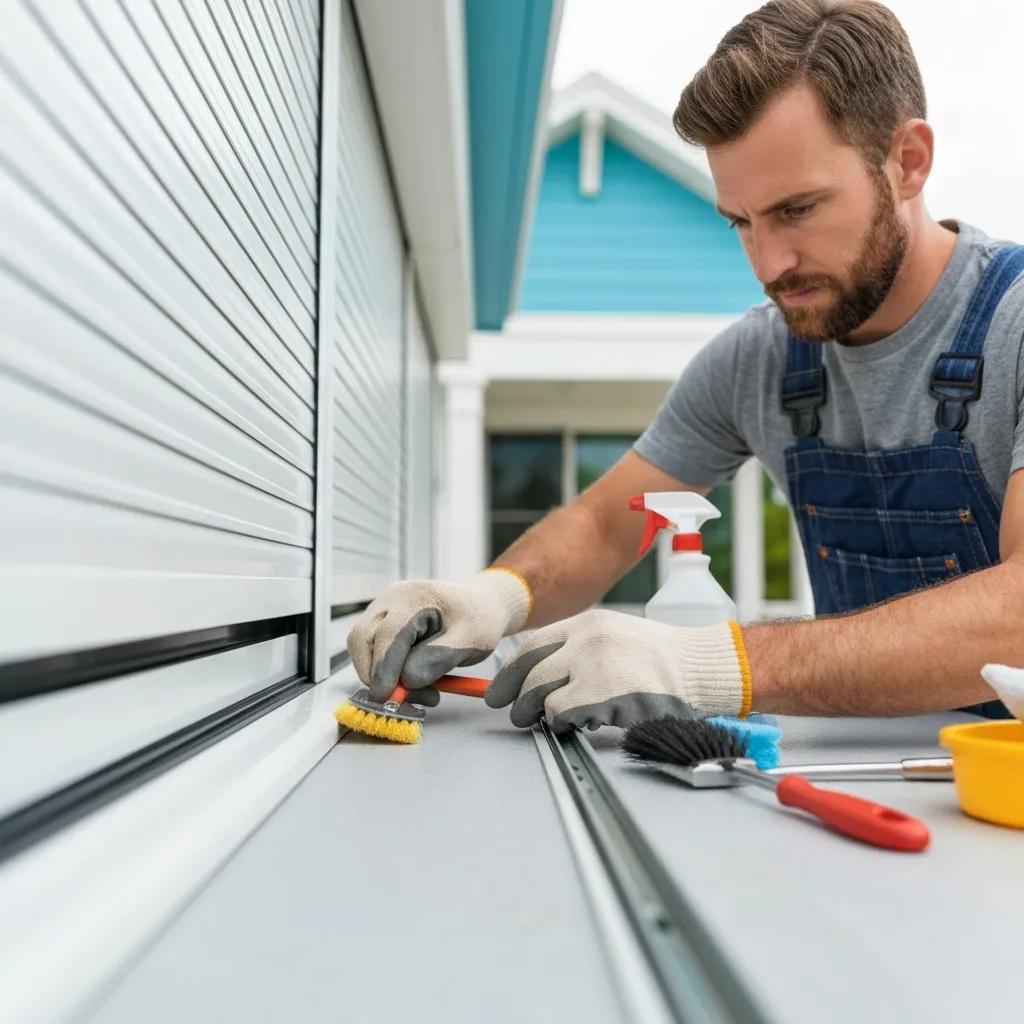
Planned maintenance keeps shutters working and prevents small problems from becoming costly failures. Scheduled upkeep is much cheaper than emergency repairs or premature replacement. Key tasks include cleaning tracks and slats, lubricating moving parts, inspecting anchors and seals, testing motor function and remotes, and checking weatherstripping. In salty coastal environments, inspect more often. An annual service check helps catch corrosion, motor strain, or alignment issues early. The checklist and table below show tasks, recommended frequency, and rough time or cost so you can plan sensible upkeep.
Routine maintenance items that extend lifespan and reduce emergency costs:
- Clean tracks and clear debris that can bind the curtain.
- Lubricate guide rails and bearings with manufacturer‚Äëapproved products.
- Operate full travel, check limit switches, and watch motor draw for signs of strain.
The table below lists common tasks with suggested frequency and typical time/cost estimates to help you plan.
What Are the Essential Maintenance Tasks for Roll Down Shutters?
Focus maintenance on keeping moving parts clean and operating smoothly: remove debris from guide rails, wipe and inspect slats for dents or corrosion, tighten visible fasteners, and confirm limit‚Äëswitch settings on motorized units so travel stops correctly. Run the shutters through their full range each season to spot binding, uneven travel, or new noises that indicate problems. For motorized systems, verify backup power or manual override works so you can deploy shutters during outages. Splitting tasks across the year keeps costs low and prevents emergency repairs after storms.
How Can Regular Maintenance Prevent Costly Repairs?
Small faults — a misaligned slat or worn bearing — usually show up as noise or slow travel and are inexpensive to fix early. Left alone, they increase motor load, speed component wear, and lead to larger repairs or replacement. An annual preventive inspection and lubrication typically costs a fraction of replacing a motor or repairing water‑damaged interiors after shutter failure. Catching issues early avoids cascading failures, reduces service calls, and helps preserve warranties.
How Can You Get a Free Estimate and Accurate Cost Calculation for Your Roll Down Shutters?
To move from general ranges to a precise local price, follow three steps: use a cost calculator to model options, schedule a free on‑site estimate to confirm measurements and code needs, and request a written quote that itemizes materials, labor, permits, and optional upgrades. That process gives you a defensible budget and clarifies scope — including any needed Design Pressure Analysis or structural reinforcement. American Hurricane Shutters offers free estimates and a cost calculator for coastal North and South Carolina homeowners to turn general budgets into site‑specific quotes. The next sections explain where to request an estimate and how the calculator supports planning.
Where Can Coastal NC and SC Homeowners Request a Free Roll Down Shutter Estimate?
Homeowners in Wilmington, Myrtle Beach, Oak Island, Topsail, New Bern, and Pawleys Island can schedule a free on‑site estimate with local providers who inspect openings, verify structural conditions, and review material and motorization options. When booking, have opening dimensions, façade photos, and any prior permit or inspection records ready to speed the visit. The estimator will perform or schedule a Design Pressure Analysis if needed, discuss 18‑8 stainless fastener options for coastal corrosion resistance, and provide a written, itemized proposal. Preparing these items upfront streamlines the process and reduces follow‑up visits.
How Does the Roll Down Shutter Cost Calculator Help You Plan Your Investment?
The cost calculator lets you model scenarios quickly: enter approximate opening sizes, pick material and operation types, and add optional features like motorization or color matching. It returns range‑based estimates useful for planning, though it isn’t a substitute for a documented on‑site quote that accounts for structural, code, and permitting variables. Use calculator results to prepare questions for the estimator — about anchor types, warranty coverage, and maintenance expectations — so the final proposal matches your priorities and budget.
Frequently Asked Questions
What are the key differences between manual and motorized roll down hurricane shutters?
Manual shutters use a crank or hand operation, so they cost less up front but require physical effort to deploy. Motorized shutters run on an electric motor and operate from a switch, remote, or automation, giving fast, synchronized deployment. Motorized units add equipment, wiring, and some ongoing service needs, so homeowners should weigh convenience and safety against higher initial cost and possible maintenance down the road.
How do I choose the right material for my roll down hurricane shutters?
Material choice depends on budget, durability needs, and appearance. Aluminum is popular for its strength, corrosion resistance, and light weight. Steel gives strong impact resistance but is heavier and may need more upkeep. Polycarbonate is lighter and allows visibility but can be less durable than metal. Consider your local climate, desired protection level, and curb appeal when picking the best material for your home.
What maintenance tasks are essential for ensuring the longevity of roll down shutters?
Regular maintenance is key. Clean tracks and slats every six months to prevent debris buildup, lubricate moving parts annually, and inspect seals and weatherstripping for wear. Test motor function and remotes periodically to catch issues early. A routine schedule prevents costly repairs and helps ensure shutters work when you need them.
Can roll down hurricane shutters be customized for different home styles?
Yes. Shutters can be customized with different materials, colors, and finishes to match your home’s exterior. They can also be made to fit unique window and door sizes for a seamless look. Talk to a professional installer to confirm customization options meet local building codes and performance standards while enhancing curb appeal.
What are the insurance benefits of installing roll down hurricane shutters?
Installing roll down shutters can lead to insurance savings because carriers often recognize the reduced risk of storm damage. Discounts depend on the insurer and whether the shutters meet local codes and installation standards. Contact your insurance provider to learn about potential premium reductions and required documentation.
How do roll down shutters impact energy efficiency in homes?
Roll down shutters improve energy efficiency by blocking direct sunlight and reducing solar heat gain, which lowers cooling load during hot weather. They also protect interiors from UV damage, helping furnishings and finishes last longer. Over time, these effects can reduce energy bills and maintenance costs, adding to the system’s value.
What should I expect during the installation process of roll down hurricane shutters?
A professional installation starts with a thorough assessment of your windows and doors, including measurements, material selection discussions, and any needed structural reinforcement. Installation includes mounting the housing, securing guide rails, and verifying alignment for smooth operation. Installers will check code compliance and often handle permits. Expect some short‚Äëterm disruption but a durable, professional finish that improves both safety and appearance.
Conclusion
Roll down hurricane shutters give reliable storm protection, stronger security, and potential energy savings — benefits that often justify the investment for coastal homes. Knowing the true upfront and hidden costs helps you make informed choices so your project meets safety and budget goals. For a personalized assessment and accurate pricing, use our free estimate and cost calculator tailored to your area. Start planning today to protect your home and safeguard its value.
