
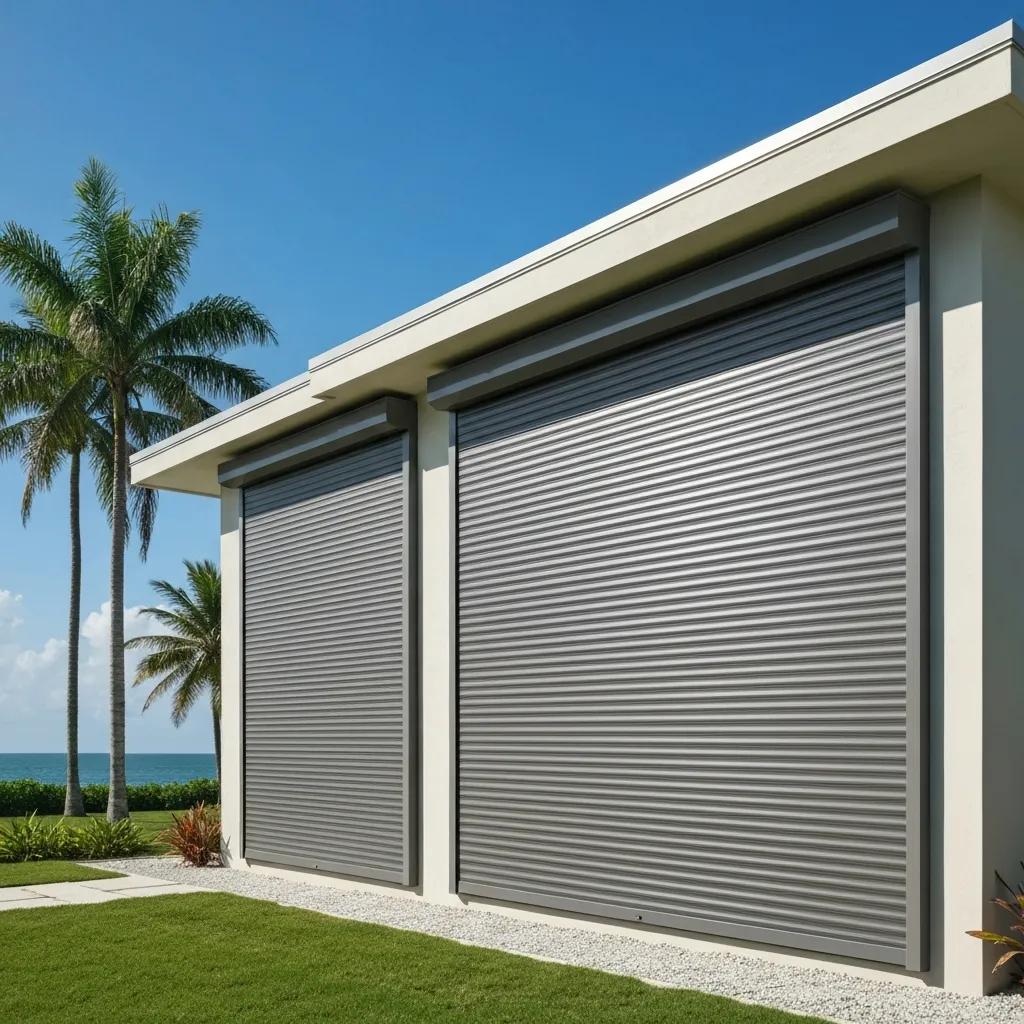
Understanding the Cost to Repair or Replace Damaged Roll Down Shutters: A Complete Guide to Repair Costs, Replacement, and Maintenance
Roll down shutters are engineered to protect windows and openings from wind, flying debris, and water during severe weather. Knowing what repairs or replacements typically cost helps homeowners weigh short-term fixes against longer-term resilience — especially along the North and South Carolina coast where storm exposure and code compliance matter. This guide lays out common repair and replacement price ranges, the parts and labor that drive those numbers, and maintenance steps that lower lifecycle cost while protecting performance and warranty coverage. You’ll also find a straightforward repair-versus-replace decision framework, emergency repair options for storm events, and a practical maintenance schedule tailored for coastal conditions. We use common industry terms—motor, slats, tracks, control systems—and include comparison tables, checklists, and local service context so you can quickly decide next steps and request a precise, localized estimate.
What Are the Average Costs to Repair Roll Down Shutters?
Repair costs vary with the failed component and how difficult it is to access the shutter, but most common repairs fall within predictable ranges based on parts, labor hours, and whether emergency service is needed. Technicians commonly repair motors, individual slats, guide tracks, and control systems; the final price is influenced by material, local labor rates, and warranty status. Knowing these cost drivers helps homeowners form realistic expectations after an inspection. The sections that follow list typical scenarios and explain the main factors that influence pricing so you can compare a repair estimate to replacement options.
How Much Does It Cost to Repair Common Roll Down Shutter Issues?

Motor failures, damaged slats, misaligned tracks, and control malfunctions are the issues technicians see most often, and each has an expected parts-and-labor range. Replacing a motor on an electric shutter is typically the single most expensive repair because it involves diagnostics, electrical work, and the motor itself. Slat replacement can mean removing and reinstalling a section of the curtain and is often priced per slat or per opening. Track repairs range from straightening to full section replacement, and they’re more complex when brackets or jambs are corroded. Hard-to-reach locations — second-floor access, tight setbacks, or obstacles — increase labor hours and total cost.
Below is a quick overview of typical repair costs and labor expectations to help you compare estimates at a glance.
This table reflects average parts and labor expectations for common repairs; actual costs vary by shutter model, motor brand, and coastal exposure. Use these ranges to spot outlier estimates and decide whether repair is a cost-effective choice or replacement makes more sense.
What Factors Influence Roll Down Shutter Repair Costs?
Several factors shape the final repair price: shutter type (manual vs. electric), material condition from coastal corrosion, parts availability for the unit’s age and model, and whether the job is an emergency call-out or scheduled service. Electric systems add diagnostic and possible wiring costs; manual systems tend to be cheaper to repair but may require more mechanical labor for cranks and drives. Older shutters can need custom or refurbished components, which raises price and lead time. Emergency work during storms or weekends carries premium labor rates and may include temporary fixes. Finally, a valid manufacturer or installer warranty can significantly reduce out-of-pocket parts expenses.
When comparing quotes, ask for a parts breakdown and estimated labor hours so you can apply the repair-vs-replace decision rule described later.
How Much Does It Cost to Replace Roll Down Shutters?
Replacement costs are usually shown per window or per square foot and depend mainly on shutter material, whether the system is manual or electric, and installation complexity for retrofits or structural attachments. New roll down systems include curtain slats, guide tracks, mounting brackets, and a manual drive or electric motor assembly; additional costs can include controls, wiring, and engineered attachments for hurricane-rated systems. For coastal properties, choosing corrosion-resistant materials is a major cost driver — higher-grade metals or protective finishes raise upfront cost but extend lifespan in salt-air environments. The following sections compare materials and operation types so you can estimate per-window and per-square-foot budgets.
What Are the Replacement Costs by Material Type?
Aluminum is the most common choice for roll down shutters because it’s lightweight and resists corrosion, offering a strong balance of cost and coastal durability. Steel gives greater impact strength but costs more and needs protective coatings to avoid rust in salty climates. Polycarbonate and specialty laminated curtains are less common for residential roll downs but appear in hybrid or commercial installations where transparency or light transmission is required. Material thickness, powder-coating quality, and stainless hardware increase per-square-foot price but reduce long-term maintenance on the coast.
Below is a concise comparison for quick reference.
This table helps homeowners balance upfront replacement cost with long-term value in salty, humid conditions. Material choice also affects installation requirements and warranty terms — important considerations for coastal projects.
How Do Manual and Electric Roll Down Shutters Differ in Replacement Cost?
Electric (motorized) systems cost more than manual shutters because they include a motor, control electronics, remotes, and often professional wiring at installation. The motor raises parts cost and installation time, while automation features — timers, remote control, or smart-home integration — add incremental expenses. Manual systems are less expensive up front and simpler to maintain but can be harder to operate for large openings or multiple shutters. Over the life of the product, motorized systems can deliver convenience and faster storm prep that some homeowners find worth the premium.
Key cost distinctions are:
- Electric systems: higher upfront cost, longer installation, and added control accessories.
- Manual systems: lower parts cost, simpler maintenance, best for smaller openings.
When comparing replacement quotes, include the value of automation and any local building-code requirements for engineered hurricane protection.
If you prefer professional replacement, American Hurricane Shutters sells and installs both manual and electric roll down shutters and provides a cost calculator and free estimates to generate localized pricing and model comparisons to guide your decision.
When Should You Repair vs. Replace Roll Down Shutters?
The repair-or-replace decision rests on a few clear criteria: repair cost versus replacement, shutter age and remaining lifespan, how often failures occur, and whether the system meets current building codes or hurricane-rated standards. A practical rule of thumb is to consider replacement when a repair runs roughly 50–60% of a compliant replacement cost or when multiple failure modes suggest systemic deterioration. Also weigh warranty status, insurance implications, and whether the property needs upgraded engineered protection that only a new system can provide.
The next sections list signs that favor repair or replacement and provide a step-by-step checklist to reach a defensible decision.
What Are the Signs Your Roll Down Shutters Need Repair or Replacement?
Some symptoms point to simple repairs, while others indicate the need for full replacement. Frequent jamming, repeated motor failures, widespread corrosion of slats and tracks, or electrical control problems that return after service usually signal deeper issues. Bent or cracked slats from impact, visible corrosion at mounting points, or shutters that no longer form a weather-tight seal suggest replacement to restore reliability and code compliance. Pay attention to louder-than-normal operation and inconsistent remote response — these often precede total failure.
If you spot multiple problems across different components, schedule a comprehensive inspection to determine whether repairs will last or if replacement is the safer long-term choice.
How to Decide: Repair or Replace Roll Down Shutters?
Use this stepwise checklist to evaluate and document your decision for homeowners and insurers. First, get detailed repair estimates and a replacement quote using comparable materials and features. Second, compare repair cost as a percentage of replacement cost — tip toward replacement if repairs exceed 50–60% of replacement. Third, factor in age, warranty coverage, and projected remaining life; a newer unit with a single failed motor usually deserves repair, while older systems with multiple failures often need replacement. Fourth, consider upgrades like motorized operation, corrosion-resistant materials, or engineered attachments that reduce future risk.
If you still have doubts, request a free estimate or use a cost calculator from a local provider to get itemized, site-specific pricing before committing.
How Can Proper Maintenance Extend the Life of Roll Down Shutters?
Regular maintenance reduces the chance of major failures, lowers lifetime cost, and helps preserve warranty and engineered performance. Routine tasks include rinsing salt and debris, lubricating moving parts, checking fasteners and mounting brackets, and testing electrical controls or manual drives on a schedule. Professional maintenance plans add value through detailed inspections, documentation for insurance, priority service, and proactive parts replacement that prevents catastrophic failure during storms. A maintenance plan tuned to coastal conditions lengthens service life and improves performance when protection is needed most.
What Are DIY Maintenance Tips for Roll Down Shutters?

Homeowners can handle several safe, effective checks to reduce wear. Rinse exposed surfaces with fresh water to remove salt spray, inspect slats and tracks for dents or corrosion, and clear debris from guide channels. Lightly lubricate metal-on-metal contact points with a manufacturer-approved lubricant and operate shutters monthly to keep motion smooth and surface problems visible. For electric systems, check battery backups and remote batteries, and always disconnect power before cleaning electrical components to avoid shocks.
These proactive steps catch minor issues early — good maintenance is one of the best ways to extend shutter life and cut down on repairs.
What Are the Benefits of Professional Roll Down Shutter Maintenance Plans?
Professional plans usually include thorough inspections, lubrication with approved products, fastener torque checks, motor diagnostics, and priority response during storm season. These services help preserve manufacturer and installer warranties and produce documentation useful for insurance claims or code inspections. For coastal homeowners, plans focus on corrosion monitoring and replacing vulnerable hardware before failure. Predictable annual costs and fewer high‚Äëcost emergency repairs make maintenance plans a smart investment for long-term protection.
Choosing a professional plan combines technical expertise, warranty preservation, and faster emergency access — benefits that matter most in hurricane-prone regions.
What Emergency Repair Services Are Available for Roll Down Shutters?
Emergency repair services aim to restore protection quickly when shutters fail right before or during severe weather, after debris impact, or when power outages render motorized systems inoperable. Typical emergency fixes include rapid motor bypass or providing manual operation, temporary boarding or bracing, on-site parts replacement for common failures, and electrical troubleshooting. Fast response reduces the window of exposure during storms and minimizes secondary water damage. Local providers familiar with coastal storms are better equipped to triage urgent failures and apply temporary measures that keep your property safe until permanent repairs are completed.
Why Is Emergency Roll Down Shutter Repair Important?
If shutters aren’t working during a storm, windows are at higher risk of breach, interior water damage, and structural problems; delayed repair often increases overall loss and insurance claims. Immediate actions — temporary barriers, manual overrides, or an on-site motor reset — can protect the home envelope and reduce interior damage. Securing openings also prevents hazardous debris entry and helps responders if access is needed. Quick emergency repairs also limit extended exposure to saltwater and moisture that accelerate corrosion and raise future repair needs.
Understanding how a single failed shutter can escalate damage highlights the value of prearranged emergency plans and prompt triage.
How Does American Hurricane Shutters Support Emergency Repairs in Coastal NC and SC?
American Hurricane Shutters offers repair and emergency response across coastal North and South Carolina, serving areas such as Wilmington, Myrtle Beach, Oak Island, Topsail, New Bern, and Pawleys Island. Our technicians handle on-call troubleshooting for motor failures, jammed shutters, control-system issues, and temporary protections to restore performance during storms. For urgent needs, homeowners can request immediate assistance or a free estimate and use our cost calculator for an on-site pricing preview; this regional focus helps prioritize rapid response in storm-prone communities. Working with a local provider ensures technicians understand coastal corrosion patterns, code requirements, and engineered attachment details.
Local emergency support complements homeowner preparedness and professional maintenance plans to reduce downtime and damage during severe weather.
What Are the Benefits of Installing Roll Down Hurricane Shutters?
Roll down hurricane shutters offer multiple benefits: engineered storm protection against wind‚Äëborne debris, improved home security with a physical barrier when closed, and energy performance gains from shading and reduced solar gain. They also limit interior UV exposure and can lower exterior noise, improving comfort year‚Äëround. Properly installed, hurricane‚Äërated systems meet code attachment requirements for coastal structures and can qualify homeowners for insurance considerations tied to certified protection measures. Reviewing warranty terms and realistic lifespan estimates completes the value picture when comparing shutters to alternative storm protections.
How Do Roll Down Shutters Improve Home Security and Energy Efficiency?
Roll down shutters create a lockable barrier that deters forced entry and shields glazing from impact, boosting security. When closed, shutters block direct sunlight and reduce heat transfer through windows, which can lower cooling loads in hot climates — a measurable energy benefit over a season. Secondary advantages include noise reduction and less UV fading of interior finishes. That combination of security and efficiency is why many coastal homeowners include engineered shutters in their resilience plans.
These performance benefits explain why engineered shutters are a common upgrade for coastal homes focused on protection and comfort.
What Warranty and Lifespan Can Homeowners Expect from Roll Down Shutters?
Lifespan and warranty depend on material choice, installation quality, and maintenance. Aluminum systems with proper coatings and routine care commonly last 15–30 years; premium coatings and professional upkeep push that toward the higher end. Warranties usually cover manufacturing defects for a defined period and may include limited coverage for motors and electronics; owners should confirm whether installer labor and corrosion are included. Regular maintenance and professional inspections help preserve warranty eligibility and support expected performance over the shutter’s rated life.
When considering new installation or replacement, request warranty documentation and an estimated service-life projection during the free estimate to clarify long-term value and budget for upkeep.
For precise, localized pricing, model comparisons, and to arrange prompt service or a free estimate, homeowners in coastal North and South Carolina can request a tailored assessment that factors property-specific measurements, material choices, and whether motorized operation is required. American Hurricane Shutters provides sales, installation, repair, and maintenance for manual and electric roll down shutters, along with a cost calculator and free estimates to help you compare options and meet engineered hurricane protection standards.
Common roll down shutter problems to monitor:
- Jamming or uneven operation: Often caused by track obstruction or bent slats; inspect promptly.
- Motor failure or intermittent control response: May require electrical diagnostics or motor replacement.
- Corrosion at fasteners and brackets: Coastal exposure speeds degradation and can weaken attachments.
Quick homeowner checklist before a storm:
- Operate each shutter to confirm smooth motion and remote functionality.
- Inspect guide tracks and remove visible debris.
- Verify manual overrides and remotes have fresh batteries.
Why a maintenance plan pays off:
- Regular inspections catch small issues before they require costly repairs.
- Professional lubrication and hardware checks extend service life and protect warranties.
- Priority emergency response reduces exposure time during storms.
This guide covered repair and replacement cost ranges, material and motor trade-offs, repair‚Äëversus‚Äëreplace decision rules, DIY and professional maintenance advice, emergency repair services for coastal NC and SC, and warranty and lifespan expectations for roll down hurricane shutters. Use the repair tables, checklists, and maintenance schedule above to prioritize actions, and consider a free estimate or our cost calculator for localized pricing and engineered options tailored to your property.
Frequently Asked Questions
What are the key benefits of installing roll down hurricane shutters?
Roll down hurricane shutters offer strong storm protection, improved security, and energy savings. They block wind‚Äëborne debris and reduce the chance of window breaches during storms. Closed shutters also limit sunlight and UV exposure, helping lower cooling costs and protect interior finishes. Their sturdy construction deters break‚Äëins, making them a smart safety and comfort upgrade for homeowners in hurricane‚Äëprone areas.
How often should I perform maintenance on my roll down shutters?
Regular maintenance is important for longevity and reliable performance. We recommend rinsing and cleaning shutters quarterly to remove salt and debris, inspecting tracks and fasteners twice a year, and lubricating moving parts annually. Test electrical controls quarterly and schedule a professional inspection at least once a year to catch issues early and maintain warranty coverage. Following this routine helps prevent costly repairs and ensures shutters work when you need them most.
What should I do if my roll down shutters are jammed?
If shutters are jammed, first look for visible obstructions in the tracks or between slats and remove debris if safe to do so. Check slats for bends or damage that could block movement. For electric systems, confirm the motor and controls are powered and resp
