Understanding Local Hurricane Protection Rules: North Carolina & South Carolina Building Codes, Insurance, and Flood‚ÄëZone Compliance
Coastal homeowners in North Carolina and South Carolina navigate a patchwork of building codes, insurance rules, and floodplain requirements that directly shape hurricane‑protection decisions. This guide lays out the essentials—wind‑load design, impact‑rated openings, FORTIFIED standards, named‑storm deductibles, and FEMA AE/VE zones—and shows how each affects product choice, permitting, and insurance savings. Many property owners find model codes and flood maps hard to translate into real‑world retrofit or new‑build actions; this article breaks the technical pieces into clear, practical steps you can use to evaluate shutters, panels, and elevation options. You’ll learn how wind loads and Design Pressure Analysis (DPA) determine shutter ratings, when elevation rules apply, how insurers treat mitigation measures, and what documentation inspectors expect for permits.
We created this resource to help homeowners understand hurricane protection, capture leads through free, no‚Äëobligation estimates, and support current customers with accurate, usable guidance.
North Carolina Hurricane Building Codes: What Homeowners Need to Know
North Carolina follows model building codes with coastal amendments that focus on wind resistance, impact protection for openings, and clear design‚Äëpressure documentation for products. Wind‚Äëload maps and design pressures translate local wind speeds into required product performance and anchorage; knowing how these pieces fit together helps homeowners pick shutters that meet permit requirements. Compliance improves safety, speeds permit reviews, and can unlock insurance wind‚Äëmitigation credits when properly documented. The sections below explain how wind‚Äëload rules shape construction choices and how FORTIFIED Home standards interact with local codes and available incentives.
How NC Wind‚ÄëLoad Requirements Change Coastal Construction
North Carolina’s wind‑load rules set the design‑pressure values that structural elements and opening protections must resist; those values determine which shutters and mounting systems are code‑compliant. A Design Pressure Analysis (DPA) converts wind speed, exposure category, and building geometry into pounds‑per‑square‑foot requirements, which then tell you whether a rated shutter and matching anchors are required. For example, exposed beachfront properties often have higher design pressures, meaning you’ll need shutters with stronger wind/impact ratings and heavier fasteners. Knowing these engineering drivers helps homeowners and contractors choose products inspectors and insurers will accept and prepares you for the paperwork needed at permitting.
What the FORTIFIED Home Standards Mean in North Carolina
The FORTIFIED Home program uses tiered standards to raise a home’s resistance to wind and water by specifying stronger roof attachments, continuous load paths, and opening protections. Homeowners who pursue FORTIFIED recognition reduce long‑term storm risk and may be eligible for insurance advantages. The program ranges from targeted roof upgrades to whole‑home standards, and qualifying requires specific installations, inspections, and verification for certification. Contractors, certifiers, and insurers typically coordinate on documentation—many owners use FORTIFIED checklists when choosing rated shutters and reinforced anchors to align safety and financial benefits.
How South Carolina’s Rules Protect Coastal Properties
South Carolina pairs building‚Äëcode performance requirements with emergency planning and evacuation procedures to reduce risk along the coast. Codes generally require design for wind loads and, in many coastal jurisdictions, impact resistance for primary openings. Emergency management defines evacuation zones and issues guidance before named storms. Together, these systems help structures resist coastal wind and wave forces while ensuring residents get clear, staged evacuation instructions. Below we explain evacuation zones and how SC codes influence hurricane‚Äëresistant upgrades.
How South Carolina Evacuation Zones and Procedures Work
Evacuation zones in South Carolina are geographic designations used by local emergency management to order or recommend evacuation based on expected storm surge and flooding. You can find your zone through municipal resources and official notices. Typical procedures include pre‚Äëevacuation advisories, mandatory evacuations for high‚Äërisk zones, staged sheltering plans, and coordination with state agencies for timing and routes. Plan ahead for pets, critical documents, and a go‚Äëbag, and remember: shutters and other physical upgrades reduce property vulnerability but do not replace evacuation orders. Knowing your zone before a storm gives you time to act and reduces life‚Äësafety risk during surge or extreme winds.
- Evacuation zones reflect different levels of surge risk and establish evacuation priority.
- Municipal procedures use staged advisories and mandatory orders based on forecasts and traffic capacity.
- Rated shutters improve survivability but do not substitute for evacuation when officials order it.
When homeowners pair preparedness planning with structural upgrades, they get better overall resilience—both for safety and property protection.
How South Carolina Building Codes Shape Hurricane‚ÄëResistant Work
Coastal jurisdictions in South Carolina require wind‑resistant construction and, where applicable, impact‑resistant openings. Key performance metrics include design pressures from local wind maps, impact testing where required, and documented attachment methods for anchors and fasteners. In practice that means selecting rated shutters with validated performance data, choosing corrosion‑resistant components for salt‑air exposure, and installing to maintain continuous load paths back into the structure. Inspectors typically expect product ratings, DPA documentation, and installation plans—so confirm product declarations and installation details before you submit for a permit.
Coastal Insurance: What NC and SC Homeowners Should Expect
Insurance treats wind and flood hazards separately: homeowners policies commonly cover wind damage while flood policies—through NFIP or private insurers—cover flood losses tied to FEMA flood zones. Named‑storm deductibles, which are different from standard deductibles, can significantly increase out‑of‑pocket costs for hurricane wind claims; conversely, documented wind‑mitigation measures like rated shutters and structural straps can qualify you for premium discounts after an inspection. Understanding how required flood insurance and optional wind mitigation interact can materially affect your risk and premiums. The subsections that follow show how mitigation affects rates and clarify named‑storm deductible and flood insurance triggers.
How Wind Mitigation Impacts Insurance Premiums
Wind mitigation inspections document features that lower wind‑damage risk—rated opening protections, reinforced roof‑to‑wall connections, and continuous load paths—and insurers use those reports to calculate discounts. Inspectors typically check roof coverings and attachments, building ties or straps, and whether openings have rated protection; qualifying products often include rated accordion and rolldown shutters with declared design pressures and impact ratings. To receive discounts, provide inspection reports, product certifications, and sometimes installation photos or DPA outputs; carriers apply discount schedules that vary by insurer and jurisdiction. Keeping complete documentation of rated products and professional installation increases your chance of earning wind‑mitigation credits at renewal.
- Wind mitigation inspections confirm structural and opening protections for discount eligibility.
- Rated shutters (accordion, rolldown) often qualify when properly documented and installed.
- Required documents include product ratings, DPA outputs, and installer photos or certificates.
Thorough documentation and sharing DPA reports with your carrier create a verifiable path to premium reductions that can help offset retrofit costs over time.
This table outlines how insurance elements affect homeowner obligations and exposure, and it shows why documentation matters when seeking mitigation discounts.
How Flood‚ÄëZone Rules Drive Building Height and Foundation Choices

FEMA flood zones AE and VE are the main high‚Äërisk designations that dictate elevation, foundation design, and insurance requirements. AE zones carry a Base Flood Elevation (BFE) that sets minimum finished‚Äëfloor heights; VE zones identify coastal high‚Äëhazard areas with wave action and demand stricter structural measures. Local jurisdictions often add freeboard above BFE for added safety. Substantial improvement or substantial damage rules require that major renovations or repairs meet current elevation standards, which can significantly affect retrofit budgets. The sections below define AE and VE impacts and give a Myrtle Beach example of local elevation rules.
Why FEMA Flood Zones AE and VE Matter
AE zones are high‑risk areas with a defined Base Flood Elevation that triggers elevation and anchoring requirements; VE zones are coastal high‑hazard areas where wave action requires more robust foundations and higher freeboard. In AE zones new construction normally sets the lowest floor at or above the BFE plus any local freeboard. In VE zones foundation design must address wave loads and scour. Insurance premiums, mandatory purchase requirements for federally backed mortgages, and permit approvals all depend on correct zone identification and adherence to elevation rules. Obtain up‑to‑date flood maps and plan for elevation or reinforcement to meet your zone’s rules.
Myrtle Beach Floodplain and Elevation Requirements
Myrtle Beach and similar coastal municipalities often require finished floors to sit a set freeboard above the BFE—commonly around two feet above BFE—affecting design choices for new builds and substantial improvements. These rules apply to new construction, substantial improvements, or structures substantially damaged; permits typically require elevation certificates and engineered plans to demonstrate compliance. Practical steps include ordering a survey to establish the lot’s BFE, selecting foundation solutions (pilings, raised slab) that meet elevation and lateral‑force needs, and documenting work for inspectors and insurers. Addressing local freeboard early in project planning reduces surprises and speeds permit approval.
This table clarifies how FEMA zones and local freeboard requirements drive design and permitting decisions homeowners must follow to secure approvals and maintain insurability.
Choosing Hurricane Protection That Meets Local Rules
Pick products that match local design pressures, require tested impact resistance where applicable, and submit installation documentation such as a Design Pressure Analysis (DPA) and product declarations. The key distinction is rated versus non‚Äërated: rated shutters are tested to standards and list a declared design pressure; non‚Äërated options lack standardized proof and may not be acceptable for permits or insurer credits. Use a vendor‚Äëevaluation checklist to compare materials, fasteners, certifications, and warranties before you buy. The following sections explain rated vs non‚Äërated choices and how a custom DPA validates product and mounting suitability for local codes.
Rated vs Non‑Rated Hurricane Shutters—What to Know
Rated shutters have been tested to recognized standards and carry declared design pressures and, where applicable, impact ratings—critical for meeting code performance and qualifying for insurance mitigation credits. Non‑rated shutters don’t have standardized test data and create uncertainty for permitting and insurer acceptance; they may offer some protection but often won’t meet official requirements where a declared rating is required. Rated options include accordion and rolldown shutters and certain tested panel systems; prioritize rated products when permits, inspections, or insurance credits require verifiable performance. Choosing rated shutters helps streamline approvals and increases insurer recognition of your improvements.
- Rated shutters list tested design pressures and impact‚Äëresistance declarations.
- Non‚Äërated shutters lack standardized verification and may not pass inspection.
- Permitting officials and insurers generally prefer documented, rated products.
Focusing on rated products removes ambiguity and protects both safety and your eligibility for financial recognition from insurers.
Experienced installers pair rated products with corrosion‚Äëresistant components to preserve long‚Äëterm code compliance and performance.
- Materials: Confirm marine‚Äëgrade 6063‚ÄëT6 aluminum or an equivalent corrosion‚Äëresistant extrusion.
- Fasteners: Require 18‚Äë8 stainless steel fasteners or comparable coastal‚Äëgrade hardware.
- Certifications: Ask for product declarations, independent test reports, and installation manuals.
- Warranty & Service: Verify a meaningful local warranty and clear documentation practices.
This checklist helps you evaluate vendors on the attributes that affect code compliance, durability, and insurance eligibility.
How a Custom Design Pressure Analysis Ensures Compliance
A custom DPA measures openings, calculates wind loads, and assigns required design pressures for each opening and attachment point—tying product selection to documented engineering criteria that support permitting and inspections. A typical DPA includes field measurements, determination of exposure and mean roof height, wind speed selection per code, and output tables that list required design pressures for the chosen shutters or panels. Submitted with product declarations and installation plans, a DPA helps building departments and insurers confirm that shutters meet calculated loads and that anchors and brackets are correctly specified. In short, a DPA reduces uncertainty, speeds permit approvals, and gives inspectors the technical basis to sign off on installations.
After reviewing product and DPA results, choose installers who deliver full documentation packages and follow engineered mounting recommendations to ensure durable, code‚Äëcompliant protection.
Working with installers who provide documented DPAs and coastal‑grade materials often accelerates permitting and improves insurer acceptance. American Hurricane Shutters follows this integrated approach—offering custom DPAs alongside rated shutter options and coastal‑grade materials so homeowners meet local rules and support insurance documentation while accessing free, no‑obligation estimates.
Permits and Code Compliance for Hurricane Shutter Installation
Permit triggers vary by jurisdiction but commonly include new construction, alterations that change openings, and substantial repairs; many municipalities require product ratings, installation plans, and sometimes a DPA to approve shutter installations. Inspectors review product declarations, mounting details, and anchor compatibility with substrate materials; manufacturer test reports and DPA outputs expedite the review. Hiring professional installers who understand local permit requirements reduces delays, ensures correct anchoring, and supplies the paperwork inspectors expect. The subsections below explain typical permit triggers and show how an example installer handles compliance.
When Do You Need a Building Permit for Shutter Installation in NC and SC?
Permits are generally required when work creates new openings, alters structural elements, or meets local thresholds for substantial repairs or replacements that affect structural resistance; smaller cosmetic attachments may be exempt in some jurisdictions. Check with your county or municipal building department to confirm local thresholds—common triggers include substantial improvements, changes to opening sizes, or any installation affecting the structural load path. Practical steps: gather product declarations, secure engineered attachments, assemble DPA or manufacturer installation instructions, and attach these documents to your permit application so inspectors can verify compliance. Preparing documentation in advance streamlines review and lowers the chance of rework.
How American Hurricane Shutters Handles Code Compliance
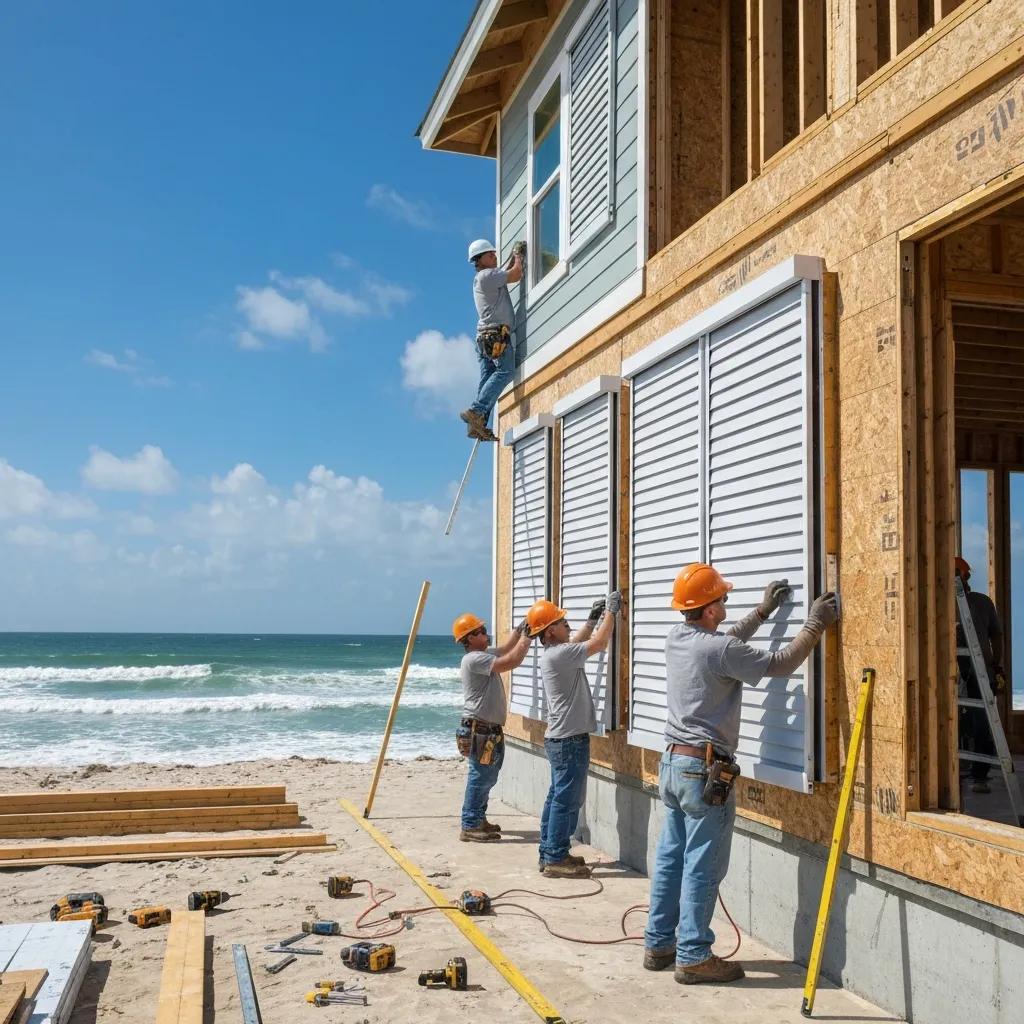
American Hurricane Shutters pairs rated product choices with engineered documentation and coastal‑grade materials to meet local code and inspection expectations. Our process includes custom DPAs that match shutter selection and mounting details to calculated loads, use of marine‑grade 6063‑T6 aluminum extrusions and 18‑8 stainless steel fasteners for corrosion resistance, and installation by OSHA‑30 certified and aerial‑lift trained technicians who follow manufacturer and code‑required anchoring methods. We back installations with guaranteed code compliance, a market‑leading 7‑year warranty, and free, no‑obligation estimates—giving homeowners the paperwork and confidence needed for permitting and insurance documentation. Working with installers who provide this level of documentation and coastal‑grade hardware helps ensure durable, code‑compliant installations that inspectors and insurers recognize.
- AHS provides DPAs that specify design pressures and mounting details.
- Materials include marine‚Äëgrade aluminum and stainless fasteners suited for coastal exposure.
- Trained technicians and warranty coverage support permit approval and long‚Äëterm performance.
This workflow demonstrates how a documented, materials‚Äëfocused installation approach streamlines compliance and raises the odds of satisfying building officials and insurers.
Frequently Asked Questions
What should I consider when selecting hurricane shutters for my home?
Choose shutters that are tested and rated for the design pressures in your area. Look for declared design pressures and impact‑resistance ratings, plus coastal‑grade materials like marine‑grade aluminum. Confirm the installer’s mounting methods match the product paperwork and local code. Working with experienced installers who provide full documentation will simplify permitting and improve your home’s protection.
How can I find out if my property is in a flood zone?
Use FEMA’s Flood Map Service Center online to view flood‑zone designations, and check with your local municipal office for additional details. A licensed surveyor can verify your property’s elevation relative to the Base Flood Elevation (BFE), which is essential for permits and insurance.
What are the benefits of obtaining a FORTIFIED Home certification?
FORTIFIED certification increases a home’s resilience to severe weather by requiring specific structural and opening protections. Benefits can include lower long‑term repair costs, improved survivability in storms, potential insurance savings, and greater peace of mind. Certification requires targeted upgrades and inspections, but many homeowners find the long‑term safety and financial advantages worthwhile.
How do I prepare for an evacuation during a hurricane?
Identify your evacuation route and nearby shelters, prepare a go‚Äëbag with medications and important documents, and plan for pets. Monitor local emergency management for orders and timing. Physical upgrades like shutters help protect property, but evacuation is still critical for personal safety when officials order it.
What documentation is needed for hurricane shutter installation permits?
Most permit applications require product declarations that confirm code compliance, installation plans showing attachment details, and in some cases a Design Pressure Analysis (DPA). Including manufacturer test reports and proof of professional installation speeds review and lowers the risk of delays during inspection.
What are the implications of named‚Äëstorm deductibles on insurance claims?
Named‚Äëstorm deductibles apply specifically to hurricane events and are often calculated as a percentage of the insured value, which can mean much higher out‚Äëof‚Äëpocket costs than a standard deductible. Review your policy details and plan financially for potential percentage‚Äëbased costs if you live in a high‚Äërisk coastal area.
How can I ensure my home meets local elevation requirements?
Start by obtaining the Base Flood Elevation (BFE) from FEMA or local authorities and hire a licensed surveyor to confirm your lot’s elevation. Work with your architect or engineer to design foundations that meet BFE plus any local freeboard and keep elevation certificates and engineered plans on file for permits and insurance.
Conclusion
Understanding local hurricane protection rules is essential for coastal homeowners in North Carolina and South Carolina because codes, flood‑zone requirements, and insurance terms all affect safety, compliance, and cost. By learning how wind loads, DPAs, rated products, and elevation rules interact, you can make informed choices that strengthen your home and protect your investment. Start by gathering product documentation and a DPA, then request a free, no‑obligation estimate to see practical options for your property—our team is here to help you move from planning to a code‑compliant installation.
