
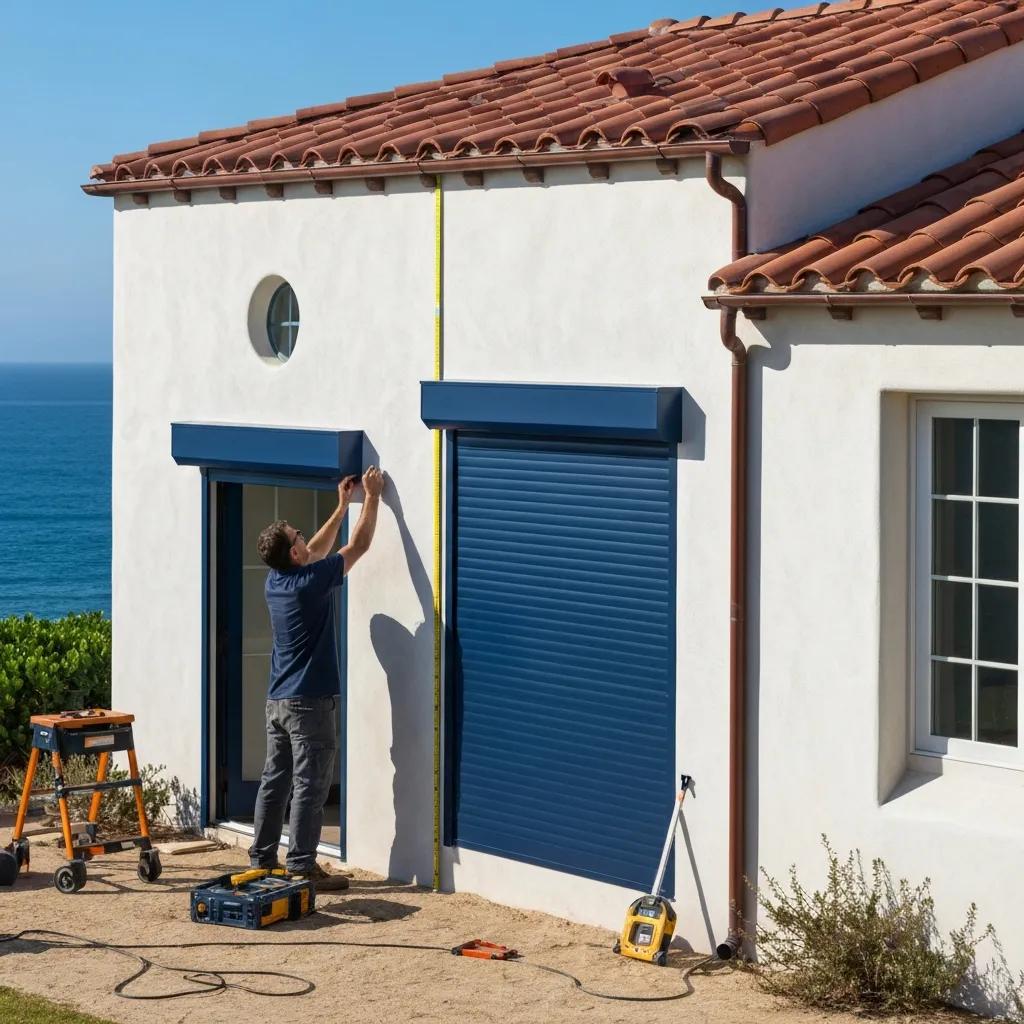
Roll-Down Shutter Installation: A Practical Guide to Steps, Tools, and Code Compliance
Roll-down shutters are a roller-shutter system that protects windows and doors from wind, flying debris, and unauthorized entry by lowering a curtain of interlocking slats into guide rails and a housing box. Proper installation matters: correct anchoring, sealing and alignment determine whether a shutter meets required wind-load ratings, resists coastal corrosion, and runs reliably for years. This guide walks you through accurate measuring, housing and guide-rail mounting, and the electrical basics for motorized units, with practical notes on material choices and local code considerations in North Carolina and South Carolina. You’ll get step-by-step procedures, tool and fastener recommendations for common substrates, motor wiring and programming fundamentals, and a clear checklist to decide between DIY and hiring a pro. Permit guidance, a maintenance plan and troubleshooting tips are included so your shutters stay ready through storm season. Keywords like roll down shutter installation guide, measuring guide, motorized roll down shutter wiring, and coastal hurricane shutter regulations are woven through to help owners and installers find the right requirements and next steps.
What are the essential steps to install roll-down shutters?
A correct sequence keeps shutters effective during storms and ensures code compliance. The basics are: verify structure and clearances, position and secure the housing, align and fasten guide rails, feed and check the curtain, and finish with seals and final testing. Start by measuring and preparing the opening so you can confirm solid backing and adequate clearance. Lay out mounting points and drill pilot holes sized to the recommended anchors for your substrate. Set the housing square and level, fasten the guide rails with corrosion-resistant hardware, then feed the curtain and check for smooth movement. For motorized units, program travel limits and test multiple cycles. Finish with sealant and trim to keep out water and salt. Following the right order prevents rework and helps the shutter meet its rated wind performance. Use the checklist below as a quick reference before you dive into the details.
- Pre-installation measurement, site prep, and structural check.
- Layout, pilot holes, and secure housing/box mounting.
- Install guide rails and fasten anchors appropriate to substrate.
- Insert shutter curtain, attach operation mechanism, and test.
- Seal, finish, and perform final operational checks.
These steps summarize the typical installation flow and lead into the measuring, mounting and electrical details that follow.
How do you measure correctly for roll-down shutters?
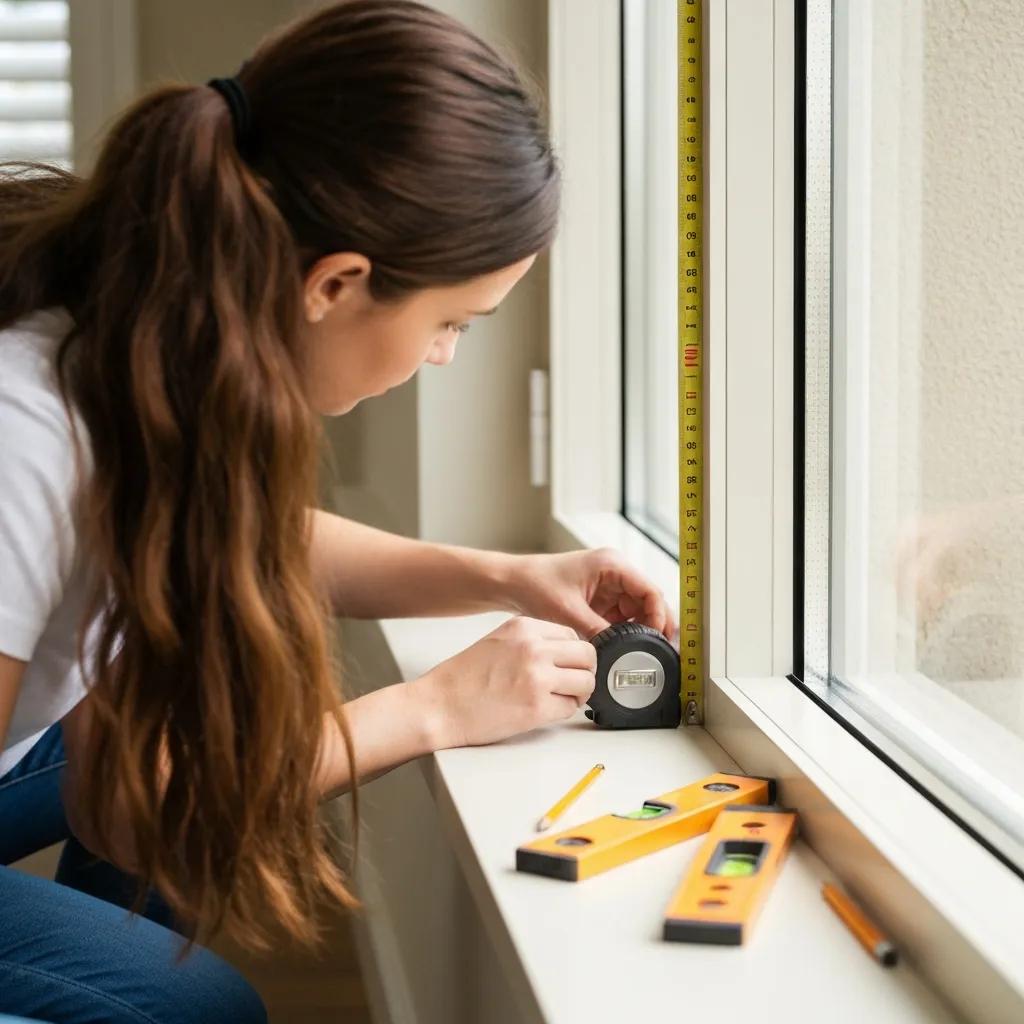
Accurate measurements are the first control point for a trouble-free install. Measure the finished opening (width and height) at three points across and three points vertically to capture any out-of-square conditions; record the smallest width and height as your working dimensions so the curtain clears the opening. Add allowances for mounting brackets, housing depth and guide-rail clearance per the shutter profile; for recessed housings, allow space for the housing plus service access for the motor. Common mistakes include using the rough opening instead of the finished opening, overlooking sill or trim obstructions, and forgetting box projection under soffits. Draw the measured dimensions, label them clearly, and double-check before ordering to avoid costly lead-time changes and to speed the mounting step when parts arrive.
What is the step-by-step process to mount roll-down shutters?
Mounting is about secure attachment to structure and precise alignment so the curtain tracks freely and the system resists wind loads. Begin by marking the housing centerline and rail positions with a level and straightedge. Drill pilot holes sized to the anchor type recommended for the substrate—masonry anchors for concrete, lag bolts into wood studs, and through-bolts for heavy-duty anchors. Temporarily set the housing, confirm level and plumb, then torque fasteners in a star pattern to seat the box without distortion. Fit the guide rails with uniform spacing, use shims where needed to maintain parallelism, then insert the curtain and engage the end locks or slugs per the manufacturer’s instructions. Complete the job with operational tests under load, weatherproof perimeter joints with sealant, and document anchor types and torque values for future inspection and maintenance.
Which tools and materials are required for roll-down shutter installation?
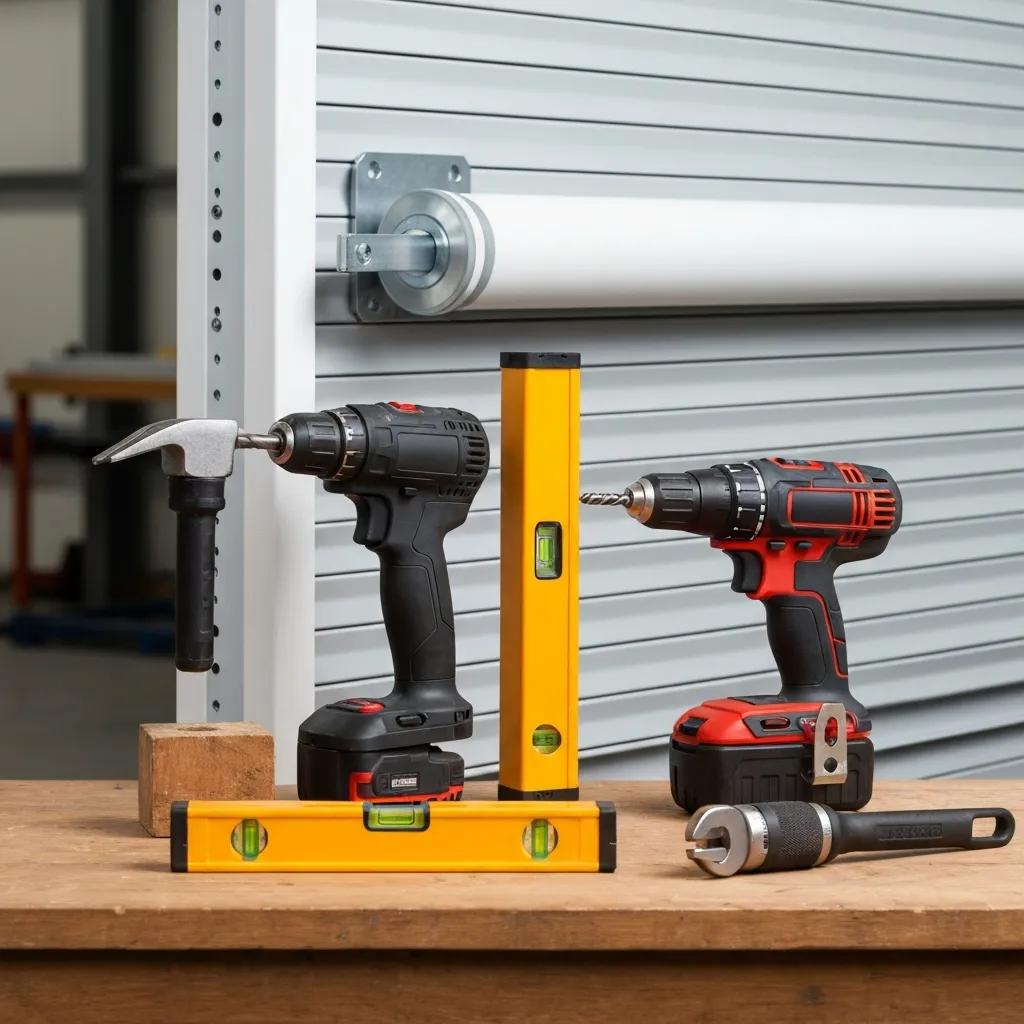
Successful installs use the right mix of tools, anchors and corrosion-resistant materials suited to coastal conditions. Installation work involves precise drilling, fastening, sealing and electrical connections for motorized systems.
Intro: The table below matches core tools to their purpose and common specs so you can pick the right equipment for manual or motorized installs.
Summary: Use the proper drill bits and anchors for the substrate to save time and avoid failures caused by incorrect fasteners or poor sealing.
What tools are needed for manual and motorized shutter installation?
Manual and motorized installs share most mechanical tools, but motorized systems need additional electrical testing and conduit equipment. Core tools include measuring devices, masonry and wood bits, levels, impact drivers, a torque wrench, sealant gun, and PPE such as gloves and eye protection. For motorized units add voltage testers, wire strippers, conduit benders, junction-box tools and a multimeter to verify supply voltage and phase. If the motor needs field programming, carry the endpoint programming tool or manual. For multi-story work, use scaffolding or secured ladders and appropriate fall protection. The right tools shorten installation time and help ensure the electrical and mechanical interfaces meet safety and performance expectations.
How do material types affect installation requirements?
Material choice changes fastener size, anchor spacing and corrosion protection because slat materials and weights differ. Aluminum roll-down shutters are lightweight and corrosion-resistant, allowing closer anchor spacing and smaller fasteners; stainless or marine-grade anchors are usually sufficient in coastal settings. Steel shutters are heavier and often need larger anchors, through-bolts and corrosion coatings or galvanization. Polycarbonate slats are light but may require specialized end-locks and UV-stable seals to keep clarity over time. Match fasteners and coatings to the shutter material and salt-spray exposure to preserve long-term structural integrity.
How does motorized roll-down shutter installation differ?
Motorized systems add electrical, programming and safety layers on top of the mechanical installation. The main difference is integrating a motor and control system that reliably drives the curtain while complying with electrical code and safety requirements.
Motorized installs need a dedicated circuit or appropriately rated supply, routed conduit or protected wiring paths, motor mounting that resists torque loads, and limit-switch programming to stop travel at the correct positions. Test and document safety features such as reversing sensors, manual override capability and emergency stops.
Intro: The table below summarizes common motor types, their power expectations and typical wiring so you can judge the electrical scope and whether to hire a licensed electrician.
Summary: Knowing the motor type and wiring needs helps identify permit triggers and whether a licensed electrician should handle supply circuits and limit programming.
What are the electrical wiring and programming requirements?
Motorized shutters usually need a dedicated circuit sized to the motor’s running and inrush currents, proper grounding, and protected conduit runs. Verify motor voltage and inrush to pick the correct breaker and conductor gauge. Use conduit or sealed raceways in exposed coastal locations where fittings can corrode. Programming includes setting upper and lower travel limits, calibrating torque or current thresholds for jam detection, and syncing remotes or wall controls. Keep a record of circuit ID, motor serial and programmed limits for inspections and warranty claims. Because these steps affect code compliance, many homeowners hire a licensed electrician to wire and certify the installation.
How do you test and adjust motorized shutter operation?
Testing confirms safe operation: run multiple cycles, verify limit switches and reversal sensing, and ensure smooth travel without excessive load. Start with at least ten open/close cycles with no load, then test under a simulated resistance to monitor motor temperature and current draw. Set travel limits so the curtain seats inside the guide rails without bottoming on the sill, and program torque/current thresholds to stop or reverse on obstruction. Check remote range, wall switch response and manual override so the shutter can be used during power loss. Log test results and schedule periodic checks to detect limit drift or sensor degradation before they become safety issues.
Should you choose DIY or professional roll-down shutter installation?
Deciding between DIY and professional installation hinges on skill, safety and warranty concerns. DIY can work for small openings and manual shutters if you have solid carpentry skills and the right anchors and tools. Larger openings, motorized systems with electrical work, or jobs that need structural reinforcement generally justify a professional installer who provides certified work, permit documentation and warranty-backed service.
Intro: The table below compares installation methods, skill requirements and warranty/cost trade-offs to help you decide.
Summary: Weigh short-term savings against long-term warranty protection and code compliance. Complex electrical or structural anchoring typically favors professional installation.
- DIY pros: Lower labor outlay and control over schedule.
- DIY cons: Risk of wrong fasteners, voided warranties, and code noncompliance.
- Professional pros: Certified installs, permit handling, and warranty coverage.
- Professional cons: Higher upfront cost.
These factors frame when each option is appropriate and why warranties often favor certified installers.
What are the pros and cons of DIY installation?
DIY can cut labor costs and let you control timing, but it comes with clear risks: improper anchoring, incorrect fastener selection, and potential warranty voids. Benefits include lower immediate expense and hands-on oversight if you have the right tools and experience. Downsides include meeting required wind-load fastening patterns, wiring and programming motors to code, and pulling permits where jurisdictions require licensed trades. The time investment and need for precise measurements and torque control can make DIY impractical for large or multi-story openings. Before you start, honestly estimate time, tool rental costs and read warranty language so you know the consequences.
Why is professional installation recommended for warranty and safety?
Many manufacturers require certified installation to keep warranties valid, and licensed trades are often needed for electrical work or permit inspections. Professionals provide documented proof of correct anchoring, circuit installation and motor programming. Warranties commonly reference certified installers or documented procedures as conditions for coverage; insurers and permitting offices may require licensed contractors for certain work. Installers bring calibrated tools, established anchoring patterns for wind-load compliance and experience dealing with inspectors. Safety advantages include accurate load calculations, tested electrical connections and technicians trained to spot issues during commissioning—reducing long-term liability and unexpected repair costs.
What local building codes and permits apply in North and South Carolina?
Local and state codes affect anchoring, wind-load design and when electrical permits are required. North Carolina and South Carolina enforce state-adopted codes with local amendments; installations that change structural attachments or add new electrical circuits typically require permits and inspections. Inspectors commonly review structural anchoring details, product test reports for wind resistance and electrical circuit documentation for motorized units. Prepare drawings, product approvals and fastener schedules when applying for permits and confirm county or municipal requirements early to avoid rework and delays. Knowing permit triggers and required documentation protects warranty and insurance coverage and smooths inspections.
Construction for Hurricane Conditions: Protecting Structures from Storm Damage
ABSTRACT: Hurricanes have repeatedly impacted the southeastern United States, often overwhelming buildings not designed for extreme storm forces. Historic storms—Donna, Camille, Hugo and Andrew—underscore how construction practices and codes must evolve to reduce damage. This paper examines why some structures fail under hurricane loads, the role of construction quality versus increasing storm intensity, and recommended steps to improve resilience through better codes and construction practices.
How do North and South Carolina codes impact installation?
State and local code requirements set the design pressures, acceptable anchoring patterns and electrical standards installers must meet. Codes reference wind maps and generally require products to have tested performance or engineered verification for the expected design pressure. Anchors must demonstrate adequate structural attachment and electrical work must follow the state-adopted electrical code for breaker sizing, conduit and bonding. Inspectors may ask for product approval forms, shop drawings and torque/anchor schedules. Because local jurisdictions can add amendments, verify local code details early so your product selection and installation methods align with inspection expectations.
Where can you find official permit and code resources?
When preparing permit applications, consult state and county building department websites and ask local code officials for a checklist of required documents. Typical permit submittals include product test reports or approvals showing wind-load ratings, installation drawings with anchor locations and fastener types, and electrical schematics for new motor circuits. Contact the local building department or review municipal permit guides to confirm fees and timelines. If your project intersects with insurance requirements or homeowners’ association covenants, gather any additional paperwork they require before you start to avoid surprises at inspection.
How do you maintain and troubleshoot roll-down shutters after installation?
Routine maintenance keeps shutters working and prevents corrosion, debris buildup and mechanical wear. A maintenance program of inspections, cleaning, lubrication and testing prevents small issues from becoming failures. Inspect anchors and seals visually, clean guide rails of grit and salt, lubricate moving parts, test motor operation and sensors, and reseal perimeter joints exposed to salt spray or heavy rain. Troubleshooting follows a logical flow: check for debris or misalignment, verify fastener tightness, test electrical supply and controls, and isolate whether a problem is mechanical or electrical before attempting repair.
- Monthly visual check of guide rails and curtain for debris and corrosion.
- Quarterly lubrication of moving parts with manufacturer-recommended products.
- Annual torque check of anchors and re-seal perimeter caulk.
- Test motorized units monthly; verify sensors and remote responsiveness.
Following this schedule reduces emergency failures and makes routine fixes easier.
What routine maintenance tasks extend shutter life?
Key tasks include clearing guide rails, lubricating bearings and endcaps, checking anchor torque and inspecting seals for cracks. Clean guide rails monthly to remove sand, dirt and salt that cause binding; lubricate bearings and sliding surfaces quarterly with a recommended product to reduce wear. Inspect anchors and fasteners each year and retorque to spec, replacing any corroded hardware with stainless or marine-grade equivalents. Check perimeter sealant and weatherstripping for deterioration and reapply a marine-grade sealant where water ingress is possible. Record maintenance dates and actions to support warranty claims and speed future troubleshooting.
How do you identify and fix common installation issues?
Typical post-installation problems—binding, rattling, motor non-response and leaks—are solved by isolating mechanical alignment, fastener integrity and electrical supply. For binding: clear guide rails, measure parallelism and adjust shims or realign rails. For rattling: tighten anchors and add foam or rubber buffers at contact points. For motor failures: check breakers, measure voltage at the motor, test control wiring with a multimeter and try the manual override to isolate the fault. Leaks usually come from incomplete perimeter sealing—remove old caulk and reseal with an appropriate marine-grade sealant. If diagnostics point to anchor failure, electrical motor faults or advanced corrosion, call a professional installer to repair under warranty and ensure code compliance.
For professional help, American Hurricane Shutters offers free estimates, a cost calculator tool for planning, and full installation services — including motorized systems and certified electrical work — across coastal North and South Carolina. We can verify anchor schedules, program motors, and provide the documentation needed for permits while preserving warranty coverage.
This troubleshooting and maintenance guidance completes the installation lifecycle for homeowners and installers seeking dependable, code‚Äëcompliant roll-down shutter performance.
Frequently Asked Questions
What are the benefits of roll-down shutters for storm protection?
Roll-down shutters form a strong, deployable barrier against wind, flying debris and break-ins. They protect windows and doors during storms, reduce the chance of interior damage and can improve energy efficiency by adding insulation and shading. Motorized options let you deploy protection quickly when weather threatens, giving homeowners peace of mind and added security.
How often should roll-down shutters be maintained?
Regular maintenance keeps shutters dependable. Perform monthly visual inspections for debris and corrosion, lubricate moving parts quarterly and check anchor torque annually. For motorized units, test operation monthly and verify sensors and remote controls. Consistent upkeep helps spot issues early and preserves performance through storm seasons.
What should I do if my roll-down shutters are not operating correctly?
Start troubleshooting with simple checks: clear debris from guide rails, confirm rails are aligned and fasteners are tight. For motorized shutters, verify the circuit breaker and electrical supply, and use a multimeter to check control wiring. If problems persist after basic checks, call a professional installer to diagnose mechanical or electrical faults safely.
Are there specific building codes for roll-down shutters in coastal areas?
Yes. Coastal jurisdictions typically have stricter requirements for wind-load ratings, anchoring patterns and materials because of higher wind speeds and salt exposure. Check local building departments for required product approvals and installation details before ordering and installing shutters to ensure compliance and inspection approval.
Can I install roll-down shutters myself, or should I hire a professional?
DIY is possible for small, manual shutters if you have carpentry experience and the right tools. For larger openings, motorized systems or work requiring structural reinforcement or new electrical circuits, hiring a professional is usually the safer choice. Professionals help ensure code compliance, preserve warranties and handle permits and inspections.
What materials are best for roll-down shutters in coastal environments?
Choose materials and hardware that resist corrosion. Aluminum shutters are a common coastal choice due to light weight and corrosion resistance; pair them with stainless or marine-grade fasteners. Steel requires protective coatings or galvanization. Polycarbonate slats can be useful where impact transparency is desired, but use UV-stable seals and proper end-locks. Match fasteners and finishes to the exposure to extend service life.
Conclusion
Installing roll-down shutters correctly is essential for safety, wind-load performance and long-term reliability. Follow the measuring, mounting, electrical and finishing steps laid out here, use the recommended tools and materials for your substrate and coastal exposure, and choose professional installation when the job requires structural work or electrical permits. If you’d like expert help or a formal estimate, contact American Hurricane Shutters — we can verify anchor schedules, program motors and provide the documentation you need for permits while protecting your warranty.
