

Understanding Hurricane Shutter Permits in North Carolina: Requirements, Costs, and Local Processes
In North Carolina, hurricane shutter permits are formal approvals from local building departments that allow permanently attached storm‑protection systems to be installed. Getting the right permit matters for safety, code compliance, and insurance — and it’s one of the best ways to avoid delays or rework. This guide walks homeowners and contractors through what permits cover, why they matter for structural performance and insurance, and how state code and local rules shape documentation and inspections. You’ll find a step‑by‑step permit checklist, the documents most jurisdictions ask for, how requirements change by shutter type, and realistic permit fee ranges to budget for. We also cover common inspection checkpoints, the role of engineered documents like Design Pressure (DP) analyses, and why licensed installation speeds approval. Practical, county‑focused tips and checklists will help move a shutter project from estimate to final inspection with fewer surprises.
What Are Hurricane Shutter Permits in North Carolina and Why Are They Required?
A hurricane shutter permit in North Carolina authorizes the permanent installation or modification of storm‚Äëprotection systems and ensures the work meets state and local building code requirements for wind loads and attachments. Coastal wind pressures and attachment methods affect how shutters perform in storms, so jurisdictions require approved plans and inspections that confirm anchorage, fasteners, and spacing meet the code. A proper permit ties together product specs, any required engineered drawings, and an inspection path that documents the work for safety, insurance, and resale.
Permits exist for several practical reasons homeowners and communities value:
- Verify installations meet required wind‚Äëload and attachment standards.
- Create an inspection trail that supports insurance claims and resale disclosures.
- Confirm materials and methods reduce the risk of shutter failure in high winds.
Those reasons lead directly into the code rules that define when engineered plans or DP documentation are needed for a shutter system.
What Does the North Carolina Building Code Say About Hurricane Shutter Installation?
The North Carolina Building Code sets the design pressures and performance criteria that govern shutter design, attachment methods, and when engineered documentation is required. Fenestration and attachments must meet specified design pressures based on location and exposure, so permit submissions for coastal properties frequently include manufacturer data and a Design Pressure (DP) Analysis. Stamped drawings that show anchorage details, fastener types, and load paths help reviewers confirm installations meet required safety margins. For homeowners, the practical takeaway is to choose shutters and installers who can supply manufacturer test data and engineered calculations when needed — that prevents review delays.
Clear DP ratings and engineered attachment details typically shorten review times and make inspections smoother.
How Do Permits Ensure Structural Safety and Insurance Benefits?
Permits protect structural safety by requiring documented plans and inspections that confirm correct attachment methods, material specifications, and installer competence before and after installation. Inspectors verify installations follow approved plans, that specified fasteners and anchors (for example, corrosion‑resistant stainless fasteners where required) are used, and that spacing and load paths match engineered drawings — all measures that lower the risk of failure in high winds. From an insurance standpoint, permitted and inspected work provides the documentation insurers often require for favorable terms and to support mitigation credits or claims. Keeping permit records, inspection sign‑offs, product data, and DP analyses organized protects both your home and your financial interest.
The connection between permit documentation and insurance outcomes makes careful application preparation and code adherence well worth the effort.
How Do You Obtain a Hurricane Shutter Installation Permit in NC? Step-by-Step Guide
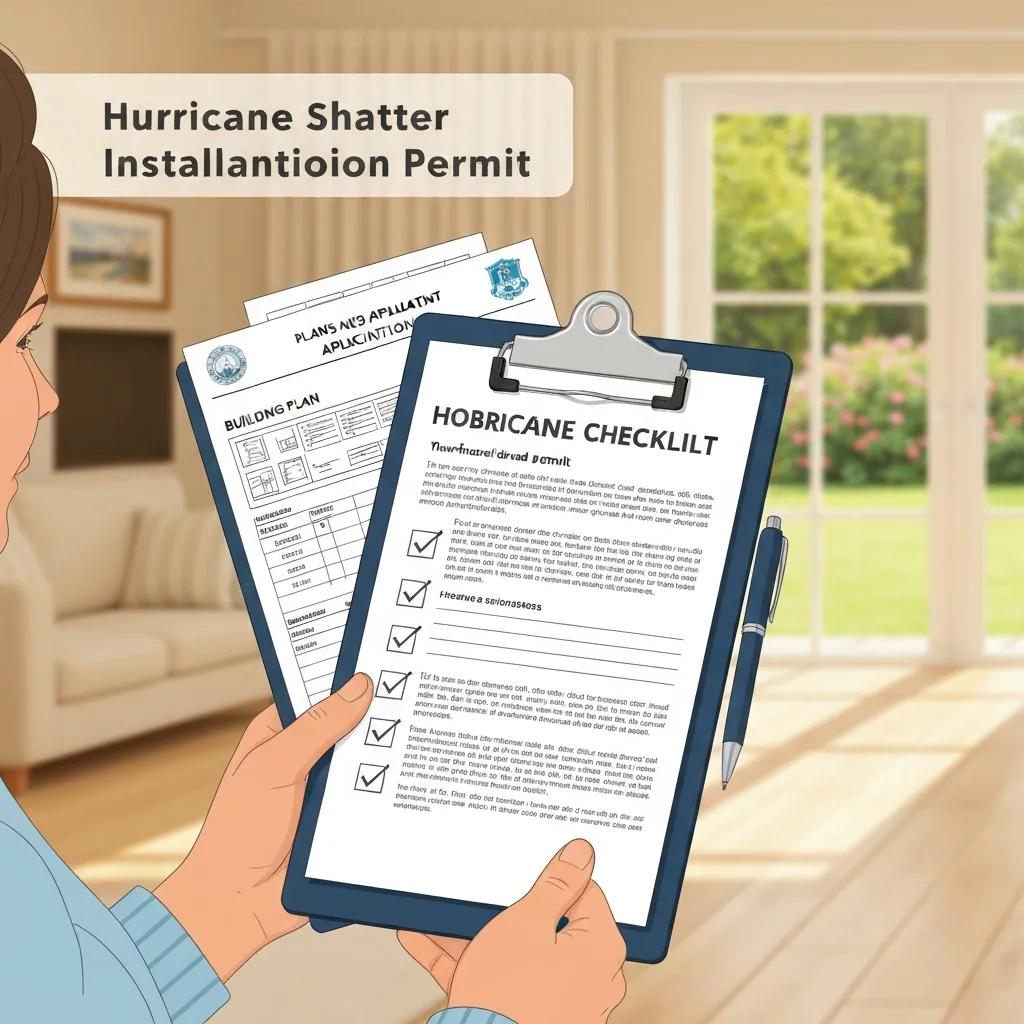
A typical permit application follows a straightforward sequence: confirm whether the planned shutters are considered permanent and require a permit; assemble manufacturer data and any required engineered drawings; submit the application and fee to your local building department; then schedule required inspections during and after installation. The process splits responsibilities — homeowners provide site information, contractors supply specs and install per plans — and is handled through local portals or office submissions. Preparing the right documents up front and knowing who will submit them shortens review time and reduces resubmissions. Many homeowners hire licensed contractors to prepare plans and handle permitting to streamline the process and avoid interpretation errors with local officials.
Use this concise checklist to clarify responsibilities and timelines:
- Determine permitting need: Check with your local building department whether the shutter type and attachment method require a permit.
- Gather documentation: Collect manufacturer product data, installation instructions, and DP or engineered drawings if required.
- Submit application and pay fee: File the permit with your jurisdiction and pay the applicable fee to begin review.
- Schedule inspections: Arrange the required inspections during and after installation to obtain final sign‚Äëoff.
These steps create a predictable path to approval and final inspection; the table below shows who typically handles each step and expected timeframes.
The table highlights where contractor involvement speeds the process and where homeowner input is essential, which brings us to the specific documents reviewers expect.
What Documents Are Required for NC Hurricane Shutter Permit Applications?
Most permit applications ask for manufacturer product specifications, installation instructions, a site plan or scope of work, contractor licensing info, and — when required — engineered drawings or a Design Pressure Analysis showing anchor details and load paths. Product data should list tested DP ratings and installation details that match the proposed attachment method; missing or mismatched documentation is a common cause of review delays. Standard deliverables include PDF cut sheets, stamped engineered plans, and a simple site drawing that identifies the openings to be protected. Preparing these files in advance and confirming local file‑format preferences reduces resubmissions and speeds approval.
Good document preparation matters because reviewers compare the installed work to the approved plans during inspections.
Which Local Building Departments Handle Hurricane Shutter Permits in Coastal NC?
Local building departments — usually county or city permitting offices — manage shutter permits for coastal North Carolina homes. Submission methods vary: some jurisdictions offer online portals, others prefer in‑person drop‑offs or email. Coastal permit offices may include those serving the Wilmington / New Hanover area and other coastal towns, each with its own submittal checklists and fee schedules. Identify your local building department early, verify accepted file formats and review timelines, and ask for any local amendments to the state code. When in doubt, call the permit office and request a checklist — that simple step avoids unnecessary back‑and‑forth.
Knowing the jurisdiction’s preferred submission method helps keep reviews on schedule and reduces reviewer questions.
What Are the Permit Requirements for Different Types of Hurricane Shutters in North Carolina?
Requirements depend on shutter type because review focuses on permanence, attachment method, and any change to structural loading. Permanently attached systems — accordion, roll‑down, colonial, and Bahama shutters — more often trigger permit requirements than temporary storm panels or removable screens, because permanent attachments alter load paths and require anchorage verification. Motorized roll‑down units can also trigger electrical permits. Understanding how each shutter type interacts with the building envelope and local code helps you assemble the right documentation for your submission.
The table below compares common shutter types, typical permit expectations, and commonly requested documentation.
Do Accordion Shutters Require Permits in NC?
Accordion shutters commonly require permits when permanently attached because they change how loads transfer around openings. Jurisdictions typically ask for documentation showing fastener type and spacing plus manufacturer DP ratings. Some areas treat easily removable accordion systems as temporary and may not require a permit, but you should confirm local policy before purchase or installation to avoid enforcement actions. Bringing manufacturer test data and clear installation details to the permit review prevents surprises.
Verifying permit requirements before buying also clarifies whether engineered attachment details or a professional installer are needed to pass review.
What Are the Permit Rules for Roll-Down and Panel Shutters?
Roll‚Äëdown shutters and fixed panel systems often trigger permits because they are permanent or semi‚Äëpermanent changes that alter wind load distribution on openings. Motorized roll‚Äëdown units can also require electrical permits for power and controls. Jurisdictions will typically request manufacturer DP ratings, anchorage details, and any wiring diagrams for motorized systems. When attachments penetrate structural framing, engineered drawings showing load transfer and anchor design may be required to demonstrate compliance. Submitting both product data and clear installation diagrams reduces review cycles and increases the chance of a smooth inspection.
Because motorized systems include an electrical element, coordinate with a licensed installer who understands both building and electrical code requirements so all permits and inspections are scheduled properly.
How Much Do Hurricane Shutter Permits Cost in North Carolina?
Permit fees vary by jurisdiction and depend on how local building departments calculate charges — common approaches include flat minimum fees, per‑opening fees, or a percentage of the project valuation. Coastal permit fees for shutter projects typically range from modest flat amounts to several hundred dollars, depending on job size and valuation. A per‑opening fee increases with the number of protected openings, while valuation‑based fees scale with total install cost. Checking local fee schedules early helps homeowners budget and avoid unexpected cash‑flow issues at submission.
The table below gives representative fee ranges and how fees are commonly assessed in coastal jurisdictions.
What Are the Typical Permit Fee Ranges by County?
Permit fees commonly start in the low double digits and can reach a few hundred dollars depending on local policy and whether fees are per opening, a flat minimum, or percentage‚Äëbased on valuation. Many coastal jurisdictions use modest flat fees for small residential installs, but larger projects or those requiring engineered plan review can increase total costs. Request a fee schedule from your local permit office early and budget for possible plan‚Äëcheck fees or re‚Äësubmissions to keep the project on track.
Factoring permit fees into your initial estimate alongside labor and materials gives you a clearer overall budget and helps avoid schedule interruptions when reviewers ask for additional documentation.
How Do Permit Costs Affect Overall Hurricane Shutter Installation Expenses?
Permit costs are usually a small portion of total installation expenses, but they can affect choices when jurisdictions charge per opening or require plan‚Äëreview fees for engineered documents. For many homeowners, permit fees are a manageable administrative cost, but combined costs for engineered drawings, plan checks, and re‚Äësubmissions can add up. Include permit fees, inspection scheduling, and any engineering costs in your initial estimate and add a modest contingency for permit‚Äërelated resubmissions or expedited reviews to protect your schedule.
Because permit fees are a predictable part of the regulatory process, including them in early budgeting supports better decisions between shutter types and installation scopes.
Why Is Professional Installation Important for NC Hurricane Shutter Permits and Compliance?
Professional installation matters because licensed contractors understand local code interpretations, know when engineered documents and DP analyses are required, and can prepare submittals that meet reviewer expectations. Experienced installers specify correct fasteners — for example, 18‑8 stainless steel where corrosion resistance is essential — and follow manufacturer details that match approved product data and DP ratings. Contractors often handle permit submissions, coordinate with engineers for stamped drawings, and schedule inspections, which reduces homeowner administrative work. Those services lower the risk of failed inspections, noncompliance, and insurance complications by ensuring the installation matches approved plans and code requirements.
- Code knowledge: Contractors interpret local amendments and submission rules.
- Document preparation: Pros assemble manufacturer data, DP analyses, and plans.
- Inspection coordination: Professionals schedule inspections and respond to reviewer comments.
These practical advantages explain why many homeowners hire licensed installers for shutter projects.
How Does American Hurricane Shutters Assist with Permit Acquisition and Code Compliance?
American Hurricane Shutters acts as both an educator and a permit facilitator for coastal homeowners. We provide engineered hurricane protection backed by Design Pressure Analysis and install using corrosion‚Äëresistant 18‚Äë8 stainless steel fasteners. Our product range includes accordion, roll‚Äëdown, colonial, Bahama, hurricane screens, and panel shutters, and we help customers prepare documentation and submit permits when jurisdictions require engineered plans. For planning, we offer free estimates via a cost calculator so homeowners can budget permit‚Äëaware projects. By combining product data, engineered documentation, and permit‚Äëhandling support, we aim to reduce review cycles and improve inspection outcomes across coastal installations.
What Are the Risks of DIY Installation Without Proper Permits?
DIY or unpermitted installations carry legal, financial, and safety risks. Municipalities can issue stop‑work orders or fines, insurers may deny claims tied to unpermitted work, and improper attachment methods can cause shutter failure in storms, increasing property and personal risk. Unlicensed installations may use incorrect fasteners or spacing that don’t meet DP requirements, and the lack of an approved plan and inspection trail complicates resale disclosures and post‑loss claims. Failed inspections can force costly remedial work and extend timelines, which is why many owners choose licensed professionals who both permit the work and stand behind the installation.
Following permit procedures, using proper materials, and obtaining inspections are essential to a safe, compliant shutter installation.
What Are the Inspection and Approval Processes for Hurricane Shutter Permits in North Carolina?
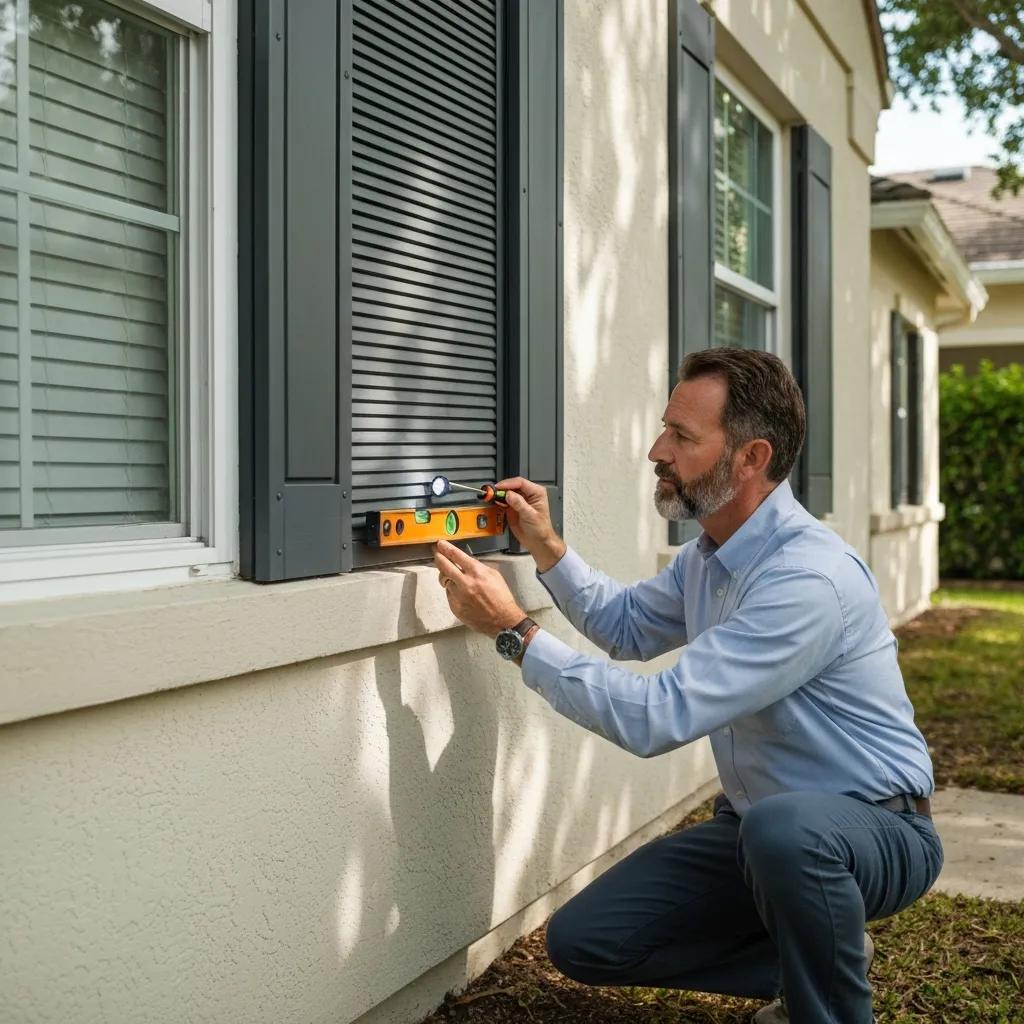
Inspections verify that installations match approved plans, that specified materials and fasteners were used, and that anchorage and attachment details meet the DP or engineered design. Typical inspection stages include an initial site verification (if required), a rough inspection for anchor locations and pre‚Äëinstall checks, and a final inspection to confirm the completed work aligns with stamped plans and manufacturer instructions. Inspectors review attachment spacing, fastener type and size, structural penetrations, and any electrical work for motorized systems. Passing inspections leads to permit close‚Äëout and a signed record homeowners should retain for insurance and resale.
Below are common inspection checkpoints installers and homeowners should prepare for.
- Attachment spacing and anchor type match the approved plans.
- Fastener material and size (for example, corrosion‚Äëresistant fasteners) meet specifications.
- Installation follows manufacturer instructions and any stamped engineered drawings.
- Motorized components have required electrical inspections completed.
Preparing these items in advance increases the chance of passing on the first inspection visit.
How Are Hurricane Shutter Installations Inspected for Code Compliance?
Inspectors compare the installed shutters to the approved plans and product specifications, checking attachment methods, fastener types and spacing, and conformance to engineered drawings or DP analyses where required. They verify anchors penetrate appropriate structural members, fasteners match the specified material and diameter, and installation details such as jamb reinforcements or header attachments align with the submittal. For motorized systems, inspectors also verify electrical connections against code. Having product cut‚Äësheets and stamped plans on site expedites inspections and reduces required corrections.
Meeting these inspection criteria is usually the last technical step before permit close‚Äëout and ensures shutter systems perform as intended during storms.
What Happens After Permit Approval and Installation?
After final inspection and permit close‚Äëout, homeowners receive an official record that the installation was completed per approved plans and local code. Keep copies of signed inspection reports, manufacturer product data, and any engineered documentation for insurance and future resale disclosure. These records document mitigation measures taken and can affect insurance underwriting and claims. Store both digital and hard copies of permit files and follow manufacturer maintenance recommendations to preserve performance. Organized documentation simplifies future inspections, warranty claims, and provides a clear history for prospective buyers.
Retaining permit files and performing routine maintenance helps ensure the protection shown in permitting remains effective over the life of the shutter system.
American Hurricane Shutters can assist by providing the technical documentation and permit facilitation described above. To get a permit‚Äëaware estimate, request a free estimate or use our cost calculator to start planning.
American Hurricane Shutters serves coastal North and South Carolina towns including Wilmington, Myrtle Beach, Oak Island, Topsail, New Bern, and Pawleys Island. We emphasize engineered hurricane protection with Design Pressure Analysis and corrosion‚Äëresistant 18‚Äë8 stainless steel installation, offer a full range of shutter types, and support permit acquisition and compliance to simplify the permitting path for homeowners. For an initial budget and permit‚Äëaware planning, request a free estimate or use the cost calculator before engaging permitting or installation services.
North Carolina Hurricane Shutter Permits: Obtaining Local and State Approvals
Remember to obtain all required local, county, and state permits and approvals before any installation of hurricane clips or other storm protection measures. Hurricane clips can be installed on each truss-rafter during new construction of houses, or retrofitted to existing structures, to enhance their resistance to wind uplift.
This reminder reinforces the need to secure all necessary permits before starting storm‚Äëprotection work so structural integrity and compliance are maintained.
Hurricane Construction Performance and Coastal Protective Systems in North Carolina
This report documents the performance of construction designed for hurricanes, including coastal protective systems, and provides insights into structural resilience and potential improvements.
Understanding how coastal protective systems perform helps communities and homeowners improve resilience and prioritize effective retrofits.
North Carolina Coastal Rebuilding: The Role of Permits After Hurricane Fran
Rebuilding the North Carolina coast after Hurricane Fran raised questions about the effectiveness of public regulations. The costs of restoring structures to their pre-storm condition and compliance with building codes were significant considerations, with rebuilding permits being a necessary step for additional structures.
The experience after Hurricane Fran highlights how rebuilding permits and public regulations influence the safety and cost of restoring coastal structures.
Frequently Asked Questions
What are the consequences of not obtaining a hurricane shutter permit?
Skipping the permit can lead to fines or stop‑work orders from your municipality, and insurers may deny claims for unpermitted work. Unpermitted installations also risk unsafe attachment methods and could fail in a storm, causing property damage or injury. For these reasons, it’s important to follow local permitting rules before installing shutters.
Can I install hurricane shutters myself without a permit?
You can physically install shutters yourself, but doing so without the required permit exposes you to legal, insurance, and safety risks. DIY installs sometimes miss critical attachment details or use incorrect fasteners that don’t meet DP requirements. Working with a licensed contractor helps ensure the work is permitted and inspected correctly.
How long does the permit application process typically take?
Timelines vary by jurisdiction and the completeness of your submittal. A simp
