

Understanding Building Codes for Roll Down Shutters — A Practical Guide to Compliance and Coastal Protection
Roll down shutters are purpose-built exterior systems that protect windows and doors from wind pressure, flying debris, and water intrusion during severe storms. This guide walks homeowners and contractors through how building codes influence shutter selection, testing, and installation so every system performs as intended and meets permitting and insurance expectations. You’ll get clear explanations of design pressure and impact standards, learn when permits are required in coastal North and South Carolina, and see why professional installation matters. We also map the permit process step-by-step, compare key performance standards, and include practical checklists to simplify choices about materials, anchoring, and documentation. Wherever useful, we call out local considerations for Wilmington, Myrtle Beach, Oak Island, and nearby coastal communities and show how a site-specific Design Pressure Analysis identifies the right product and attachment method.
Why Are Building Codes Essential for Roll Down Shutters?
Building codes set minimum performance standards so shutters deliver reliable protection when storms arrive. They require products and installations to resist specific wind loads and impacts, helping the building envelope remain intact and reducing the chance of progressive failure. Codes also create an auditable trail—test reports, installation certificates, and design pressure analyses—that municipalities and insurers rely on when reviewing permits and claims. Understanding how codes work helps homeowners choose shutters that are both durable and acceptable for permitting and insurance documentation.
Below are the main, practical reasons codes matter and the outcomes they produce.
- Safety and structural reliability: Codes ensure shutters withstand defined wind and impact forces to prevent façade and opening failures.
- Insurance and documentation: Certified compliance provides the evidence insurers need for underwriting and claims.
- Resale and marketability: Documented, code-compliant systems increase property value and reduce friction in real-estate transactions.
These drivers show why technical compliance is both a safety requirement and a tangible asset. Next, we detail the specific safety and structural benefits codes demand.
What Safety and Structural Benefits Do Building Codes Provide?
Codes require proper anchorages, continuous load paths, and minimum material performance so shutters safely transfer wind and impact forces into the building’s structure. By specifying design pressure values and attachment details, codes lower the risk of common storm failures such as panel pull-out, curtain deformation, or header failure.
Well-designed and installed systems also reduce interior pressurization and water intrusion—two conditions that accelerate structural damage. In short, correctly applied code requirements help the building hold together long enough for occupants to shelter or evacuate safely.
That’s why installers must follow engineered attachment plans matched to site-specific wind loads.
Building Codes and Construction Standards for Windstorm Mitigation
A summary of how building codes and construction standards set minimum design and construction practices to improve safety and resilience during windstorms. These standards guide implementation so buildings better withstand wind-driven forces.
Role of building codes and construction standards in windstorm mitigation, D Henderson, 2008
How Do Building Codes Affect Insurance and Property Value?
Code-compliant roll down shutters give insurers clear, verifiable proof that a property meets accepted protection standards, which helps with underwriting and claim handling. Insurers typically ask for test certificates, design pressure analyses, and installation records—documents homeowners should collect at the time of installation. While discounts vary by carrier, certified shutters and professional installation often improve recoverability and can reduce repair needs after an event. For buyers and appraisers, documented compliance signals lower expected maintenance and replacement costs, which supports marketability and may reduce inspection hurdles.
With those insurance and value impacts in mind, the next section outlines the specific code requirements behind these benefits.
What Are the Key Building Code Requirements for Roll Down Shutters?
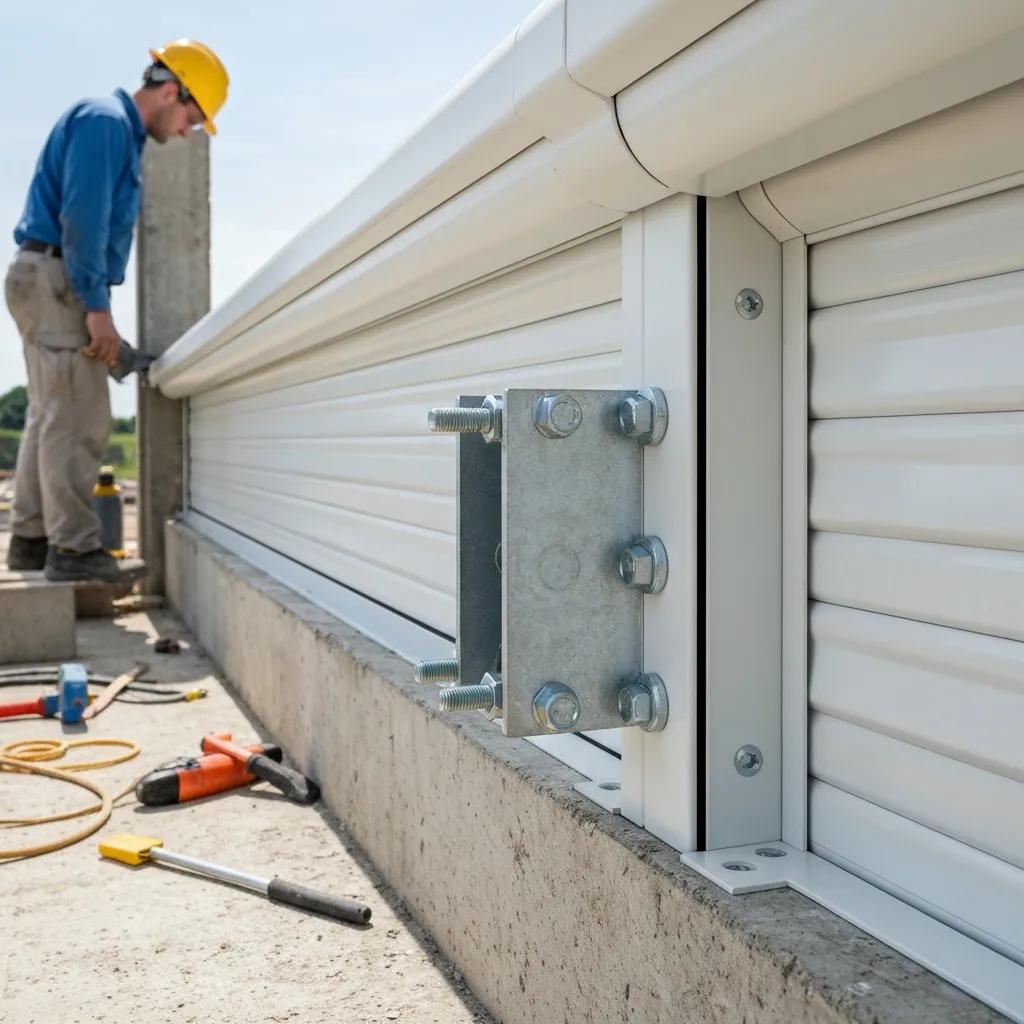
Code requirements for roll down shutters focus on four technical areas: wind load/design pressure, impact resistance/testing, anchoring and attachment, and material durability. Each area corresponds to measurable standards—PSF values for design pressure, ASTM and Miami‑Dade test protocols for impact resistance, and specified fasteners or substrate conditions for attachment. The typical workflow is: determine site‑specific design pressure, choose a product tested for that pressure and impact level, then install using approved anchorage and corrosion‑resistant materials. The table below gives a compact comparison of the primary attributes and typical code references to check with suppliers.
This quick-reference table lists the key code attributes to verify when evaluating shutters.
Use this checklist when you request documentation from manufacturers and installers; the sections that follow explain each attribute in more detail.
How Are Wind Load and Design Pressure Ratings Defined and Applied?
Design pressure (measured in PSF) is the wind load a shutter must resist and it drives product selection. Calculating design pressure uses location data—mapped basic wind speed, exposure category (open coast vs. sheltered), building height, and the opening’s tributary area. A site‑specific Design Pressure Analysis combines those inputs to generate the PSF requirement for each opening and then defines anchor spacing, reinforcement, and the appropriate shutter model. Done correctly, the analysis prevents both under‑specifying (which risks failure) and over‑specifying (which adds unnecessary cost), acting as the engineering bridge between code intent and installation.
Accurate design pressure values naturally lead to choosing impact‚Äërated products; the next section explains the relevant test standards.
Determining Site-Specific Hazards for Building Design
Guidance for design professionals on identifying site‑specific hazards and the factors that determine their magnitude—information used to calculate loads for building components and cladding.
Determining Site-Specific Loads
What Impact Resistance Standards Must Roll Down Shutters Meet?
Impact standards like ASTM E1886/E1996 and the Miami‚ÄëDade TAS series describe test procedures that simulate debris strikes and cyclic wind loads so products can be evaluated for structural integrity and air/water performance after impact. ASTM tests measure how a product resists missile impacts and performs under cyclic pressures; Miami‚ÄëDade protocols include region‚Äëspecific acceptance criteria used in many coastal jurisdictions. Verifiable compliance comes from manufacturer test reports and product listings that show the exact test protocol and performance level. When assessing products, request sealed test documentation that links the tested configuration to your planned installation.
Knowing which tests apply helps you confirm product claims; local code overlays then determine specific permit expectations, which we cover next.
Pressure and Impact Testing of Tornado Shelter Doors for Code Compliance
A report describing pressure and impact tests on above‚Äëground shelter doors, demonstrating methods to evaluate doors under internal/external pressures and simulated windborne debris impacts, following ICC standards.
Pressure and Impact Test Performance of Above-Ground Non-Complying Tornado Shelter Doors
How Do Local Coastal Ordinances in NC and SC Influence Code Compliance?
Municipal and county ordinances in North Carolina and South Carolina commonly adopt the International Building Code and may add local requirements for roll down shutters. Variations typically appear in permit triggers for permanent installations, required submittal packages, and inspection frequency; some jurisdictions also ask for local design pressure verification or FEMA‚Äërelated documentation. These differences affect application timelines and evidence needs, so working with an installer who knows local departments reduces surprises and speeds approvals. Homeowners should check their municipal building office for a submittal checklist, and installers can advise on city‚Äë or county‚Äëlevel nuances that shape the permit packet.
Next we explain when and how to obtain permits in coastal jurisdictions.
When and How Do You Obtain Permits for Roll Down Shutter Installation?

Whether you need a permit depends on permanence, structural impact, and electrical work for motorized systems. Permits are generally required for permanent shutters and for work that changes the building envelope or adds wiring. The usual process includes a site survey, submission of product test reports and a Design Pressure Analysis, filing the application with the local building department, plan review, and scheduling inspections. Turnaround varies by jurisdiction; submitting a complete package with engineered attachment details and corrosion‚Äëresistant material specs speeds approval. The checklist below outlines the common documents and steps.
The following checklist shows the core documents and steps to obtain a permit for roll down shutters.
- Complete application: Owner information, project description, and valuation.
- Technical package: Product test certificates, design pressure analysis, and manufacturer installation instructions.
- Electrical permits: For motorized systems, include licensed electrician plans and circuit details.
- Inspection scheduling: Arrange rough and final inspections after installation.
These items clarify what triggers a permit and what to prepare. The table below maps permit types to common triggers and typical documentation.
This table helps homeowners anticipate administrative steps; the next subsection describes common permit triggers in plain terms.
What Are Common Permit Triggers for Hurricane Shutters?
Permits are typically required when shutters become a permanent part of the building envelope, when attachments penetrate structural members, or when motorized systems add electrical work. Temporary, removable protection that doesn’t alter the structure may be exempt in some areas, but permanent retrofits that install header boxes, anchor plates, or new fasteners usually prompt review. Projects affecting rated openings, historic districts, or floodplain areas may need additional approvals or documented analyses. Because local interpretations vary, confirm requirements with your building department or use a licensed contractor who handles submissions.
How Does American Hurricane Shutters Assist with the Permit Process?
American Hurricane Shutters (AHS Carolinas) manages permitting as part of our service. We prepare the documentation, submit applications, and coordinate inspections as a licensed contractor. AHS performs a site‚Äëspecific Design Pressure Analysis, compiles product test reports and manufacturer installation instructions, and files a complete permit packet to streamline plan review. During inspections we coordinate with municipal officials and address punch‚Äëlist items to achieve final sign‚Äëoff, helping homeowners avoid common resubmission delays. For a no‚Äëobligation start, AHS offers free estimates that include initial code analysis and permit guidance so you know what documentation is required.
That practical assistance reduces homeowner administrative burden and leads into how professional installation enforces code requirements.
How Does Professional Installation Ensure Roll Down Shutter Code Compliance?
Professional installation implements the engineered load‚Äëtransfer solution codes require: correct anchoring into rated substrates, approved fastener types, and anchor spacing matched to the design pressure analysis. Certified installers translate the PSF requirement into anchor spacing, header reinforcement, and guide‚Äërail attachment to avoid installation errors that would undermine product performance. Installers also provide installation reports and as‚Äëbuilt records that municipalities and insurers need for final compliance verification. Below are the installation best practices reputable installers should follow.
Homeowners should expect these core installation practices to ensure code compliance.
- Proper anchorage: Fasteners set into structural framing with specified embedment and spacing.
- Load‚Äëpath integrity: Components assembled to transfer forces from the curtain through guides into structure.
- Corrosion resistance: Use of marine‚Äëgrade materials and stainless fasteners suitable for coastal exposure.
These practices are the items inspectors will verify. The next subsection covers material choices and why they matter.
What Installation Practices Meet Building Code Standards?
Meeting code standards means following the manufacturer’s engineered installation plan that corresponds to the site‑specific design pressure, using approved fasteners and substrate conditions. Installers must document anchor locations, fastener specifications, and any reinforcement or blocking so the installed system matches the engineering assumptions in the Design Pressure Analysis. After installation, a workmanship inspection and an installation certificate provide the evidence inspectors and insurers expect. Homeowners should obtain a written installation report that references the original design pressure values to close the compliance loop.
Why Are Marine-Grade Materials and Fasteners Critical for Compliance?
Coastal chloride exposure accelerates corrosion, which weakens anchors and fasteners over time. Codes and best practices therefore favor corrosion‚Äëresistant components to preserve capacity. Materials like 6063‚ÄëT6 marine‚Äëgrade aluminum resist deformation and corrosion in salt air, while 18‚Äë8 stainless steel fasteners retain clamp‚Äëup strength and thread integrity for decades. Choosing these materials cuts the risk of loosening, pitting, and eventual failure that could compromise attachment performance under wind loads. Regular inspections and a maintenance plan help spot early corrosion or wear before safety is affected.
What Are the Benefits of Using Code-Compliant Roll Down Shutters?
Code‑compliant roll down shutters reduce storm damage, provide clearer insurance documentation, and improve occupant safety by preserving the building envelope. By meeting defined wind and impact standards, shutters lower the chance of window breach—a primary driver of interior pressurization and progressive roof or wall failures. Documented compliance streamlines insurance assessments and supports faster claims processing by supplying test reports and installation records. The table below connects specific benefits with typical, measurable outcomes homeowners track.
The table below links benefits to outcomes and how to document them.
These linkages show why compliance is an investment. The next subsections explain protection mechanics and insurance actions homeowners should take.
How Do Code-Compliant Shutters Provide Enhanced Safety and Protection?
Compliant shutters create a continuous barrier that absorbs and redistributes wind and impact forces, preventing debris penetration and limiting water ingress that leads to interior damage. By keeping openings sealed, they reduce interior pressurization that can drive roof uplift and structural failures, giving occupants and emergency responders more time to act. The combination of impact resistance and maintained envelope integrity cuts both immediate hazards and secondary damage from wind‑driven rain. Treat compliant shutters as active elements of your home’s resilience strategy—not just cosmetic additions.
What Insurance Discounts and Property Value Increases Are Available?
Insurance discounts vary by carrier and region, but insurers typically consider test certificates, design pressure analysis, and a licensed installer’s documentation when evaluating credits or rate adjustments. Homeowners should secure and archive product test reports, the site‑specific design pressure analysis, and a signed installation certificate—these documents are often requested during underwriting or after loss. Presenting a complete compliance packet to a new insurer or when requesting a premium review speeds evaluation. Keeping organized documentation makes claims and resale conversations simpler.
That highlights why preserving records and maintaining installations matters. Below are concise answers to common homeowner questions.
Frequently Asked Questions
What types of roll down shutters are available for coastal properties?
Coastal properties typically choose between manual and motorized roll down shutters. Manual models operate by hand; motorized systems use a switch or remote. Materials commonly include aluminum and polycarbonate; each offers different levels of impact resistance, weight, and longevity. Pick a solution based on the level of protection you need, how you want to operate the system, and local exposure conditions.
How often should roll down shutters be inspected and maintained?
Inspect shutters at least twice a year—ideally before and after hurricane season. Look for corrosion, loose fasteners, damaged seals, and smooth operation of tracks and motors. Maintenance typically includes cleaning tracks, lubricating moving parts, and testing motorized functions. Keep a maintenance log; insurers and future buyers will appreciate the record.
Can I install roll down shutters myself, or should I hire a professional?
While skilled DIYers may handle some shutters, we strongly recommend hiring a professional. Proper installation is critical to meet code requirements and ensure the system performs in a storm. Licensed installers interpret design pressure analyses, select correct fasteners, and follow manufacturer instructions. They also prepare the documentation needed for permits and inspections, reducing the risk of costly mistakes.
What documentation is needed for insurance claims related to roll down shutters?
When filing a claim, gather product test reports, the site‚Äëspecific design pressure analysis, and the installation certificate to show code compliance. Photographs of the installed shutters and any storm damage are also useful. An organized compliance packet expedites claims and gives insurers clear evidence of protective measures.
Are there any financial incentives for installing code-compliant roll down shutters?
Yes—many insurers offer credits or discounts for code‑compliant hurricane protection, though amounts vary. Some local programs or grant opportunities may also support resilience upgrades. Check with your insurance agent and local authorities to identify available incentives.
What should I do if my roll down shutters are damaged during a storm?
Document the damage with photos and notes, then contact your insurance company to start a claim. Arrange a licensed contractor to assess repairs or replacement needs and ensure any work complies with local codes. Keeping your original installation and test documentation on hand speeds the claim and repair process.
Do I Need a Permit for Roll Down Shutters in Coastal North and South Carolina?
In most coastal jurisdictions, yes—permits are required for permanent roll down shutter installations because they alter the building envelope and affect structural systems. Temporary or removable protection may be exempt in some areas. Common permit triggers include permanent mounting into structural framing, installation of header boxes, and electrical work for motorized systems. Because local rules differ across North and South Carolina, confirm requirements with your municipal building department or use a licensed installer who manages the permit submission for you. Licensed installers can prepare the expected documentation and coordinate filing.
How Is Design Pressure Analysis Performed for Code Compliance?
A Design Pressure Analysis calculates the PSF requirement for each opening by combining mapped wind speed, exposure category, building height, and tributary area, then applying the governing standard to produce site‑specific loads. The result is a required design pressure value and an attachment schedule recommending product and anchorage configurations. Deliverables usually include a written report or stamped drawing listing PSF values and the attachment schedule—documents that become part of the permit submittal and installation record. Homeowners should request and keep this analysis with other compliance paperwork.
Are Roll Down Shutters Compliant with the International Building Code?
Roll down shutters can conform to the International Building Code when the product is tested to referenced standards (for example, ASTM E1886/E1996 or Miami‑Dade TAS protocols) and installed per an engineered Design Pressure Analysis and manufacturer instructions. Evidence of compliance includes product test certificates, manufacturer manuals showing the tested configuration, and installation documentation proving attachment followed engineering requirements. Final approval depends on inspections and a complete permit package—so product selection, engineered attachment design, and documented installation together demonstrate IBC conformity.
If you need site‚Äëspecific help, a licensed local contractor can simplify permitting and compliance.
- For local permit handling, free initial estimates, and site‚Äëspecific Design Pressure Analysis, American Hurricane Shutters (AHS Carolinas) assists homeowners by preparing documentation, submitting permit applications as a licensed contractor, and coordinating inspections.
- AHS specifies corrosion‑resistant materials—such as 6063‑T6 marine‑grade aluminum and 18‑8 stainless steel fasteners—
