
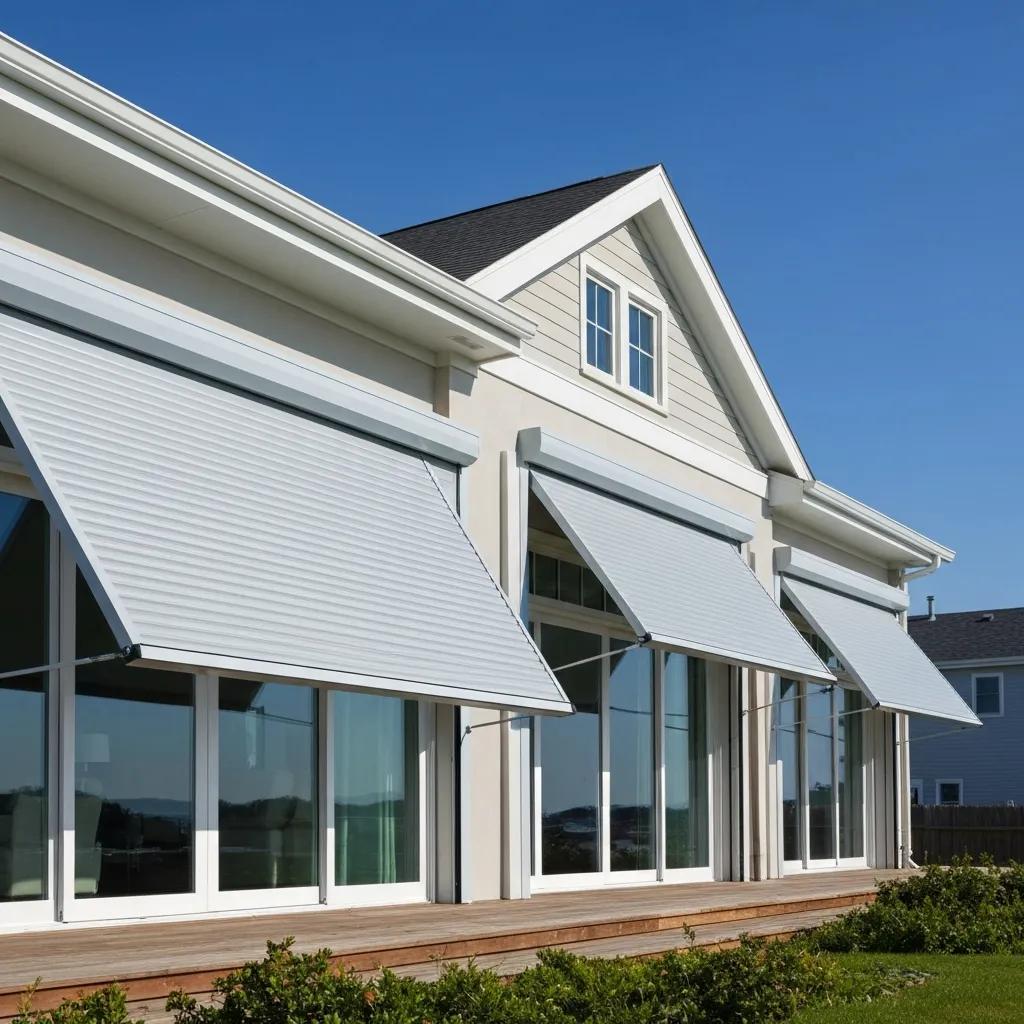
Accordion Shutters for Your Coastal NC/SC Home: Types, Benefits, Installation, Maintenance, and Cost
Accordion shutters are permanently mounted storm panels that slide sideways on tracks to cover windows and doors, forming a quick, on-site barrier against high winds and flying debris. This guide breaks down accordion shutter varieties, how they work, design trade-offs, routine care, installation expectations, and the cost factors that matter for homeowners along the North and South Carolina coast. Coastal property owners often want dependable hurricane protection that’s fast to deploy and that can also boost security and cut drafts — here we focus on practical, local considerations and compare accordion shutters to other storm-protection choices. Read on to learn how these shutters protect openings, the material and design differences that affect performance, the main pros and cons, step-by-step installation insights, simple maintenance actions to extend lifespan, and the cost drivers plus how to request a free estimate. Throughout, we use industry terms like aluminum accordion shutters, tracks, blades, locking mechanisms, and code compliance to give NC/SC homeowners a useful, actionable resource.
What Are Accordion Shutters and How Do They Protect Your Home?
Accordion shutters consist of interlocking panels mounted on fixed vertical tracks that fold or slide across an opening to create a continuous protective barrier. They protect a structure by transferring wind loads into the framing, stopping projectiles with impact-rated panels, and helping seal openings to reduce uplift and water intrusion during storms. Anchored tracks and strong locking systems let accordion shutters resist wind pressure and impact when they’re correctly rated and installed, which is why many coastal homeowners choose them for fast, on-the-spot protection. Knowing how deployment, track anchoring, and blade interlock work makes it easier to evaluate performance and inspection priorities.
If you want local guidance or a no-cost estimate, American Hurricane Shutters provides site-specific information and service for coastal North and South Carolina. Our goal here is to educate homeowners about hurricane protection options, explain practical steps, and point you toward resources—like free estimates—that help turn planning into action. The sections that follow cover protection mechanics and the material and design choices that affect usability and longevity.
How Do Accordion Shutters Work to Provide Hurricane Protection?
Accordion shutters create a continuous shield that transfers wind loads from the shutter face into the building structure via tracks and secure anchor points. Panels interlock and run in reinforced tracks so the system can resist sustained wind pressure and impacts from flying debris when it’s tested and installed to the proper ratings. Look for manufacturers‚Äô wind and impact ratings and verify them during comparisons to ensure the shutters meet coastal NC/SC exposure needs. Understanding anchoring patterns and load transfer also helps homeowners prioritize inspections and fastening checks that preserve shutter integrity through multiple storm seasons.
Speed and ease of use matter: accordion shutters slide into place quickly without removing or storing panels elsewhere, which can be a real advantage when you’re racing to secure a home before a fast-moving hurricane or tropical storm.
What Materials and Designs Are Used in Accordion Shutters?
Accordion shutters are typically made from extruded aluminum or polycarbonate, with differences in blade thickness, finish, and locking systems that affect durability, visibility, and cost. Aluminum models deliver strong corrosion resistance and low maintenance; polycarbonate versions allow more light and visibility but can be heavier and scratch more easily. Design options include compact inward or outward stacking, keyed or internal locks, and powder-coat finishes to resist coastal corrosion. Knowing these trade-offs helps you choose the shutter that best matches performance priorities and curb appeal.
Some designs prioritize low weight, others maximum impact resistance — the choice depends on material and blade profile. The table below summarizes common material and design trade-offs so homeowners can weigh durability, visibility, weight, and routine upkeep.
Material and design choices affect durability, visibility, weight, and cost.
What Are the Key Benefits and Drawbacks of Accordion Shutters for Homeowners?
Accordion shutters offer fast deployment, continuous impact resistance, and permanently mounted protection that many coastal homeowners appreciate for repeatable readiness. They can also add a layer of home security and, when sealed well, help reduce drafts. On the flip side, stacked panels are visible when not in use and there’s an upfront cost and some maintenance to plan for. Choosing accordion shutters means balancing convenience, durability, appearance, and upkeep to decide if they’re the right fit for your property. Below we list the main benefits and common drawbacks to help you assess fit quickly.
Understanding both the advantages and the trade-offs lets homeowners pick models and installation details that best manage visual impact while delivering protection.
Key homeowner benefits include:
- Rapid deployment — permanent tracks make storm prep faster and simpler than handling removable panels.
- Continuous panels — reliable impact resistance when installed to rated standards.
- Secondary gains — improved security and potential reductions in drafts that support modest energy savings.
These strengths make accordion shutters a practical choice for homes that value quick, repeatable protection. Common drawbacks to consider include:
- Visible stacked panels at the sides when not in use, which can alter curb appeal.
- Upfront cost and the likely need for professional installation to meet code and performance standards.
- Track and hardware maintenance to prevent sticking or deformation in salty coastal air.
Knowing these trade-offs lets homeowners plan mitigation steps like color-matched finishes, compact stacking configurations, or scheduled maintenance to reduce long-term downsides.
How Do Accordion Shutters Enhance Home Security and Energy Efficiency?
Accordion shutters add a physical barrier with locking hardware that deters forced entry and increases time-to-breach. When closed, shutters also reduce air infiltration and drafts, which can deliver modest energy benefits by stabilizing indoor temperatures. They also help muffle exterior noise thanks to rigid panels and close seals, improving interior comfort during storms and everyday living. Weighing these security and energy impacts alongside storm resistance gives a fuller picture of the shutters’ overall value.
These secondary benefits often complement primary hurricane protection goals and can influence material and seal choices during purchase and installation.
What Are the Common Drawbacks and Considerations When Choosing Accordion Shutters?
Appearance is the most common concern: stacked accordion shutters are visible and may not match every architectural style unless you choose color and profile carefully. Upfront cost and more complex installations on irregular openings can raise the initial investment compared with temporary panels. Tracks and locking hardware need periodic checks and maintenance to avoid corrosion or misalignment—especially important in coastal NC/SC salt-air conditions. Mitigation strategies include corrosion-resistant finishes, compact stack options, and scheduled maintenance to preserve both function and looks.
Next, we cover the hands-on installation process and what homeowners should expect from professional versus DIY approaches.
How Is the Accordion Shutter Installation Process Done and What Should You Expect?

Installation starts with precise measurements and planning, then moves to secure track mounting, accurate panel fitting, anchoring into structural members, and operation testing. Professional installers verify framing capacity, fastener placement, and local code compliance so the shutters achieve their rated wind and impact performance. Installations often require coordination for permits and inspections where needed, plus on-site testing to confirm smooth deployment and locking. Knowing these steps helps homeowners set realistic timelines and prepare the work area before installers arrive.
Typical accordion shutter installation steps:
- Measure openings precisely and assess structure for anchoring points.
- Mount vertical tracks and align panels to ensure smooth sliding engagement.
- Fasten anchors into structural members and install locking mechanisms.
- Perform operational testing, inspect seals, and make final weather-tight adjustments.
Because measurement and anchoring directly affect rated performance, many homeowners choose professional installation to reduce risk and ensure compliance.
What Are the Benefits of Professional Installation vs. DIY?
Professional installation provides precise measurement, engineered anchoring, and familiarity with code requirements — all of which help preserve product ratings and warranties. Pros make sure fasteners hit structural members, track alignment minimizes wear, and installations pass inspections. Warranties and some insurance benefits may depend on licensed installation, so hiring a qualified crew protects your investment. If you have construction experience and standard openings, DIY might be possible, but complex spans, unusual openings, or strict local codes usually call for a professional.
Hiring pros lowers the risk of voided warranties, improves inspection outcomes, and usually speeds the timeline through experienced crews who know local permitting processes.
How Do Local Building Codes in NC and SC Affect Accordion Shutter Installation?
North and South Carolina building codes affect permits, engineering checks, and the need to meet appropriate wind and impact ratings for coastal exposures—requirements that are similar in intent to Florida’s standards but have region-specific details. Installers should be prepared to document product ratings and fastening schedules for permit reviewers; homeowners should ask whether proposed shutters meet or exceed local expectations for hurricane mitigation. Code requirements can dictate anchor spacing, structural backup, and inspection points that determine approval. Confirming code knowledge during estimates prevents delays and helps ensure the shutters deliver the protection you expect.
Understanding local code implications ties installation work directly to performance outcomes and insurance considerations for coastal properties.
How Do You Maintain Accordion Shutters to Ensure Longevity and Performance?

Routine maintenance lengthens shutter life by catching corrosion, track deformation, or lock wear before issues arise during a storm. A seasonal plan typically includes rinsing salt and debris from tracks, lubricating moving parts, checking fasteners for tightness, and testing deployment and locks. Regular inspections following manufacturer or installer guidance reduce the risk of stuck panels, bent blades, or compromised seals that lower wind and impact protection. Homeowners who keep up with these checks can often avoid costly repairs and ensure shutters are ready when a storm approaches.
Maintenance checklist for accordion shutters:
- Quarterly: rinse tracks and panels to remove salt, dirt, and debris that impede movement.
- Quarterly or as recommended: lubricate sliding tracks and locking components with approved products to prevent sticking.
- Annually: inspect fasteners and anchor points for loosening or corrosion.
- Before storm season: test full deployment and locking mechanisms to confirm smooth operation.
Following a simple maintenance schedule reduces operational failures and helps preserve code-related performance characteristics over the shutter’s service life.
What Are the Essential Cleaning and Lubrication Steps for Accordion Shutters?
Start cleaning by rinsing panels and tracks with fresh water to wash away salt spray and airborne grime; use a mild detergent where needed for stubborn dirt. Lubricate moving parts—track runners and lock components—with non-silicone, corrosion-inhibiting lubricants recommended for coastal use. Avoid abrasive tools that can scratch finishes and inspect seals and gaskets during cleaning so replacements can be planned before failures happen. Seasonal cleaning and lubrication reduce friction and corrosion, keeping shutters reliable during high-wind events.
These practices directly lower wear and help maintain dependable deployment when it matters most.
How Can Regular Maintenance Prevent Common Accordion Shutter Issues?
Routine upkeep spots early corrosion, loose fasteners, and track misalignment that otherwise lead to sticking panels, increased noise, or failure to lock. Preventive maintenance reduces the chance of emergency repairs after storms and supports warranty coverage by showing ongoing care. Scheduled inspections also let homeowners plan and budget maintenance before unexpected replacement costs arise. Keeping shutters ready with routine checks is a cost-effective way to preserve long-term performance and peace of mind.
Proactive maintenance ties directly to lower lifecycle costs and sustained protection for coastal homes.
What Factors Influence Accordion Shutter Costs and How Can You Get a Free Estimate?
Price depends mainly on material choice, opening size, installation complexity, and any engineering or code-specific upgrades required for high-wind zones. Other cost drivers include blade thickness and finish, special stacking configurations for aesthetics, and the need for reinforced anchoring or header work on older homes. Exact per-opening figures vary with these variables, so use an online cost calculator for an initial range and follow up with a professional, no-cost estimate to capture site-specific conditions. American Hurricane Shutters helps NC/SC homeowners translate calculator outputs into tailored proposals and educational resources.
The table below outlines typical cost drivers and their relative impact so homeowners can see where budgets are likely to be allocated.
How Do Materials, Size, and Installation Affect Accordion Shutter Pricing?
Material sets the baseline: aluminum usually costs less up front and requires less maintenance, while polycarbonate trades off durability for better daylighting. Opening size multiplies material and labor because larger spans need more panels and sometimes reinforcement, which increases installation time. Installation complexity — custom framing, header reinforcement, or hard-to-reach locations — pushes labor costs higher and can require engineering documentation for permits. Weighing these factors helps balance upfront cost against long-term performance and maintenance expectations.
The mini table below highlights material choices and their cost/value trade-offs.
How Can You Use a Cost Calculator to Estimate Your Accordion Shutter Investment?
A cost calculator gives a preliminary budget by asking for opening dimensions, preferred shutter material, and the number of openings; it then estimates material and labor ranges to guide planning. For better accuracy, supply precise measurements, photos of openings, and notes about unique architectural details or trim that might affect installation. After you use the calculator, request a free professional estimate so an installer can validate site conditions, confirm code needs, and deliver a final, tailored proposal. Preparing measurements and photos in advance speeds the quoting process and improves initial accuracy.
Why Choose American Hurricane Shutters for Accordion Shutter Solutions in Coastal NC and SC?
American Hurricane Shutters serves homeowners and businesses across coastal North and South Carolina — including Wilmington, Myrtle Beach, Oak Island, Topsail, New Bern, and Pawleys Island — with a clear focus on education, local expertise, and reliable service. We offer free estimates, helpful resources, and installers who understand regional code expectations so you can choose accordion shutters that meet performance goals and local requirements. Our emphasis on quality, compliance, and practical ease-of-use ensures homeowners get protection that’s simple to operate and built to last in coastal conditions.
Consider these representative trust and service points when evaluating local providers:
- Free Estimates and Local Guidance: AHS provides no-cost estimates to turn calculator numbers into site-specific proposals.
- Quality and Code Compliance: We prioritize products and installations that meet or exceed local code expectations for dependable protection.
- Local Service and Follow-up: AHS offers ongoing support to help NC/SC homeowners maintain shutter performance over time.
How Does American Hurricane Shutters Ensure Quality and Code Compliance?
We match product selection and installation practices to applicable regional standards so installations achieve rated wind and impact performance. Installer training, prescribed anchoring schedules, and verification steps during installation help preserve product ratings and support permit approvals. Our quality checks include verifying measurements, confirming fastener schedules, and performing operational tests before inspection to reduce rework and inspection hiccups. These safeguards help homeowners secure installations that deliver intended hurricane protection and satisfy local building officials.
Consistent installer practices and clear documentation support both performance outcomes and homeowner confidence in long-term protection.
What Local Customer Experiences and Testimonials Support AHS’s Reputation?
Local customers often praise our responsiveness, clear estimates, and code-compliant installations that held up during storms. Case summaries highlight accurate measurement, timely scheduling, and follow-up service for maintenance or repairs, showing our commitment to long-term homeowner support. When evaluating providers, ask for regional case studies or references from nearby towns like Wilmington or Myrtle Beach to confirm fit for local building conditions. Local experience shows how shutter choices and installer practices translate into real storm readiness for coastal homes.
If you want a tailored estimate for accordion shutters based on your property, American Hurricane Shutters offers free estimates and a cost calculator to help plan your investment.
Frequently Asked Questions
What are the differences between accordion shutters and other types of storm protection?
Accordion shutters differ from roll-down and panel systems mainly in how they’re mounted and deployed. Accordion shutters are permanently installed and slide closed without storage, so deployment is quick and simple. Roll-down shutters lower from a housing and can be motorized or manual, while panel shutters must be assembled and secured before a storm. Each system has pros and cons, but accordion shutters are often chosen for ease of use and fast response when time is limited.
How do I choose the right accordion shutter for my home?
Pick shutters by weighing material, opening size, and design features against your local weather, aesthetic goals, and budget. Aluminum offers long-term durability and low upkeep; polycarbonate improves daylighting. Account for opening dimensions and any custom shapes. Consulting a qualified installer ensures the selected shutters meet local codes and provide the protection you need.
Can accordion shutters be painted or customized?
Yes — many shutters can be powder-coated or painted to match your home, but use coatings recommended for the shutter material to avoid compromising performance. Manufacturers offer color options and customization like stack orientation or different locking systems. Check with your installer so any changes don’t affect structural integrity or warranties.
What is the lifespan of accordion shutters?
Lifespan varies by material, environment, and maintenance. Properly maintained aluminum accordion shutters often last 20 years or more, while polycarbonate may age faster due to scratching or UV exposure. Regular cleaning, lubrication, and inspections extend service life. Review manufacturer warranties for additional guidance on expected longevity.
Are accordion shutters effective against all types of storms?
Accordion shutters are primarily designed for hurricane protection — they perform well against high winds and windborne debris when installed to rated specifications. They’re tested to specific wind and impact ratings that indicate performance under severe conditions. For less severe weather, they provide protection but homeowners should choose protection levels appropriate to their local risk and storm history.
How do I know if my accordion shutters are installed correctly?
Correct installation shows in smooth sliding action, secure lock engagement, and a tight seal against drafts. A professional installer will run operational tests and document compliance with local building codes. You can also follow manufacturer guidelines and perform regular inspections to confirm continued performance over time.
Conclusion
Accordion shutters deliver reliable storm protection while offering added security and potential energy benefits, making them a strong option for many coastal homeowners. By understanding material and design differences, installation expectations, and maintenance needs, you can choose shutters that match your property and budget. For customized guidance and a free estimate, contact our team — we’ll help you plan protection that meets local standards and fits your home’s needs.
