
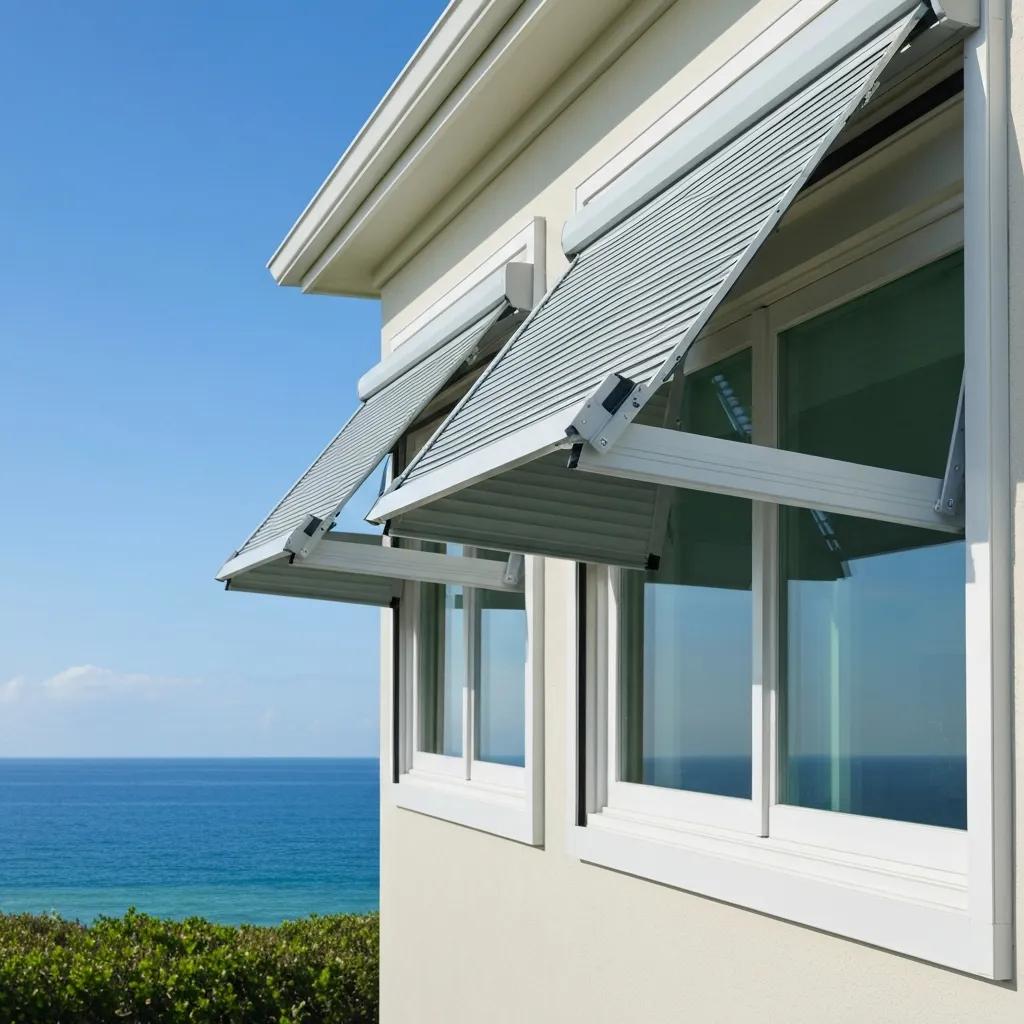
Top Customer Complaints About Accordion Shutters: Common Problems and User Insights
Accordion shutters are permanently mounted, multi-panel storm shutters that fold and lock at the sides of windows and doors to protect your home during hurricanes. This guide walks through the customer complaints we see most often, explains why those problems happen, and gives clear maintenance and repair options to keep shutters safe and working longer. You’ll learn how sticking, lock failures, misalignment, rust, and operational noise form predictable mechanical and environmental failure patterns — and what homeowners along the North and South Carolina coast can do to lower risk. We cover simple diagnostics, step-by-step cleaning and lubrication, when to call a pro, and how accordion shutters stack up against roll-downs and storm panels. Throughout we use common troubleshooting terms — tracks, slats, hinges, locking mechanisms, rollers, and end guides — so you can match symptoms to causes and act fast to protect your home.
What Are the Most Common Problems with Accordion Shutters?
Most complaints fall into five buckets: shutters sticking or not closing smoothly, locking problems, misalignment, rust/corrosion, and noise during operation. These issues usually come from debris in the tracks, lost lubrication, worn rollers or hinges, installation shortfalls, or salt-driven corrosion in coastal settings. Knowing the usual causes helps homeowners try quick DIY fixes and decide when professional service is needed. Below is a concise list of the top problems with one-line fixes for fast, featured-snippet style guidance.
Common accordion shutter problems and quick remedies:
- Track sticking or binding: remove debris and lubricate the track before use.
- Lock seizure or failure: clean and lubricate; replace worn lock parts when required.
- Slat or panel misalignment: tighten fasteners and realign guides; call a pro for structural issues.
- Rust and corrosion on hardware: remove surface rust, apply a corrosion inhibitor, and replace badly corroded parts.
- Operational noise: inspect rollers and lubricate or replace worn wheels.
The table below pairs symptoms with likely causes and gives immediate next steps so you can triage problems quickly.
Why Do Accordion Shutters Stick or Fail to Close Smoothly?
Sticking usually comes from track buildup — sand, debris, or old grease — and from worn rollers or wheels. The sequence is predictable: particles collect in the track → friction rises → panels bind or skip, and the shutter won’t close properly. Start with simple fixes: vacuum or brush the tracks, wash with mild soap and water, then use a dry silicone spray on sliding surfaces (it displaces moisture without attracting more grit). If rollers are visibly worn or the track is bent, lubrication won’t be enough — you’ll need parts replacement or professional realignment.
Along the Carolina coast, inspect tracks after heavy winds or storms — salt-laden air speeds grit build-up and can make lubricants gummy. Regular checks catch small problems before they become sticking issues. If cleaning and lubrication don’t fix the binding or panels show damage, schedule a technician to evaluate roller replacement and track straightening to avoid repeat failures.
What Causes Locking Mechanism Problems in Accordion Shutters?

Lock trouble is usually caused by corrosion inside the cylinder, debris in the keyway, striker-plate misalignment, or wear of moving parts — all of which can make keys slip or bolts fail to engage. The chain is clear: exposure to salt and humidity → pitting and corrosion inside the lock → increased friction and seizures. Reduce problems by cleaning lock recesses, using silicone-based lubricant in keyways and on moving parts, and testing lock engagement during calm conditions. For seized locks, apply penetrating lubricant carefully and work the mechanism gently; if a key breaks or corrosion is severe, the cylinder or latch will need replacement.
Reliable locks are critical for security and storm performance. If cleaning and lubrication don’t restore consistent operation, the internal parts are likely compromised or misaligned and require professional replacement of the cylinder or latch assembly.
How Do Misalignment and Rust Affect Accordion Shutter Performance?
Misalignment and rust both reduce a shutter’s ability to seal, slide, and carry wind loads. Misalignment creates binding and gaps that stop a tight seal; rust weakens hardware and increases friction or can cause sudden breakage. Together these problems degrade protective performance and can lead to dangerous failures in storms. Homeowners should understand how installation quality and coastal exposure combine to create these issues so they can plan inspections and material upgrades.
Signs of misalignment or corrosion and first-aid steps:
- Look for uneven gaps or panels that don’t seat flush — these often mean loose fasteners or bent guides.
- Check visible hardware for flaky rust, pitting, or discoloration, which signals advancing corrosion.
- Operate shutters slowly to find spots of extra resistance — those “catch” points mark compromised areas.
The next section explains common misalignment causes and when small DIY adjustments are appropriate versus when a full professional reinstallation is needed.
What Leads to Misalignment of Slats or Panels in Accordion Shutters?
Misalignment usually stems from installation errors (incorrect measurements or loose fasteners), impacts like fallen branches, or gradual loosening as tracks and hinges wear. The progression is: improper fastening or impact → panel geometry shifts → binding or gaps at closure. Homeowners can check alignment by loosening accessible fasteners, repositioning panels so they seat evenly, and retightening to the manufacturer’s torque specs. Major frame distortion or misplaced tracks, however, demands professional realignment or reinstallation. Regular post-storm inspections and timely fastener tightening prevent small shifts from becoming serious misalignment.
Fixing early misalignment stops repeated rubbing that accelerates wear and raises the chance of lock failures or broken rollers.
How Does Coastal Environment Cause Rust and Corrosion on Accordion Shutters?
Coastal air speeds oxidation because salt spray and high humidity create an electrolytic environment that corrodes metal faster than inland areas. When dissimilar metals touch — for example, steel screws against aluminum tracks — galvanic corrosion can worsen pitting. The best defenses are proper material selection and routine maintenance: use corrosion-resistant hardware like 18-8 stainless steel and wash away salt deposits on a schedule. Near the ocean, inspect fasteners, lock internals, and roller bearings more often because salt collects there first.
Applying protective coatings and swapping vulnerable parts for stainless steel components lengthens service life. Neglected corrosion, by contrast, leads to seized or fractured parts that must be professionally replaced.
What Do Real Homeowners Say About Accordion Shutter Issues?
Homeowner feedback usually balances praise for fast deployment and permanent installation against complaints about ongoing maintenance, noise, and coastal corrosion. Many owners value the quick protection accordion shutters provide but get frustrated by recurring sticking, lock problems, and visible rust — especially in coastal NC and SC. Common themes from reviews show installation quality and hardware choice strongly affect satisfaction, and engineered professional installation tends to reduce repeat complaints. These patterns help buyers weigh convenience against maintenance needs.
Here’s a short synthesis of the most frequent homeowner sentiments and what they mean for new buyers.
Which Complaints Are Most Frequently Mentioned in User Reviews?
Top complaints are sticking during operation, locks seizing, noisy sliding, and finish deterioration from rust — with higher frequency near salt air. Many reviewers note issues appearing after storms or long coastal exposure; others point to older installations that predate today’s hardware standards. Positive reviews highlight easy deployment and a solid sense of security when shutters work as intended. The takeaway: choose corrosion-resistant hardware and professional installation to reduce service needs down the road.
Quantifying complaints shows a clear relationship between environment, installation quality, and maintenance — factors homeowners can control to improve long-term satisfaction.
How Do Users Rate the Ease of Use Versus Maintenance Needs?
Most users say accordion shutters are easy to use because they deploy quickly and require no storage, but that convenience comes with a modest maintenance commitment. The trade-off is permanent readiness for a bit of upkeep: track cleaning, lock care, and periodic lubrication. Homeowners who follow a simple quarterly inspection routine report fewer surprises and longer life for their shutters; those who delay maintenance tend to see progressive sticking and wear. For many, the speed of deployment outweighs the upkeep — when the maintenance is routine, not reactive.
Adopting a scheduled maintenance plan keeps deployment simple while extending service life and lowering repair costs.
How Can Accordion Shutter Maintenance Prevent Common Problems?
Regular maintenance prevents most failures by tackling root causes: debris in tracks, loss of lubrication, loose fasteners, and early corrosion. A proactive cycle looks like this: clean tracks and slats ‚Üí lubricate rollers and locks with the right products ‚Üí inspect for corrosion ‚Üí tighten fasteners. Those steps reduce friction, stop misalignment from developing, and catch corrosion early. The table below maps components to the problems prevented and gives recommended actions and frequencies.
Practical maintenance checklist:
- Inspect tracks and brush or vacuum out debris every three months and after heavy winds.
- Spray dry silicone on sliding surfaces and lock keyways twice a year.
- Check and tighten visible fasteners and inspect rollers annually for early wear.
Keeping a predictable schedule reduces cumulative wear and the chance of sudden failure during a storm. These steps keep shutters operating smoothly and lengthen component life.
American Hurricane Shutters offers maintenance services that follow these preventive steps for homeowners in coastal North and South Carolina. Our approach emphasizes engineered hurricane protection: a Design Pressure Analysis to confirm correct hardware and ratings, and installation using 18-8 stainless steel to resist coastal corrosion. If you’d rather leave maintenance to a professional, we provide inspection and service plans tailored to these best practices.
When Should You Seek Professional Repair for Accordion Shutter Issues?
Call a professional when damage or wear goes beyond safe DIY fixes — for example: bent frames, severely corroded hardware, broken rails, major misalignment that affects sealing, or lock failures that compromise security. Rule of thumb: if cleaning, lubrication, and simple fastener tightening don’t restore normal operation, or if you see structural distortion, get a pro. Trained technicians can realign frames, replace parts, reinstall systems, and confirm shutters meet engineered protection requirements. Below are red-flag issues that indicate the need for expert help.
- Bent frame or damaged header that prevents panels from seating properly.
- Severe corrosion of fasteners or lock parts that reduces load-bearing capacity.
- Broken rails or missing structural pieces that lower wind-load resistance.
- Repeated lock failure after cleaning and lubrication, indicating internal damage.
- Major misalignment unfixable by retightening fasteners.
When these conditions exist, professional repair restores function and confirms the system meets safety and code expectations for storm protection. Technicians also document repairs and can recommend hardware upgrades to prevent recurrence.
American Hurricane Shutters provides repair services and free estimates for homeowners who need expert help. Our repair work follows engineered practices, including Design Pressure Analysis and use of 18-8 stainless steel where appropriate, to reduce the chances of repeat complaints. If you spot any red-flag issues, scheduling an inspection and estimate helps prioritize safety and avoid piecemeal fixes.
What Problems Require Expert Accordion Shutter Repair Services?
Expert repair is necessary for damage that affects structural integrity or the shutters’ ability to protect in a storm — examples include bent frames, shear fractures in tracks, integrated rollers broken inside a panel, and heavy corrosion that threatens fastener retention. Pros will replace damaged rails, realign or refit frames, install new stainless fasteners, and swap internal lock components to restore performance. Costs depend on parts, labor, and scope; a professional inspection provides a firm estimate. Attempting major structural repairs without the right tools and anchors can be unsafe and may void warranties.
When professionals step in, they restore mechanical function and structural safety so the shutters perform to their design loads rather than offering a false sense of security.
How Can Professional Installation Prevent Future Complaints?
Professional installation prevents many recurring issues by ensuring accurate measurements, correct anchor selection, precise track alignment, and specification of corrosion-resistant hardware. The engineered workflow — measurement → Design Pressure Analysis → correct materials → precise installation — minimizes misalignment, binding, and early corrosion. Installers also set correct torque on fasteners and verify striker plates and locks align precisely, eliminating common causes of lock failure and mis-seating panels. Professionally installed systems mean fewer service calls and higher homeowner satisfaction because installation and environmental factors are addressed up front.
Investing in engineered installation and quality materials reduces user-reported issues and lowers long-term maintenance needs, delivering a more reliable hurricane protection solution.
How Do Accordion Shutters Compare to Other Hurricane Protection Options?
Accordion shutters compete with roll-down shutters, storm panels, Bahama/colonial shutters, and hurricane screens on factors like deployment speed, cost, appearance, maintenance, and durability. Accordions are permanently mounted and ready to deploy quickly with no storage; roll-downs can be motorized for automation and tighter seals but have different maintenance needs; storm panels cost less up front but require manual handling and storage. Comparing these options helps homeowners prioritize what matters most — speed, automation, cost, or low visible hardware — so they can choose the best fit.
The table below outlines pros and cons to guide homeowner decisions.
This comparison shows accordion shutters excel at speed and permanence but need periodic track and hardware maintenance; roll-downs favor automation and sealing with a different upkeep profile.
What Are the Pros and Cons of Accordion Shutters Versus Roll-Down or Panel Shutters?
Accordion shutters are valued for instant deployment and no storage hassle, making them a good choice for homeowners who want quick protection. Downsides are track upkeep and possible sticking or noise if not maintained. Roll-down shutters reduce manual effort and can seal tightly but rely on motors or drives that need servicing. Storm panels are economical initially but shift the labor to the homeowner and require storage space. The right system depends on priorities: rapid readiness and permanence versus automation, upfront cost, or minimal visible hardware.
Across all options, installation quality and maintenance shape long-term satisfaction, so consider both when choosing.
What Are the Common Disadvantages of Accordion Shutters Reported by Users?
Common negatives include the maintenance commitment, occasional operational noise, visible track appearance, and susceptibility to rust in coastal settings. These are not unavoidable flaws — they result from exposure and choices like hardware material and installation — and can be reduced through stainless fasteners, routine care, and professional installation. All shutter types have trade-offs; for many homeowners, accordion shutters strike the right balance of convenience, cost, and protection when owners follow the maintenance steps we recommend.
Choosing corrosion-resistant parts and keeping a regular maintenance schedule cuts the frequency and severity of these complaints and improves long-term satisfaction.
American Hurricane Shutters provides engineered hurricane protection and supports homeowners evaluating shutter types or needing maintenance and repair in coastal North and South Carolina. Our focus on Design Pressure Analysis and 18-8 stainless steel hardware addresses common failure modes — misalignment, corrosion, and wear — so homeowners can reduce complaints and extend service life through proper specification and service.
Top Customer Complaints About Accordion Shutters: Common Problems and User Insights
In short, most accordion shutter complaints are preventable with targeted maintenance, correct material choices, and professional help when damage goes beyond DIY. Along the Carolina coast, proactively addressing salt-related corrosion, using corrosion-resistant hardware, and scheduling periodic inspections separates recurring service calls from reliable long-term performance. If you’d like a professional assessment, American Hurricane Shutters offers inspections, maintenance, and repairs based on engineered protection standards — and we provide free estimates for homeowners considering service or upgrades.
Hurricane Shutter Injuries: Emergency Department Data
This review looked at emergency department visits tied to hurricane shutter use. Between 2001 and 2017, there were 329 reported shutter-related injuries. Spikes occurred after major events — 36 injuries in October 2005 (Hurricane Wilma), 30 in August 2008 (Tropical Storm Fay), and 103 in September 2017 (Hurricane Irma). The data underscore the risks of handling shutters during preparations and the value of safe installation and professional assistance when needed.
Frequently Asked Questions
What maintenance tasks are essential for accordion shutters?
Keep tracks clean, lubricate moving parts, and inspect hardware for corrosion. We recommend brushing or vacuuming tracks quarterly and after storms, spraying silicone in lock keyways twice a year, and tightening visible fasteners every six months. Those simple steps prevent sticking, misalignment, and lock failures and keep your shutters ready when a storm approaches.
How can I tell if my accordion shutters need professional repair?
Look for bent frames, heavy corrosion, broken rollers, repeated lock failures, or misalignment that cleaning and lubrication won’t fix. If the shutters won’t operate smoothly or can’t seal properly, it’s time to call a pro. A technician will assess structural integrity and perform repairs to ensure your system meets safety standards.
What are the benefits of using corrosion-resistant materials for accordion shutters?
Corrosion-resistant materials like 18-8 stainless steel significantly extend shutter life in coastal environments. They resist rust from salt spray and humidity, cut maintenance needs, and reduce the chance of failure during storms. Investing in stainless hardware lowers repair costs and boosts reliability over time.
How do accordion shutters compare to other hurricane protection options in terms of cost?
Accordion shutters usually cost more than storm panels up front but avoid the hassle of storage and manual installation. Roll-down shutters can cost more still if motorized, but they add automation and tighter sealing. Evaluate long-term value by comparing initial price, expected maintenance, and the level of protection you need.
What should I do if my accordion shutters are making noise during operation?
Noises usually point to rollers or tracks. Inspect rollers for wear and lubricate them with the right product. Clear any track debris and check for misalignment that may cause binding. If the noise continues after these checks, schedule a professional assessment.
Can I install accordion shutters myself, or should I hire a professional?
Some homeowners install shutters themselves, but professional installation is recommended for best results. Pros provide exact measurements, proper anchor choices, and corrosion-resistant hardware — all critical for storm performance. If you’re not experienced with these installs, investing in professional service is the safer choice.
What are the signs that my accordion shutters are misaligned?
Watch for uneven gaps, difficulty opening or closing, and visible binding. If shutters don’t seat flush or you see gaps when closed, those are signs of misalignment. Check after storms and make minor adjustments if possible, but call a pro for serious or persistent misalignment.
<!– /