
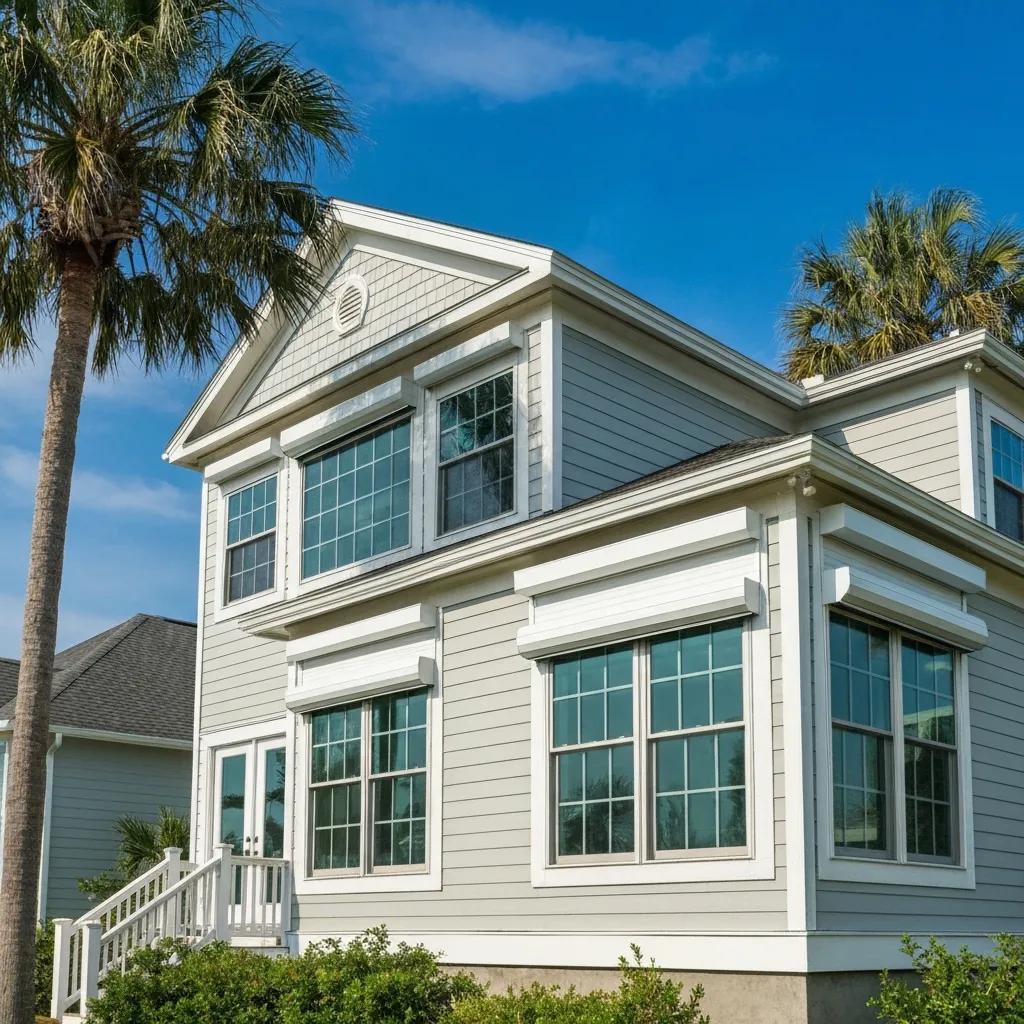
Roll Down Hurricane Shutters vs. Impact-Resistant Windows: Which Offers Superior Storm Protection for Coastal Carolinas?
Homes along the Coastal Carolinas face regular hurricane threats, and choosing the right protection often comes down to two paths: deployable roll down hurricane shutters or permanently installed impact-resistant windows. This guide breaks down how each system works, how they handle wind and flying debris, and how cost, upkeep, energy performance, and local code considerations influence the best option for properties in Coastal North Carolina and Coastal South Carolina. You’ll get clear comparisons of materials and mechanics, side-by-side cost and value context, and a practical decision framework for doors, large glass walls, and high-use living spaces. We also weave in regional tips for Wilmington, Myrtle Beach, Oak Island, Topsail, New Bern, and Pawleys Island so you can apply the trade-offs to your home with confidence.
What Are Roll Down Hurricane Shutters and Their Key Benefits?
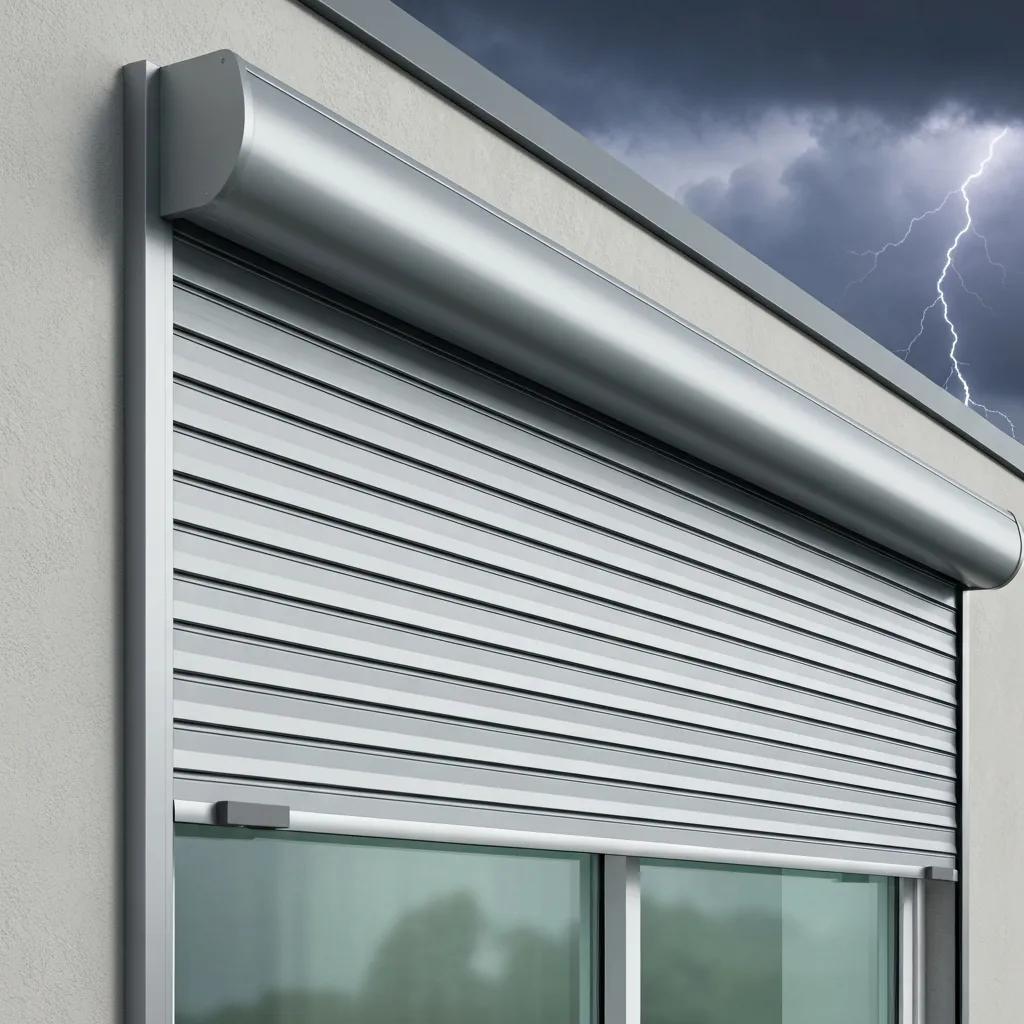
Roll down hurricane shutters are exterior, vertically operated barriers that close over windows and doors. They use interlocking slats or solid panels and lock at the top and bottom so impact and uplift forces transfer into the home’s anchoring points. Systems can be manual or motorized, and common materials include extruded aluminum for strength and clear polycarbonate when owners want daylight with the shutters down. When deployed, these shutters provide strong physical protection, added privacy, and reduced storm damage risk—often with insurance benefits when installed to code. Trade-offs include the need to close them before a storm, possible backup power for motorized drives, and a change in appearance when they’re down. They’re especially practical for large patio doors and retrofit projects where replacing glazing would be costly. The next section explains how shutters resist impact and what choosing materials and operation types means for durability and ease of use.
Roll down shutters deliver several practical advantages for coastal homes:
- Storm Impact Resistance: Interlocking slats and anchored guides block windborne debris and move loads into the structure.
- Fast Deployment Options: Motorized systems speed closure and reduce physical effort versus manual units.
- Material Flexibility: Aluminum offers corrosion resistance and stiffness; polycarbonate lets light through when closed.
- Insurance & Value: Properly installed, code-compliant shutters can lower risk and qualify for insurance savings.
Those benefits make roll down shutters a strong choice for large openings; the subsection below walks through the mechanics that make them effective.
How Do Roll Down Shutters Provide Storm Protection and Security?
Shutters form a continuous barrier by combining a rigid slat profile with secure top-and-bottom locking and reinforced vertical guides. On impact, forces move through interlocking slats into the guides and then into the mounting points on the home, which limits deformation and prevents window breach. Motorized drives reduce the chance of human error by closing shutters quickly; manual units remain a reliable, power-independent option. Both types depend on tested anchors and, for motorized systems, a backup-power plan. Beyond storm defense, locked shutters are an effective deterrent against opportunistic forced entry. Knowing these mechanics helps you match materials and operation styles to your home’s exposure and daily routines.
What Materials and Operation Types Are Available for Roll Down Shutters?
Roll down shutters are commonly offered in extruded aluminum for strength and long-term corrosion resistance, or in clear polycarbonate panels when daytime light is desired while protected. Aluminum slats are lightweight, stiff, and take repeated impacts well; polycarbonate passes light but can scratch and must be thicker to equal aluminum’s strength—finish and corrosion protection matter near the coast. Operation choices include manual crank or strap systems, direct-drive motorized units, and motorized drives with battery backup; motorization is a frequent choice for second-story or very large openings. Maintenance is straightforward—periodic guide lubrication and anchor checks—and expected service life varies with material and coastal conditions. Choosing the right package depends on how often you’ll deploy the system and the exposure your home faces. Next, we’ll look at impact-resistant windows and how they offer continuous protection.
What Are Impact-Resistant Windows and Their Advantages?
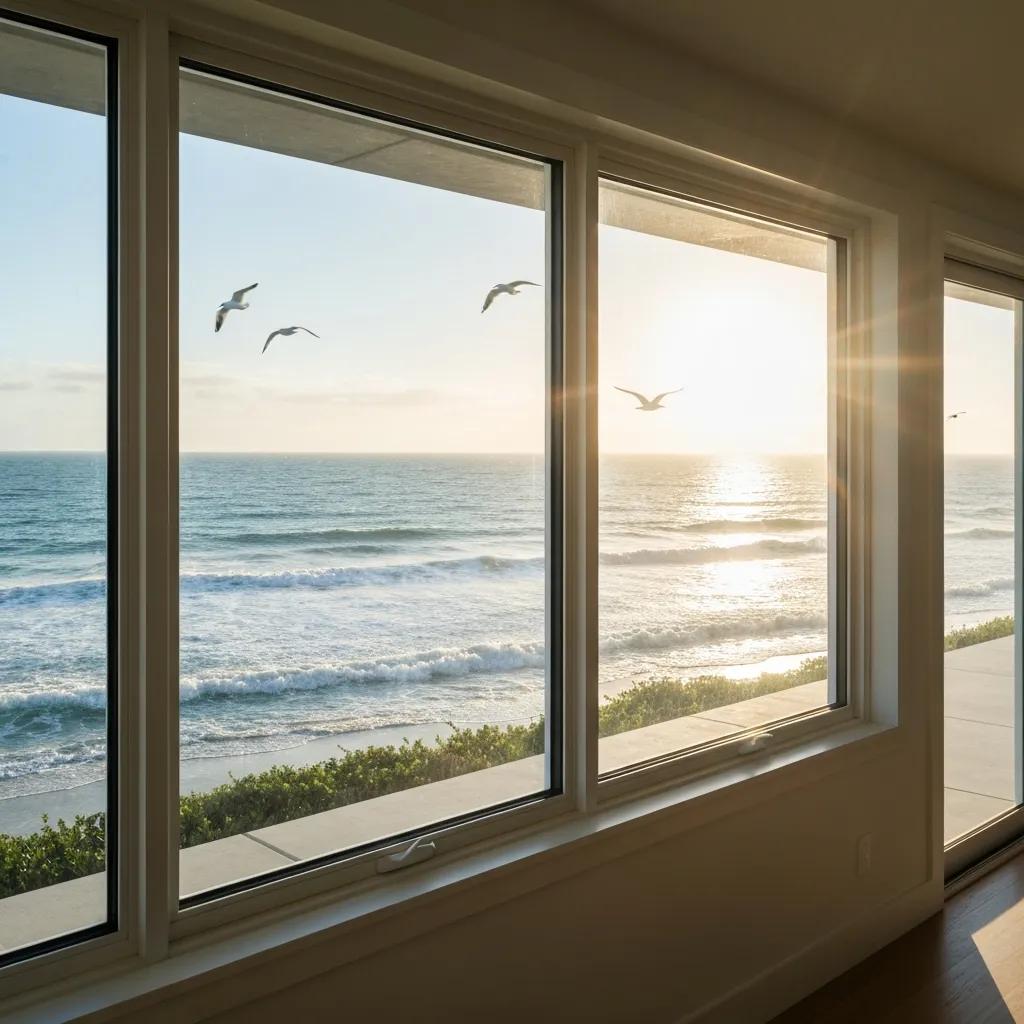
Impact-resistant windows are permanently glazed systems that use laminated glass and reinforced framing so the unit resists penetration and stays intact under wind loads. Laminated glass sandwiches a tough interlayer between panes so that, if struck, fragments stick together and the assembly remains a weatherproof barrier; reinforced frames and secure attachment prevent racking and uplift. Advantages include round-the-clock protection, better energy performance with insulated units and Low-E coatings, noise reduction, and curb appeal because the protection is invisible when the system is idle. The trade-offs are higher upfront cost per opening and more complex replacement if the glazing is damaged. Understanding laminated glass behavior explains why impact windows deliver continuous defense and how energy and insurance benefits can help justify the initial expense. The next subsections explain the glass mechanics and how efficiency and insurance can offset costs.
Impact windows bring these benefits at a glance:
- Continuous Protection: An always-on barrier against wind and debris without any action required.
- Energy & Comfort: Insulated glazing and Low-E coatings reduce heat gain, easing cooling loads in hot coastal climates.
- Noise & UV Reduction: Laminated glass lowers exterior noise and blocks harmful UV, protecting interiors.
- Curb Appeal & Value: Integrated protection preserves sightlines and often improves resale appeal without visible hardware.
Those advantages set up the technical look at laminated glass performance below.
How Does Laminated Glass Technology Enhance Impact Window Protection?
Laminated glass bonds two or more panes with a resilient interlayer that keeps fragments together on impact, preventing dangerous shattering and preserving a sealed barrier against wind and rain. In a strike, the outer lite absorbs energy while the interlayer distributes forces and helps prevent a complete breach; the remaining intact assembly reduces internal pressure surges and limits water intrusion. Frame reinforcement—stronger sills, anchors, and proper attachment—ensures the system resists deformation and performs to its tested wind-pressure rating. Because the glazing stays in place after impact, the building envelope retains more integrity, which is why laminated systems are specified in high-wind zones. Understanding interlayer behavior also helps homeowners weigh long-term durability and replacement complexity versus deployable options.
What Are the Energy Efficiency and Insurance Benefits of Impact Windows?
Impact windows typically pair laminated glazing with insulated frames and Low-E coatings to reduce solar heat gain, lowering cooling energy use in coastal climates and improving indoor comfort. They also cut noise transmission and block UV, protecting furniture and fabrics. These continuous performance characteristics are measurable in U-factor and SHGC ratings and are often recognized by insurers: properly documented, impact-rated systems installed to code can qualify for premium discounts. Over time, energy savings, quieter interiors, and insurance credits can offset some of the higher upfront cost. The following section compares cost and value for both approaches so you can weigh those trade-offs directly.
How Do Roll Down Hurricane Shutters and Impact Windows Compare on Cost and Value?
To compare cost and long-term value, separate upfront installation costs from lifecycle benefits like maintenance, energy savings, and insurance impacts. Roll down shutters usually have a lower upfront cost per protected square foot—especially when covering many or very large openings—while impact windows have higher per-unit costs but offer continuous protection and potential energy savings. Long-term value depends on how often you’ll deploy shutters, the number and size of openings, aesthetic preferences, and available insurance incentives. In many retrofit cases, shutters are the cost-effective way to secure large sliding doors and multi-panel walls where impact glazing would be impractical or prohibitively expensive. The table below highlights the financial and functional drivers to help homeowners compare trade-offs in practical terms.
What Are the Upfront and Long-Term Costs of Shutters vs. Impact Windows?
Roll down shutter costs include the unit, mounting and reinforcement labor, and optional motorized drive kits; motorization increases the initial investment but improves speed and convenience. Impact windows usually require replacing glass and sometimes frames, which raises labor complexity and per-opening cost—repairing a damaged shutter is often cheaper than replacing damaged impact glazing. Over time, shutters need mechanical maintenance and periodic motor servicing, while windows typically need less frequent upkeep but may require seal or frame repairs and glazing replacement if compromised. Break-even scenarios hinge on the number of protected openings, storm frequency, and insurance credits—shutters often win for large expanses or tight retrofit budgets, while impact windows can pay off where energy savings and always-on protection are priorities.
How Do These Options Affect Property Value and Insurance Premiums?
Impact windows often add resale value because protection is integrated and improves year-round comfort and curb appeal—features coastal buyers commonly seek. Shutters can also boost value when installed to code and properly documented, particularly on properties where visible storm hardening is desirable or where large openings would otherwise be vulnerable. For insurance, both systems can qualify homeowners for premium reductions when installations meet insurer and code requirements; the size of discounts varies, so keep installation certificates and product ratings handy for insurers and appraisers. That documentation helps translate upgrades into measurable financial and protection benefits.
Which Option Offers Better Protection, Convenience, and Aesthetics?
Which solution is “better” depends on whether you value continuous protection, low visual impact, or a deployable heavy-duty barrier. Impact windows give always-on protection with no visible hardware and preserve daylight and views. Roll down shutters provide a clear physical barrier when closed and can be more robust for repeated heavy impacts on very large openings. Convenience favors impact windows—no action needed—though motorized shutters with battery backup narrow that gap at additional cost and upkeep. Aesthetically, impact glazing keeps the home’s look intact, while shutters offer color and trim options but change the exterior when deployed. Often the right answer is a practical mix: unobtrusive, always-on protection where you live and shutters for expansive or costly-to-replace openings. The sections below compare storm/security performance and operational/visual trade-offs in more detail.
- Impact windows: always-on protection, low visual impact, energy and noise advantages.
- Roll down shutters: very strong physical barrier when deployed, material options including clear panels, motorization for convenience.
- Hybrid approaches: combine both solutions to protect living areas and cover large openings cost-effectively.
How Do Shutters and Impact Windows Differ in Storm and Forced Entry Protection?
Impact windows resist flying debris without homeowner action and help maintain the building envelope during storms, reducing water and wind intrusion. Roll down shutters can provide a stronger physical barrier against forced entry because of thick slats and multi-point locking, and for very large openings shutters may be more practical than impact glazing. In long-duration pressure events, well-anchored shutters distribute loads effectively, while impact windows still preserve interior conditions immediately after impact. For security, shutters that lock at several points are a strong deterrent, whereas laminated glazing resists penetration but may require reinforced frames to match shutter-level forced-entry resistance. Understanding how each system behaves under debris strike and attempted entry will guide whether you need always-on protection or deployable robustness.
What Are the Differences in Ease of Use, Maintenance, and Visual Appeal?
Impact windows are simplest to live with—no action required when weather turns—but motorized shutters with battery backup can approach that convenience at a higher cost and with occasional servicing. Maintenance for impact windows centers on seals and frames and is typically low-frequency; for shutters, expect periodic guide lubrication, slat inspection, and motor service where applicable. Visually, impact windows preserve sightlines and daylight, while shutters alter curb appearance when closed but can be color-matched and neatly housed when retracted. The choice balances how much daily convenience and uninterrupted daylight matter against whether periodic deployment and mechanical upkeep are acceptable for the protection level you want. The next section gives a step-by-step framework tuned to Coastal Carolinas.
How to Choose the Right Hurricane Protection Solution for Your Coastal Carolina Home?
Make the decision by assessing opening types, frequency of use, budget, local code and insurer rules, and aesthetic priorities. Start by cataloging openings—small bedroom windows differ from multi-panel living-room walls and sliding doors—and prioritize upgrades where continuous protection or quick deployability matters most. Include upfront installation, expected maintenance, energy savings potential, and likely insurance credits in your budget analysis. Many homeowners settle on hybrid strategies: impact windows for day-to-day living areas and shutters for large or seldom-used openings. Local building codes and insurer requirements determine approved products and documentation needed to secure discounts, so work with a local installer to confirm product ratings and installation methods that meet Coastal North Carolina and Coastal South Carolina standards. Use the checklist below to make a methodical, regionally informed choice.
- Inventory Openings: List all windows and doors by size and how often they’re used.
- Identify Priorities: Rank continuous protection, energy savings, aesthetics, and budget.
- Match Solutions: Use impact windows in everyday spaces and shutters for large or rarely accessed openings.
- Verify Code & Insurance: Confirm local approval, documentation requirements, and possible premium credits.
What Local Building Codes and Regional Weather Factors Affect Your Choice?
Local codes and design wind speeds in Coastal North Carolina and Coastal South Carolina dictate product ratings and attachment methods; products meeting recognized coastal standards are required for permitted installations and insurance recognition. Storm surge zones, exposure category, and expected wind pressure determine when enhanced structural attachment criteria apply, and installers typically document compliance with product certification and inspection records. Coastal salt air raises corrosion concerns, so choose materials and finishes suited for maritime environments and confirm anchors and fasteners are appropriate. Early permitting and code consultation will save time and money during retrofit projects and help avoid installation delays.
Can a Hybrid Approach Combining Shutters and Impact Windows Be Beneficial?
Yes—hybrids are often the most practical solution. Impact windows are ideal for bedrooms, living rooms, and frequently used areas where continuous protection and energy savings matter most, while roll down shutters are cost-effective for large patio doors, glass walls, or irregular openings where glazing replacement is expensive. A hybrid plan reduces upfront capital needs by using shutters where glazing would be costly, while preserving interior comfort and resale appeal with impact windows in primary rooms. Coordinate installers to ensure compatible anchoring, consistent finishes, and a single permitting path—this teamwork delivers tailored protection and measurable insurance and energy benefits. The final section answers common buyer questions to help finalize your decision.
If you’re looking for local expertise, American Hurricane Shutters offers a wide product lineup—Accordion Shutters, Rolldown Shutters, Colonial Shutters, Bahama Shutters, Hurricane Screens, Clear and Aluminum Panels, and Flat Polycarbonate (Lexan)—and provides free estimates and consultations to help homeowners choose the right protection. We aim to educate homeowners about hurricane options, generate leads through no-cost estimates, and support existing customers with information and installation services.
What Are the Most Common Questions About Roll Down Shutters vs. Impact Windows?
Homeowners often ask which option is “better” for continuous protection, how energy and noise performance compare, and which delivers the best long-term value. Short, practical answers: impact windows offer always-on protection plus superior year-round insulation and noise control; roll down shutters deliver a stronger deployable barrier for large openings at a lower upfront cost per protected area. Hybrid setups commonly resolve these trade-offs by assigning impact glazing to living areas and shutters to large or special-case openings. The brief answers below summarize common concerns and point to next steps like cost modeling and local product verification.
Are Roll Down Shutters or Impact Windows Better for Continuous Storm Protection?
Impact windows are the better choice for continuous protection because they require no action and preserve the building envelope during wind events, offering immediate defense against debris and wind-driven rain. Roll down shutters, however, provide a higher physical barrier once closed and can be preferable for very large openings or retrofits where installing impact glazing is impractical or cost-prohibitive. If you prioritize always-on protection and uninterrupted views, impact windows are the natural pick; if you need robust, deployable protection for expansive glazing or prefer motorized closure, roll down shutters are a strong option. Often the smart move is to evaluate each opening and consider a hybrid plan for the best of both worlds.
How Do Energy Efficiency and Noise Reduction Compare Between These Options?
Impact windows typically outperform deployed shutters for continuous energy efficiency and noise reduction because laminated insulated glazing and Low-E coatings reduce heat transfer and sound year-round. Shutters can improve insulation and acoustics when closed, but only during deployment—they don’t provide the constant thermal performance of insulated impact glazing. For homeowners focused on lower cooling bills and consistent comfort, impact windows usually offer measurable energy advantages; shutters maximize protection during storms and can supplement glazing performance when closed. Combining impact glazing in primary living spaces with shutters on large openings is a common, cost-effective strategy.
We provide free estimates and consultations to help homeowners understand options and make confident choices.
American Hurricane Shutters serves Coastal North Carolina and Coastal South Carolina communities including Wilmington, Myrtle Beach, Oak Island, Topsail, New Bern, and Pawleys Island. We offer free estimates and consultations to evaluate openings, confirm code compliance, and recommend the best mix of products for your home. Our services include professional installation and motorized roll down shutter systems where desired, and our product range supports hybrid strategies that balance budget and performance. We’re here to educate homeowners, provide accurate estimates, and deliver dependable service.
Frequently Asked Questions
1. What factors should I consider when choosing between roll down shutters and impact-resistant windows?
Consider opening size and type, frequency of use, budget, and local building codes. Decide whether continuous protection or deployable barriers are a higher priority, and factor in aesthetics, energy efficiency, and insurance incentives. A hybrid approach often delivers the best balance—impact windows where you live and shutters for large or seldom-used openings.
2. How do local building codes influence the installation of hurricane protection systems?
Local codes set performance standards for wind resistance and structural attachment. In the Coastal Carolinas, these rules reflect regional weather and storm surge risks. To secure permits and insurance discounts, choose products that meet or exceed those standards and work with installers who document compliance and walk you through required inspections.
3. Can roll down shutters and impact windows be combined effectively?
Yes. A combined approach lets you keep impact windows in everyday living spaces for continuous protection and energy savings while using roll down shutters on large or irregular openings to control costs and maximize coverage. Proper coordination between installers ensures anchors, finishes, and permits align smoothly.
4. What maintenance is required for roll down shutters and impact-resistant windows?
Shutters need periodic guide lubrication, slat inspections, and motor servicing for motorized units. Impact windows require less frequent attention—mainly seal and frame checks—but replacing damaged glazing can be more involved. Regular pre-storm inspections for either system help ensure they perform when needed.
5. How do insurance premiums differ between roll down shutters and impact windows?
Both systems can qualify homeowners for insurance discounts when installed to code and properly documented. Impact windows may offer larger long-term savings because of continuous protection and energy benefits, while shutters can provide immediate cost-effective coverage for large openings. Talk to your insurer and keep installation certificates and product ratings to support premium reductions.
6. What are the aesthetic considerations when choosing between these options?
Impact windows preserve sightlines and daylight and require no visible hardware. Roll down shutters can be color-matched and styled but alter the home’s appearance when deployed. Consider how each option complements your home’s architecture and whether visible protection affects curb appeal.
7. Are there any energy efficiency benefits associated with impact-resistant windows?
Yes. Impact windows often feature insulated glazing and Low-E coatings that reduce heat transfer, lowering cooling costs in hot coastal climates. Laminated glass also reduces noise and blocks UV rays, improving year-round comfort and protecting interiors—benefits that can offset higher upfront costs over time.
Conclusion
Choosing between roll down hurricane shutters and impact-resistant windows comes down to your home’s openings, how you use them, and what trade-offs you’ll accept between convenience, cost, and visual impact. Shutters offer a powerful, deployable barrier for large openings and retrofits; impact windows provide constant protection, comfort, and curb appeal. Many homeowners find a hybrid approach delivers the best balance. For tailored advice and a no-cost consultation on what’s right for your house, contact us today.
