
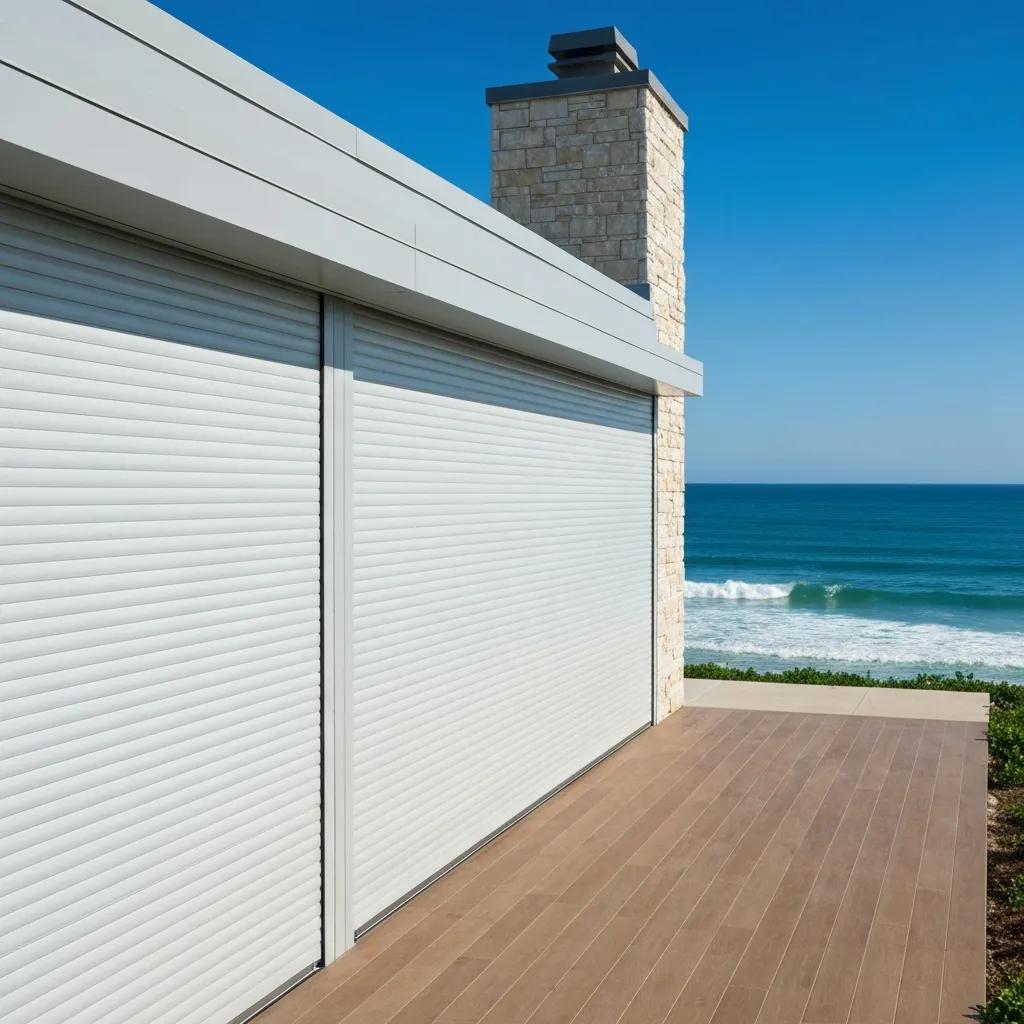
Roll Down Hurricane Shutter Styles Explained: Types, Benefits, Costs, and Installation Guide
Roll down hurricane shutters are retractable window and door protection systems that unroll from a housing above an opening to form a continuous barrier against high winds and flying debris. Interlocking slats run in vertical guides so the curtain resists uplift and impact; manual units use a crank or strap, while motorized systems run on an electric drive with manual override or battery backup. This guide explains how roll down shutters operate, compares manual and motorized options and common materials, and shows why they’re a strong choice for homeowners who want storm protection, added security, and potential energy savings. You’ll find typical cost drivers, an overview of installation and maintenance, and a comparison with other styles like accordion, Bahama, and colonial shutters. There’s also a practical buying checklist for Coastal Carolina homes and clear next steps for getting an accurate price or a free on-site consultation. Keywords such as hurricane shutter types, roll down shutter installation guide, manual roll down shutters, motorized roll down shutters, and roll down shutter cost per square foot are woven throughout to help homeowners in Wilmington, Myrtle Beach, Oak Island and nearby communities evaluate their options.
What Are the Different Types of Roll Down Hurricane Shutters?
Roll down hurricane shutters are grouped by how they deploy and the materials used: manual roll downs that operate with a strap or crank; motorized roll downs with electric drives and backup options; and material variations—aluminum, polycarbonate, and insulated profiles—that affect strength and thermal performance. All use the same basic parts—slats, a roll box (housing), guide rails, and end locks—but they differ in actuation, weight, and wind/impact capability. Knowing these categories helps homeowners pair performance needs with budget and site conditions. Below is a short list of the main roll down styles to orient your decision before the detailed comparison table.
- Manual roll down shutters: cost-conscious, simple retractable systems operated by strap or crank.
- Motorized roll down shutters: electrically driven units with remote or app control and battery/manual overrides.
- Material-specific variants: aluminum for corrosion resistance, polycarbonate for clear impact protection, and insulated slats for improved thermal performance.
This quick list sets up the tradeoffs—convenience, cost, and coastal durability—that the comparison table breaks down next.
Deployment method and material choice create distinct performance profiles for wind resistance, deployment speed, and maintenance. The table below compares common roll down types by deployment method, typical wind rating, approximate installed cost per square foot, and key pros and cons to help you compare options side-by-side.
That comparison shows how actuator type and material shift the balance between convenience, price, and performance. The sections that follow explain manual and motorized systems in practical terms so you can match a product to your home.
How Do Manual Roll Down Shutters Work and What Are Their Advantages?
Manual roll down shutters use a crank or heavy-duty strap to lower and raise a slatted curtain from its housing. Guide rails on either side keep the curtain aligned and transfer loads to the structure; end locks or latches secure the bottom bar once lowered. Manual units are mechanically simple—fewer electronics mean fewer failure points and often lower initial and repair costs. For many coastal homeowners looking for reliable storm protection on a budget, manual roll downs deliver rated wind and impact resistance and don’t rely on electric power to function. The tradeoff is physical effort and time to deploy, but that same simplicity can be an advantage during power outages.
Their minimal electronics also make maintenance more straightforward and reduce long-term service needs compared with motorized alternatives.
What Features Do Motorized Roll Down Shutters Offer?

Motorized roll down shutters hide a drive motor in the roll box so the curtain raises and lowers at the push of a button—via remote, wall switch, or app. Good systems include programmable limits, soft-stop to protect slats, safety sensors, and options for smart-home integration and automated deployment during weather alerts. Most motors offer manual override or battery backup so you can operate shutters during outages. Motorized shutters speed deployment for large, multi-window facades and reduce the need for multiple people to close openings. The downside is higher upfront cost and electrical work, but many homeowners accept that premium for convenience and faster, safer operation. When choosing a motor, prioritize models with manual override and battery backup to ensure reliability when power is out.
The convenience and automation features of motorized shutters often justify their price for homeowners who value quick response and hands-free operation.
What Are the Key Benefits of Roll Down Hurricane Shutters?

Roll down shutters primarily protect openings from wind and flying debris, and they also deliver security, energy savings, and noise reduction. When closed, they form a continuous, anchored barrier that resists uplift and penetration—reducing the need for temporary boarding. Properly specified systems deter burglary, limit solar heat gain to reduce cooling loads, and help dampen exterior noise by adding mass and sealing gaps. For Coastal Carolina homeowners considering long-term value, these everyday benefits often offset part of the initial investment through comfort, lower energy use, and stronger property protection.
Key, measurable benefits that influence buying decisions and insurance considerations include:
- Storm protection and impact resistance: lowers the risk of window failure during hurricanes.
- Security and intrusion deterrence: creates a physical barrier that discourages forced entry.
- Energy savings and UV protection: reduces solar heat gain and shields interior finishes from fading.
- Noise reduction and privacy: improves acoustic insulation and increases privacy when closed.
These advantages interact—for example, less solar gain reduces HVAC demand while the same sealed assembly increases security and storm resilience. The table below summarizes how each benefit works and where you’ll typically see measurable impact.
This breakdown shows that roll down shutters deliver value across multiple areas—storm hardening plus everyday comfort and cost savings. Use these benefits to prioritize features like insulation, motorization, or material choice when specifying your system.
How Do Roll Down Shutters Provide Superior Storm Protection and Security?
Roll down shutters protect by creating a continuous, anchored curtain that transfers wind loads into the building’s framing through guide rails and secure end locks. Interlocking slats resist impact and reduce inward pressure on glass. Performance depends on slat profile, anchoring, and certified wind and impact ratings; choosing shutters with verified ratings and following proper installation practices ensures the system performs during extreme events. The same mechanical strength that resists storms also delays or deters forced entry—making shutters both a storm and security solution. For homeowners, matching shutter ratings to local wind speeds and ensuring professional installation are essential to realize both protection functions.
A clear specification—aligned to local exposure and codes—ensures shutters perform as intended during storms and everyday use.
In What Ways Do Roll Down Shutters Improve Energy Efficiency and Noise Reduction?
Roll down shutters reduce solar heat gain by shading glass, and insulated slat profiles add thermal resistance that lowers conductive heat transfer—resulting in smaller peak cooling loads and potential energy savings. Closed shutters also add mass and seals that dampen airborne sound, which helps homes near busy roads or active coastlines. Material choice affects thermal and acoustic performance: insulated aluminum combines reflectivity with a thermal core, while polycarbonate gives impact protection with different thermal properties unless specially engineered. If year-round comfort is a priority, an insulated roll down profile can lower energy bills and reduce interior noise, turning the shutters into both a protective and livability upgrade.
These performance factors feed directly into cost and lifecycle decisions covered in the next section.
How Much Do Roll Down Hurricane Shutters Cost?
Installed costs for roll down hurricane shutters vary by material, motorization, opening size, and installation complexity. Industry ranges generally fall between $25 and $125 per square foot installed. Major cost drivers include slat material, whether the system is manual or motorized, structural attachment requirements, custom fabrication, and any electrical work for motorized drives.
Knowing these drivers helps homeowners set realistic budgets and prioritize which features deliver the most value. The table below summarizes primary cost drivers, their attributes, and typical price impact so you can see which factors most affect final installed cost.
Material and motorization are often the largest cost factors, while site conditions and labor complexity add variability that only an on-site review can pin down. The following subsections explain these factors and how to get a more precise price using our cost calculator or a free estimate.
What Factors Influence the Cost of Roll Down Shutters?
Material (aluminum, polycarbonate, insulated slats), actuator choice (manual or motorized), total covered area, mounting style (face-mounted vs recessed), and site-specific conditions (access, reinforcement, permits) all affect installed price. Motorized systems add the motor, controls, wiring, and optional smart-home integration; battery backups add further cost but preserve operation during outages. Non-standard openings or work at height can raise labor and engineering needs, increasing the final price.
When planning, gather accurate opening measurements and note any special site constraints to feed into a cost estimate.
How Can You Use a Cost Calculator and Get a Free Estimate?
An online cost calculator gives a preliminary installed-price range by letting you enter dimensions, material preference, motorization choice, and mounting style; it produces a ballpark figure to set expectations before scheduling an on-site survey. For an accurate free estimate, provide window and door measurements, photos of openings and mounting conditions, and details about desired features like battery backup or insulation. A professional assessment will then verify wind-rating needs and any structural reinforcement. In Coastal Carolina, some local providers offer guided remote estimates followed by an on-site survey for final specification and permitting. Starting with the calculator narrows options and speeds the quoting process; a free professional estimate finalizes product selection and scope.
If you want tailored help, American Hurricane Shutters offers manual and motorized roll down options and tools like a cost calculator plus free estimates to turn your preferences into firm proposals and on-site recommendations.
Construction Strategies for Hurricane Conditions and Damage Analysis
ABSTRACT: Hurricanes have battered the southeastern United States for centuries, and even the strongest structures can suffer severe damage. In recent decades, storms such as Donna, Camille, Hugo and Andrew left lasting impressions on residents and on building practices. Building codes and standards have evolved in response to that damage, but questions remain: are storms getting stronger, or has construction fallen short of expectations? What lessons from disasters like Andrew should guide future building and mitigation strategies? This work explores those intertwined questions and outlines construction strategies for hurricane conditions.
Construction For Hurricane Conditions, 2000
How Are Roll Down Hurricane Shutters Installed and Maintained?
Professional installation follows a clear sequence: a site survey and pressure/code analysis, custom fabrication, mechanical installation, and final testing with a homeowner handover. Correct installation ensures anchors, guide rails, and housings transfer loads into the structure and that any electrical work meets safety standards. Routine maintenance—cleaning, lubrication, and periodic motor checks—keeps shutters operating and extends service life. The step-by-step list below describes typical professional phases so homeowners know what to expect and why certified technicians are recommended.
- Site survey and code/pressure analysis to determine required wind rating and mounting method.
- Custom fabrication and preparation of shutters to measured specifications.
- Mechanical mounting, anchoring into structure, wiring for motors, and functional testing.
Professional installation helps ensure shutters meet rated wind and impact performance and reduces the risk of field errors that could compromise protection.
The next subsections walk through the installation sequence in more detail and outline routine maintenance tasks.
What Are the Steps for Professional Roll Down Shutter Installation?
A certified installer starts with an on-site survey, measures openings, documents structural attachment points, and conducts a pressure and code compliance analysis to determine the right product rating and anchoring method. After design approval, shutters are fabricated to exact dimensions and scheduled for installation. Installers mount housings and guide rails, install curtain slats and bottom bars, set end locks, and complete electrical connections for motors. Final steps include dynamic testing of deployment and retraction, limit adjustments, safety sensor checks, and a homeowner handover that demonstrates operation and emergency procedures. This process helps ensure the system performs to specification and meets local building-code expectations.
Completing installation with testing and documentation also gives homeowners the records needed for insurance or inspection purposes and supports future maintenance.
How Should You Maintain and Repair Roll Down Shutters for Longevity?
Seasonal maintenance includes cleaning slats and guide rails to remove salt, sand, and debris; lubricating moving parts and seals; checking motor function and backups; and inspecting anchors and fasteners for corrosion or loosening. Common troubleshooting—like a shutter that drags in its guides, a motor that hums without turning, or a damaged slat—often begins with cleaning and lubrication, then moves to professional service for motor diagnostics or slat replacement if needed. Schedule inspections after major storms and keep a log of maintenance and repairs to support warranty claims and insurance documentation. Timely upkeep preserves wind and impact performance and reduces long-term lifecycle costs.
Consistent servicing and prompt repairs keep shutters protecting your home and help avoid larger problems from deferred maintenance.
How Do Roll Down Shutters Compare to Other Hurricane Protection Styles?
Roll down shutters differ from other hurricane protection primarily in deployment method, convenience, protection level, and appearance. Accordion shutters are permanently mounted at the sides and pull across quickly; Bahama shutters hinge from the top and combine shade with protection; colonial shutters are decorative but can be secured for storms; storm panels are removable and economical but require storage. Choose among these based on how often you deploy protection, desired automation, aesthetic priorities, and required wind/impact ratings. The comparison below highlights core differences to help homeowners decide when roll down shutters are the best fit.
- Deployment and convenience: roll down shutters offer automated or single-person deployment, while removable panels need storage and manual handling.
- Protection level: roll down and accordion shutters typically provide the most continuous coverage and wind-rated performance.
- Cost and aesthetics: removable panels are less expensive up front but less convenient; Bahama and colonial shutters add style but differ in full-impact resistance.
This comparison shows roll down shutters are often preferred where frequent deployment, full coverage, or automation matter most. The next sections compare roll down specifically with accordion systems and offer guidance to help decide.
What Are the Differences Between Roll Down and Accordion Shutters?
Roll down shutters lower from a top housing into vertical guides, delivering full-face coverage and straightforward motorization. Accordion shutters are fixed at one or both sides and expand horizontally to close, usually without motors. Roll down systems typically retract more discreetly, offer smoother automation, and provide sealed continuous coverage; accordion shutters are robust, quick to close manually, and can be less expensive on smaller openings. Both systems can meet high wind ratings when specified correctly, but roll down shutters give more flexibility for motorization and battery-backed operation. Homeowners should weigh how often they’ll deploy protection, whether automation is desired, and architectural impact when choosing between them.
When Should You Choose Roll Down Shutters Over Other Options?
Choose roll down shutters when you want fast, repeatable deployment across many openings, need integration with smart controls or battery/manual override, or require tight, continuous coverage against wind-driven rain and debris. They’re ideal for coastlines with frequent storm advisories where one-person automated deployment is a priority. If you want minimal visibility when not in use, motorized housings can be concealed for a cleaner look compared with removable panels. If budget is the primary constraint and deployment is rare, storm panels still offer an economical alternative.
How to Choose the Right Roll Down Hurricane Shutters for Your Coastal Carolina Home?
Selecting the right roll down shutters means considering material performance in salt-air, required wind and impact ratings, actuator preference, warranty terms, and the installer’s code-compliance experience. Coastal exposure speeds corrosion, so pick materials and finishes designed for salt-air and specify proper anchoring. Vet installers for local experience, documented pressure analysis, and code knowledge to reduce risk and obtain necessary permits. The checklist below summarizes practical selection criteria to use when getting quotes.
- Material and finish suited to salt-air exposure and your maintenance plan.
- Verified wind and impact ratings matched to local code and exposure category.
- Motorization options with battery/manual override where needed.
- Installer credentials, warranty coverage, and proof of pressure-analysis capability.
Use this checklist during vendor selection to narrow choices to systems that meet both performance and durability needs.
What Materials Are Best for Coastal Conditions: Aluminum, Steel, or Polycarbonate?
Aluminum is the most common coastal choice because it balances strength, light weight, and corrosion resistance when properly coated—making it cost-effective and easy to install. Steel is very strong but needs protective coatings and more maintenance to resist salt-air corrosion, so it’s less common for exposed coastal use. Polycarbonate provides transparent impact resistance that preserves views while protecting glazing, but it’s heavier and typically used selectively where visibility and impact protection are both priorities. Choose material based on exposure severity, maintenance willingness, and whether transparency or insulation matters; corrosion-resistant finishes and regular upkeep extend life in coastal settings.
This material guidance helps you specify shutters that withstand local conditions and perform over time.
Why Choose American Hurricane Shutters for Your Roll Down Shutter Needs?
American Hurricane Shutters serves homeowners and businesses across coastal North and South Carolina with tailored hurricane protection solutions, offering manual and motorized roll down options plus tools to estimate cost and scope. We emphasize custom design backed by pressure and building-code analysis so each system meets local wind-rating requirements, and we provide professional installation by experienced technicians to reduce field errors. With local service across Wilmington, Myrtle Beach, Oak Island, Topsail, New Bern, and Pawleys Island, we can schedule on-site consultations and compliance reviews. We also offer free estimates and an online cost calculator to streamline quotes. For homeowners who want locally informed specifications, code-compliant design, and professional installation, American Hurricane Shutters combines regional knowledge with a practical, consultative approach.
This company overview complements the technical guidance above and points homeowners toward getting an on-site estimate or using the online tool to refine budget and product choices.
Frequently Asked Questions
<!– wp:heading {"level"