
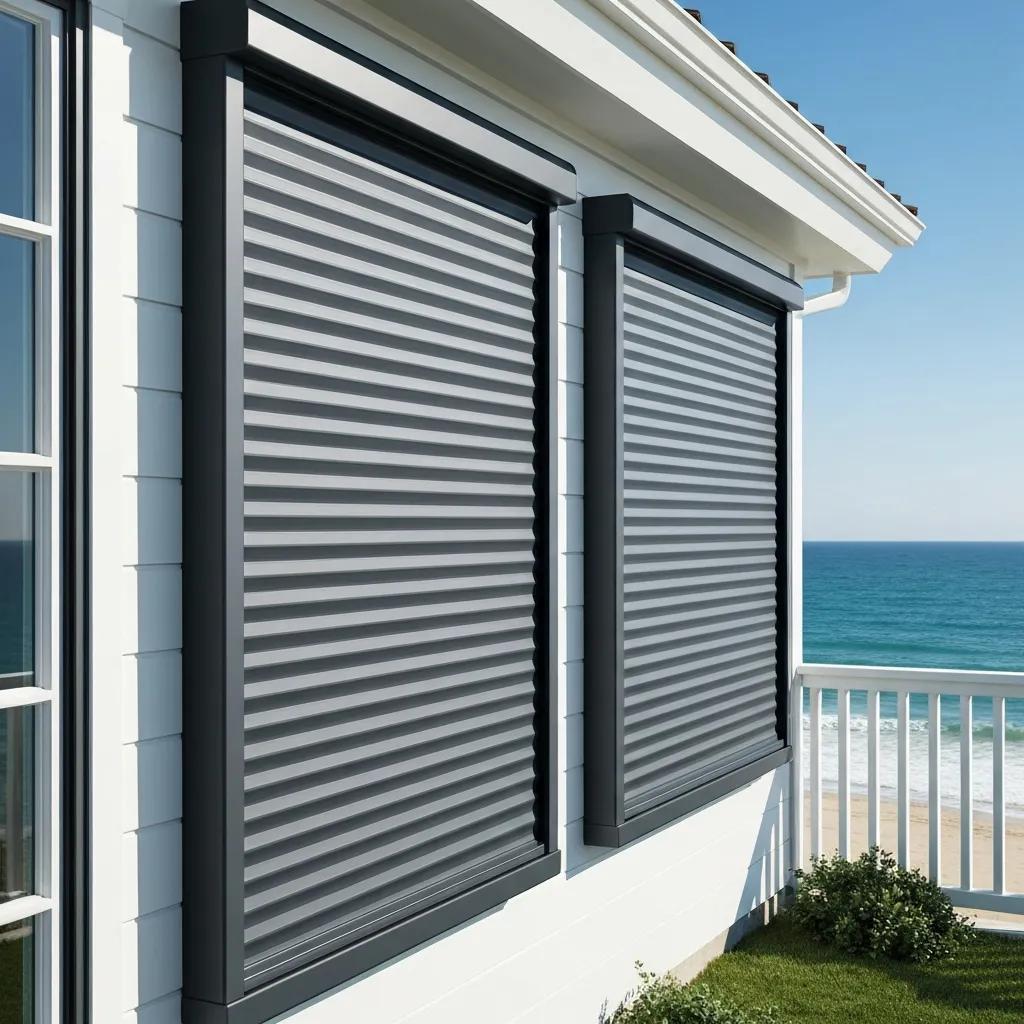
Real Customer Reviews and How Accordion Shutters Perform in Hurricane Conditions
Accordion shutters are a permanently mounted storm-protection system made of interlocking panels that slide on tracks to cover windows and openings. They create a continuous barrier against high winds and flying debris. This guide looks at how accordion shutters hold up in real storms, summarizes homeowner feedback, and explains the technical factors—like wind-resistance ratings and material choices—that determine real-world performance for coastal properties. Many homeowners want clear proof of reliability, fair installation costs, and simple upkeep before they commit. Here, you’ll find curated customer sentiment, a technical breakdown of wind and debris resistance, pros and cons reported by users, cost drivers with practical ranges, Coastal North Carolina and South Carolina considerations, and a straightforward maintenance schedule to help maximize service life. We also weave in search-friendly phrases like accordion shutters reviews, hurricane protection shutters effectiveness, and accordion shutter maintenance schedule to help people find this information. Read on to see what real users say, how shutters speed up preparations, what affects cost, and why local materials and Design Pressure Analysis matter for coastal Carolina homes.
What Do Real Customers Say About Accordion Hurricane Shutters?
Homeowners who choose accordion shutters often describe them as a permanent, always-ready barrier that cuts storm prep time and boosts confidence in their home’s safety. The system‚Äîinterlocking panels on tracks with locking hardware‚Äîforms a continuous surface that keeps wind-driven debris from hitting the glass. Many customers report fewer broken windows and less interior water intrusion after storms. Feedback usually centers on three things: durability, convenience, and peace of mind. In coastal areas, buyers frequently call out corrosion resistance when marine-grade materials are used, and they stress the value of professional installation to assure a precise fit. Those themes show up again in storm stories and the typical testimonials about long-term durability and easy operation.
How Have Accordion Shutters Performed in Recent Hurricanes?
Across recent coastal storms, customer reports commonly show accordion shutters preventing window breakage and reducing interior flood damage—when the system is properly specified and installed. Homeowners describe shutters staying locked and in place through sustained winds, and insurance anecdotes often note avoided glazing replacement costs, highlighting the role shutters play in limiting direct storm damage. Because accordion shutters are permanently mounted, deployment during escalating warnings is quicker and less stressful than handling removable panels, which require storage and extra hands. These real-world outcomes underscore that correct installation and matching shutters to local wind loads are central to the protection homeowners actually experience.
Hurricane Loss Model: Opening Protection and Water Intrusion Research
This paper reviews recent experimental work related to opening protection, water intrusion, and roof pressure modeling in the Florida public hurricane loss model. Some proposed updates were not implemented because more data is needed or because they did not change loss outcomes. The report also describes a CR-LR model update that altered soffit-area calculations, sampling bounds in the rain model, and water infiltration estimates—changes that increased the model’s vulnerability outputs.
Maintenance and improvement of the Florida public hurricane loss model, 2016
What Are Common Customer Testimonials on Accordion Shutter Durability and Ease of Use?

Customers frequently praise accordion shutters for being easy to operate from inside the house and for eliminating the storage needs of portable panels. Many appreciate not having to lift heavy boards during severe weather. Durability notes focus on long-term resistance to salt spray when marine-grade materials and stainless fasteners are used—customers report less visible corrosion and lower maintenance over time. Service experience matters too: homeowners with positive installation stories point to accurate measurements and helpful advice on locks and tracks. Criticisms are less common and usually about looks rather than performance. Taken together, these patterns point to material choice and professional installation as the biggest drivers of positive experiences.
If you’re ready to take the next step, American Hurricane Shutters offers free estimates and a cost calculator that provides local pricing guidance for coastal North Carolina and South Carolina homes. Requesting a free estimate is a quick way to get site-specific pricing and confirm the recommended design pressures for each opening—helpful details for comparing options before you decide. This resource complements the customer feedback and technical ratings summarized in the sections that follow.
How Effective Are Accordion Shutters in Protecting Coastal Homes?
Accordion shutters work because they combine rated wind resistance, tested debris-impact protection, and continuous coverage that lowers the chance of wind-driven water entry. Together, those features reduce structural and interior damage during hurricanes. Performance depends on product ratings (design pressures and wind-speed equivalents), panel geometry, and fastener choice; corrosion-resistant materials help maintain mechanical integrity over time. In practice, a correctly rated accordion system absorbs or deflects the energy of projectiles, holds up during peak gusts, and shortens homeowner prep time—improving overall safety. The table below compares key performance attributes homeowners should consider when choosing a shutter system.
Different shutter types have measurable differences in ratings, materials, and deployment needs that matter when comparing options.
What Wind and Debris Resistance Ratings Do Accordion Shutters Have?
Accordion shutters are rated to specific design pressures (DP) tied to wind speeds. Those numbers tell you the wind load the assembly is engineered to resist when installed per the manufacturer’s instructions. A Design Pressure Analysis converts local code wind loads into DP values; shutters are then tested against those pressures and for impact resistance to show how they perform against projectiles. Ratings vary by model and local code, so ask for the DP rating and test certificates for any shutter you consider. Clear documentation makes it easier to understand how a given system will behave under the wind speeds typical of your coastal NC/SC community.
How Do Accordion Shutters Reduce Hurricane Preparation Time?
Because accordion shutters are permanently mounted, they slide into place without removing or storing panels—this removes much of the heavy lifting that comes with portable systems. For a typical single-family home, manually closing installed accordion shutters takes minutes per opening instead of hours for removable panels. The simple sliding action usually requires only one person and reduces the need for helpers during stressful evacuation warnings. That time savings improves safety and increases the chance homeowners will use their protection consistently, which helps keep systems in working order over the long term.
What Are the Pros and Cons of Accordion Shutters According to Customers?
Homeowners list clear benefits—quick deployment, permanent protection, and strong debris resistance—but also note trade-offs like aesthetics and upfront cost. Most customers value the protective performance and ease of use, which lowers stress during storms. Concerns typically center on how shutters look when closed or retracted and the initial investment for custom installations. Balancing these factors means weighing measurable performance benefits against visual impact and cost, and using mitigation options—like modern finishes or pro installation—to reduce appearance concerns. The table below maps customer-reported benefits and drawbacks to real examples to help homeowners decide.
Customer feedback groups naturally into benefits and drawbacks tied to specific evidence and homeowner experiences.
What Are the Key Benefits of Accordion Shutters for Homeowners?
Accordion shutters give continuous protection without needing storage space, which makes prep faster and more likely to happen. Customers often mention better security and peace of mind—shutters block direct sightlines and resist forced entry when locked, adding protection beyond storms. When built from corrosion-resistant materials and installed with proper fasteners, maintenance is modest, so ownership costs tend to be periodic servicing rather than frequent replacement. For homeowners who want reliable, low-maintenance protection, accordion shutters are a practical choice.
- Accordion shutters cut hurricane prep time by being permanently mounted and easy to deploy.
- Properly specified shutters resist debris impact and provide continuous window protection.
- Durable material options minimize corrosion and reduce long-term maintenance needs.
Together, convenience, protection, and durability explain why many homeowners choose accordion shutters for year-round peace of mind.
What Drawbacks or Concerns Do Customers Report About Accordion Shutters?
The most common drawbacks customers mention are visual impact and initial installation cost. Aesthetics usually focus on visible tracks or panels; many homeowners address this by choosing finishes that blend with their home’s exterior. Upfront cost can be higher than temporary options, but correct Design Pressure Analysis and professional anchoring typically improve long-term performance and reduce replacement or repair expenses. Routine maintenance items‚Äîtracks, locks, and seals‚Äîdo appear in customer reports but are usually manageable with annual inspections and occasional servicing.
- Visual concerns can be reduced with color-matching and thoughtful placement.
- Initial costs are often offset by long-term durability and fewer emergency repairs after storms.
- Maintenance is predictable and usually limited to annual checks and lubrication.
These mitigation strategies help homeowners address common concerns without negating the protective benefits of accordion shutters.
How Much Do Accordion Shutters Cost and What Influences Installation Pricing?
Costs for accordion shutters vary with material quality, opening sizes, installation complexity, and local code requirements. Coastal factors—like the need for corrosion-resistant components and higher design-pressure specs—can push prices up in North Carolina and South Carolina. Use cost per square foot as a starting point, but factor in custom work for odd-shaped openings, labor for precision installation, and permit or inspection fees in your area. The table below outlines common cost drivers and their typical impact so homeowners can budget realistically and decide when pro installation is the right choice.
This breakdown shows how materials and site conditions influence final project cost.
What Is the Average Cost Per Square Foot for Accordion Shutters?
As a guideline, accordion shutters are typically quoted per square foot, covering both materials and installation. Coastal NC/SC projects may run higher because of corrosion-resistant materials and stricter wind-load specs. Prices vary with opening height, complexity, and finish choices, so the most reliable estimate comes from an on-site measurement and a Design Pressure Analysis. Using a cost calculator from a professional installer will give you a realistic local range and help you compare options. Converting per-square-foot estimates into total budget numbers makes planning straightforward when you add permit fees and custom-fit work.
These average ranges set homeowner expectations and make the next topic—how professional installation affects cost and long-term value—relevant.
How Does Professional Installation Impact Accordion Shutter Cost and Performance?
Professional installation adds to the initial price but delivers important benefits: correct anchoring into structural framing, compliance with local codes, and verification that design pressures match regional wind loads. Installers experienced in coastal environments recommend marine-grade materials and 18-8 stainless steel fasteners to limit corrosion—choices that directly improve long-term performance and reduce replacement frequency. Warranties and follow-up service from a pro also add measurable value, giving homeowners and insurers more confidence. For many homeowners, professional installation proves cost-effective when weighed against avoided storm damage and lower ongoing maintenance costs.
If you want a precise local estimate, try a cost calculator and request a free on-site estimate from a qualified installer to translate these factors into a site-specific budget.
Why Are Accordion Shutters the Best Choice for Coastal Carolina Homes?
Accordion shutters are especially well-suited to Coastal Carolina because they can be built from marine-grade materials and engineered to local design pressures—addressing both salt-air corrosion and high wind demands. Using 6063-T6 marine-grade aluminum for panels and 18-8 stainless steel fasteners preserves mechanical integrity for years in salt-spray conditions and reduces the chance of hardware failure during storms. Professionals perform a Design Pressure Analysis to match shutter selection and anchoring to local wind-loads and provide documentation homeowners can show to insurers and permitting authorities. Those material and engineering choices combine into a durable, code-aligned storm-protection system tailored to exposures in Wilmington, Myrtle Beach, Oak Island, Topsail, New Bern, and Pawleys Island.
- Marine-grade aluminum and stainless fasteners resist corrosion in salt-air environments.
- Design Pressure Analysis customizes shutter selection to local wind-loads and code requirements.
- Proper documentation supports insurance and permitting workflows.
Together, these practices explain why accordion shutters are often the preferred protective system for coastal Carolina homes. Homeowners seeking local expertise should consult installers who provide site-specific pressure analyses and finish options.
How Do Accordion Shutters Meet Coastal NC/SC Building Codes and Wind Load Requirements?
Compliance starts with a Design Pressure Analysis that converts local wind maps and building geometry into design pressures for each opening. Qualified installers use those values to pick shutters and anchoring patterns that meet code. Typical deliverables include calculation documentation, product test results, and installation details so homeowners can show compliance to permitting officials and insurers. A correctly executed installation includes fastener schedules and anchoring diagrams that reflect local structural needs, ensuring shutters perform as intended under design loads. Knowing what paperwork to expect helps homeowners verify compliance and strengthens claims of reliability after a storm.
This code-first approach also opens the door to insurance benefits for homeowners who document professionally installed, rated protection systems.
What Insurance Benefits Do Coastal Homeowners Receive With Accordion Shutters?
Many insurers offer premium discounts or credits for permanent, tested storm-protection systems because these products lower the risk of storm-related glazing and interior damage. To qualify, homeowners typically provide documentation of product ratings, installation details, and materials—items produced by a professional Design Pressure Analysis and installation. Keeping records like test certificates and installation statements speeds underwriting and helps with claims processing after events. These insurance incentives can make the upfront investment in quality materials and pro installation financially worthwhile for many Coastal Carolina homeowners.
Keeping installation paperwork and test certificates creates a clear path to possible insurance savings and smoother recovery after storms.
How Should Homeowners Maintain Accordion Shutters for Long-Term Effectiveness?

Regular maintenance keeps accordion shutters working when you need them by preventing corrosion, ensuring smooth operation, and catching small issues before they become problems. Key tasks include annual inspections of tracks and fasteners, routine rinsing to remove salt and debris, lubrication of moving parts, and testing locks and seals to confirm secure closure. Do seasonal checks before hurricane season to catch minor adjustments early, and keep a maintenance log to support warranty claims and insurance documentation. The checklist and table below spell out tasks, suggested timing, and the benefits so homeowners can set up a simple upkeep routine.
Use this checklist to summarize the annual and seasonal steps homeowners should take to keep shutters reliable.
- Inspect tracks, panels, and fasteners at least once a year and after major storms; document what you find.
- Rinse panels and tracks after heavy salt exposure and lubricate moving parts as recommended.
- Test locks and seals before hurricane season and schedule pro service for anything irregular.
What Are the Recommended Maintenance Practices for Accordion Shutters?
Start with a visual inspection of panels, tracks, and hardware at least once per year and right after any major storm. Look for loose fasteners, bent panels, or damaged seals. Clean with fresh water to rinse salt deposits and use mild detergent only when needed. Lubricate tracks and locks with manufacturer-approved products to keep operation smooth. Keep a simple maintenance log and save receipts for professional servicing to protect warranty coverage and aid insurance claims. Small fixes—tightening hardware, replacing worn seals—are inexpensive and help avoid larger problems later.
Regular, simple maintenance protects both function and your investment and helps you know when to call a professional for deeper service.
How Do Maintenance Efforts Affect Accordion Shutter Lifespan and Performance?
Maintenance has a direct effect on service life. Systems built from marine-grade materials that get annual inspections and timely minor repairs typically remain functional and attractive for many years. Neglected shutters can suffer accelerated corrosion and mechanical wear. Common failure modes from poor upkeep include track binding from debris, loose fasteners, and worn locks—issues that can compromise deployment reliability at critical moments. Documented maintenance also supports warranty claims and insurer reviews, providing clear evidence of care after an event. For most homeowners, modest annual attention translates to longer life and greater confidence the shutters will perform when needed.
With that, we wrap up homeowner-focused guidance on specification, costs, performance, and upkeep for accordion shutters.
American Hurricane Shutters provides local expertise, professional installation, and a cost calculator plus free estimates to help Coastal Carolina homeowners evaluate accordion shutter options tailored to their properties and wind-load requirements. We emphasize 6063-T6 marine-grade aluminum and 18-8 stainless steel fasteners for corrosion resistance and perform Design Pressure Analysis to align shutter selection with local codes. If you’d like an on-site assessment or a tailored price estimate, request a free estimate and a personalized cost calculation to compare materials, finishes, and the documentation you’ll need for insurance and permitting.
Frequently Asked Questions
What are the differences between accordion shutters and other hurricane protection options?
Accordion shutters differ from roll-down shutters and removable panels mainly in how they deploy and where they are stored. Accordion shutters are permanently mounted and simply slide into place—no heavy lifting or storage required. Roll-down shutters can be fast to deploy but may need power or backups. Removable panels work well but require storage space and manual labor to install. Each option has trade-offs, but many homeowners pick accordion shutters for the convenience and speed they provide during storm prep.
How do I choose the right accordion shutters for my home?
Choosing the right system means considering required design pressure ratings, the size and shape of your openings, and the materials used. Consult a professional installer who can perform a Design Pressure Analysis to ensure the shutters meet local codes and wind-load requirements. Also weigh aesthetic preferences and maintenance expectations—those factors will affect long-term satisfaction with your choice.
Can accordion shutters be painted or customized?
Yes—accordion shutters can often be painted or finished to match your home. Many manufacturers offer color options and custom finishes. Use paints and coatings recommended by the manufacturer so you don’t compromise durability or warranty coverage, and check with your installer for the best finish choices for coastal exposure.
What should I do if my accordion shutters are damaged during a storm?
After it’s safe, inspect and document any visible damage with photos and notes—this helps with insurance claims. For minor issues, schedule professional repairs; for major damage, you may need replacement. Regular maintenance and pre-storm checks reduce the likelihood of storm-related failures and simplify post-storm recovery.
How do accordion shutters affect home insurance premiums?
Installing permanently mounted, tested storm-protection systems like accordion shutters can lower insurance premiums because they reduce the risk of glazing and interior damage. To qua
