

Prepare for Storms: Why Roll-Down Hurricane Shutters Are a Must for Coastal Homes
Coastal homes face concentrated wind, rain and flying debris during hurricane season. Roll-down hurricane shutters form an immediate, hard barrier that dramatically reduces broken glass and interior flooding. This guide walks you through what roll-down shutters are, how they work, and why they often outperform other storm protections for doors and windows on coastal properties. You’ll get clear information on corrosion-resistant materials and components, the operational trade-offs between manual and electric systems, professional installation best practices, routine maintenance that extends service life, and practical cost and ROI considerations. We also compare roll-down shutters with related options and cover building-code and risk factors specific to coastal North and South Carolina. The focus is practical: how these systems protect structures, cut repair costs, and fit into insurance and home-value planning.
Where homeowners need it, we include technical detail — slat and guide‑rail mechanics, design‑pressure thinking, and DP/impact reasoning — while pointing to realistic purchasing and service options. Expect straightforward pre‑storm checklists, actionable maintenance tasks, and EAV-style comparison tables to make model, material, and cost trade-offs easier to see. Our goal is to help coastal homeowners choose resilient, code‑compliant solutions and plan a budget using financing and estimate tools when helpful.
What Are Roll Down Shutters and How Do They Protect Against Hurricanes?
Roll‚Äëdown shutters are exterior storm barriers that deploy from a protective housing and lock into guide rails to form a continuous curtain over openings. Their interlocking slats create a rigid surface that resists wind‚Äëborne debris and helps reduce the pressure differentials that drive structural damage. Guide rails transfer wind loads to the building framing while a motorized drive or manual crank raises and lowers the curtain. By stopping projectiles and limiting wind‚Äëdriven water entry, properly installed roll‚Äëdown shutters lower the chance of glass failure and interior flooding, protecting occupants and possessions. Knowing how the curtain, rails and anchors share loads helps homeowners pick shutters with the right materials and ratings for their exposure.
This section compares common model types and materials so you can match system attributes to local risk. The table below summarizes typical model distinctions, material choices, and performance characteristics to inform selection.
What Materials and Components Make Roll Down Shutters Durable?
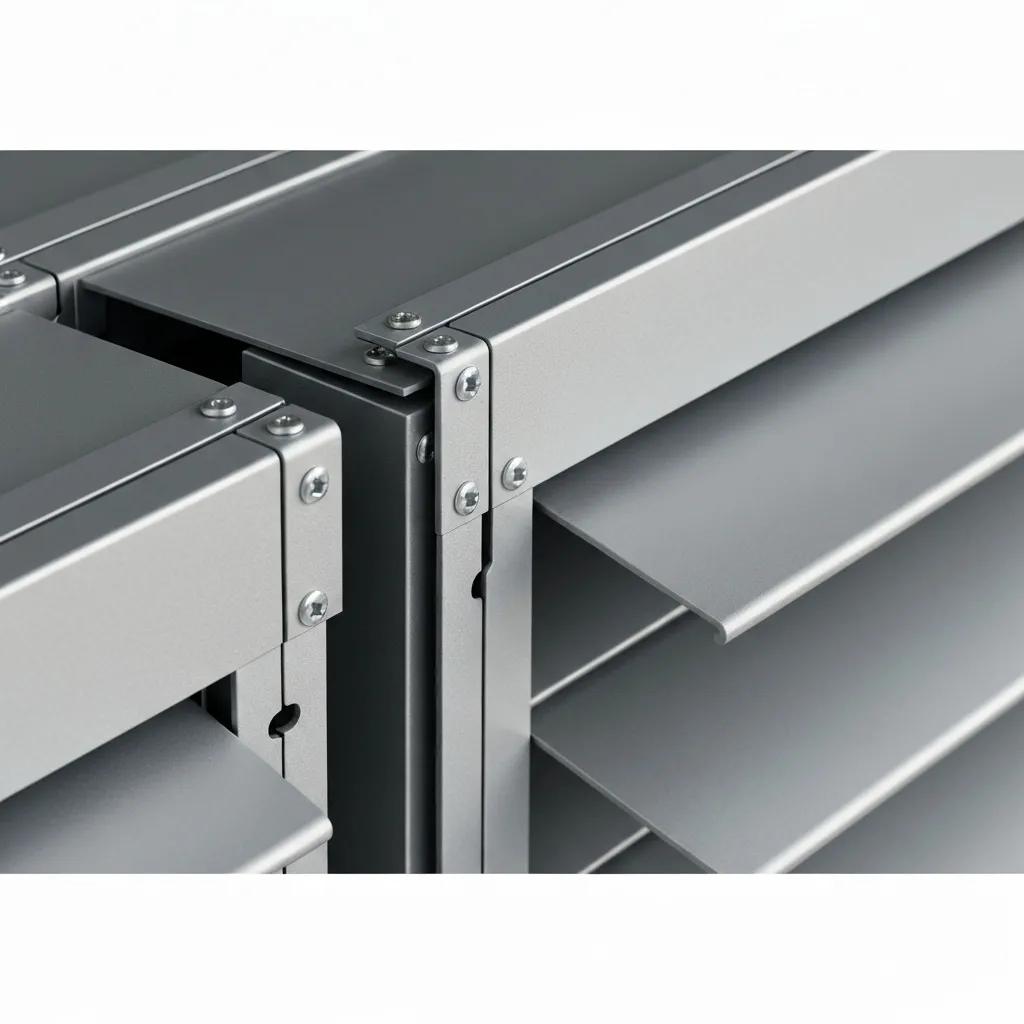
Durability depends on corrosion‑resistant metals, robust fasteners and housings that keep moving parts away from salt spray. Coastal‑grade systems typically use extruded 6063‑T6 aluminum for slats and housings — a good balance of strength, weight and corrosion resistance — and 18‑8 stainless steel fasteners to limit galvanic corrosion at attachment points. Key components are the interlocking slats that form the curtain, the guide rails that transfer loads into the structural framing, a housing that protects the rolled curtain, and either a motor assembly or manual crank. Choosing components rated for marine environments and ensuring proper finish and drainage significantly extends service life and reduces repair frequency.
Knowing what each part does also helps prioritize inspections: slats and guides show abrasion, fasteners can corrode in hidden places, and housings may trap salt if drains aren’t maintained. Regular attention to these areas prevents progressive failure and keeps shutters ready for storm deployment, which ties into the manual vs. motorized decision discussed next.
Coastal Home Protection: Understanding Hurricane Shutters
Shutters can offer significant protection for windows and doors in a hurricane. They’re made from metal, wood or plastic and may be permanent or temporary. In many cases, partial deployment can begin before official storm warnings.
How Do Manual and Electric Roll Down Shutters Differ in Operation?
Manual roll‑down shutters use a crank or spring‑assist to lower and secure the curtain. Their mechanical simplicity means fewer electronic failure modes and lower upfront cost, though they require physical effort and more time when multiple openings must be closed. Electric systems use a motor drive for push‑button or remote deployment and often include features like wireless controls and battery backup. Motorized units greatly reduce deployment time — an advantage for multi‑story homes or quick closures — but they add motor maintenance, electrical considerations and the need for backup power during outages. In both systems, correct anchoring, guide‑rail alignment and corrosion‑resistant fasteners are essential so the shutter performs to its design wind loads.
Choosing between manual and electric means weighing convenience and speed against added complexity and lifecycle service needs — a decision that links directly to professional installation choices described below.
What Are the Key Benefits of Installing Roll Down Hurricane Shutters?
Roll‚Äëdown shutters deliver layered value: primary storm protection, improved security, energy and UV control, and potential insurance and resale advantages when systems meet code and insurer criteria. Functionally, they act as a physical shield against flying debris and sudden pressure changes; as external shading they reduce heat gain and block UV; and as a visible barrier they deter unwanted entry. When shutters are specified and installed to the local design‚Äëpressure and impact standards, homeowners see measurable reductions in expected repair costs and faster recovery after events. These combined benefits support both safety and financial resilience for coastal properties.
The table below maps the top benefits to their mechanisms and typical homeowner impacts so trade‚Äëoffs are easy to compare.
These mappings show how physical mechanisms translate to homeowner outcomes — fewer repair bills, better occupant safety and stronger insurer conversations. A clear view of these benefits helps when evaluating installation options and potential insurer recognition.
This section highlights primary homeowner advantages and gives practical context for a purchase decision.
- Direct Storm Damage Reduction: Roll‚Äëdown shutters prevent glass fragmentation and interior water entry, which drive most post‚Äëstorm repair costs.
- Operational Convenience and Safety: Motorized options enable fast closure across multiple openings, reducing exposure and evacuation time.
- Energy and UV Protection: External shading lowers cooling demand and protects finishes and furnishings from fading.
Each benefit delivers measurable value. Selecting shutters that match a property’s exposure and use patterns increases both safety and return on investment. That naturally leads to why professional installation matters.
How Do Roll Down Shutters Provide Superior Storm and Debris Protection?
Roll‑down shutters form a continuous, anchored barrier that prevents windborne debris from reaching glazing and shifts wind pressure into structural attachment points instead of glass. The interlocking slat curtain resists penetration and spreads impact forces along guide rails into anchors set into the structure, lowering the chance of localized failure. Real‑world failures show that one broken window can trigger internal pressurization and cascading damage — preventing that first breach at the exterior is critical. Picking shutters with the proper design‑pressure and impact resistance for your exposure is the most reliable way to make sure the system performs in a storm.
Putting numbers to that protection helps homeowners estimate avoided repair costs and supports discussions with insurers about discounts for installed mitigation measures, tying directly into cost and ROI planning.
Storm Shutter Panel Behavior and Testing for Hurricane Preparedness
Research describes a testing facility for storm shutter panels and evaluates behaviors that are most detrimental under various conditions, offering insights for structural design and assessment in hurricane preparedness.
Can Roll Down Shutters Enhance Home Security and Energy Efficiency?
Beyond storms, roll‚Äëdown shutters add a durable physical barrier that deters opportunistic break‚Äëins and offers privacy when closed. Their external shading cuts direct solar gain and lowers indoor temperatures, while the curtain blocks UV that fades finishes and fabrics. Shutters are harder to defeat quickly than glass or simple screens because they anchor into the structure and often include lockable guides or edge locks. Together, these secondary benefits improve daily comfort, reduce HVAC demand, and cut long‚Äëterm maintenance on interior finishes.
Recognizing these added advantages clarifies the broader value proposition of roll‚Äëdown shutters beyond pure storm mitigation.
How Does Professional Roll Down Shutter Installation Ensure Optimal Storm Protection?

Professional installation makes sure shutters are measured, specified, anchored and commissioned to meet design‑pressure requirements and local building codes — essential for reliable performance in extreme events. Installers perform a site survey to assess exposure, elevation and structural attachment points, calculate required design pressures (DP), and specify appropriate slat thickness, housings and anchors. Experienced teams also handle flashing, sealing and integration with trim to prevent water ingress and galvanic corrosion at fasteners. The end result is a tested system with operation verification and documentation that supports warranty coverage and insurer recognition — outcomes that are hard to achieve with DIY work.
Because installation quality controls how the system handles load, the next section outlines the typical professional installation workflow.
- Site survey and measurements: Confirm openings, structural backing and exposure to calculate DP requirements.
- Fabrication and parts selection: Specify slat profile, housing size, motors or cranks, and corrosion‚Äëresistant fasteners.
- Mounting and anchoring: Install housings and guide rails, drill and set anchors into structural framing.
- Sealing and finish: Apply flashing, seal housing penetrations and verify drainage.
- Testing and commissioning: Operate each unit, test locks and controls, and provide documentation.
What Are the Steps Involved in Installing Roll Down Shutters?
A professional installation follows a clear workflow: on‑site assessment, precise measurement and DP calculation, fabrication to spec, secure anchoring of housings and guides, sealing, and final testing and handover. The assessment identifies structural backing for anchors and any modifications needed to meet code loads; fabrication ensures slat, guide and motor choices match calculated pressures. Anchoring is the critical phase — fasteners must engage structural members and use corrosion‑resistant hardware to keep strength over time in coastal conditions. Final testing includes full deployment/retraction cycles, motor torque checks and homeowner instruction to confirm repeatable, reliable operation.
- Site survey and measurements: Confirm openings, structural backing and exposure to calculate DP requirements.
- Fabrication and parts selection: Specify slat profile, housing size, motors or cranks, and corrosion‚Äëresistant fasteners.
- Mounting and anchoring: Install housings and guide rails, drill and set anchors into structural framing.
- Sealing and finish: Apply flashing, seal housing penetrations and verify drainage.
- Testing and commissioning: Operate each unit, test locks and controls, and provide documentation.
Proper installation minimizes point‑load failures and preserves the intended load path — the reason DIY approaches are usually discouraged.
Hurricane Shutter Performance Under Roof Tile Impact
Testing of several storm panel types under roof tile impact shows how installation method affects performance. For track‚Äëmount installations, damage is defined as pull‚Äëout or push‚Äëthrough of anchor bolts, highlighting the importance of correct anchoring.
Why Is Professional Installation Recommended Over DIY for Roll Down Shutters?
DIY installation can leave critical mistakes — mislocated anchors, inadequate structural fastening, poor sealants or wrong DP specification — that compromise shutter performance and may void warranties. Professionals ensure code compliance and correct load transfer. Improper anchoring is the most common DIY failure: if anchors don’t tie into structural framing, load paths can fail under high wind and the curtain can detach. Installers also supply documentation and test records that many insurers require for premium recognition or claims support. In corrosive coastal environments, certified practices and coastal‑rated materials like 6063‑T6 aluminum with 18‑8 stainless fasteners can be the difference between a functioning mitigation system and a liability.
Given the stakes in severe storms, the added cost of professional installation is usually justified when weighed against avoided damage and warranty protection.
What Maintenance Is Required to Maximize the Lifespan of Roll Down Shutters?
Routine maintenance keeps shutters ready: scheduled cleaning, lubrication of moving parts, inspection of fasteners and anchors, and pre‑storm operation checks uncover issues before they become failures. In coastal settings, salt buildup accelerates wear — regular rinsing and proper lubricants on guide rails and motor bearings prevent abrasion and binding. Seasonal checks should include manual‑crank operation tests, motor drive inspections, anchor verification and examination of slat edges and seals for deformation. A maintenance regimen extends service life, preserves warranty eligibility and ensures shutters perform when you need them.
The checklist below lists recurring tasks homeowners or service providers should perform to stay storm‚Äëready.
- Quarterly visual inspection and rinse: Remove salt and debris from housings, slats and guides to prevent corrosion and abrasion.
- Biannual lubrication: Apply marine‚Äëgrade lubricants to guide rails and moving parts per manufacturer guidance to maintain smooth operation.
- Annual professional service: Have a qualified technician inspect anchors, motors and controls and make any needed adjustments.
What Are Essential Cleaning and Lubrication Tips for Roll Down Shutters?
Clean to remove salt and sand from housings, slats and guide rails using low‑pressure freshwater and non‑abrasive cleaners — abrasive scrubbing can damage protective finishes. After cleaning, lubricate guide rails and exposed pivot points with a marine‑rated lubricant that resists wash‑off; avoid petroleum‑based greases that attract grit. For motorized systems, follow the motor manufacturer’s guidance for bearing lubrication and battery backup care, and test limit switches and remotes periodically. Doing this work before storm season reduces last‑minute failures and keeps deployment smooth when time is short.
Practicing these tasks ahead of storms keeps systems reliable and lowers the chance of emergency repairs.
How Can Common Issues with Roll Down Shutters Be Troubleshot and Resolved?
Typical faults include guide‑rail binding from debris, slat dents that block smooth travel, motor failures from electrical faults, and corroded fasteners that loosen anchors. Quick diagnostics usually reveal whether a homeowner can fix the issue or needs a technician. For binding, rinse guides and use a soft tool to dislodge debris; dented slats often require professional repair or replacement to restore curtain geometry. Motor problems commonly show as loss of power or unusual noise and should trigger electrical checks and, if under warranty, manufacturer service. Watch for uneven travel, strange noises or visible fastener corrosion — those signs help prioritize corrective action to preserve storm readiness.
When fixes exceed simple maintenance, schedule professional service to prevent repeat failures and keep the system within warranty and code expectations.
How Much Do Roll Down Hurricane Shutters Cost and What Is Their Return on Investment?
Installed costs vary by opening size, motorization, finish, anchor complexity and local code requirements. Key cost drivers include the number and square footage of openings, whether units are manual or electric, the need for reinforced anchors or structural work, finish or aesthetic upgrades, and any automation or backup‚Äëpower options. Investing in higher‚Äëgrade materials such as 6063‚ÄëT6 aluminum and 18‚Äë8 stainless fasteners raises upfront cost but reduces corrosion‚Äërelated replacement and supports long‚Äëterm performance in coastal settings. Evaluating ROI means balancing upfront expense against avoided repair costs, possible insurance discounts and improved resale value from documented mitigation measures.
The short table below summarizes common cost drivers, what they affect and typical budgeting guidance to help plan.
Understanding these drivers helps homeowners use the online cost calculator more effectively by providing accurate inputs for size, motorization and complexity. For conversion opportunities and support, rely on professional estimates and planning tools.
American Hurricane Shutters offers free consultations and estimates, an online cost calculator, financing options, and services for installation, repairs, maintenance and retrofits. Our systems use 6063‚ÄëT6 aluminum with 18‚Äë8 stainless steel fasteners, are engineered for code compliance, and come with a 7‚Äëyear limited warranty plus local expertise and rapid response in coastal NC/SC. We aim to educate homeowners about hurricane protection solutions, generate leads through free estimates, and support existing customers with reliable service.
What Factors Influence the Cost of Roll Down Shutters?
Several variables determine final pricing: total protected square footage, whether units are motorized, the need for reinforced structural anchoring, finish and customization, and any required permits or code testing. Large patio doors or multi‚Äëpanel openings often need heavy‚Äëduty assemblies and commercial‚Äëgrade anchors, which raise material and labor costs. Motorized systems add electrical work, controls and potential battery backups, which increase expense but can be justified by convenience and safety. Accurate measurements and a site‚Äëspecific DP calculation are essential because they determine the grade and anchoring required to meet code.
Choosing the right mix of features, materials and installation scope should reflect exposure, budget and long‚Äëterm maintenance expectations.
How Can Homeowners Use Cost Calculators and Financing Options?
Cost calculators give baseline estimates when fed precise inputs — measurements, number of openings, motorization preference and exposure level — and help you compare scenarios like manual vs. electric or standard finish vs. custom powder coat. To get useful results, measure openings carefully, note structural access issues, and pick options that reflect desired durability rather than lowest cost. Financing options like payment plans spread upfront costs and improve cash flow, and documentation of installed mitigation measures can support insurance discount requests. Always request a professional estimate to validate calculator outputs and clarify warranty and service inclusions.
This financial planning step helps homeowners evaluate ROI in terms of avoided damage costs, insurance savings and long‚Äëterm property value retention.
Why Are Roll Down Shutters Especially Important for Coastal North and South Carolina Homes?
Coastal North and South Carolina face recurring hurricane and tropical‚Äëstorm exposure that increases wind and debris risk for homes, making high‚Äëperformance exterior protection essential to resilience planning. Storm surge and sustained high winds raise the likelihood of glazing failure and water ingress; coastal jurisdictions often require higher design‚Äëpressure and impact ratings for openings in these zones. Selecting shutters that meet or exceed applicable code criteria and that use coastal‚Äërated materials addresses both performance and insurer expectations. Given regional risks, homeowners benefit most from solutions engineered for local conditions and installed by providers with coastal permitting and code experience.
To educate homeowners about hurricane protection options and generate leads through free estimates, American Hurricane Shutters provides local expertise and rapid response in coastal NC/SC along with consultations, a cost calculator, installation, repairs, maintenance, retrofits and a 7‚Äëyear limited warranty.
What Are the Hurricane Risks and Building Code Requirements in Coastal Carolinas?
The Carolinas’ coastline sees seasonal tropical systems that bring high winds, flying debris and storm surge, so coastal building codes set higher design‑pressure and impact standards for openings to reduce structural and interior damage. Codes specify DP ratings and impact resistance in many areas, and compliance requires tested products and installation methods that transfer loads into structural framing. Homeowners who understand code‑driven sizing and anchoring requirements before purchase avoid costly retrofit surprises.
Meeting these code requirements also affects insurance eligibility and may qualify installations for risk‚Äëmitigation recognition.
How Have Local Homeowners Benefited from American Hurricane Shutters’ Roll Down Systems?
Homeowners see the greatest benefit when shutters are specified for coastal exposure, installed to code and supported with ongoing service. Consultations, accurate estimates and maintenance programs reduce total cost of ownership and keep systems storm‚Äëready. American Hurricane Shutters emphasizes coasta
