
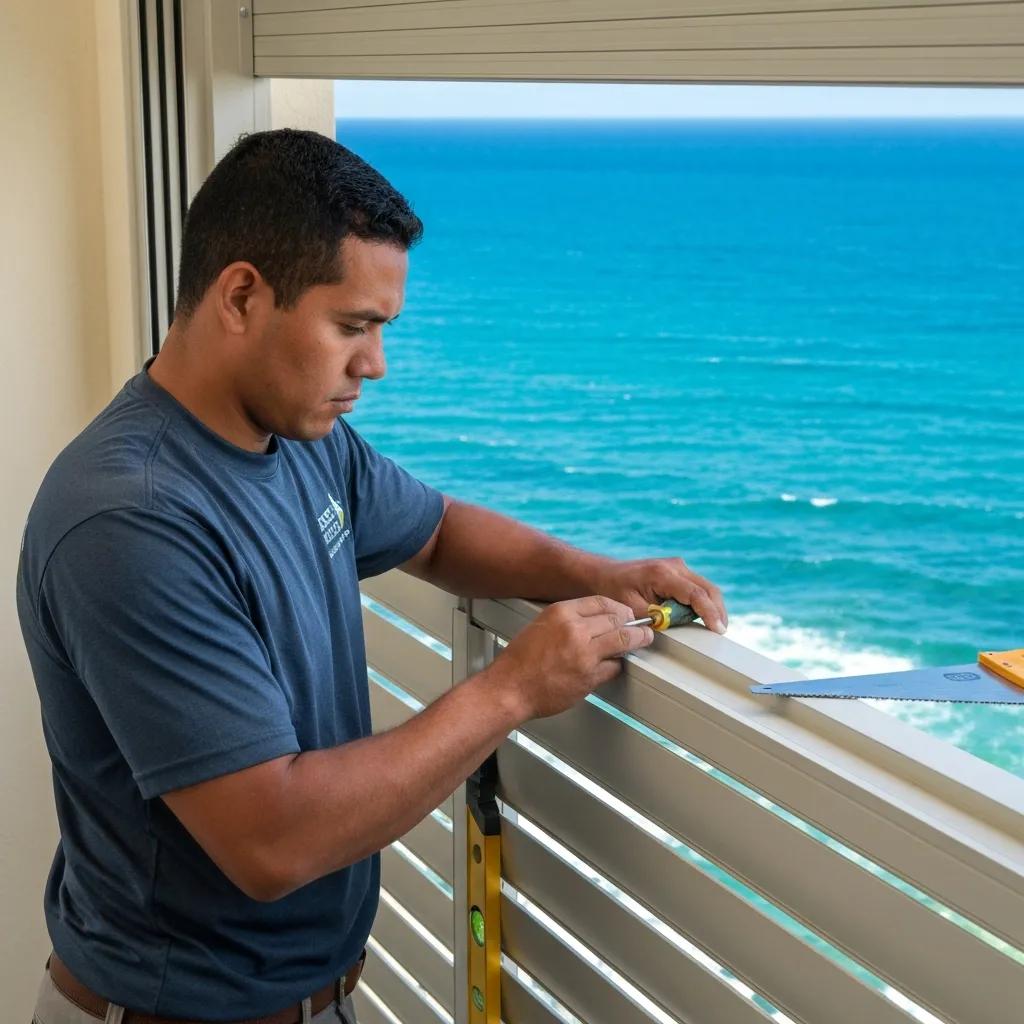
Professional Accordion Shutter Installation: A Practical Guide for Homeowners and Businesses
Accordion shutters are a permanently mounted, hinged system that deploys quickly across windows and doors to block high winds and wind‑borne debris—making them a key part of hurricane protection for coastal properties. In this guide we explain why professional installation matters, walk through a typical installer workflow, break down the main cost drivers and estimating best practices, and share maintenance and selection advice tailored to coastal North and South Carolina. Homeowners and building managers often ask about code compliance, corrosion‑resistant hardware, installation timelines, and long‑term durability; this article gives clear, practical answers. You’ll get a step‑by‑step How‑To for professional installs, transparent pricing guidance with example scenarios, seasonal maintenance schedules, and buyer criteria that focus on materials and installer qualifications. We use terms like impact‑rated accordion shutters, top and bottom track systems, and stainless steel hardware so technical choices are easier to follow. Read on for checklists, comparison guidance, and recommendations that help you evaluate installers and request informed estimates.
Why Is Professional Accordion Shutter Installation Essential for Coastal Properties?
Professional installation makes the system work the way it’s meant to under storm conditions. Certified products, accurate tolerances, and correct anchoring to the structure ensure shutters resist uplift, racking, and penetration during hurricanes. A qualified installer controls the relationship between top and bottom tracks, mounting brackets, and locks so the whole assembly shares wind loads instead of failing at a single point. Professionals also select materials and hardware that stand up to salt air, reducing corrosion risks. Beyond safety, proper installation produces paperwork that supports permits, insurance claims, and resale value.
- Reduces the chance of improper anchoring and misaligned panels.
- Provides documented compliance for permits and insurance.
- Specifies corrosion‚Äëresistant fasteners and hardware suited to salt‚Äëair exposure.
Taken together, these points make professional installation both a safety necessity and a long‑term value decision—leading directly into code compliance and warranty considerations.
How Does Professional Installation Ensure Compliance with Building Codes?

Experienced installers follow a compliance workflow: they verify product certifications and local permit requirements, document measurements and materials, and keep records of installation steps to meet applicable codes—often using Florida Building Code benchmarks and Miami‑Dade standards as industry references. Installers pick certified, impact‑rated shutters and produce shop drawings, anchor schedules, and installation photos so there’s a clear compliance trail for permitting and insurance. Operational checks, anchor torque verification, and impact‑fit evaluations are completed and documented to show the system meets structural and performance requirements. That documentation helps with permit sign‑off, simplifies insurance claims after storms, and reduces disputes about installation quality at resale.
This compliance work depends on precise measurements and fabrication to the installer’s drawings, which is why the next section explains professional measurement and fabrication practices.
What Are the Advantages of Expert Installation Over DIY Methods?
Expert installers offer precision and protections that DIY work rarely matches. Professionals measure openings to strict tolerances, anchor shutters to structural framing (not just trim), and test operation under load to confirm fit and function. They use corrosion‑aware practices—such as 18‑8 stainless steel hardware where appropriate—to limit galvanic corrosion in coastal exposures, and they follow manufacturer torque and anchorage specs that preserve performance and warranties. Pro installers also provide warranties and post‑install service; DIY installs often void manufacturer coverage and can leave misalignment that weakens impact resistance. For reliability during a storm and for proper documentation, hiring pros reduces risk.
Those advantages set up the practical, step‚Äëby‚Äëstep installation sequence used by professionals, shown next for planning purposes.
What Is the Step-by-Step Process for Professional Accordion Shutter Installation?
Professional accordion shutter installation follows a clear, documented workflow: it starts with consultation and ends with final testing and owner orientation. Typical steps include an initial site survey to measure openings and confirm structural backing, custom fabrication from shop drawings, installation of top and bottom tracks and mounting brackets, panel fit and alignment checks, lock installation, simulated load testing, and a homeowner walkthrough with documentation delivery. This sequence minimizes field modifications, shortens install time, and maximizes safety.
Below is a numbered How‚ÄëTo that summarizes the core installer steps you can expect.
- Initial consultation with accurate opening measurements recorded.
- Custom fabrication from shop drawings with pre‚Äëassembly verification at the shop.
- Mount tracks and brackets, set panels, install locking hardware, and torque anchors per spec.
- Run operational and impact‚Äëfit tests, adjust alignment, and complete a homeowner walkthrough.
Because this process depends on measurement accuracy and fabrication quality, the next subsection explains how pros handle measurements and shop fabrication to ensure a correct fit.
How Are Measurements and Custom Fabrication Handled?
Measurements begin with field templates, digital measures, or a detailed site survey that records opening dimensions, structural backing locations, and trim or sill conditions that affect fit. Fabricators use shop drawings to turn those field measurements into panel widths, hinge spacing, track clearances, and anchor locations with tight tolerances—avoiding field cutting whenever possible. Turnaround times depend on order complexity, but the goal is pre‑cut panels and hardware that minimize on‑site adjustments and speed installation. Accurate fabrication reduces racking, obstructions, and water infiltration while supporting certified product ratings and warranty coverage.
Precise fabrication sets the stage for predictable on‚Äësite steps, which leads into the install‚Äëday sequence and final tests homeowners should expect.
What Are the Key Steps During On-Site Installation and Final Testing?
On site, installers begin with protective staging and removing temporary obstructions. They secure the top track to the header or structural member, align the bottom guide with floor or sill anchors, set panel hinges or pivot points, and check for smooth travel along the track. Locks and strikes are adjusted and anchors torqued to manufacturer specs while installers verify plumb and level alignment. Final testing includes multiple deploy/secure cycles to confirm consistent operation, impact‚Äëfit checks where accessible, and a homeowner walkthrough demonstrating deployment, locking, and maintenance steps. The installer then hands over shop drawings, torque records, and an inspection checklist for your records.
These on‚Äësite actions affect cost drivers and timelines, which the next section covers with price ranges, factor analysis, and estimator guidance.
How Much Does Professional Accordion Hurricane Shutter Installation Cost?
Install pricing is usually expressed per square foot for materials and labor, but whole‚Äëhome costs vary with the number and complexity of openings. Per‚Äësquare‚Äëfoot rates reflect material grade, panel reinforcement, and hardware quality; whole‚Äëhome estimates add labor hours, permit fees, and optional features like motorization. Expect variation based on opening sizes and access challenges. Use an online cost calculator for an early budget, then get a free on‚Äësite estimate for a reliable, permit‚Äëready price.
The table below compares common price drivers and their typical impact on a final estimate.
Knowing these drivers helps you interpret a calculator’s output. The next subsection lists the specific factors that most influence pricing.
What Factors Influence Accordion Shutter Pricing?
Primary pricing factors include material and panel thickness, hardware grade (notably corrosion‚Äëresistant fasteners), the number and size of openings, installation complexity (scaffolding or special anchors), and optional features like motorization or decorative finishes. Material choice sets the baseline per‚Äësquare‚Äëfoot price, while specifying 18‚Äë8 stainless steel fasteners increases upfront cost but extends life in coastal settings. Labor and access challenges raise installation time and cost, and permit or inspection fees vary by locality. Enter these details accurately into any online estimator for better results.
With those inputs in hand, homeowners can use cost calculators more effectively—explained next with best practices for estimator use.
How Can Homeowners Use Cost Calculators to Estimate Installation Expenses?
Cost calculators give a preliminary budget when you enter accurate opening dimensions, desired materials (for example, corrosion‑resistant hardware), and optional add‑ons like motorization. Use measured dimensions rather than rough guesses, note the number of openings and stories, and flag access constraints that could add labor. Online tools provide a range—treat it as directional—and follow up with a free, on‑site estimate to confirm permits and uncover site‑specific issues. After you receive a detailed estimate, schedule measurement verification and permitting before fabrication begins.
If you’re looking for local support, American Hurricane Shutters serves coastal North and South Carolina, emphasizes 18‑8 stainless steel installation practices and code compliance, and offers free estimates plus an online cost calculator to move from a rough budget to a confirmed on‑site price. Use the calculator for a realistic range, then request a free measurement to finalize a permit‑ready quote.
How Do You Maintain Accordion Shutters for Long-Term Performance and Durability?
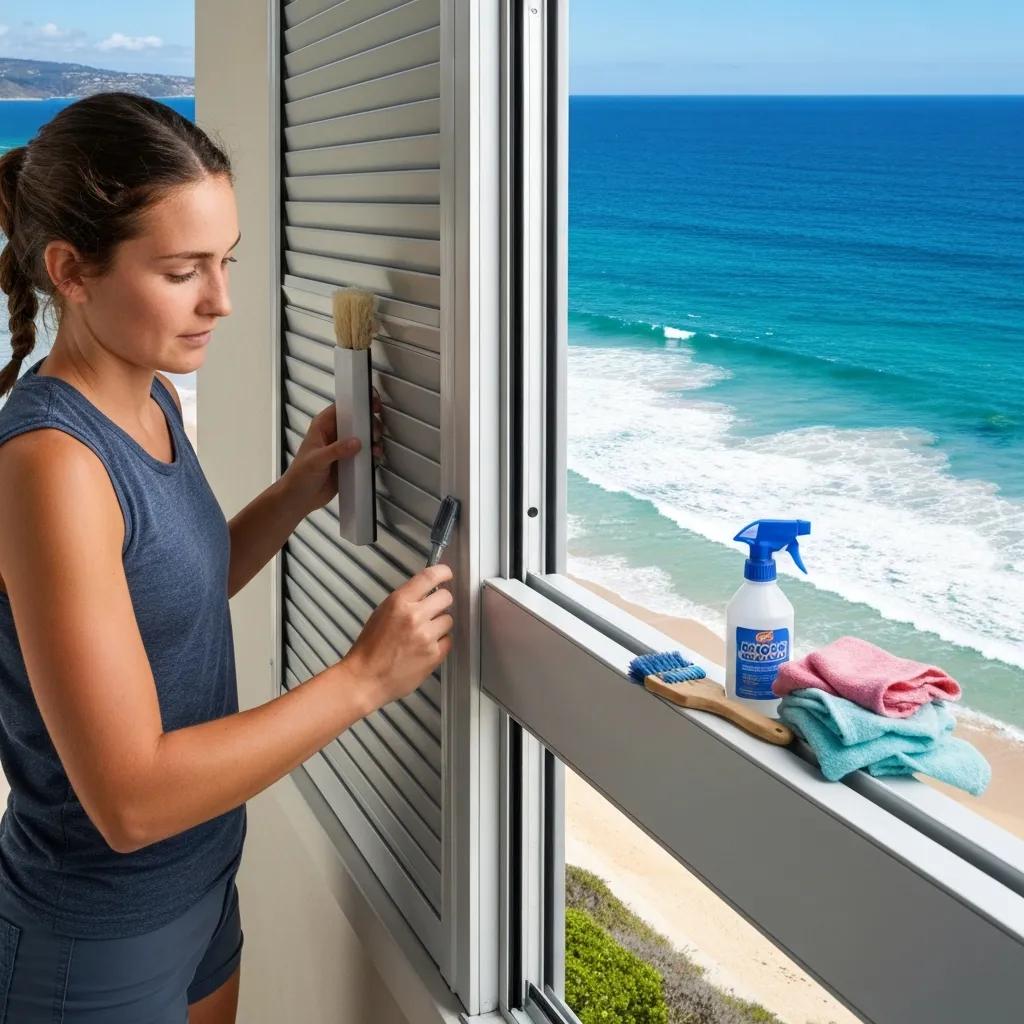
A regular maintenance routine—cleaning salt and debris, lubricating tracks and pivot points, and inspecting fasteners—keeps accordion shutters working longer in coastal climates. Routine care reduces wear on locks and prevents abrasive salt buildup that can hinder operation. Seasonal checks, especially before and after hurricane season, should include functional tests, anchor torque checks, and visual inspections for corrosion or impact damage so repairs can be scheduled promptly. Keeping a documented maintenance log also supports warranty and insurance requirements by showing proper care.
The table below shows common maintenance tasks, suggested frequencies, and typical tools or supplies for coastal properties.
Keeping up with these tasks lowers the chance of failure and helps you know when to call in professional service, outlined in the cleaning and prep subsections below.
What Are the Best Practices for Cleaning and Lubricating Accordion Shutters?
Start by rinsing salt and loose debris from panels and tracks with fresh water and a mild, non‑abrasive detergent—avoid harsh solvents that can strip protective finishes. After rinsing and drying, apply a light silicone or PTFE lubricant to tracks and pivot points to keep movement smooth and reduce wear. Inspect seals and weatherstripping and replace anything that’s brittle or torn to prevent water intrusion. Record cleaning dates and findings so you can notice trends in corrosion or wear before they become serious.
Regular cleaning and lubrication keep shutters ready for seasonal deployment, which brings us to pre‚Äë and post‚Äëstorm preparation.
How Should Shutters Be Prepared for Pre- and Post-Hurricane Seasons?
Pre‑season, run a full operational test: confirm panels deploy smoothly, locks engage, and anchors are secure. Fix any binding or misalignment before storm season. Secure removable components and make sure household members know deployment steps and where keys or motor controls are stored. After a storm, inspect for dents, deformations, or loose anchors and clear debris from tracks before operating shutters. If anchors are pulled, panels bent, or hardware shows serious corrosion, contact a professional installer—safety‑critical repairs require trained technicians.
A seasonal routine minimizes downtime and keeps shutters ready, complementing the protection and value benefits described next.
What Are the Key Benefits of Accordion Shutters for Hurricane Protection and Property Value?
Accordion shutters offer continuous protection across openings, raising impact resistance and reducing the chance of broken glazing during high winds. Properly anchored, their joined panels and locking mechanisms distribute wind loads into the structure, protecting the building envelope and interior from debris and water intrusion. Professionally installed and maintained systems can lower repair costs after storms and provide mitigation documentation that insurers and buyers recognize—helping protect property value. For coastal homes and businesses, these practical benefits make accordion shutters a sensible investment.
Shutters also deliver secondary advantages in security, energy management, and lifecycle durability that support homeowner decisions.
- Impact resistance and life‚Äësafety protection improve occupant safety during extreme weather.
- Security is enhanced by a visible physical barrier and integrated locks.
- Energy performance benefits come from shading and reduced solar heat gain when shutters are closed.
These benefits depend on certified products, corrosion‑resistant materials, and correct anchoring—topics we cover in the next subsections.
How Do Accordion Shutters Enhance Storm Safety and Impact Resistance?
Accordion shutters reduce storm damage by blocking wind‚Äëborne debris and keeping a sealed barrier that lowers pressure differentials across windows and doors. Impact performance depends on panel strength, hinge spacing, anchor capacity, and installation that ties the system back to structural framing. Installers confirm those parameters against certified product ratings and code benchmarks. Corrosion‚Äëresistant fasteners maintain anchor capacity under cyclic loading, and a well‚Äëaligned system spreads loads across multiple attachments to avoid localized failure. Certified impact‚Äërated shutters, installed correctly, deliver measurable protection.
When materials and installation choices are correct, accordion shutters give predictable storm performance and support homeowner safety and insurance needs.
In What Ways Do Accordion Shutters Improve Home Security and Energy Efficiency?
Closed and locked accordion shutters act as a physical deterrent to forced entry by resisting access at the opening plane. On the energy side, shutters reduce solar heat gain when closed, lowering cooling demand and improving comfort—especially important in coastal climates. Visible, durable protection can also deter opportunistic intrusion and may be valued by insurers and buyers. Choosing shutters with tight seals and reflective finishes further improves shading and thermal performance while retaining security benefits.
These functional gains depend on materials and hardware suited to coastal exposure; the next section helps you evaluate those choices and installers.
How to Choose the Best Accordion Shutters and Installation Services in Coastal NC and SC?
Pick shutters and installers with coastal durability in mind: choose marine‚Äëgrade or coastal‚Äërated aluminum alloys with reinforced panels and specify 18‚Äë8 stainless steel or equivalent corrosion‚Äëresistant fasteners for critical anchors. Confirm installers provide shop drawings, torque and inspection records, and know local permit processes. Look for providers with experience in Wilmington, Myrtle Beach, Oak Island, Topsail, New Bern, and Pawleys Island and ask for local references or project examples that show appropriate performance in your area.
Use this comparison to prioritize the features that matter locally. The next subsection lists practical vetting questions for installers.
What Materials and Features Should You Look for in Accordion Shutters?
Choose shutters with sufficient panel thickness, reinforcement ribs where needed, and finishes formulated for salt‚Äëair resistance. Specify corrosion‚Äëresistant fasteners like 18‚Äë8 stainless steel for all critical connections. Look for multi‚Äëpoint locking mechanisms and, if you want motorization, ensure controls and enclosures are weather‚Äërated for outdoor coastal use. Ask manufacturers and installers for impact‚Äërating documentation, shop drawings, and a maintenance guide that addresses coastal care. These material and feature choices directly influence lifespan and performance in salt‚Äëladen environments.
With materials specified, the next step is vetting local installers and requesting on‚Äësite estimates.
Where Can You Find Trusted Professional Installers in Wilmington, Myrtle Beach, and Surrounding Areas?
When you vet local installers, ask for proof of coastal experience, documented code knowledge, shop drawings and inspection records, nearby references, and policies on corrosion‚Äëresistant hardware and post‚Äëinstall maintenance. Confirm they provide clear permit documentation, testing records, and written warranties, and that they offer on‚Äësite estimates with measurement verification rather than relying on online quotes alone. Prefer contractors who explicitly document compliance and use corrosion‚Äëaware techniques. American Hurricane Shutters serves coastal North and South Carolina, offers free estimates, and highlights 18‚Äë8 stainless steel practices and code compliance in their installation and service offerings.
Use this short checklist when evaluating candidates:
- Request shop drawings, anchor schedules, and inspection documentation.
- Confirm use of corrosion‚Äëresistant hardware and clear maintenance guidance.
- Ask for local references and examples of coastal installations.
Following these steps helps you choose an installer who will deliver durable, code‚Äëcompliant protection suited to your coastal property.
What Materials and Features Should You Look for in Accordion Shutters?
(Repeated H3 preserved by structure requirement) The right materials and features balance corrosion resistance, impact performance, and reliable operation. Reinforced aluminum panels and stainless fasteners should be priorities in coastal settings. Panel thickness, ribbing, and finish durability affect impact behavior, while hardware grade and sealing details determine long‑term resilience to salt and moisture. Consider multi‑point locks and only add motorization if the system’s controls and enclosures are rated for coastal exposure. Insist on manufacturer impact‑rating documentation and finish warranties, and make sure the installer provides a maintenance guide to protect those warranties over time.
This material‚Äëfocused guidance completes the buyer criteria and points you to requesting on‚Äësite estimates and documentation as the next step.
Where Can You Find Trusted Professional Installers in Wilmington, Myrtle Beach, and Surrounding Areas?
(Repeated H3 preserved by structure requirement) Finding reputable local installers combines document checks with local reputation. Start by requesting recent project references, permit examples, and detailed written estimates that list hardware specs and timelines. Confirm the installer understands local permitting and inspection cycles and will supply post‑install maintenance guidance and records. Avoid providers who overlook coastal corrosion concerns—prioritize teams that specify 18‑8 stainless hardware and provide maintenance guides. Request a free, on‑site estimate to verify measurements and receive a permit‑ready drawing and cost breakdown before committing.
These vetting steps finish the selection process and prepare you to begin measurement and permitting for installation.
Frequently Asked Questions
1. What are the common materials used in accordion shutters?
Most accordion shutters are aluminum—either standard or reinforced for extra strength. For coastal sites, marine‑grade or coastal‑rated aluminum and corrosion‑resistant hardware (commonly 18‑8 stainless steel) are preferred. These choices improve durability in environments with high winds and salt exposure.
2. How often should I have my accordion shutters professionally inspected?
We recommend a professional inspection at least once a year and after any major storm. Regular checks catch corrosion, misalignment, and wear on moving parts early and help keep the system ready and warranty‚Äëcompliant.
3. Can accordion shutters be motorized for easier operation?
Yes—accordion shutters can be motorized, which is useful for large or hard‑to‑reach openings. If you choose motorization, make sure the motor, controls, and enclosures are weather‑rated for outdoor coastal use to ensure reliability.
4. What should I do if my accordion shutters are damaged after a storm?
Once it’s safe, inspect for dents, bent panels, or loose anchors. If you find significant damage or compromised hardware, contact a professional installer—repairs to anchors, panels, and structural connections should be handled by trained technicians.
5. Are there any specific building co
