Permanent Hurricane Screen Installations: The Ultimate Protection Solution for Residential Storm Safety
Permanent hurricane screen installations offer a fixed, always-ready shield that reduces wind pressure, blocks flying debris, and limits driving rain while preserving visibility and airflow for coastal homes. This article explains how permanent screens work, compares the major types (including motorized hurricane screen systems and Kevlar/fabric solutions), outlines a professional installation workflow, and shows cost drivers to help homeowners make informed decisions. Homeowners facing frequent storms need solutions that combine tested materials, proper engineering, and reliable installation to meet local design pressure requirements and everyday usability goals. Read on for a clear definition of permanent hurricane screens, the main material and mechanical choices, step-by-step installation and code considerations for NC/SC locations, year-round benefits such as UV reduction and energy savings, and a practical cost guide. The coverage emphasizes practical homeowner outcomes, technical trust through custom design pressure analysis, and how to evaluate installers and warranty options like those offered by American Hurricane Shutters.
What Are Permanent Hurricane Screens and How Do They Protect Your Home?
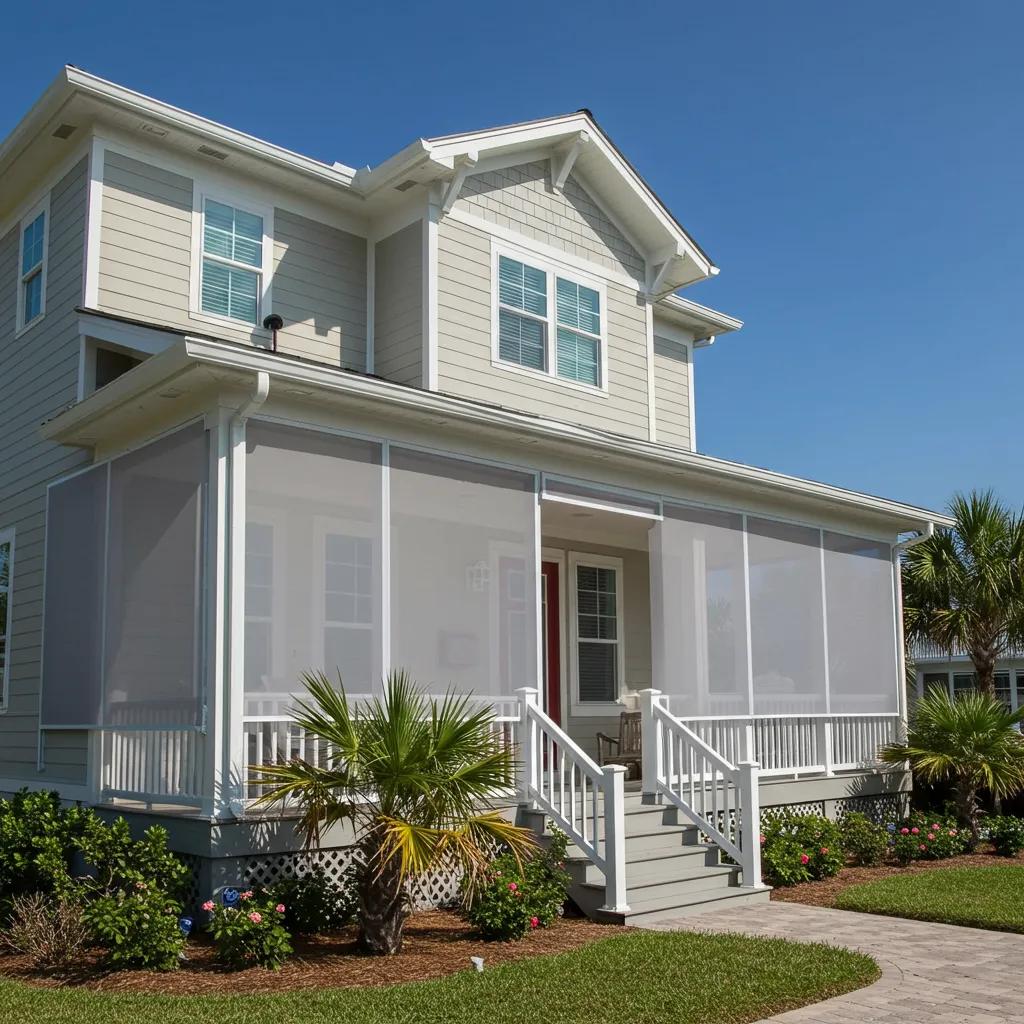
Permanent hurricane screens are fixed exterior systems that attach to a building’s structure to block wind, projectiles, and water while allowing light and airflow. They work by combining high-strength screen fabrics with anchored track systems that transfer wind loads to secure mounting points, dissipating energy and preventing window or opening failure. The result is continuous storm protection that reduces damage risk and shortens storm-preparation time for homeowners. Understanding this mechanism clarifies why permanent screens are often specified for large openings where removable options are impractical and where visibility and year-round use matter.
What defines a permanent hurricane screen compared to temporary options?
A permanent hurricane screen is mounted with dedicated hardware and designed for repeated use, whereas temporary options are removable panels stored between storms. Permanent systems incorporate tracks, fasteners, and often motorization so deployment takes seconds rather than hours, which improves readiness and reduces human error during storm events. Permanence also allows selection of materials and engineering to meet local design pressures and code expectations, increasing known performance under wind and debris impact. This permanence contrasts directly with temporary panels, which may be less convenient and prone to storage damage.
How do hurricane screens provide protection against wind, rain, and debris?
Hurricane screens protect by combining a tensile, impact-resistant fabric with a retaining track or anchor system that transfers loads into the structure; the fabric absorbs and disperses impact energy while the track prevents blowout. Screens limit water intrusion by reducing direct wind-driven rain and by creating a controlled barrier that complements window sealing systems. The engineered connection points and corrosion-resistant fasteners ensure sustained wind resistance through multiple storm cycles. These mechanical and material behaviors explain why permanent installations are often preferred for vulnerable large openings.
Which materials are used in permanent hurricane screens for durability?
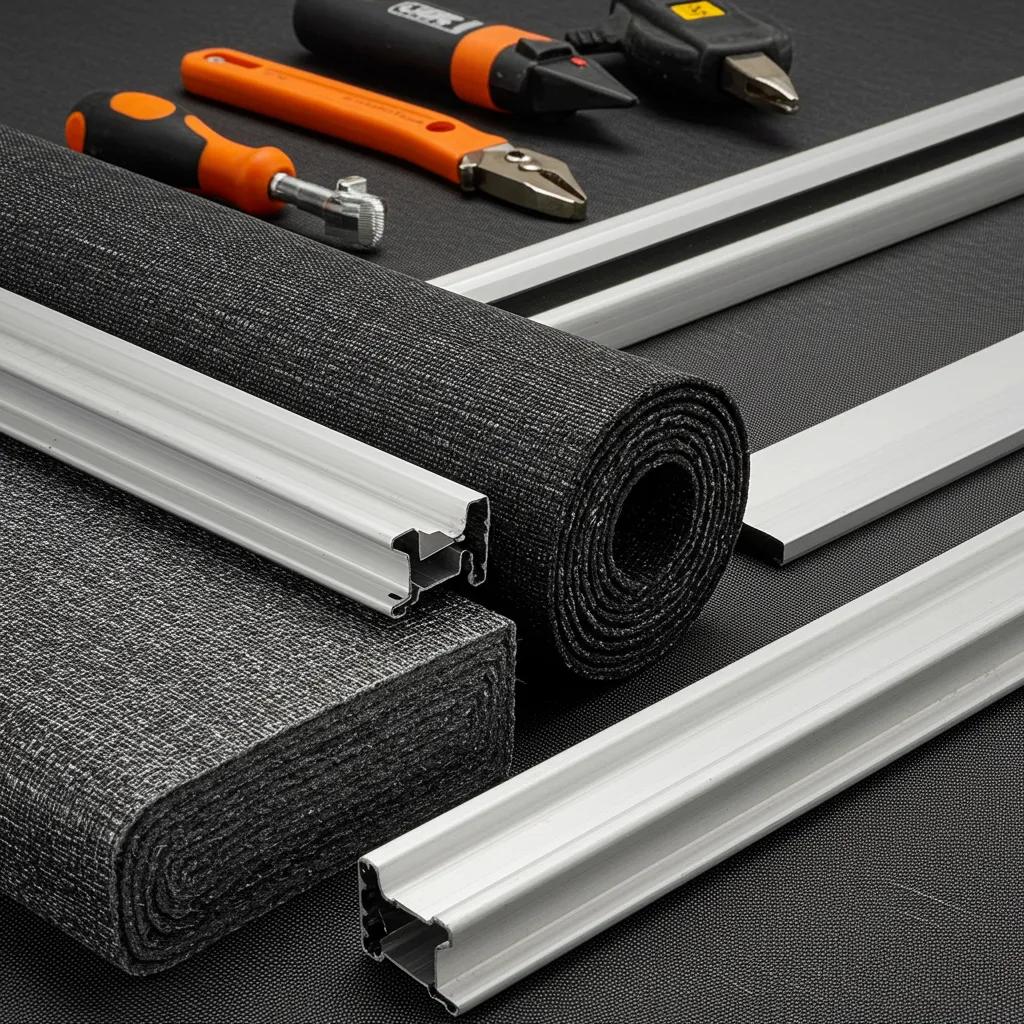
Durable permanent screens commonly use high-tenacity fabrics—including Kevlar or aramid blends—and aluminum track systems with stainless steel hardware to resist corrosion and impact. Kevlar-style fabrics offer superior tear resistance and debris penetration protection, while woven polyester or fiberglass-screen fabrics provide a balance of visibility, cost, and UV resistance. Track components often employ 6063-T6 aluminum and 18-8 stainless steel fasteners to maintain structural integrity in coastal environments. Selecting materials depends on exposure, desired visibility, and the required design pressure for the location.
What Types of Permanent Hurricane Screens Are Available?
Permanent hurricane screens include several operational types designed for different openings, automation preferences, and performance needs. Knowing each type’s mechanism and ideal use-case helps homeowners choose between motorized roll-down hurricane screens for convenience, buckle-and-strap or I-beam track systems for budget and rigidity, and high-performance Kevlar/fabric options where impact resistance is the priority. The right choice balances visibility, wind rating, deployment speed, and installation complexity to fit the home’s architecture and storm risk.
Permanent hurricane screen types and use-cases:
- Motorized roll-down systems provide rapid, push-button deployment ideal for large lanais and porches.
- Buckle-and-strap systems offer lightweight, cost-effective coverage suitable for moderate exposures.
- I-beam track systems deliver rigid anchoring and higher security for permanent openings.
- Kevlar and aramid fabric systems prioritize impact resistance for the most exposed areas.
This set of options allows homeowners to match operational convenience to protection needs; the next section compares key attributes to guide selection.
These types represent hyponyms under the broader category of hurricane protection systems and help homeowners weigh trade-offs between automation, visibility, and strength.
How do motorized roll-down hurricane screens work?
Motorized roll-down hurricane screens use a powered tube motor to lower or raise a fabric screen into a vertical track; the motor controls deployment speed and locking features. Integration with remotes or home automation systems adds convenience and ensures rapid closure when a storm warning is issued, reducing human delay. The motor/drive assembly is designed to handle the fabric load and resist wind pressure while track seals minimize rattle and light intrusion. For homeowners prioritizing ease, motorized systems deliver both protection and daily shade benefits.
What are buckle-and-strap and I-beam track hurricane screens?
Buckle-and-strap systems secure fabric with straps and buckles to base rails—offering a lower-cost, adaptable method for covering irregular openings—while I-beam track systems use interlocking vertical guides for more rigid retention and higher wind resistance. Buckle systems excel for seasonal or moderate-exposure applications and require less structural modification, whereas I-beam tracks are preferred where code-level wind ratings and continuous security are paramount. Installation complexity and fixing details differ, so selection should reflect exposure, aesthetics, and owner maintenance willingness. Understanding these mechanical differences guides practical decisions about durability and long-term performance.
What benefits do Kevlar and fabric hurricane screens offer?
Kevlar and similar aramid fabrics deliver high tensile strength and debris penetration resistance, making them ideal for locations with extreme exposure or where maximum impact protection is required. Woven fabrics, by contrast, balance cost, visibility, and UV blocking; they provide year-round shade, insect protection, and reduced solar heat gain while still offering meaningful wind defense. The trade-off is cost versus performance: Kevlar-style materials cost more but raise the design pressure capacity of the system. Choosing between materials should follow a design pressure analysis to match material durability with expected storm loads.
This comparison helps homeowners prioritize impact resistance, visibility, and longevity when selecting materials for permanent installations.
How Is the Installation Process for Permanent Hurricane Screens Conducted?
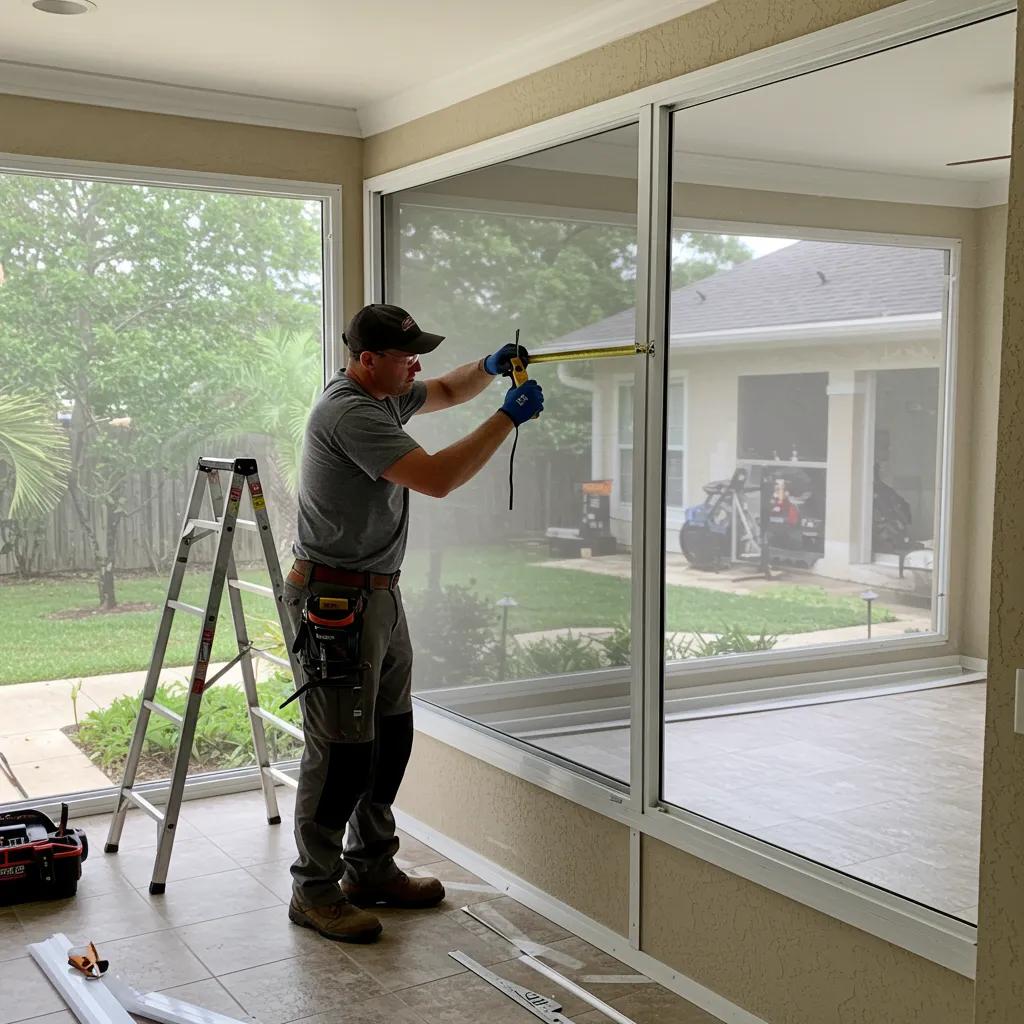
Installation of permanent hurricane screens follows a predictable professional workflow: site survey and measurements, custom design pressure analysis, fabrication to specification, secure mounting, and final testing and handover. The process ensures the selected screen type and materials meet design pressures for the specific property exposure and that mounting points transfer loads into the structure correctly. Certified technicians then complete electrical work for motorized systems, adjust tensioning, and perform operational tests so the owner understands deployment and maintenance. A clearly documented installation reduces later ambiguity about warranty coverage and compliance.
- Site assessment and measurements to document openings and exposure.
- Custom design pressure analysis to specify materials and anchoring.
- Fabrication, mounting, motor/electrical connections (if applicable), and testing.
These steps reflect an industry-standard approach and lead directly into considerations for local code compliance and permitting that owners should expect.
What steps are involved in site assessment and custom design pressure analysis?
Site assessment begins with measuring openings, documenting building geometry and exposure, and noting obstructions or architectural details that affect mounting. A custom design pressure analysis uses location, elevation, and exposure category to determine required wind loads and select fabric strength, track profile, and fastener schedules. The analysis defines anchor spacing and material grades—such as 6063-T6 aluminum tracks and 18-8 stainless steel fasteners—so components perform under expected forces. Clear specification at this stage reduces retrofit surprises during installation.
How do installations comply with local building codes in NC and SC?
Compliance entails verifying local wind-zone requirements, preparing documentation for permits where needed, and ensuring installations match specified design pressures and attachment schedules. Certified installations include records of materials, engineering calculations, and test reports that building officials or insurers may request. Working with providers familiar with coastal NC/SC code nuances shortens permit cycles and clarifies inspection expectations. Proper documentation also supports warranty claims and potential insurance credits linked to approved storm protection systems.
What maintenance and warranty options are available after installation?
Routine maintenance typically includes periodic visual inspections, track cleaning, motor function checks for automated systems, and verification of fastener integrity—performed annually or after severe storms. Warranty packages often cover manufacturing defects and may include a set maintenance period; for example, some providers offer a multi-year warranty with guaranteed maintenance after the first year and fees thereafter. Emergency service options for storm-damaged systems provide rapid response to restore protection. Establishing a maintenance schedule at handover preserves performance and warranty validity.
- Maintenance checklist intro paragraph: Owners should follow a short checklist to ensure long-term functionality and warranty compliance.
Checklist items:
- Inspect tracks and fasteners for corrosion or looseness.
- Clean fabric and track channels to prevent abrasion.
- Test motorized drives and electrical safety features.
- Document and report any damage promptly for warranty review.
Following these steps maintains readiness and extends system life while minimizing downtime after storms.
What Are the Key Benefits of Choosing Permanent Hurricane Screens?
Permanent hurricane screens offer continuous storm readiness, rapid deployment, and year-round advantages such as UV reduction, shading, insect protection, and privacy while preserving outward visibility. They transform risky, time-consuming pre-storm tasks into simple operations and provide dual-use value by lowering solar heat gain, which contributes to energy efficiency in conditioned spaces. Homeowners gain durable protection for large openings like lanais and porches without sacrificing aesthetics, and properly engineered systems meet the same design pressure principles that govern other certified storm protection products. These combined benefits position permanent screens as a smart long-term investment for coastal properties.
Key homeowner benefits include:
- Storm protection and rapid deployment for readiness.
- UV and solar shading that reduces interior cooling load.
- Privacy and insect protection while maintaining sightlines.
- Architectural integration with color and finish options.
These advantages feed directly into material and operational choices described earlier, helping homeowners align performance expectations with practical daily use.
How do permanent screens enhance year-round storm protection and convenience?
Permanent screens remain mounted so deployment requires little effort, which reduces the time and labor barrier that often delays storm preparation. Motorized hurricane screen systems intensify this convenience by enabling remote or automated closure, ensuring vulnerable openings are secured promptly. The everyday presence of screens also delivers additional lifestyle benefits—shade, screened living space, and insect control—that increase the system’s value outside of storm events. Owners therefore experience both immediate readiness and ongoing utility from a single installed solution.
Can hurricane screens improve UV protection, energy efficiency, and privacy?
Yes—screen fabrics block a portion of solar radiation, reducing UV exposure to interiors and occupants and decreasing solar heat gain that forces air-conditioning use. Different fabrics deliver different shading coefficients, so material choice influences measurable energy performance. Screens also add privacy by limiting sightlines from outside while preserving outward visibility. These daily benefits make hurricane screens multifunctional assets beyond emergency protection.
How do permanent screens maintain visibility and aesthetic integration?
Many woven fabrics are engineered to maximize see-through quality, preserving sightlines while providing protection; mounting options and finish colors for tracks and hardware allow screens to blend with architectural styles. Professional installers can recommend fabric openness and color to balance visibility with shading and impact needs, and careful detailing keeps screens unobtrusive when retracted or deployed. Thoughtful material and finish choices help screens complement rather than compromise home aesthetics.
After considering benefits and system options, homeowners should weigh cost factors that determine final investment and available incentives.
How Much Does It Cost to Install Permanent Hurricane Screens?
Installation cost depends primarily on opening size, screen type, motorization, installation complexity, and local code requirements, with specialized materials and automation raising the price but also raising convenience and performance. Online cost calculators provide preliminary estimates by asking for measurements, desired system type, and motorization choices; they serve as a starting point before scheduling an on-site assessment for a firm quote. Insurance discounts or local incentives may offset some costs, but specifics vary regionally and require verification with insurers or authorities. Understanding these drivers helps homeowners budget and prioritize which openings to address first.
Common cost drivers include:
- Opening Size: Larger widths/heights increase material and labor.
- Screen Type: Motorized roll-down systems cost more than manual buckles.
- Installation Complexity: Curved openings, architectural details, or reinforcement needs add labor.
This overview frames how homeowners can use tools and professional quotes to move from rough estimates to accurate project budgeting.
What factors influence the price of hurricane screen installations?
Size and number of openings typically represent the largest cost element because more fabric and longer tracks scale materials and labor proportionally. Motorization and automation features add components and electrical work, increasing both parts and installation time. High-performance materials such as Kevlar or specialized track systems increase material costs but may reduce long-term risk and insurance exposure. These cost trade-offs should be evaluated against expected storm exposure and homeowner priorities.
How can homeowners use online cost calculators for estimates?
When using a cost calculator, homeowners should input accurate measurements, indicate whether motorization is desired, and specify fabric or performance targets; the calculator then yields a preliminary range useful for budget planning. Treat these results as ballpark estimates—next steps should include scheduling an on-site assessment for a written quote that accounts for framing, anchoring, and permit conditions. Saving calculator outputs and sharing them with installers streamlines the quoting process and clarifies assumptions.
Are there financial incentives or insurance benefits for installing permanent screens?
Some insurers offer premium reductions for approved storm protection systems, and local rebate programs occasionally exist, but availability varies by policy and jurisdiction; homeowners should consult their insurance agent and local building department. Proper documentation of design pressure, materials, and certified installation supports potential insurance credits and long-term valuation benefits. Verifying incentives before investing helps quantify the net cost and informs the order in which openings are protected.
For homeowners seeking professional help, American Hurricane Shutters offers Hurricane Screens with custom design pressure analysis, quality materials including 6063-T6 aluminum and 18-8 stainless steel fasteners, OSHA 30–certified personnel, a 7-Year Warranty with maintenance terms, emergency service on request, and an online cost calculator to generate rough estimates. Contacting a qualified local installer to schedule an assessment and confirm warranty and maintenance options is the recommended next step for NC/SC coastal properties and large-opening protections such as porches and lanais.
Frequently Asked Questions
What is the lifespan of permanent hurricane screens?
The lifespan of permanent hurricane screens can vary based on the materials used, environmental conditions, and maintenance practices. Generally, high-quality screens made from durable materials like Kevlar or aluminum can last 10 to 20 years or more with proper care. Regular inspections and maintenance, such as cleaning and checking for wear, can significantly extend their lifespan. Homeowners should consult with their installer for specific recommendations based on the chosen materials and local climate conditions.
How do I choose the right type of hurricane screen for my home?
Choosing the right type of hurricane screen involves considering several factors, including the size of the openings, the level of storm exposure, and your budget. Motorized roll-down screens offer convenience for larger areas, while buckle-and-strap systems are more budget-friendly. Assess your specific needs, such as ease of use and desired visibility, and consult with a professional installer to evaluate which type best suits your home’s architecture and storm risk profile.
Can permanent hurricane screens be installed on existing structures?
Yes, permanent hurricane screens can typically be installed on existing structures, provided that the building meets the necessary structural requirements. A professional installer will conduct a site assessment to evaluate the integrity of the existing framework and determine the best mounting options. Modifications may be needed to ensure that the screens are securely anchored and can withstand local wind loads. Always consult with a qualified installer to ensure compliance with local building codes.
What are the energy efficiency benefits of permanent hurricane screens?
Permanent hurricane screens can enhance energy efficiency by reducing solar heat gain and UV exposure in your home. The screens act as a barrier, blocking a portion of sunlight, which can lower indoor temperatures and reduce reliance on air conditioning. This not only leads to energy savings but also protects furnishings and flooring from UV damage. Homeowners can enjoy a more comfortable living environment while potentially lowering their energy bills throughout the year.
Are there any specific maintenance tasks required for hurricane screens?
Yes, regular maintenance is essential to ensure the longevity and functionality of hurricane screens. Homeowners should perform periodic visual inspections to check for signs of wear, clean the fabric and track channels to prevent abrasion, and test motorized systems for proper operation. Additionally, checking fasteners for corrosion or looseness is crucial. Establishing a maintenance schedule, especially after severe weather events, helps maintain performance and ensures compliance with warranty requirements.
What should I do if my hurricane screens are damaged during a storm?
If your hurricane screens are damaged during a storm, it’s important to assess the extent of the damage as soon as it is safe to do so. Document the damage with photos for insurance purposes and contact your installer or a professional repair service promptly. Many providers offer emergency services to restore protection quickly. Regular maintenance and inspections can help identify potential issues before they lead to significant damage, so proactive care is essential.
Conclusion
Permanent hurricane screens provide homeowners with reliable, year-round storm protection while enhancing energy efficiency and aesthetic appeal. By choosing the right system, you can ensure rapid deployment and long-term durability against harsh coastal conditions. Investing in these protective solutions not only safeguards your property but also adds value through energy savings and improved comfort. Explore our range of premium hurricane screens today to find the perfect fit for your home.
